
1. Quiet Riot
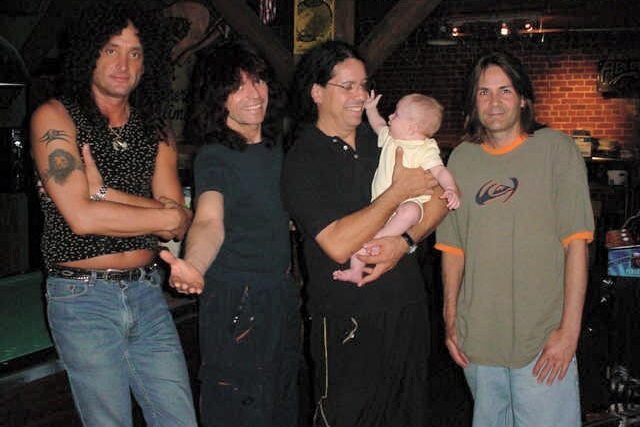
When Quiet Riot broke through in the early ’80s with their cover of “Cum On Feel the Noize,” it felt like they had cracked the code for mainstream hard rock. Their album Metal Health went on to become the first heavy metal record to top the Billboard charts, which was no small feat at the time. For a while, they were riding high, pulling in sold-out crowds and appearing everywhere from MTV to arena stages. Kevin DuBrow’s distinct voice and the band’s pounding riffs made them a household name.
But the good times didn’t last. DuBrow’s outspoken nature rubbed both fans and fellow musicians the wrong way, and the lineup shuffled constantly. By the late ’80s, their momentum had slowed, and newer bands were stealing the spotlight. They kept trying to recapture the magic, but they never again matched the success of Metal Health.
2. Ratt
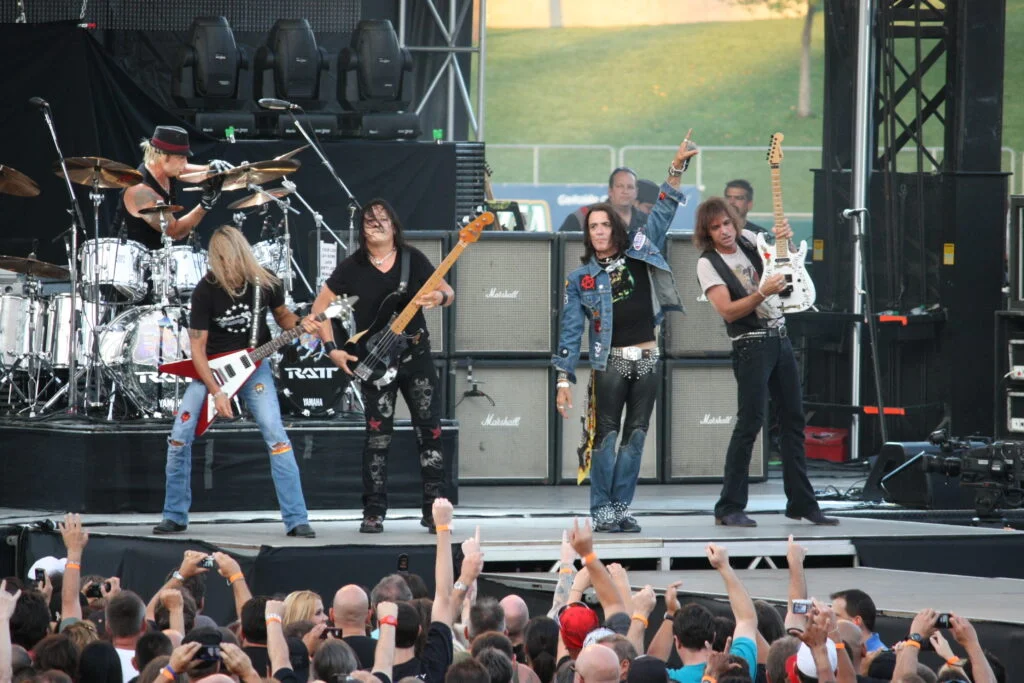
If you were into MTV in the mid-’80s, chances are you saw Ratt’s flashy music videos more than once. With “Round and Round” climbing the charts and Stephen Pearcy’s sneering vocals backed by Warren DeMartini’s guitar, they seemed destined to stick around. They had the image, the catchy hooks, and a loyal fan base.
Yet, behind the scenes, tensions were brewing. Infighting, substance abuse, and a changing musical landscape worked against them. By the early ’90s, grunge pushed hair metal out of the mainstream almost overnight. Ratt continued in some form, but their heyday as one of the big names of glam rock ended abruptly.
3. Winger

Winger had the looks, the chops, and plenty of catchy tunes. Songs like “Seventeen” and “Headed for a Heartbreak” were staples on rock radio, and their videos played nonstop on MTV. Kip Winger’s charisma gave them the kind of frontman appeal that record labels dream about.
Unfortunately, they became the butt of jokes, most notably from Beavis and Butt-Head, where a nerdy character wore a Winger shirt. Their association with “cheesy glam metal” stuck, and by the time grunge rolled in, their fan base had scattered. Despite their talent, Winger faded from the spotlight almost as quickly as they appeared.
4. White Lion
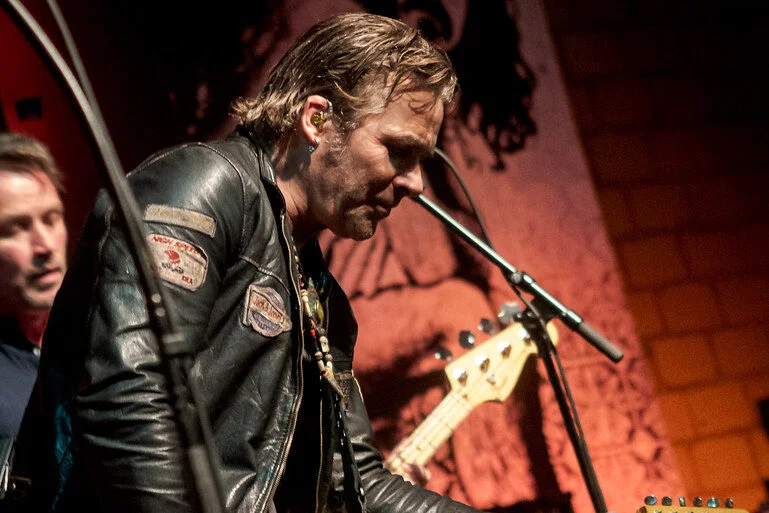
White Lion seemed to have it all when Pride dropped in 1987. Hits like “Wait” and “When the Children Cry” brought them a mix of hard rock fans and ballad lovers. Mike Tramp’s vocals paired with Vito Bratta’s guitar work made for a strong duo.
Still, the industry wasn’t kind to them. Bratta, considered one of the most underrated guitarists of his generation, stepped away from music after disputes with the label. Without his unique sound, White Lion couldn’t carry on at the same level. By the early ’90s, they had completely disappeared from the rock conversation.
5. Dokken
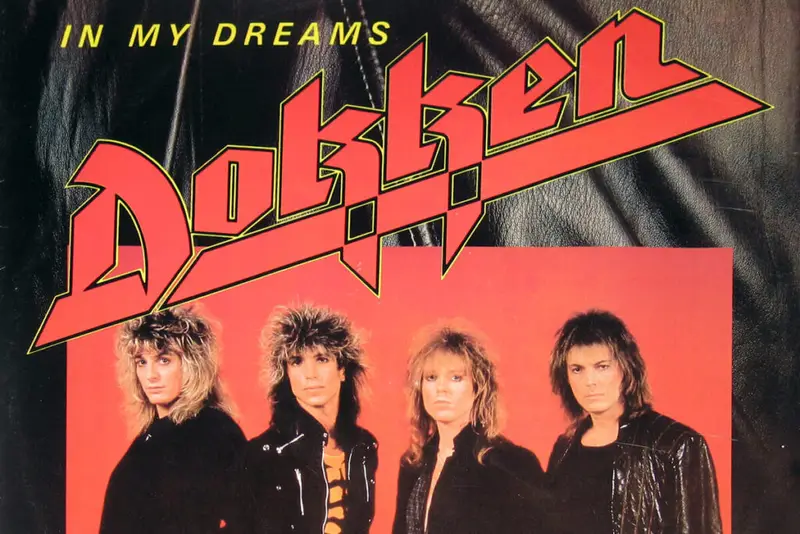
Dokken were one of those bands that seemed to hover just below superstardom. They had the arena tours, MTV videos, and radio play with tracks like “In My Dreams” and “Alone Again.” Don Dokken’s voice, paired with George Lynch’s searing guitar, gave them a signature sound that stood out.
But their downfall was as much internal as external. The constant feuding between Dokken and Lynch became infamous, making it nearly impossible for the band to thrive long-term. When the musical tides shifted, they didn’t have the unity to survive it. By the ’90s, their name was more associated with “what could have been” than ongoing success.
6. Europe
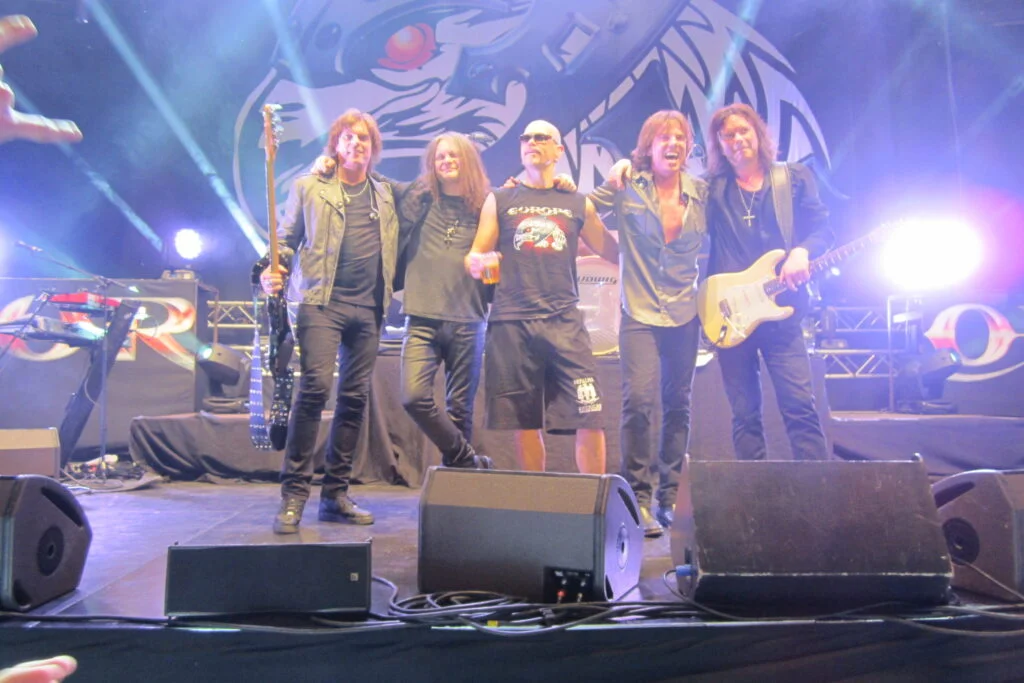
Europe hit it big with “The Final Countdown,” a song so catchy it’s still used in commercials and sports arenas today. For a moment in 1986, they were one of the biggest bands in the world. Joey Tempest’s soaring vocals and John Norum’s guitar riffs gave them a strong identity.
But living up to that massive hit proved impossible. Every album after was measured against “The Final Countdown,” and they could never replicate the same cultural moment. By the early ’90s, they had slipped into obscurity in the U.S., remembered mostly for that one giant anthem.
7. Cinderella
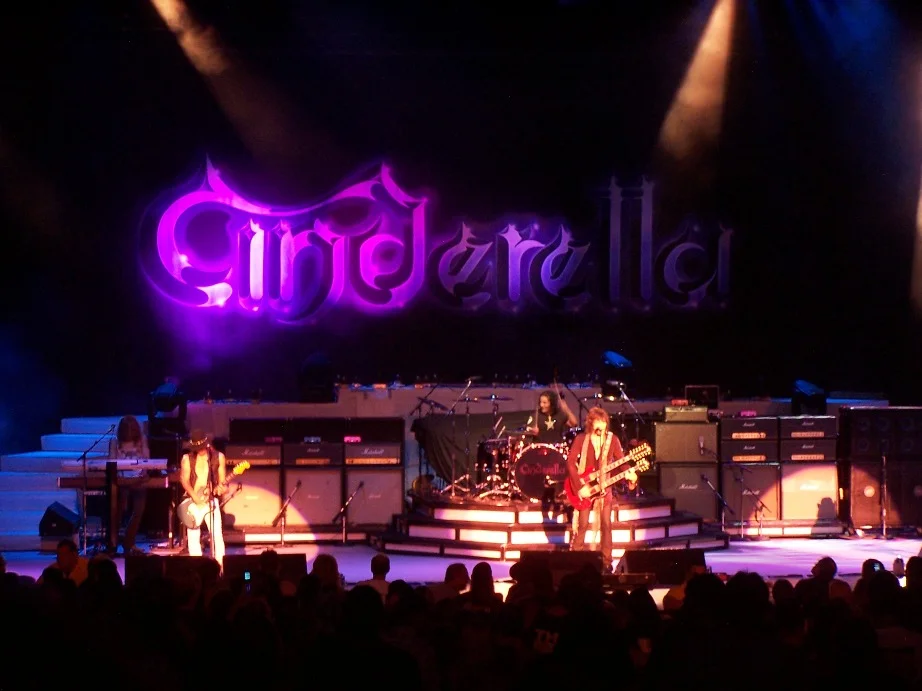
Cinderella brought a bluesy edge to glam metal that set them apart. Tom Keifer’s raspy voice and their mix of hard rock with a Southern flair made songs like “Nobody’s Fool” and “Don’t Know What You Got (Till It’s Gone)” resonate with fans. They toured with some of the biggest names in rock and seemed poised for long-term success.
Yet health issues and changing trends derailed them. Keifer struggled with vocal cord problems, forcing the band to slow down. By the time he recovered, grunge had arrived, and Cinderella’s style was no longer in fashion. They never regained their earlier spotlight.
8. Slaughter
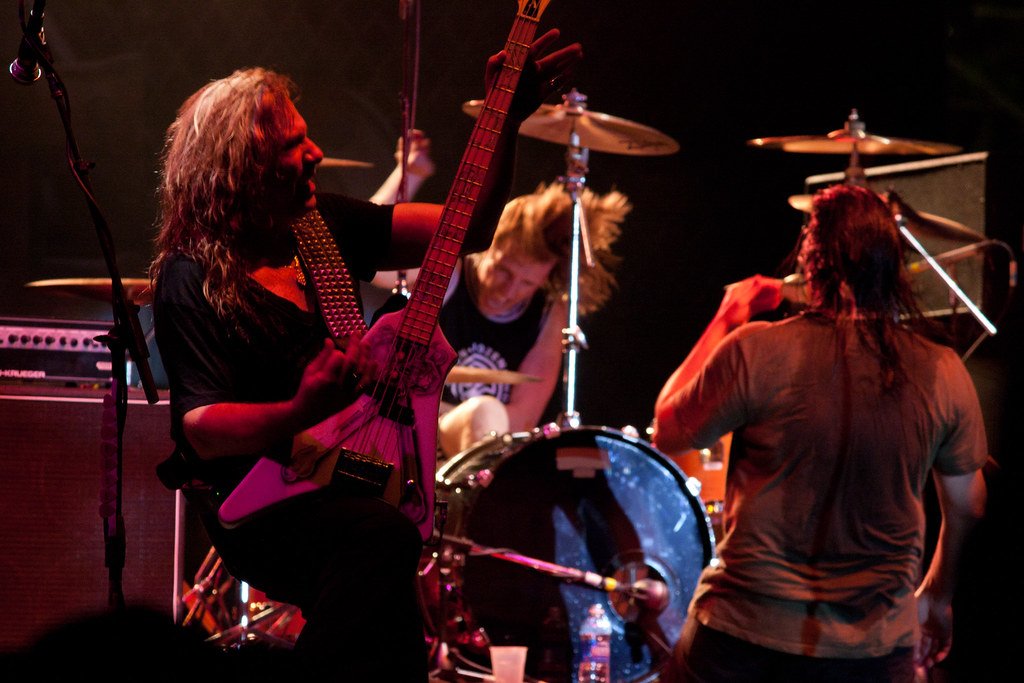
Slaughter’s debut album Stick It to Ya was a surprise smash in 1990, with songs like “Up All Night” and “Fly to the Angels” dominating both radio and MTV. They had come out of the ashes of the band Vinnie Vincent Invasion, and their melodic style gave them a fresh start.
Still, their timing was unfortunate. Just as they were hitting their stride, grunge began to dominate the charts. By the mid-’90s, they were largely forgotten by mainstream audiences. They’ve toured off and on since, but their massive moment was confined to the early ’90s peak.
9. Autograph
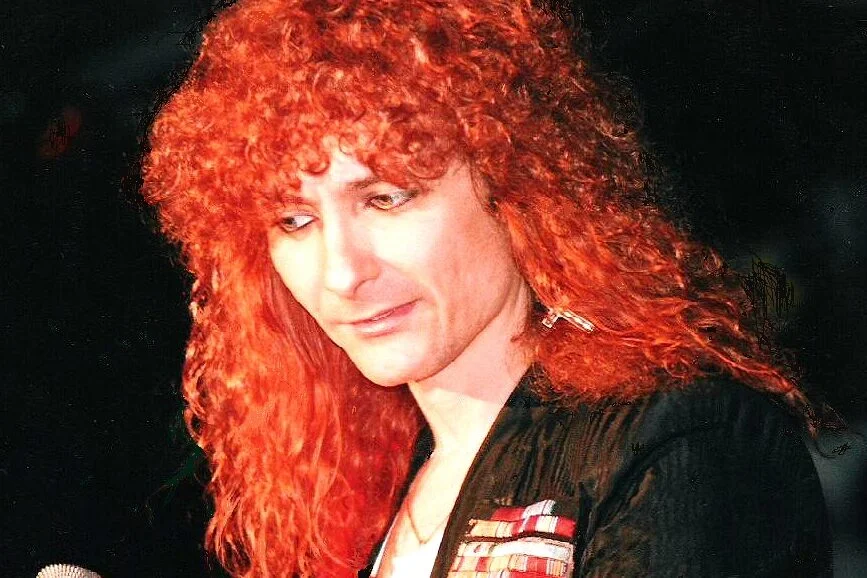
Autograph’s “Turn Up the Radio” became an ’80s anthem almost overnight. It was loud, catchy, and perfectly fit the era of hair metal excess. With that song and their flashy style, they seemed like a band ready to take on the world.
But they never managed to follow it up with another hit of the same caliber. Despite touring with legends like Van Halen, they couldn’t expand beyond being a one-hit wonder. By the end of the decade, they were more of a trivia answer than a lasting presence in rock.
10. Great White
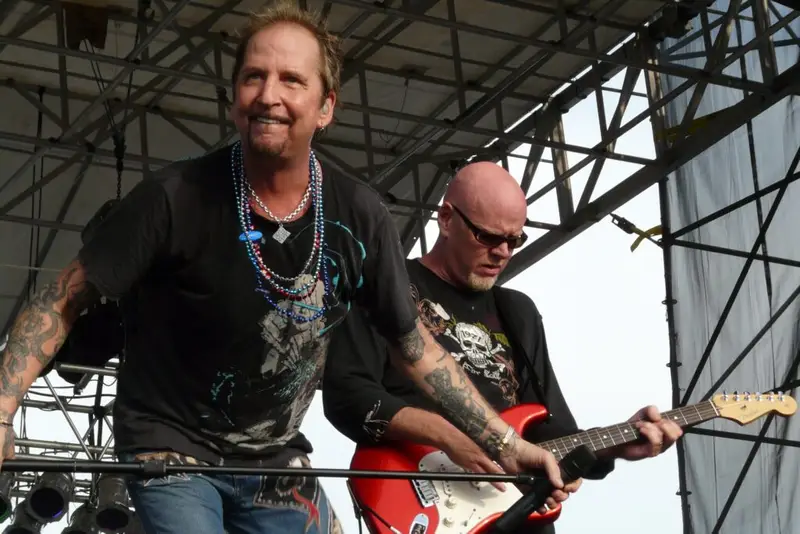
Great White made a name for themselves with blues-inspired hard rock and hits like “Once Bitten, Twice Shy.” Their live shows were intense, and they had a devoted fan base. For a while, it looked like they’d carve out a lasting career in the rock world.
But as the ’90s arrived, their popularity plummeted. They struggled to adapt to the new soundscape, and their reputation took another hit after a tragic concert fire in 2003. Although they still perform, their mainstream success was a moment that belonged solely to the ’80s.
11. Faster Pussycat
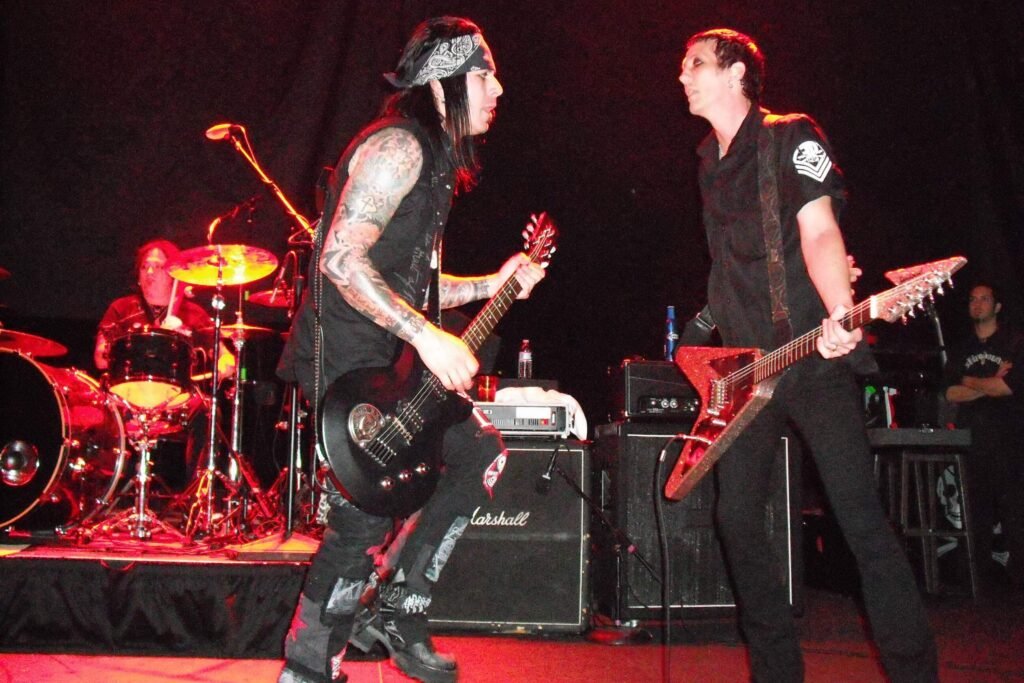
Faster Pussycat captured the sleazy side of the Sunset Strip scene perfectly. Songs like “Bathroom Wall” and “House of Pain” were gritty, fun, and unapologetically wild. They had a cult following that made them staples of the L.A. rock scene.
However, their sound didn’t translate as well outside that environment. They couldn’t maintain the same level of commercial success as some of their peers. By the time the decade ended, they had largely vanished from mainstream rock airwaves, left behind as a footnote in glam history.
12. Vixen
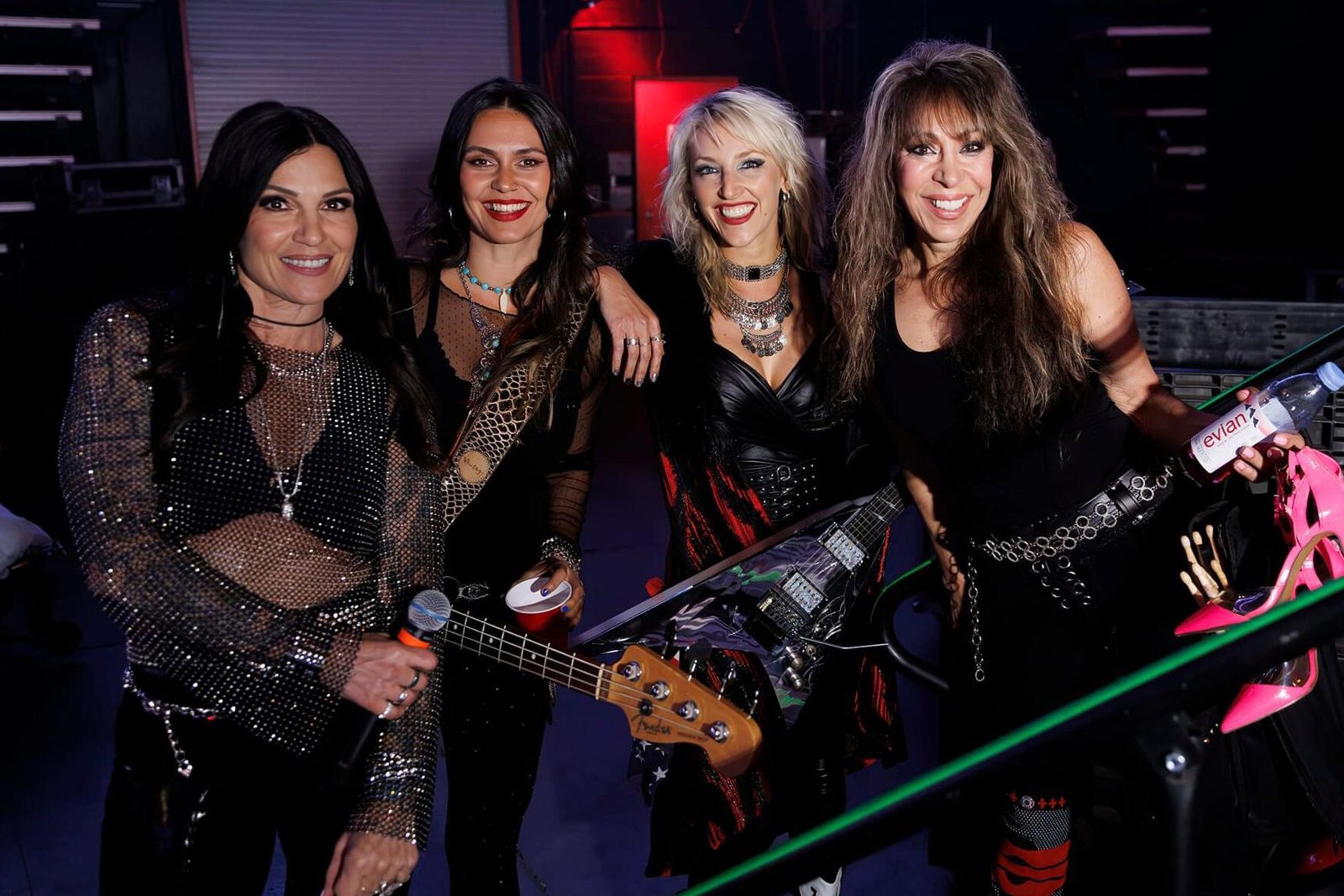
Vixen stood out as one of the few all-female hard rock bands to break through in the ’80s. With songs like “Edge of a Broken Heart,” they proved they could rock just as hard as their male counterparts. Their image and sound earned them plenty of fans and made them MTV regulars.
But they struggled to maintain momentum beyond their initial splash. Lineup changes and industry pressures made it difficult for them to sustain success. By the early ’90s, they were swept aside in the wave of new genres, remembered as pioneers but no longer chart-toppers.