
1. The Godfather (1972)
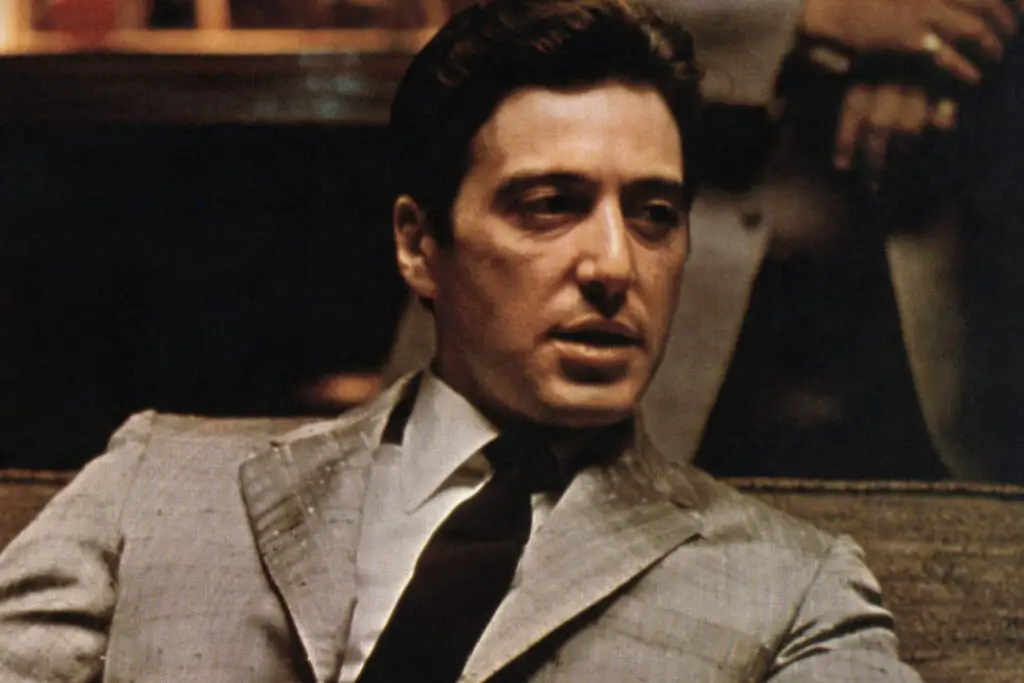
Francis Ford Coppola’s The Godfather wasn’t just a mob movie, it reshaped Hollywood’s entire approach to storytelling. It brought a new sense of realism, style, and depth to crime films, turning what could have been a genre picture into high art. Marlon Brando’s quiet yet terrifying presence, Al Pacino’s slow transformation, and Gordon Willis’ shadowy cinematography all became instantly iconic. The movie proved audiences wanted morally complex characters and layered storytelling, not just shootouts and car chases.
Hollywood executives suddenly realized that gritty, character-driven films could also be massive box office hits. The success of The Godfather gave directors more creative power and studios more confidence in darker, riskier material. It also influenced everything from fashion to music, with people quoting lines and imitating Brando’s mannerisms for decades. Without it, the ’70s might never have been known as the decade of auteur filmmaking.
2. A Clockwork Orange (1971)
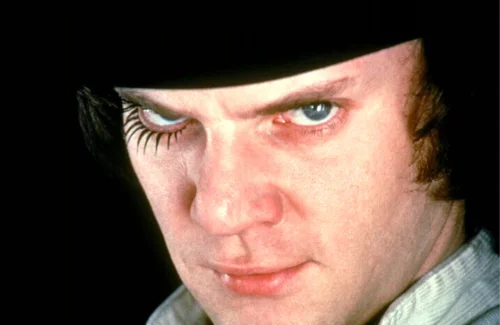
Stanley Kubrick’s A Clockwork Orange was controversial the moment it hit theaters. Its dystopian world of ultraviolence, brainwashing, and chillingly cheerful classical music clashed with audiences’ expectations of what a “serious” film could show. It was banned in some countries, and Kubrick himself pulled it from UK theaters after a wave of copycat crimes.
Still, the film’s boldness pushed the boundaries of censorship and artistic expression. It forced people to ask whether movies reflected culture or shaped it, and it brought up uncomfortable questions about free will and morality. Hollywood learned that films could spark debate and outrage while still making money. It was proof that cinema could be both entertainment and a philosophical gut-punch.
3. Jaws (1975)
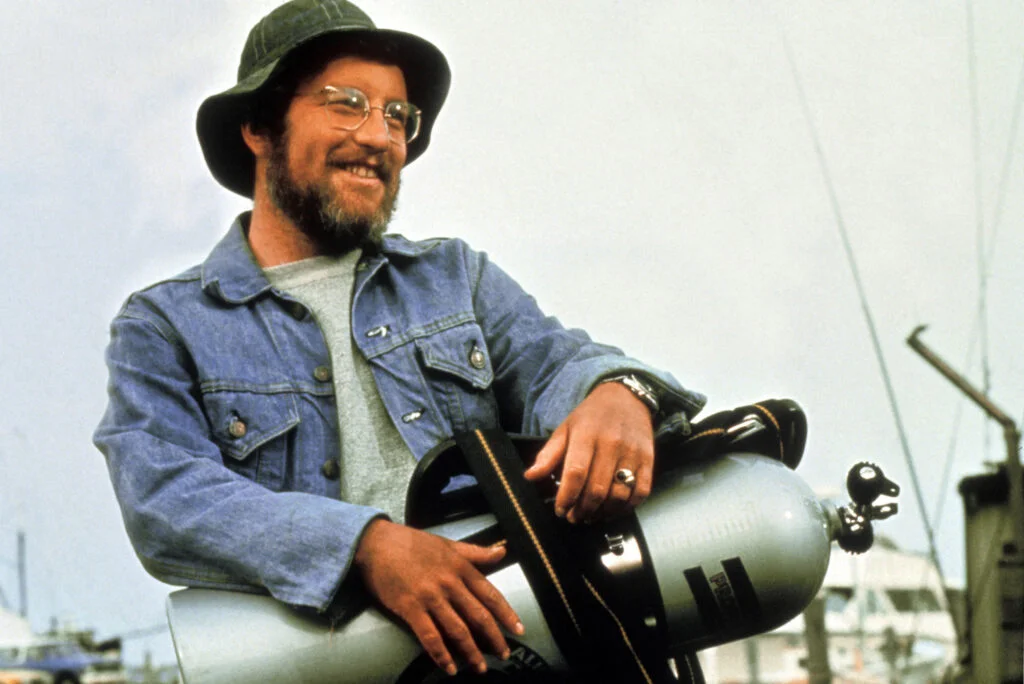
Steven Spielberg’s Jaws didn’t just scare people out of the water, it rewrote the Hollywood playbook. Before it, summer was considered a dumping ground for movies, not prime release time. But when Jaws exploded at the box office, the “summer blockbuster” was born.
It also pioneered wide-release marketing, using TV ads to whip audiences into a frenzy. Suddenly, studios realized the power of saturation advertising and national openings. The tension-driven editing, John Williams’ ominous score, and Spielberg’s clever choice to hide the shark until the finale set a new standard for thrillers. After Jaws, Hollywood became obsessed with big spectacle films, for better or worse.
4. Star Wars (1977)
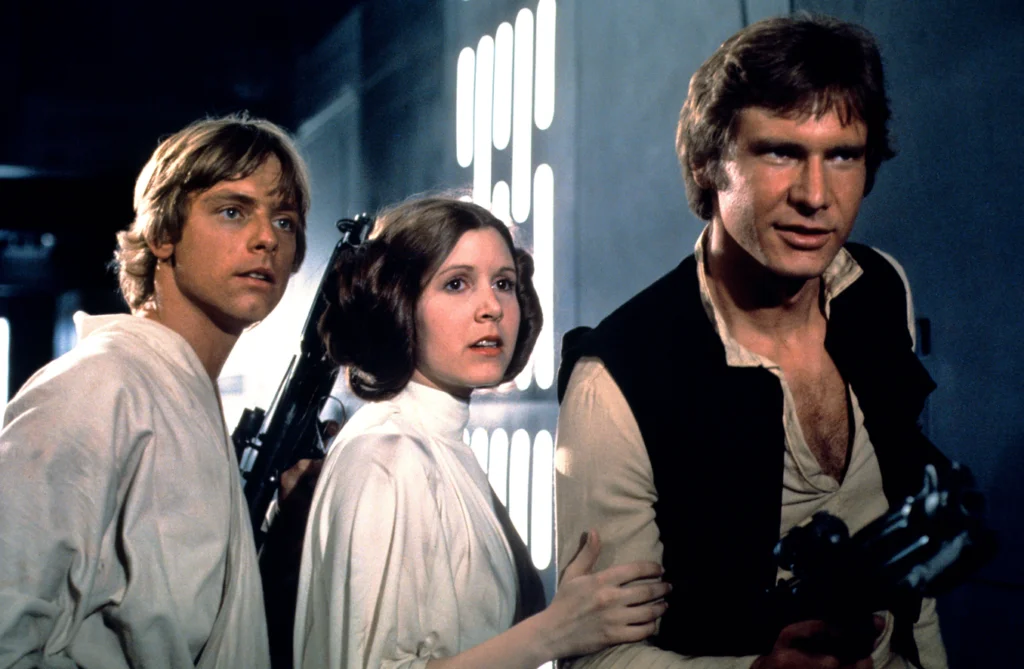
George Lucas’ Star Wars turned the industry upside down. At a time when gritty, adult dramas were dominating, this space fantasy brought back childlike wonder. It tapped into myth, adventure, and groundbreaking special effects in a way that made science fiction mainstream.
Beyond the screen, Star Wars revolutionized how movies made money. The explosion of toys, T-shirts, and tie-ins showed that merchandising could be just as profitable as the film itself. Studios immediately started looking for the next big “universe” to build. Hollywood became as much about branding as it was about storytelling, setting the stage for today’s franchises.
5. One Flew Over the Cuckoo’s Nest (1975)
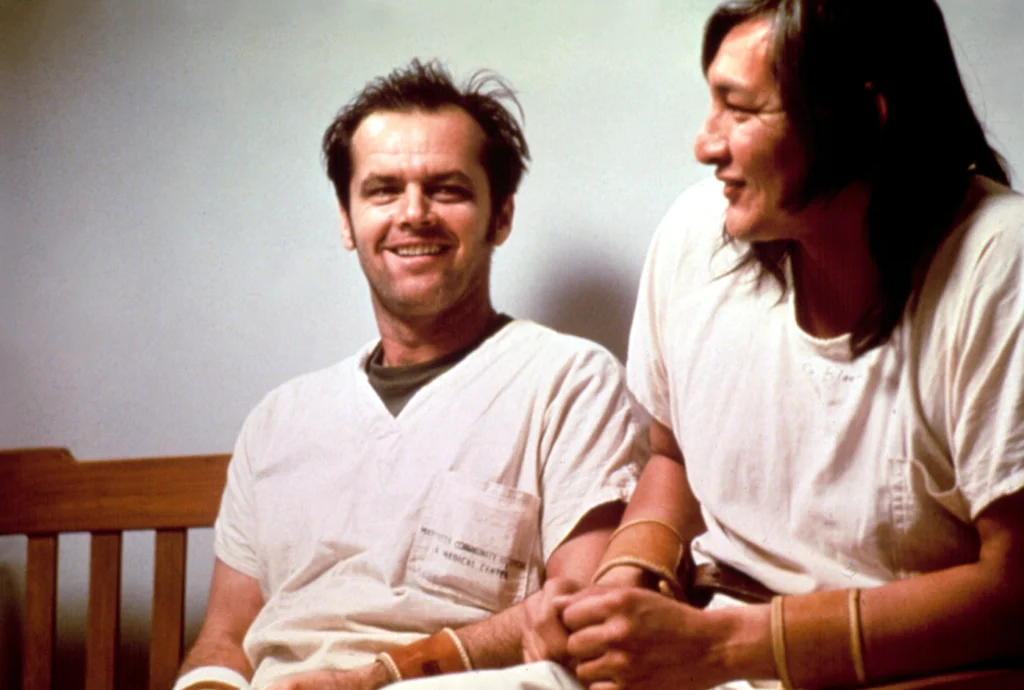
Milos Forman’s adaptation of Ken Kesey’s novel was both heartbreaking and revolutionary. Jack Nicholson’s performance as Randle McMurphy gave voice to a rebellious spirit that resonated with audiences in the mid-’70s. Louise Fletcher’s chilling Nurse Ratched became one of the most infamous villains of all time, representing the crushing weight of authority.
The film swept the “big five” Oscars, a feat rarely achieved, proving that powerful character-driven stories could still dominate awards and box office alike. It made Hollywood more willing to invest in deeply human stories that didn’t rely on spectacle. Its influence showed up in future portrayals of institutional life, mental health struggles, and the power of individuals resisting conformity.
6. Rocky (1976)
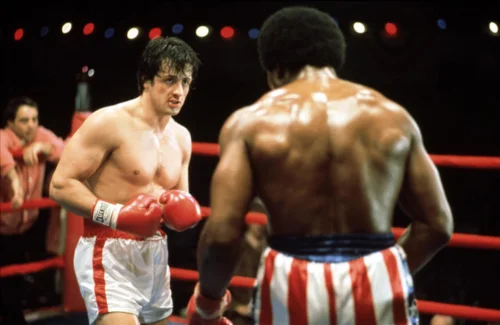
Rocky was the ultimate underdog story, not just on screen but behind the scenes. Sylvester Stallone was an unknown actor who insisted on starring in his own script, even when studios wanted someone else. The gamble paid off, and the movie became a cultural phenomenon.
It wasn’t just about boxing, it was about grit, persistence, and the idea that anyone could rise above their circumstances. Hollywood learned that heart and authenticity could sometimes outshine big budgets. The film also revived interest in sports dramas and inspired countless training montages. Stallone’s Cinderella story mirrored the film’s message, and that gave Hollywood a shot of optimism in a cynical decade.
7. Taxi Driver (1976)
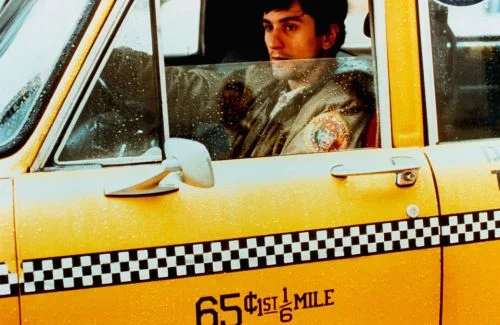
Martin Scorsese’s Taxi Driver painted New York City as a neon-soaked nightmare. Robert De Niro’s Travis Bickle gave audiences a look into the mind of a lonely, disturbed antihero. The film didn’t shy away from violence, alienation, or moral ambiguity, making it both disturbing and unforgettable.
The rawness of Taxi Driver marked a turning point in how films handled darkness. It showed that character studies could be as gripping as any action spectacle. The film’s influence bled into politics when John Hinckley Jr. cited it in his attempted assassination of Ronald Reagan, forcing Hollywood to confront how movies intersect with real life. Still, its artistry cemented Scorsese as one of America’s defining directors.
8. Apocalypse Now (1979)
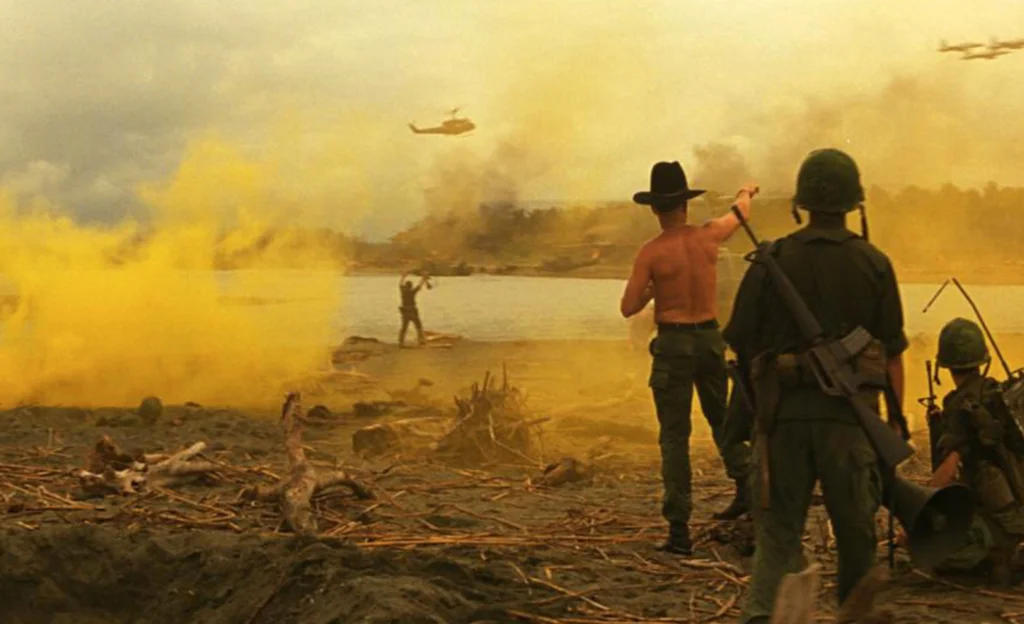
Francis Ford Coppola’s Vietnam War epic nearly destroyed him, but it became a cinematic landmark. The film’s troubled production, plagued by storms, illness, and budget chaos, mirrored the madness on screen. But when it premiered, it stunned audiences with its hallucinatory visuals and haunting take on the futility of war.
Hollywood had made war movies before, but Apocalypse Now took them into surreal, psychological territory. The film showed that chaos behind the camera could still yield genius on screen. It also demonstrated that war films could be critical of America while still being powerful and commercially successful. Coppola’s famous line—“My film is not about Vietnam, it is Vietnam”—captured the new boldness of the decade.
9. The Exorcist (1973)
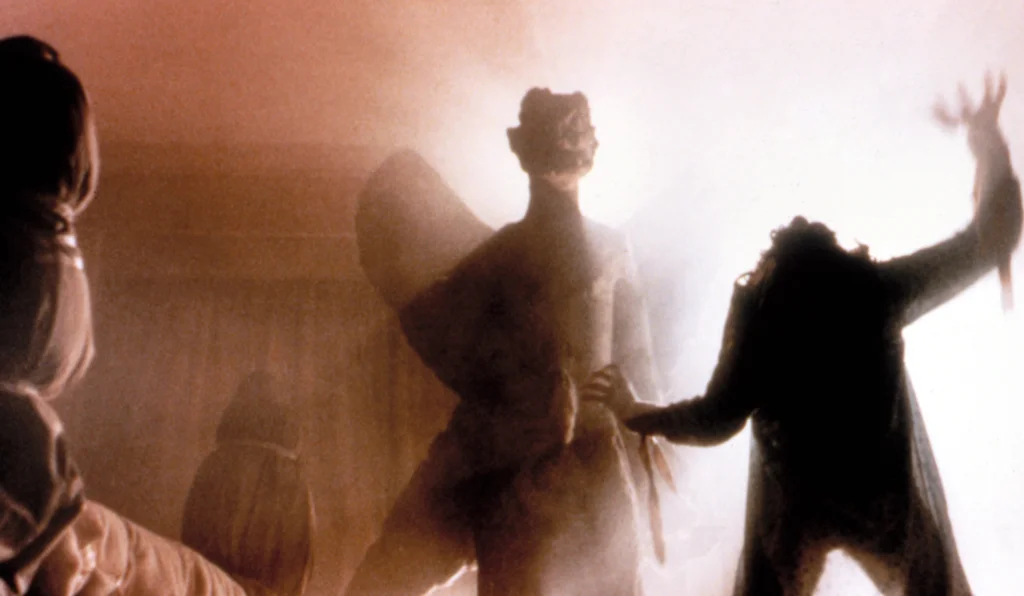
When The Exorcist premiered, people fainted, vomited, and lined up around the block to see it. William Friedkin’s horror film tapped into deep cultural anxieties about faith, innocence, and evil. The blend of shocking special effects and chilling performances made it feel uncomfortably real.
It was one of the first horror films to be treated as a prestige picture, earning Oscar nominations and breaking box office records. Hollywood suddenly realized horror didn’t have to be a B-movie genre—it could be an event. That opened the door for more ambitious, big-budget scares. Even today, The Exorcist remains a high-water mark for what horror can achieve.
10. Chinatown (1974)
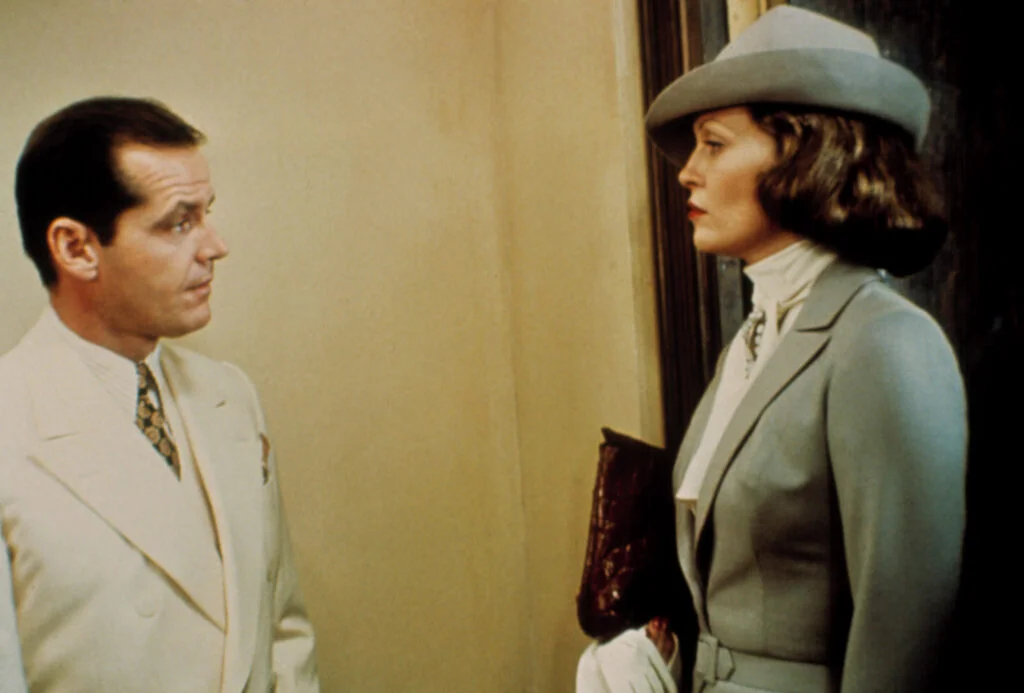
Roman Polanski’s Chinatown reinvented the detective story. Instead of the tough, morally upright hero, Jack Nicholson’s Jake Gittes was cynical and compromised. The story twisted the classic film noir formula into something darker, exposing corruption, greed, and power in ways audiences weren’t used to.
The bleak ending, where the “bad guys” win, shocked audiences but also reflected the pessimism of the times. Hollywood learned that films didn’t need neat, happy endings to be powerful. The movie also set a new standard for screenwriting, with Robert Towne’s script often cited as one of the greatest ever written. It proved detective stories could be both stylish and socially resonant.
11. Saturday Night Fever (1977)

On the surface, Saturday Night Fever was about disco, but it tapped into something deeper. John Travolta’s Tony Manero was a working-class kid looking for escape and meaning through dance. The movie showcased disco culture, but it also addressed issues like poverty, racism, and toxic masculinity.
Its soundtrack, led by the Bee Gees, became one of the best-selling of all time, changing how music and film intersected. Suddenly, Hollywood saw the potential in pairing movies with blockbuster albums. The film gave birth to the modern dance movie formula, but it also showed that popular culture could be both flashy and socially revealing.
12. Network (1976)

Sidney Lumet’s Network was eerily prophetic. Its satire of television news turning into entertainment felt outrageous at the time, but decades later it looks frighteningly accurate. Peter Finch’s “I’m mad as hell” speech became one of cinema’s most quoted lines, capturing the frustration of a disillusioned public.
Hollywood took notice of how the movie blended entertainment with biting commentary. It showed that films could be funny, shocking, and deeply political at the same time. The film’s influence is still felt in how we talk about media, ratings, and corporate power. Few movies have captured a cultural shift with such precision.
13. Close Encounters of the Third Kind (1977)
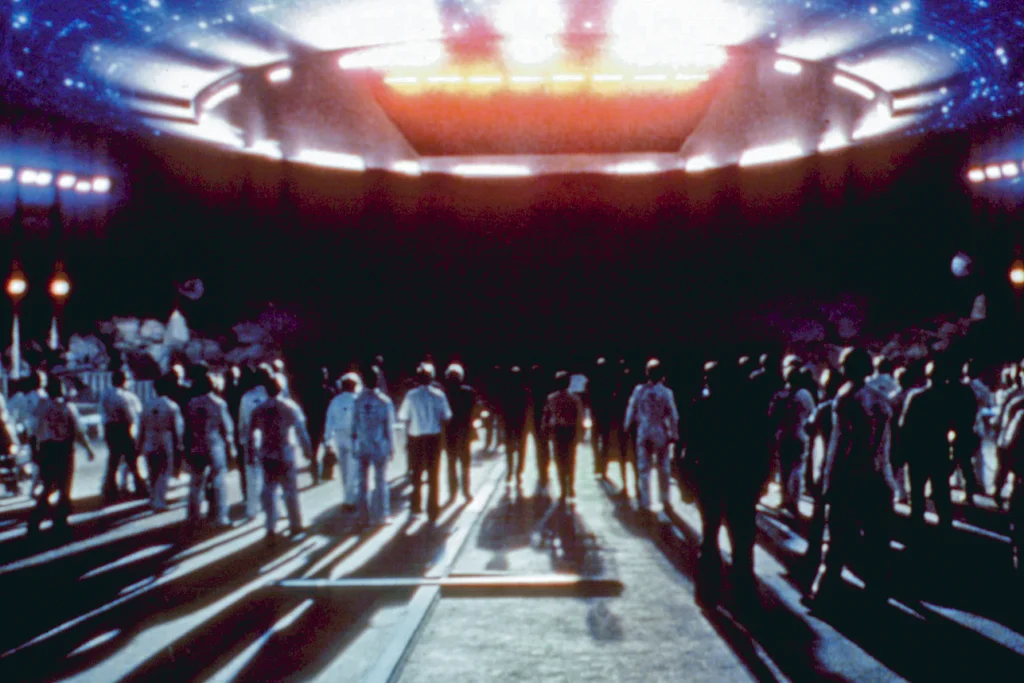
Steven Spielberg’s other big ’70s film wasn’t about terror in the ocean but wonder in the skies. Close Encounters of the Third Kind offered a hopeful vision of aliens, a departure from the usual invasion and destruction tropes. It treated UFOs not as monsters but as a mystery worth seeking out.
The film’s blend of awe-inspiring visuals and deeply human storytelling expanded what science fiction could be. It also confirmed Spielberg as Hollywood’s new golden boy, capable of mixing spectacle with emotional resonance. Studios began to see sci-fi not just as pulp but as Oscar-worthy artistry. It changed how Hollywood looked to the stars, literally and figuratively.