1. Starsky & Hutch
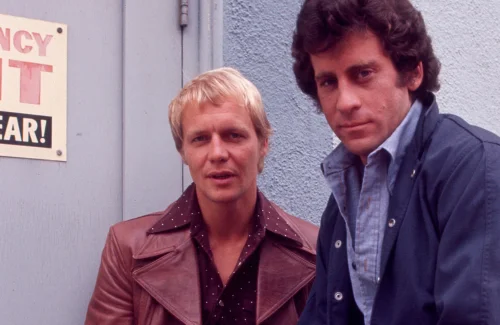
When Starsky & Hutch hit TV screens in 1975, it quickly became one of the coolest cop dramas of the decade. Paul Michael Glaser and David Soul played two streetwise detectives patrolling Bay City in their instantly recognizable red Ford Gran Torino. The show balanced action, humor, and gritty crime stories, with the friendship between the two leads driving it all. Their banter and camaraderie made them feel like real friends rather than just partners.
The series ran until 1979 and became a pop-culture phenomenon, inspiring toys, posters, and even a feature film decades later. Antonio Fargas as Huggy Bear, their smooth-talking informant, became a fan favorite too. While later cop dramas tried to up the realism, Starsky & Hutch was pure fun with a stylish edge. A rewatch today brings back everything people loved about ’70s TV cool.
2. Police Woman
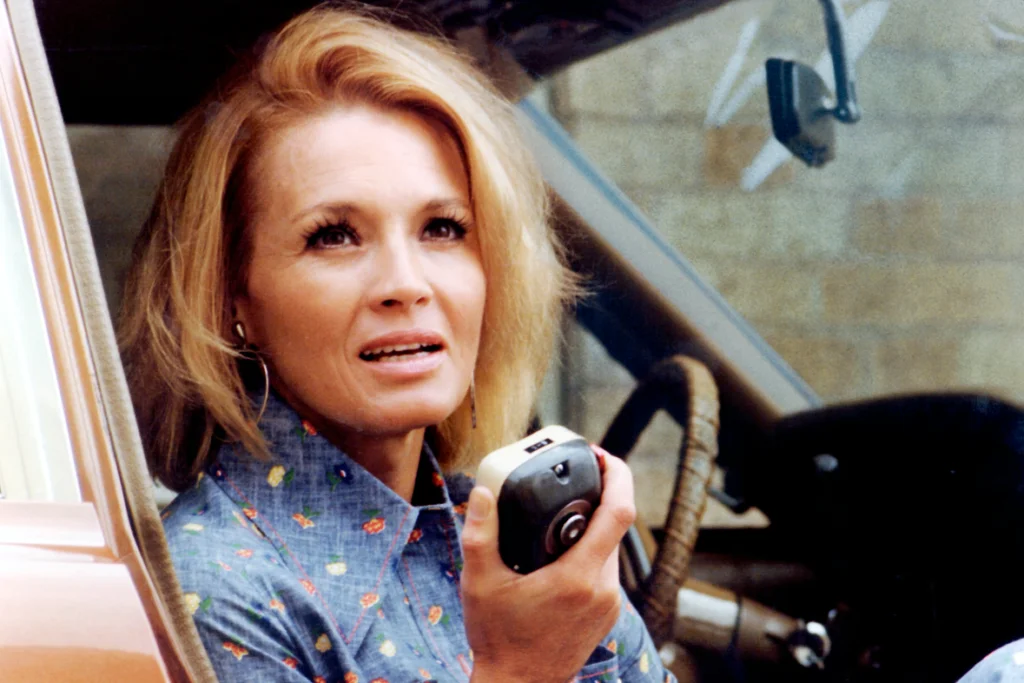
When Police Woman premiered in 1974, Angie Dickinson broke new ground as Sergeant Pepper Anderson. She was one of the first women to headline a primetime police drama, and audiences were captivated. Pepper often went undercover in disguises to crack cases, adding an extra layer of intrigue to the storytelling. At a time when most TV cops were men, seeing Dickinson’s mix of toughness and vulnerability was refreshing.
The show ran for four seasons and proved that women could carry action-heavy dramas. Dickinson became a cultural icon, inspiring later female-led shows like Cagney & Lacey and Charlie’s Angels. While it doesn’t air in reruns as often today, its influence is undeniable. Rewatching Police Woman is like watching history being made.
3. The Rookies
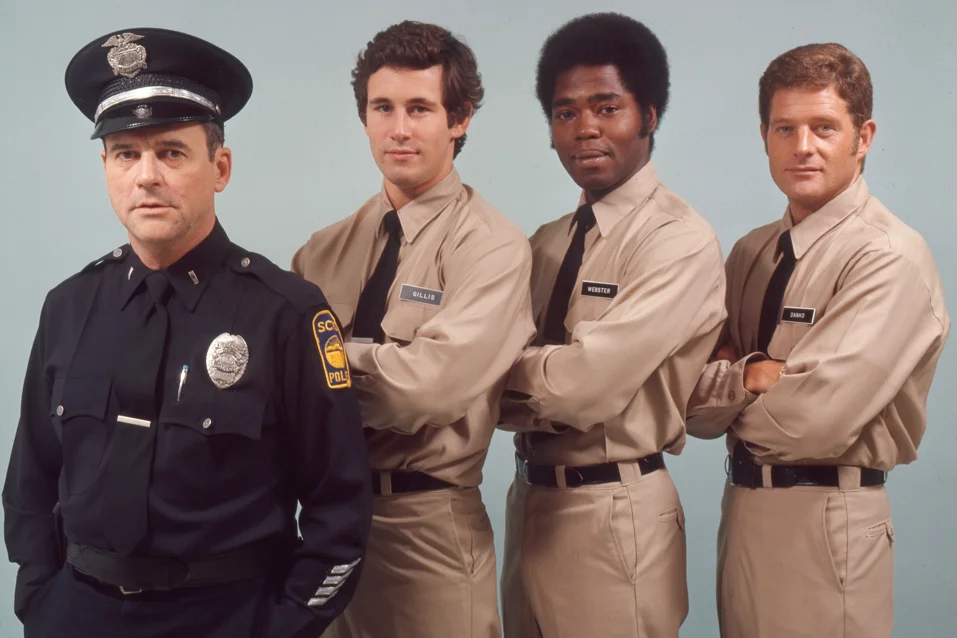
Airing from 1972 to 1976, The Rookies followed three fresh-faced police officers learning the ropes of law enforcement. Unlike older, hardened TV cops, these rookies were portrayed as flawed and relatable. The show mixed action with personal drama, often diving into the emotional toll of the job. It offered a more human side to policing that audiences hadn’t seen much before.
Kate Jackson played a nurse connected to the team before shooting to stardom in Charlie’s Angels. With socially relevant stories about drugs, youth crime, and corruption, The Rookies reflected the anxieties of the era. It’s a fascinating time capsule of early ’70s television. If you enjoyed later ensemble police dramas, this one helped pave the way.
4. Barnaby Jones
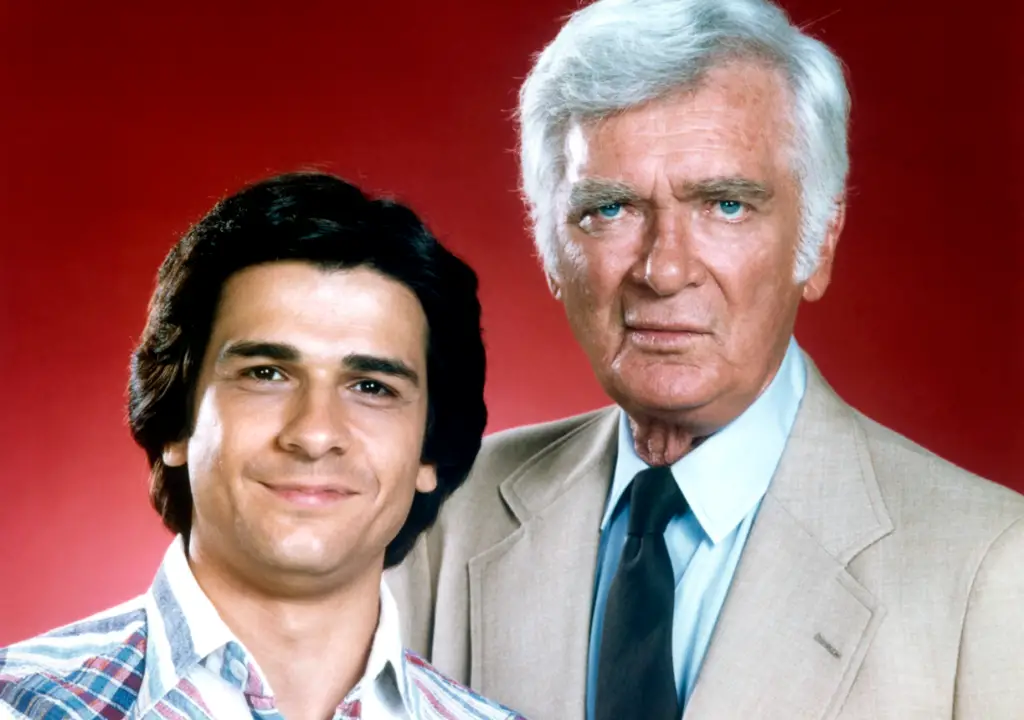
Buddy Ebsen, beloved for The Beverly Hillbillies, returned to TV in 1973 with Barnaby Jones. This time he traded comedy for mystery, playing a retired private eye pulled back into the business. The twist? Barnaby was older and relied on brains over brawn to solve crimes. That alone made it stand out in a TV landscape dominated by younger, flashier detectives.
The show ran an impressive eight seasons, with Ebsen bringing warmth and wisdom to the role. It never became as iconic as Columbo or Kojak, but it earned a loyal audience. Watching it now, you appreciate its steady pace and clever plots. Barnaby Jones proves that experience really does outmatch youth.
5. Kojak
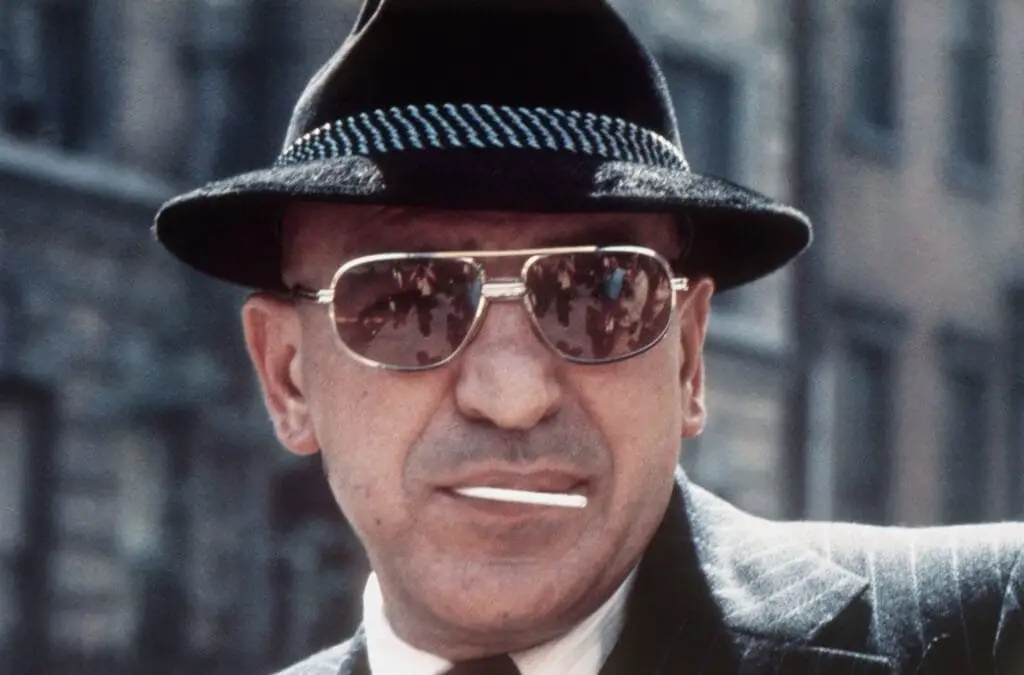
“Who loves ya, baby?” With that catchphrase, Telly Savalas made Kojak a household name in the mid-’70s. Airing from 1973 to 1978, the show followed the bald, lollipop-sucking detective Theo Kojak as he tackled tough cases in New York City. Kojak stood out because he wasn’t just tough—he was stylish, witty, and had a larger-than-life presence that made him instantly memorable.
The show mixed gritty realism with charismatic storytelling, reflecting the crime-ridden vibe of New York at the time. Savalas became a cultural icon, and the show spawned TV movies long after it ended. Though people remember the catchphrase, the series itself often gets overlooked today. A rewatch reminds you why Kojak was such a phenomenon.
6. The Streets of San Francisco
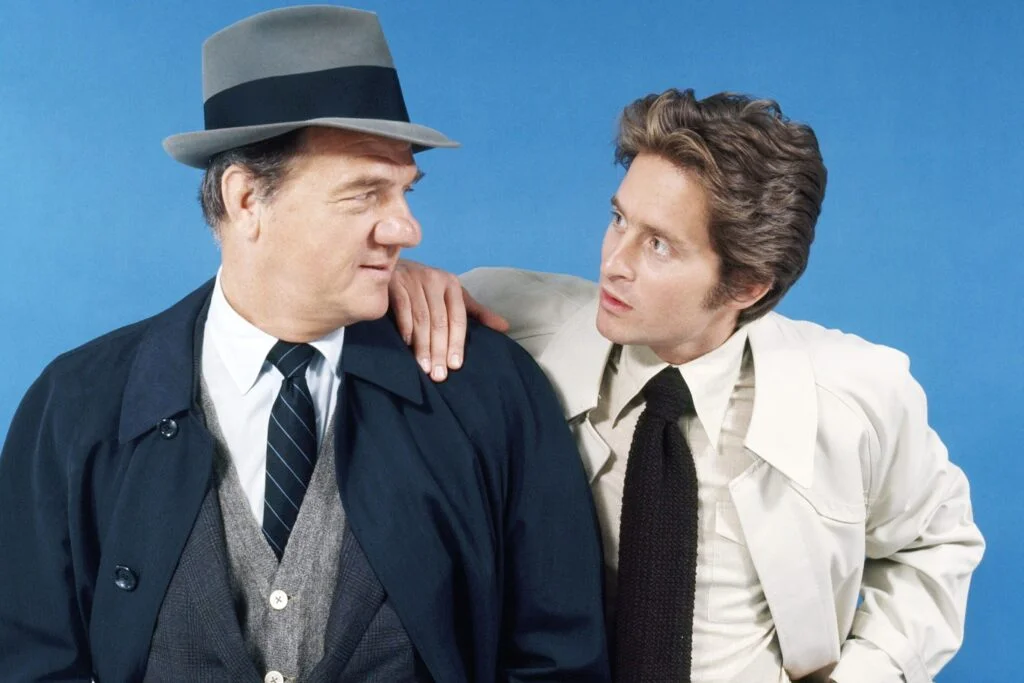
From 1972 to 1977, Karl Malden and Michael Douglas made a perfect detective duo in The Streets of San Francisco. Malden played the seasoned veteran, while Douglas was the eager rookie, and together they solved crimes against the city’s iconic backdrop. The real San Francisco locations gave the show an authenticity that was rare for its time.
The chemistry between Malden and Douglas carried the series, though Douglas’s departure in later seasons was felt. The show also took on social issues, making it more than just a procedural. For fans of buddy cop dramas, this was one of the originals. Revisiting The Streets of San Francisco feels like stepping back into the ’70s with two legends.
7. Columbo
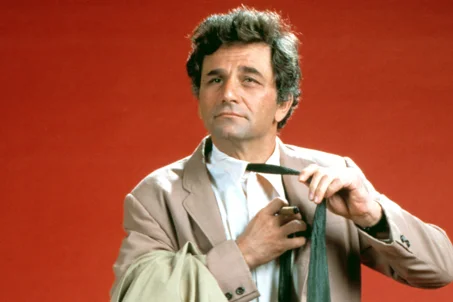
Though it debuted as part of the NBC Mystery Movie in 1971, Columbo became a defining ’70s drama. Peter Falk’s rumpled raincoat, messy hair, and trademark “just one more thing” turned him into an unlikely TV icon. Unlike most detectives, Columbo always knew who the killer was from the start, and the fun was in watching him slowly break them down.
The format flipped the traditional whodunit into a “how will he catch them,” which made it endlessly fascinating. With guest stars like Leonard Nimoy, Dick Van Dyke, and Johnny Cash, it became a parade of big names matching wits with Falk. It’s one of the most enduring detective shows of all time, but younger audiences may not realize how revolutionary it was. If you’ve never binged Columbo, it’s long overdue.
8. Ironside
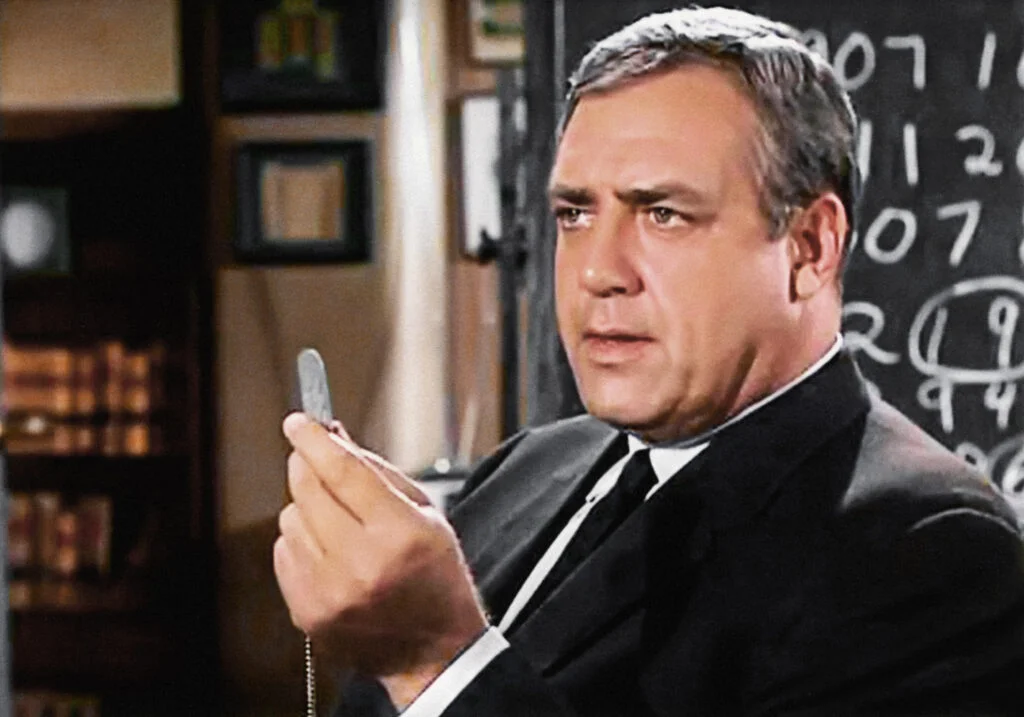
Starring Raymond Burr, Ironside aired from 1967 to 1975 and centered on Robert Ironside, a San Francisco police detective who continued his work after being paralyzed and confined to a wheelchair. It was groundbreaking for its portrayal of a disabled lead character who was still sharp, capable, and commanding. Burr’s performance gave the role weight, making Ironside both intimidating and sympathetic.
The show balanced action with thoughtful storytelling, often highlighting issues of accessibility and justice. It ran for eight seasons but has been overshadowed by Burr’s earlier fame in Perry Mason. Today, Ironside deserves recognition not only for its drama but for its trailblazing lead character. It’s one of those shows that makes you appreciate how TV pushed boundaries even in the ’70s.
9. The Waltons
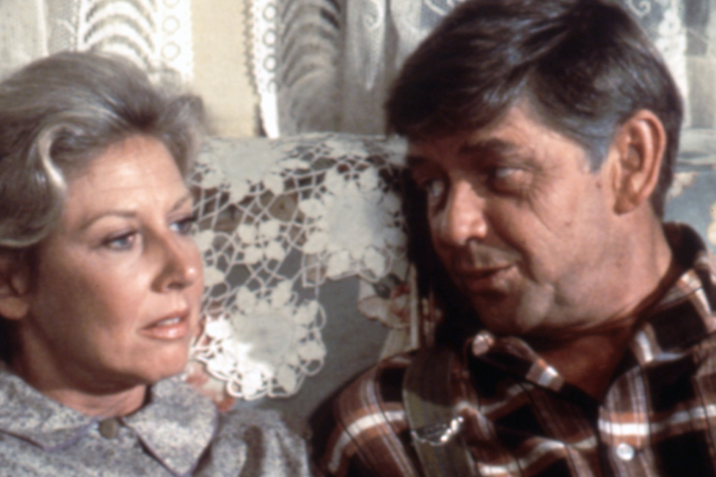
Though more often remembered as a family drama, The Waltons (1972–1981) was as dramatic as anything else on TV in the ’70s. Set during the Great Depression and World War II, it followed the lives of the Walton family in rural Virginia. The show was tender and wholesome but didn’t shy away from exploring hardships like poverty, war, and family loss.
Its sincerity and heart made it a cultural phenomenon, even if it isn’t as widely discussed today. With Richard Thomas as John-Boy Walton leading the ensemble, the show became comfort viewing for millions. Revisiting The Waltons reminds you that drama doesn’t always mean crime or hospitals—it can also mean the struggles of everyday family life.
10. Marcus Welby, M.D.
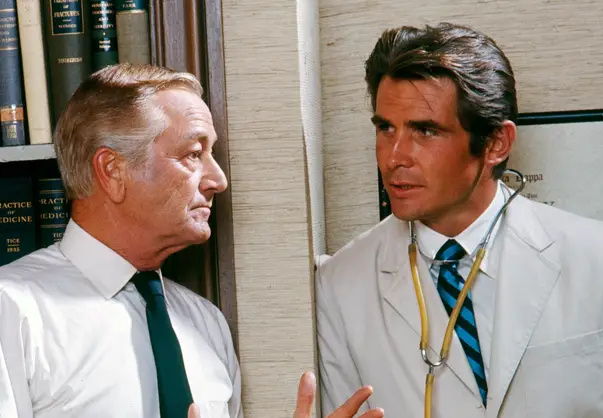
From 1969 to 1976, Marcus Welby, M.D. was one of TV’s most-watched medical dramas. Robert Young starred as the kind, fatherly Dr. Welby, while James Brolin played his younger, more modern partner. The show often explored the generational divide in medicine, with Welby’s old-school compassion clashing with newer methods. That dynamic gave it a relatable, human angle.
The show didn’t shy away from serious storylines, including taboo subjects that made headlines. It even won the Emmy for Outstanding Drama Series in 1970. Though it feels gentle compared to today’s fast-paced medical dramas, Marcus Welby, M.D. still holds up as heartfelt storytelling. For many, it defined the doctor-patient relationship on TV.
11. Kung Fu
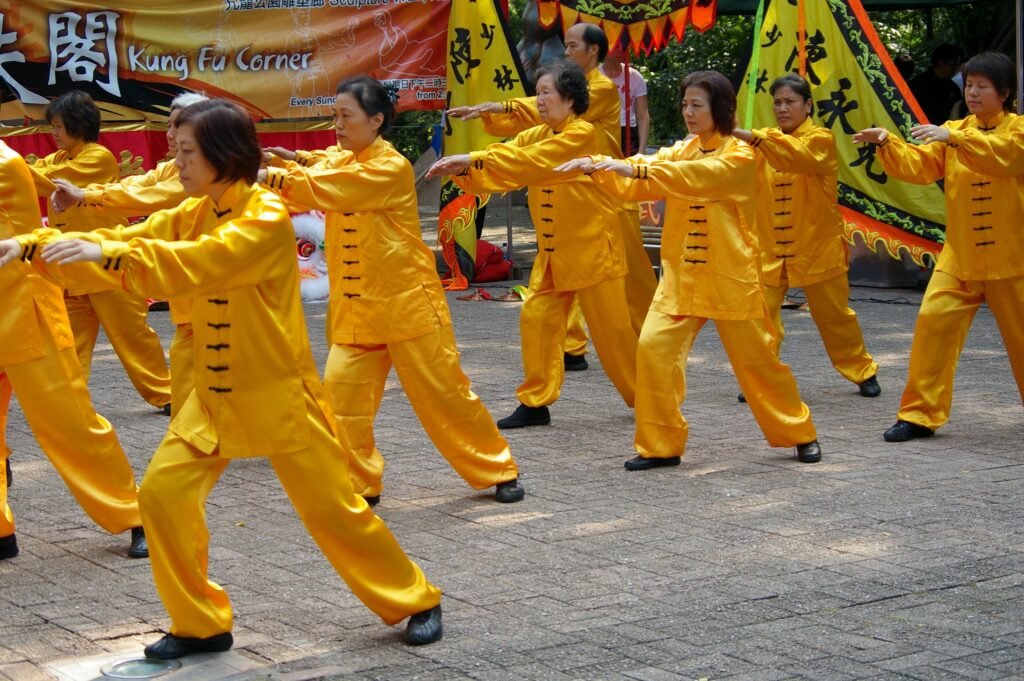
Airing from 1972 to 1975, Kung Fu was unlike anything else on television. David Carradine starred as Kwai Chang Caine, a Shaolin monk traveling through the American Old West. The series blended martial arts, philosophy, and Western drama, creating a unique mix of action and meditation. Viewers were captivated by its flashback sequences and lessons about patience, justice, and humility.
The show also tapped into the martial arts craze of the ’70s, making Carradine a star. While criticized later for casting a white actor in an Asian role, at the time it broke new ground in bringing martial arts and Eastern philosophy to mainstream audiences. It was thought-provoking as well as action-packed. Revisiting Kung Fu today is a reminder of how bold TV experimentation could be.
12. Emergency!
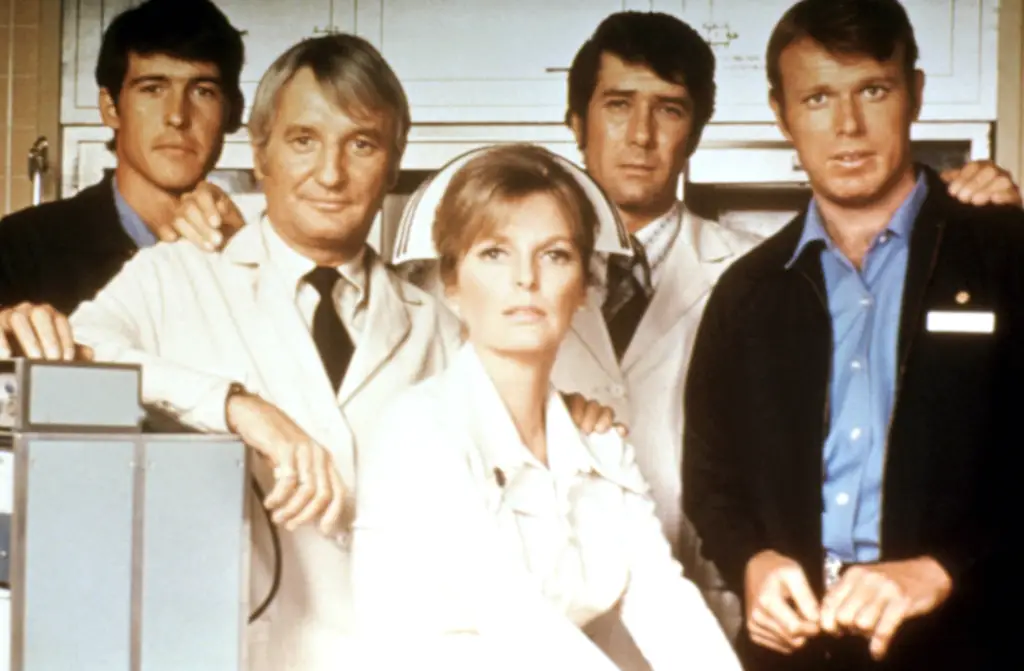
Premiering in 1972, Emergency! followed paramedics Johnny Gage (Randolph Mantooth) and Roy DeSoto (Kevin Tighe) as they raced against the clock to save lives. The show was groundbreaking in its focus on paramedics, who were still a relatively new part of emergency services at the time. Its mix of high-stakes rescues and hospital drama kept audiences hooked.
Produced by Jack Webb of Dragnet fame, it combined realistic medical situations with the adrenaline of first responders. The show also sparked real-world interest in paramedic programs, helping to popularize the profession. Though it doesn’t get talked about as much as other dramas, Emergency! was both entertaining and influential.
13. Little House on the Prairie
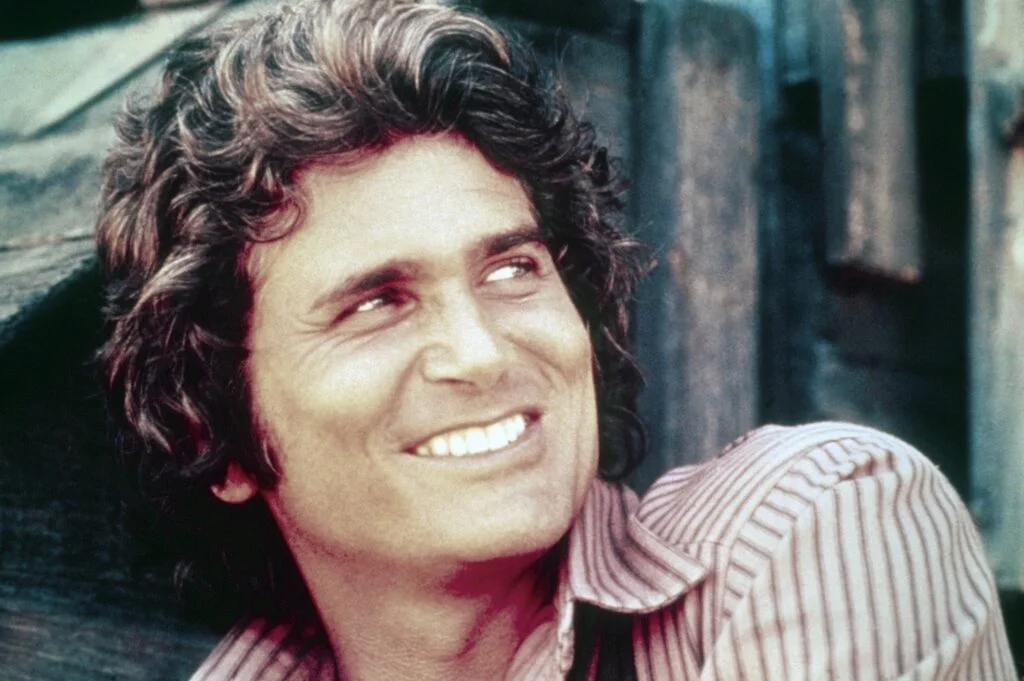
Debuting in 1974, Little House on the Prairie wasn’t just a family drama—it was one of the most beloved shows of the decade. Based on Laura Ingalls Wilder’s books, it followed the Ingalls family as they built a life on the American frontier. Michael Landon, already famous from Bonanza, starred as Charles Ingalls, bringing warmth and moral lessons to each episode.
The series balanced heartwarming stories with real hardships like illness, poverty, and natural disasters. Melissa Gilbert as Laura Ingalls became a cultural touchstone, embodying both innocence and resilience. It ran for nine seasons, becoming a staple of ’70s and ’80s TV. A rewatch today brings back the mix of nostalgia and timeless storytelling that made it unforgettable.