
1. Rob and Laura Petrie – The Dick Van Dyke Show
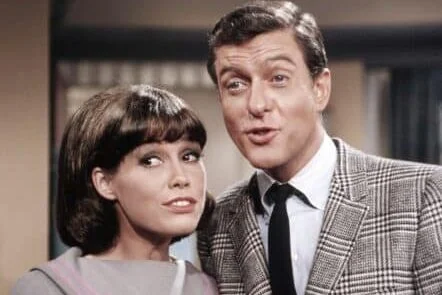
Rob and Laura Petrie were the epitome of a suburban ’60s couple. With Rob’s goofy charm and Laura’s quick wit, they made marriage look like a delightful dance, complete with pratfalls and the occasional misunderstanding. Their chemistry was undeniable, and they played off each other with a rhythm that made even the silliest moments shine. People loved how real they felt, as if they were the couple next door who just happened to have hilarious lives.
Mary Tyler Moore’s fresh, modern housewife persona mixed perfectly with Dick Van Dyke’s physical comedy, and audiences adored watching their relationship unfold. The banter, the laughter, and the small household squabbles were all grounded in love. They weren’t just funny, they were believable, which is why fans still hold them in their hearts. Looking back, Rob and Laura paved the way for future TV couples who could be equal partners in comedy.
2. Darrin and Samantha Stephens – Bewitched
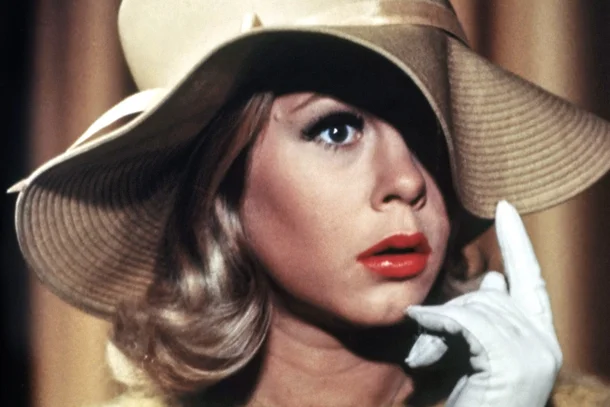
Samantha was a witch who could solve any problem with a twitch of her nose, but she tried her best to live a normal life with her mortal husband, Darrin. Their relationship was always in the spotlight, caught between the magical world and suburban reality. Darrin’s insistence that Samantha not use her powers often led to hilariously messy situations. But through it all, their bond stayed strong.
Elizabeth Montgomery and both actors who played Darrin (Dick York and later Dick Sargent) gave the couple warmth and humor that kept audiences invested. They were different from many other TV marriages at the time because of the fantastical element, yet they were still relatable. Their love story was less about magic and more about compromise, something viewers connected with. Even now, people remember the sparkle between them, both literal and figurative.
3. Andy Taylor and Helen Crump – The Andy Griffith Show
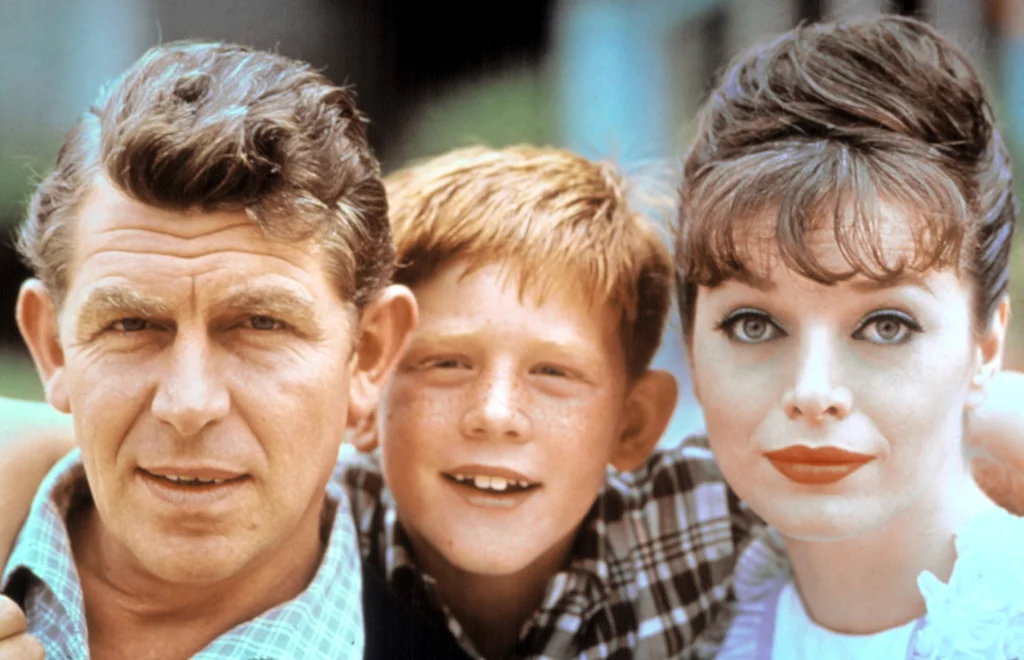
Sheriff Andy Taylor was Mayberry’s moral compass, and Helen Crump became his steady partner as the show progressed. Helen wasn’t introduced until later, but when she appeared, she gave Andy’s character a romantic side fans appreciated. Their relationship was built on respect and quiet affection, making it one of the more understated sitcom romances.
Andy Griffith and Aneta Corsaut gave the pairing a gentle charm that resonated with audiences in the ’60s. They weren’t flashy or overly dramatic, but that was the point. Their romance felt real, like something you might see in a small town. While they don’t get as much attention today as some TV couples, they were truly beloved during the show’s run.
4. Jerry and Millie Helper – The Dick Van Dyke Show
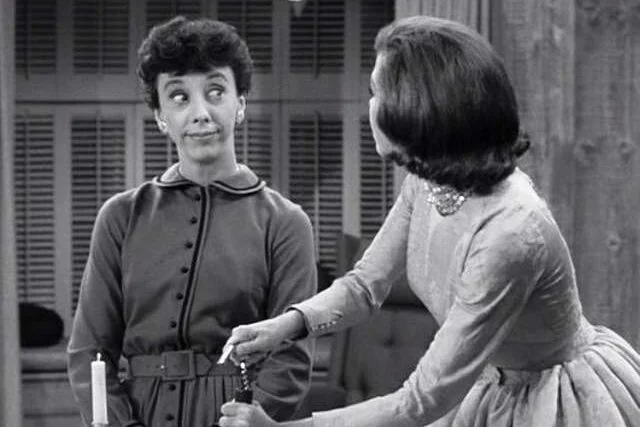
Often overshadowed by Rob and Laura, Jerry and Millie Helper were the Petries’ neighbors and close friends. Their marriage added an extra layer of humor and warmth to the show, often serving as a foil to the Petries’ antics. They were quirky, bickering, and at times even a bit neurotic, but you could tell they cared deeply for each other.
Audiences appreciated how Jerry and Millie added to the realism of suburban life. Not every couple on TV had to be perfect, and the Helpers proved that imperfection could be endearing. Their chemistry was undeniable, and they made viewers laugh in their own unique way. Though they’ve faded in memory compared to Rob and Laura, they were essential to the show’s heart.
5. Wilma and Fred Flintstone – The Flintstones

Fred and Wilma brought married life to the Stone Age, but their problems were strikingly modern. From money woes to parenting struggles, they faced it all with stone wheels and dino-powered appliances. Fred could be gruff, but Wilma always balanced him with patience and humor.
Their dynamic mirrored many real-life marriages of the ’60s, which helped make them relatable despite the prehistoric setting. Animated or not, their love story resonated with families watching at home. They laughed, fought, and made up in ways that felt authentic. The fact that their cartoon marriage is still remembered speaks to how beloved they once were.
6. Barney and Thelma Lou – The Andy Griffith Show
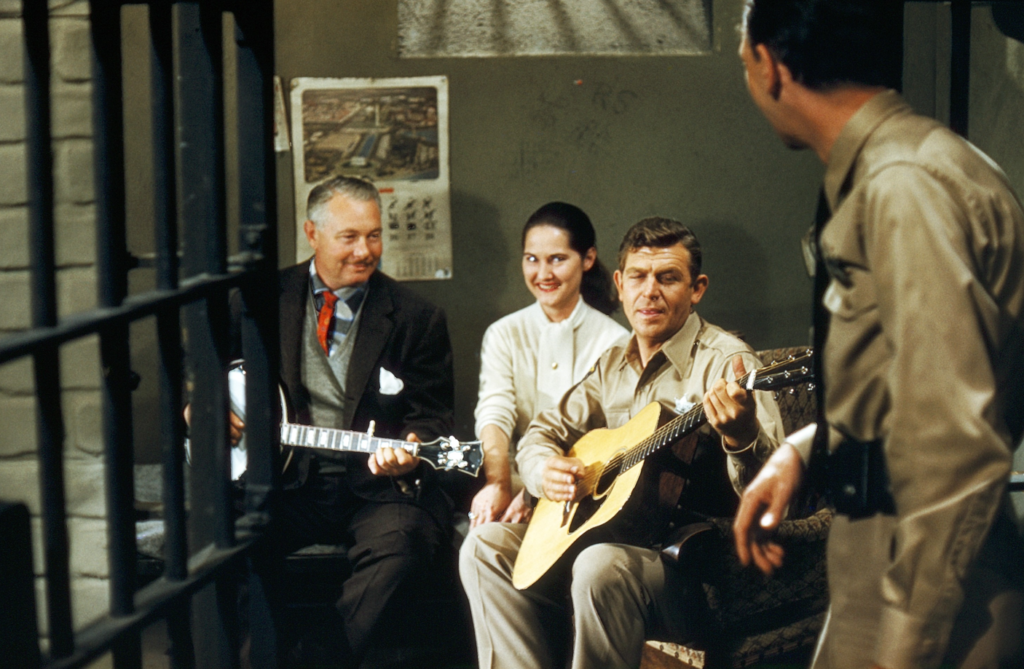
Barney Fife, with his nervous energy and goofy charm, was never quite complete without Thelma Lou by his side. Their relationship brought out a softer side of Barney, showing he wasn’t just comic relief but a man who genuinely cared for someone. Their dates and sweet moments were often lighthearted highlights of the show.
Thelma Lou grounded Barney, giving him someone to dote on and proving he wasn’t entirely hopeless in love. Audiences enjoyed seeing Barney’s vulnerable side, especially when his insecurities popped up in his romance. While they weren’t the main couple of Mayberry, their courtship gave fans something sweet to root for. Many still remember the two as one of TV’s most charming side romances.
7. Herman and Lily Munster – The Munsters
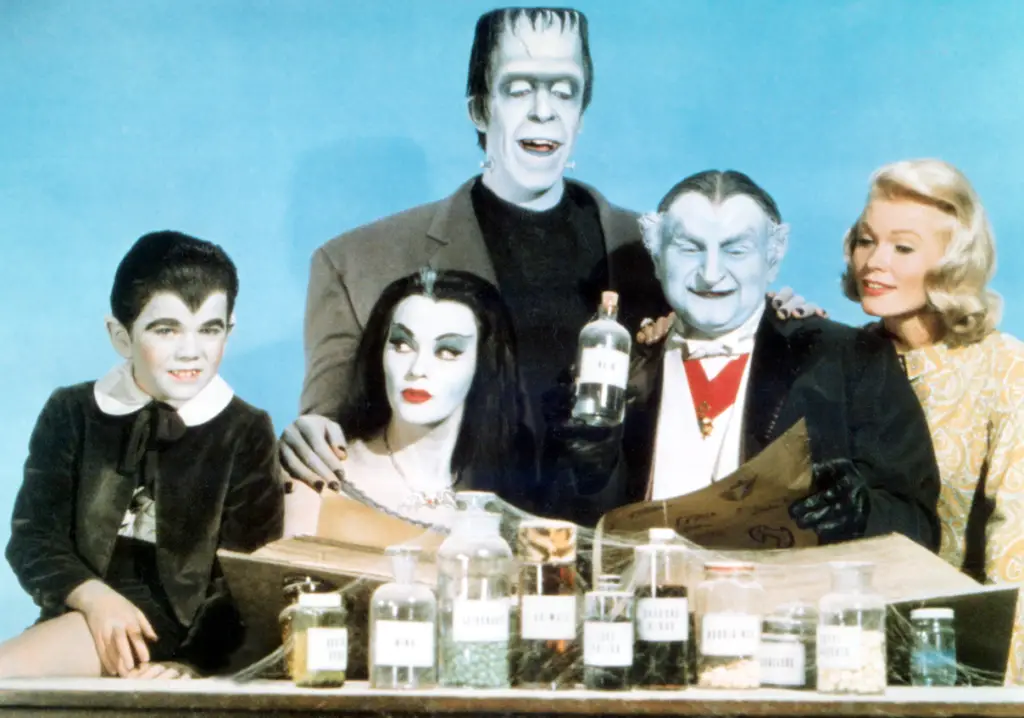
Herman and Lily Munster were far from your typical sitcom couple, but that’s what made them memorable. Despite their spooky looks, their marriage was surprisingly wholesome. They loved each other deeply, supported one another, and raised their family with affection. Their romance was a quirky twist on the idea of the ideal American household.
Fred Gwynne and Yvonne De Carlo gave the characters a lovable warmth that balanced the macabre setting. They showed viewers that appearances didn’t matter as much as love and loyalty. Their affectionate banter and devotion made them stand out among other sitcom couples of the era. Though the show was short-lived, Herman and Lily remain a sweet reminder of unconventional love stories.
8. Lucy and Ricky Ricardo – The Lucy Show (as remembered from I Love Lucy reruns)
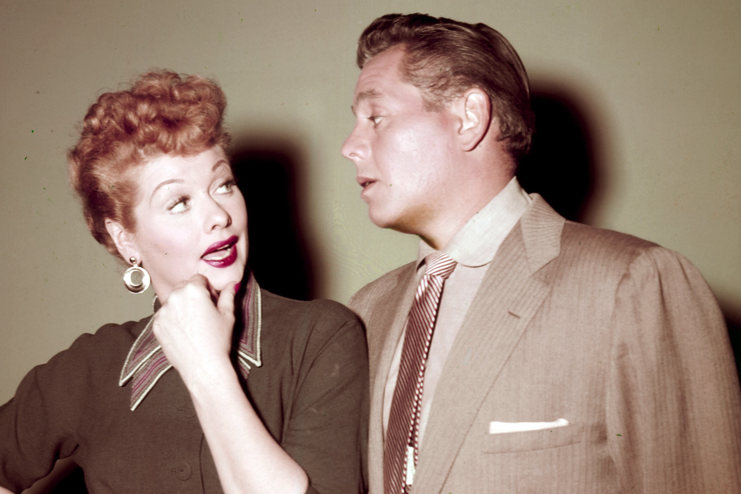
While technically their most famous years were in the ’50s, Lucy and Ricky carried their legacy into the ’60s through reruns and spin-offs. Their fiery, hilarious marriage was still on everyone’s mind, and people loved revisiting their antics. Lucy’s schemes and Ricky’s exasperation created comedy gold that never quite faded.
Even as Lucy transitioned into The Lucy Show, the shadow of her and Ricky’s marriage lingered in pop culture. Their partnership was groundbreaking, blending real-life marriage with TV sitcom antics. Fans adored the energy between Lucille Ball and Desi Arnaz, even after their real marriage ended. In the ’60s, they were still beloved sitcom sweethearts, if only in memory.
9. George and Gracie Burns – The George Burns and Gracie Allen Show (syndicated into the ’60s)
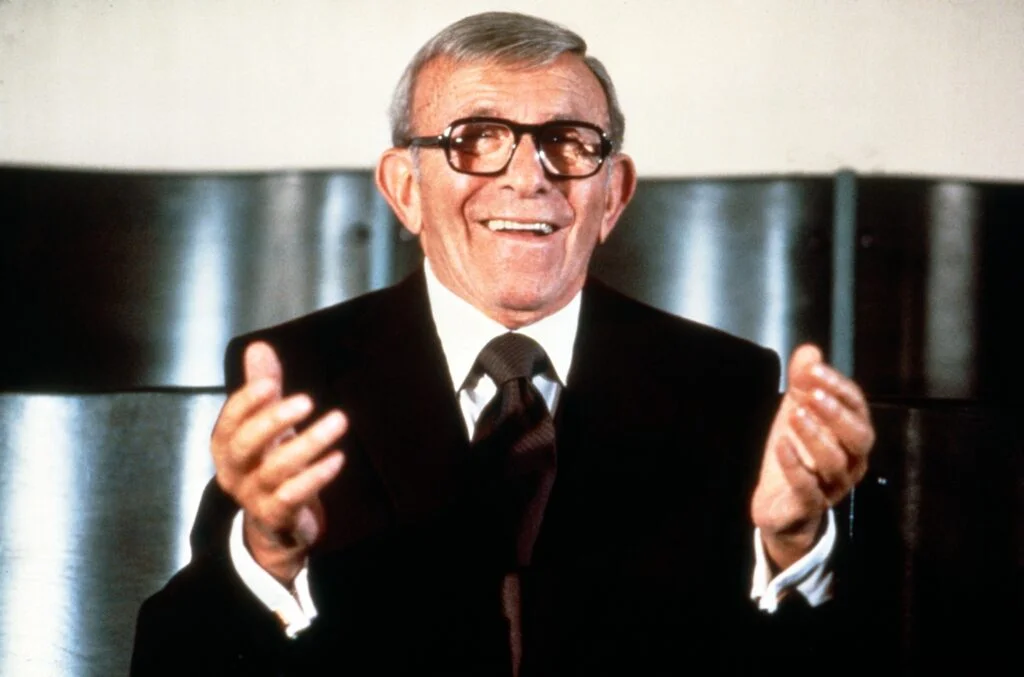
George and Gracie had already charmed audiences in the ’50s, but their presence carried into the early ’60s. Their dynamic was built on George’s dry wit and Gracie’s wonderfully daffy persona. Together, they were a perfect example of opposites attracting.
Even as TV changed, reruns kept their unique marriage alive in the cultural conversation. Fans adored how George adored Gracie, no matter how nonsensical her lines could get. Their relationship was quirky but filled with genuine affection. Though they’re often remembered more as comedians than sitcom stars, their TV marriage was beloved in its time.
10. Donna and Alex Stone – The Donna Reed Show
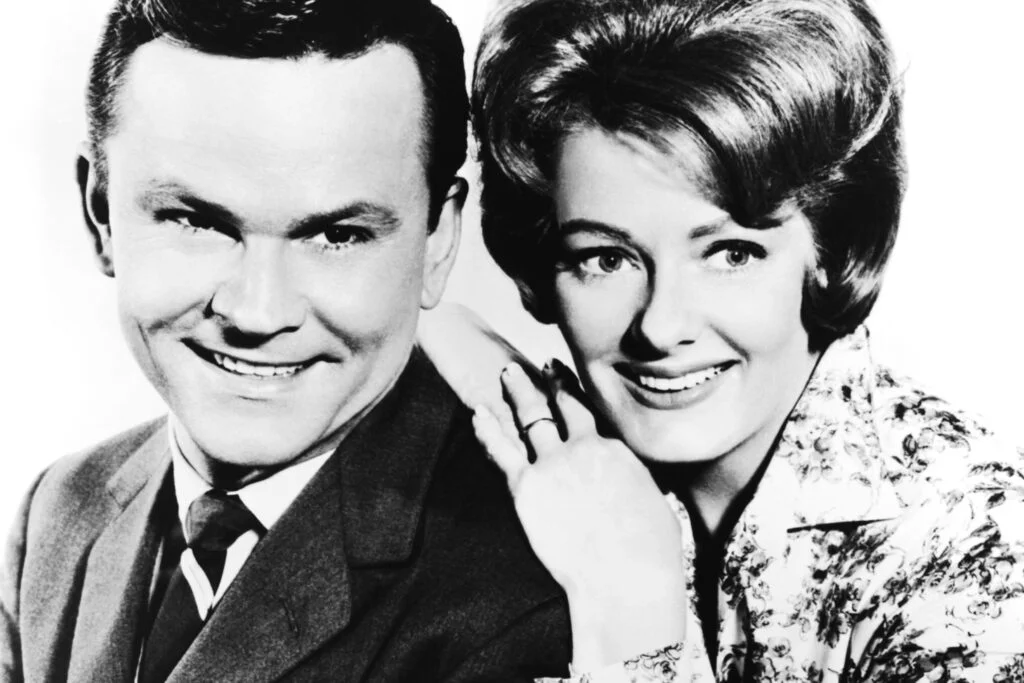
The Stones were a picture-perfect family that audiences adored throughout the late ’50s and ’60s. Donna was the calm, loving mother, while Alex was the steady doctor father. Their marriage was portrayed as supportive and respectful, something viewers admired.
While some may now see them as too idealized, at the time, their relationship felt aspirational. Families tuned in to see a couple who managed life with grace and patience. Donna and Alex rarely fought, and when they did, it was resolved neatly, reflecting the wholesome tone of the era. For many viewers, they represented the perfect couple of suburban TV.
11. Samantha and Darrin’s Neighbors, the Kravitzes – Bewitched
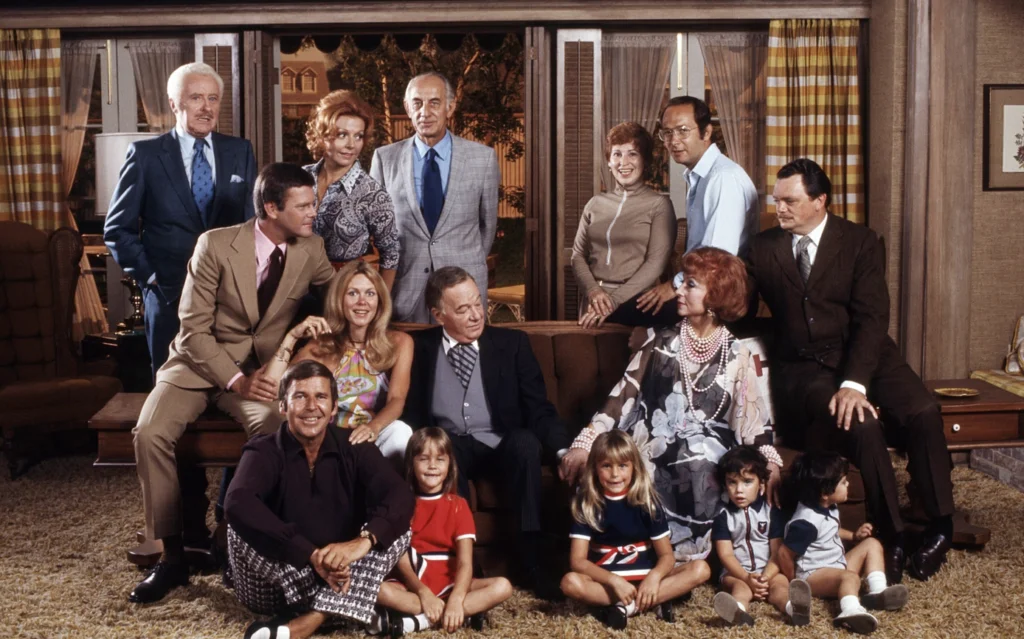
Abner and Gladys Kravitz weren’t the romantic leads of Bewitched, but their oddball marriage struck a chord with audiences. Gladys was the busybody convinced she saw strange things, while Abner usually ignored her complaints. Their bickering and dynamic gave the show its extra layer of humor.
Even though they were exaggerated, many viewers recognized traits of real-life couples in them. Their relationship wasn’t glamorous, but it was funny and surprisingly relatable. The Kravitzes gave audiences a glimpse of the imperfections in married life, contrasted against the Stephens’ magical household. They may be forgotten now, but they were part of the show’s charm.
12. Jed and Granny – The Beverly Hillbillies (family love)
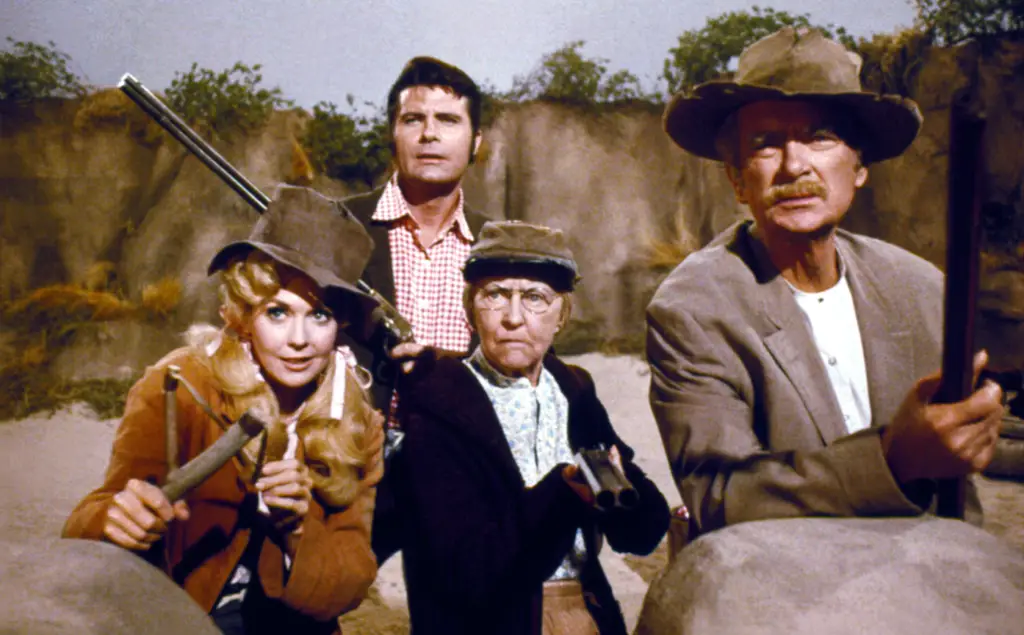
While not a romantic couple, Jed and Granny’s dynamic often played like an old married pair, and fans loved watching them spar. Granny’s stubbornness and Jed’s easygoing nature made for endless comedic clashes. They looked out for each other in their own quirky ways, which made their relationship endearing.
Their “married couple” energy added another layer to the Clampett family’s sitcom success. Viewers enjoyed watching their banter, especially as they navigated life among the wealthy in Beverly Hills. It wasn’t traditional romance, but it was a beloved sitcom relationship nonetheless. Fans appreciated the heart behind their often-silly disagreements.
13. Gilligan and Ginger (and sometimes Mary Ann) – Gilligan’s Island
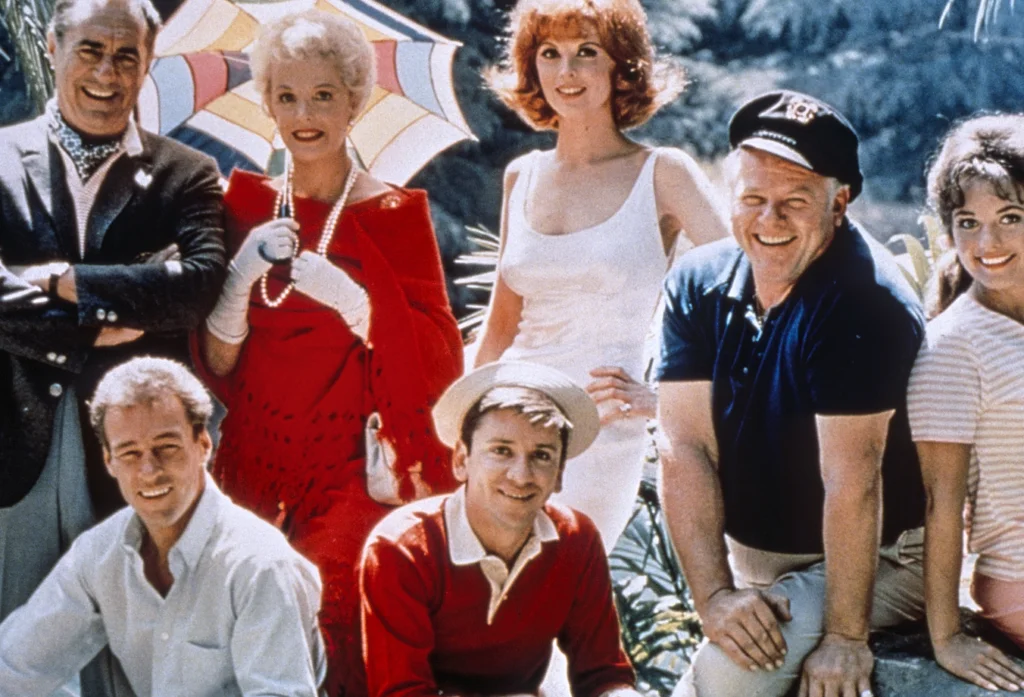
Gilligan may not have had an official romance, but fans loved speculating about his relationships with Ginger and Mary Ann. His innocent charm clashed with Ginger’s Hollywood glamour, and sometimes his sweetness paired better with Mary Ann’s girl-next-door vibe. Those little teases of romance kept viewers hooked.
While the show was mostly about survival antics, these little couplings gave audiences something extra to root for. Fans debated which woman was better suited for Gilligan, creating an early “team” rivalry long before the idea was popularized. Even without a defined couple, the chemistry between Gilligan and both women was beloved. It added a playful layer to the already silly premise.
14. George and Jane Jetson – The Jetsons
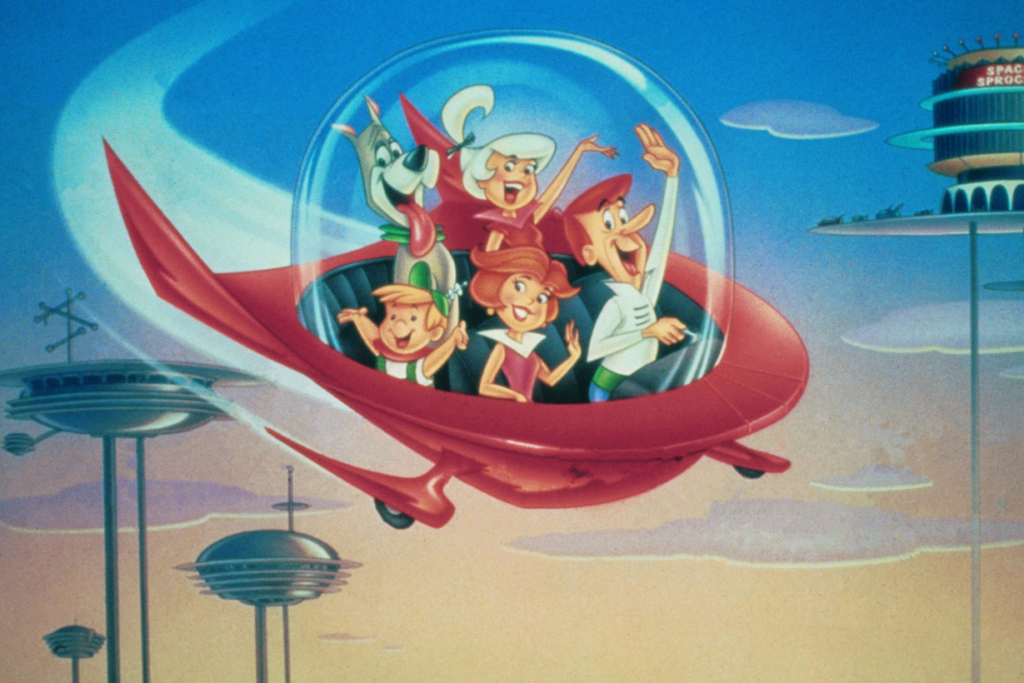
George and Jane Jetson represented the future of marriage in the eyes of ’60s audiences. They were a space-age family, but their issues were surprisingly down-to-earth. Jane often teased George’s bumbling ways, while George balanced work and family with varying degrees of success.
Audiences loved how they mirrored real families, just with flying cars and robot maids. Jane was stylish and sharp, while George was hapless but lovable. Their relationship was futuristic yet familiar, making them an instantly beloved couple. Even though they sometimes fade into the background compared to other TV couples, they captured the hearts of ’60s viewers.


