
1. Plaid Bell-Bottom Suits
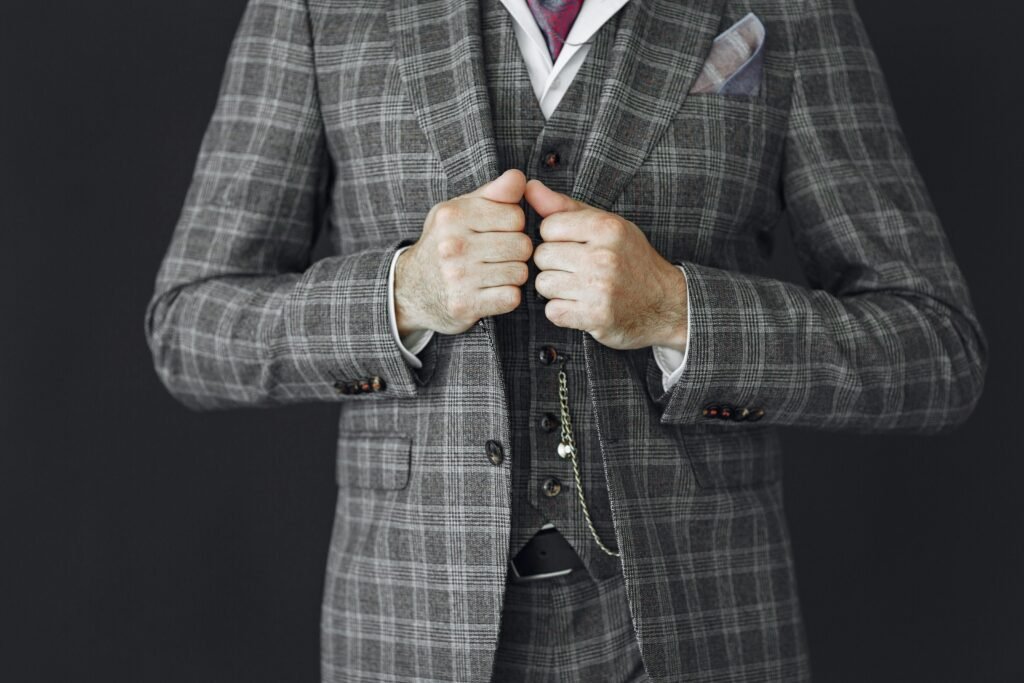
Plaid on its own can be charming, but in the ’70s, fashion catalogs took it to the extreme. Bell-bottom trousers paired with matching plaid jackets created a look that was more dizzying than dashing. The colors were often loud—think lime green mixed with mustard yellow—and the patterns seemed determined to fight each other. Men in catalogs wore them with giant collars and wide ties, which only added to the chaos.
At the time, these outfits screamed sophistication, but looking back, it’s hard not to laugh. The exaggerated flare of the pants made even the most confident model look like he was about to take flight. And while plaid can be timeless in moderation, this version was far from subtle. It’s one of those styles we hope stays firmly in the pages of the catalogs.
2. Matching Family Outfits

Catalogs loved to sell the dream of family unity by dressing everyone in identical clothes. Parents and kids could be found in matching polyester jumpsuits, often in shades of burnt orange or avocado green. Sometimes, even the dog got in on the action with a bandana in the same print. At the time, it was sold as wholesome and sweet, but now it feels more like a staged costume party.
Looking back, you can’t help but cringe at the sight of an entire family dressed like one giant curtain. It’s endearing, sure, but also undeniably awkward. Individuality was nowhere to be found, and the stiff polyester didn’t do anyone any favors. Today, we celebrate uniqueness, which makes these identical looks feel extra outdated.
3. Shiny Polyester Leisure Suits
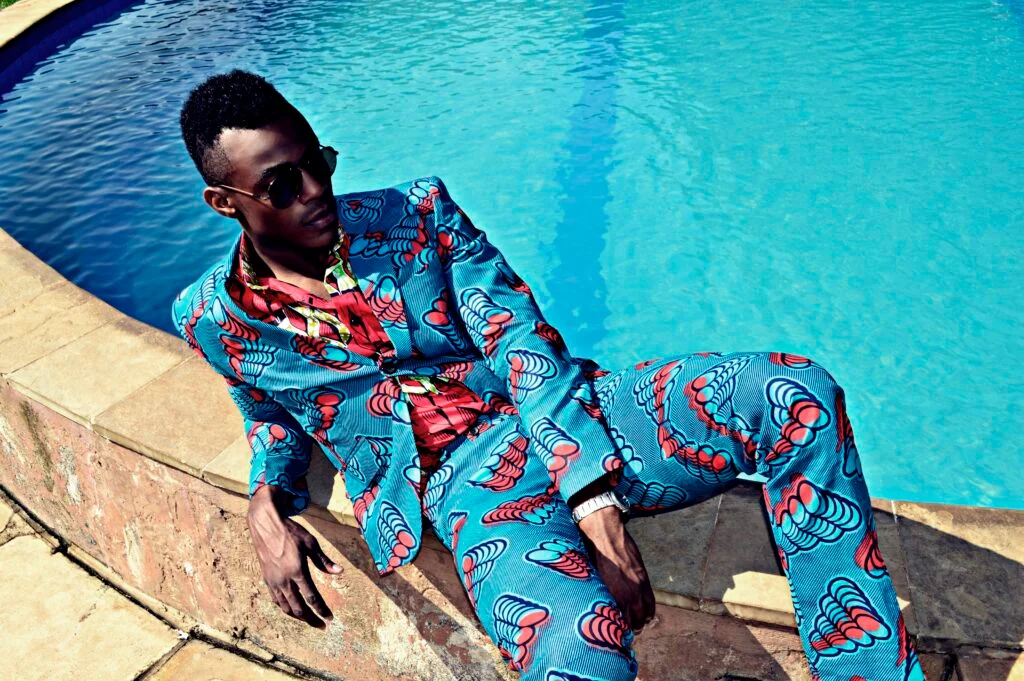
The leisure suit was practically the uniform of the ’70s catalog man. Shiny polyester, often in pastel shades or muted browns, promised easy care and ultimate style. The jackets had huge lapels, and the pants came with that unmistakable flare. Add in a patterned shirt with the collar spilling over the lapels, and you had a complete catalog cliché.
At the time, they symbolized modern cool, but now they just look uncomfortable and cheap. Polyester didn’t breathe well, so you can imagine how sticky these outfits felt under stage lights. And while some people try to revive leisure suits as retro fun, it’s hard not to wince at just how plasticky they appear in those old photos.
4. Extreme Platform Shoes
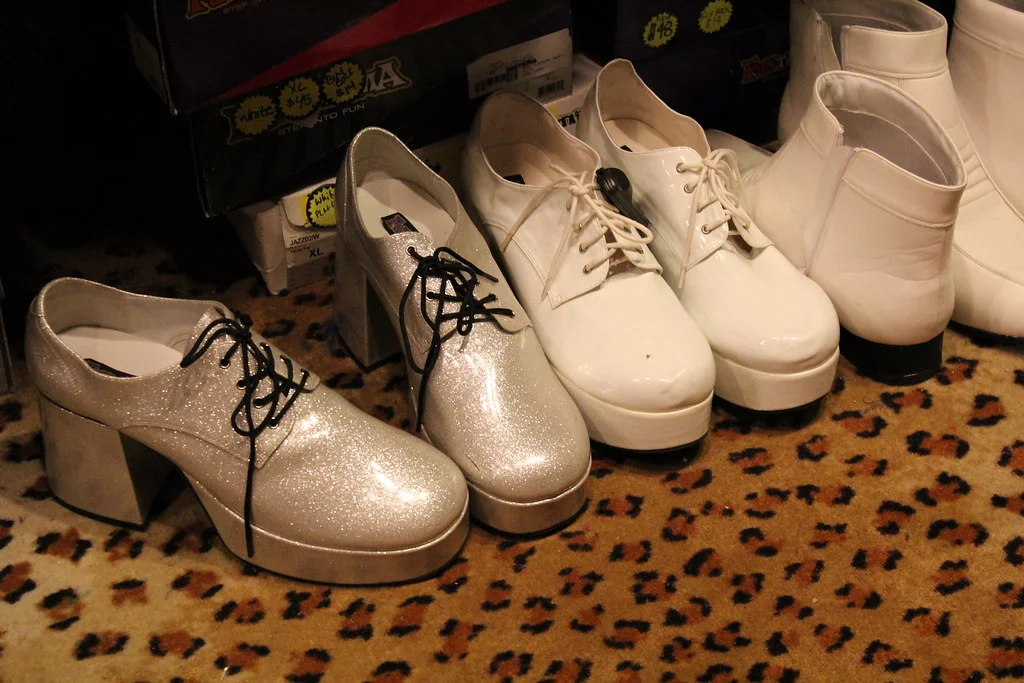
Platform shoes weren’t just a fashion choice, they were a dare. Catalogs showcased both men and women teetering on shoes with soles several inches thick. Some styles even combined the platform with chunky heels, making the models look like they were balancing on stilts. For men, it was an attempt to add height and swagger, while women’s versions were often paired with miniskirts or jumpsuits.
Looking at them now, it’s hard not to picture twisted ankles and emergency room visits. They were flashy, sure, but practicality went right out the window. Catalogs made them look effortless, but you know those poses were carefully staged. These shoes might still pop up in costume parties, but as a daily staple, they’re best left in the past.
5. Wide Collared Shirts
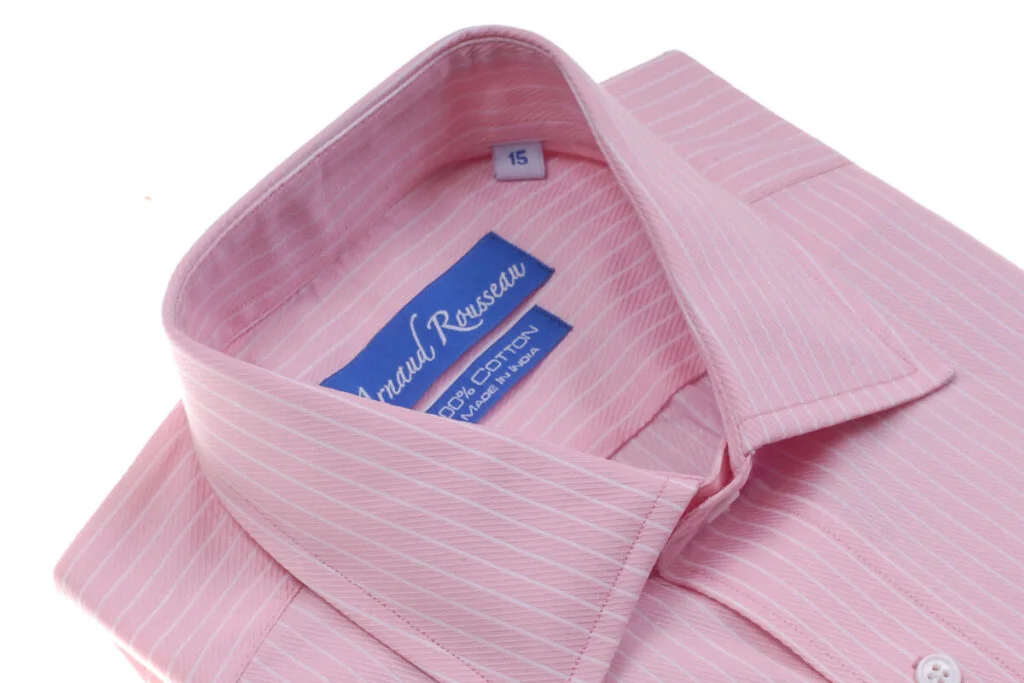
The collars of the ’70s deserve their own chapter in fashion history. Catalogs proudly displayed shirts with collars so wide they could practically double as wings. The tips stretched almost to the shoulders, creating a dramatic frame for the face. Pair them with a plaid suit or a polyester blazer, and you had the quintessential ’70s look.
At the time, this was meant to be sharp and trendy, but now it looks exaggerated and cartoonish. The collars never sat quite right and often flared out awkwardly in photos. While vintage styles have come back, thankfully collars of this size haven’t. It’s one fashion detail that feels firmly stuck in its decade.
6. Earth-Toned Everything
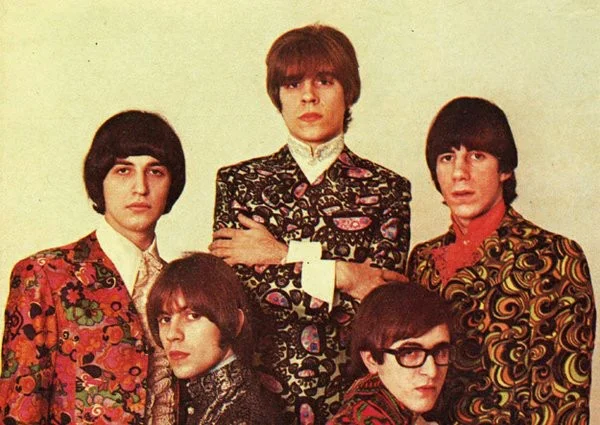
If you flipped through a ’70s catalog, you’d think the only colors available were brown, mustard, avocado, and rust. Entire outfits were built around these muted earth tones, making models blend right into shag carpets and wood-paneled walls. Men’s sweaters, women’s dresses, even kids’ clothes were dipped in these shades. It was supposed to feel natural and sophisticated, but it often just looked dreary.
Looking back, it’s amazing how colorless everything feels. A whole family dressed in brown corduroy doesn’t exactly scream lively. While earth tones can still be chic today, the one-note approach of the ’70s makes it look dated. These catalogs remind us that sometimes too much of one palette is a bad thing.
7. Jumpsuits With Zippers Everywhere
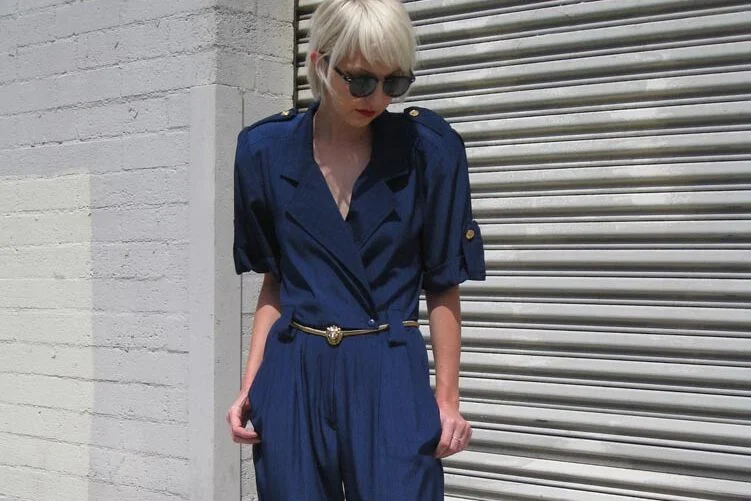
Jumpsuits were a big catalog seller, but designers seemed to go overboard with zippers. Some had them running down the front, across the sides, and even decorating the legs. They were marketed as sleek and futuristic, but the result looked more like a mechanic’s uniform than high fashion.
The one-piece design also made them impractical, especially when nature called. Catalog photos showed models lounging effortlessly, but the reality was likely far less convenient. While jumpsuits have made comebacks, the over-zippered ’70s versions are best left in old catalog pages. They tried to be space-age chic, but they ended up more awkward than stylish.
8. Head-to-Toe Denim
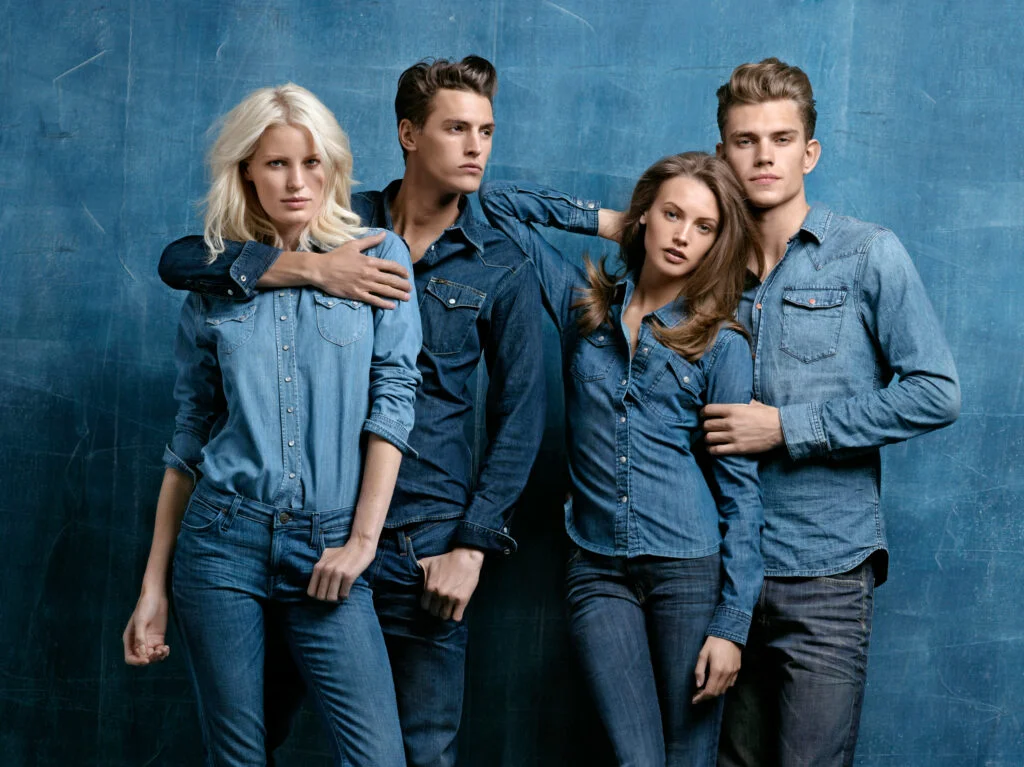
Denim never goes out of style, but the ’70s catalogs took it to the extreme. Models were often dressed in denim jackets, denim shirts, and denim pants all at once. Sometimes even the shoes matched, creating a full monochrome look that was more overwhelming than cool.
At the time, it was supposed to feel rugged and youthful, but now it reads as costume-like. Double denim can be pulled off, but triple denim is pushing it. Catalog photos make it clear that less would have been more. It’s one of those trends that works better in moderation than in excess.
9. Crochet Dresses

Crochet had a big moment in the ’70s, and catalogs were full of crocheted dresses and tops. The problem was, they often looked more like doilies than clothing. Open patterns made them less than practical, and many came in shades that clashed with everything around them.
What was marketed as handmade charm now looks awkwardly see-through and oddly fitted. The stiff yarn didn’t always flatter the body, making even models look uncomfortable. While crochet has made stylish comebacks in accessories, these dresses feel firmly outdated. Catalog photos make it clear this was more of a fad than a lasting fashion staple.
10. Men’s Short Shorts

While women had their share of mini skirts, men’s fashion catalogs went bold with short shorts. These were tight, often polyester, and left very little to the imagination. Sometimes they were paired with tall socks and sandals, which only added to the awkwardness.
At the time, it was considered athletic and casual, but now it looks comical. The cut didn’t flatter most body types, and the shiny fabrics only made it worse. Catalog photos show men confidently smiling, but you can’t help but cringe at how revealing they were. It’s a style that feels more novelty than wearable today.
11. Ruffled Shirts
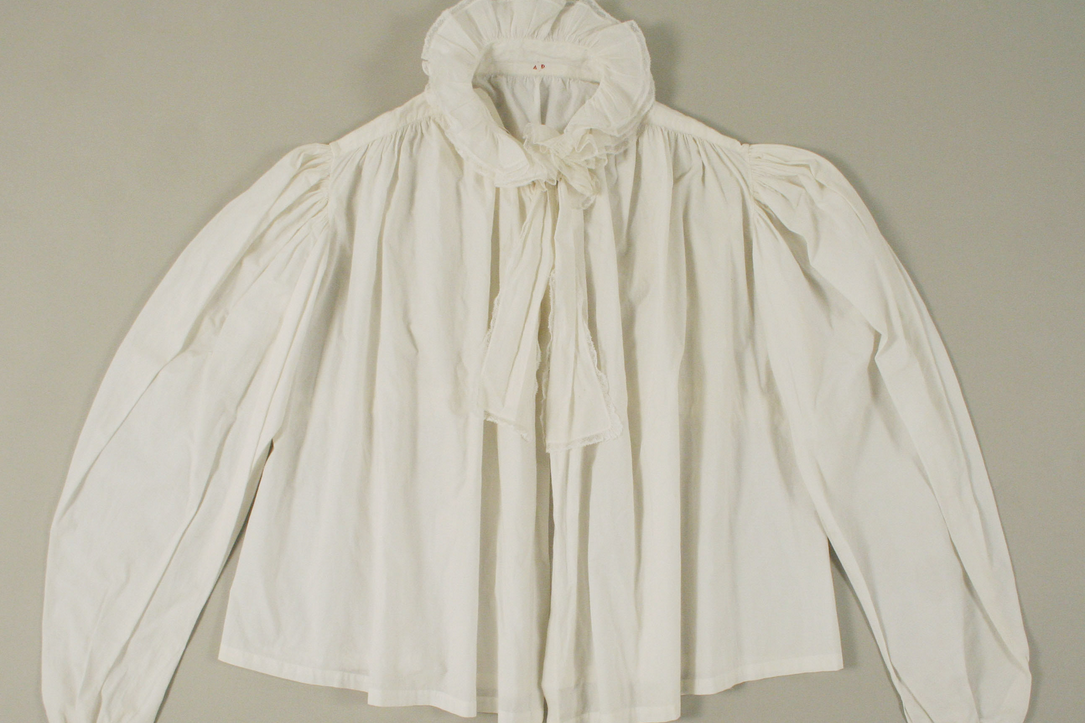
Ruffles weren’t just for women—men’s catalogs proudly displayed ruffled tuxedo shirts for parties and weddings. These shirts had layers of frills running down the chest and sometimes even along the cuffs. Paired with pastel suits, they created a look that was more flamboyant than fashionable.
At the time, it was marketed as sophisticated flair, but today it feels more like parody. The ruffles didn’t age well and quickly made outfits look over-the-top. Catalog photos make it clear that less is more when it comes to frills. It’s one look most men are glad stayed in the ’70s.
12. Patchwork Everything

Patchwork designs were huge in the ’70s, from dresses to jackets to pants. Catalogs displayed pieces that looked like they were stitched together from leftover fabric scraps. Bright, clashing patterns made these items stand out, but not always in a flattering way.
At the time, it was seen as funky and creative, but now it looks chaotic. The uneven blocks of color rarely worked together, and the result was more confusing than stylish. Catalog models tried to make them look chic, but the photos tell another story. It’s a quirky trend that we can admire from afar, but probably not revive.