1. Acapulco, Mexico
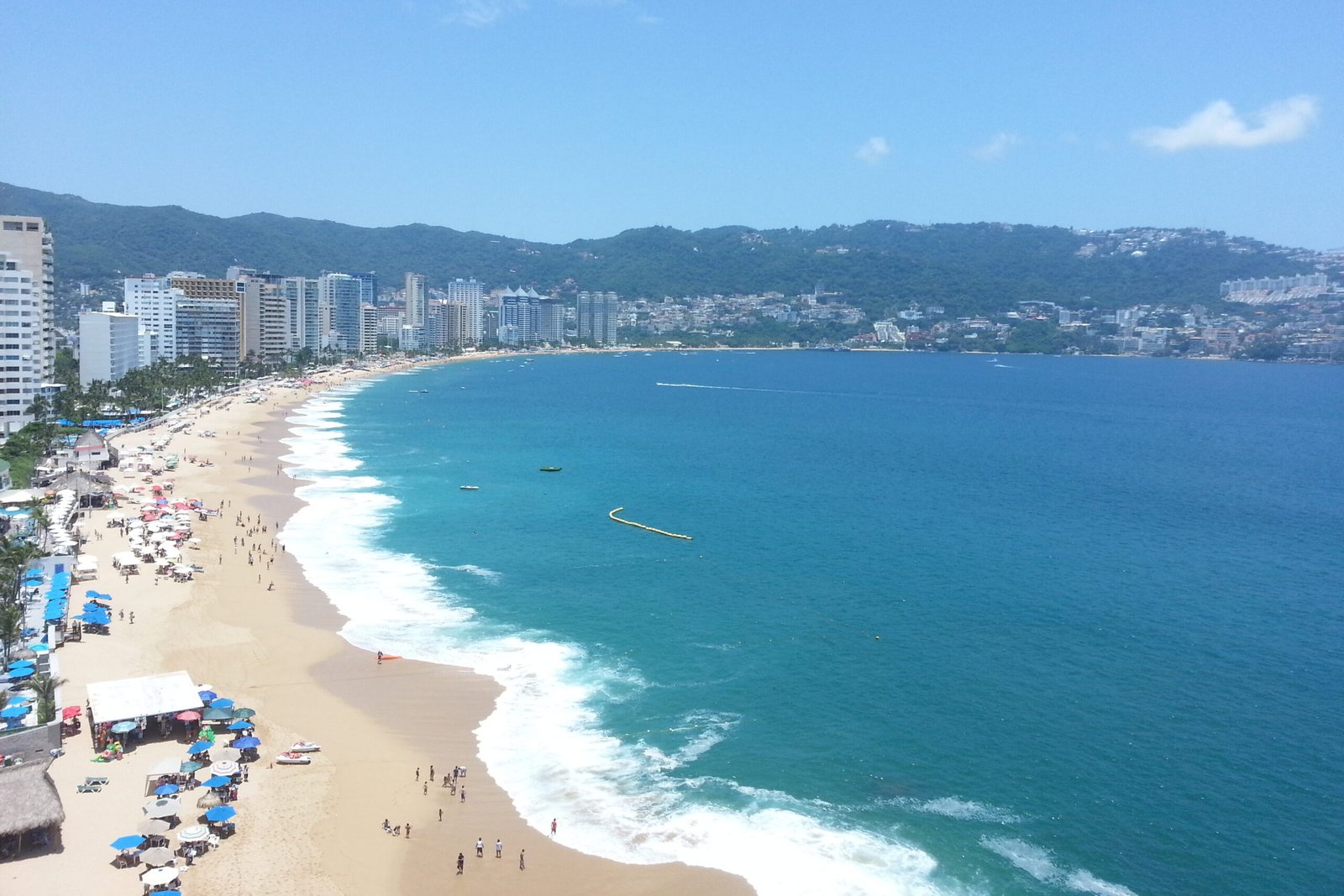
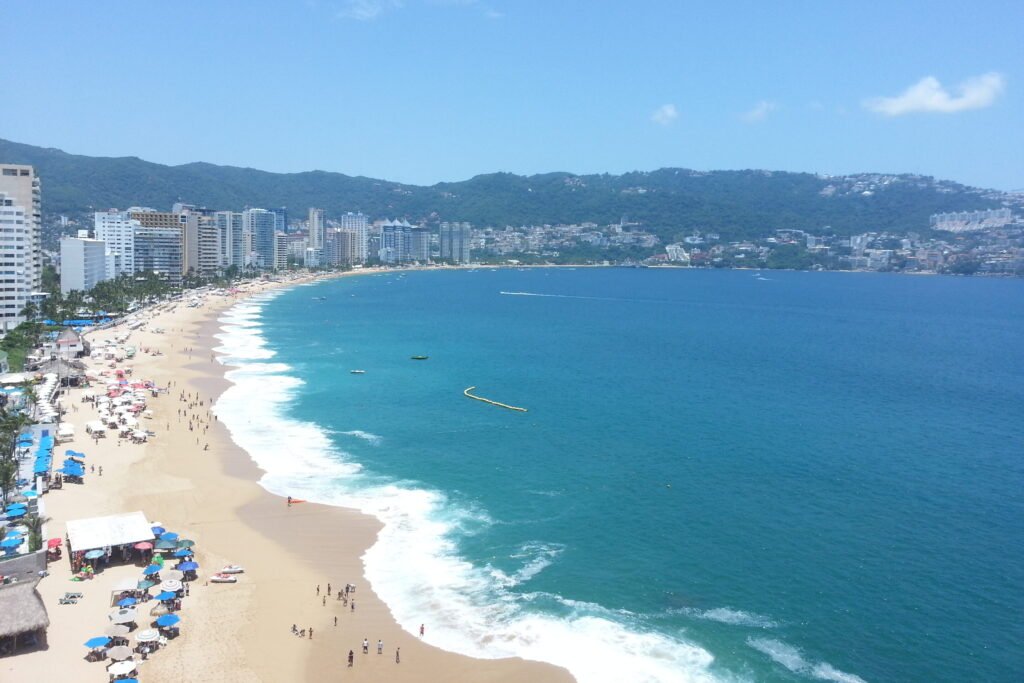
In the ’60s, Acapulco was the playground of the rich and famous. Elizabeth Taylor honeymooned there, Frank Sinatra crooned by the pool, and glamorous jet-setters sipped cocktails while watching cliff divers at La Quebrada. The beachside city sparkled with luxury hotels, nightclubs, and Hollywood mystique, making it one of the most photographed vacation spots of the decade. Everyone wanted to be seen in Acapulco.
But over the years, the glitz faded. Rising crime and competition from newer resorts like Cancún pushed Acapulco out of the spotlight. Many of the old hotels have since closed or fallen into disrepair, leaving behind a ghostly echo of the city’s golden years. Still, those who remember it in its prime often say there was nothing quite like Acapulco at sunset.
2. Atlantic City, New Jersey
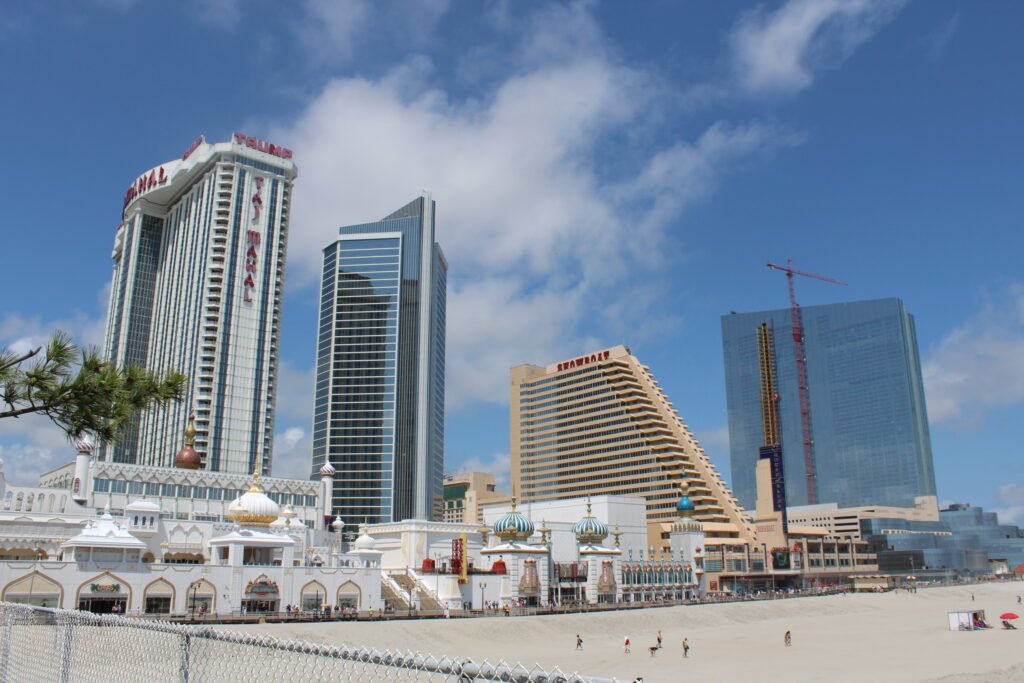
Long before Las Vegas took over, Atlantic City was America’s original playground. In the ’60s, families filled the boardwalk, and stars performed at the Steel Pier, where you could see the famous diving horse show. Visitors came for saltwater taffy, neon lights, and the carefree energy of a seaside escape. It was glitzy but approachable, the kind of place where everyone felt welcome.
Then came casinos, economic decline, and urban decay. By the ’80s, the city’s family-friendly charm had mostly vanished. Many of its historic hotels were demolished or abandoned, and the crowds moved on to newer attractions. Today, Atlantic City is trying to recapture some of that magic, but the nostalgia of its mid-century heyday remains unmatched.
3. Palm Springs, California
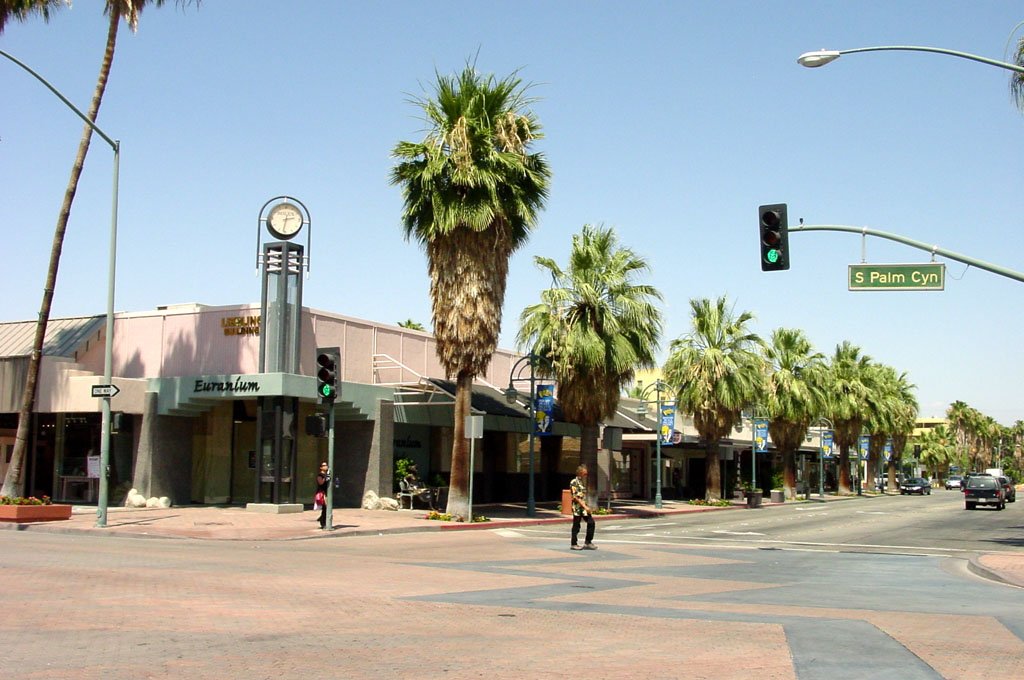
In the ’60s, Palm Springs was where Hollywood went to escape Hollywood. Stars like Elvis Presley, Marilyn Monroe, and Frank Sinatra made it their desert playground, hosting cocktail parties under the stars. The desert air, mid-century architecture, and luxurious pools made it a paradise for the stylish and the sun-seeking. It was where you went to see and be seen.
Over time, Palm Springs lost a bit of its sparkle as newer resorts and destinations emerged. By the late ’80s, many of the motels and clubs had shuttered. Recently, though, it’s seen a retro revival, thanks to architecture fans and nostalgia seekers who appreciate its ’60s charm. Still, those who visited during its original boom say the glamour of that era was something you just can’t recreate.
4. Lake Tahoe, California/Nevada
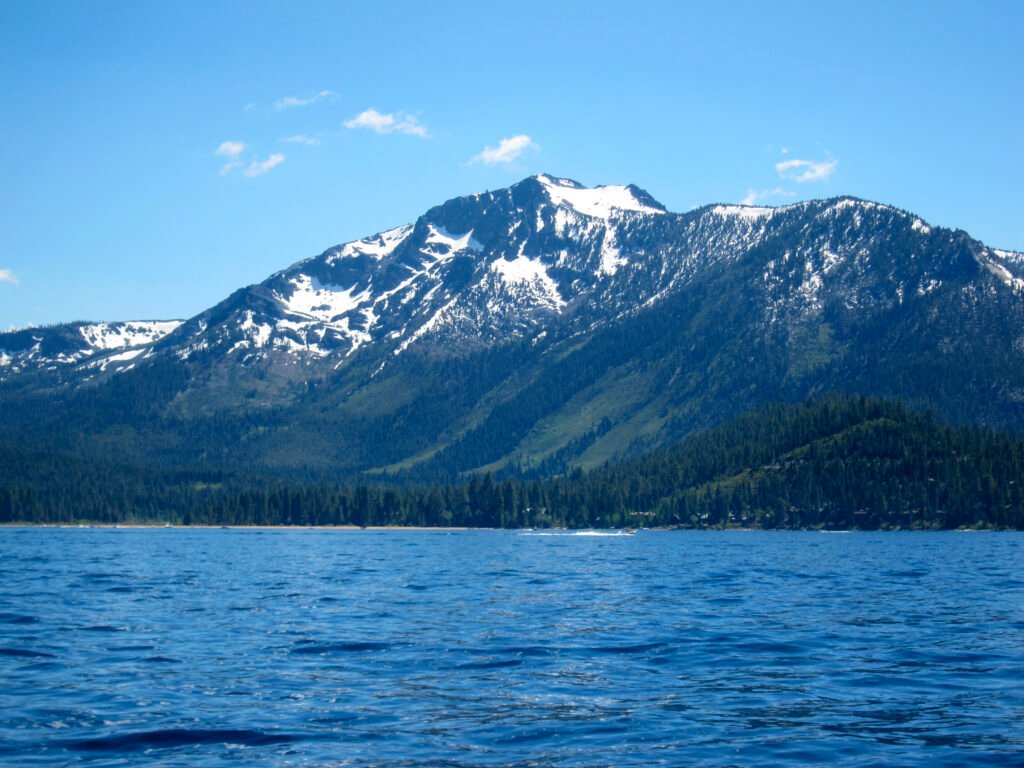
Lake Tahoe in the ’60s was pure magic. It had the pristine blue waters, the mountain air, and the allure of celebrity visitors who came to ski or gamble in nearby casinos. It was glamorous but grounded, offering both rustic cabins and lavish resorts. Families came for summer fun, while couples came for romantic getaways by the fire.
But as ski towns like Aspen and Vail rose in popularity, Tahoe lost some of its national spotlight. Environmental issues and overdevelopment also took their toll. While it remains a favorite for locals, it doesn’t quite command the same cultural cachet it once had. Still, those shimmering blue waters remain as breathtaking as ever.
5. Havana, Cuba
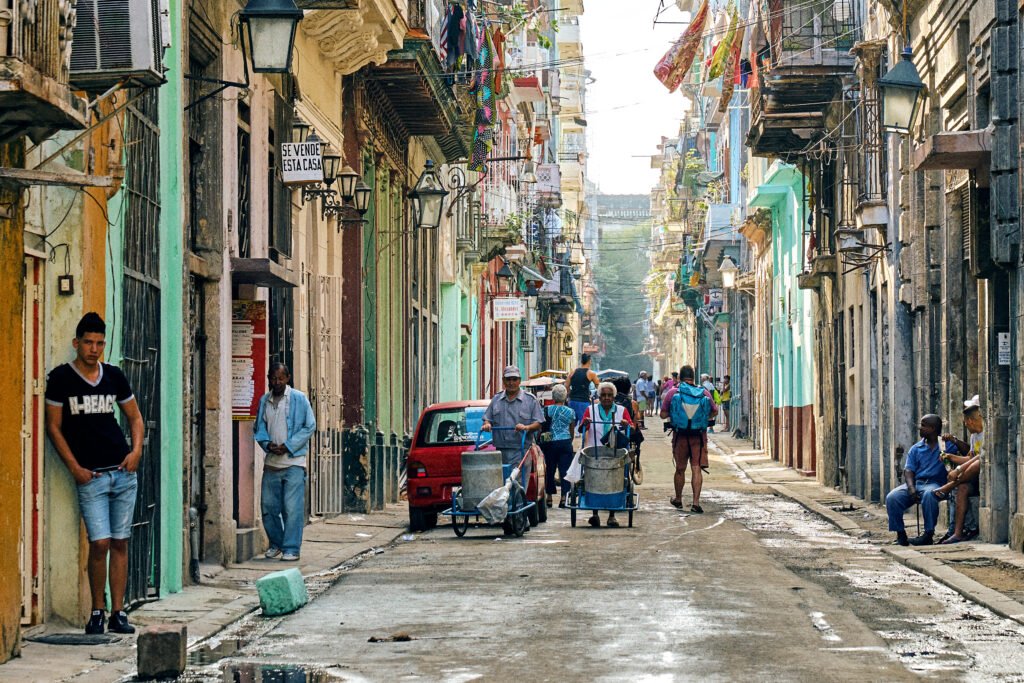
Before the Cuban Revolution, Havana was one of the most exotic destinations on the planet. American tourists flocked there for nightlife, rum, and casinos, with stars like Ava Gardner and Marlon Brando spotted at the Tropicana Club. It was a city bursting with rhythm, color, and excitement. The music, the cars, the style—everything felt alive.
Then, after 1959, the revolution changed everything. U.S. travel restrictions shut down tourism, and Havana became a forbidden paradise. The hotels emptied, and the once-bustling nightlife fell silent. Even today, the echoes of that era linger in the pastel facades and vintage cars that still roll through its streets.
6. Catskills, New York

In the ’60s, the Catskills were the crown jewel of summer vacations in the Northeast. Families from New York City would pack the car and head upstate for all-inclusive resorts like Grossinger’s and The Concord. There were dance shows, comedians, buffets, and plenty of opportunities for romance and relaxation. It was a world unto itself, full of laughter and live music.
But as air travel became more affordable, families started vacationing elsewhere. The once-bustling resorts emptied out, and many fell into ruin. What was once known as the “Borscht Belt” slowly disappeared. Still, anyone who remembers those summers recalls a sense of community that modern resorts rarely capture.
7. Niagara Falls, New York/Ontario
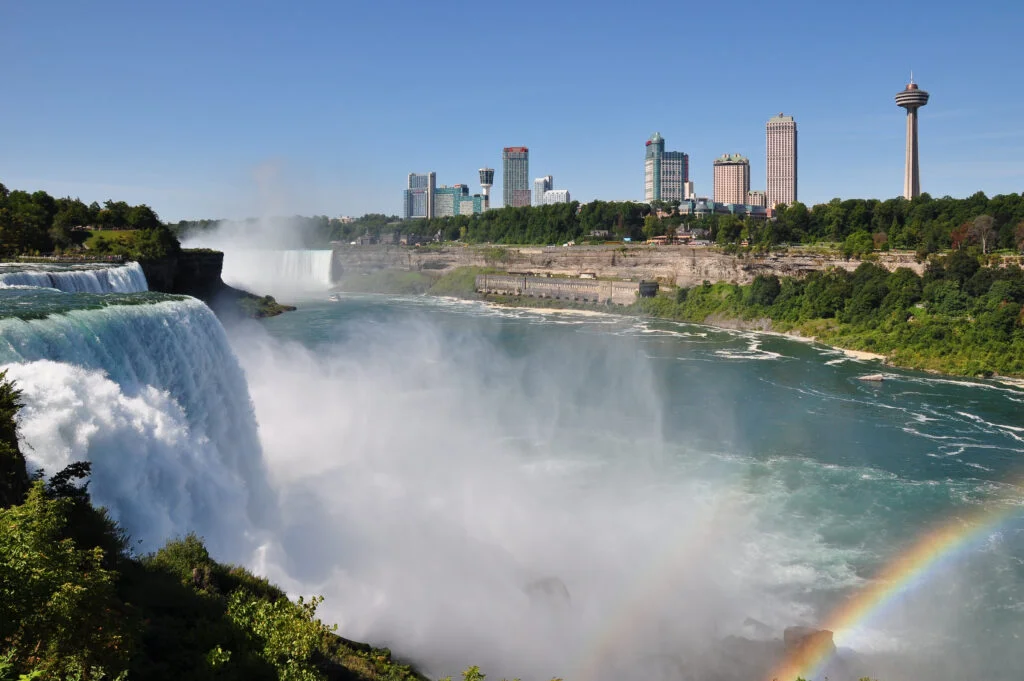
In the mid-20th century, Niagara Falls was the ultimate honeymoon destination. Couples arrived in droves, snapping photos by the roaring water and staying in heart-shaped tubs. The surrounding towns were packed with quirky attractions and neon signs, all promising a bit of magic and romance. It was kitschy, but that was part of the fun.
Over time, Niagara’s sparkle dulled. The novelty faded as travel expanded and the area became overly commercialized. Many of the original motels have closed, replaced by chain hotels and souvenir shops. The falls are still magnificent, but few would call it the glamorous getaway it once was.
8. Sun Valley, Idaho
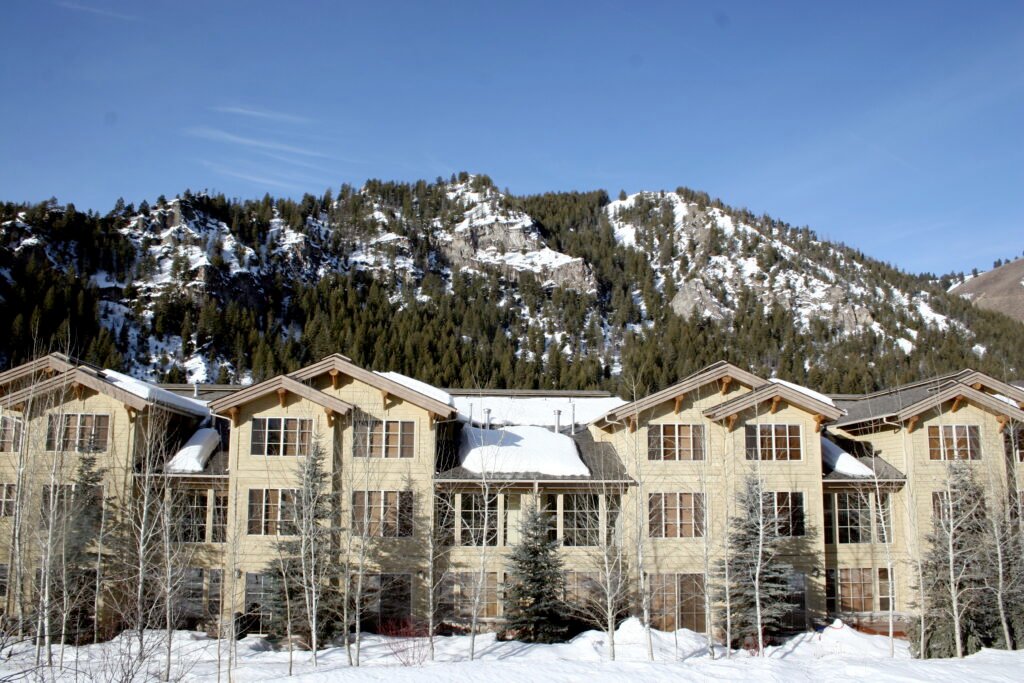
Sun Valley was America’s first true ski resort, and in the ’60s it was a haven for stars like Clark Gable and Lucille Ball. The snow was perfect, the chalets were cozy, and the après-ski parties were legendary. It had all the luxury of Aspen but with a touch more charm and privacy. It felt like a secret among the elite.
But as newer resorts cropped up across the Rockies, Sun Valley slipped off the radar. It remains a beautiful spot for skiers and hikers, but its celebrity status has faded. The glamour of its golden years still lingers in old photos of movie stars bundled in fur coats by the fire. It was a place where winter felt truly glamorous.
9. Key West, Florida
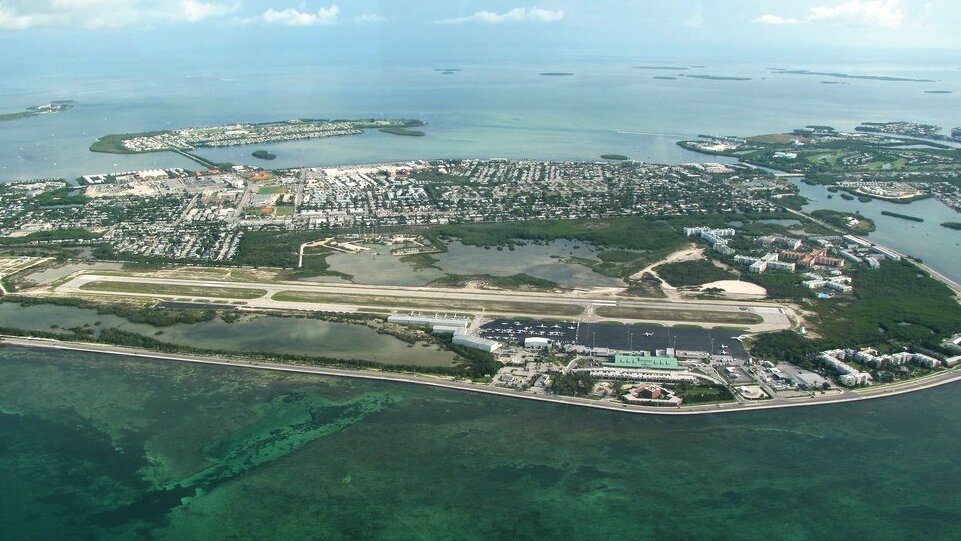
Before it became known for spring breakers and cruise ships, Key West in the ’60s was a bohemian paradise. Artists, writers, and free spirits flocked there for its laid-back vibe and pastel charm. Ernest Hemingway’s legacy loomed large, and the island felt like a hidden retreat from the modern world. The sunsets, the conch houses, and the endless ocean air made it irresistible.
As tourism exploded, much of that quiet allure was lost. The island became busier, pricier, and more commercialized. Yet you can still catch glimpses of that earlier era in the quiet streets and old bars. For those who visited back then, it was paradise before the crowds.
10. Lake Placid, New York
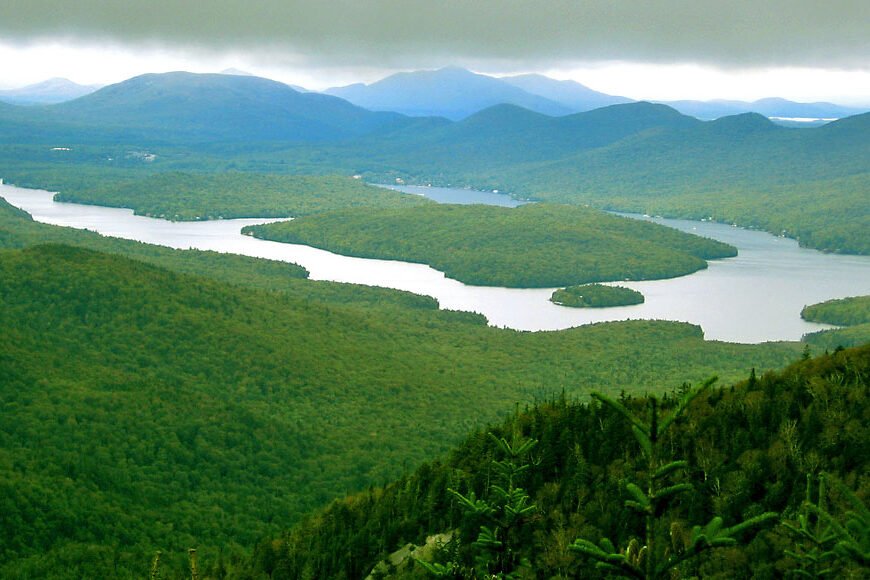
In the ’60s, Lake Placid was a beloved mountain getaway long before its Olympic fame. The air was crisp, the lakes pristine, and the Adirondack lodges offered cozy escapes for city dwellers. It was the perfect blend of rustic adventure and quiet luxury. People came for skiing, hiking, and simply breathing in the fresh mountain air.
As travel shifted toward warmer destinations, the buzz around Lake Placid cooled. The region still thrives on winter sports, but the grand old hotels and romantic train rides are largely gone. What remains is a quieter, simpler beauty that harkens back to its golden age.
11. Hot Springs, Arkansas
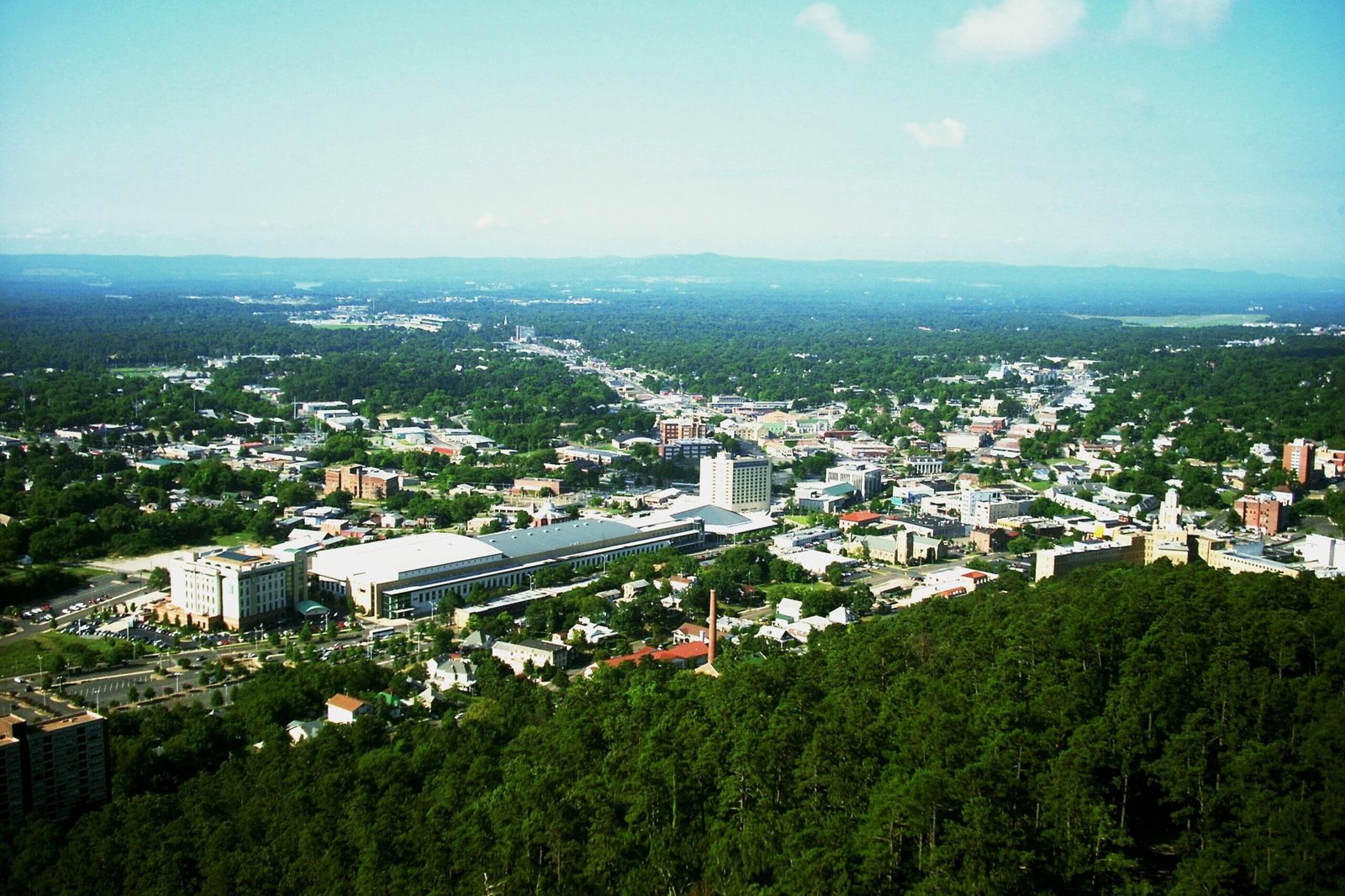
Hot Springs was once the Las Vegas of the South. In the ’60s, people came not only for the natural thermal baths but also for the casinos and nightlife. Celebrities mingled with gangsters, and everyone came to relax and indulge. The bathhouses, with their marble and brass, made the town feel almost European.
When gambling was outlawed and crime cracked down, the excitement faded. Tourism slowed, and many of the grand old bathhouses closed. While it’s been slowly revitalized in recent years, it’s hard to imagine the lavish buzz that once filled its streets. Still, its history lingers in every steamy bath and art deco facade.
12. Waikiki, Hawaii
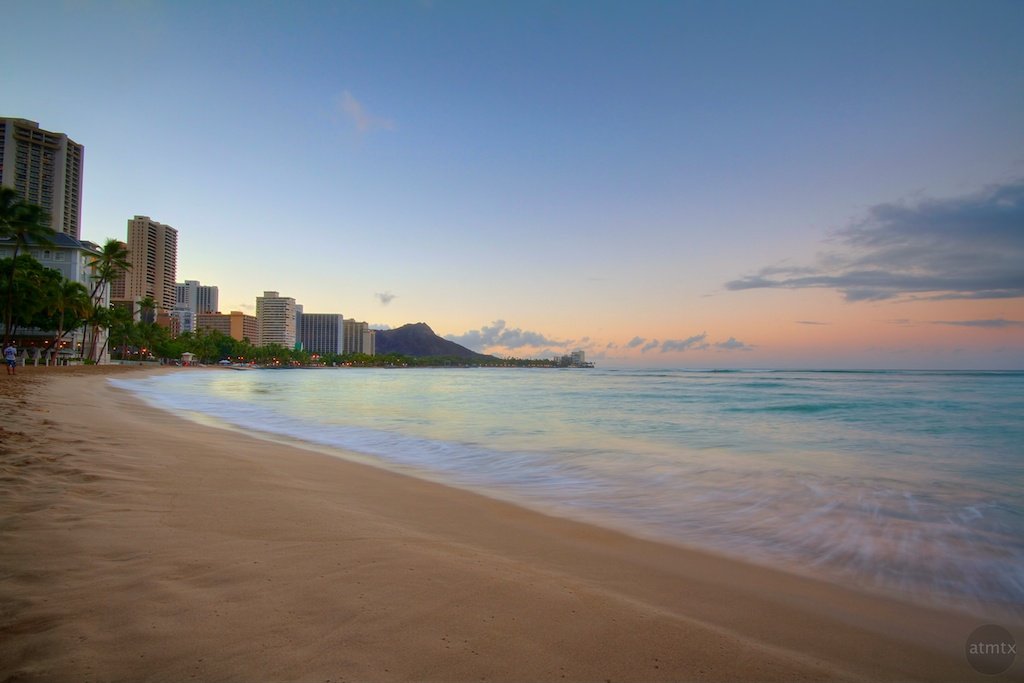
In the ’60s, Waikiki was paradise personified. It was the dream vacation spot for Americans who wanted to experience island life without leaving U.S. soil. With tiki culture booming and Elvis Presley filming Blue Hawaii, it became the ultimate escape. Tourists filled the beaches with surfboards and aloha shirts, soaking up the exotic allure.
But decades of overdevelopment turned much of Waikiki into a crowded tourist hub. The vintage charm gave way to high-rise hotels and chain restaurants. Still, if you wander down the right street or watch the sunset over Diamond Head, you can almost feel that ’60s magic again.
13. Miami Beach, Florida

In the early ’60s, Miami Beach was where the party never stopped. The Fontainebleau Hotel was the centerpiece, attracting movie stars, musicians, and socialites alike. The city pulsed with energy, neon, and a sense of glamour that rivaled Hollywood. It was all about big hair, bright lights, and endless cocktails.
But by the late ’70s, the city had grown tired. The glamorous crowd moved on, and many of the Art Deco hotels fell into disrepair. Only in recent decades has Miami Beach been restored to its former glory. Those who remember the original scene recall a time when it felt both exclusive and electric.
14. Reno, Nevada
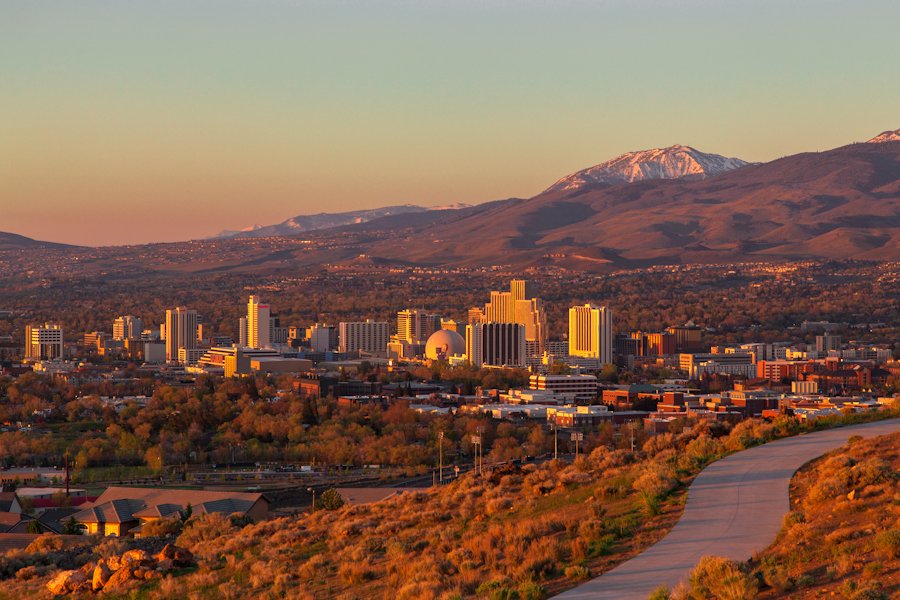
Before Las Vegas became the gambling capital of the world, Reno was the place to go for excitement. In the ’60s, it was known for its casinos, quick divorces, and Wild West spirit. It offered glitz without the overwhelming scale of Vegas, and visitors loved its quirky charm. It felt like a secret slice of old-school Nevada.
But as Vegas expanded, Reno couldn’t compete. Its reputation as a mini-Vegas faded, and many of its hotels closed. Today, it’s reinventing itself as an outdoor recreation hub, but it’s hard to imagine the days when Reno was truly a hotspot. It was a little bit rowdy, a little bit glamorous, and totally unforgettable.
15. Newport, Rhode Island
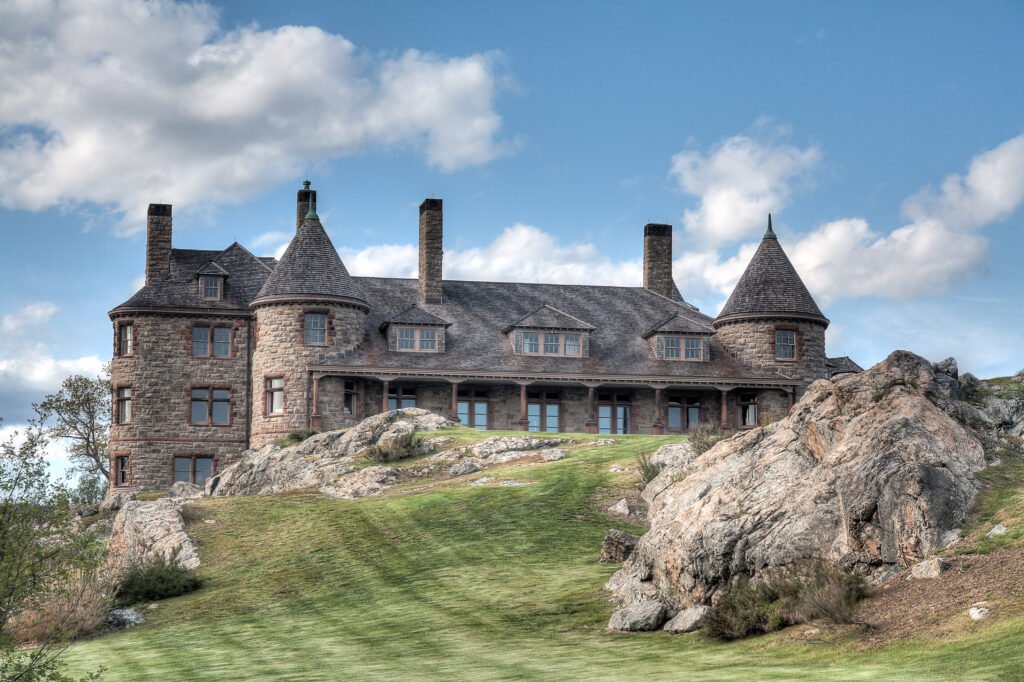
In the ’60s, Newport was the East Coast’s elegant summer retreat. The old Gilded Age mansions hosted galas and garden parties, while yachters filled the harbor. It had sophistication without pretense, a seaside charm that drew both high society and artists. The Newport Jazz Festival made it a cultural hub as well.
But as the social scene shifted to other coastal towns, Newport’s star dimmed. The grand homes became museums, and the parties ended. Still, those who vacationed there remember its golden summers fondly. It was a place where wealth met whimsy, and every evening felt like a scene from a classic film.