
1. Calvin Klein’s Controversial Brooke Shields Ad
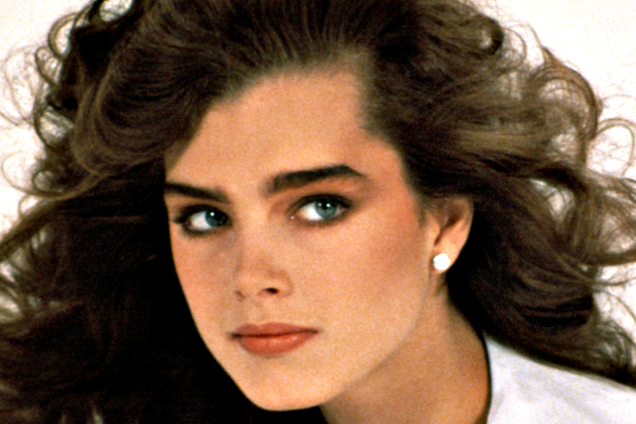
When Brooke Shields whispered, “Nothing comes between me and my Calvins,” in 1980, it became one of the most talked-about taglines of the decade. The print version of that campaign was equally unforgettable, featuring the teenage star posing in tight denim with a hint of rebellion that made parents nervous and teens obsessed. Calvin Klein’s ads became synonymous with bold, provocative minimalism.
The controversy actually fueled the brand’s success, with jeans flying off the shelves and Shields’ fame skyrocketing. Even years later, the image of her coy gaze in those glossy pages still defines the unapologetic confidence of the early ’80s.
2. Pepsi’s “Choice of a New Generation”
Michael Jackson’s Pepsi ads weren’t just TV sensations—they dominated magazines too. Every page featured him in his signature jacket, moonwalking across the promise of something new and electrifying. Pepsi positioned itself as the drink of pop culture, youth, and music rebellion.
The campaign marked a turning point where soda became tied to celebrity power. Jackson’s influence helped Pepsi feel cooler than Coke for a brief moment, proving that pop icons could redefine even a simple can of cola.
3. Apple’s “1984” Print Follow-Up
After Apple’s famous Super Bowl ad, the print campaign that followed kept that dystopian energy alive. Magazines showcased sleek Macintosh computers alongside futuristic imagery that made owning one feel revolutionary. The stark graphics and minimalist text fit right in with the high-tech optimism of the ’80s.
It wasn’t just a product—it was a lifestyle. Apple’s ads made you feel like part of a creative rebellion, and that message still echoes through its branding today.
4. Levi’s 501 Blues

Before influencer marketing, Levi’s had musicians, skateboarders, and artists in their 501 Blues ads. These spreads looked more like snapshots from real life than advertisements, which gave them a raw, authentic charm. They tapped into the “cool without trying” vibe that became an ’80s calling card.
The campaign’s mix of real people and cultural icons helped make jeans a symbol of individuality. Everyone wanted to roll their cuffs, throw on a white tee, and feel like part of that effortlessly cool world.
5. Polaroid’s “One Step Closer” Campaign
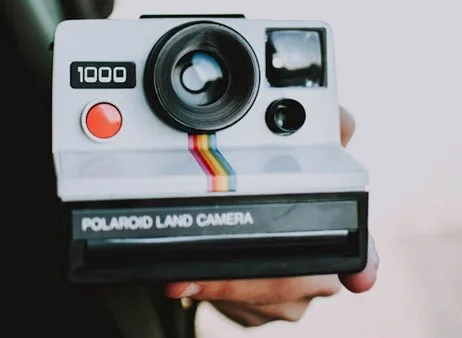
Polaroid’s magazine ads featured beaming families and candid moments frozen in time. They were colorful, warm, and carried that quintessential ’80s optimism that everything could be captured instantly. With the OneStep camera, even casual snapshots looked artistic.
The ads had a way of romanticizing nostalgia in real time. Looking back, they feel almost meta—advertising the very idea of memory just as it was happening.
6. Reebok’s “Pump It Up” Hype
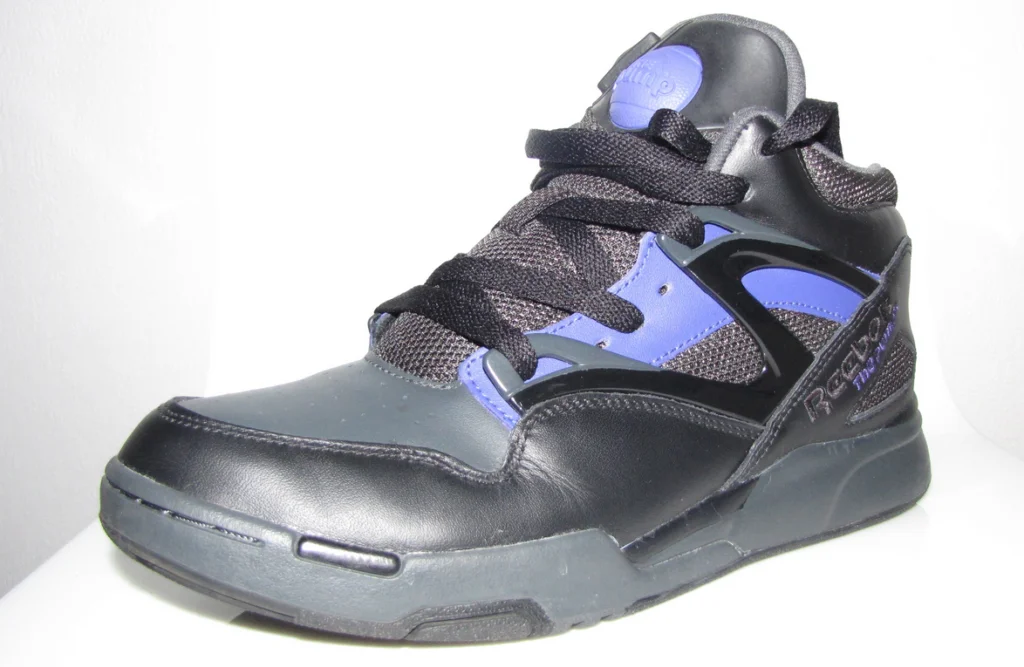
Reebok’s Pump sneakers were a marvel of ’80s over-engineering, and their print ads leaned into it hard. Bright neon backgrounds, flying basketballs, and exaggerated action shots made you believe a little air could make you jump higher. The tagline “Pump Up and Air Out” was pure playground swagger.
The campaign was the perfect mix of fun and tech. Even kids who couldn’t afford them still memorized the ads, proof that Reebok briefly gave Nike a run for its money.
7. Chanel No. 5 with Carole Bouquet

High fashion in the ’80s had a very distinct tone—glamorous, mysterious, and a bit intimidating. Chanel’s ads featuring French actress Carole Bouquet epitomized that aesthetic. With her sleek hair, red lips, and intense stare, she made perfume seem like a powerful secret weapon.
The ad’s black-and-white elegance stood out amid the decade’s neon chaos. It reminded readers that sophistication never went out of style, even during the loudest decade in fashion.
8. Nintendo Power’s Early Spreads
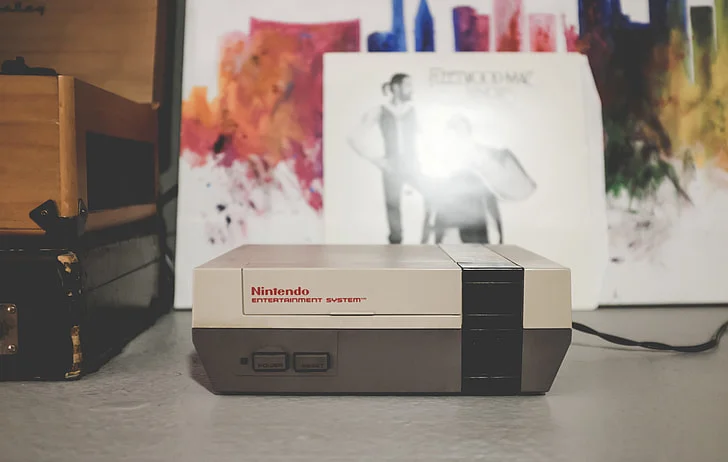
Before it was a full magazine, Nintendo ran teaser ads in other publications that looked like nothing else on the shelves. Bright primary colors, pixel art, and over-the-top excitement leapt off the page. The promise of “Power” wasn’t just a slogan—it was an invitation to join a growing cultural movement.
Those ads made gaming feel larger than life. Kids circled release dates, begged their parents for consoles, and the rest is history.
9. Benetton’s “United Colors” Campaign
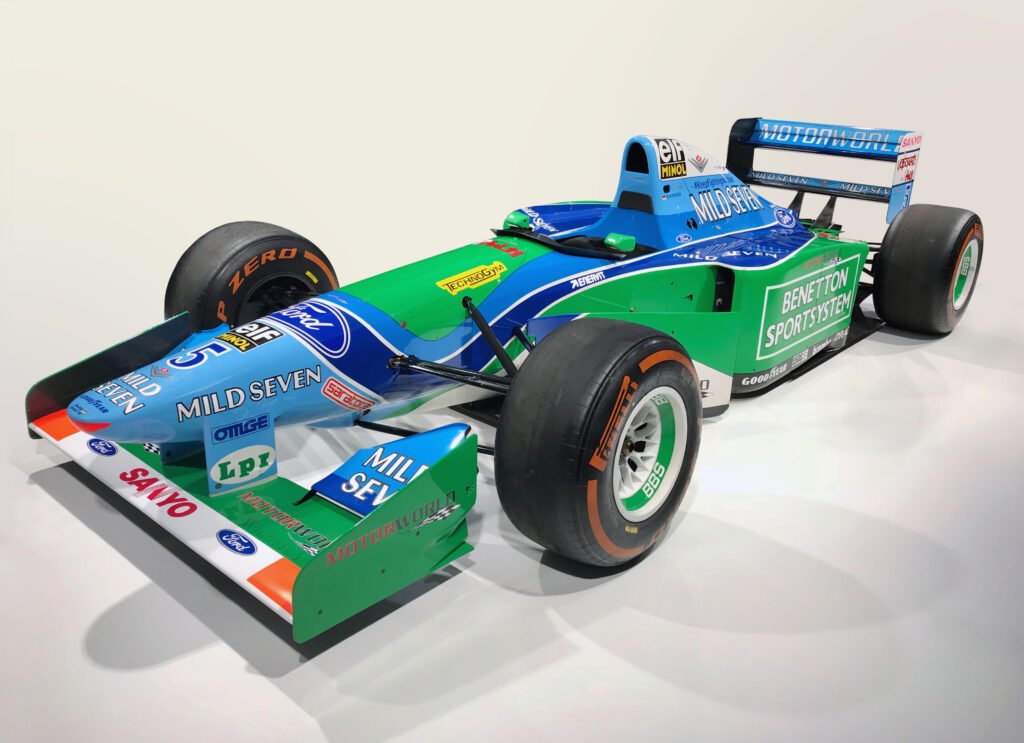
Benetton’s magazine ads were more like social statements than product pitches. They featured diverse models and bold imagery that challenged norms while showing off the brand’s vibrant clothes. It was fashion meets activism before that was common.
The striking visuals made people stop and think. Even if you didn’t own Benetton, you remembered those pages—and that was the point.
10. Sony Walkman Freedom
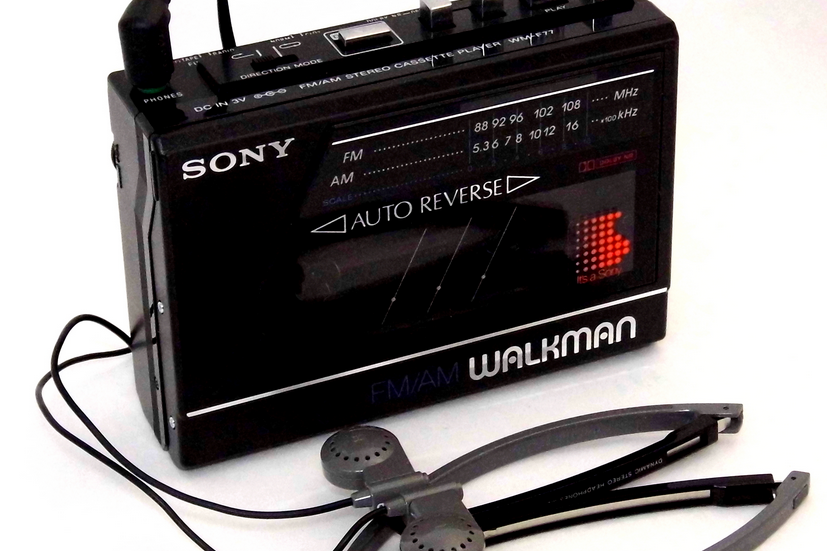
Few ads captured independence like Sony’s Walkman campaigns. They featured young people skating, running, or dancing through city streets, wires trailing behind them like badges of freedom. The Walkman wasn’t just a gadget—it was personal liberation with a soundtrack.
The imagery sold an idea more than a product. Every ad practically hummed with music, reminding readers that for the first time, their favorite songs could follow them anywhere.
11. Swatch’s Pop Explosion
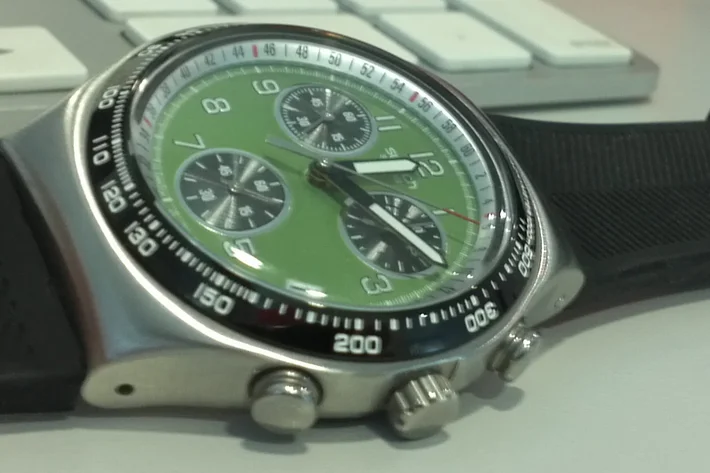
Swatch watches were all about color, personality, and fun. Their magazine ads looked like art projects, with overlapping patterns, abstract designs, and models layered in multiple watches at once. The tone was chaotic but joyful—exactly what the decade was about.
It wasn’t about telling time; it was about expressing yourself. The Swatch revolution made accessories feel youthful and spontaneous, even for adults.
12. Ray-Ban’s “Never Hide” Spirit
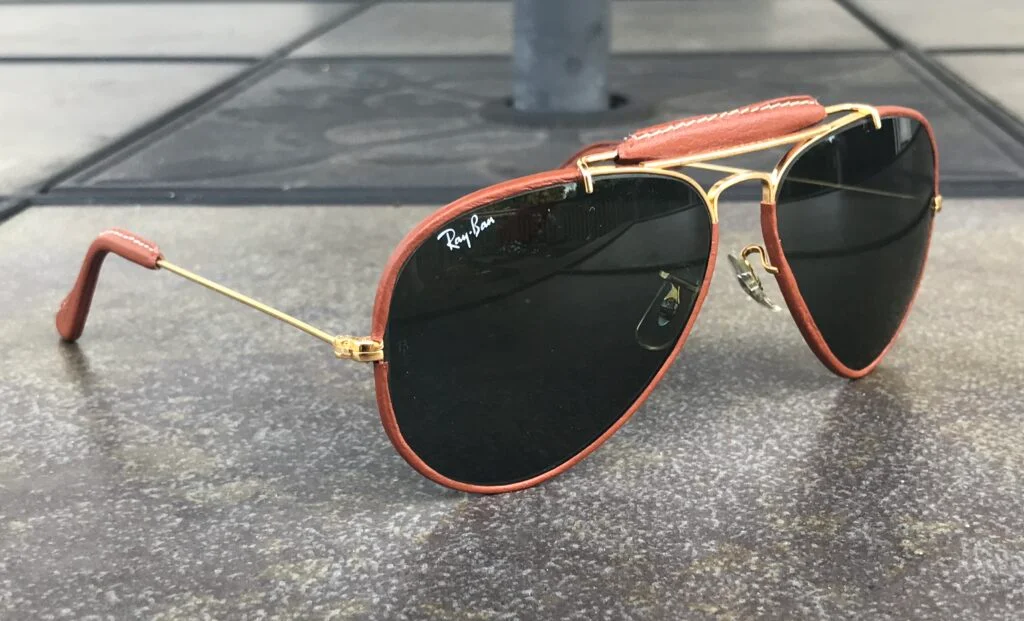
Before the “Never Hide” slogan officially debuted, the early Ray-Ban print ads already had that attitude. Think moody lighting, aviator shades, and effortlessly cool faces that seemed to defy the camera. The images said everything without needing words.
Those ads cemented Ray-Ban as the ultimate accessory of rebellion and style. Whether you were a Top Gun fan or just wanted to look untouchable, those glossy pages sold confidence in frames.
13. Maxell’s “Blown Away Guy”
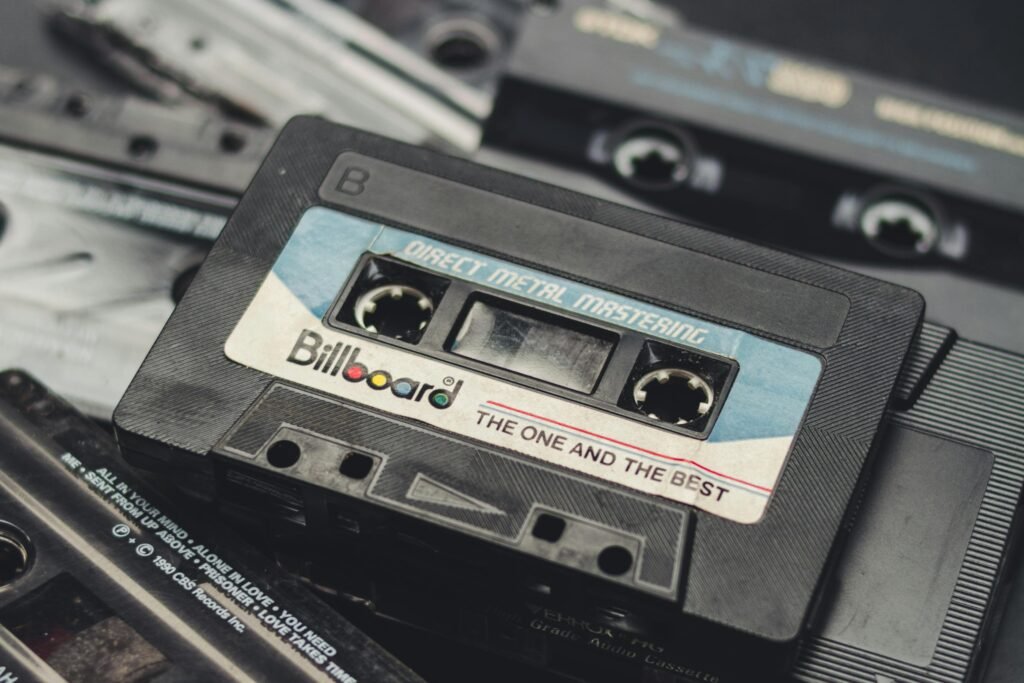
Few ’80s images are as instantly recognizable as the man sitting in a chair, being blasted by sound from his stereo. The Maxell cassette ad became pop-culture shorthand for power, excess, and audio obsession. It didn’t need a lot of text—just the striking visual.
That ad became so iconic that it was spoofed endlessly in movies, TV, and even later commercials. Decades later, it’s still the ultimate symbol of what the ’80s felt like—loud, bold, and a little absurd.
14. Coca-Cola’s “Catch the Wave” with Max Headroom

In 1986, Coca-Cola introduced Max Headroom, the computer-generated TV host, as the face of its “Catch the Wave” campaign for New Coke. The ads in print were just as surreal, with the glitchy character grinning beside a red can. It was weird, futuristic, and very on-brand for the decade.
Even though New Coke flopped, the ad campaign became a cult favorite. It proved that the ’80s weren’t afraid to mix technology, humor, and marketing in truly bizarre ways.
15. Marlboro’s Fading Cowboy
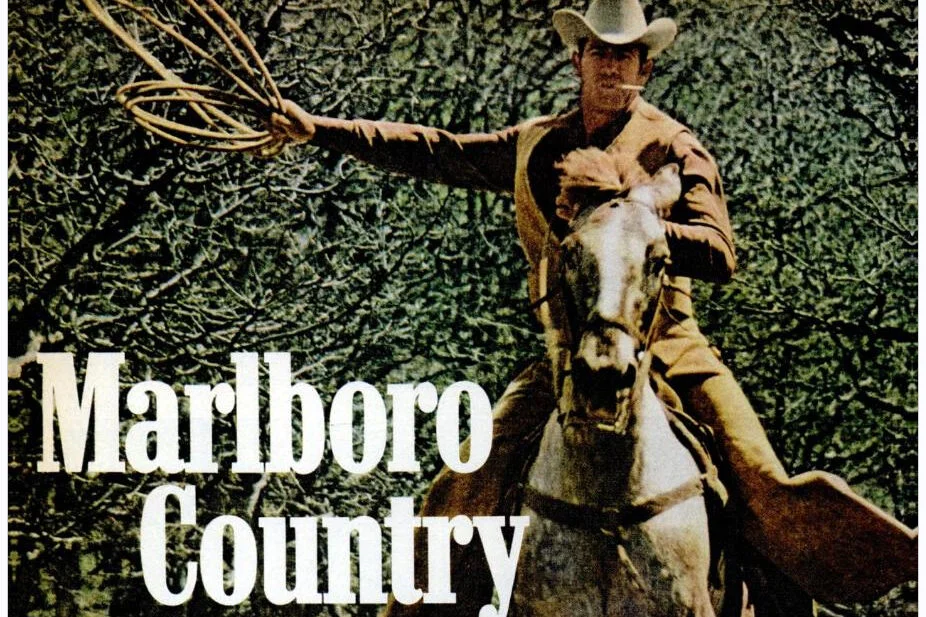
By the ’80s, the Marlboro Man was already a legend, but the decade’s magazine ads gave him a more cinematic quality. The lonely cowboy riding into a sunset became an almost nostalgic figure—an icon in transition. The rugged aesthetic spoke to a changing America that still valued independence.
The imagery was powerful, even as cigarette ads were starting to face criticism. It’s hard not to look back and see them as both a product of their time and a symbol of its fading myth.
16. National Lampoon’s “If You Don’t Buy This Magazine…”
Technically born in the ’70s, National Lampoon’s infamous “If You Don’t Buy This Magazine, We’ll Kill This Dog” ad kept circulating into the early ’80s as a darkly funny relic. The shocking image of a gun pointed at a dog’s head was both satire and sales pitch.
It was risky and wildly inappropriate by today’s standards, but it worked. It captured the irreverent, boundary-pushing spirit that helped shape ’80s humor—and advertising itself.