
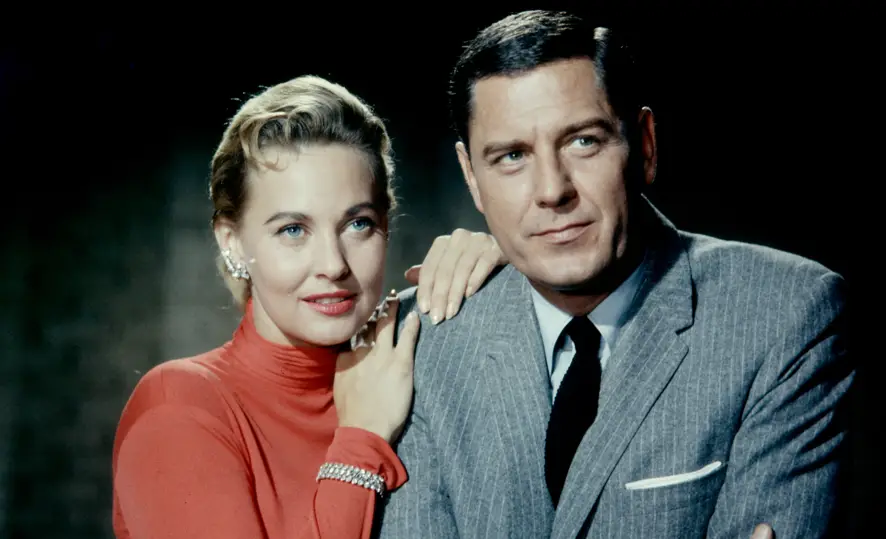
1. Peter Gunn (Peter Gunn)
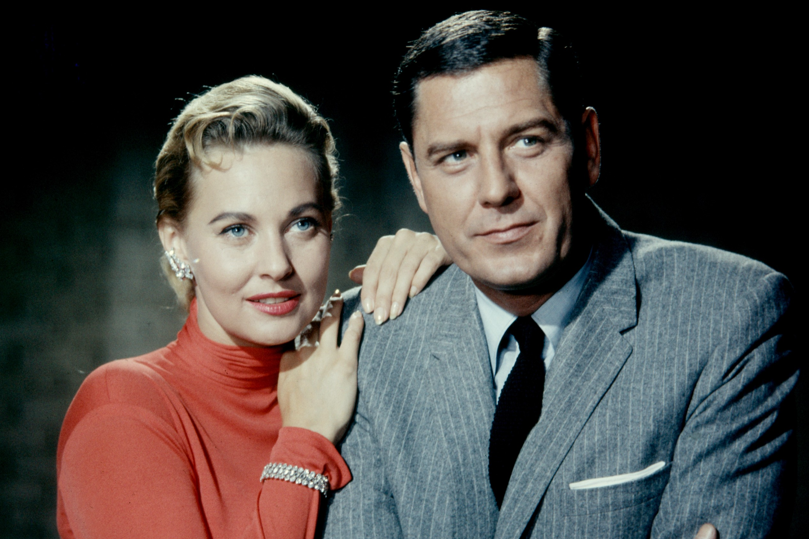
Craig Stevens played the effortlessly cool Peter Gunn, a private detective who made crime-solving look like jazz. Set against a smoky, late-night world of clubs and crooks, the series combined mystery with style, featuring Gunn’s sharp suits, quick wit, and Henry Mancini’s unforgettable theme song. He wasn’t just a detective, he was practically a trendsetter, solving cases with a martini in hand and a smirk that said he already knew the ending.
What made Peter Gunn stand out was its cinematic feel, something TV hadn’t quite nailed before. It had moody lighting, smooth pacing, and that timeless blend of danger and class. Gunn’s relationship with his singer girlfriend, Edie, gave the show heart amid the grit. Even now, you can’t help but feel he’d still outsmart everyone in the room without breaking a sweat.
2. Perry Mason (Perry Mason)
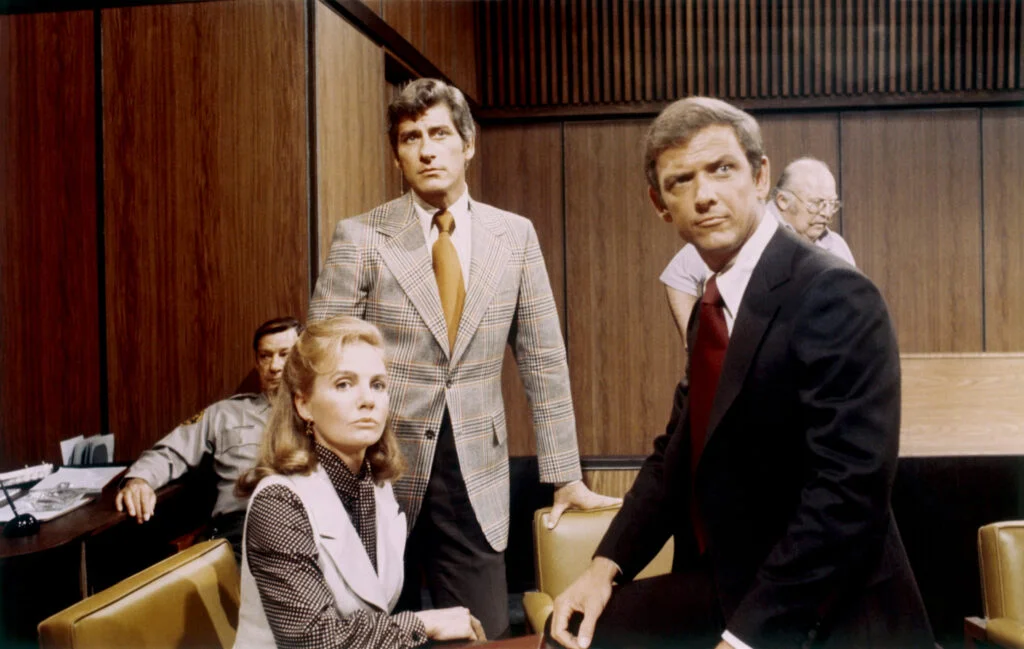
Raymond Burr brought serious gravitas to the role of Perry Mason, the defense attorney who turned detective whenever the case called for it. He wasn’t the type to burst into rooms with a gun, but his intellect and cross-examination skills could leave anyone sweating on the stand. Mason’s courtroom tactics often exposed the real culprit, making justice feel like a thrilling mystery every week.
What set Mason apart was his calm confidence, even when things looked bleak. His chemistry with loyal secretary Della Street and investigator Paul Drake added warmth to the legal tension. Burr’s performance was so commanding that Mason became a cultural icon of integrity and intellect. You didn’t just watch him win cases, you watched him outthink everyone in the room.
3. Joe Mannix (Mannix)
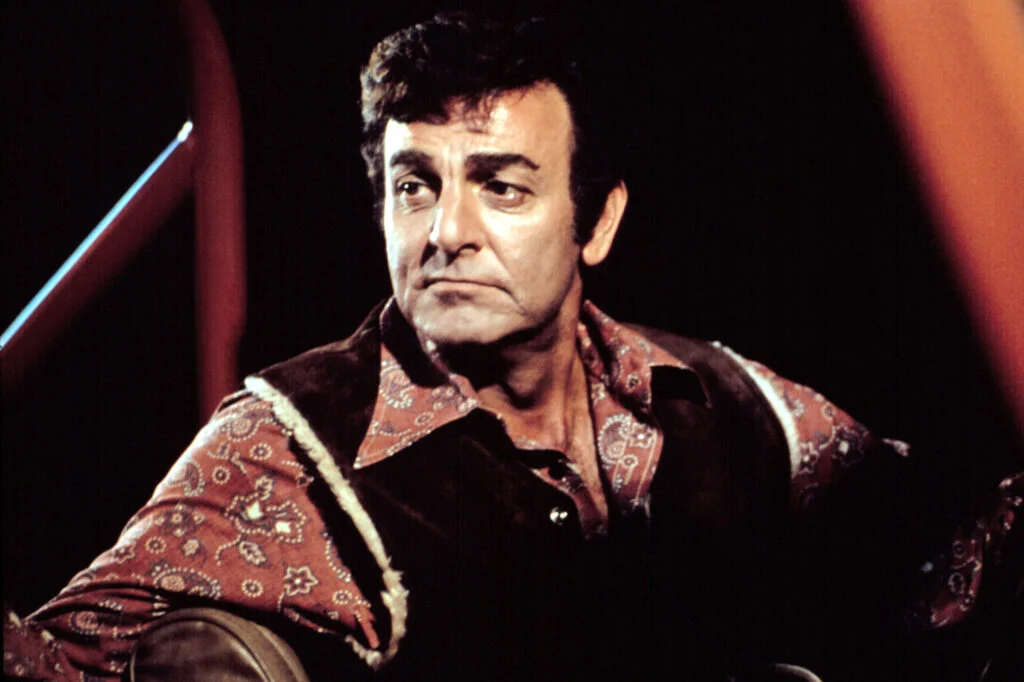
Mike Connors made Joe Mannix one of the most enduring TV detectives of the ’60s. With his strong jawline and even stronger sense of justice, he was the kind of guy who’d take a punch, get back up, and still manage to flash a smile. Mannix combined action, suspense, and a surprising amount of heart, especially in the chemistry between Joe and his secretary Peggy, played by Gail Fisher.
What made Mannix memorable was that he wasn’t perfect. He got hurt, he made mistakes, but he always fought for what was right. Connors’ portrayal made him human in a genre often filled with stoic types. The show’s blend of hard-boiled detective work and personal warmth made it one of the defining crime dramas of its time.
4. Richard Diamond (Richard Diamond, Private Detective)
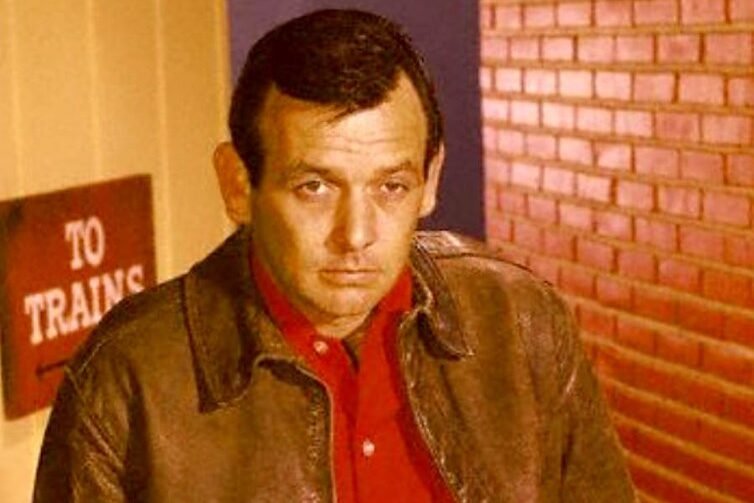
David Janssen played the smooth-talking, wise-cracking Richard Diamond, a private eye who solved cases with a smile and a quip. Before he became The Fugitive, Janssen perfected the role of the charming sleuth who mixed humor with a knack for danger. The show’s catchy theme and clever dialogue made it stand out among its peers.
Diamond’s charm came not from brute force but from wit and intelligence. He was quick on his feet, always one step ahead of both criminals and clients. Janssen’s easygoing confidence made him incredibly likable, even when he was knee-deep in trouble. It was the kind of show that made you root for the detective as much as the mystery.
5. Honey West (Honey West)
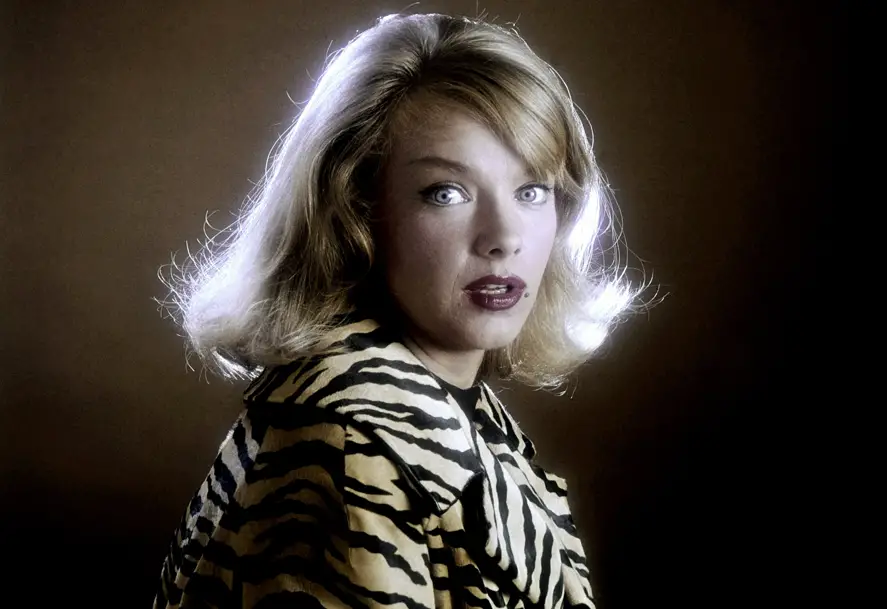
Anne Francis broke new ground as Honey West, one of TV’s first female private eyes. With her pet ocelot and fabulous wardrobe, she proved that solving crimes could be glamorous and deadly at the same time. She kicked, flipped, and charmed her way through cases, setting a standard for female-led detective shows.
What made Honey West unforgettable was how effortlessly she balanced beauty and brains. She wasn’t a sidekick or a novelty, she was the boss. Francis brought both toughness and humor to the role, paving the way for generations of women in television crime dramas. Honey was a game-changer wrapped in a leopard-print coat.
6. Amos Burke (Burke’s Law)
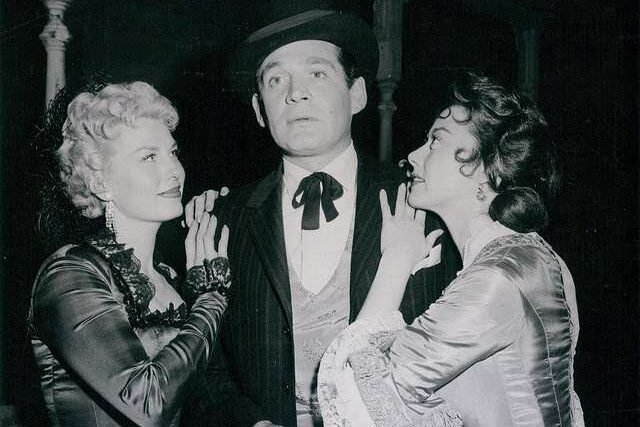
Gene Barry played Captain Amos Burke, a millionaire detective who solved crimes while being chauffeured in his Rolls-Royce. Burke’s Law was a blend of mystery, glamour, and a little tongue-in-cheek humor that made it irresistible. Each episode was a whodunit filled with guest stars and clever clues.
Burke’s wealth wasn’t his superpower—it was his charm. He had a knack for getting people to talk, often using wit and warmth rather than intimidation. Barry’s suave performance made Burke the James Bond of TV detectives. Solving murders looked like a social event when Amos Burke was on the case.
7. Checkmate Detectives (Checkmate)
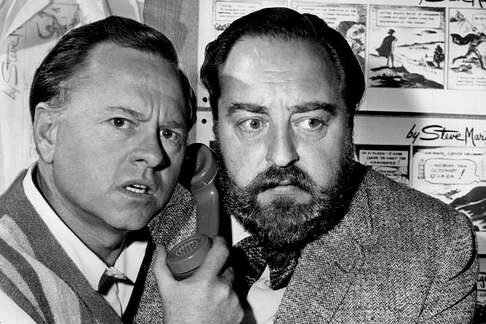
Doug McClure, Anthony George, and Sebastian Cabot formed a trio of elite investigators known as Checkmate, a San Francisco firm specializing in preventing crimes before they happened. The show had a sophisticated vibe, complete with philosophical musings and stylish sets. It wasn’t your average shoot-’em-up mystery—it was brainy, cool, and ahead of its time.
What made Checkmate special was its ensemble chemistry. Cabot’s brilliance mixed with McClure’s charisma and George’s steady leadership created a team you wanted to watch. Each episode felt like a chess match between intellect and evil. It was one of those rare shows that made crime-solving look both classy and complicated.
8. Napoleon Solo (The Man from U.N.C.L.E.)
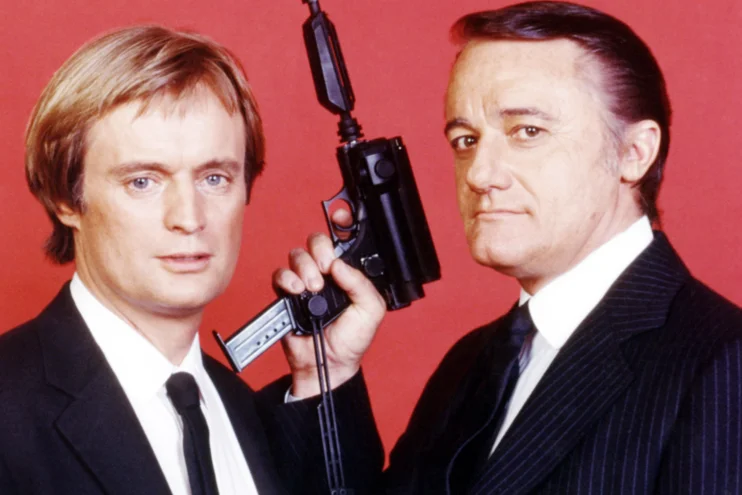
Robert Vaughn’s Napoleon Solo wasn’t just a spy, he was a detective with international flair. As an agent for U.N.C.L.E., he mixed espionage with detective work, unraveling plots that spanned continents. Vaughn’s smooth demeanor and polished delivery made Solo irresistibly watchable.
What set Solo apart was his effortless cool. He could crack a code, defuse a bomb, and deliver a one-liner all in the same breath. The chemistry between Vaughn and co-star David McCallum added to the show’s charm, making The Man from U.N.C.L.E. one of the most beloved spy-detective hybrids of the decade. It was equal parts wit and action, wrapped in pure ’60s style.
9. Nick and Nora Charles (The Thin Man)
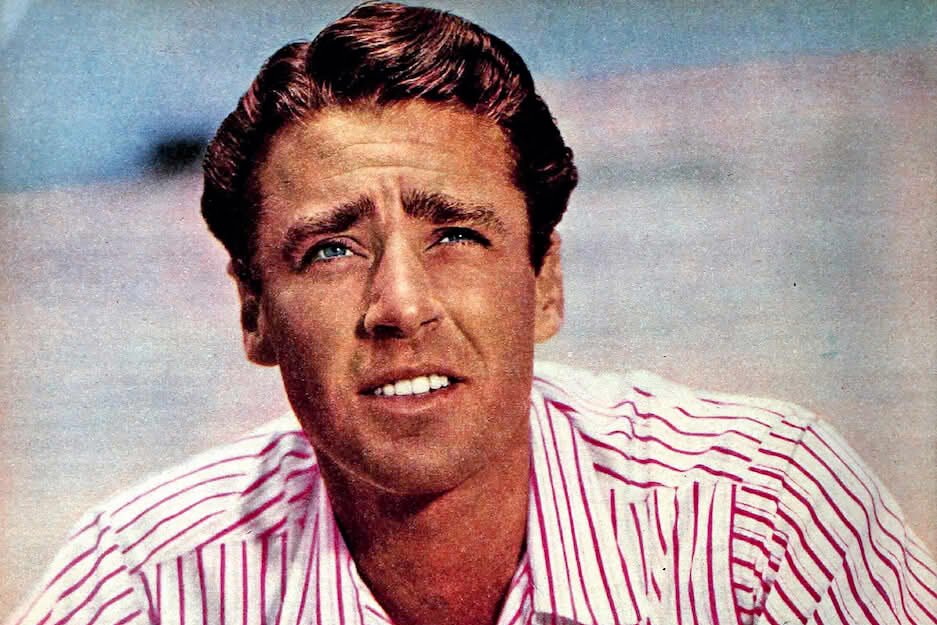
Based on Dashiell Hammett’s classic characters, The Thin Man TV series starred Peter Lawford and Phyllis Kirk as the charming, cocktail-sipping couple who stumbled into mysteries everywhere they went. Their on-screen chemistry carried the show, bringing back the romantic detective duo dynamic from the films.
Nick and Nora didn’t just solve crimes—they did it with humor and sophistication. Their banter made murder investigations seem like witty dinner conversations. Lawford’s debonair charm and Kirk’s poise made them one of TV’s most delightful mystery teams. Even when the case got complicated, they handled it with champagne-level grace.
10. David Barrett (The Felony Squad)
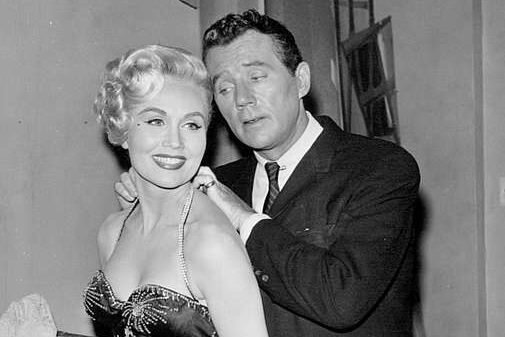
Howard Duff starred as Detective Sergeant Sam Stone, but it was Dennis Cole’s character, Detective Jim Briggs, who brought youthful energy and flair to The Felony Squad. Together, they formed a father-son-like duo tackling L.A.’s toughest crimes. The show was gritty but never without moments of humanity.
The charm came from the balance between hard-hitting action and moral clarity. Duff’s veteran presence grounded the show, while Cole added charisma that appealed to younger audiences. The chemistry between the two detectives made every episode feel personal. It was tough, stylish, and deeply rooted in the idea that justice still mattered.
11. Stu Bailey (77 Sunset Strip)
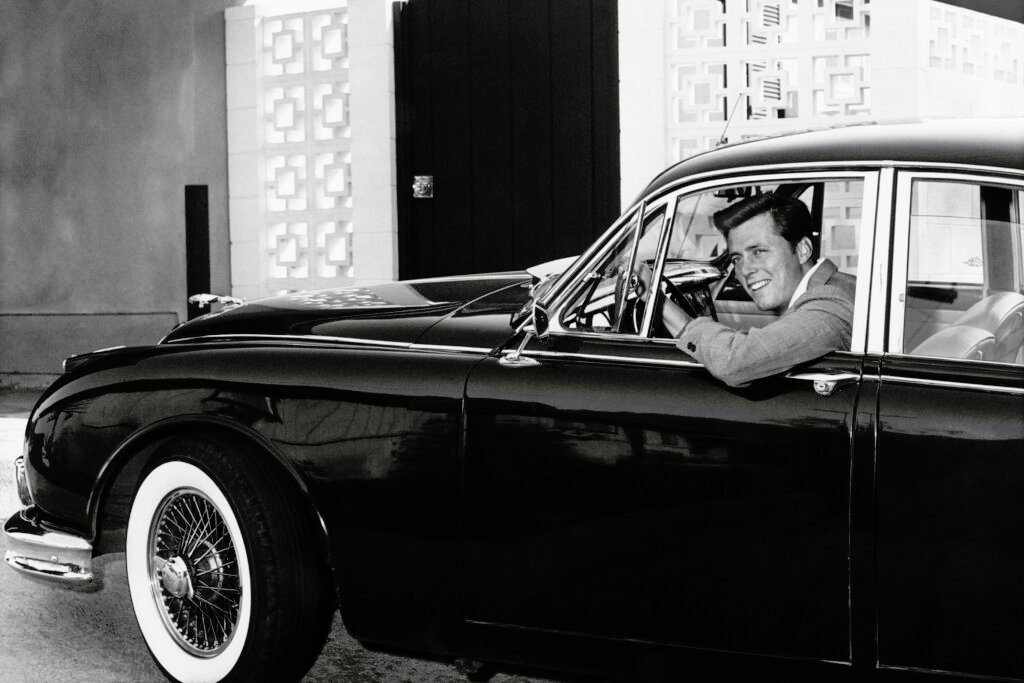
Efrem Zimbalist Jr. made Stu Bailey one of TV’s most recognizable private eyes. Working out of a chic Los Angeles office near the Sunset Strip, Bailey handled everything from missing persons to Hollywood scandals. He wasn’t just clever, he was effortlessly smooth.
What made 77 Sunset Strip special was its blend of mystery and West Coast cool. Bailey’s easy charm, paired with partner Jeff Spencer, made crime-solving feel like a lifestyle. The show’s jazzy tone and iconic snap-finger theme turned detective work into entertainment. Bailey was the kind of man who could solve a case and make you wish you were part of it.
12. Paul Drake (Perry Mason)
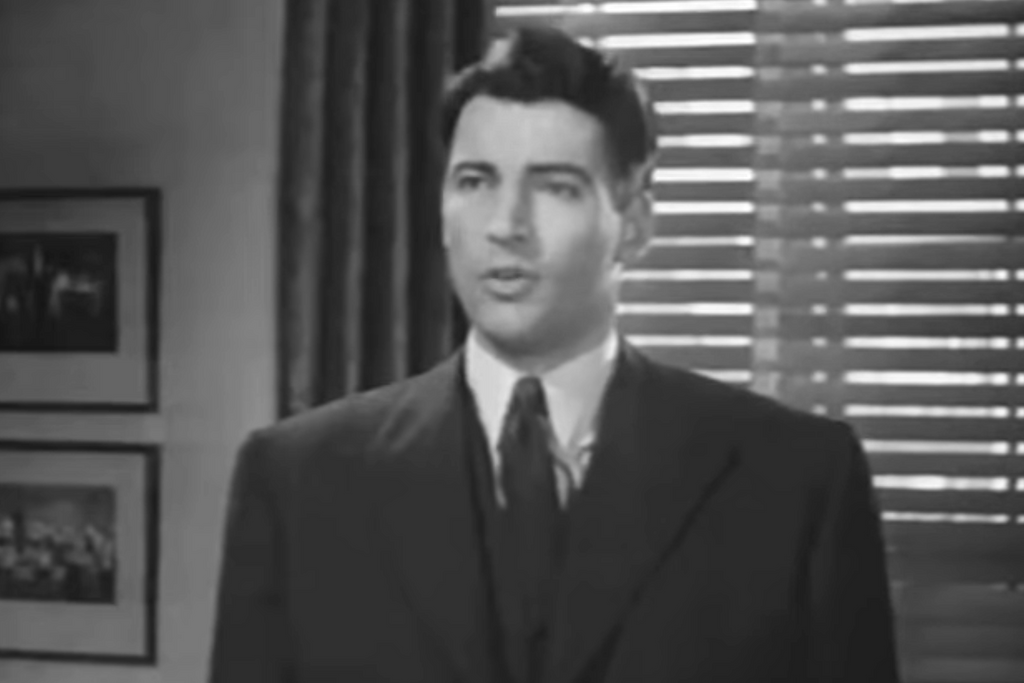
While Perry Mason got most of the glory, Paul Drake, played by William Hopper, was the quietly charming detective who did the legwork. He was the guy out in the field, tracking witnesses, sneaking into offices, and connecting the dots. His easy-going manner and loyalty to Mason made him a fan favorite.
What made Drake memorable was his understated confidence. He never had to brag about his skills—his results spoke for themselves. Hopper’s charisma turned what could’ve been a secondary role into something special. He was the ultimate right-hand man, the detective every lawyer wished they had.