
1. Pop Rocks
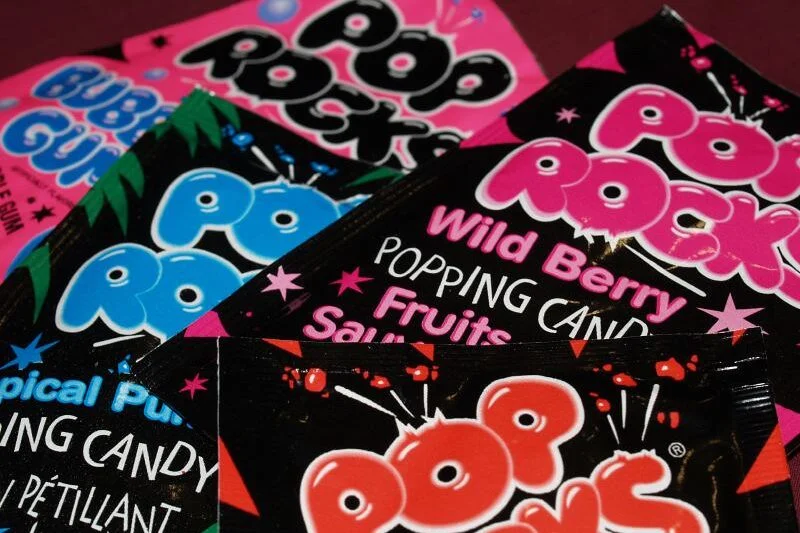
Kids in the ’70s were absolutely mesmerized the first time they poured Pop Rocks onto their tongues. That strange popping sensation felt almost magical, like a candy that somehow came alive the moment you opened the packet. Every kid had a theory about how they worked, and most of those theories were completely wrong but confidently delivered. You could hear them crackling from across the room, which only made them more exciting. They came in bright, sugary flavors that seemed designed for maximum chaos. And of course, playground rumors about them “exploding” if you mixed them with soda made them even more iconic. Half the fun was daring your friends to try them and pretending you were all doing something slightly dangerous.
Even though parents weren’t always thrilled about how messy and hyper kids got after eating them, Pop Rocks earned instant legend status. They were the kind of treat that felt new and futuristic, like a sneak peek at the candy of tomorrow. Kids would stash them in lunchboxes and backpacks just in case they needed to impress someone at recess. The tiny packets were easy to trade, though almost no one wanted to give theirs up. Pop Rocks became a part of ’70s childhood lore, thanks to both the taste and the drama. And to this day, people who grew up with them can still recall that first fizzy crackle. They were pure, joyful chaos in candy form.
2. Frito-Lay Wavy Potato Stix
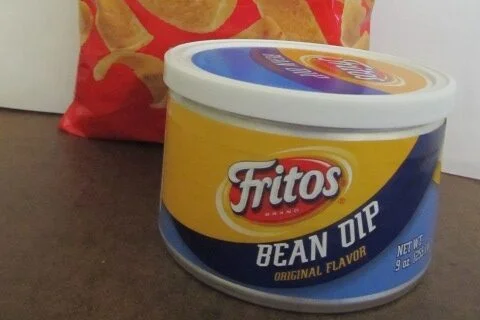
Potato Stix were one of those snacks that kids would eat by the handful, even though they managed to crumble into a million tiny pieces every single time. Something about those super-salty, thin, crunchy sticks just hit differently than regular chips. They were the perfect after-school snack, especially when paired with whatever sugary drink you were allowed to have that day. And because they came in those bright yellow cans, they always looked like something fun was waiting inside. Kids loved that they felt slightly mischievous to eat, since they had a way of spilling everywhere if you weren’t careful. But that didn’t stop anyone, because once you started, it was impossible to quit. They were the definition of “just one more bite.”
Parents would buy them for road trips, knowing it would keep kids happy for at least a few minutes. They also felt a little fancier than regular chips because of the canister packaging. Most kids ate them straight from the can, but especially bold snackers would pour them into a bowl and pretend it was a special treat. They were shareable, portable, and endlessly addictive. Even the crumbs at the bottom were considered a bonus, not waste. Potato Stix were simple, salty, and beloved in that way only ’70s snacks could be.
3. Space Food Sticks
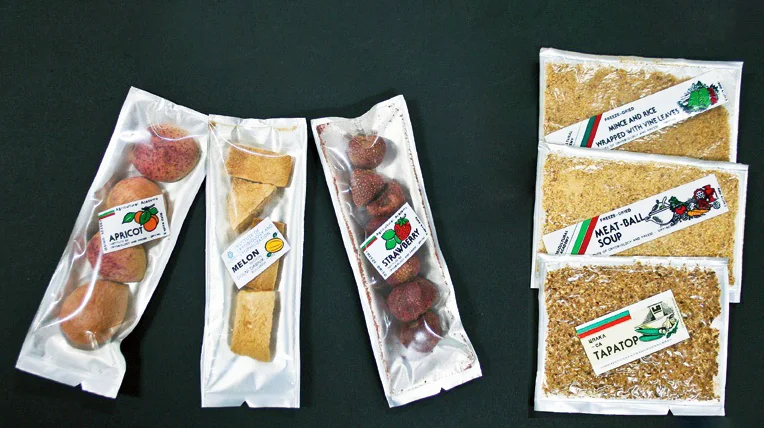
Space Food Sticks were the ultimate “cool factor” snack for any kid who dreamed of being an astronaut. They were marketed as space-age energy bars, which instantly made them feel more exciting than the average lunchbox treat. Kids loved the idea that they were eating something inspired by real NASA food, even if the texture was a little odd. They were chewy, sweet, and just different enough to feel futuristic. Every kid on the playground had a favorite flavor, usually chocolate or peanut butter. And even if parents questioned whether they actually counted as nutritious, kids didn’t care one bit. They were marketed brilliantly, and that was all that mattered.
Kids would sometimes pretend they were floating through space as they chewed on one of these sticks. They felt like a treat and a science experiment all in one. The packaging looked modern for the time, which made them perfect for lunchbox bragging rights. Despite their unusual texture, they carved out a loyal fanbase. They were also surprisingly filling, which made them a go-to snack before sports practices or long afternoons outside. Space Food Sticks captured the imagination of a generation obsessed with astronauts, rockets, and anything related to outer space.
4. Marathon Bar
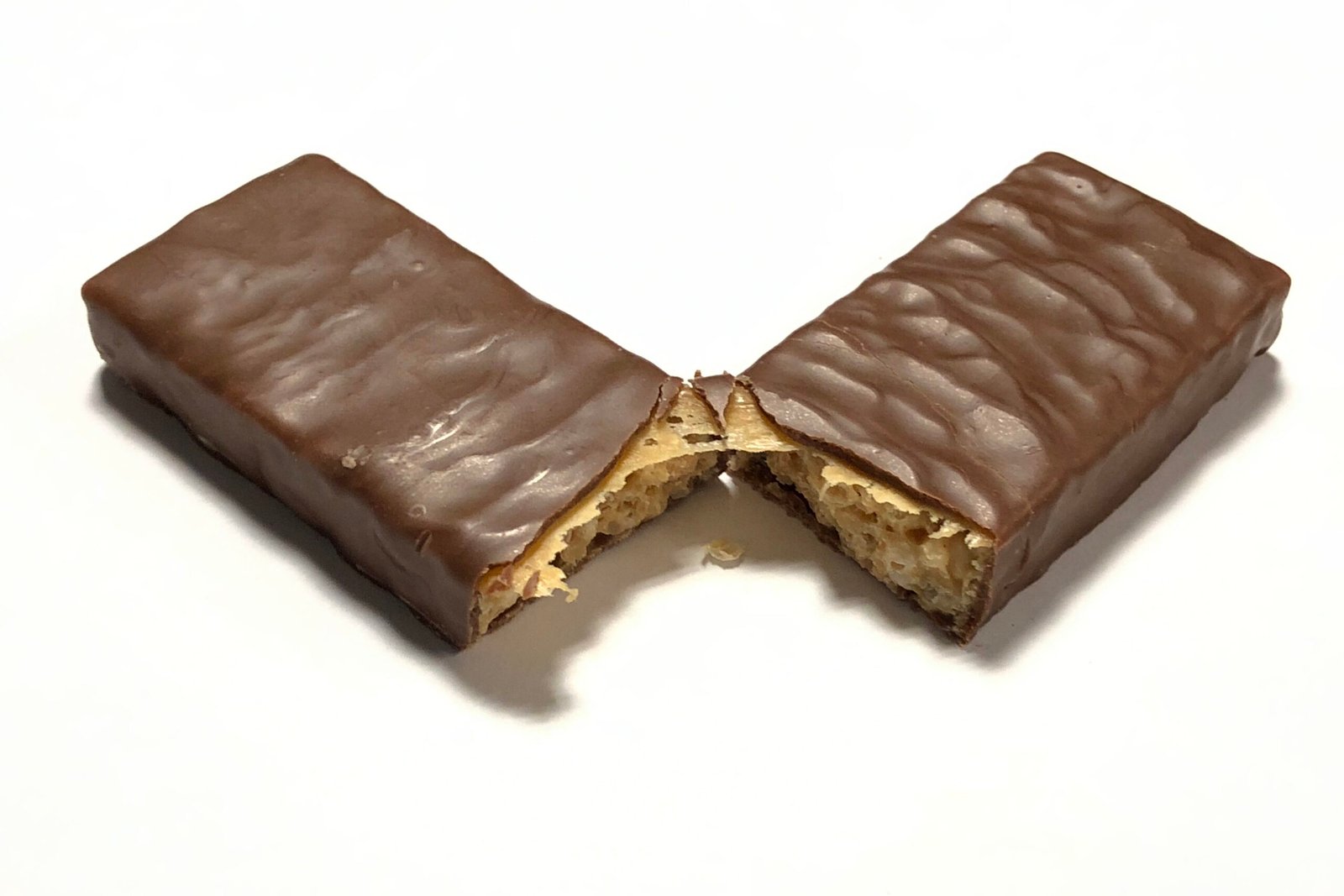
The Marathon Bar was famous not just for its caramel-and-chocolate flavor but for its length, which immediately made kids feel like they were getting something special. That bright red wrapper with the measuring ruler printed on the back was practically begging kids to compare theirs with their friends’. The braided caramel inside was chewy enough to make it last longer than most candy bars, giving it a kind of “slow burn” appeal. Kids loved how gooey it got in the summer and how it stretched if you pulled it just right. Chocolate plus caramel was already a winning combination, but the Marathon Bar felt like a challenge and a treat all at once. They were messy, sugary, and unforgettable.
The candy bar’s extra-long size made it perfect for sharing, though most kids refused to give up more than a bite. Eating one felt like a small event, especially because it took so long to finish. They also had a reputation for being a little unruly, which made them even more fun. Kids would brag about how long they could make their bar last, turning it into a weird kind of competition. Even their commercials leaned into the idea of stretching things out, playing into the whole gimmick. It was a candy bar that made an impression, both visually and taste-wise.
5. Fun Dip
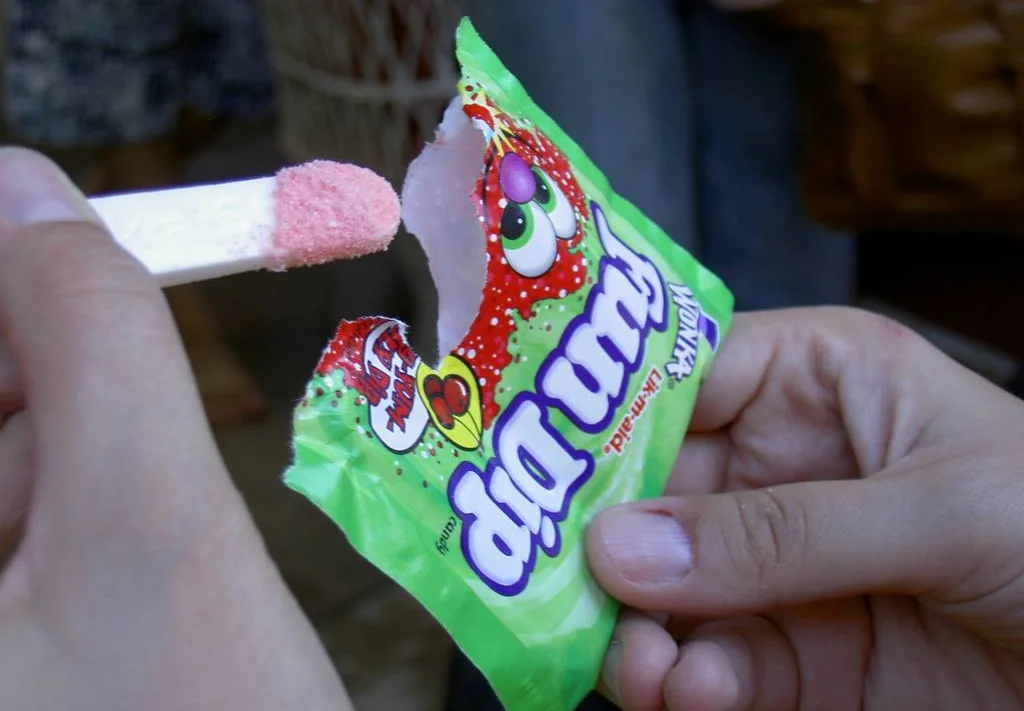
Fun Dip was basically pure sugar disguised as an activity, which was exactly why kids loved it so much. The idea of dipping a chalky candy stick into flavored sugar was ridiculously appealing. Kids especially loved the bright colors and the way the powder seemed to get everywhere. The Lik-M-Aid sticks were a treat unto themselves, and many kids ate them before they even finished the dip. Trading flavors was a common lunchtime ritual, with grape and cherry usually winning the popularity contest. Parents often sighed at the sticky fingers and colored tongues, but that didn’t stop anyone from buying it. It was irresistible chaos in a paper pouch.
Kids loved that Fun Dip felt interactive, like a hands-on project that just happened to be edible. The whole dipping process made the snack feel more meaningful somehow. And once the sugar powder was finished, the leftover candy stick became the final prize. It was messy, loud, and memorable, which made it perfect for birthday parties and after-school treats. Kids would compare which flavor turned their tongues the brightest. Fun Dip was basically the essence of childhood in the ’70s, distilled into a neon sugar pouch.
6. Hostess Ding Dongs
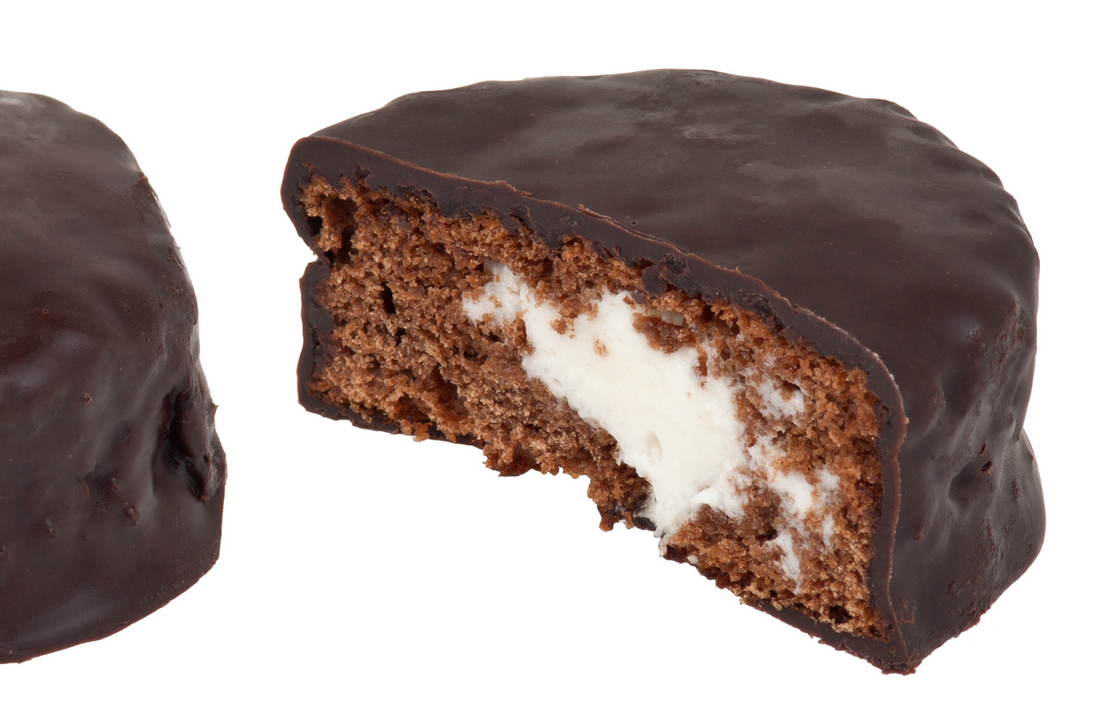
Ding Dongs were the kind of snack that always felt a little extra special because of the shiny foil wrapper. Kids would peel it off slowly, like opening a tiny present. The combination of chocolate cake, creamy filling, and that smooth chocolate coating made these irresistible. They were dense enough to feel like a serious treat but still soft enough to devour in a few bites. Ding Dongs often showed up in lunchboxes as the grand finale of a meal. And even if they sometimes got a little squished, no one complained. A mashed Ding Dong was still a Ding Dong.
Kids loved the ritual of eating them, whether it was biting straight through or peeling the chocolate coating off first. They were a comfort snack that showed up at everything from school lunches to sleepovers. Their rich flavor made them feel more indulgent than other snack cakes. Sharing them was rare, but not unheard of among best friends. They were also perfect for pairing with a cold glass of milk, if you happened to be at home. Ding Dongs were simple, classic, and universally loved.
7. Pringle’s Potato Chips
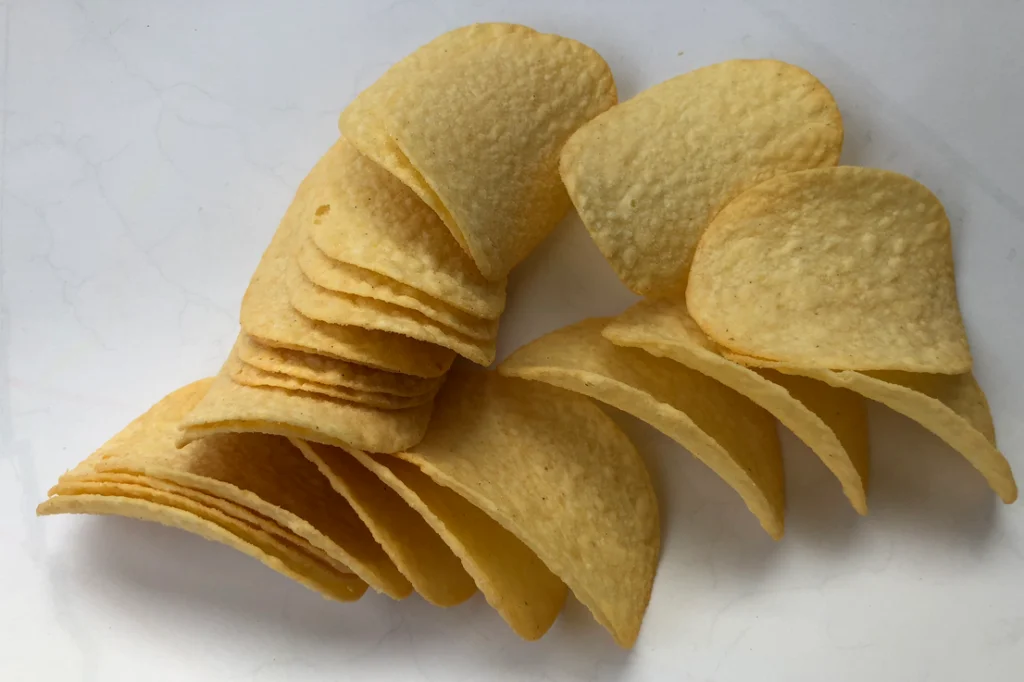
Pringles were a total game-changer in the ’70s, thanks to their perfectly uniform shape and that iconic tube. Kids loved popping the plastic lid and hearing that satisfying whoosh of air escape. The chips stacked so neatly that they felt futuristic, almost like they were engineered instead of cooked. They tasted different from regular potato chips, but in a good, addictive way. Pringles were easy to pack, easy to share, and easy to inhale by the handful. Every kid tried putting a chip on their tongue like a duck bill at least once. And because they came in fun flavors, they were an instant hit.
The canister packaging made them perfect for car rides, picnics, and after-school hangouts. They didn’t break as easily in lunchboxes, which earned them major points with parents. Kids treated the tube like a toy long after the chips were gone, using it as a megaphone or storing treasures inside. Pringles became a staple snack, partly because of the flavor and partly because of the whole experience surrounding them. They were just different enough to feel cool without being too strange. And once you opened a can, it really was hard to stop.
8. Hostess Sno Balls
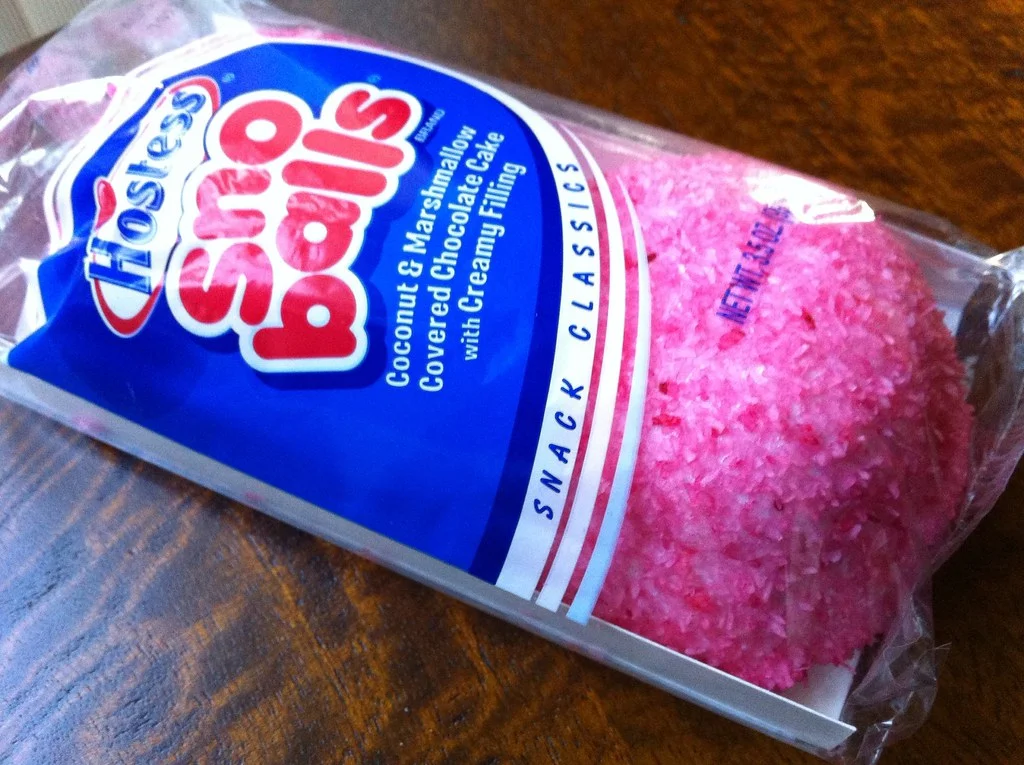
Sno Balls were one of those snacks that kids either adored or refused to even taste. The bright pink coconut-covered marshmallow exterior made them impossible to miss. They had a soft, fluffy texture on the outside and a creamy center that felt wildly indulgent. Kids who loved them were fiercely loyal and often tried to convert their skeptical friends. They looked like something out of a cartoon, which only added to their charm. You didn’t just eat a Sno Ball, you committed to it. And for many kids, that commitment was absolutely worth it.
Because they came in pairs, Sno Balls were perfect for sharing, even if most kids wanted both. The combination of sweet flavors and squishy textures made them unlike anything else in the lunchroom. They often made an appearance during holidays or special occasions. Sno Balls were also a playground conversation starter, especially for kids who liked standing out with their snack choices. They embodied the quirky, colorful spirit of ’70s treats. And for kids who loved them, nothing else came close.
9. Jell-O Pudding Pops
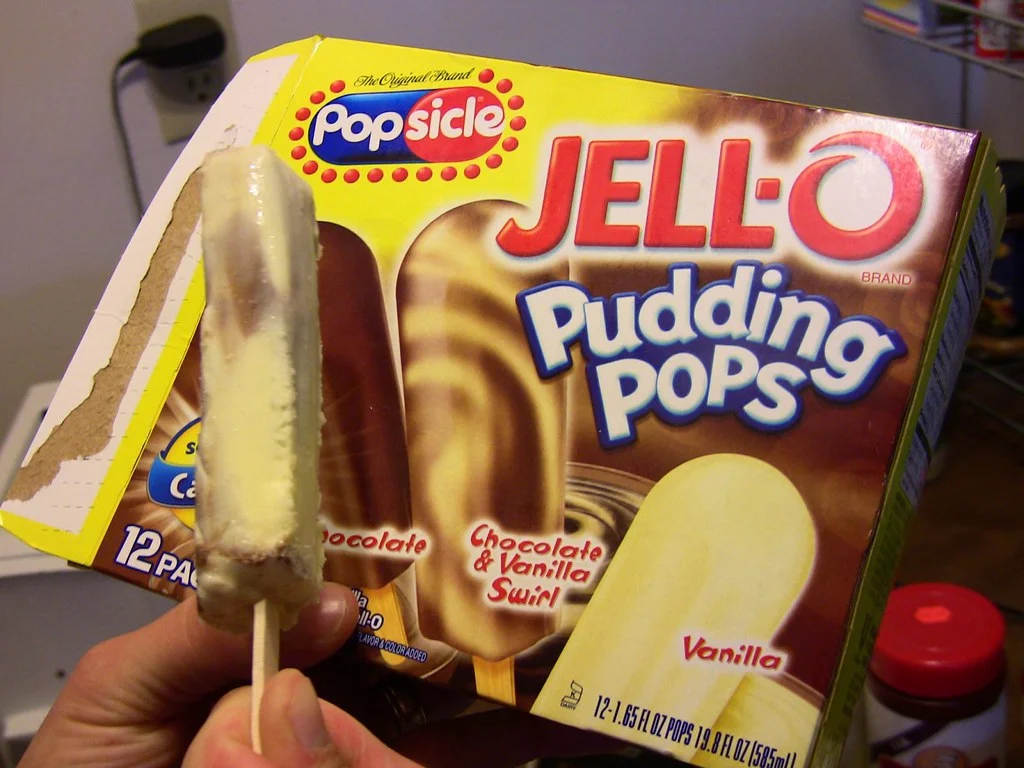
Pudding Pops absolutely dominated summer afternoons in the ’70s. They were cold, creamy, and smoother than any regular ice pop. Kids loved how they tasted like frozen pudding instead of ice, making them feel extra rich. Chocolate and vanilla were the classic picks, but swirl was the real MVP for kids who couldn’t choose. They were a staple in freezers across the country, especially during heatwaves. Kids would race home after school just to grab one before anyone else did. They were the ideal blend of refreshing and indulgent.
Parents loved them because they were less messy than other frozen treats, though kids often managed to drip a little anyway. They lasted just long enough to enjoy without turning into a race against time. Pudding Pops were also a favorite reward for finishing chores or surviving a hot afternoon. Their creamy texture made them feel more like a dessert than a snack. And because they came in boxes of multiple flavors, kids could debate endlessly about which one was the best. They were a ’70s freezer classic for a reason.
10. Twinkies
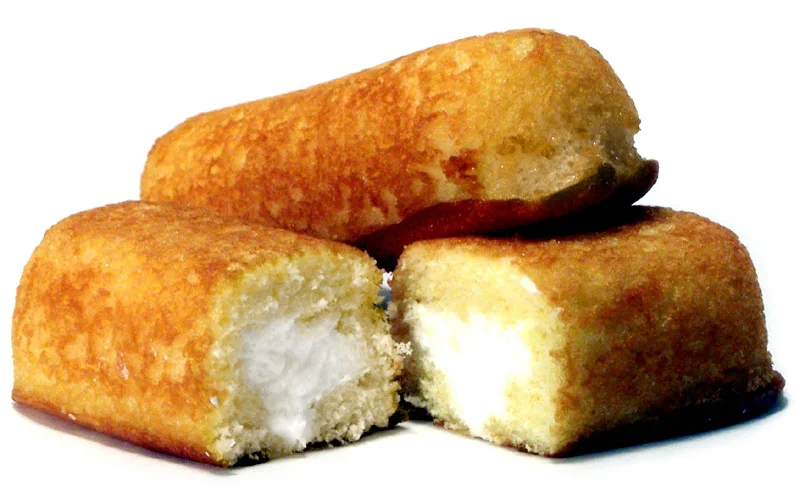
Twinkies were the gold standard of American snack cakes, and kids in the ’70s treated them like treasure. The soft sponge cake and creamy filling made them unbelievably satisfying. Kids loved peeling back the wrapper and seeing those two little cream tunnels peeking out. They were sweet, portable, and perfectly sized for lunchboxes. Twinkies also had a reputation for lasting forever, which became a running joke even among kids. They were a guaranteed crowd-pleaser at birthday parties and after-school hangouts. And because they were so iconic, every kid recognized them instantly.
Kids also loved experimenting with different ways to eat them, from nibbling the ends first to squeezing out the cream. They felt nostalgic even when they were brand new, which is part of why they stuck around for decades. Trading a Twinkie at lunch was serious business, often requiring multiple items in return. They were also the kind of snack grandparents kept around, making them feel timeless. Twinkies were American comfort food in cake form, and ’70s kids devoured them joyfully.
11. Zingers
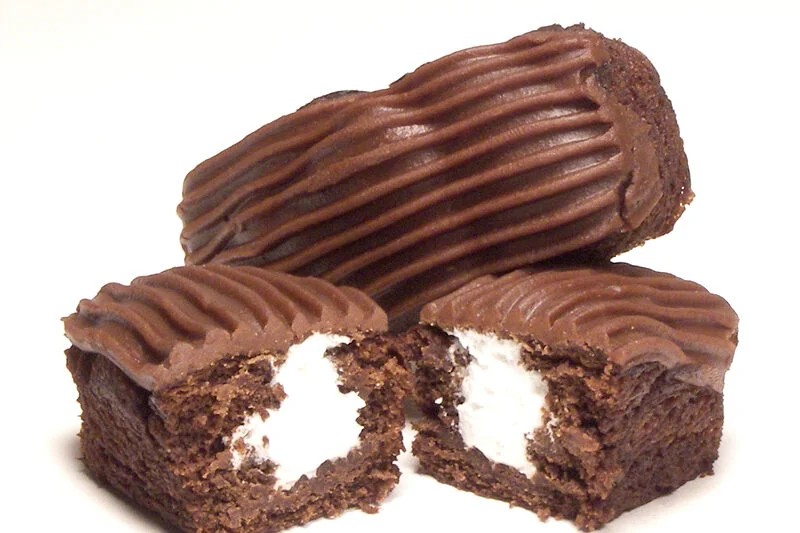
Zingers were the fun, slightly fancier cousin of other snack cakes, thanks to their colorful icing stripes. They came in flavors like chocolate, vanilla, and raspberry, and every kid had a strong opinion about which one was the best. The icing gave them a satisfying sweetness that felt just a little more grown-up. Kids loved spotting them in lunchboxes since they didn’t show up as often as other treats. Zingers were soft, sweet, and just the right size for a quick snack. They felt like a special occasion even when they weren’t. And they were easy to inhale in just a few bites.
Because they weren’t as common as some other Hostess snacks, Zingers had a bit of mystery to them. Kids who brought them from home instantly became more popular at the lunch table. They were also perfect for sharing, since each pack came with multiple pieces. Their bright colors and frosting made them feel cheerful and fun. And once you found your favorite flavor, it became a staple snack. Zingers added a little flair to the world of ’70s treats.
12. Doritos
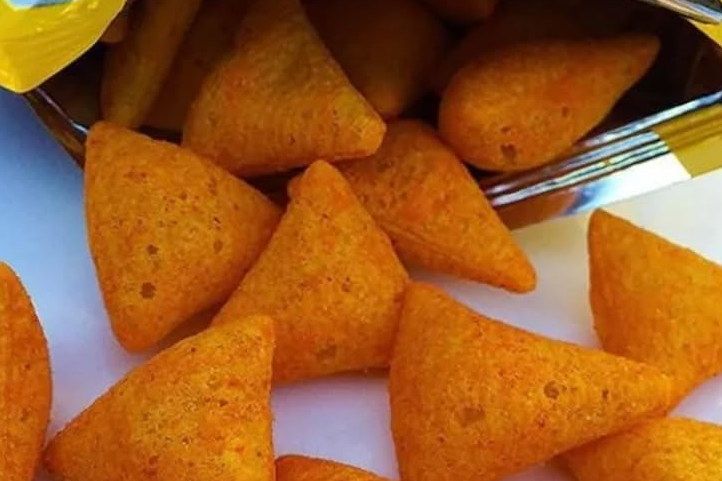
Doritos exploded in popularity during the ’70s, especially once Nacho Cheese flavor entered the scene. Kids couldn’t get enough of the bold, cheesy coating that left fingers bright orange. They felt more exciting than regular tortilla chips, thanks to their strong flavors and crunch. Kids loved bringing them to sleepovers and parties, where the bag would disappear almost instantly. Doritos were also perfect for topping sandwiches or mixing into other snacks, a habit many kids invented on their own. The more seasoning, the better, and Doritos delivered every time. They were messy, loud, and completely addictive.
They also became a prime lunchbox item, often traded at high value. Kids would compare who got the “most coated” chip like it was a prize. Doritos had a distinct smell that kids recognized instantly, usually drawing a crowd. Sharing the bag never lasted long, since everyone wanted another handful. Their bold flavors made them stand out in the crowded world of ’70s snacks. And once you opened a bag, there was no chance it would last the afternoon. Doritos were a cheesy, crunchy staple of childhood.