
1. Charmin, “Please Don’t Squeeze the Charmin”
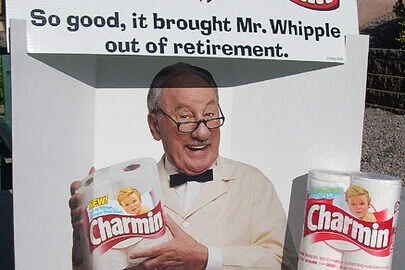
Mr. Whipple scolding shoppers for squeezing the toilet paper became one of the most recognizable sights on ’60s televisions. Played by Dick Wilson, he delivered the same exasperated warning in every commercial, only to sneak a squeeze himself the moment no one was looking. The joke was simple, but it landed every single time because everyone knew someone who did the same thing in the grocery aisle. Kids especially loved the way Mr. Whipple’s face scrunched up when he caught someone in the act.
The ad became so popular that it ran throughout the decade and well into the ’70s and ’80s. It helped Charmin cement its place as a household name during the golden age of TV commercials. Even if you didn’t care who made your toilet paper, you remembered Whipple. That’s how you know a commercial really stuck.
2. Alka-Seltzer, “Mamma Mia, That’s a Spicy Meatball!”
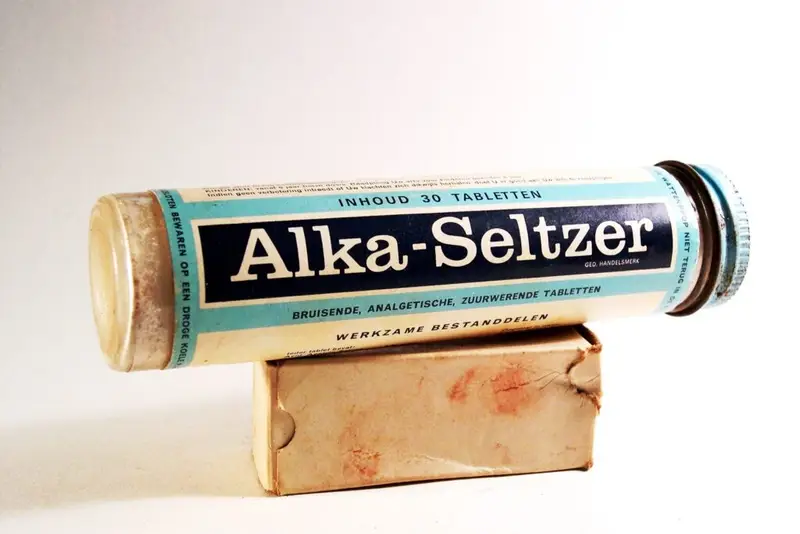
Premiering in 1969, this ad featured an exhausted actor struggling through take after take of a meatball commercial. His indigestion becomes the punchline, with Alka-Seltzer stepping in as the hero. Viewers loved the humor, and the behind-the-scenes parody felt fresh at a time when most ads were straightforward. It was one of the first big commercials to blend comedy with storytelling.
The line became a national catchphrase almost overnight. Even people who never took Alka-Seltzer found themselves quoting it. The commercial marked a shift toward more cinematic advertising. And it reminded everyone that a little self-awareness could go a long way in selling a product.
3. Timex, “It Takes a Licking and Keeps on Ticking”
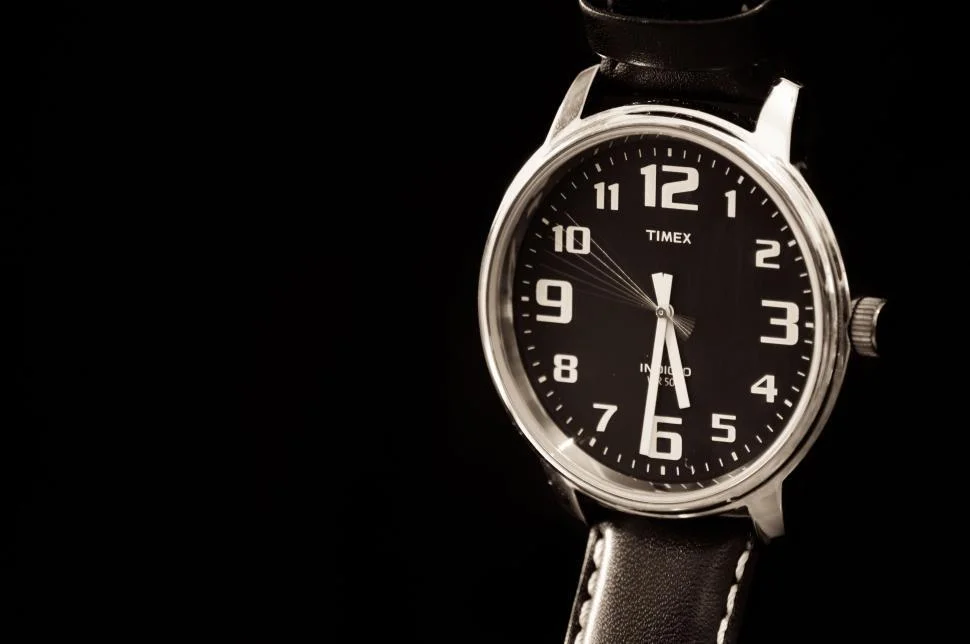
Timex’s ’60s commercials were famous for putting their watches through wild torture tests. They strapped them onto boats, attached them to paint mixers, and even froze them in blocks of ice. The whole time, spokesperson John Cameron Swayze calmly narrated the chaos with a reassuring confidence. Viewers couldn’t help but wait to see if the watch would still work afterward.
People loved the spectacle, and the slogan became one of the most memorable in advertising history. The commercials felt like mini-science experiments during prime time. They made durability exciting, which is saying something for wristwatches. By the end of the decade, Timex was firmly associated with reliability.
4. Maytag, “The Lonely Repairman”
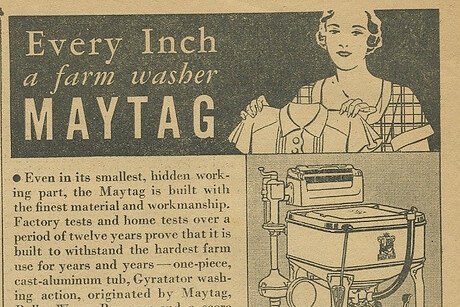
Introduced in 1967, the Maytag Repairman was the poor guy with nothing to do because the appliances never broke. Actor Jesse White played him with a mix of boredom and pride, creating a character people genuinely rooted for. His lonely office became a familiar sight in living rooms across the country. It was clever, funny, and instantly understandable.
The idea worked because it flipped advertising logic on its head, celebrating the lack of service calls. People remembered it because it felt honest. It made Maytag machines seem tough as nails without bragging. And that clean, simple humor made the campaign iconic.
5. Ajax, “The White Knight”
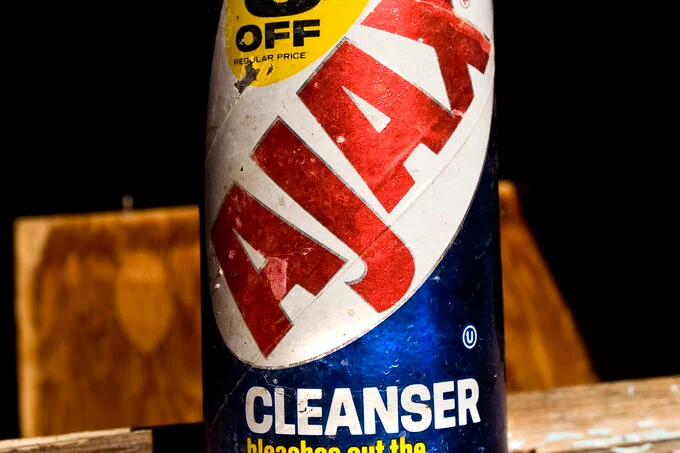
Ajax’s knight in shining armor galloped onto screens to “clean your tub in a flash.” With a wave of his lance, grime disappeared in a puff of animated sparkles. It was whimsical and theatrical, perfect for a decade when TV ads were becoming more imaginative. Kids especially enjoyed seeing a heroic figure pop up during household chore commercials.
The White Knight helped Ajax stand out in a crowded cleaning-product market. It brought a bit of fantasy into everyday life. The ad also showed how animation and live action could blend to create something memorable. And it cemented the brand’s reputation for powerful cleaning.
6. Schlitz, “Real Gusto in a Great Light Beer”
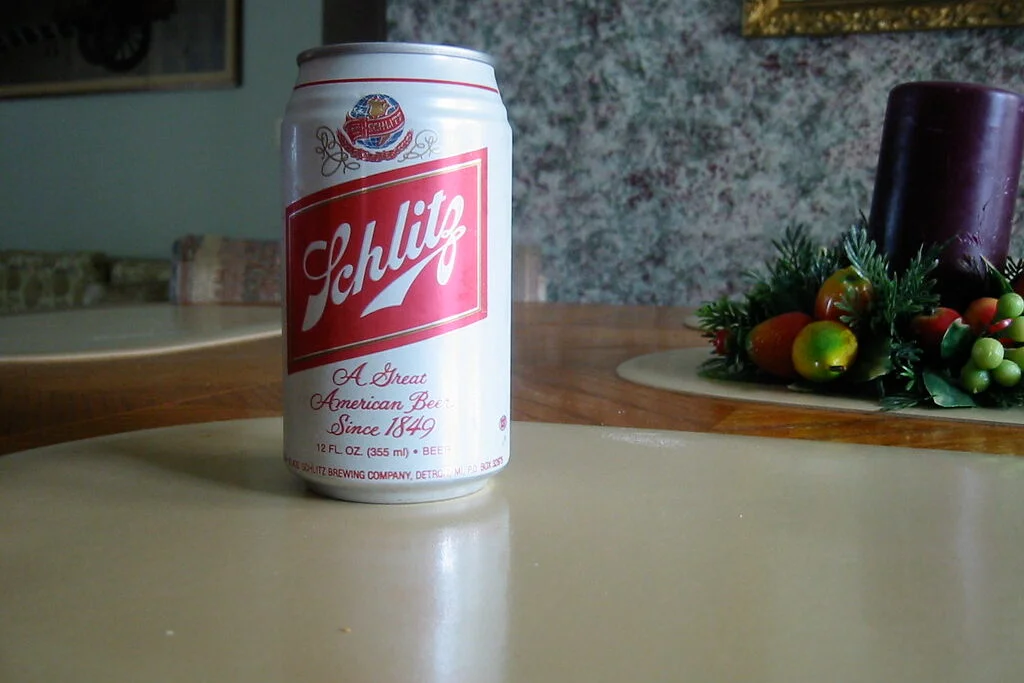
Schlitz dominated beer advertising in the ’60s, and their commercials focused on rugged, outdoor imagery that resonated with the era’s idea of masculinity. Their “gusto” tagline encouraged viewers to see the beer as bold and lively. Whether they were featuring fishermen, factory workers, or backyard grillers, the ads stuck to the same confident tone. It was the kind of commercial you’d hear echoing from living rooms after a long workday.
The campaign made Schlitz one of the top-selling beers in America. It reflected a cultural moment when ads leaned heavily into personality and attitude. Viewers didn’t need deep symbolism, just a catchy line and a strong identity. That was enough to make the brand unforgettable.
7. Barbie, “You Can Tell It’s Mattel—It’s Swell!”
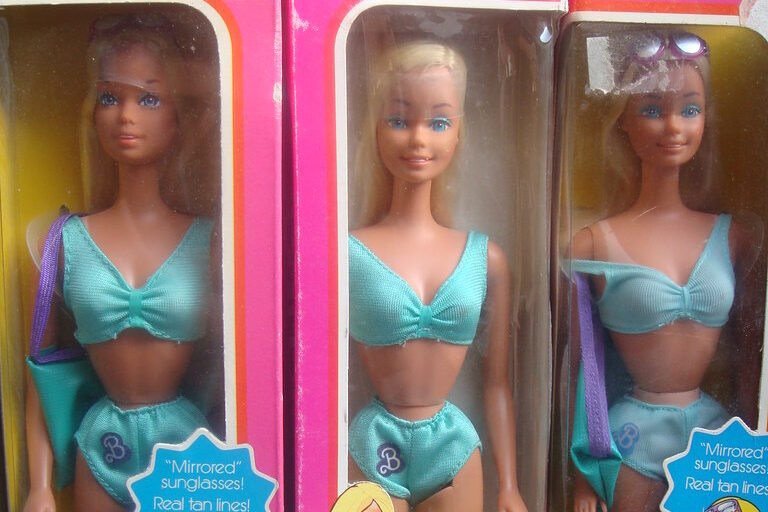
Barbie commercials in the ’60s showcased the doll’s growing world of outfits, cars, and playsets. The catchy jingle—“You can tell it’s Mattel, it’s swell!”—became instantly recognizable to kids. Commercials often featured glamorous close-ups and dream-house scenarios that felt luxurious at the time. Every ad made Barbie’s universe feel bigger and more exciting.
These early commercials helped Barbie shift from a simple doll into a full cultural phenomenon. They encouraged imagination and self-expression at a time when toy advertising was discovering its power. Kids would run to the TV the second they heard the music start. And that tune stayed stuck in everyone’s head for years.
8. Crest, “Look, Ma—No Cavities!”
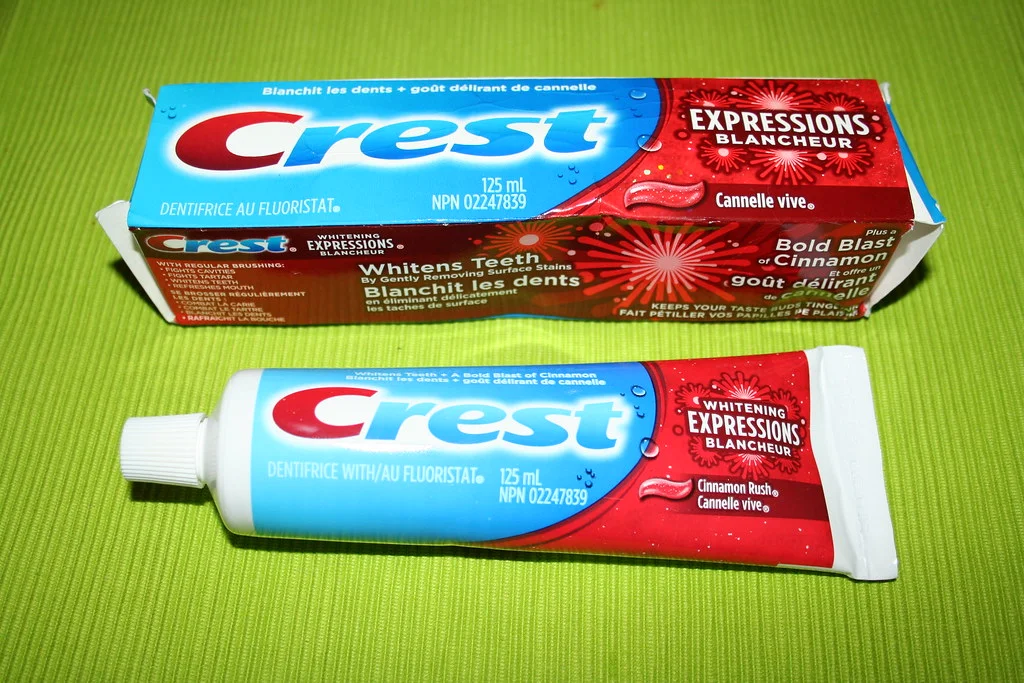
Crest’s ’60s ads leaned heavily into its status as the first toothpaste recognized by dental professionals for preventing cavities. Commercials often showed kids proudly announcing their clean checkup results to their parents. The line “Look, Ma—no cavities!” became something nearly every child in America repeated at some point. Parents trusted it, kids repeated it, and dentists backed it.
The campaign helped cement Crest as a leader in oral health. It was one of the earliest examples of science-focused advertising aimed at families. The tone was upbeat and reassuring, making dental care feel like a little victory. And it turned a simple toothpaste ad into a cultural moment.
9. Kellogg’s Rice Krispies, “Snap! Crackle! Pop!”
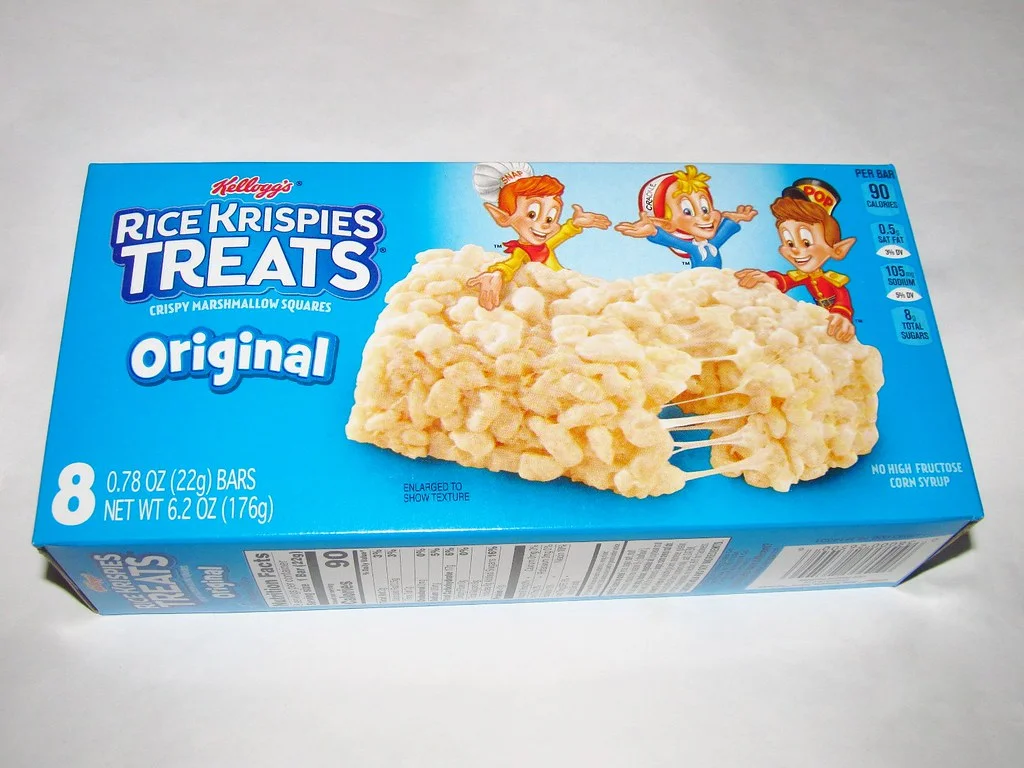
The beloved trio of elves had been around since the ’30s, but their ’60s TV commercials helped modernize the characters. Their animated antics made breakfast feel like an adventure, and kids could instantly recognize their high-pitched voices. The sound-based slogan tied directly into the cereal’s unique personality. It was the perfect blend of whimsy and branding.
The visuals were colorful and cheerful, making the ads feel like mini-cartoons. Families remembered them because they were fun to watch before school. The characters stuck around for decades thanks to that strong ’60s push. And the slogan remains one of the most enduring in advertising history.
10. Easy-Bake Oven, “Make It Yourself!”
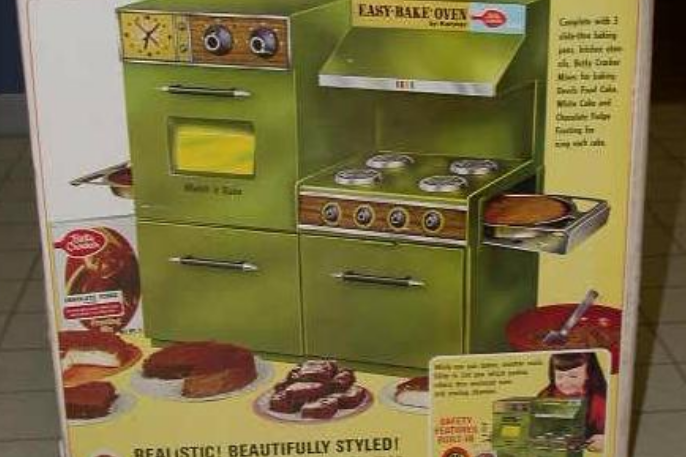
The Easy-Bake Oven debuted in 1963, and its commercials instantly captured the imaginations of young bakers. The ads showed kids proudly making tiny cakes and brownies using nothing more than a lightbulb-powered oven. It felt empowering, especially for children who had never been allowed near a real oven. The theme of independence made the product stand out.
These commercials helped turn the toy into a must-have holiday gift. Parents loved how safe it appeared, and kids loved how grown-up it made them feel. The bright pastel sets and cheerful music became an annual December tradition on TV. And the oven is still fondly remembered today.
11. Mr. Clean, “There’s No One Like Mr. Clean”

With his white T-shirt, hoop earring, and towering physique, Mr. Clean was one of the most recognizable mascots of the ’60s. The commercials showed him swooping in to rescue frustrated homeowners from impossible messes. His animated smile made him feel like a friendly superhero for housework. People loved the character’s confident, no-nonsense attitude.
The ads were catchy, vibrant, and full of personality. They turned Mr. Clean into a household fixture rather than just a brand spokesperson. The jingle helped the identity stick even more. And it reaffirmed that cleaning didn’t have to feel overwhelming when you had a buff cartoon giant on your side.
12. Pepsodent, “You’ll Wonder Where the Yellow Went”
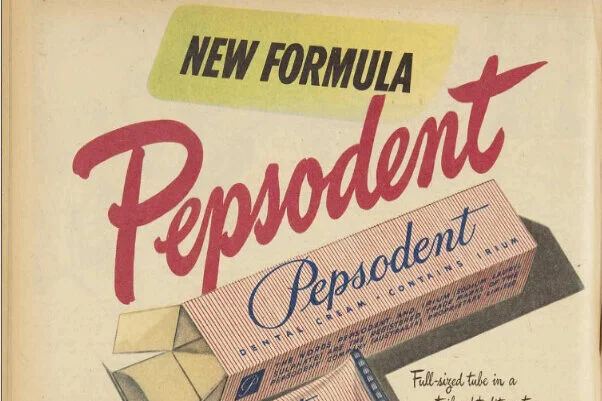
This upbeat, sing-song jingle became wildly popular in the ’60s. The ads promised a bright smile thanks to Pepsodent’s whitening formula, and the catchy melody made the claim hard to forget. People found themselves humming it long after the commercial ended. For many households, that little tune became part of daily routines.
The campaign used humor and music in a way that felt fresh at the time. It also set the stage for future toothpaste jingles. The slogan became so iconic that it was referenced in pop culture for decades. And it remains one of the most memorable ad lines of the era.
13. Pepsi, “Come Alive! You’re in the Pepsi Generation”
Launched in 1963, this campaign targeted young consumers, encouraging them to see themselves as part of a vibrant, energetic movement. The commercials were filled with lively imagery, music, and youthful faces. It was one of the first major attempts to sell soda through lifestyle rather than flavor alone. Teens and young adults loved the inclusive, upbeat vibe.
This approach helped Pepsi carve a unique identity during the competitive cola wars. It cleverly tapped into the cultural moment, when youth culture was becoming a powerful force. The phrase “Pepsi Generation” became part of the vernacular. And it showed that ads could reflect, not just influence, a changing society.
14. Slinky, “It’s Slinky! It’s Slinky!”

Slinky commercials in the ’60s relied heavily on their unforgettable jingle. The ads showed the toy walking down stairs in that oddly satisfying way only a Slinky can. Kids were mesmerized, and parents appreciated a simple toy that didn’t make noise or require batteries. That combination made the commercial incredibly popular.
The jingle is still one of the most recognizable toy songs ever created. It stuck in everyone’s memory because it was repetitive, cheerful, and fun. The ads made the Slinky seem almost magical in its simplicity. And they turned an already beloved toy into a generational classic.