1. The Corner Five-and-Dime
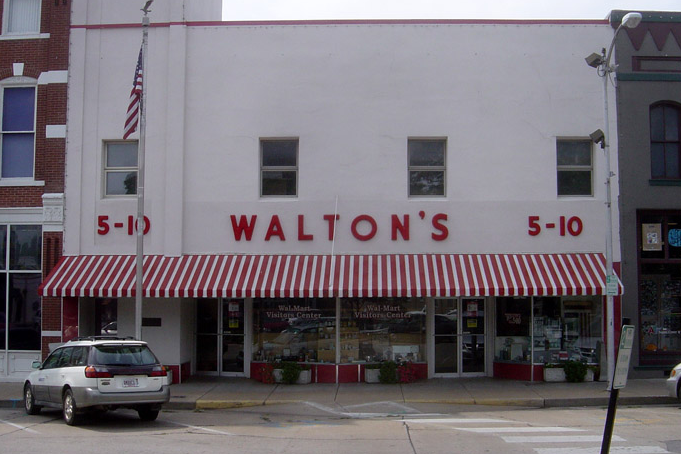
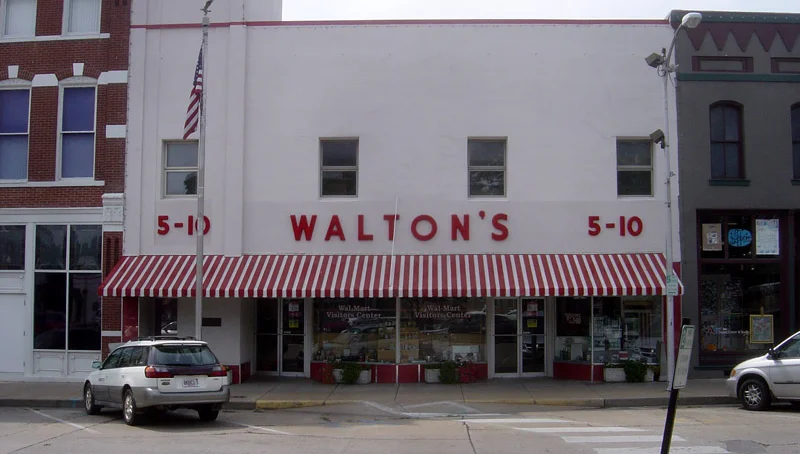
There was something magical about a five-and-dime, with aisles that felt endless even though the whole place could probably fit inside a modern storage unit. Kids went straight for the candy section, where a handful of coins bought more treats than you could finish in an afternoon. Parents loved the convenience, since it carried everything from sewing needles to plastic toys. The squeak of the floorboards and the hum of the fluorescent lights created an atmosphere you can still picture. A clerk always seemed to know everyone by name, which made even a quick stop feel friendly. These stores were tiny, but they somehow had everything you needed. Losing them meant losing a piece of that small-town rhythm.
And while bigger chains offered more variety, they never matched the quirky charm of a five-and-dime. It was the kind of place where you could walk in with no real plan and walk out with a pocketful of treasures. The holiday sections felt especially cozy, full of tinsel and little trinkets that looked homemade. Kids saved their allowance just to browse the toy bins on Saturdays. Parents knew they could run in and get birthday candles or a missing button without trekking across town. It was neighborhood shopping at its most personal. Those shops disappeared quietly, but their warmth stuck around.
2. The Local Record Shop
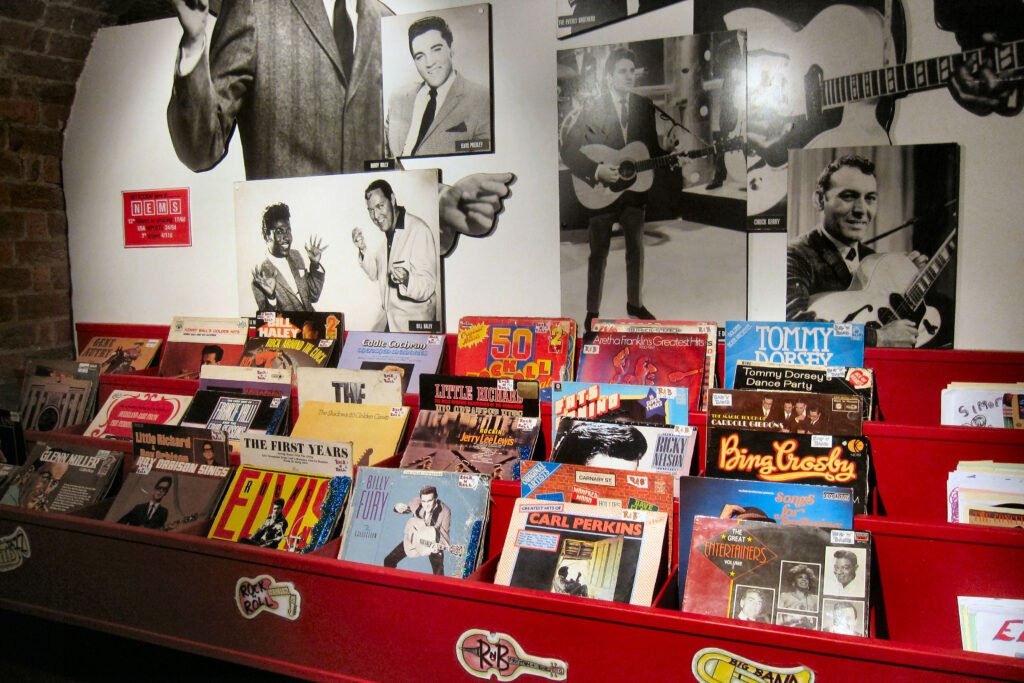
Record shops in the ’70s felt like stepping into a universe built entirely around your ears. The walls were lined with albums organized in ways that only the longtime owner understood, and that was part of the fun. Teens flipped through bins for hours, hunting for new releases or discovering a band a friend had just raved about. Posters of rock icons hung crookedly on the walls, giving the place an effortless cool. The smell of cardboard sleeves and incense somehow mixed perfectly. You didn’t just buy music there, you absorbed it. Everyone walked out with a story.
Those shops encouraged conversations the way modern places encourage online reviews. Friendly debates about the best guitar solos or underrated B-sides usually broke out near the listening station. The owner always had a recommendation ready, usually something that felt oddly perfect for the moment. Even casual listeners left feeling a little more knowledgeable. It was a hangout spot first and a store second. When they faded away, so did a gathering place for music lovers. Nothing ever fully replaced those lazy afternoons flipping through vinyl.
3. The Neighborhood Hardware Store
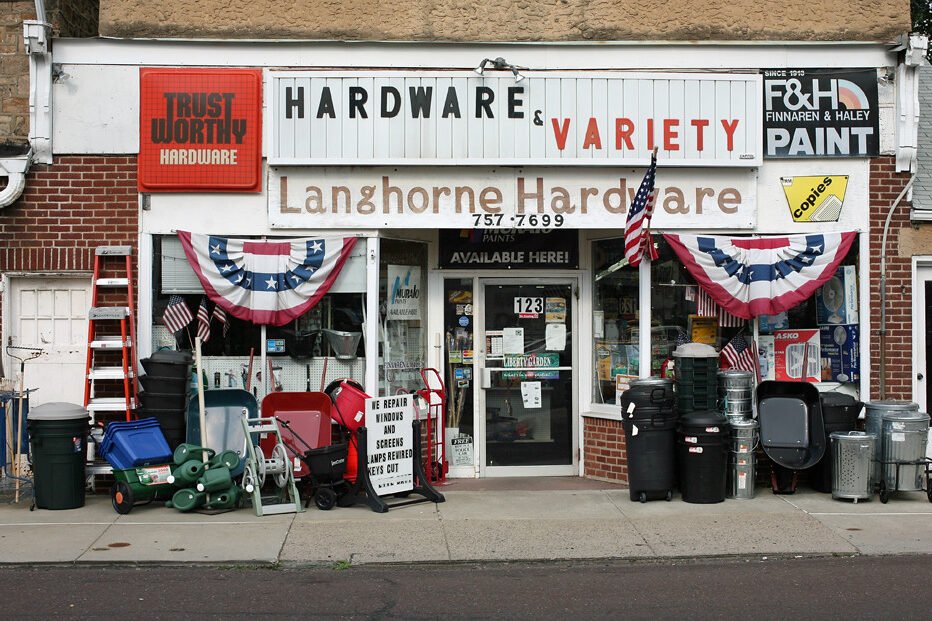
The local hardware store had a kind of comforting clutter, the kind that made you feel like every solution to every problem was hiding somewhere on its shelves. You’d walk in with nothing but a vague description of what broke, and the owner would immediately know exactly what you needed. The aisles were narrow and often slightly dusty. The store smelled like lumber, metal and old cardboard, which somehow felt reassuring. It was the place where DIY dreams either formed or fell apart. You could find everything from nails to weirdly specific tools you’d never seen before.
What made it special wasn’t the inventory, it was the guidance. The owner or staff always had a minute to show you how something worked or offer a tip they claimed their grandfather swore by. People went in for one item and came out with five because the advice was that convincing. Kids tagging along usually found a bucket of free paint stirrers they treated like toys. The store felt like the heart of the neighborhood’s practical know-how. Big-box stores may have replaced it, but they never replaced the human touch.
4. The Mom-and-Pop Pharmacy
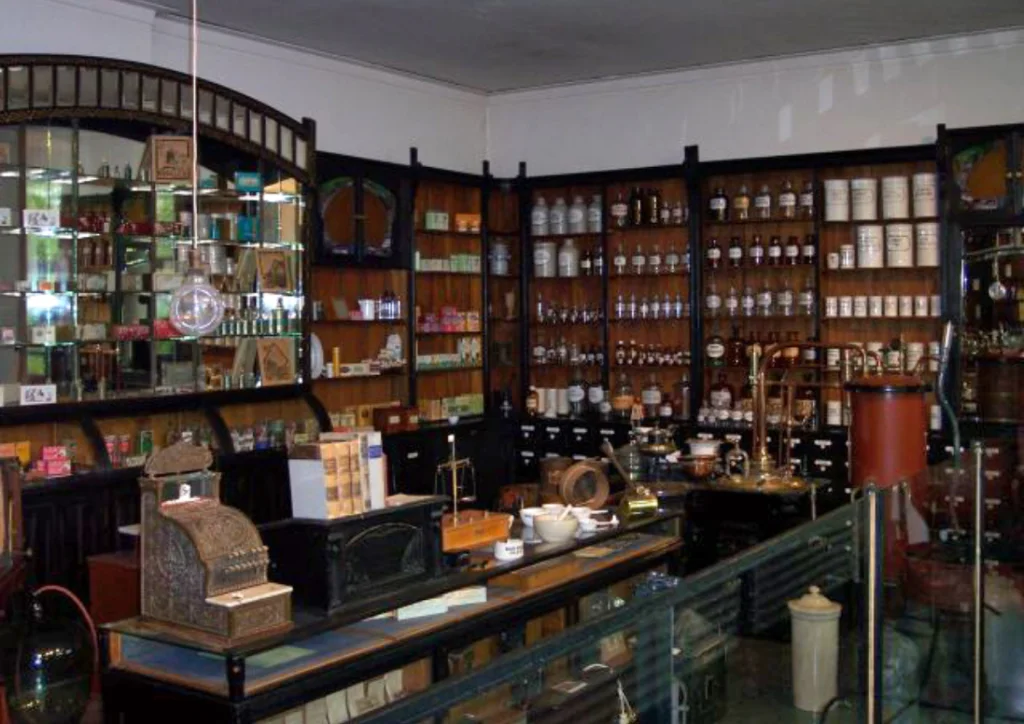
Mom-and-pop pharmacies had an atmosphere that felt almost like visiting a family friend instead of running an errand. There were shelves of greeting cards, tiny gift items and old-fashioned cough drops that tasted like childhood. The pharmacist often knew your allergies, your preferred brand and which vitamins your mother always bought. People trusted the staff because they had been there forever. The store was small enough that everything felt intentional, from the glass medicine counter to the hand-lettered signs. It was cozy in a way that modern pharmacies rarely are.
What people miss most is the personal connection. You could ask a question without feeling rushed or judged, and the pharmacist usually offered helpful advice on the spot. Kids loved the little toy rack or the rotating stand of stickers. Holidays meant handmade decorations and occasionally a bowl of peppermint candies. Even waiting for a prescription wasn’t a chore, because there was always something to browse. Losing these stores meant losing a bit of the neighborhood’s warmth and trust.
5. The Local Toy Store
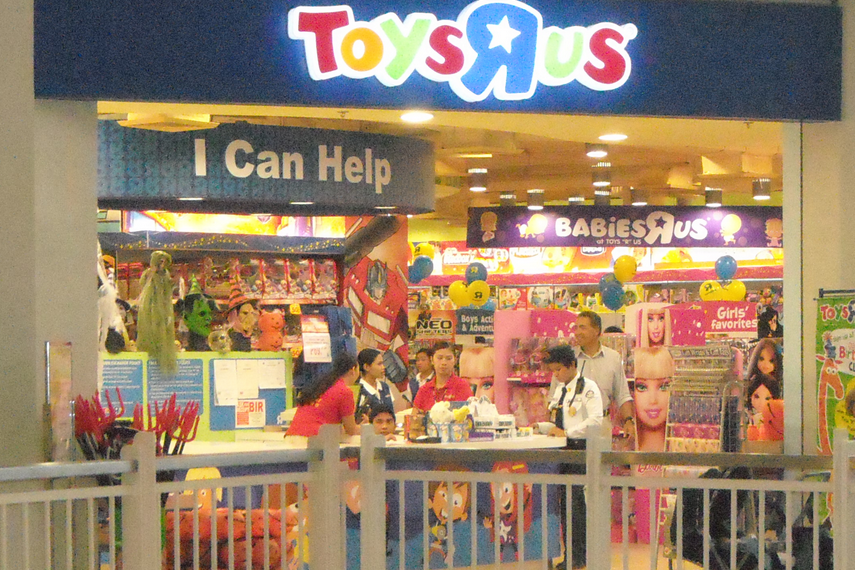
A ’70s toy store had a special kind of chaos that felt like pure childhood freedom. Bright colors, chirping battery-powered toys and shelves stacked high with games pulled everyone in. Kids could wander for ages, dreaming of which action figures or dolls they hoped would appear under the tree. Parents appreciated the personal recommendations from employees who genuinely cared about what kids liked. The place buzzed with excitement during birthdays and holidays. Toys weren’t just products, they were little promises of fun.
These stores made gift shopping feel thoughtful instead of overwhelming. Employees actually explained how games worked or which toys held up the longest. Kids got to test out some toys right in the aisle, which always felt like a treat. The store felt like a community hotspot, especially on Saturdays. Big-box stores eventually swallowed most of them, but they never matched the magic of picking a toy with someone who remembered your name. Those toy aisles were a highlight of childhood.
6. The Neighborhood Bakery
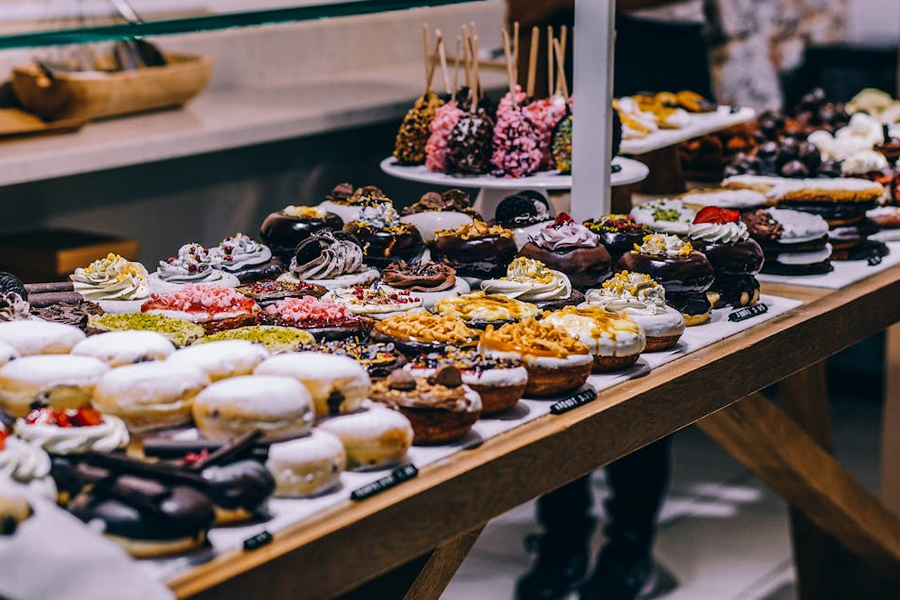
Walking into a local bakery felt like stepping into heaven on a quiet morning. The smell of warm bread and fresh pastries drifted out the door before you even stepped inside. The baker usually worked behind the counter, dusted with flour and happy to chat. Kids pressed their faces to the glass cases filled with cookies, donuts and cakes decorated with careful swirls of frosting. Parents ordered rolls for dinner, maybe sneaking a treat for themselves. Everything tasted noticeably better because it was made that day.
The bakery wasn’t just a place to grab bread, it was part of the daily rhythm. People stopped by before work or school, greeting neighbors in the short line. Seasonal treats were the highlight of the year, especially around holidays. Some bakeries even handed kids a free cookie, which practically guaranteed loyalty for life. Everything felt personal, from the handwritten labels to the way the staff remembered your usual order. It was a small-town comfort that’s hard to replace.
7. The Local Bookshop

A neighborhood bookshop had a charm that made you want to stay longer than you planned. The aisles were often slightly uneven, filled with books stacked in ways that felt cozy instead of cluttered. The owner always knew exactly where every title was hiding, even the obscure ones. People wandered through quietly, flipping through pages and discovering authors by chance. Kids loved the small reading corner with mismatched chairs. The smell of paper and ink created a calm that lingered.
Bookshops like these encouraged genuine curiosity. Staff members recommended books based on memory, not algorithms, and the suggestions often turned into favorites. Local authors might drop by for a signing that felt more like a chat. People treated the store like a meeting place, gathering for story hours or just to talk about what they were reading. Every visit felt like a tiny adventure. Once chain stores arrived, the intimacy of these shops began to fade.
8. The Ice Cream Parlor

The neighborhood ice cream shop felt like a summertime retreat, even in the middle of winter. Kids crowded around the counter to watch scoops being rolled into perfectly round balls. The sound of the big freezer door slamming shut mixed with laughter and conversation. Booths were cozy, often with cracked vinyl seats that had seen countless birthday celebrations. The menu rarely changed, but no one minded. Everyone had a favorite flavor they ordered without thinking.
Ice cream parlors also doubled as community gathering spots. Teens met there after school, sharing sundaes and gossip. Families stopped by after little league games or long days at the pool. The staff treated everyone like regulars, even if they’d only been in twice. It was simple, sweet fun that made the neighborhood feel like home. When these parlors closed, they left behind memories of sticky hands and happy afternoons.
9. The TV and Appliance Store
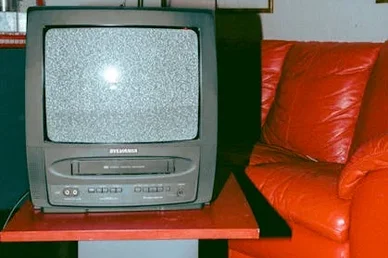
In the ’70s, walking into a local appliance store felt like stepping into the future. Rows of shiny televisions, radios and kitchen gadgets lined the floor, buzzing quietly with possibility. Customers often knew the owner personally, and he’d explain every feature proudly. Kids gravitated toward the wall of TVs playing the same show on every screen. Parents compared washing machines by peering inside as if they were reading tea leaves. It was surprisingly fun for a practical errand.
The personal service made these stores unforgettable. Employees didn’t just sell you a toaster, they promised to come fix it if it ever malfunctioned. Delivery guys knew your driveway and greeted your pets by name. People trusted the advice they got, which made big purchases less intimidating. Even browsing felt exciting in a way modern electronics stores can’t quite recreate. Those locally owned shops gave neighborhoods a little taste of modern convenience with a personal touch.
10. The Neighborhood Butcher
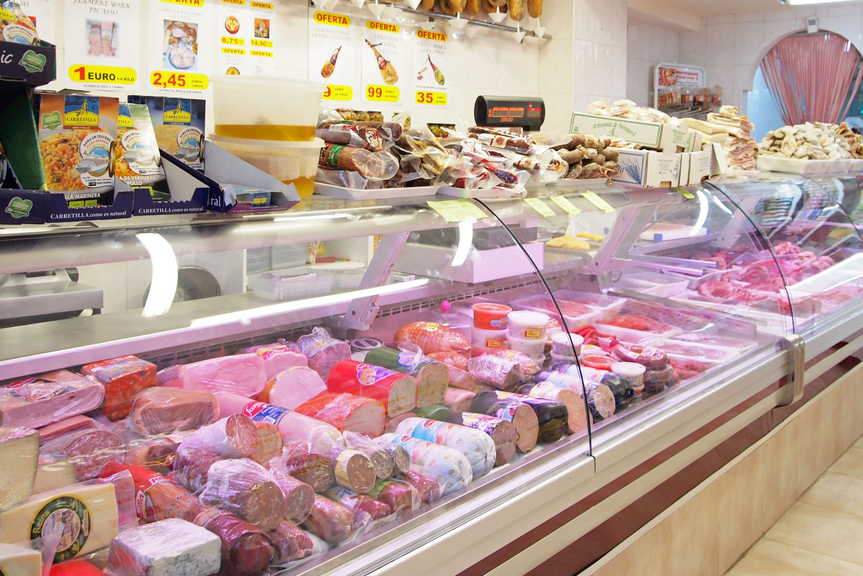
A neighborhood butcher shop was a fixture for families who planned meals carefully. The butcher knew exactly how thick to slice the meat for Sunday dinner or which cut worked best for a new recipe. The store had a cold, clean smell that felt unmistakably fresh. You’d often see paper-wrapped parcels waiting behind the counter with familiar last names written in marker. The glass display case always looked inviting, filled with carefully arranged cuts. People trusted these shops with their weekly meals.
Butchers offered a level of service that feels rare today. They shared cooking tips passed down through generations. They trimmed meat exactly the way customers asked, sometimes adding an extra bone or two for making broth. Kids were fascinated by the giant scales and metal hooks. Regulars rarely needed to ask for their usual order because it was already in the works. Losing these shops meant losing a friendly expert from the neighborhood.
11. The Local Sporting Goods Store
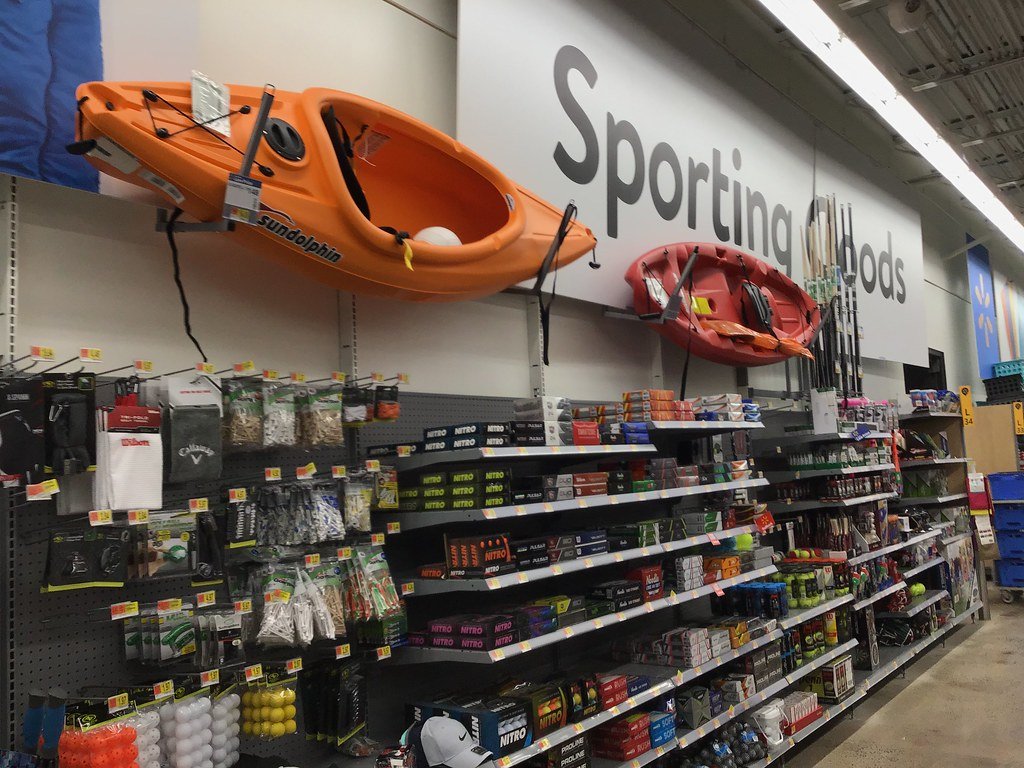
Before big chains dominated the scene, the local sporting goods store was where every kid got their first glove or bike helmet. The place had a practical, slightly dusty charm. Employees actually knew the sports they talked about, offering advice based on personal experience. Parents trusted the staff to fit equipment properly, especially for growing kids. The selection felt just right, with enough variety to choose from but not enough to overwhelm.
These stores also served as unofficial community hubs. Coaches picked up gear there, chatting about upcoming seasons with the owner. Kids liked testing basketballs by dribbling them in the aisles, even if it earned them a gentle warning. Families stopped in before weekend games or fishing trips. The conversations, the familiarity and the personal touch made the experience feel special. Those little shops helped build local sports culture in a way big retailers just don’t replicate.
12. The Local Pizza Counter
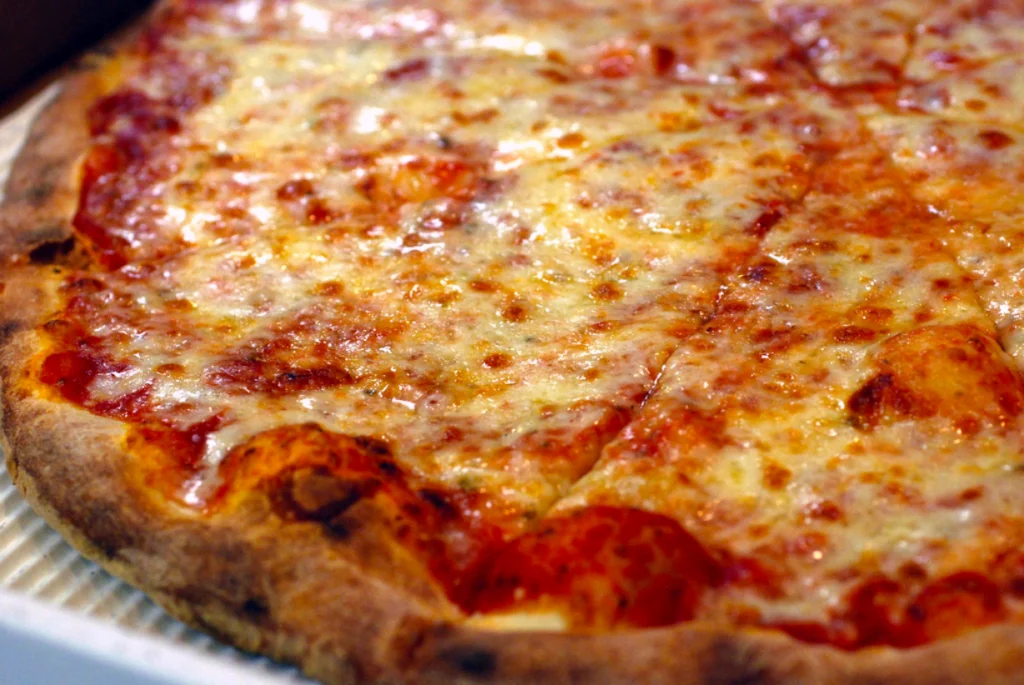
Every neighborhood had a little pizza counter that didn’t look like much from the outside but tasted like heaven on a Friday night. The smell of dough and melted cheese drifted out onto the sidewalk. Inside, the menu was usually handwritten on a board that hadn’t been updated in years. Kids loved watching the cook toss the dough into the air. Parents appreciated the quick, affordable dinners on busy nights. It felt casual and comforting.
The pizza counter became a go-to spot for celebrations and lazy evenings alike. You could grab a slice, chat with the owner and bump into at least one neighbor you knew. Teens hung out by the pinball machine if the shop had one. Regulars didn’t even need to say their order out loud. It was simple food done right, making it the heart of many neighborhoods. Losing these counters felt like losing a little bit of community flavor.
13. The Local Florist
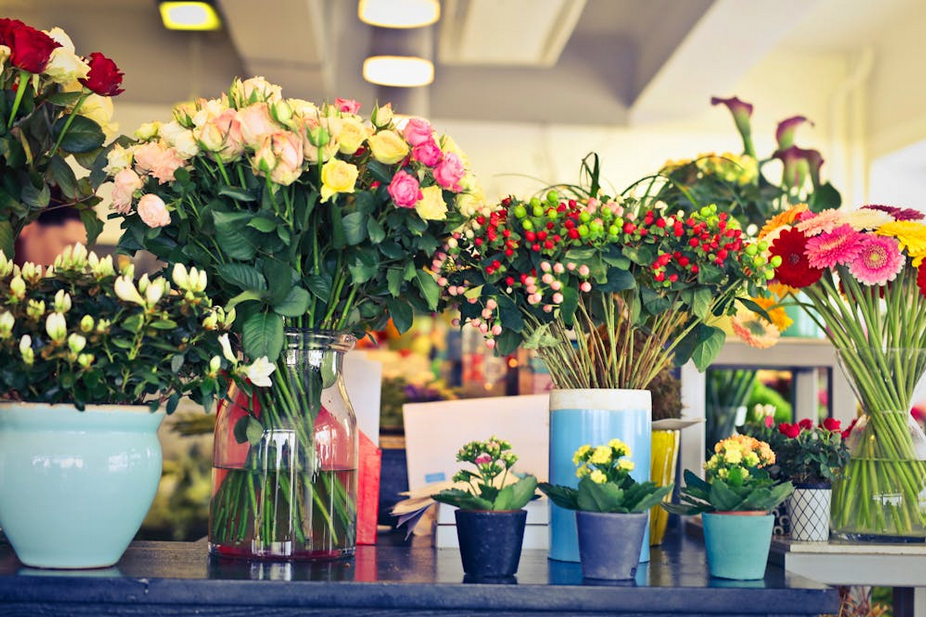
The neighborhood florist always felt warm and inviting, even on the dreariest days. Buckets of fresh blooms lined the shop, filling the air with a mix of fragrances. The florist often created arrangements right in front of customers, chatting as they worked. Kids marveled at the ribbons and colorful tools behind the counter. Adults appreciated the florist’s ability to turn a vague idea into something beautiful. Holidays were especially busy, with special orders stacked near the register.
Florists brought creativity and personal attention to the neighborhood. They remembered favorite flowers and important dates. They offered advice on what would last longest or look best in certain rooms. Many families relied on them for weddings, birthdays and sympathy arrangements, building lifelong trust. Even a simple bouquet felt special when it came from a familiar face. When local florists closed, they took a bit of neighborhood color with them.
14. The Neighborhood Cinema
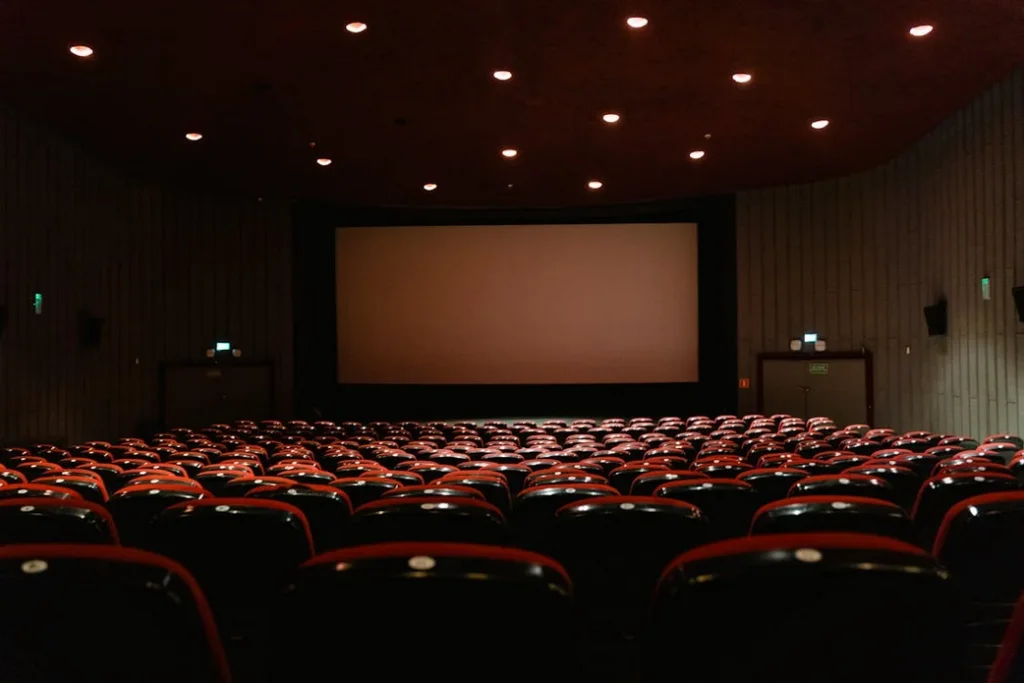
Small, single-screen theaters had a charm that modern multiplexes can’t quite replace. The marquee out front changed letter by letter, often missing a few pieces. Inside, the theater smelled like popcorn and old carpet in the best way. Seats creaked, but that only added character. Watching a movie felt more intimate, especially when the whole audience reacted together. It was a cherished weekend outing for families.
These cinemas were community gathering spots. Teens lined up with friends, sharing candy and whispered excitement. Parents appreciated affordable tickets and the chance to see a movie close to home. Special events, like Saturday matinees, created memories that lasted for decades. Even waiting in line felt fun when you recognized familiar faces. When these theaters disappeared, moviegoing lost some of its magic.
15. The Local Variety Store
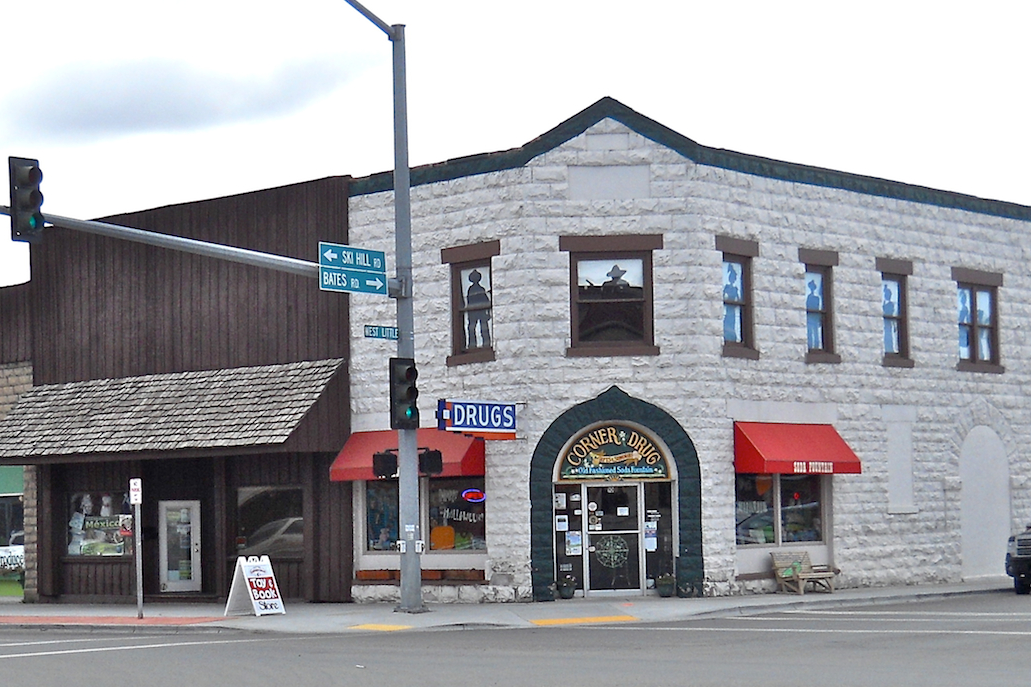
Variety stores lived up to their name, offering a little bit of everything for a few dollars. The shelves felt delightfully random, stocked with games, kitchen gadgets, puzzles, decor and seasonal knickknacks. Kids loved checking out the toy aisle while adults browsed the household odds and ends. The atmosphere was relaxed, like you could wander without pressure. The best finds were always unexpected. Even the simplest items somehow felt special.
These stores filled a niche that’s hard to describe but easy to miss. If you needed something inexpensive or quirky, this was where you went. The owners often greeted customers with genuine warmth. Holiday sections were especially fun, overflowing with decorations and gift ideas. People stopped by just to browse, often finding something they didn’t know they needed. When variety stores vanished, they left behind a gap that big retailers never fully filled.