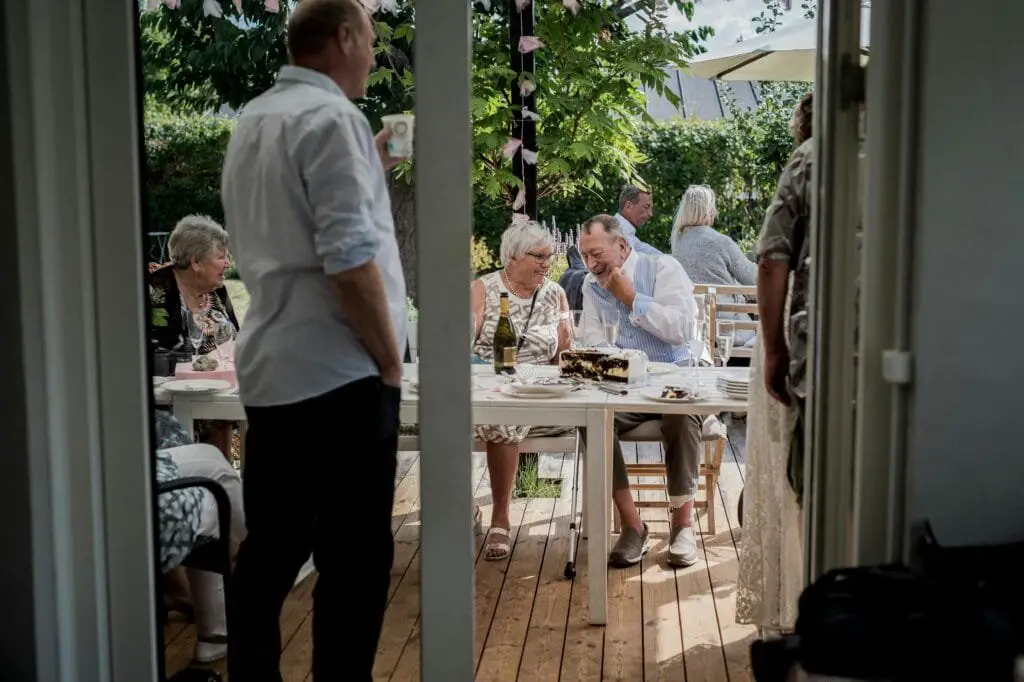
1. Johnny Carson
Johnny Carson didn’t just host The Tonight Show, he practically redefined what late-night TV felt like. People planned their evenings around him, settling in with that familiar desk, that sly grin, and his effortless ability to make every guest feel like the most interesting person in the world. Carson became the kind of host who made viewers feel like they were chatting with an old friend at the end of a long day. His monologues became cultural touchstones, and his sketches were the type that kids tried to reenact at school the next morning. Even when jokes landed softly, he knew exactly how to rescue them with one raised eyebrow. It was all part of what made him such an anchor in the ‘60s. Carson made prime time feel personal.
Behind the scenes, Carson was famously private, but his on-air charm always felt genuine. His timing, dry humor, and keen interviewing skills set a standard that other hosts spent decades trying to match. He understood the art of listening as much as talking, and audiences responded to that. When he introduced rising stars, people trusted his taste. His presence wasn’t flashy, just steady and warm. In a decade buzzing with change, Carson offered a dependable kind of magic. Anyone who watched him felt like they were in on something special.
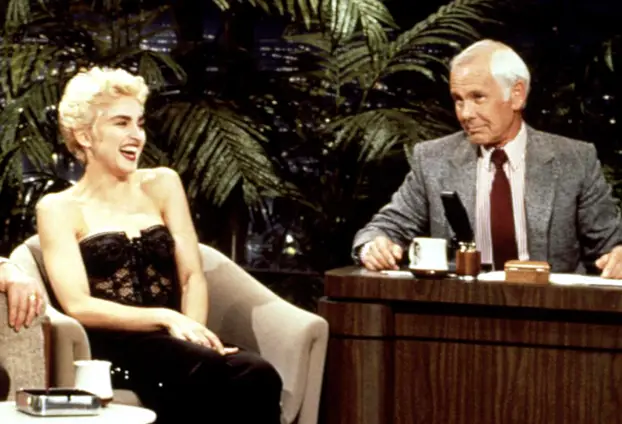
2. Ed Sullivan
Ed Sullivan felt almost like family to millions of households across the country. His weekly variety show became the place where America discovered everything from daring acrobats to legendary musicians, and his slightly awkward presence somehow made it all the more charming. Gifted performers might dazzle the audience, but Sullivan’s stiff posture and sincere enthusiasm grounded the whole thing. People tuned in because they knew anything could happen. He had a knack for booking acts before they became cultural phenomena. When he pointed toward the stage and made one of his signature introductions, you knew something big was coming. He wasn’t flashy, but he didn’t need to be.
Sullivan’s show became the heartbeat of the decade. He introduced The Beatles to America, shaping a generation overnight. Families gathered around the TV without fail, eager to see who he’d bring out next. In an age when entertainment was rapidly shifting, Sullivan connected old-school variety with modern pop culture. He never tried to be cool, which in its own way made him iconic. The country trusted his taste even when they didn’t quite understand it. That simple formula helped him dominate prime time in a way few hosts ever have.
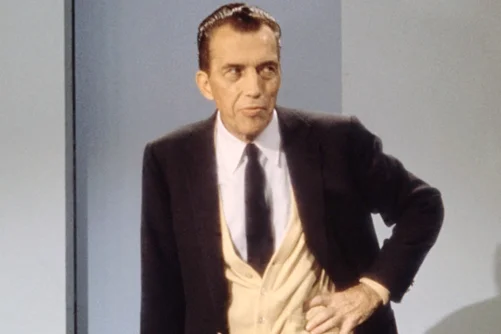
3. Dick Clark
Dick Clark brought youthful energy to prime time that felt fresh and exciting. Hosting American Bandstand, he introduced countless teens to the latest music and dance crazes, and his smooth on-camera style made him instantly likable. Clark had a clean-cut charm that parents approved of while still being cool enough for the kids. He kept the show moving with easy banter and a genuine interest in what artists had to say. When new musicians performed, he gave them room to shine. His calm presence balanced the show’s high energy. He made tuning in feel like being part of the in-crowd.
Clark’s influence stretched far beyond one stage. He was a savvy businessman and understood exactly what young viewers wanted. He gave unknown acts national exposure, helping launch careers left and right. His countdowns, interviews, and music showcases became weekly rituals for families across the country. With each episode, he made music accessible and fun. Clark had a way of making everyone watching feel connected to the moment. That blend of charm and instinct cemented his place as a ‘60s TV staple.
4. Hugh Downs
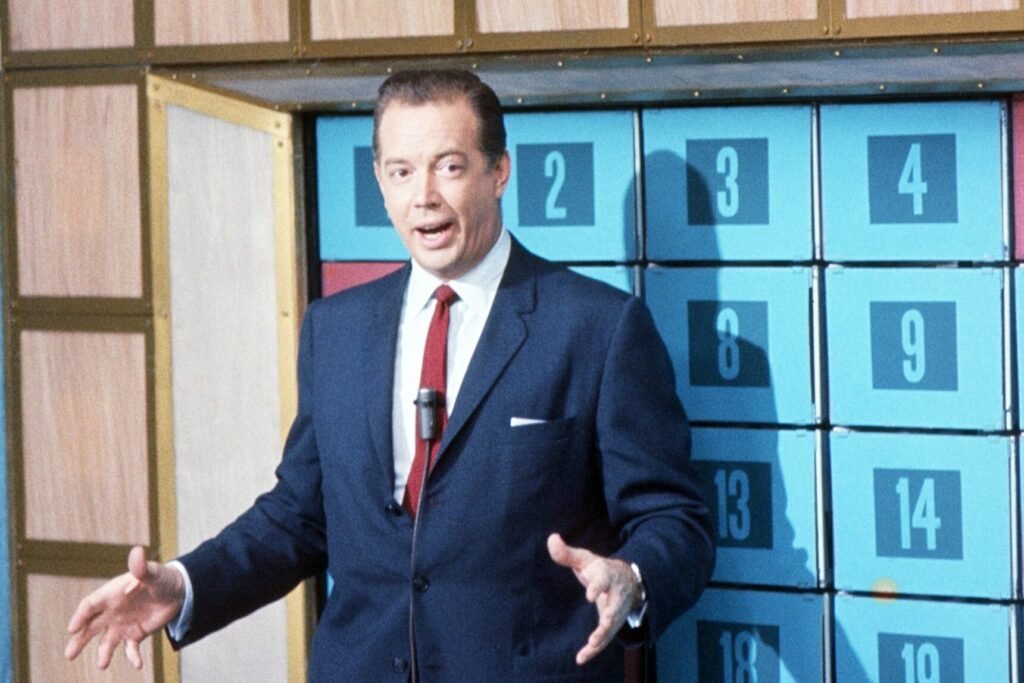
Hugh Downs brought a quiet confidence to prime time that viewers instantly trusted. As host of The Today Show and later Concentration, he showed an impressive range, shifting from news to games without missing a beat. His easy manner made interviews feel more like conversations than performances. He never dominated the spotlight, but he always felt in control. People appreciated his thoughtfulness and calm demeanor. Downs had a skill for keeping things moving while making it all look effortless. He carried a kind of warmth that audiences genuinely gravitated toward.
Throughout the ‘60s, Downs proved he could handle just about anything thrown his way. Whether he was guiding contestants through puzzles or breaking down current events, he did it with clarity and kindness. Viewers often felt like they were learning from someone who genuinely cared. That sincerity became part of his appeal. Downs represented stability during a turbulent decade. He brought balance, intelligence, and a reassuring voice into living rooms every week. That steady reliability is one reason his influence remains so memorable.
5. Allen Ludden
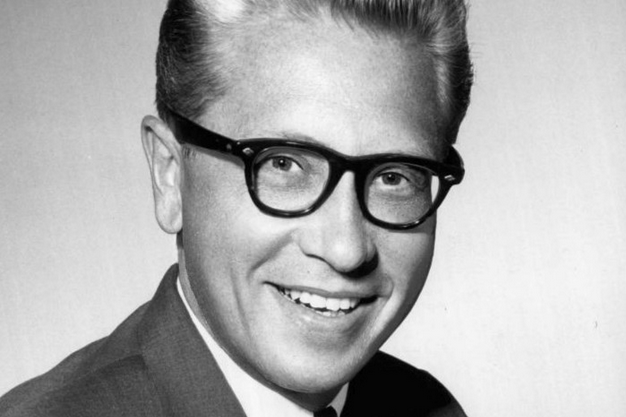
Allen Ludden became a familiar face thanks to his long run as the host of Password. His gentle smile, courteous hosting style, and genuine warmth set the tone for a game that families adored. Ludden kept the atmosphere friendly and fun, coaxing clever guesses out of celebrity guests and everyday contestants alike. He made the rules feel simple even when the puzzles got tricky. Every episode felt like an invitation to play along from home. His calm confidence made him the perfect guide. Audiences loved how natural he was on camera.
Ludden’s charm carried the show through the ‘60s with ease. He cultivated an environment where both stars and contestants felt comfortable. That was part of the magic, because people at home could feel that too. His chemistry with the rotating guests gave the show a lively spark. Ludden never pushed too hard for attention. Instead, he let the game shine, which in turn made him even more admired. In a decade filled with big personalities, his gentle approach stood out. People trusted him, and that trust made him a prime-time favorite.
6. Garry Moore
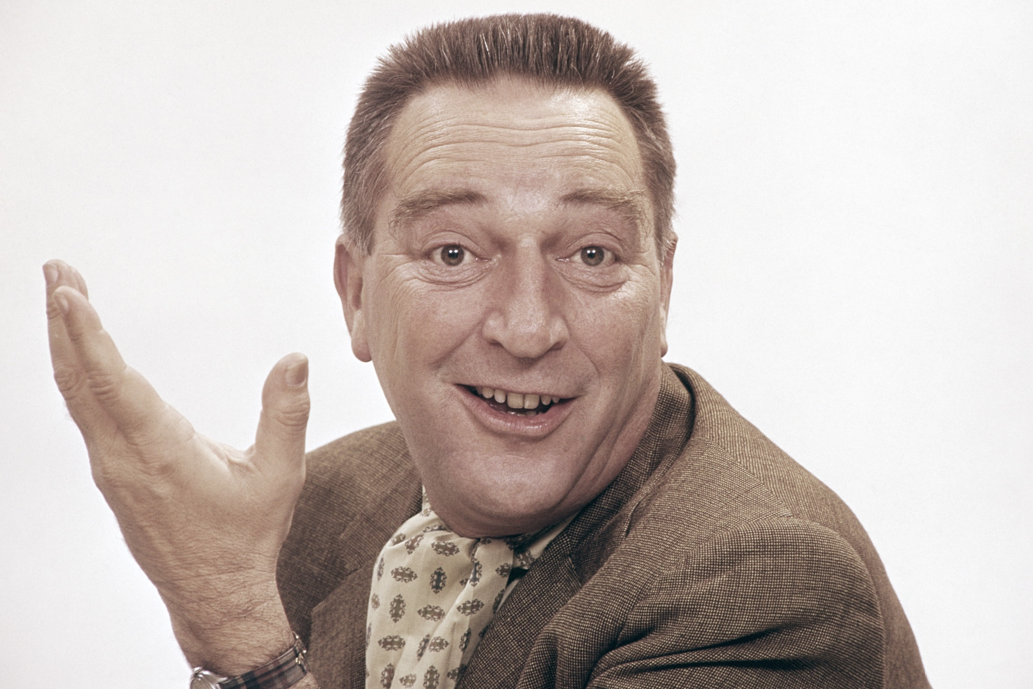
Garry Moore had a natural showman’s flair that fit perfectly with his variety and game show work. Hosting The Garry Moore Show and I’ve Got a Secret, he balanced humor, charm, and a welcoming presence. He made prime time feel upbeat and fun, always ready with a quick joke or encouraging nudge. Moore connected easily with viewers, keeping things light without ever seeming insincere. His timing helped jokes land smoothly, and he knew how to highlight his guests. Families found comfort in his warmth. He made everything feel more enjoyable just by being there.
As the ‘60s unfolded, Moore’s personality became a staple of the week. He had an instinct for keeping things lively while still maintaining order. Contestants loved playing under his guidance because he created a supportive environment. His variety hours introduced audiences to rising stars, beloved comedians, and clever stunts. He felt like the dependable host who always had something entertaining up his sleeve. Moore’s effortless charisma helped him stay on top during a time when TV hosting was becoming more competitive than ever. People tuned in because they always knew he’d deliver.
7. Red Skelton
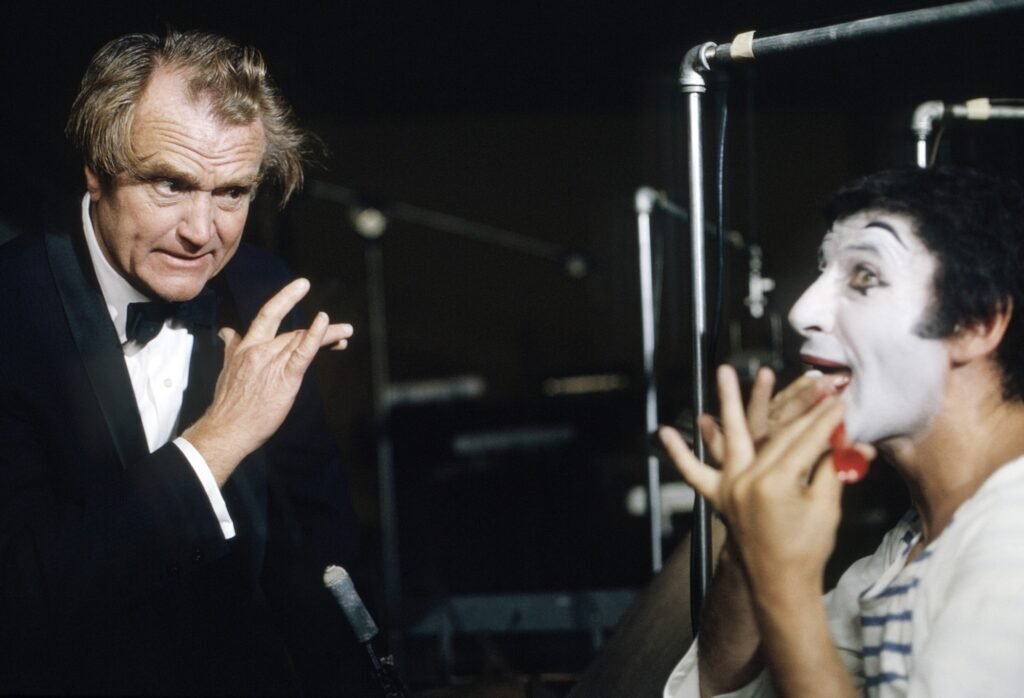
Red Skelton brought a whimsical touch to television that was entirely his own. As host of The Red Skelton Hour, he wove together comedy sketches, pantomime, and heartfelt moments. His characters, from Freddie the Freeloader to Clem Kadiddlehopper, became household names. Skelton had a way of blending silliness with sincerity, making audiences laugh but also feel something deeper. His expressive face and physical comedy set him apart. Even during quieter moments, he could hold a room. Skelton made prime time feel a little more magical.
His longevity came from more than just jokes. Skelton understood the importance of making people feel uplifted, especially during challenging times. He welcomed families into a world where humor solved problems. That sense of joy became a weekly touchstone. Skelton respected his viewers and believed in the power of kindness. Audiences saw that and stayed loyal. His popularity in the ‘60s proved that gentle humor still had a strong place in entertainment. Skelton dominated because he made people feel good, plain and simple.
8. Jack Paar
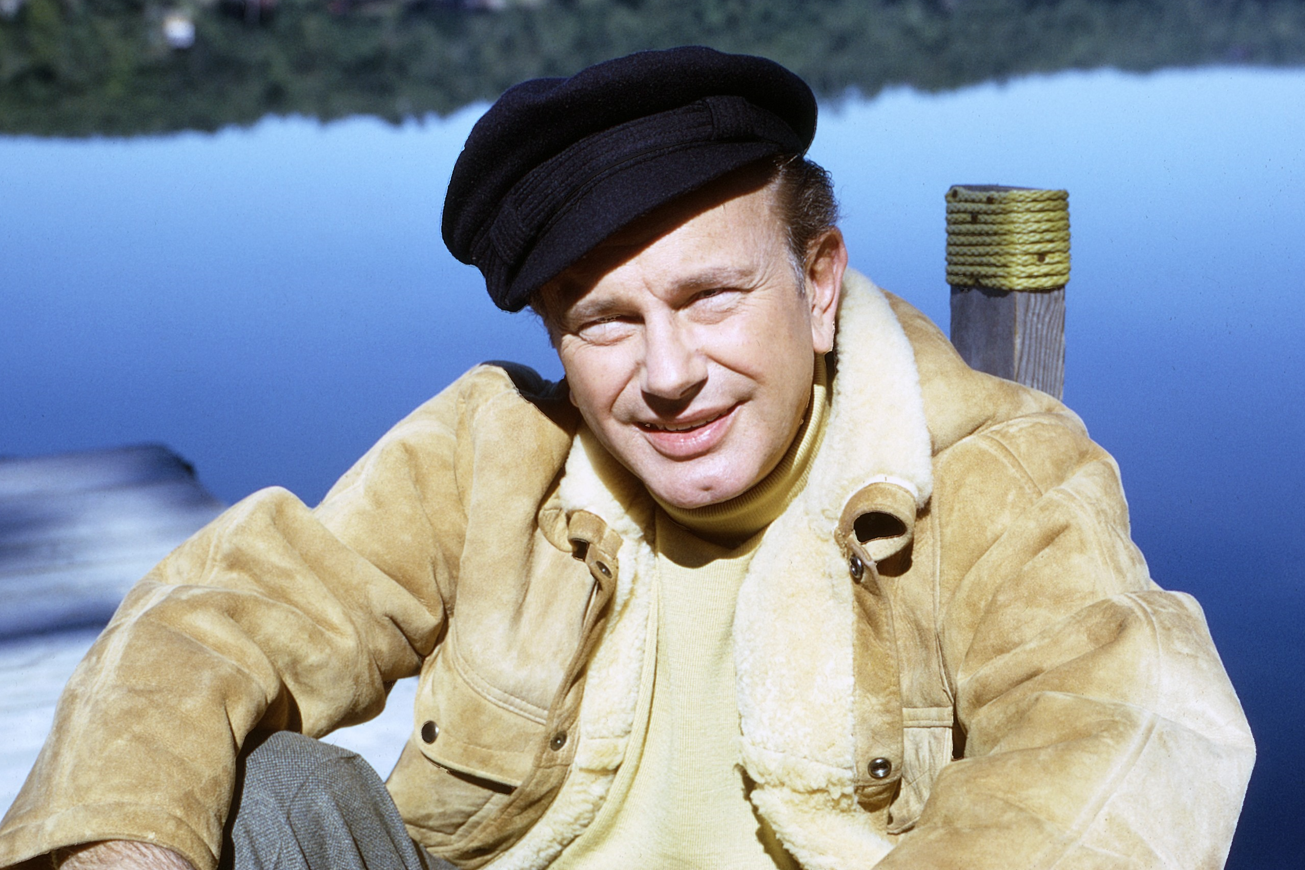
Jack Paar brought emotional honesty to late night that set him apart from his peers. As host of The Tonight Show before Carson, he delivered interviews with depth and sincerity. Paar wasn’t afraid to let conversations wander into unexpected territory. His openness resonated with viewers. He had a way of making guests feel safe enough to reveal things they wouldn’t elsewhere. That made his show unpredictable in the best way. Paar’s blend of humor and heart gave prime time a unique flavor.
His departure from the show was famously dramatic, which only added to his mystique. But even after leaving, Paar’s influence lingered. He changed what talk shows could be, proving that viewers craved more than just jokes and skits. People appreciated his curiosity and vulnerability. Paar tapped into storytelling in a way that felt intimate. His hosting style paved the way for deeper late-night interviews for decades to come. In the ‘60s, nobody hosted quite like him, and that originality helped him soar.
9. Bob Barker
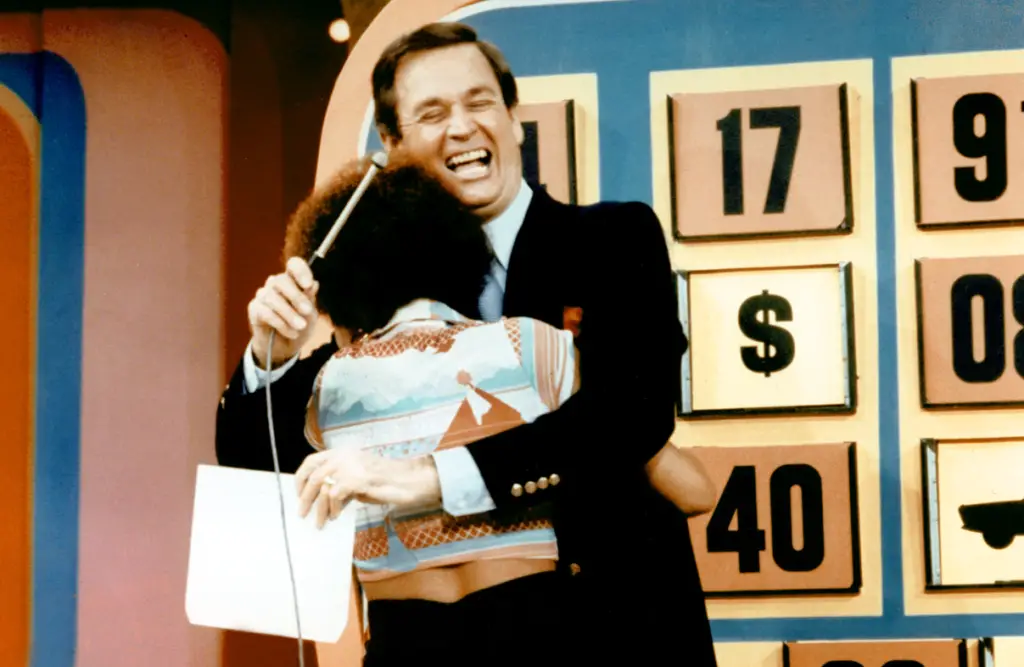
Bob Barker became a familiar face to millions thanks to his work on Truth or Consequences. His sharp wit and friendly demeanor made contestants feel instantly at ease. Barker had a way of laughing with people rather than at them. He guided the show with humor, heart, and just enough mischief to keep it fun. His pacing kept things lively. Barker seemed to genuinely enjoy every moment on set. He made home viewers feel like they were part of the excitement.
Barker’s success stemmed from his natural ability to connect. He knew how to encourage shy contestants and spark energy in outgoing ones. His polished presence made him one of the decade’s most reliable hosts. Viewers trusted him because he treated everyone with kindness. Barker’s confidence mixed seamlessly with his lighthearted approach. He helped define the game show landscape moving forward. In the ‘60s, he was unmistakably one of the most prominent faces in prime-time entertainment.
10. Steve Allen
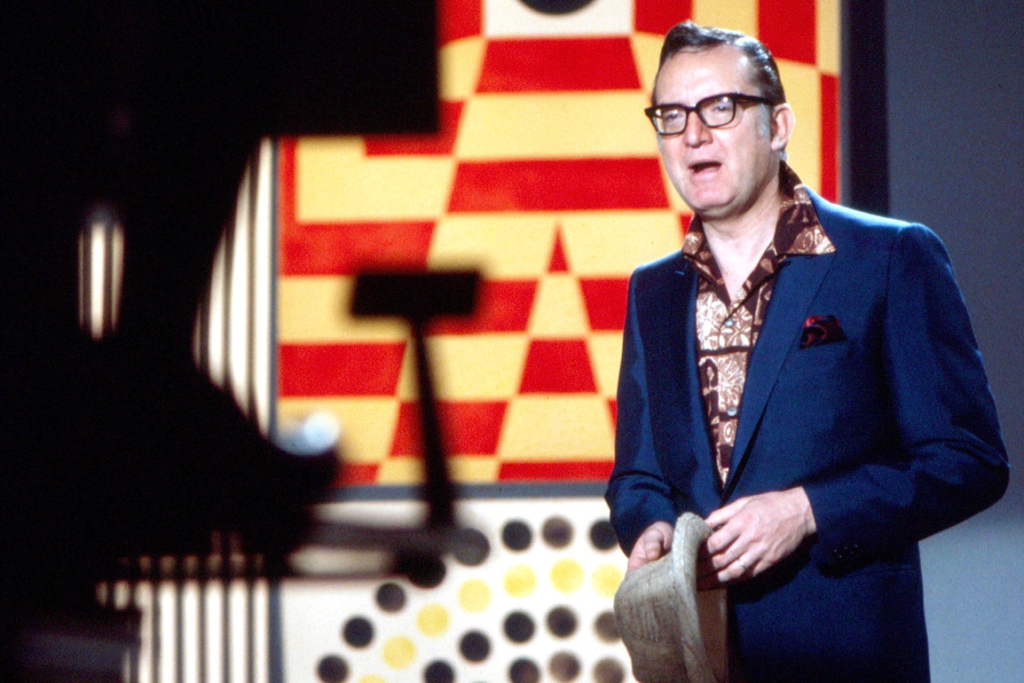
Steve Allen was a whirlwind of creativity, always ready with a new bit or playful experiment. As the original host of The Tonight Show and later I’ve Got a Secret, Allen loved pushing boundaries. He made prime time feel unpredictable in the best way. His humor came from curiosity and spontaneity rather than punchlines alone. Allen would play piano, improvise sketches, or test out quirky inventions live on air. Viewers never knew what to expect. That sense of fun defined his hosting style.
Behind the goofiness, Allen was thoughtful and remarkably quick on his feet. His interviews often sparked deeper discussions that still felt natural. He treated guests with respect while also keeping things lively. Allen’s wit appealed to audiences who wanted something playful yet intelligent. His passion for exploring ideas helped him stand out in a crowded field. In a decade brimming with variety, Allen’s inventive approach made him unforgettable. His influence still echoes in modern talk shows.
11. Joey Bishop
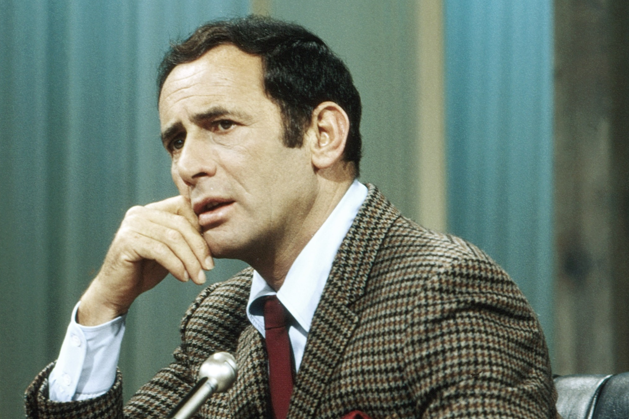
Joey Bishop brought a dry, understated humor to his hosting duties. As the star of The Joey Bishop Show and a frequent guest host on The Tonight Show, he offered a more relaxed presence than some of his flashier peers. Bishop’s comedy came from subtle expressions and well-timed quips rather than big punchlines. Audiences found that refreshing. He had a quiet charm that felt approachable. Bishop wasn’t trying to upstage his guests, which made his interviews feel natural. People appreciated his unpressured style.
Off camera, Bishop was known for being thoughtful and loyal, especially within the Rat Pack circle. His friendships with entertainers like Frank Sinatra gave his shows an added bit of sparkle when they’d drop in unexpectedly. His hosting carried a sense of camaraderie. Bishop made viewers feel like they were hanging out with friends. His mix of wit and ease made him a steady fixture throughout the decade. He offered a different kind of prime-time appeal, one grounded in calm confidence.
12. Art Linkletter
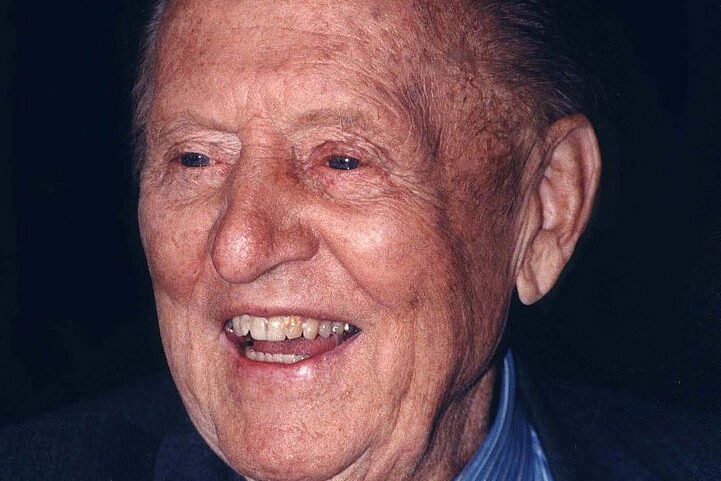
Art Linkletter had a gift for making everyday people feel like the stars of the show. As host of People Are Funny and House Party, he turned ordinary conversations into some of the decade’s most memorable moments. Linkletter loved spontaneity, and audiences loved watching him draw out hilariously honest answers, especially from kids. His gentle curiosity made guests relax, which led to stories no script could have produced. He kept things light and joyful, even when the world felt heavy. Families tuned in because he reminded them how funny real life could be. Linkletter brought a warmth that felt genuine and comforting.
His “Kids Say the Darndest Things” segment became iconic because of how patient and present he was. He let children ramble, imagining entire worlds, and he listened like every word mattered. That sense of respect made him stand out in prime time. Linkletter’s charm wasn’t loud or flashy, but built on connection. Viewers trusted him because he seemed truly interested in people. His shows felt like friendly gatherings rather than polished productions. In a decade packed with fast-changing trends, Linkletter offered timeless, human-centered entertainment.
13. Wink Martindale

Wink Martindale brought an upbeat, youthful energy to the shows he hosted, including What’s This Song? and Dream Girl of ’67. His enthusiasm was infectious, pulling viewers into each round with a smile. Martindale had a knack for making contestants feel comfortable and engaged. His quick banter kept the mood light and lively. He made every episode feel like a mini celebration. Audiences responded to his optimism. Martindale gave prime time a boost of fun.
His hosting career continued to flourish because he understood the value of pacing and personality. Martindale balanced game structure with genuine interaction. He treated contestants with kindness and respect. Viewers appreciated how he could keep things moving without ever seeming rushed. His presence made the shows feel bright and inviting. Martindale’s charisma and warmth earned him a devoted following. In the ‘60s, he showed how far positivity could go in creating great television.
14. Bill Cullen
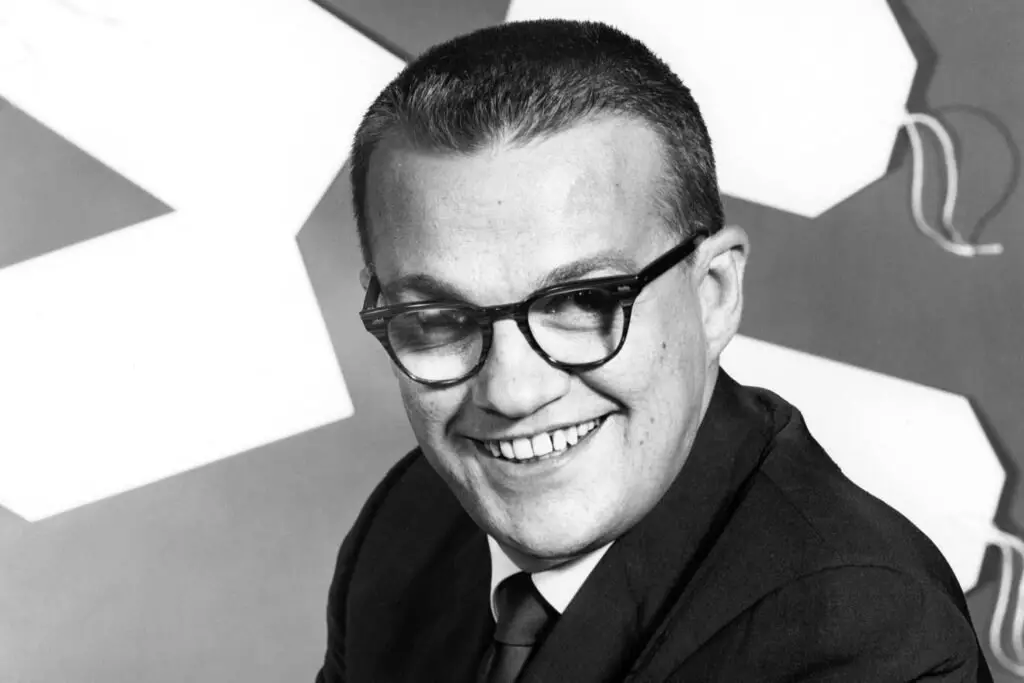
Bill Cullen was a master of quiz shows, known for hosting programs like The Price Is Right and Eye Guess. His sharp mind and friendly demeanor made him the ideal guide for viewers who loved puzzles and competitions. Cullen had a way of explaining rules that made even complex games easy to follow. He moved through episodes with grace and good humor. His genuine interest in contestants made the shows feel personal. People trusted him immediately. He gave games structure and heart.
Cullen’s presence on television was remarkably steady throughout the decade. His professionalism set the bar high for future game show hosts. Even when technical hiccups occurred, he handled them with wit and calm. That reliability became part of his identity. Audiences knew they were in good hands whenever he appeared. Cullen helped shape the golden age of game shows with his bright personality and clear guidance. His legacy remains strong thanks to the warmth he brought into people’s homes.