
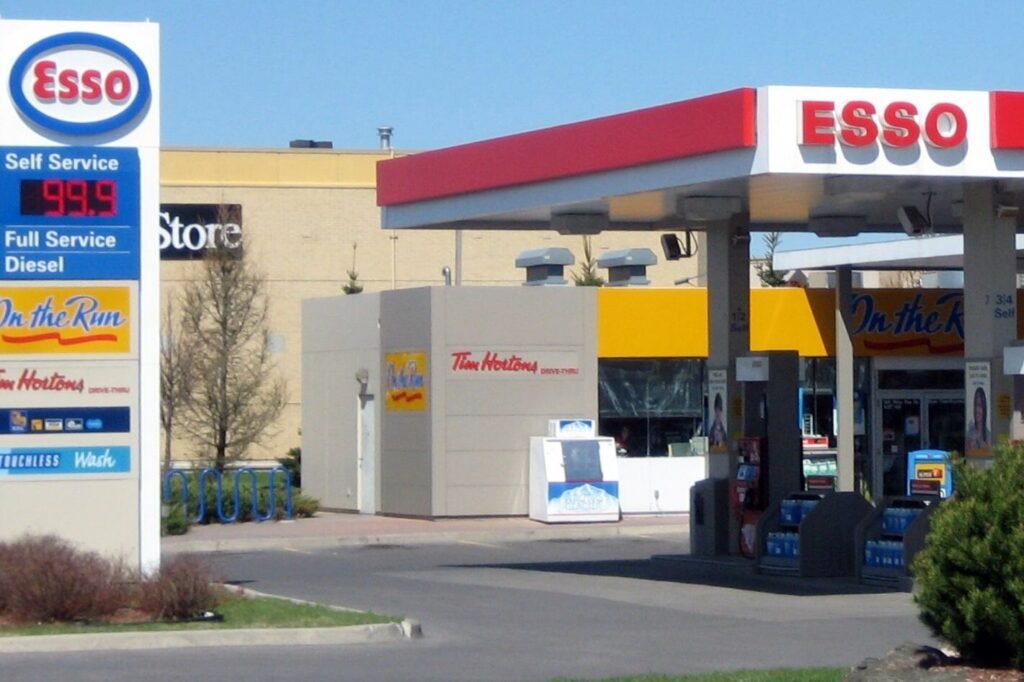
1. “Put a Tiger in Your Tank”
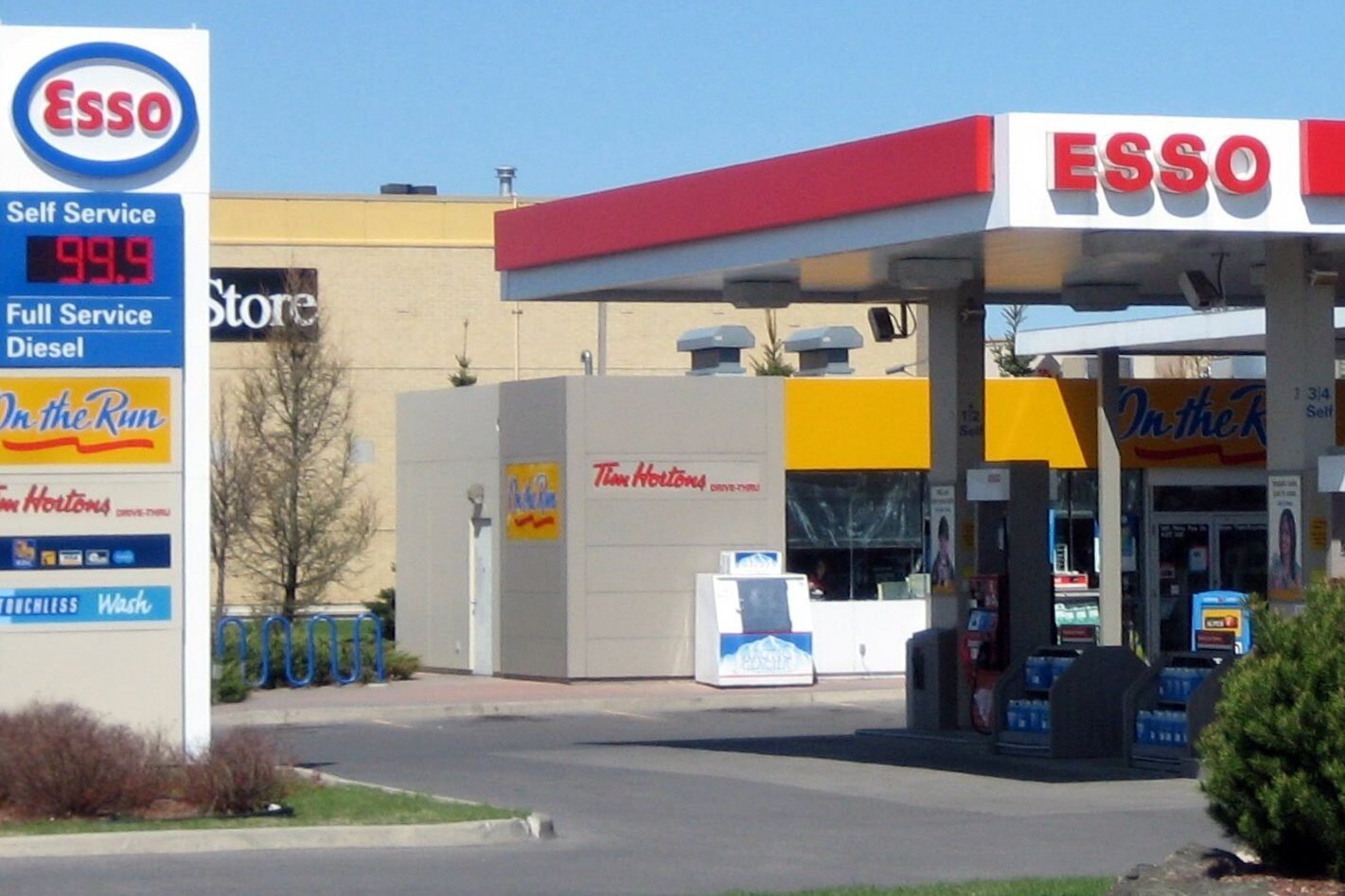
Esso’s famous slogan was everywhere in the ’60s, and it made people feel like a simple stop at the gas station could somehow supercharge their day. Drivers slapped tiger-tail decals on their cars, kids collected tiger-themed swag, and suddenly it felt like every road trip had a little extra personality. The phrase was meant to suggest more pep in your engine, but it also became a fun way to joke about needing a little boost yourself.
It’s hard to overstate how big this promotion was, because it turned a routine fill-up into a mini event. People lined up for decals, stuffed tigers, and bumper stickers, and the company cleverly turned its mascot into an icon of the decade. Even now, the slogan lives on as one of the most recognizable pieces of gas-station nostalgia. It’s one of those lines that instantly transports you right back to the classic Americana of the ’60s.
2. “You’re Never Alone with a Strand”

Strand Cigarettes had a moody, atmospheric campaign that didn’t land quite the way the company hoped, but the tagline certainly stuck with viewers. The ad showed a lonely man wandering through the city until he lights a Strand, and suddenly he’s not “alone” anymore. Instead of feeling inviting, though, people found the whole thing a little too bleak for comfort.
Oddly enough, the commercial became famous for the wrong reasons, which is probably why the catchphrase became such a cultural talking point. The unintended eeriness gave it a life of its own, and it’s still referenced as an example of a great slogan paired with a not-so-great message. Even today, people remember the line even if they couldn’t tell you much about the brand. It’s a perfect example of how a memorable phrase doesn’t always lead to product success.
3. “M’m! M’m! Good!”
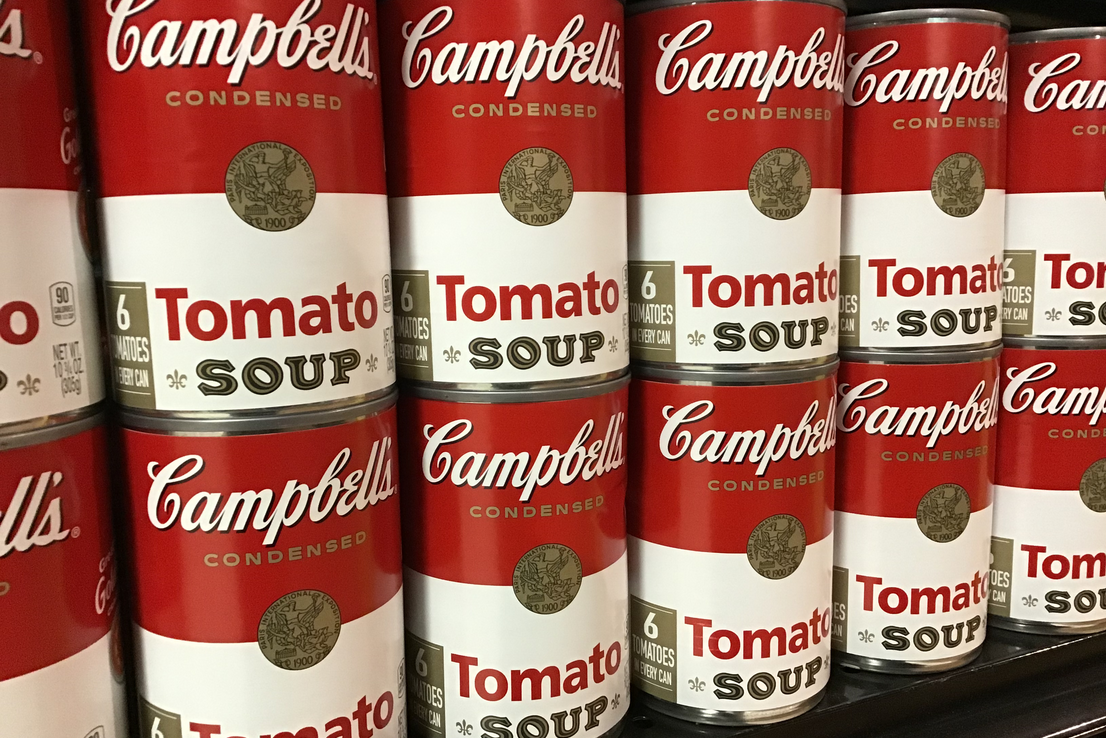
Campbell’s Soup made this line cozy, catchy, and instantly repeatable, which is why it rolled off the tongue of pretty much every kid who ever asked for tomato soup with a grilled cheese. The jingle made even a simple can of soup feel warm and happy, and it worked especially well during those ’60s winters when families were looking for quick, comforting meals. The repetition made it playful, and that’s part of why it stuck.
Families echoed it at the dinner table, commercials looped it endlessly, and it became one of those phrases that felt bigger than the product. Even now, you can almost hear the melody as soon as you read the words. It turned a pantry staple into something with personality, which was exactly what brands of the era were striving for. Campbell’s still uses the slogan today, proving just how well it worked.
4. “A Little Dab’ll Do Ya”
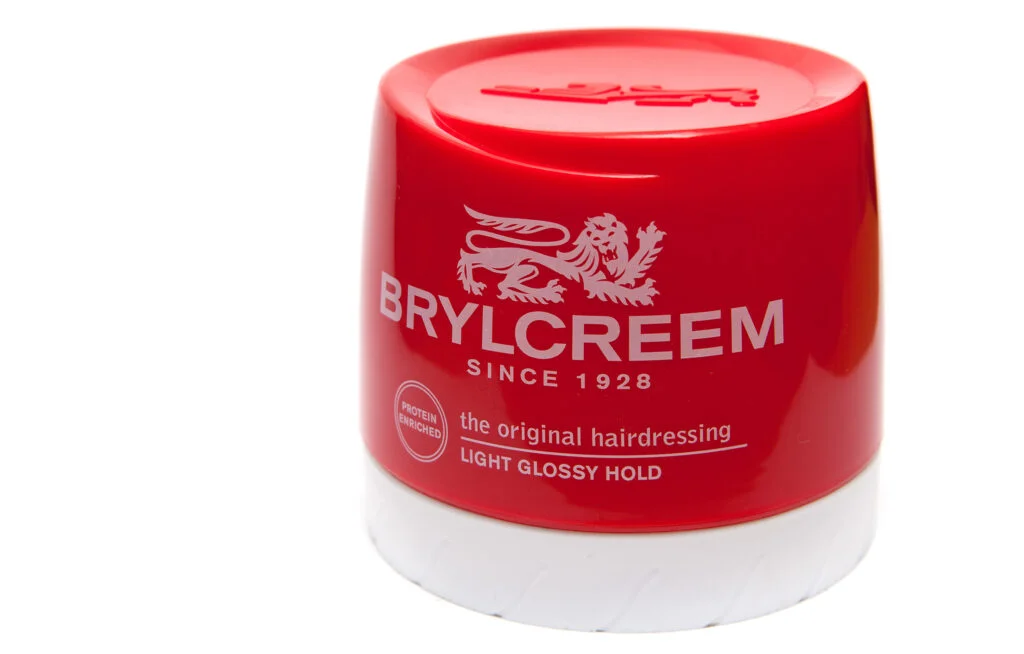
Brylcreem became a household name in the ’60s in large part because this slogan was so smart and simple. It told you exactly what you needed to know, and it did it in a fun, almost wink-and-nod way that people repeated in barbershops everywhere. The idea that just a tiny bit could tame a whole head of hair made the product feel both efficient and stylish.
Men joked about using too much, kids teased their dads about their slick hairstyles, and suddenly the phrase was just part of the decade’s vocabulary. It worked because it blended practicality with charm, which made it one of the most effective grooming-product lines of its time. Even if you never bought Brylcreem, you still remembered the catchphrase. That alone made it a cultural win.
5. “Fly the Friendly Skies”
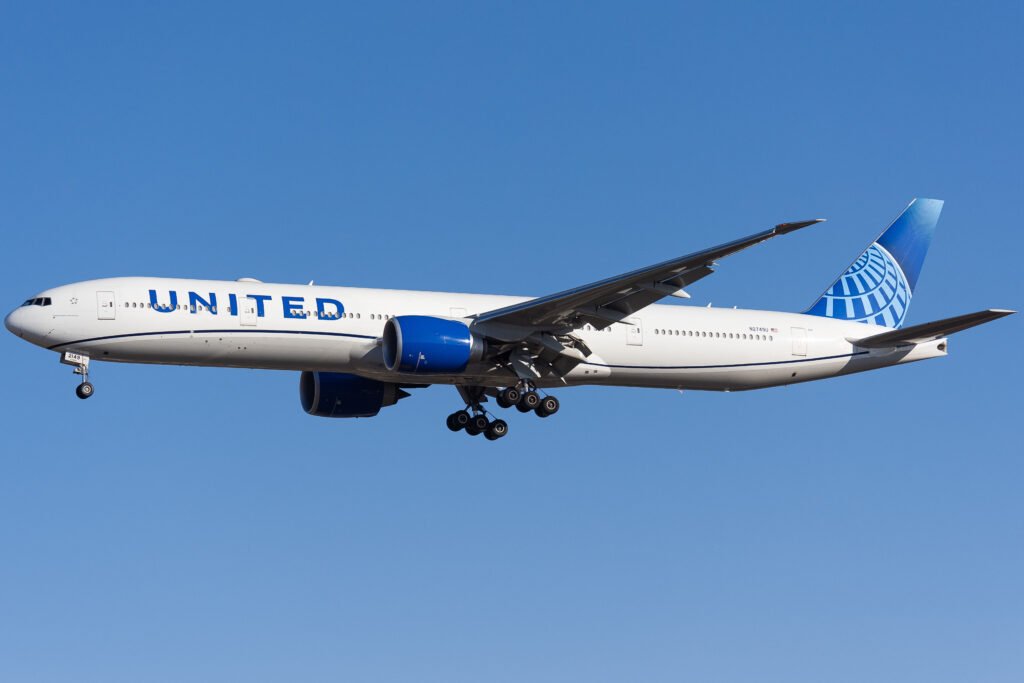
United Airlines wanted air travel to feel welcoming, and this slogan did exactly that during an era when flying was still seen as glamorous. The phrase painted a picture of smiling stewardesses, smooth flights, and a sense of ease that made people feel cared for. It encouraged the idea that flying wasn’t just transportation, it was an experience.
Passengers repeated it when booking vacations, travel agents used it in conversation, and the company leaned heavily into the warm, uplifting tone. It became one of the most enduring airline slogans of the 20th century. Even long after the ’60s were over, the phrase still evoked images of polished jet-age travel. It’s the kind of slogan that shaped how people talked about flying.
6. “Let Hertz Put You in the Driver’s Seat”
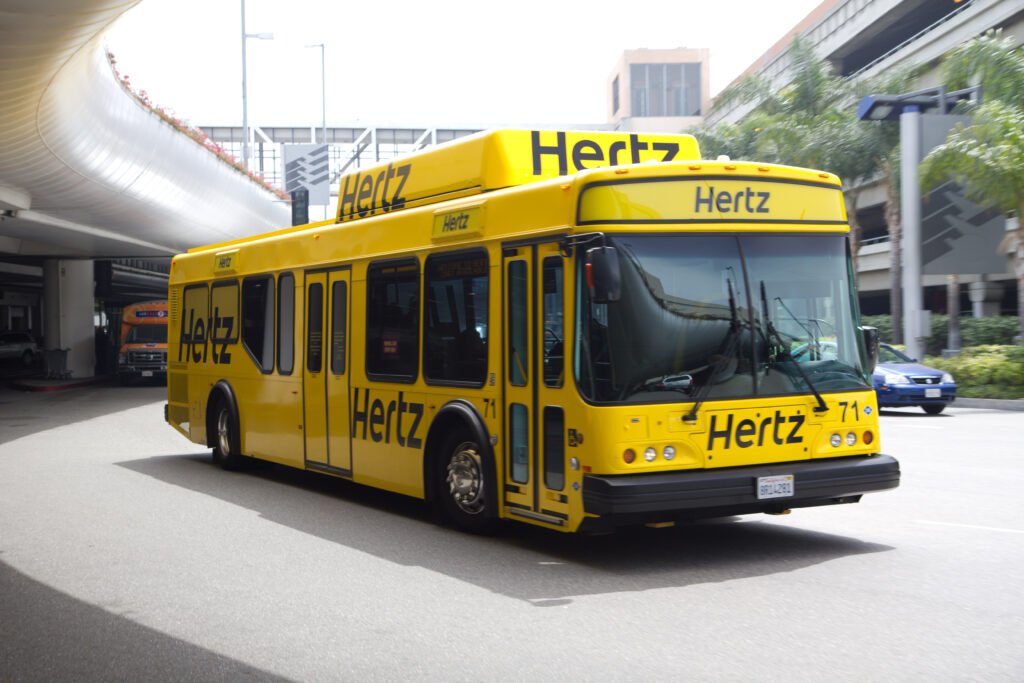
This catchphrase made renting a car feel fun, empowering, and surprisingly modern for the ’60s. The campaign featured smooth visuals and clever staging to make customers feel like Hertz wasn’t just renting cars, it was handing over freedom. People repeated the line jokingly before taking the wheel on family trips, making it part of the cultural language of travel.
Because car rentals weren’t something families used as often back then, the slogan helped make the whole idea more approachable. It positioned Hertz as the easy, friendly option during a decade when convenience was becoming increasingly important. The phrase hung around long after the ads stopped airing. It’s remembered today as a standout of ’60s marketing creativity.
7. “With a Name Like Smucker’s, It Has to Be Good”
Smucker’s leaned right into the oddity of its name, and using humor made the slogan instantly lovable. The line made people smile because it flipped the expectation, turning a potentially awkward brand name into a charming strength. It invited a little trust, a little chuckle, and a whole lot of brand loyalty.
Families repeated it at breakfast, and the clever twist stuck with shoppers who liked the playful honesty. It was memorable because it sounded homespun, almost like something your grandfather might say at the kitchen table. The slogan still survives today, which says a lot. It’s one of those lines that never really left the cultural conversation.
8. “Reach Out and Touch Someone”
AT&T’s early version of this famous slogan began taking shape in the late ’60s as long-distance calling became more accessible. Even before the campaign’s big ’70s push, the phrase already carried emotional weight. It encouraged people to stay connected at a time when phone calls were becoming an essential part of daily life.
The idea that a simple call could bridge distance made the message powerful, and people repeated it when talking about calling family or checking in on friends. It was heartfelt without being overly sentimental, which made it feel authentic. The slogan grew into one of the most iconic communications phrases ever used. Its roots in the ’60s helped shape the tone of advertising in the decades that followed.
9. “Let Your Fingers Do the Walking”
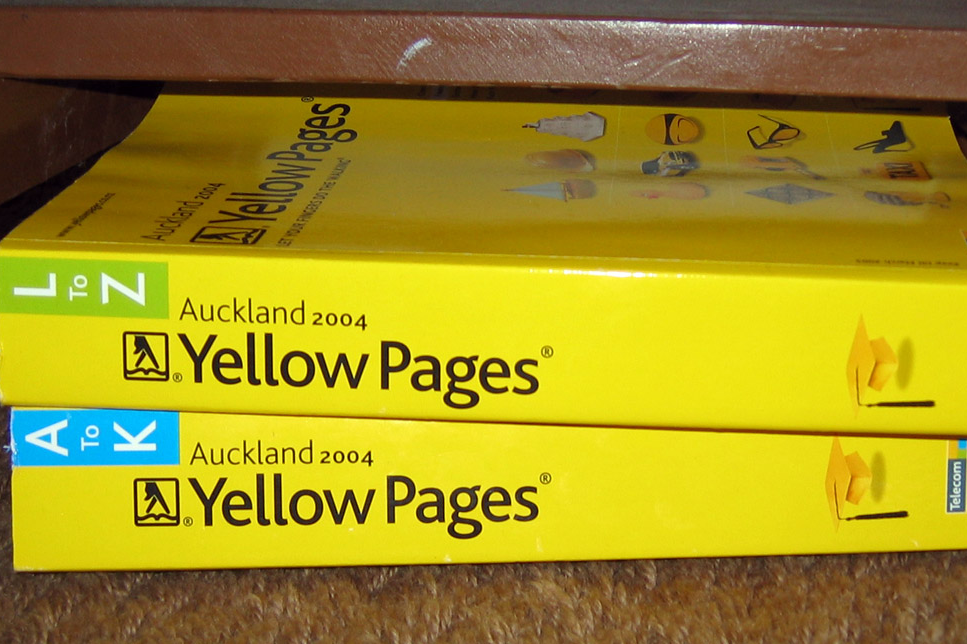
This early Yellow Pages slogan encouraged people to look businesses up in the directory instead of driving around in search of what they needed. It took a simple idea and turned it into a clever reminder that made the giant yellow book feel indispensable. The image of “walking fingers” became instantly recognizable.
People said the line when flipping through the directory, almost as a kind of unofficial motto. The slogan cemented the Yellow Pages as a key household item long before the internet changed everything. It was practical, memorable, and genuinely useful. Sometimes the simplest catchphrases end up being the most lasting.
10. “Be Sociable, Have a Pepsi”
Pepsi leaned into youth culture long before it became their entire identity, and this ’60s slogan helped get the party started. It was an invitation more than a tagline, suggesting that a bottle of Pepsi wasn’t just a drink, it was a way to bring people together. Teenagers especially connected with the upbeat vibe.
Commercials featured cheerful scenes of friends hanging out, which made the slogan feel aspirational. It nudged people to associate Pepsi with fun, friendliness, and a little bit of cool factor. The line didn’t just sell soda; it sold a feeling. It set the stage for Pepsi’s future focus on youth-centered campaigns.
11. “Look Ma, No Cavities!”
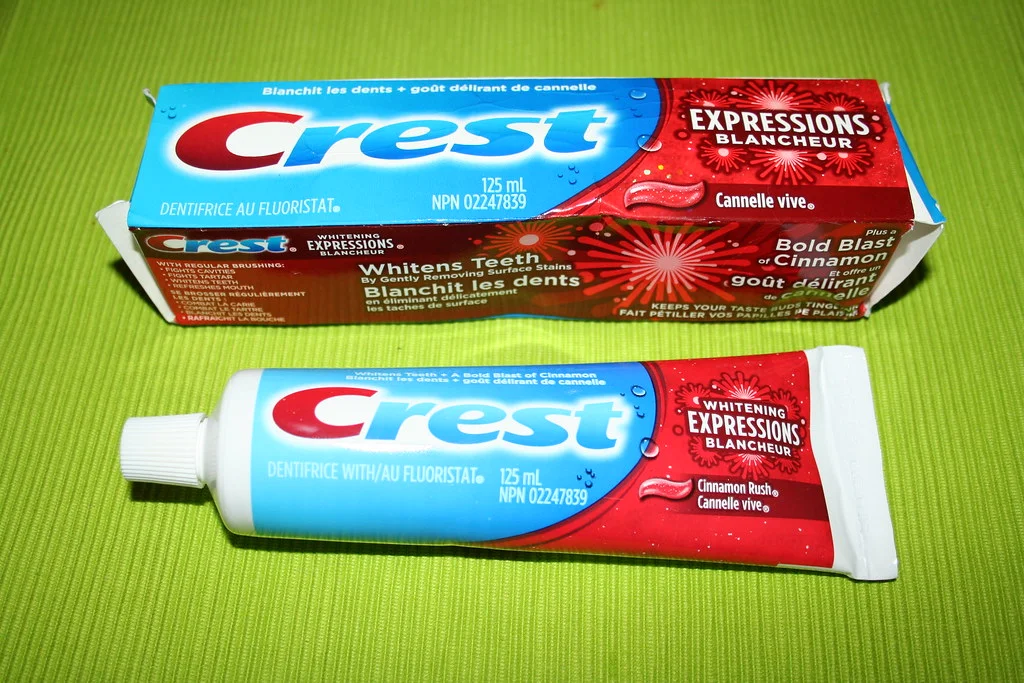
Crest turned this line into one of the most memorable oral-care mottos of the decade, largely because it echoed what every kid hoped to hear at the dentist. It gave toothpaste a sense of triumph, which isn’t easy to do. Parents repeated it jokingly when helping their kids brush before school.
The slogan was backed by real dental endorsements, which made it both fun and trustworthy. It helped establish Crest as a leader during a time when American families were increasingly focused on health and science. Kids loved it, dentists approved it, and the culture embraced it. That’s how a simple line became a generational memory.
12. “Takes a Licking and Keeps on Ticking”
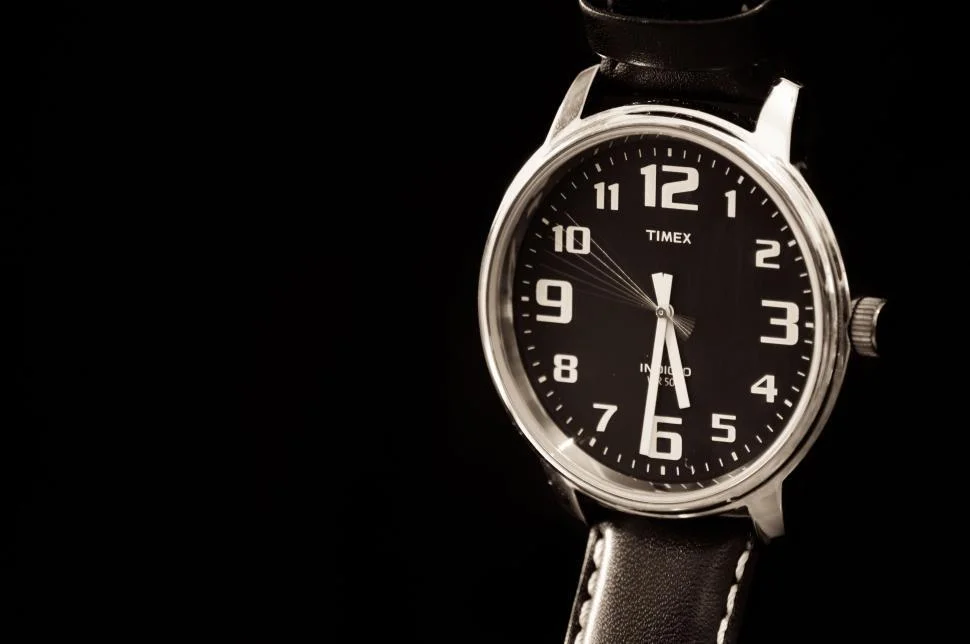
Timex’s slogan sounded tough, catchy, and a little daring, which made it perfect for a product that prided itself on durability. The ’60s commercials demonstrated watches surviving wild challenges, and viewers were captivated by the idea that a little wristwatch could endure so much. The phrase quickly entered everyday language.
People repeated it whenever something managed to survive more than expected, turning it into a universal expression of resilience. The slogan helped Timex stand out in a crowded marketplace, and it became one of the most quoted advertising lines of the decade. Even now, it’s easy to hear it in that classic announcer voice. It’s advertising at its most effective.
13. “Sorry, Charlie”

StarKist’s character Charlie the Tuna became an unexpected ’60s star thanks to this punchy, slightly sassy line. Poor Charlie was forever trying to show he had “good taste,” only to be rejected again and again. The catchphrase was funny enough that people started using it socially whenever someone was out of luck.
Kids loved the animated commercials, adults loved the humor, and the slogan worked because it was so easy to adapt in everyday conversation. It cemented the tuna mascot as one of the most recognizable characters of the era. Even now, “Sorry, Charlie” is instantly associated with the brand. Not many fish earn that kind of fame.
14. “Choosy Mothers Choose Jif”
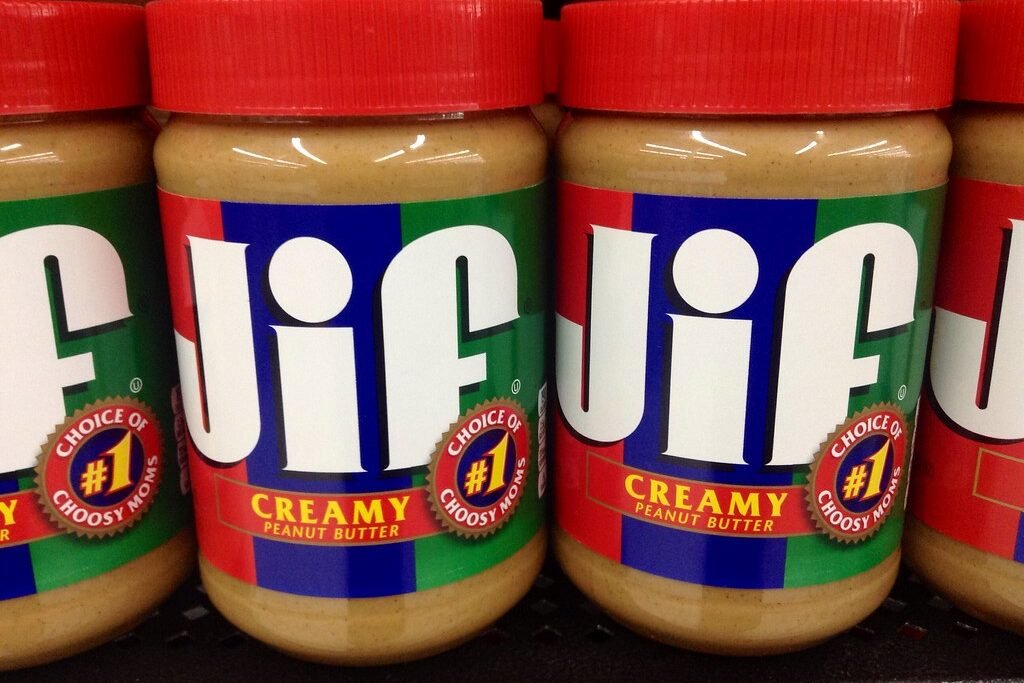
Jif delivered a slogan that appealed directly to parents, especially moms who were making the bulk of household grocery decisions at the time. It suggested a kind of thoughtful, caring choice without being overbearing. The phrasing was so clear and rhythmical that people repeated it naturally.
The catchphrase helped Jif stand out in a growing peanut butter market where competition was fierce. Families joked about being “choosy,” and the brand leaned into the playful but confident tone. The line became one of the most enduring food slogans of the century. It’s still instantly recognizable today, which shows just how well it captured the moment.