
1. Pogo Ball
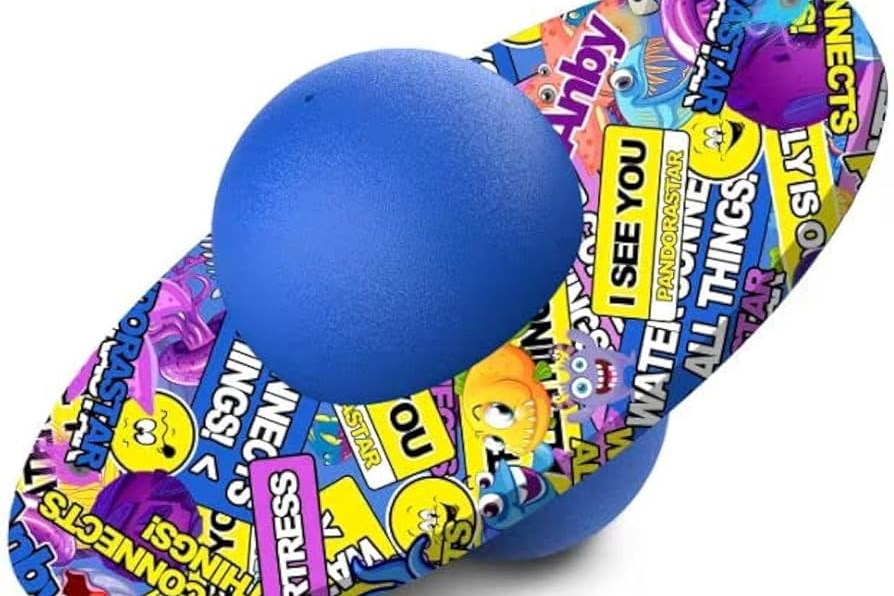
The Pogo Ball looked innocent enough, but it caused constant playground showdowns. Kids bragged about who could bounce the longest without slipping off, and the challenges got competitive fast. Someone always insisted they could jump higher or faster, even if nobody asked. The moment a kid mastered a trick, they showed it off repeatedly, which only stirred up more rivalry. And when someone fell off, the teasing was legendary, even if everyone pretended it was friendly. The scuffs on the ball became badges of honor. Kids spent entire recess periods competing for the most hops. For a toy that barely had two parts, it really knew how to cause tension.
The biggest feuds came from sharing. Kids argued over whose turn it was next, which was especially dramatic when the Pogo Ball belonged to the “cool kid.” Some kids tried to reserve it for the entire recess, leaving friends annoyed in the background. And of course, someone always claimed another kid “stretched the ball out” or “ruined the bounce.” The rare neon colors created even more envy. Watching a friend glide effortlessly while you struggled was a particular kind of childhood frustration. The Pogo Ball was silly, exhausting, and completely unforgettable.
2. Cabbage Patch Kids
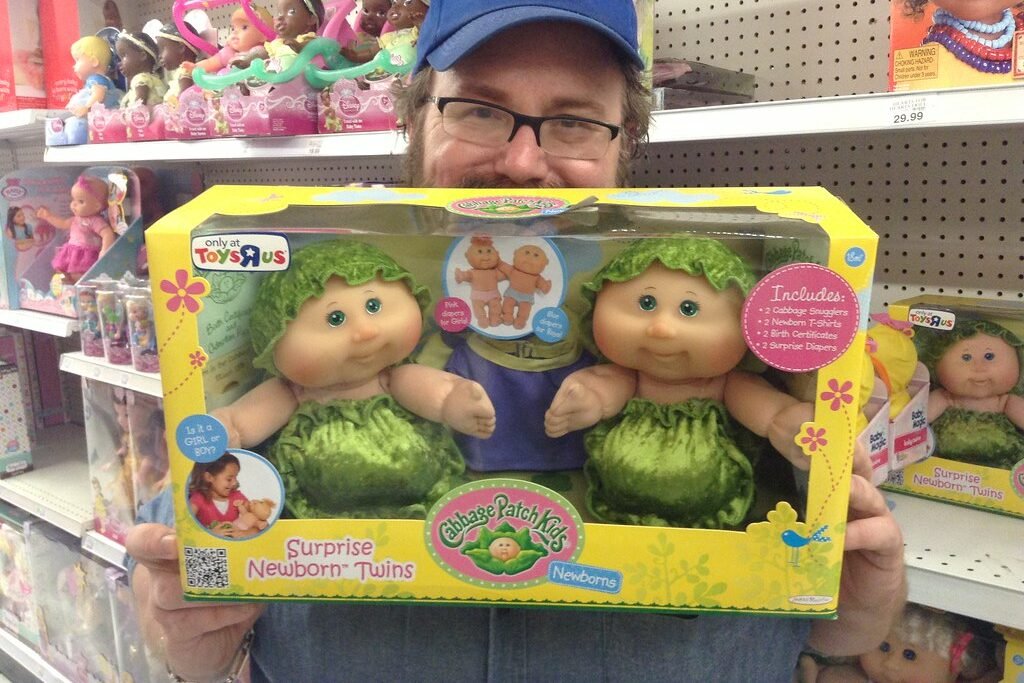
Nothing stirred up playground drama faster than Cabbage Patch Kids. Kids compared adoption certificates like they were rare documents, and getting a doll with a “better” name always sparked envy. Stores kept selling out, which only made the dolls more powerful as status symbols. Bragging rights came with the cutest outfit or the rarest hair color. Some kids even treated the dolls like real babies, which made others feel left out. The arguments could get surprisingly emotional for something so squishy and sweet. The scramble for the newest releases created jealousy everywhere. Even the birthday parties with Cabbage Patch cake toppers added fuel to the fire.
At school, the dolls became unofficial currency. Kids traded accessories and regretted those deals almost instantly. Others showed off customized clothing their parents made, which kicked off debates about what “counted” as official. And whenever a kid’s doll went missing, it became an all hands on deck search mission. Even passing around the doll caused arguments about who held it too long. The dolls may have been adorable, but the rivalries were very real. Childhood drama came with yarn hair and dimples.
3. Transformers
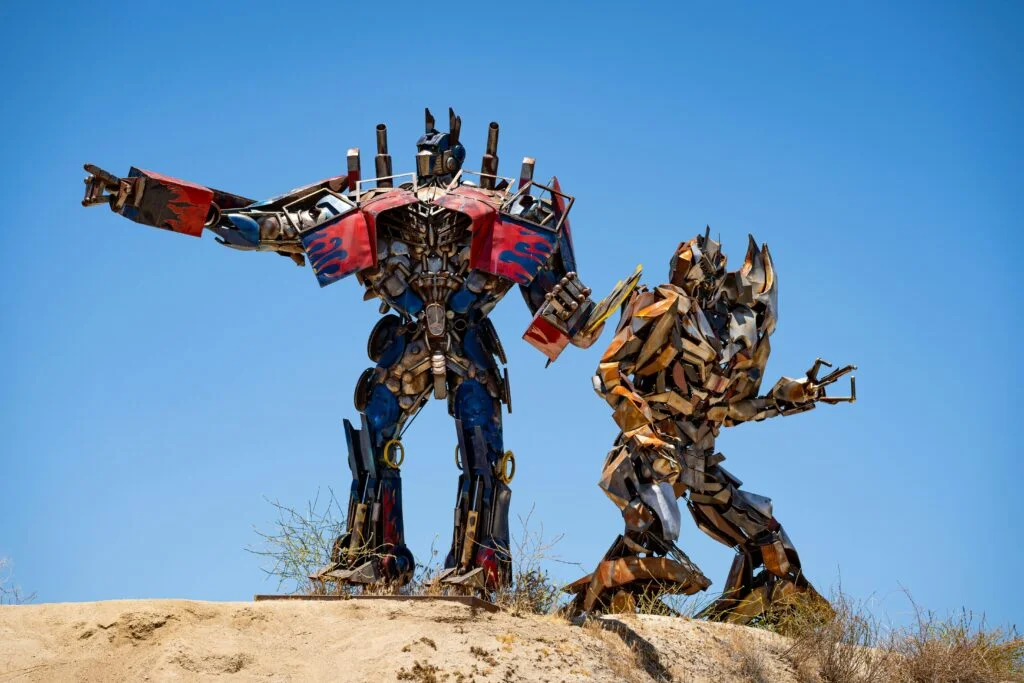
Transformers created nonstop debates about Autobots versus Decepticons. Kids argued passionately over which faction was stronger, as if the fate of the playground depended on it. Whoever could transform their figure the fastest gained instant bragging rights. And if someone brought a rare character, they basically controlled the social scene that day. Accessories were another battleground, especially when someone “lost” a missile. Kids compared collections like they were showing off museum pieces. Missing instructions caused even more accusations. A loose joint could end a friendship for at least a week.
These toys turned every recess into an epic storyline. Kids set up battles, only for someone to declare their robot “invincible,” which immediately started a feud. The trading market was its own battlefield. Kids constantly tried to convince each other that their figure was more valuable than it actually was. Someone always accused another kid of folding a piece the wrong way. The debates got loud, dramatic, and oddly educational. Transformers taught ’80s kids strategy and negotiation, even if it came with yelling.
4. My Little Pony
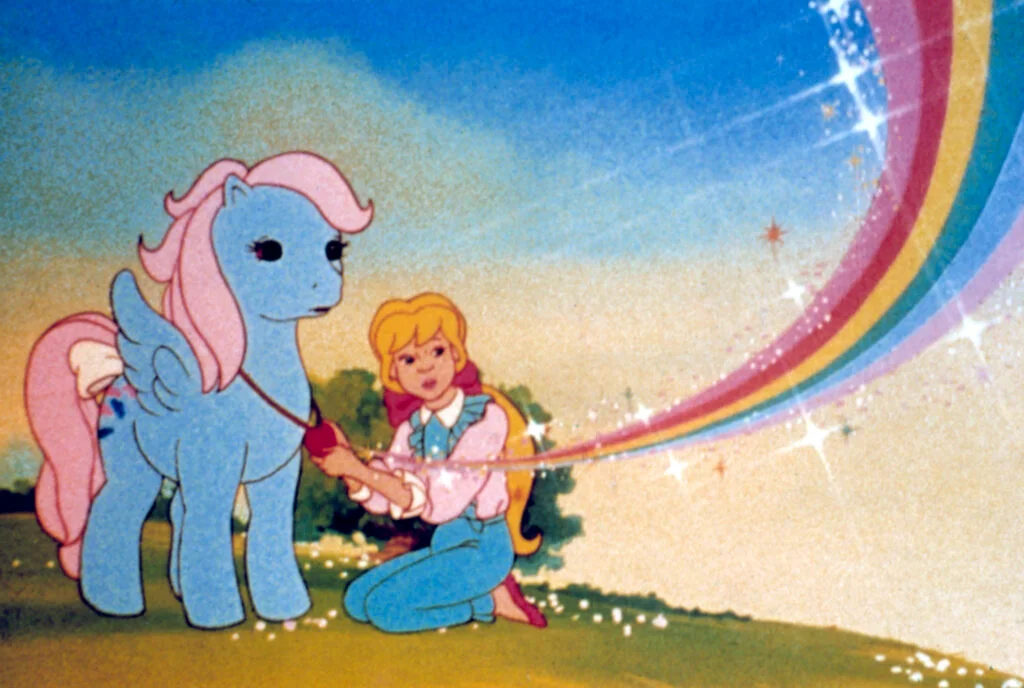
My Little Pony looked gentle and pastel, but the competition around them was intense. Kids compared symbols, colors, and sparkle levels like experts. Someone always had the newest pony, and they showed it off in dramatic fashion. Perfectly brushed manes sparked envy from every direction. Even the carrying cases became a status symbol. Kids debated which pony was truly the best, and the arguments lasted longer than recess. Rare ponies created instant jealousy. The ponies may have been sweet, but the feuds weren’t.
Trading was one of the most dramatic parts. Kids often regretted trades the second they made them. Friends argued about who styled the best braided tail. Accidentally mixing up accessories could start a meltdown. And if a pony went missing, it became a school wide emergency. Kids formed miniature salons and beauty contests that made everything more competitive. Despite the drama, the ponies brought a magical charm to every playground.
5. Garbage Pail Kids Cards
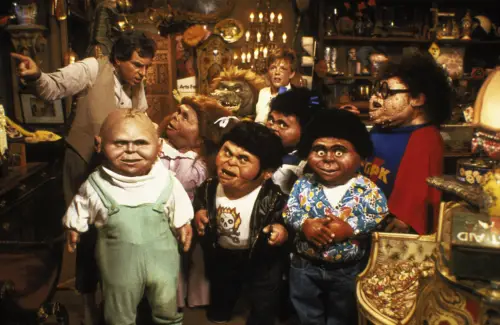
Garbage Pail Kids cards inspired the fiercest trading rivalries of the decade. Kids hoarded the most disgusting or rare characters like gold. Every playground had at least one kid who bragged about their best card nonstop. Trades caused immediate regret and sometimes genuine heartbreak. Someone always insisted they were tricked into a bad deal. Even duplicates became a source of jealousy. Kids argued about which cards were the funniest or the grossest. The condition of a single corner could start a storm.
New series releases brought even more chaos. Kids rushed to compare their stacks the next day. If someone bent a card, even slightly, it could end a friendship. Others accused each other of hiding their best cards before “fair trades.” Siblings borrowing without permission caused drama at home too. The whole card culture was wild, funny, and a little exhausting. But everyone remembers the power these cards held.
6. He-Man Action Figures

He-Man figures stirred up epic debates about who would win in a fight. Kids argued about He-Man’s strength versus Skeletor’s cunning as if it were a real life matter. Bringing Castle Grayskull to school meant instant popularity. Accessories were constantly lost, which sparked endless blame. Kids lined up their figures like an army. Someone always had a new villain others hadn’t even seen yet. Arguments about who got to be which character were endless. The imagination was big, but the tempers were bigger.
Trading caused its own level of chaos. Kids insisted their slightly chewed figure still counted as “mint.” Someone always accused someone else of breaking an arm joint. Play sessions dissolved into arguments over battle rules. The cartoon episodes fueled even more heated debate. Everyone had a favorite that they fiercely defended. He-Man brought power to the playground, just not always the peaceful kind.
7. Rainbow Brite Dolls
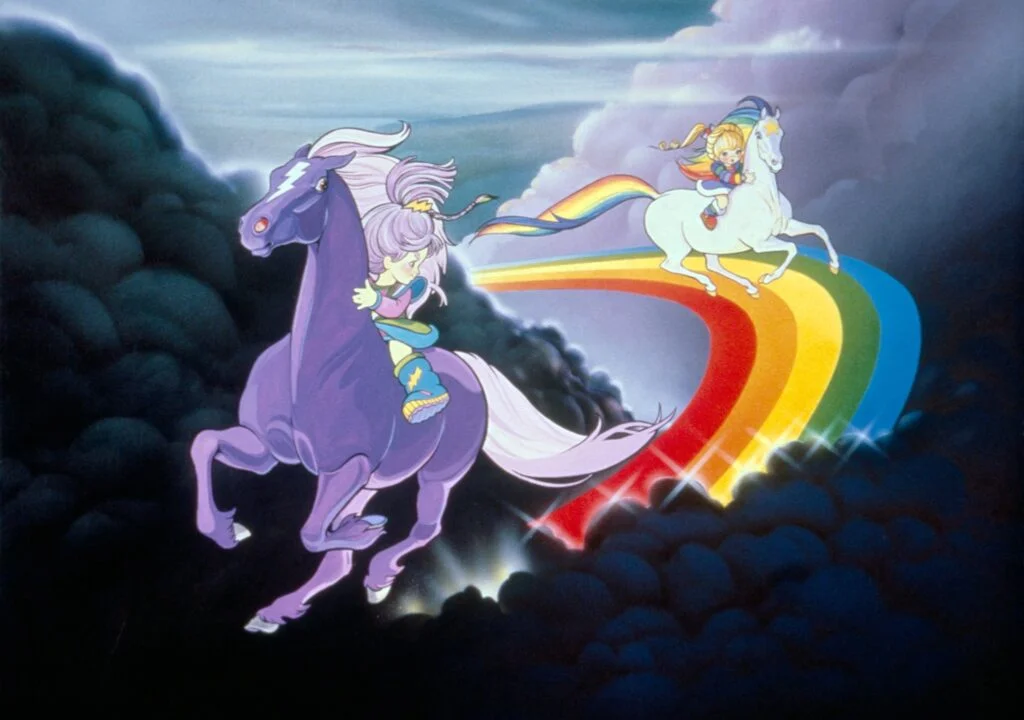
Rainbow Brite dolls were colorful, cheerful, and surprisingly disruptive. Kids raced to collect the full cast of Color Kids. Someone with multiple dolls became the star of recess. Perfectly brushed hair became a serious bragging right. Kids debated who was the prettiest or most important character. Rare accessories caused drama instantly. Even the tiniest scuff led to frustration. The dolls brought joy but also tension.
Borrowing accessories without permission was the biggest source of arguments. Kids backed out of trades so often it became a running joke. Someone always insisted their doll played a more vital role in Rainbow Land. New releases made kids jealous of whoever got one first. Even display poses sparked debates. And of course, everyone had opinions on which color represented their “real personality.” The friendships were real, but so were the feuds.
8. Nintendo Game Boy
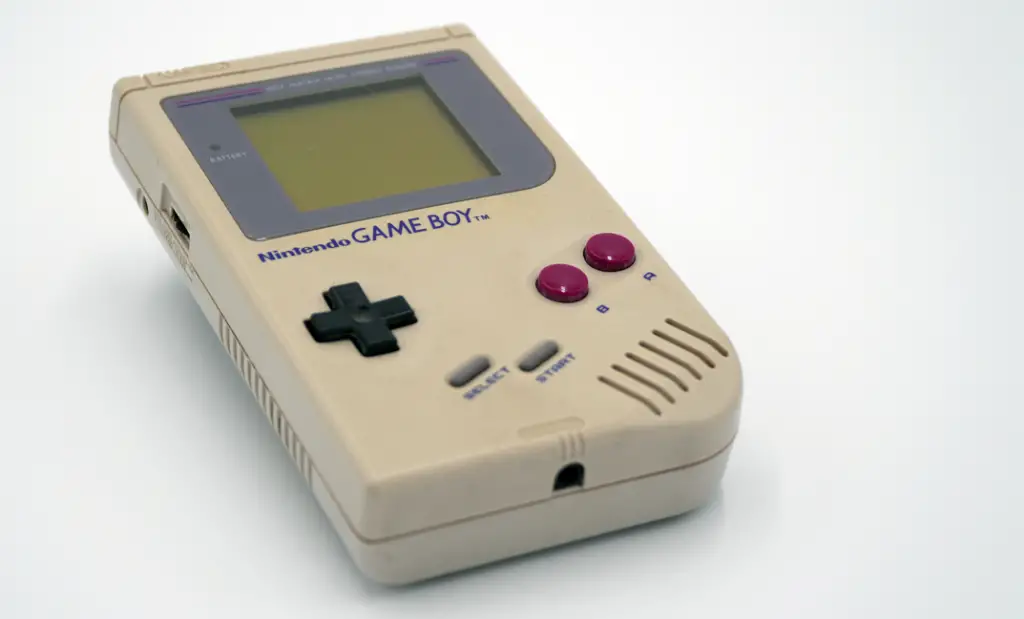
The Game Boy turned recess into a high stakes competition. Kids crowded around whoever had one, and that kind of power sometimes went straight to their heads. Arguments broke out over turns, especially when someone hogged the device. High score bragging was a sport of its own. Bringing a new game cartridge meant instant popularity. Kids compared progress in Super Mario Land like it was a national ranking. If someone beat a level another kid couldn’t, the tension went up. Battery life became a shared crisis.
Borrowing games was a source of constant arguments. Kids denied scratching cartridges even when the evidence said otherwise. Someone always forgot to give a game back. And the owner had to deal with everyone asking for “just one more turn.” Kids argued about cheating, strategy, and whose turn actually came next. The Game Boy created fun, but it also created its share of drama. It was the ultimate ’80s playground power move.
9. Pound Puppies
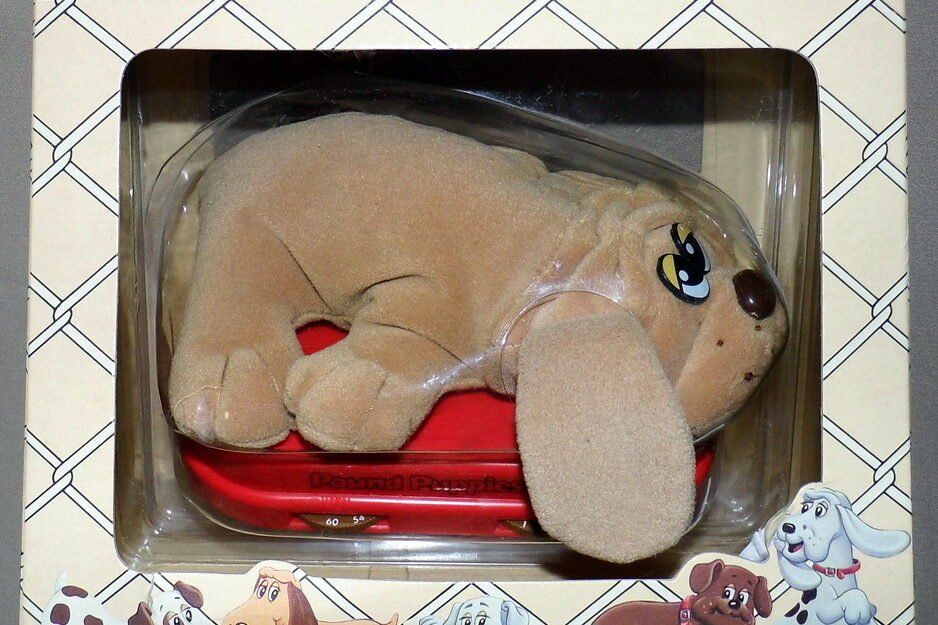
Pound Puppies fooled everyone with their soft, sweet appearance, but they sparked huge debates. Kids compared which puppy they had and insisted theirs was the cutest. Naming the puppies created arguments too. Someone always claimed their dog was a rare one. Kids lined up their puppies for imaginary dog shows. The carrying cases became fashion statements. Jealousy grew with every new release. For a cuddly toy, the drama was surprising.
Accessories created even more conflict. Losing a collar caused instant panic. Kids regretted trades almost immediately. Sometimes puppies got dirty or misshapen, which made kids defensive. Others accused friends of squeezing the stuffed dogs too hard. Someone always had two or three, which stirred resentment. Pound Puppies made recess cozy and competitive at the same time.
10. Glo Worm
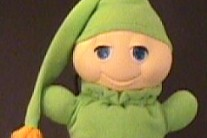
Glo Worms were nighttime comfort toys that somehow caused daytime disagreements. Kids compared which one glowed brightest, and it became an unofficial competition. Someone always claimed theirs was newer or “more official.” Bringing a Glo Worm to school was rare but dramatic. Kids debated which version of the toy was cutest. Accidentally dimming the glow caused accusations. Dirt on the soft body sparked panic. The toy was gentle, but the drama wasn’t.
Arguments continued whenever kids talked about different Glo Worm family members. Rare outfits caused jealousy. Kids refused to let others squeeze their Glo Worm too hard. Siblings borrowing them started at home fights. Even the sound of the gentle glow created playground comparisons. It was a surprisingly tense symbol of comfort. The feuds were small, but memorable.
11. Lite-Brite
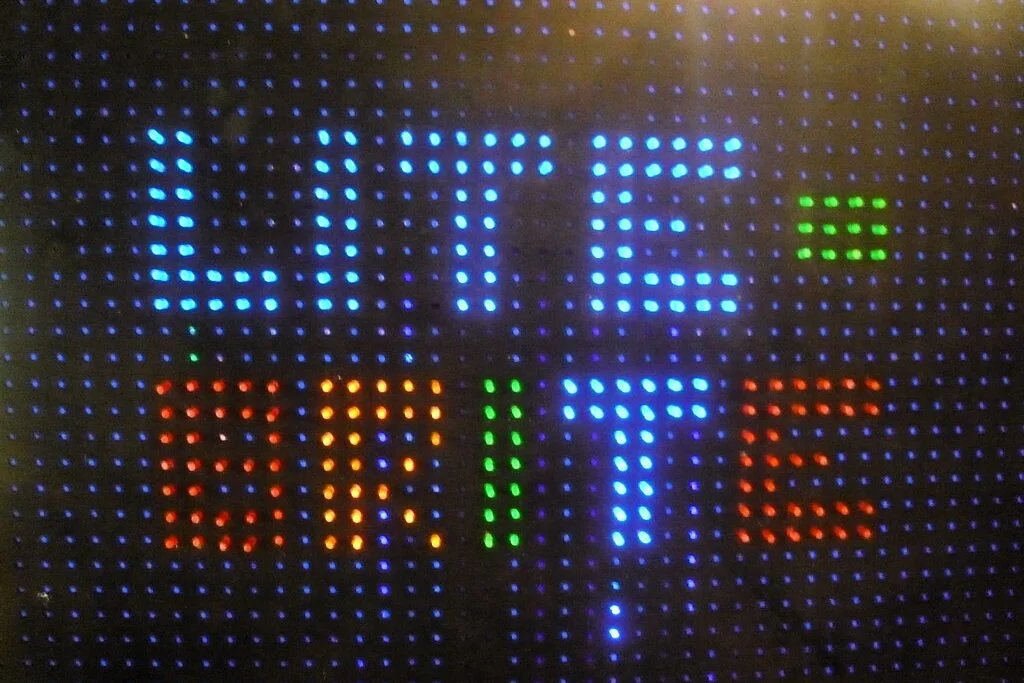
Lite-Brite made kids feel like artists, which naturally led to competition. Kids argued over whose design looked the most “official.” Someone always used too many good pegs. Others created accidental masterpieces that sparked bragging rights. Missing pieces caused immediate finger pointing. Bumping the board was considered a personal attack. Designing in groups never went smoothly. Creativity created conflict more often than not.
At sleepovers and rainy day recess sessions, the toy reached peak drama. Kids insisted their picture deserved the most praise. Others accused them of copying the design sheets. Someone always got stuck cleaning up the spilled pegs. The glow of the finished project made tensions worth it. But the arguments along the way are what people remember best. Lite-Brite made childhood brighter and louder.
12. Teddy Ruxpin
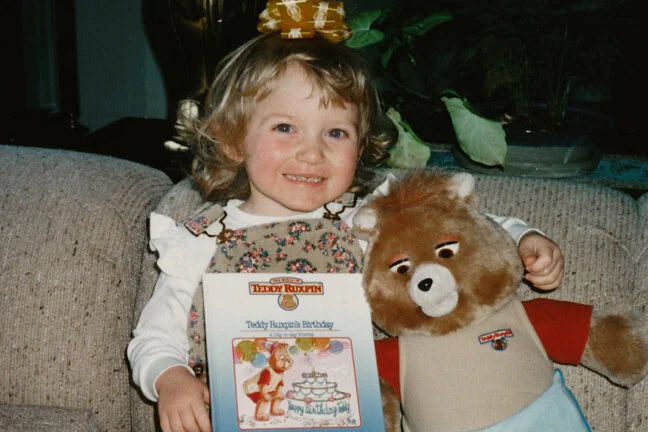
Teddy Ruxpin delighted kids, but he also stirred up playground jealousy. Owning one made you instantly popular. Kids argued over which story cassette to play. Someone always pressed the buttons without permission. When Teddy malfunctioned, everyone blamed each other. His talking sometimes spooked kids, which created more drama. Showing him off became a competitive sport. The bear was magical and slightly chaotic.
Sharing was the biggest problem. Kids wanted to control Teddy, not just watch him. Arguments erupted over whose turn it was to make him talk. Others claimed their Teddy sounded “better,” whatever that meant. When cassettes jammed, friendships shook. Even bringing the bear for show and tell caused side eye. Teddy Ruxpin ruled recess in both good and complicated ways.
13. Skip-It
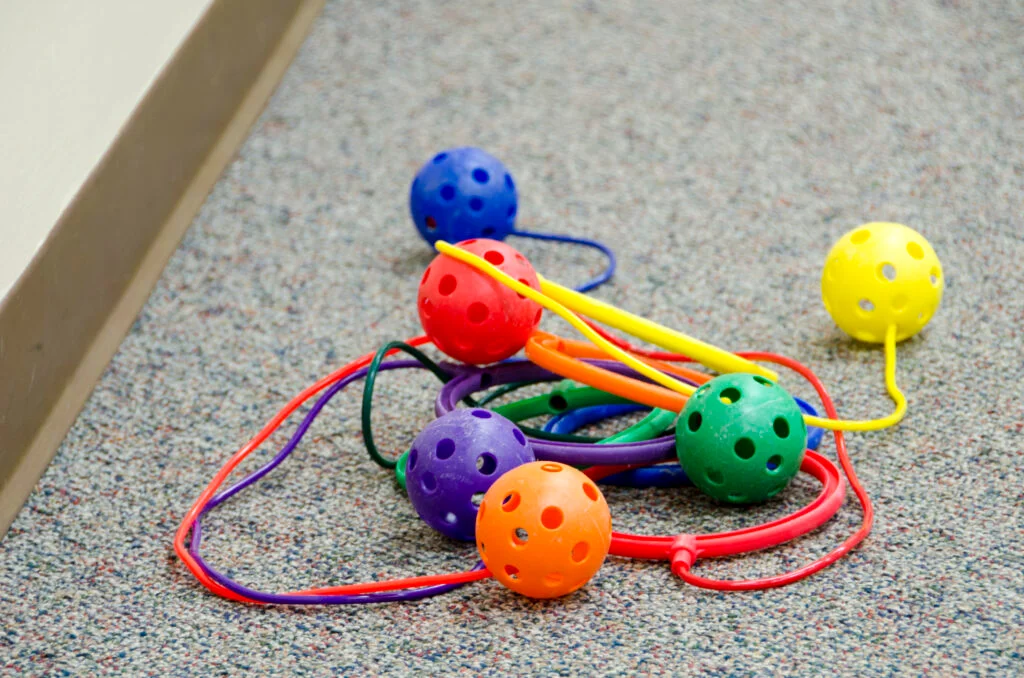
Skip-It turned recess into a nonstop contest. Kids bragged endlessly about their highest skip count. The built in counter was rarely accurate, but no one cared. Kids practiced at home for hours just to show off the next day. Someone always claimed to hold the school record. The neon colors made the toy even more tempting to compare. Falling was embarrassing, but it happened often. And kids never forgot who teased them about it.
Turn taking fueled most of the feuds. Kids argued about who got next or who skipped “too long.” Collisions were common and always someone else’s fault. Practicing tricks caused even more drama. A cracked Skip-It sparked a full blown investigation. The toy was fun, addictive, and ridiculously competitive. And that’s exactly why everyone remembers it.