
1. Tony the Tiger
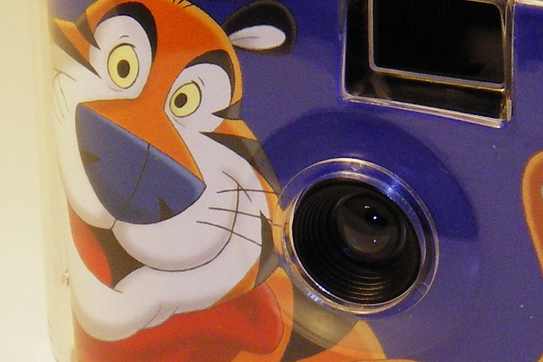
Tony the Tiger felt like a celebrity in his own right, especially when his deep voice boomed from the TV saying that everything was “grrreat.” Kids trusted him immediately, probably because he struck that perfect balance between friendly and strong, like a gym teacher who also lets you skip laps. His stripes were instantly recognizable, and once he flashed that grin, you knew a sugar rush was coming your way. Tony made Frosted Flakes feel like a breakfast you could brag about, even if it was mostly frosting with some flakes attached. For many families, he became part of the morning routine, almost like a cheerful roommate who kept morale high before school.
What really cemented Tony’s legacy in the ’70s was how reassuring he felt. He made cereal feel like a team sport and encouraged kids to believe in themselves with every crunchy spoonful. Even if you didn’t eat Frosted Flakes, you knew Tony, his catchphrase, and his enthusiastic biceps. That kind of recognition doesn’t fade easily, and for many of us, Tony still holds a special spot in our nostalgic commercials hall of fame.
2. Mr. Clean
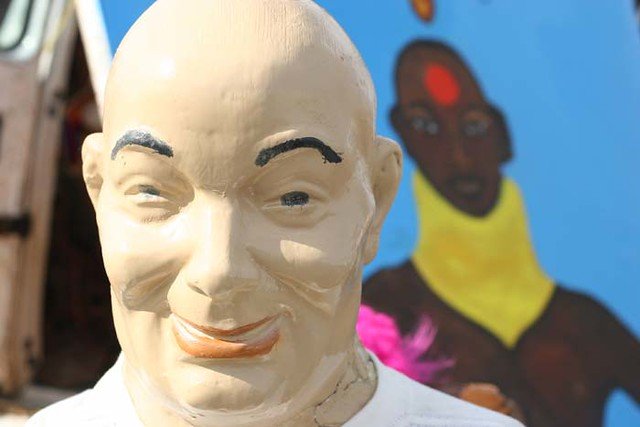
Mr. Clean in the ’70s was as close as advertising came to delivering a superhero for household chores. His bright white T-shirt, bald head, and folded arms made him seem like he had everything under control, even if the rest of us didn’t. There was something almost comforting about how confidently he stood in those commercials, ready to attack soap scum as if it were a supervillain. And whether or not your house actually looked cleaner after using the product, the idea of Mr. Clean made you feel like it could. He was the kind of mascot that made you wish real life came with a magical helper.
But his appeal wasn’t just physical strength, it was the personality he conveyed without saying a word. He had a strange, endearing warmth despite the intimidating posture. His grin suggested he was in on the joke, knowing full well that no cleaning product could completely erase a family’s mess. Still, he gave people hope, and in the ’70s, that was sometimes all you needed to keep scrubbing.
3. The Kool-Aid Man
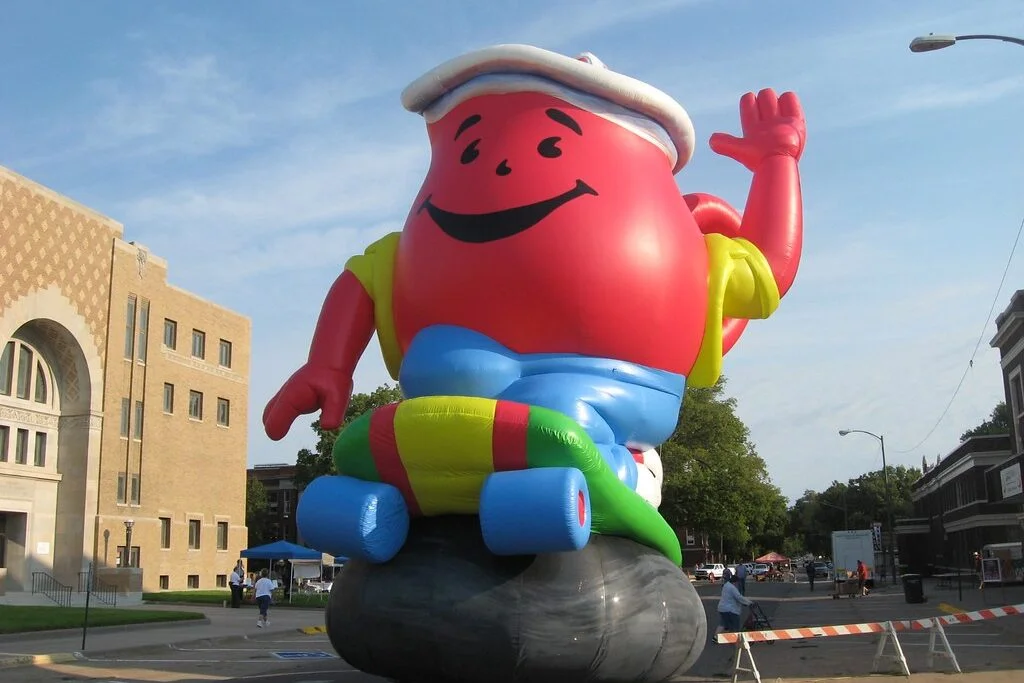
Few mascots were as chaotic and delightful as the Kool-Aid Man bursting through walls like he owned the place. Kids waited for that “Oh yeah” moment like it was the highlight of Saturday mornings. His giant red body and permanent smile made him feel like a friend who arrived uninvited but always brought a good time. If you heard plaster cracking in a commercial, you knew he was about to show up. Parents probably had mixed feelings about him, but kids adored his energy.
In the ’70s, the Kool-Aid Man became a household icon because he represented pure joy. He didn’t knock, he didn’t wait, he just arrived with pitchers of sugary fun. Refrigerators everywhere were stocked with little colored packets thanks to him. And even though none of us ever crashed through a wall to express excitement, the Kool-Aid Man made it seem like a perfectly reasonable reaction.
4. The Pillsbury Doughboy
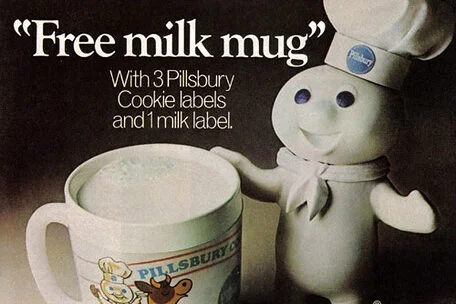
The Pillsbury Doughboy brought a level of cuteness to commercials that very few mascots could match. Every time someone poked his belly and he giggled, families collectively melted. His soft little chef’s hat and warm, friendly face made him feel like a tiny kitchen buddy who approved of every baked good. Hearing his laughter became a comforting signal that something delicious was on the way. He didn’t just advertise products, he added a bit of joy to the process.
During the ’70s, the Doughboy felt like a staple in American kitchens. His commercials had a simple sweetness that reflected the era’s fondness for home baking. You didn’t need to be a chef to feel encouraged by him either. He gave everyone permission to enjoy simple pleasures like warm biscuits and cookies fresh from the oven.
5. The Jolly Green Giant
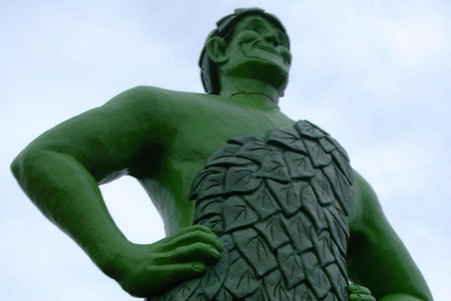
The Jolly Green Giant was towering, friendly, and somehow never intimidating despite being enormous. His booming “Ho ho ho” made vegetable commercials surprisingly memorable. Standing among vast fields of produce, he felt like a guardian of all things green and healthy. Kids may not have rushed toward vegetables the way they did toward cereal, but the Giant made them seem a little more exciting. He had an almost fairy tale presence that stuck in people’s minds.
In the ’70s, he became a trusted face in frozen food aisles. His calm, steady demeanor made it easier for parents to convince kids that vegetables didn’t have to be scary. And there was something comforting about knowing he was always out there somewhere, watching over peas and corn with a gentle giant’s touch. He made eating your greens feel like part of a larger, magical story.
6. Charlie the Tuna
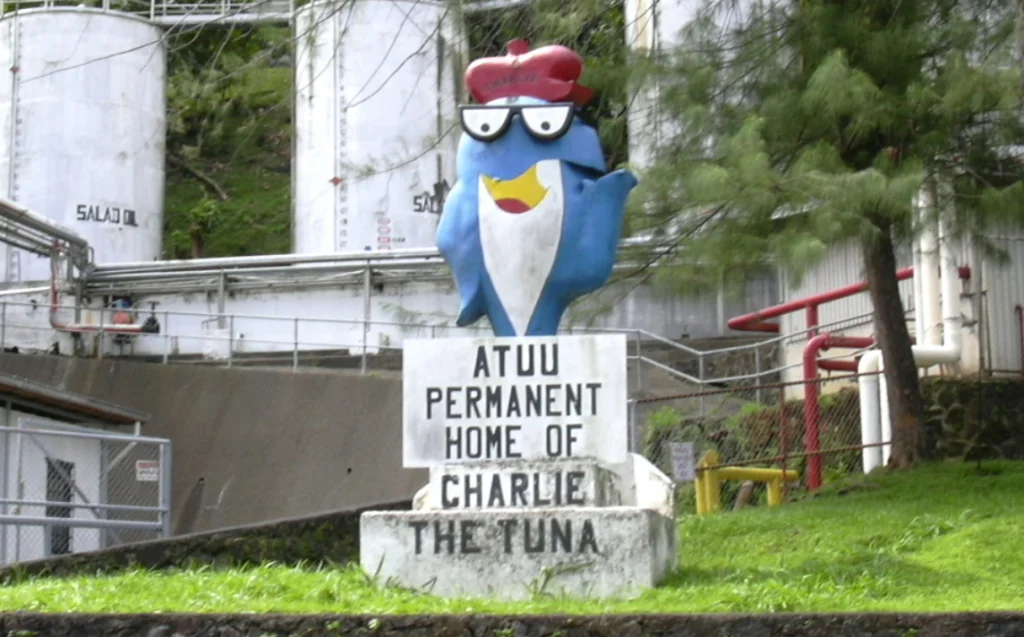
Charlie the Tuna was the only mascot who desperately wanted to be chosen and consistently wasn’t. His whole shtick, thinking he was good enough for StarKist because he had “good taste,” made kids grin even if they didn’t totally understand the joke. Every time he got rejected, it came with a punchline that stuck with viewers. His personality was confident, charming, and just a little bit clueless, which made him lovable. He wasn’t just a fish, he was a character.
What made Charlie memorable in the ’70s was that he genuinely seemed like he meant well. He wanted to impress, he wanted approval, and somehow that gave him more depth than most commercial mascots had. You found yourself rooting for him even as he got passed over. And that catchphrase became iconic, cementing him as one of the quirkiest and most recognizable mascots of the decade.
7. Morris the Cat
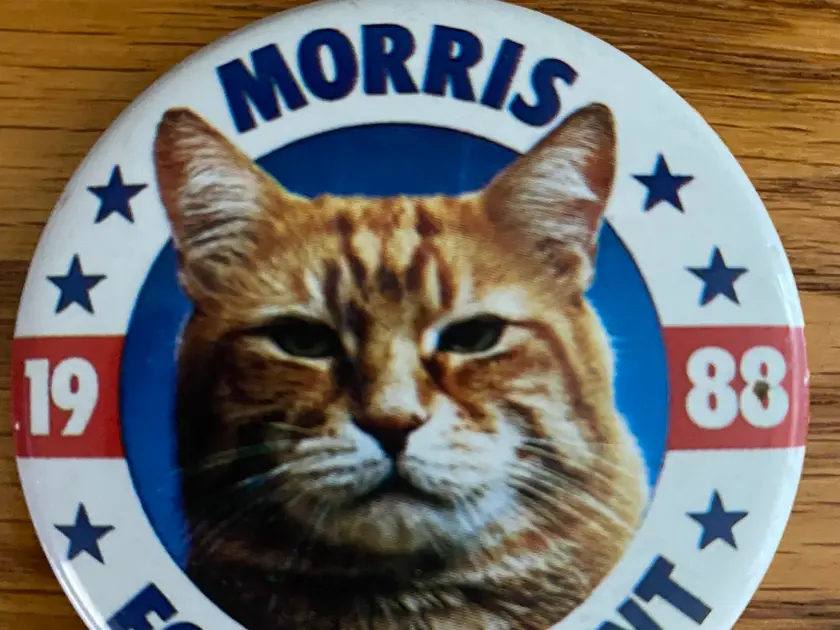
Morris the Cat was famously finicky, and audiences loved him for it. His dry, unimpressed personality made him stand out instantly. Most mascots were cheerful and energetic, but Morris leaned into sarcasm. He made picky eating seem almost sophisticated. His commercials for 9Lives cat food gave pets a sense of personality long before social media turned animals into celebrities.
In the ’70s, Morris became a celebrity in his own right. His confident attitude made even non-cat owners smile. He brought a kind of humor that adults appreciated, giving the commercials a clever edge. And because he carried himself like he knew he was the star of the show, he became unforgettable.
8. Quisp and Quake
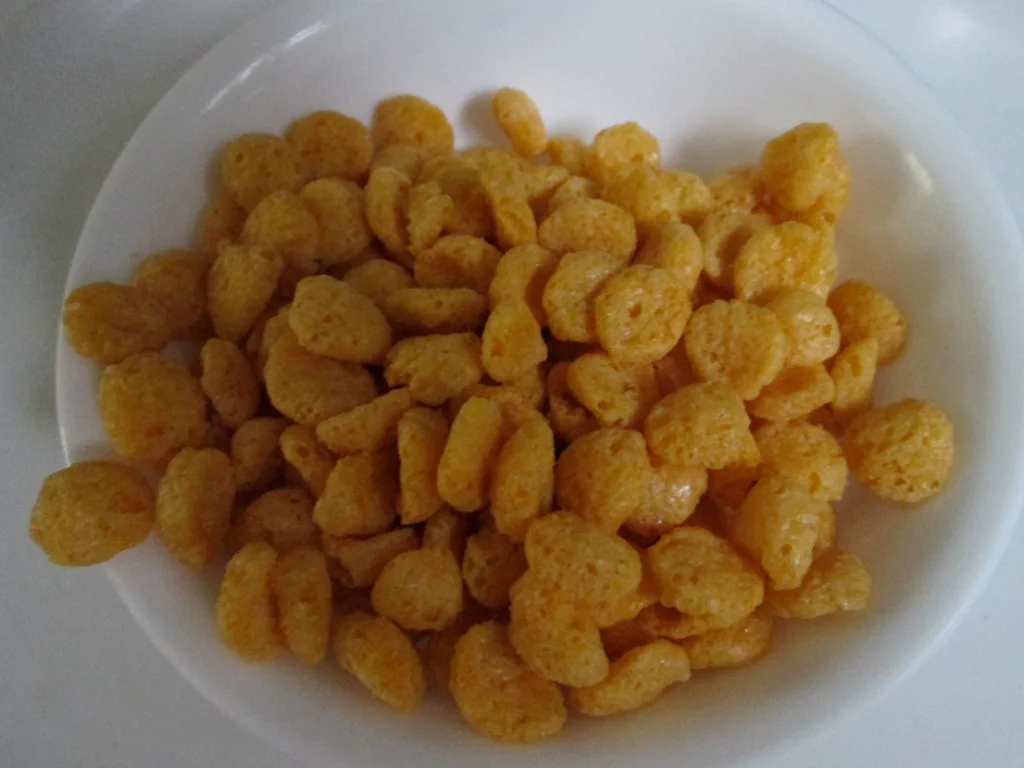
Quisp and Quake were two cereal mascots who brought a playful rivalry to Saturday mornings. Quisp, the little alien with a propeller on his head, always seemed a bit more mischievous. Quake, the burly miner, was his sturdy, good-natured counterpart. Kids loved choosing sides, and the commercials leaned into the friendly competition. It felt like picking a favorite superhero duo, only with sugary cereal as the prize.
Their presence in the ’70s made breakfast feel like an adventure. Even if you didn’t eat their cereals regularly, you remembered the dynamic between them. They added personality and humor to the cereal aisle during a decade that already had its share of colorful characters. And the fact that kids debated which mascot was better only made their legacy stronger.
9. Little Debbie
Little Debbie wasn’t animated or cartoonish, but she was instantly recognizable. Her wholesome image on the snack cake boxes made her feel like a friend who always showed up with dessert. The commercials of the ’70s emphasized that hometown charm, making families feel like they were getting treats from someone they trusted. Her wide-brimmed hat and gentle smile became symbols of sweetness, both literally and figuratively.
Her recognizability came from consistency. Little Debbie treats were everywhere, and her face was always right there on the box. The ’70s were all about convenience foods, and she felt like a comforting part of that shift. She gave snack time a nostalgic warmth that still lingers today.
10. Mr. Peanut

Mr. Peanut was a classy character, complete with a top hat, monocle, and cane. He looked like he could have walked straight out of a ’20s cartoon, yet he felt perfectly suited for ’70s commercials. His elegance made peanuts seem like a sophisticated snack choice. And while he rarely spoke, he carried himself with charm and wit. Kids may not have fully grasped his fancy persona, but they remembered him.
In the ’70s, Mr. Peanut’s image was already iconic. His commercials kept that legacy alive by presenting him as timeless and reliable. He brought a dash of formality to casual snacking, which only made him more fun. And even today, his silhouette remains one of the most recognizable in advertising history.
11. The Frito Bandito
The Frito Bandito was a mascot many people remember from the ’70s even though he was phased out due to controversy. With his mischievous grin and enthusiastic love of corn chips, he made an impression quickly. Kids caught onto his catchy jingle, and his animated personality was easy to recognize. Whether you liked him or not, he stood out. His presence in commercials was lively and memorable.
Despite eventually being retired, he left a strong mark on ’70s advertising. People still recall his look, his song, and the way his commercials felt larger than life. He’s one of those mascots that instantly takes you back to a different era of television. And though he didn’t stick around, his imprint on ’70s pop culture is undeniable.
12. The Dunkin’ Donuts “Time to Make the Donuts” Baker
Fred the Baker wasn’t animated or flashy, but he became a beloved fixture in ’70s advertising. His tired but committed catchphrase, “Time to make the donuts,” resonated with anyone who’d ever had an early morning. He represented dedication in a simple, relatable way, showing up day after day to do the job. His commercials had a cozy, almost homespun feel.
Fred’s popularity came from how real he felt. He wasn’t superhuman, he wasn’t larger than life, he was just someone doing their best. And because he seemed so familiar, people connected with him instantly. His presence made Dunkin’ Donuts feel like part of everyday life, which is why so many still remember him fondly.