
1. “The Bicycle Man” from Diff’rent Strokes (1983)
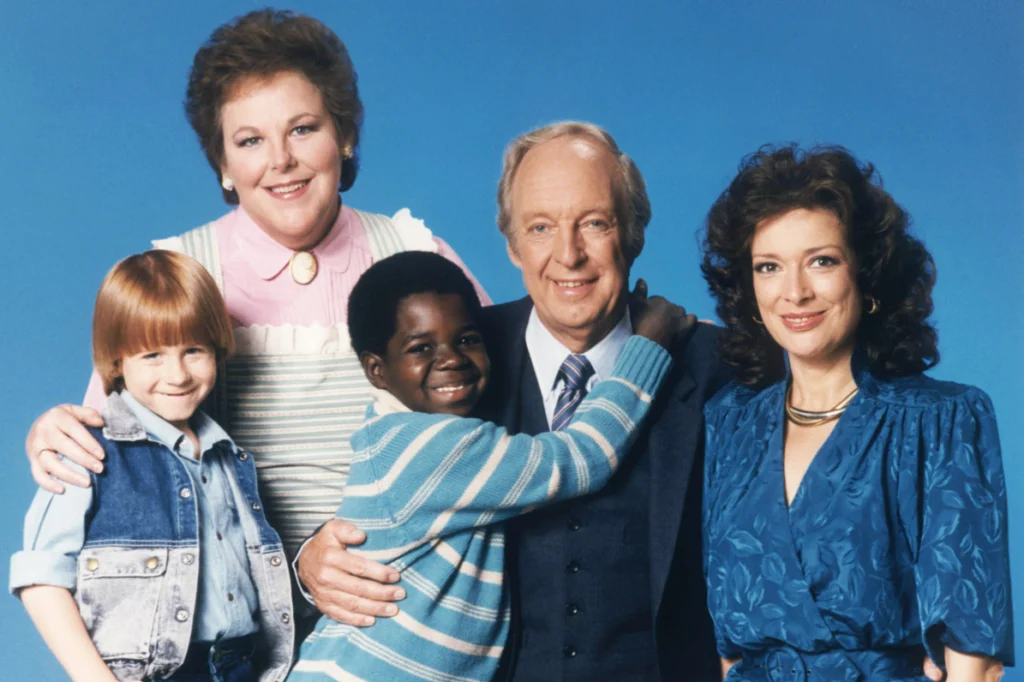
This was one of those episodes that parents whispered about long after it aired. When Arnold and Dudley were groomed by a seemingly friendly bike-shop owner, it shocked viewers who were used to the show’s lighthearted tone. The storyline felt unusually real, especially for a sitcom that usually wrapped things up neatly in thirty minutes. Parents watched closely, worried but appreciative that the show dared to address a tough topic. It was one of those rare moments when primetime television tried to teach families something important. The episode wasn’t sensational, it was direct and unsettling. It opened up living room conversations that probably wouldn’t have happened otherwise. And for many kids, it was the first time they learned that not every adult could be trusted.
The impact lingered well past its original airdate. Many schools and parenting groups referenced the episode when talking about safety, proof that the writers struck a nerve. It also set the tone for future “very special episodes” in the decade. Parents saw it as a necessary wake up call, even if they wished the lesson had come from something less painful. The fact that such a popular show took this route made it impossible to ignore. Kids were confused, but parents leaned into that discomfort to talk openly. Years later, it’s still remembered for how bold it was. The episode became a reminder that sitcoms could influence real life, not just entertain.
2. “Jessie’s Song” from Saved by the Bell (1990 episode but filmed in ’89)

Technically airing in 1990 but produced in the late ‘80s, this one became an instant cultural reference. Jessie’s caffeine pill meltdown was both dramatic and strangely relatable to parents who lived through the rise of teen pressure culture. The now iconic “I’m so excited” scene became an ‘80s touchstone all on its own. For families, it opened discussions about stress more than substance abuse. Jessie’s perfectionism felt familiar in households where good grades suddenly mattered more than ever. Zack’s helplessness also hit home for siblings who watched their overachiever sisters run themselves ragged. It felt like the writers were trying to speak directly to parents, even if the message came wrapped in Saturday morning gloss. And it gave everyone a phrase they’d never forget.
When parents talked about this episode, it wasn’t only because of the pills. It was about burnout, expectations and the fear that kids were pushing themselves too hard. This was the era of SAT prep classes and after school overload, so the timing could not have been better. Suddenly families were having conversations around the dinner table about balance. The episode softened the message with humor, but the anxiety underneath was real. It showed that even the “good kids” could crack under pressure. For a light teen sitcom, it carried surprising emotional weight. Parents remembered it as the moment when the show stopped being just fluff and tried to say something meaningful.
3. “The Boy Who Could Fly” episode of Family Ties (1986)
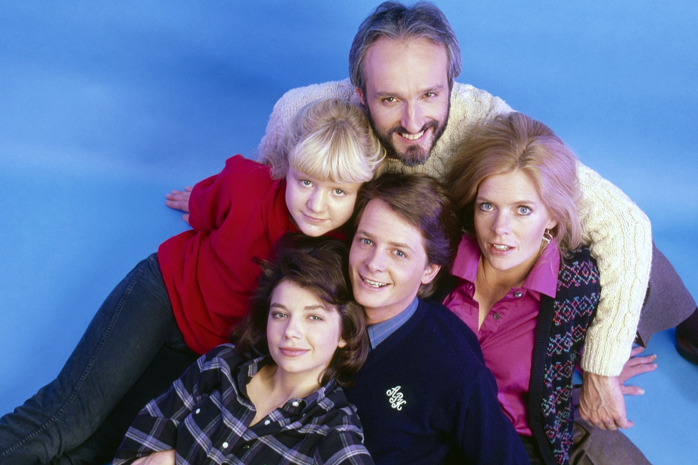
This was the episode where Alex P. Keaton met a teenage friend who seemed a little too imaginative, and it turned into something far more emotional. Parents connected with the storyline because it dealt with grief in a way kids could understand. The boy believed he could fly as a way to cope with losing his mother, and that kind of magical thinking was something adults recognized in children facing trauma. It was heartbreaking without being heavy handed. Michael J. Fox’s performance brought warmth, helping families talk about sadness without fear. The episode’s quiet tone made it even more impactful. It was one of those surprising ‘80s sitcom moments that stayed with people long after.
Parents especially appreciated how gently the show treated the topic of loss. It didn’t rush toward a tidy resolution, which made it feel honest. Kids watching at home could sense the empathy in every scene. The writers trusted viewers to handle complicated feelings, and that trust mattered. Many families found themselves talking about their own experiences with grief afterward. The episode became a subtle bridge into conversations no one quite knew how to start. Even today, fans recall the emotional punch it carried. It proved that even a comedy-centered series could offer moments of deep human insight.
4. “J.T.” from Highway to Heaven (1984)
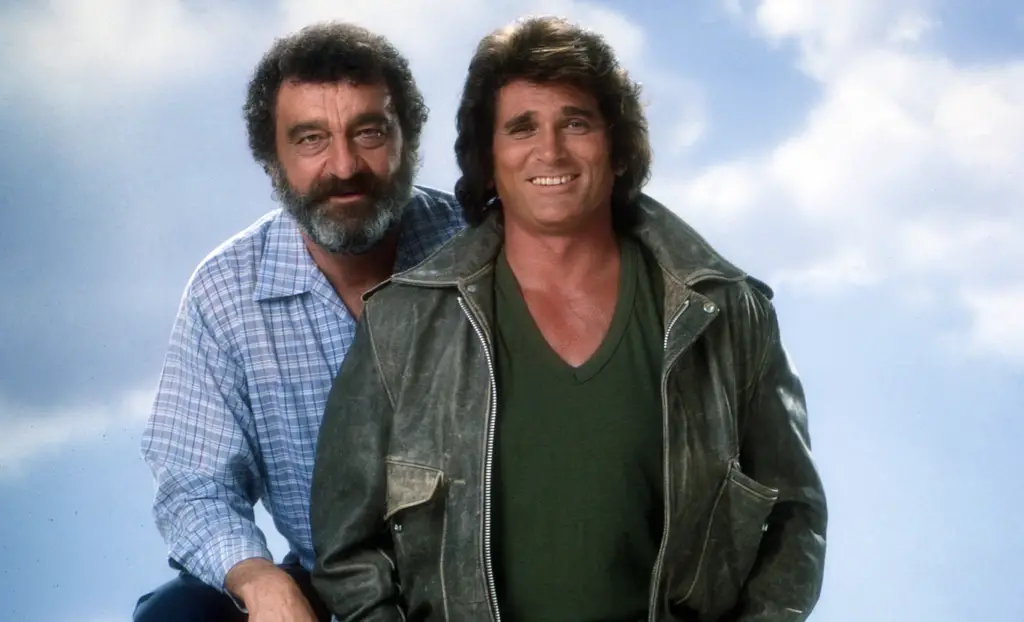
This episode left parents reaching for tissues because it focused on a young teen battling terminal leukemia. The series was known for heartfelt stories, but this one hit especially hard. J.T.’s bravery in the face of something so overwhelming touched families who had faced illness themselves. The gentle guidance from Michael Landon’s character helped soften the heartbreak. Parents felt the weight of the situation because it could happen to anyone, and that universality made it impossible to ignore. The episode wasn’t just sad, it was humane. It encouraged viewers to look for small moments of hope even when life felt unfair. That message carried through households across America.
After airing, families found themselves more open about illness, loss and what it means to live fully. Parents used J.T.’s story to talk to their kids about compassion. Although the episode dealt with something devastating, it never lost sight of grace. It gave families permission to acknowledge their fears rather than hide them. People still remember how respectfully the show approached childhood illness. It became one of the series’ most talked about installments because of its emotional honesty. The episode proved that primetime television could offer comfort in unexpected ways. And for many, it became one of those stories they never forgot.
5. “The Very Special Episode” from Punky Brewster (1985, “Cherie Lifesaver”)
This is the one where Cherie gets trapped inside an old refrigerator, and it immediately sparked nationwide discussions. Parents remembered hearing about real accidents like this, so the episode felt rooted in genuine fear. Punky’s panic as she searched for her friend made the danger feel real. For many families, it was the first time they talked about appliance safety. It was dramatic but grounded, something that felt possible in any neighborhood. Parents were grateful, even as the scene made them uneasy. The lesson was clear without being preachy. And it stuck with kids for years afterward.
The episode’s legacy lasted long beyond the ‘80s because it genuinely saved lives. Fire departments even cited it when teaching safety protocols. Parents appreciated that a show aimed at children took such care in presenting the warning. It turned what could have been a scary tale into a teachable moment. Kids may have watched Punky for the fun, but episodes like this showed that the writers cared deeply about their audience. Families still talk about how intense it felt at the time. It became one of the defining “special episodes” of the decade. And it earned its reputation for good reason.
6. “Fearless” from The Cosby Show (1987)

This was the episode where Rudy wanted to take part in a more grown up activity and Clair stepped in with gentle but firm guidance. Parents related to the tug of war between independence and safety. The writing captured that delicate balance in families where kids were beginning to test boundaries. Rudy’s determination made the story charming rather than troubling. Parents saw their own children in her confidence. It offered a simple message about courage and caution living side by side. It also showed how supportive communication could ease conflict. The episode felt light, yet it resonated in households everywhere.
Discussions after this episode tended to revolve around parenting styles. Clair’s approach became something of a model for many viewers who admired her calm tone. Parents talked about how the Huxtable family seemed to handle disagreements with respect. Kids learned that wanting to grow up quickly was normal, but so was hearing “not yet.” It provided a gentle reminder that childhood didn’t need to be rushed. Families appreciated the balance of humor and heart. And the episode cemented the show’s reputation for teaching lessons without feeling heavy handed.
7. “The Accident” from The Golden Girls (1986)
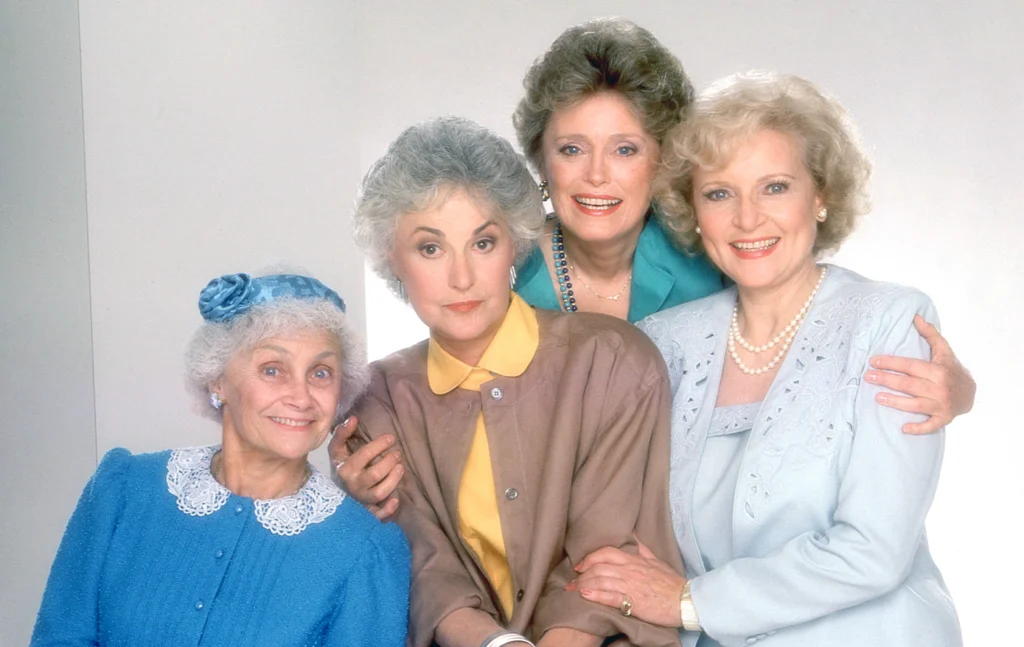
In this emotional episode, Rose finds herself overwhelmed by fear after a minor car accident. Parents recognized the anxiety that lingered after frightening events, even small ones. The episode touched on how trauma can affect behavior in unexpected ways. Rose’s vulnerability brought a realness to her usually sunny character. Families appreciated how seriously the show treated her feelings. Dorothy and Blanche’s support demonstrated what true friendship looks like. It became a reminder that healing takes time. And that vulnerability is nothing to be ashamed of.
Parents talked about this episode because it sparked conversations about mental health, something not always addressed openly in the ‘80s. Rose’s panic felt relatable, especially for viewers who had been through their own scares. The show never mocked her fear, which meant a lot to audiences. Instead, it offered compassion and patience. Parents used this as a chance to acknowledge their own anxieties to their kids. It also highlighted the power of a strong support system. And for many families, it became a quiet, comforting portrait of emotional recovery.
8. “Home” from Little House: A New Beginning (1983)
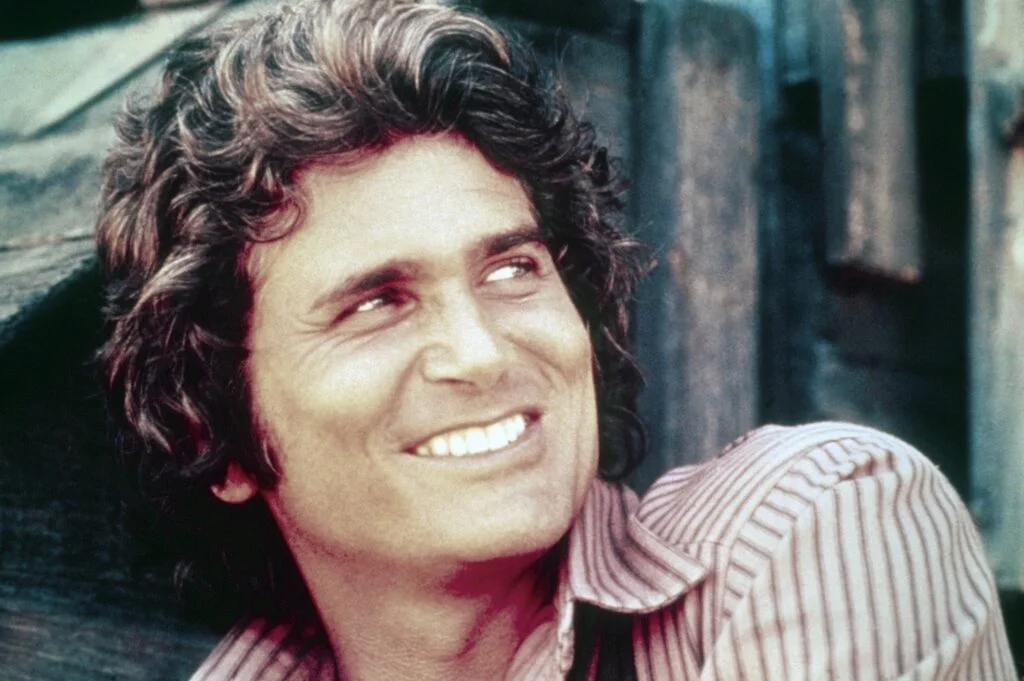
This episode followed Laura as she dealt with serious marital tension with Almanzo, something that surprised parents who were used to calmer storylines. It showcased how even loving marriages go through difficult periods. Parents related to the stress, frustration and exhaustion that built up in the plot. It felt honest in a decade when sitcom marriages rarely showed cracks. The emotional strain between Laura and Almanzo hit a nerve. Their attempts to reconnect mirrored real family struggles. And it reminded viewers that relationships take work. It was a mature moment for a show many associated with childhood innocence.
After the episode aired, parents discussed how refreshing it was to see a realistic portrayal of marital issues. Couples recognized themselves in Laura and Almanzo’s communication attempts. Families who watched together learned that problems don’t magically resolve, they require effort. This story helped normalize imperfect marriages on television. It also deepened the show’s appeal for adult viewers. Conversations lingered about emotional labor and mutual support. And it became a standout for its sincerity and depth.
9. “The Threat” from Miami Vice (1984)
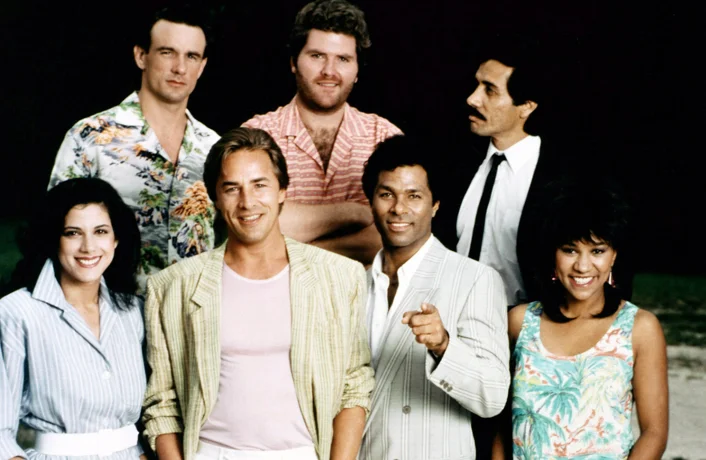
This intense episode dealt with Crockett and Tubbs trying to protect a witness from a dangerous drug lord. Parents were drawn to the heightened tension because it felt more realistic than the show’s usual stylized action. The stakes felt higher than normal, showing the darker side of law enforcement work. The emotional strain on the characters gave the episode unexpected weight. Parents appreciated the deeper look at the human cost behind crime fighting. It prompted conversations about safety, danger and the risks officers face. The storyline reflected rising concerns about drug crime in the ‘80s. And it kept families glued to the screen.
Many households continued talking about the episode long after it ended. Parents used it to discuss drug culture and violence with teenagers. The gritty tone felt appropriate for the time period, when news headlines often mirrored the show’s plot. It reminded viewers that crime dramas weren’t just escapism, they sometimes reflected reality. The episode’s pacing made it unforgettable. And it reinforced the show’s reputation for blending style with substance. Parents respected its willingness to depict real consequences.
10. “A, My Name Is Alex” from Family Ties (1987)
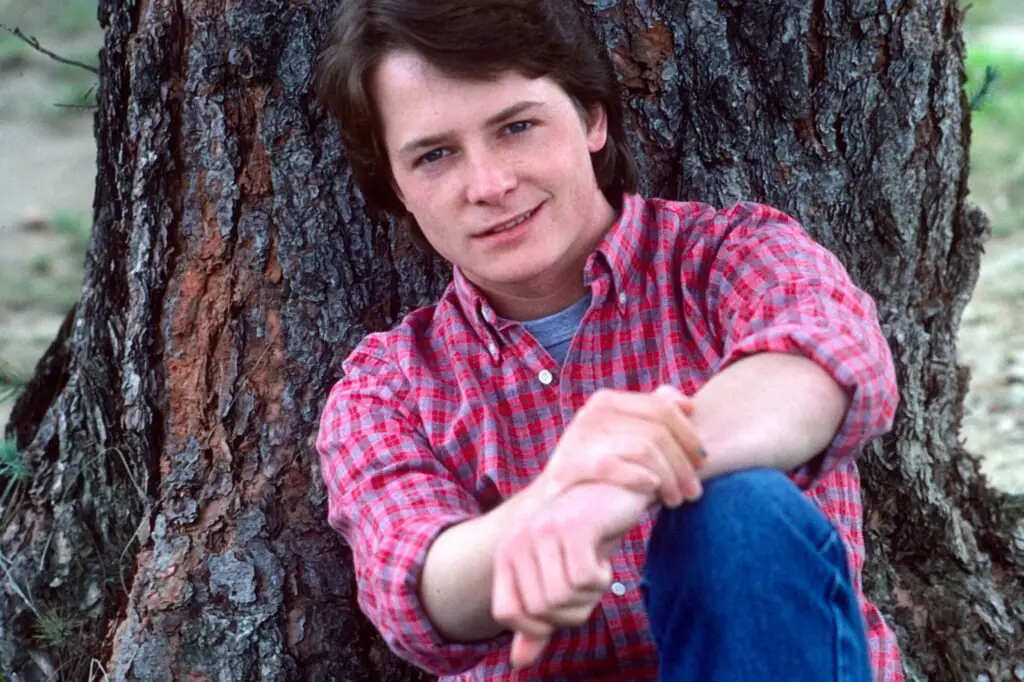
This two part emotional story followed Alex as he grieved the sudden death of his friend. Parents saw their own fears reflected in his struggle to make sense of it all. Michael J. Fox delivered one of the most powerful performances of his career. The episode’s unique structure, with Alex speaking to a therapist in a white void, felt almost theatrical. Families appreciated the raw honesty in his dialogue. It was rare to see a sitcom dive so deeply into existential questions. The themes of blame, guilt and healing resonated widely. And it opened a path for parents to talk with their kids about loss.
The episode was widely discussed because it took such a bold departure from typical sitcom formats. Parents admired the show for challenging its audience. Kids watched Alex’s emotional breakdown and realized that grief isn’t simple or linear. The conversations that followed helped families share their own experiences. It became one of the most acclaimed episodes of the decade. Critics praised its courage and depth. And parents remembered it as television at its most thoughtful.
11. “The Burnout” from The Facts of Life (1982)
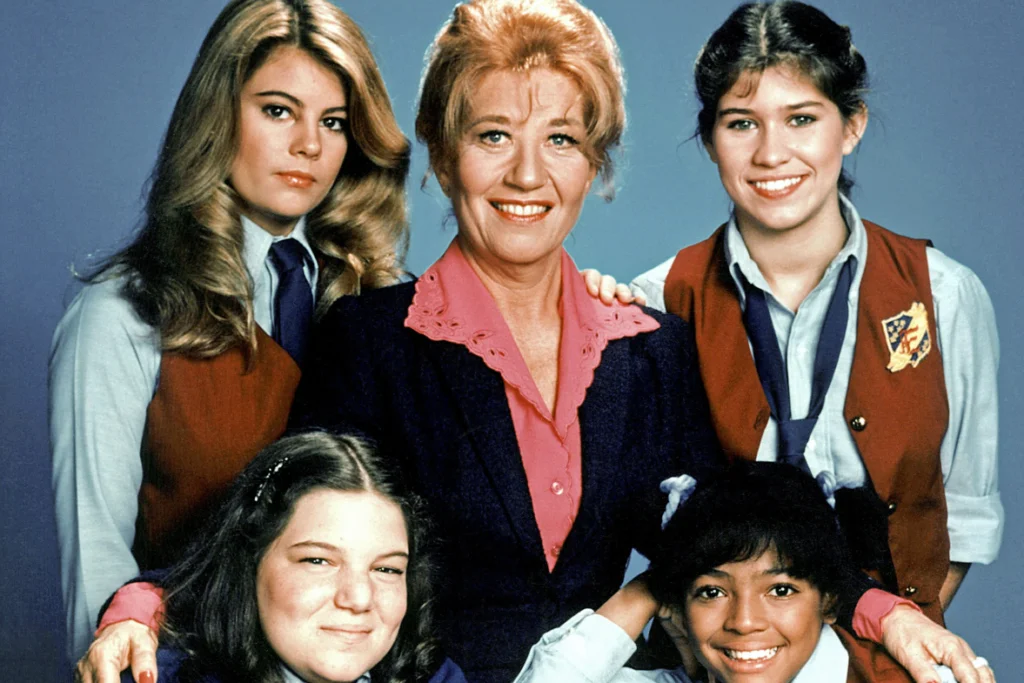
This is the episode where Blair discovers that one of her classmates is secretly addicted to drugs. Parents found the storyline alarming because it hit so close to home for families navigating teen pressures. Blair’s disbelief mirrored what many parents felt at the time. The episode didn’t sugarcoat the consequences of drug use. Instead, it focused on the emotional fallout and the fear of losing control. Kids felt uncomfortable watching it, but that discomfort mattered. It helped spark honest conversations between parents and teens. The writers clearly wanted this to be more than just entertainment.
Parents appreciated that the episode showed how addiction can affect anyone, even “good” students. It challenged stereotypes and encouraged empathy. The moment Blair realized she couldn’t fix everything on her own felt particularly powerful. Families talked about responsibility, support and where to turn for help. It was one of those episodes that stuck with people long after the credits rolled. And it solidified the show’s commitment to addressing serious issues. Parents still recall its impact when discussing memorable ‘80s television.
12. “Do You Know Where Your Parents Are?” from Growing Pains (1987)
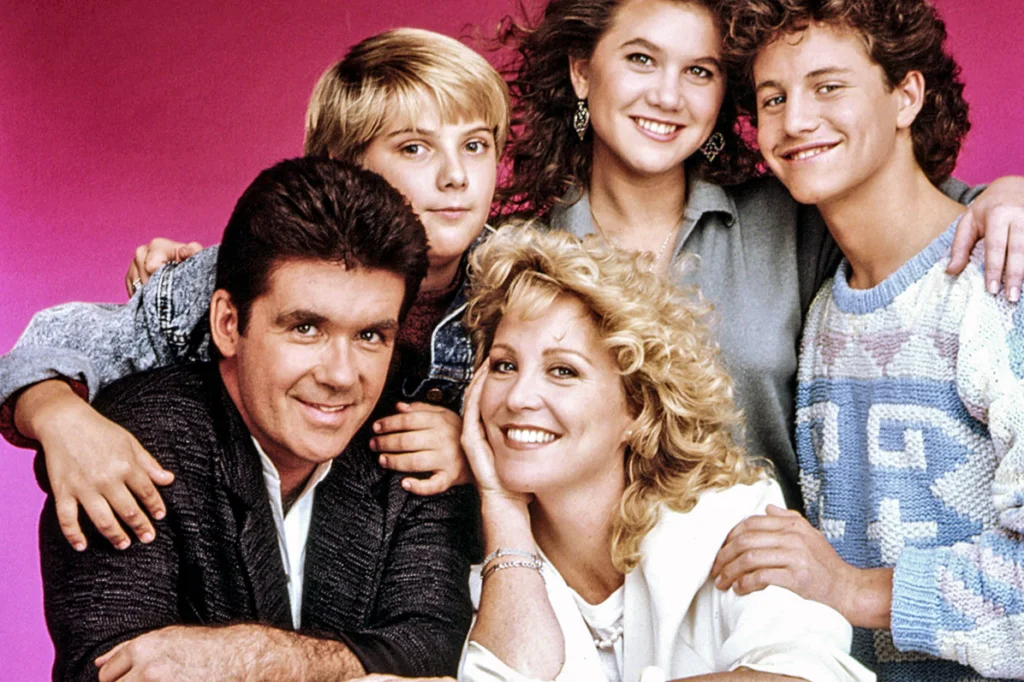
This episode flipped the typical sitcom script by focusing on the parents acting irresponsibly while the kids tried to keep things together. It sparked a lot of laughter, but it also made families think. The storyline centered on Maggie and Jason missing curfew after a night out. Their kids reacted exactly the way parents usually do, which made the reversal hysterical. Parents saw a bit of themselves in the situation. And kids found it refreshing to see their frustrations reflected on screen. It turned everyday family dynamics into something worth talking about. And it stayed surprisingly relatable across generations.
After it aired, families joked about grounding their parents, but it also opened space for conversations about responsibility. Parents admitted that even adults make mistakes. Kids appreciated the empathy coming from the episode. It helped level the emotional playing field in households. The episode showed that humility goes a long way in family relationships. Conversations were lighter than with other “special episodes,” but just as meaningful. And it became one of the show’s most memorable comedic twists.
13. “The Sweet Sixteen” from Who’s the Boss? (1985)
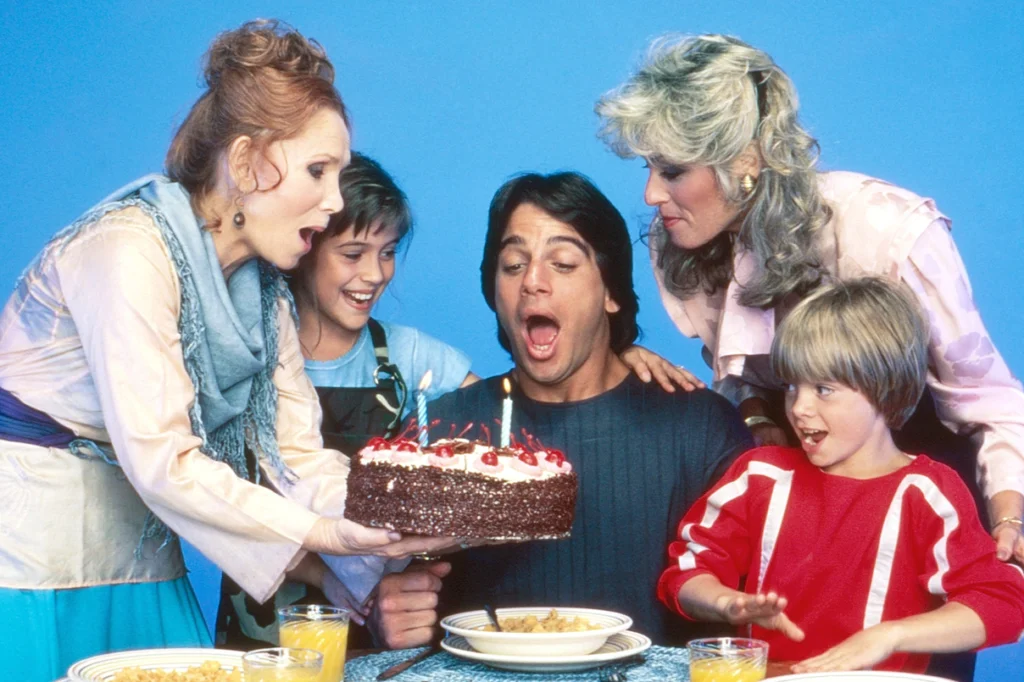
This is the episode where Samantha turns sixteen and Angela panics about how quickly she’s growing up. Parents connected instantly with her worry. The episode balanced humor with heartfelt emotion as Angela struggled to accept that Sam wasn’t a little girl anymore. The milestone birthday made many families reflect on their own kids’ big changes. Tony’s supportive approach softened the tension and added warmth. Parents felt seen in the push and pull of letting go. It captured a universal moment that almost every household experiences. And it gave families a gentle reminder to appreciate each stage before it disappears.
Conversations after this episode often centered on how fast childhood goes. Parents felt emotional watching Angela navigate her fears. Kids, meanwhile, related to Sam’s desire for independence. The episode offered a thoughtful look at growing pains on both sides. It became a favorite because it blended sincerity with humor. Families talked about setting boundaries, trusting teens and cherishing memories. It left parents feeling nostalgic and kids feeling understood. And it secured its place as one of the show’s standout episodes.