1. The Shower Scene in Psycho
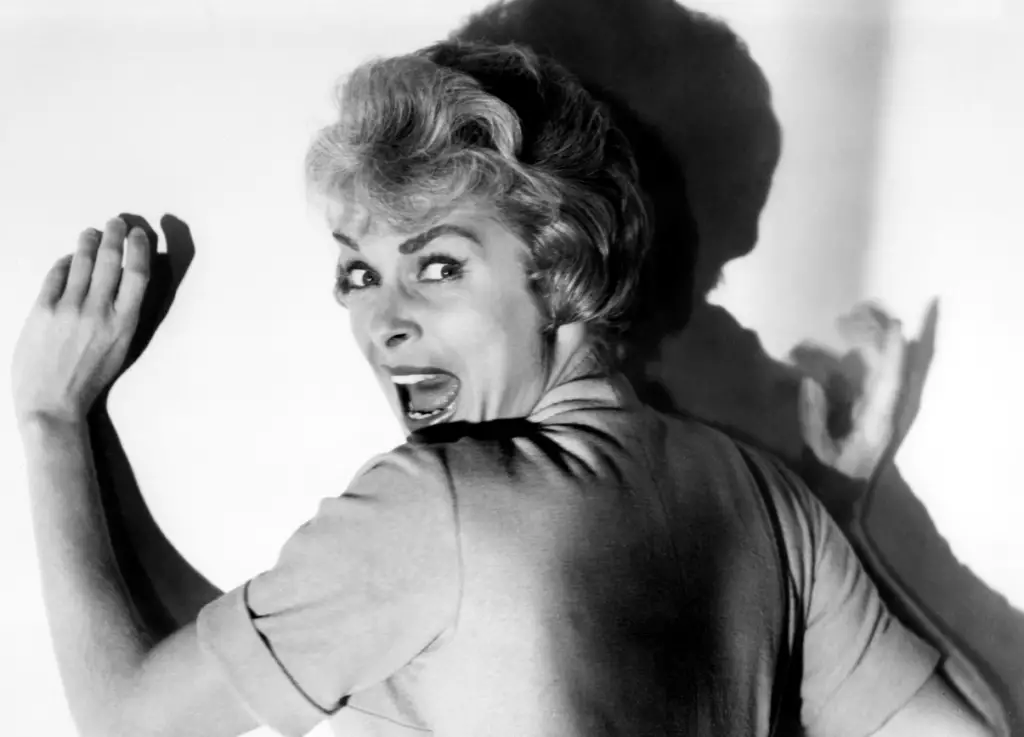
Alfred Hitchcock’s famous shower scene shook moviegoers in 1960 with its sharp cuts, screeching violins and shocking twist. Audiences had never seen anything quite like it, and many reportedly avoided showers for days afterward. Janet Leigh’s terrified expression became one of the most recognizable images in thriller history. The use of quick editing and suggestion rather than graphic violence proved how powerful imagination could be. It also pushed Hollywood to rethink what suspense could feel like. Hitchcock even asked theaters not to let anyone enter late because the impact depended so much on timing. The scene still gets referenced today in everything from sitcoms to commercials.
The moment also cemented Leigh as a major icon of the decade. Even people who have never seen the full film recognize the way she clutches the shower curtain. Bernard Herrmann’s score became a cultural sound that signals danger instantly. At the time, it was considered too intense for some viewers, yet it’s now taught in film classes as a perfect example of tension. Hitchcock’s choice to kill off the apparent lead early was revolutionary for storytelling. That bold move helped make the entire sequence timeless. It remains a scene that gets talked about by fans and filmmakers alike.
2. Cleopatra’s Grand Entrance in Cleopatra
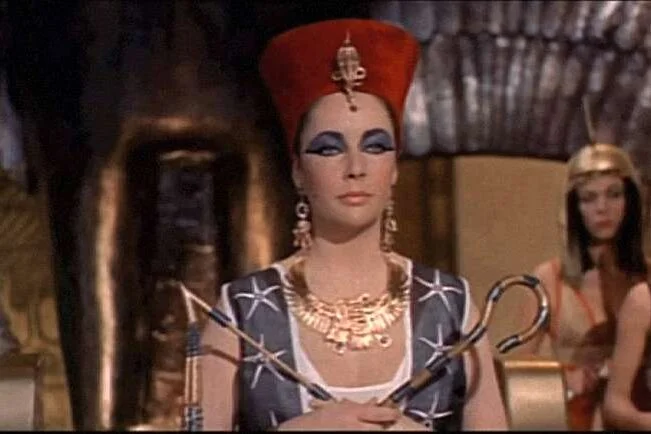
When Elizabeth Taylor appeared as Cleopatra atop that golden barge in 1963, it was pure movie magic. The extravagant costumes, massive sets and shimmering gold everywhere showed just how far Hollywood would go to create spectacle. Taylor’s presence commanded the screen in a way very few stars ever have. Even viewers who only catch clips today sense how big that moment felt in theaters. It was one of the most expensive scenes ever filmed at the time. Audiences were stunned by the scale and drama of it all. It helped define the era of epic historical films.
The entrance also showed Taylor in one of her most iconic looks. Her makeup, especially the bold eyeliner, became a trend almost immediately. The sequence represented Hollywood’s attempt to compete with television by going bigger and flashier. Richard Burton’s performance later in the film added even more buzz to the production. That entrance, though, stayed the standout moment. Movie lovers still point to it as one of the grandest debuts in any film. It proved that sometimes the buildup alone can become legendary.
3. The “I’m Spartacus” Moment in Spartacus
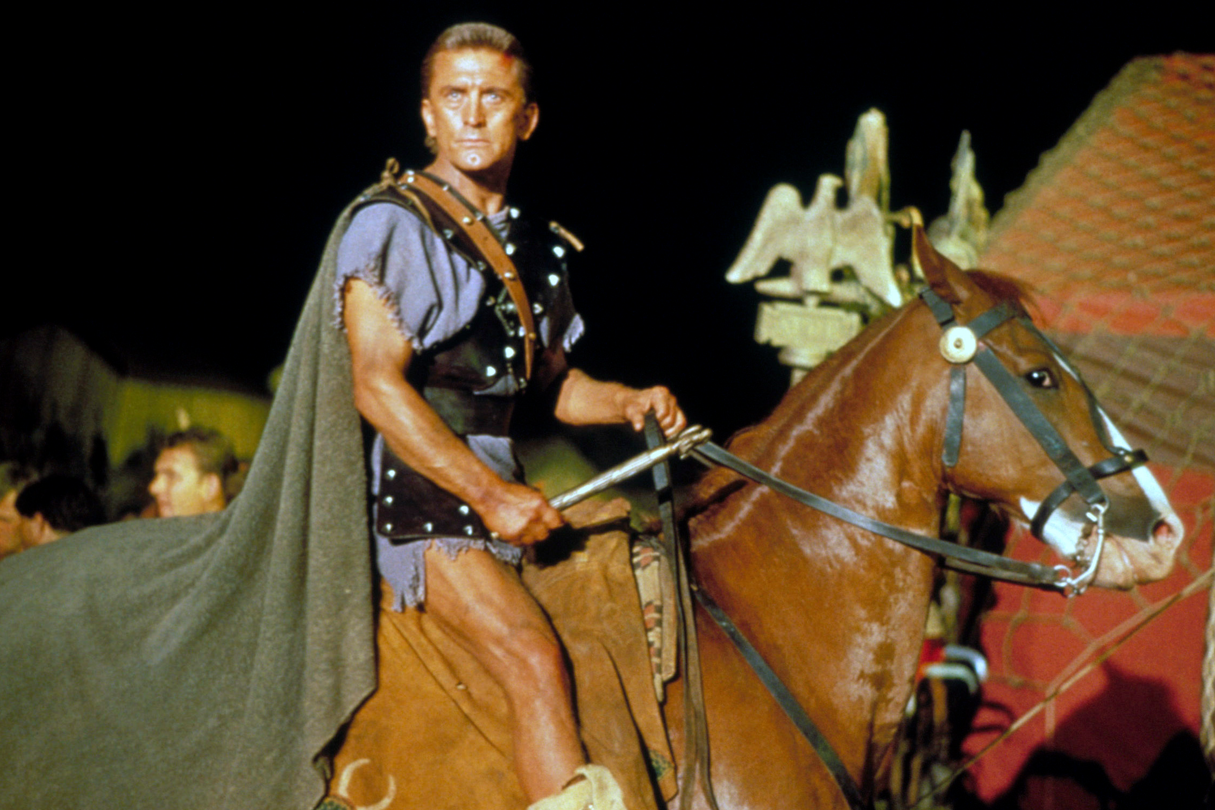
In 1960, Spartacus delivered one of cinema’s most memorable declarations when the rebels all stood up and claimed, “I’m Spartacus.” The scene carried an emotional punch that symbolized unity and sacrifice. Kirk Douglas’s leadership in the film made the moment feel deeply moving. It resonated far beyond theaters and became a cultural phrase. Audiences connected with the idea of standing together even in the face of danger. It remains a favorite moment for classic film fans. The simplicity of the line adds to its power.
The historical setting only makes the emotional weight stronger. Even people seeing it decades later feel the loyalty among the characters. The scene has been referenced and parodied countless times in pop culture. For many, it represents a moment of pure bravery. Douglas’s performance gave the line a sincerity that still holds up. That collective shout from the rebels defined the film’s message. It continues to be quoted whenever people want to show solidarity.
4. The Final Dance in West Side Story
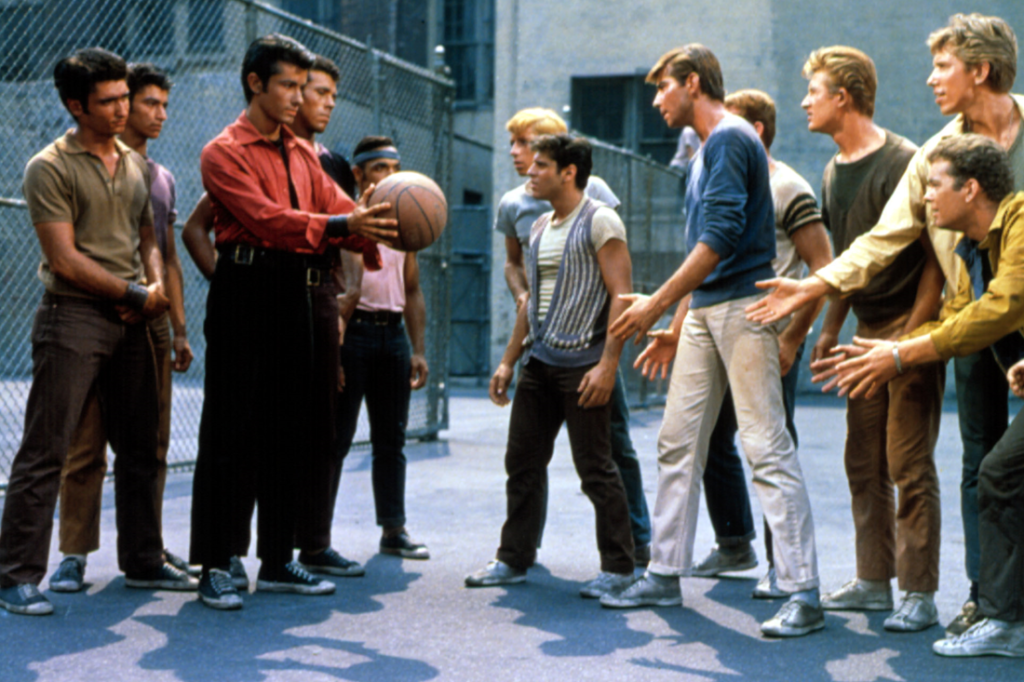
West Side Story brought Broadway energy to movie screens in 1961, and its final dance scene leaves a lasting impression. The choreography is emotional, intense and beautifully performed. Natalie Wood and Richard Beymer helped anchor the film’s heartache. Viewers felt the tragedy of the story come full circle in those final moments. The music swells in a way that stays with you long after the credits roll. It introduced a new level of cinematic musical storytelling. Many movie fans consider it one of the most affecting endings of the decade.
The dance highlighted the talent of the entire cast. Jerome Robbins’ choreography created movements that felt like emotion turned into motion. The film’s themes of love and division made the ending even more powerful. It reminded audiences how musicals could deliver dramatic punch. The colors, lighting and performances came together in a perfect blend. That last moment between the characters has been analyzed ever since. It remains one of the most famous endings in musical history.
5. The Blackboard Scene in To Sir, with Love
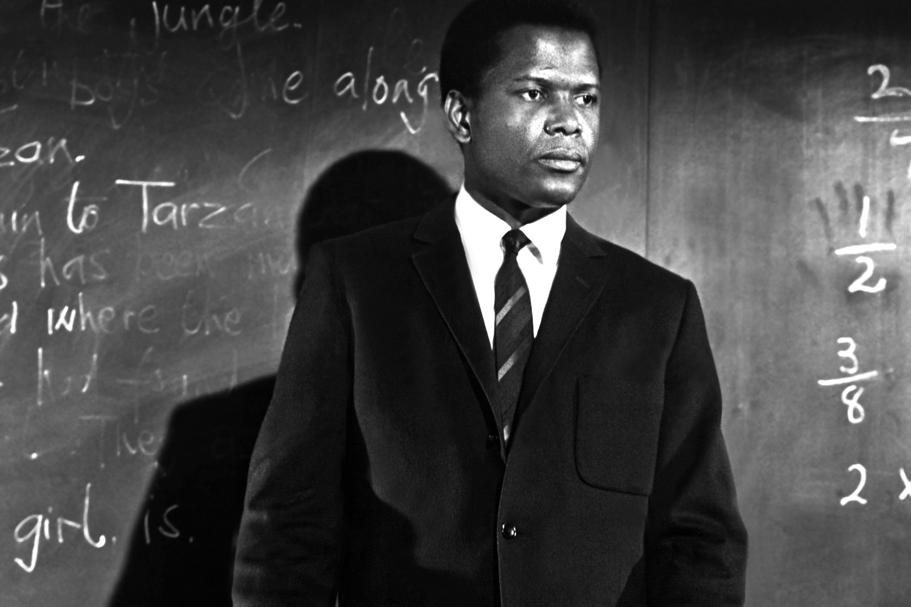
Sidney Poitier’s gentle but commanding presence shaped so much of this 1967 classic. The blackboard scene, where he challenges his students to grow up, became a defining moment. It showed the shift from frustration to mutual respect. Many viewers related to the idea of a teacher breaking through tough walls. Poitier made the speech feel heartfelt and honest. It left people feeling inspired when they first saw it. Teachers still reference this scene today.
The moment also helped secure Poitier’s place as one of the most beloved actors of the decade. His calm delivery made every word land with meaning. The way the class reacts shows real change happening in front of the camera. The scene captured the spirit of ’60s social transformation. Students around the world watched it and felt seen. It also helped inspire more films about meaningful teacher-student relationships. The quiet power of the scene keeps it timeless.
6. The Opening-Trench Run in The Great Escape
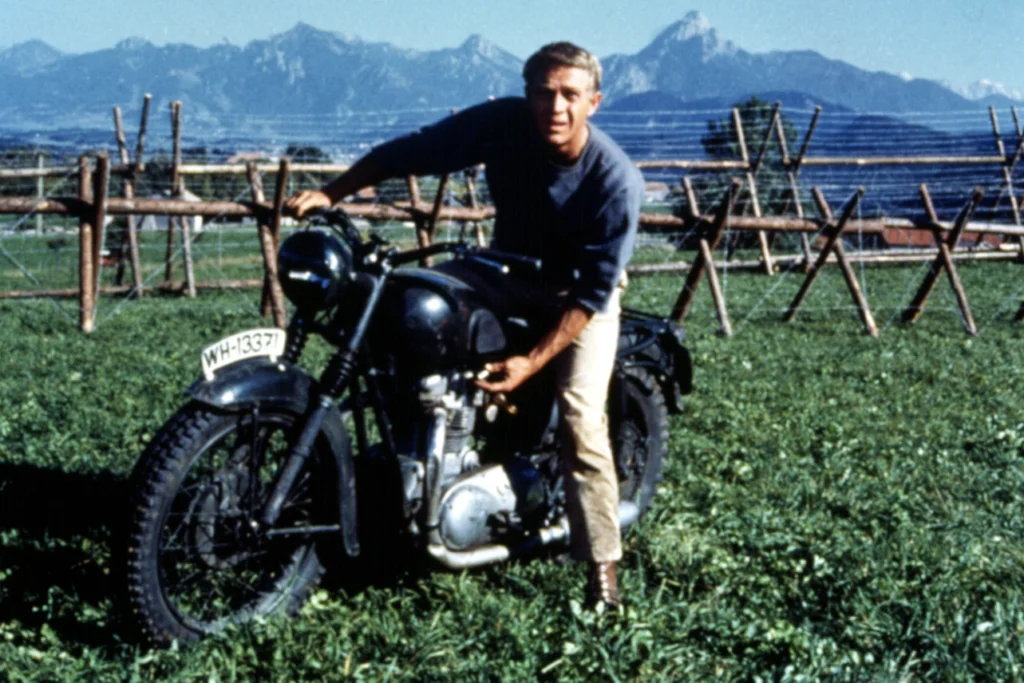
Steve McQueen racing across the countryside on a motorcycle in The Great Escape became one of the coolest images of the ’60s. Even though stuntman Bud Ekins performed the famous jump, McQueen’s charisma made the whole sequence unforgettable. The chase captured pure rebellion and freedom. Audiences erupted when they first saw it. The scene set a new standard for action sequences. It made motorcycles instantly cooler for an entire generation. McQueen’s performance turned the moment into legend.
The trench jump itself became the film’s signature shot. Many viewers believed McQueen did it himself because of how natural he looked on the bike. The excitement of the chase worked beautifully with the tension of the story. It also showed how physical stunts could elevate a film. The scene stayed on highlight reels for decades. People who have never seen the full film still know the jump. It remains one of cinema’s great action moments.
7. The Coin-Flip Soliloquy in A Man for All Seasons
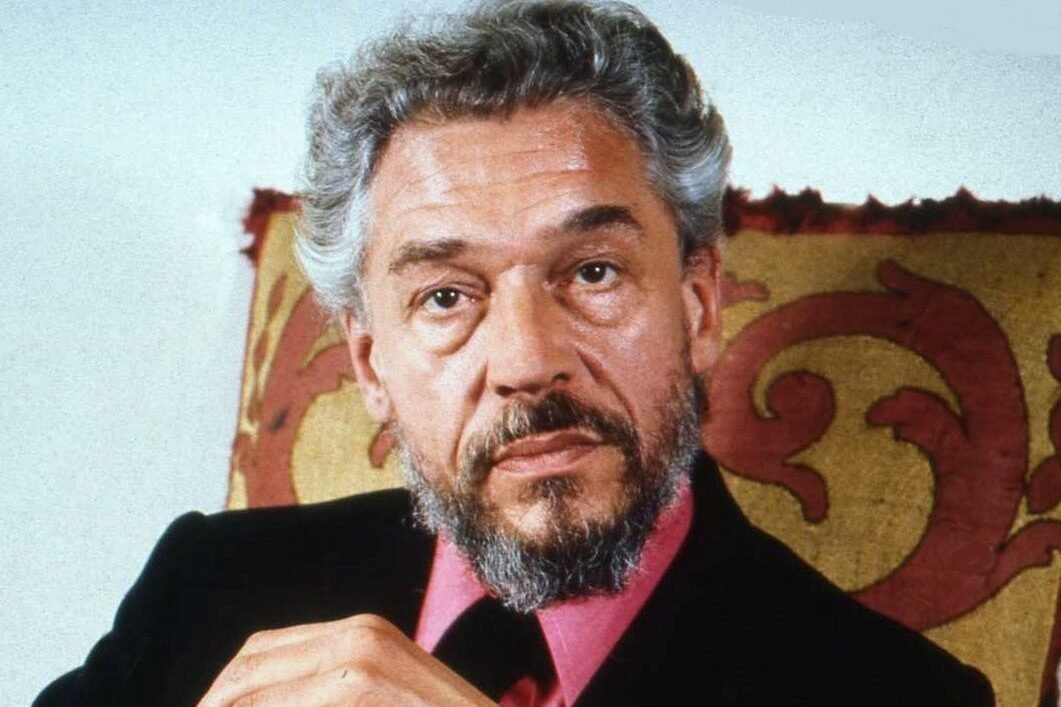
Paul Scofield’s portrayal of Sir Thomas More delivered quiet power throughout the film, but the coin-flip moment stands out. In it, More refuses to compromise his beliefs despite rising pressure. The scene captures his dignity and resolve. Viewers felt the weight of his moral struggle. Scofield’s performance earned widespread respect. The film went on to win multiple Academy Awards. This thoughtful moment became one of its emotional anchors.
Even today, audiences admire the way the scene unfolds with such calm intensity. Scofield’s delivery makes each line land softly but firmly. The gesture with the coin represents the choice between conscience and survival. It also reflects the film’s larger themes about integrity. Many discussions about historical dramas still reference this moment. It helped define how character-driven tension can shape an entire story. The scene has stayed meaningful for decades.
8. The Plastics Conversation in The Graduate
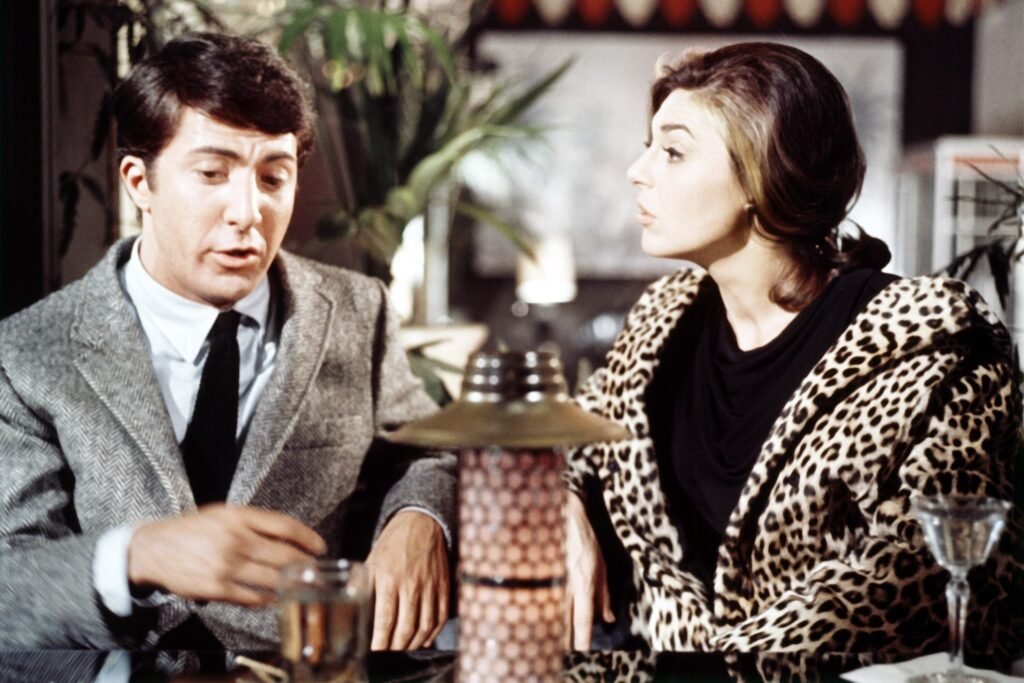
When Benjamin Braddock hears the now-famous word “Plastics,” it became an instant symbol of generational disconnection. The 1967 film captured the uncertainty many young adults felt at the time. Dustin Hoffman’s confused reaction became a whole mood for viewers. The scene is brief but unforgettable. It perfectly sums up the tension between expectation and identity. Audiences connected with its quiet humor. It also helped solidify the film as a landmark of ’60s cinema.
The line itself became a cultural shorthand. People still quote it when talking about empty advice or odd career suggestions. Hoffman’s performance made the moment even more memorable. The calm delivery contrasted brilliantly with the film’s emotional undercurrent. The scene helped define the tone of the entire movie. It also captured the social changes happening at the time. For many, this single word remains one of the most iconic in film history.
9. The Reveal of the Monolith in 2001: A Space Odyssey
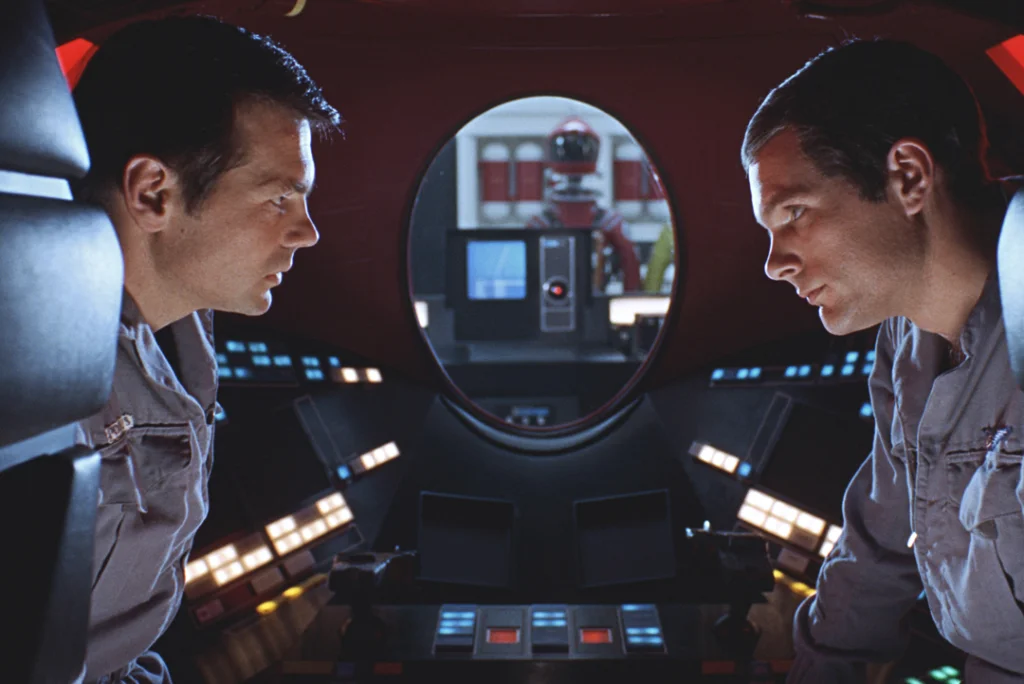
Stanley Kubrick created some unforgettable sci-fi images, but the monolith reveal remains one of the most intriguing. In 1968, audiences were captivated and confused in the best possible way. The mysterious object represented something far beyond human understanding. The scene’s slow pacing made viewers lean in closer. It sparked conversations that lasted long after the film ended. People debated what it meant for decades. It became a symbol of cinematic ambition.
The combination of visuals and music shaped the moment’s impact. Kubrick wanted viewers to feel awe and uncertainty at the same time. The monolith’s appearance signaled that the story was about evolution and possibility. The scene also influenced how later sci-fi films used mystery. Today, it’s often cited as a turning point in science fiction storytelling. Even without explanation, the monolith became unforgettable. Its power comes from what it doesn’t reveal.
10. The Final Reveal in Planet of the Apes
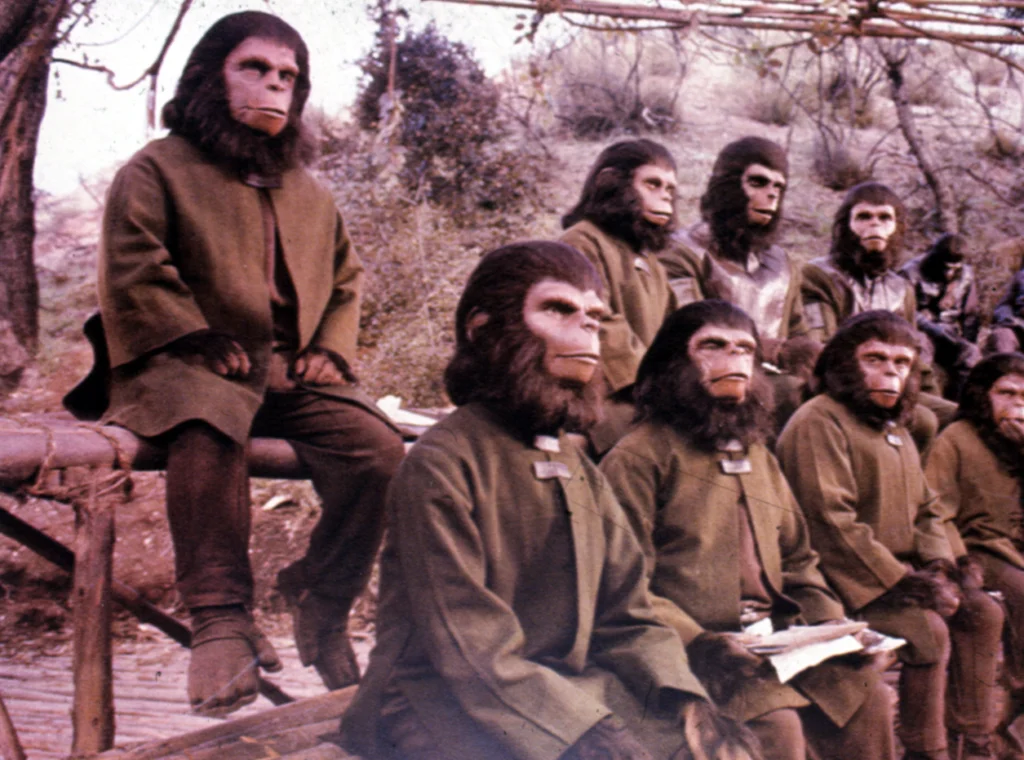
Charlton Heston’s discovery of the ruined Statue of Liberty stunned audiences in 1968. It was one of the decade’s most shocking twists. Many viewers gasped out loud in theaters. The moment changed how movie endings could work. It turned the entire story on its head. Even people who have never seen the film know the twist. It became one of the most quoted and referenced last shots in cinema.
Heston’s emotional reaction made the moment even more dramatic. The revelation added depth to everything viewers had just watched. It also highlighted the film’s social commentary. The scene instantly entered pop culture history. Directors have paid tribute to it for years. The twist showed that a single image could redefine a movie. It remains one of the most powerful endings ever captured on screen.
11. Maria and the Hills in The Sound of Music
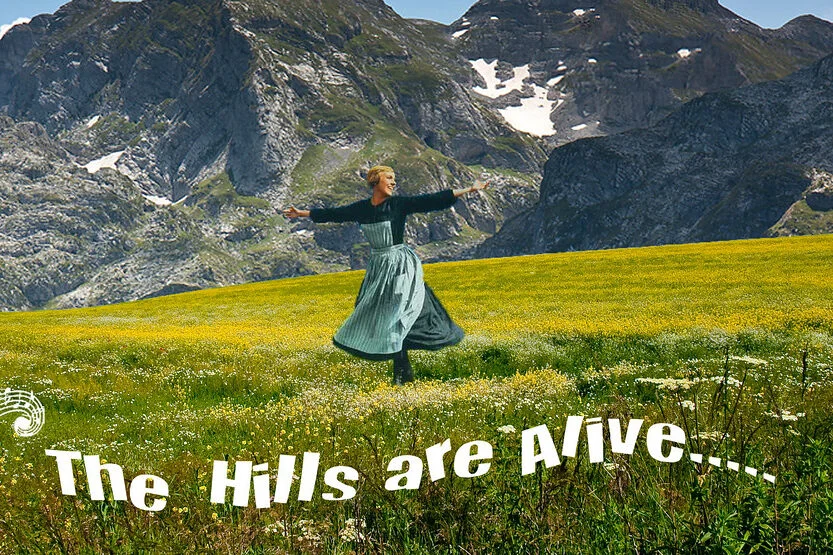
Julie Andrews spinning on that mountaintop in 1965 became one of film’s most joyful images. The moment captured pure freedom and music. Viewers felt uplifted the instant they saw it. Andrews’ voice matched the scenery perfectly. The opening is still recognizable to people of all ages. It set the tone for the rest of the film. The scene became a symbol of classic Hollywood musicals.
The sweeping camera shot added a sense of grandeur. Audiences at the time were amazed at the outdoor filming. Andrews’ performance brought warmth and charm. The moment has been recreated and parodied countless times. It introduced a film that would become one of the most beloved musicals ever made. Even modern viewers feel nostalgic when they see it. The hills “alive with the sound of music” became a cultural phrase.
12. The “Make My Day” Original in Coogan’s Bluff Setup for Dirty Harry

Before Clint Eastwood delivered his famous lines in the ’70s, his 1968 performance in Coogan’s Bluff hinted at the tough persona he’d soon perfect. One moment in the film, where he confronts criminals with steady confidence, became a preview of his future iconic roles. Audiences noticed his cool, quiet toughness. The scene helped shape how people saw Eastwood on screen. It had a gritty simplicity that stood out. Fans of crime dramas embraced it. It set the stage for the entire next decade of action heroes.
Looking back, the moment feels like a key turning point. Eastwood’s calm expression showed he didn’t need big speeches to make a scene memorable. The film’s tone influenced later thrillers. The scene also reflected changing tastes in action films. Viewers wanted more realism and edge. Eastwood’s performance hinted at that shift. It became a building block for his legendary career.
13. The Bridge Explosion in The Good, the Bad and the Ugly
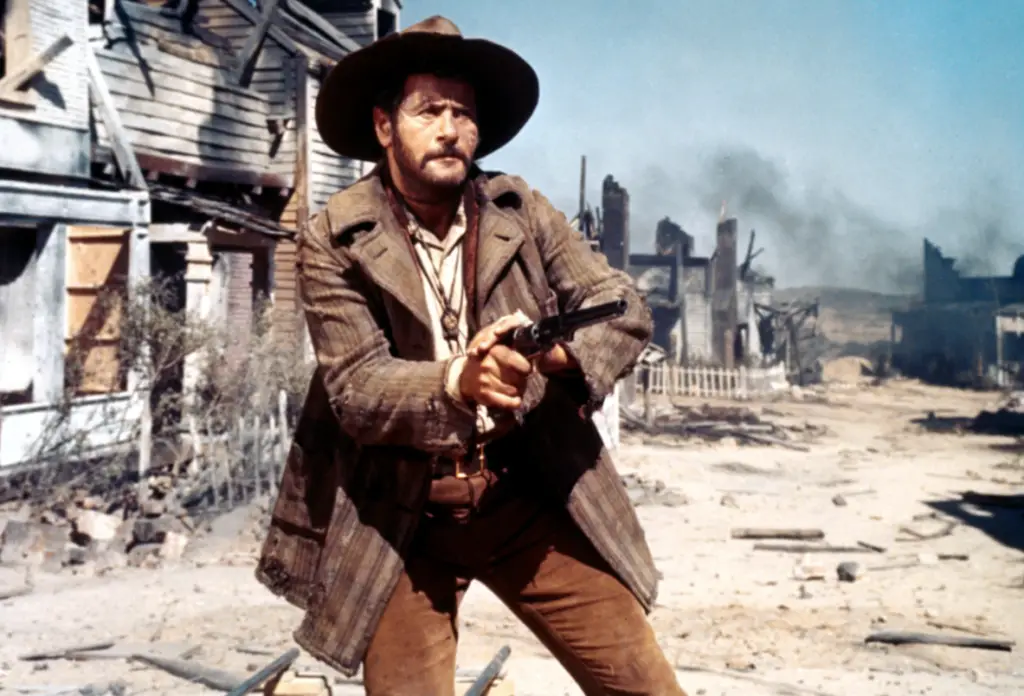
Sergio Leone’s 1966 classic delivered many unforgettable scenes, but the bridge explosion remains one of the biggest. The buildup creates perfect tension between the characters. Clint Eastwood and Eli Wallach play the moment with sly humor. The scope of the explosion surprised audiences. It showed how westerns were evolving into larger, more cinematic experiences. The entire sequence felt bold and ambitious. Fans still talk about it as one of the best action moments in western history.
The scene also highlighted Leone’s eye for detail. The music by Ennio Morricone added energy and emotion. The characters’ partnership in that moment created unexpected charm. It helped cement the film’s status as a masterpiece. The explosion itself was large for its time and required careful planning. Its impact can still impress modern viewers. The moment became a symbol of the film’s daring style.
14. The Final Run in Breakfast at Tiffany’s
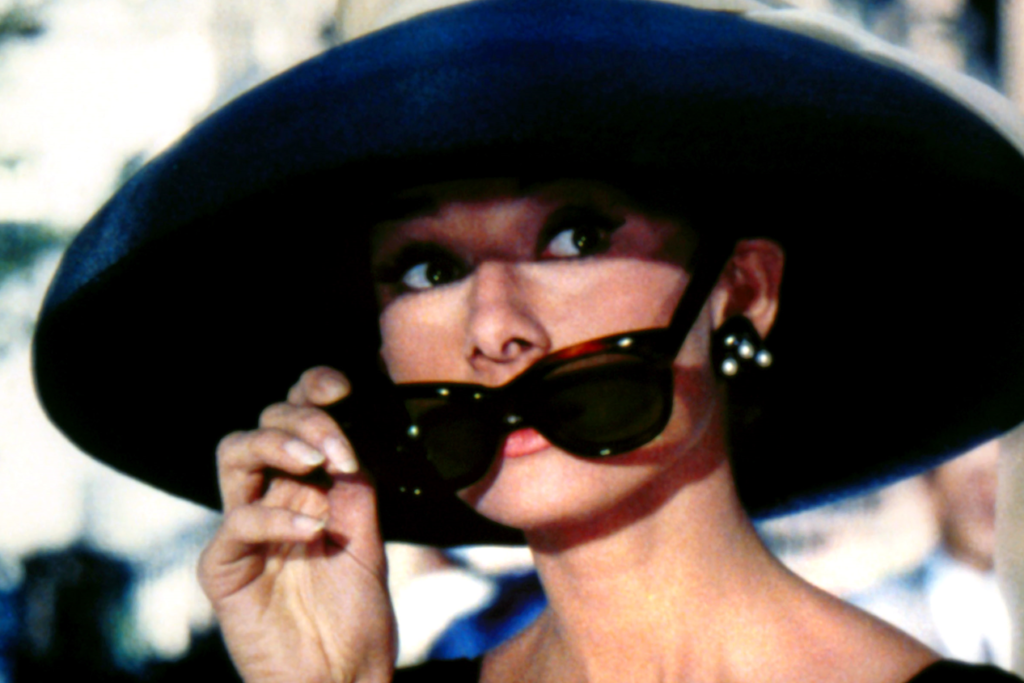
Audrey Hepburn’s final dash through the rain to find Cat wrapped the film in pure emotion. The moment showed Holly Golightly dropping her guard. Audiences loved seeing that vulnerable side of her. Hepburn played the scene with elegance and sincerity. The rain made the moment feel even more dramatic. It became one of her most iconic images. Fans still consider it a perfect romantic ending.
The connection between the characters deepened in that final run. Viewers felt hope and relief wash over the story. The shot of Hepburn holding Cat became instantly recognizable. The scene helped define how romantic comedies could end. It blended glamour with genuine heart. Many modern films still echo this format. It remains one of the most beloved finales of the ’60s.