
1. Mike Brady (The Brady Bunch)

Mike Brady felt like the calm in the middle of a very chaotic, blended-family storm. He had this steady, thoughtful way of talking that made every kid at home feel like the world wasn’t as messy as it looked. Even when the six kids were squabbling or Marcia was having another teenage crisis, he always pulled everyone back together with patience. He also had that classic ‘70s dad confidence, the kind that somehow made architectural sketches and fatherly advice go hand in hand. Watching him meant watching someone who genuinely believed families could work through anything. He listened more than he yelled, which wasn’t exactly common for TV dads back then. And even when the house was full of mismatched personalities, he somehow kept the peace.
But what made Mike really resonate was that he treated his stepchildren exactly the same as his biological ones. That wasn’t portrayed very often on TV at the time, and it made him feel ahead of his era. He showed viewers that blended families could thrive and even have a little fun along the way. His marriage to Carol felt like a true partnership, something kids and parents both noticed. And whether he was giving advice or laying down rules, it always came from a place of love. In a decade full of pop culture chaos, Mike Brady was the definition of consistent.
2. George Jefferson (The Jeffersons)
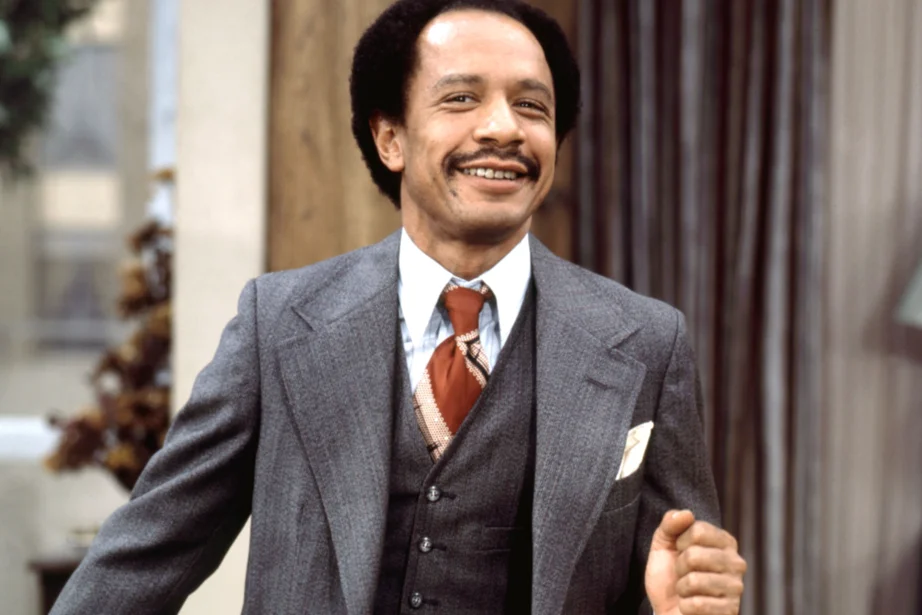
George Jefferson wasn’t your typical soft-spoken sitcom dad, and that’s exactly why audiences loved him. He came onto the screen bold, opinionated, and proudly self-made, offering something different from the more traditional father figures of the era. His swagger showed viewers a dad who fought his way to success through grit, not luck. Even though he wasn’t shy about speaking his mind, beneath all that bravado was real love for his family. His scenes with Lionel, especially when they butted heads, felt authentic in a way sitcoms didn’t always allow. George wasn’t perfect, but that’s what made him memorable. You could laugh at his stubbornness one moment and appreciate his heart the next.
He also represented upward mobility during a time when that wasn’t often depicted for Black families on TV. His success allowed him to move “on up,” but it didn’t mean he stopped being George. His marriage to Louise grounded him, and their dynamic added humor and warmth. Watching George learn to balance pride with vulnerability made his growth one of the most relatable arcs of the decade. And even when he stumbled, he always came back to what mattered most, his family. Viewers saw a dad who could evolve, even if you had to drag him there kicking and shouting.
3. Charles Ingalls (Little House on the Prairie)
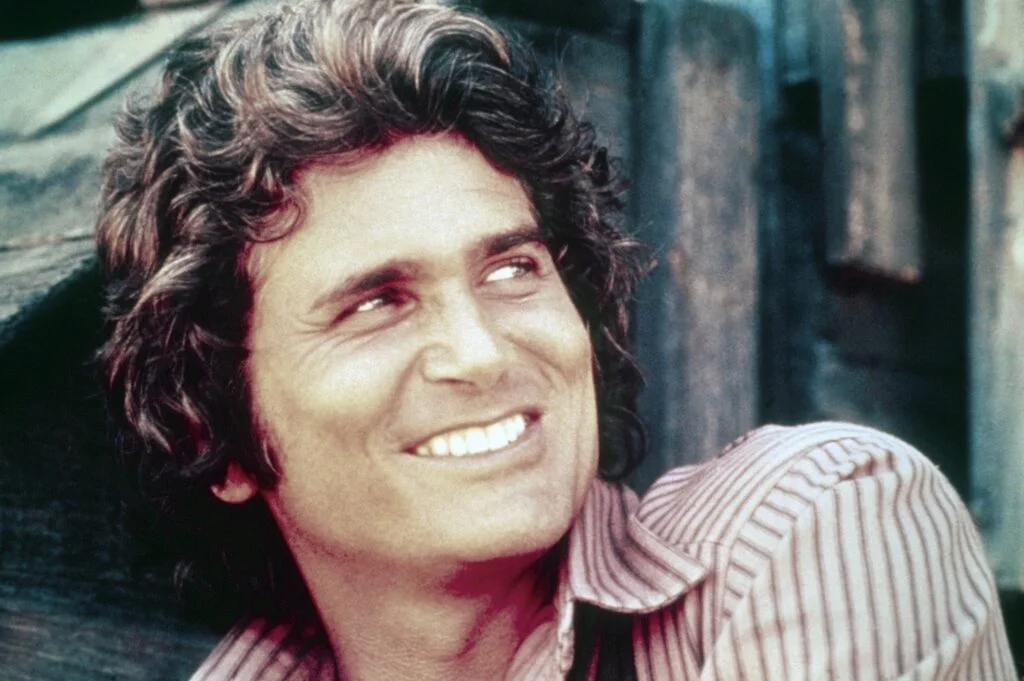
Charles Ingalls brought a frontier warmth to ‘70s television that you just didn’t see anywhere else. He was the kind of dad who could build a barn, teach a life lesson, and crack a gentle smile all in the same episode. His relationship with his daughters was full of tenderness, and every hug looked like it came from a real place. Charles worked hard, really hard, and that work ethic defined so much of who he was. But he balanced that grit with kindness, showing that toughness and gentleness didn’t have to be opposites. His scenes with Laura especially felt timeless. You could see the pride he carried in being a father.
What kept viewers coming back was the emotional honesty he brought to the family’s struggles. He wasn’t afraid to show heartache or cry, which wasn’t always common for male characters then. His bond with Caroline made their household feel like a unit built on unconditional love. And whether he was confronting adversity or embracing joy, Charles made fatherhood feel like both a privilege and a responsibility. He reminded people of the simple beauty in family life. And every lesson he taught seemed to come with a reassurance that everything would turn out all right.
4. James Evans Sr. (Good Times)
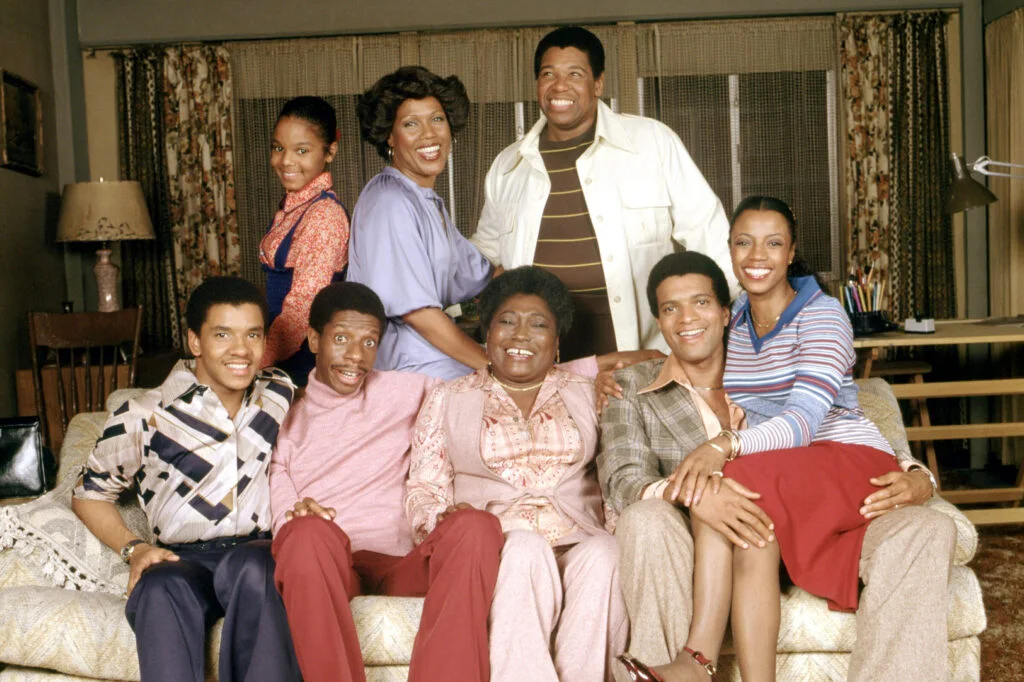
James Evans Sr. didn’t have it easy, and that’s what made him one of the most powerful TV dads of the decade. He worked tirelessly to support his family, often juggling multiple jobs and challenges that could have broken someone else. James brought a sense of determination that grounded the Evans household. Even when life hit hard, he stood tall and taught his kids to do the same. His love wasn’t wrapped in long speeches, it showed through action. And viewers connected to that authenticity, because it felt like real fatherhood.
James also had a fiery spirit, which made his presence unforgettable. His scenes with his kids were filled with honesty, humor, and tough love, sometimes all at once. His relationship with Florida showed a partnership full of respect and shared resolve. He represented the strength and resilience of many families facing hardships in the ‘70s. And even though his time on the show was cut short, the impact he left resonated long after. He set a standard for sitcom dads who embodied both strength and heart.
5. Archie Bunker (All in the Family)
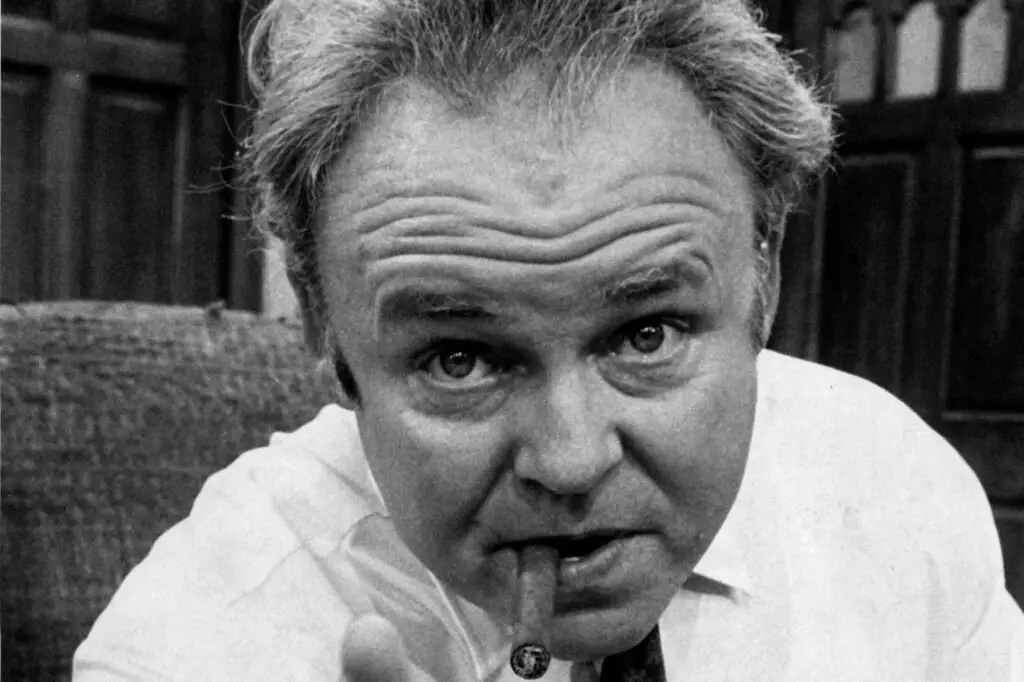
Archie Bunker might not be the first dad people think of when they imagine role models, but he undeniably shaped sitcom fatherhood in the ‘70s. He was blunt, stubborn, and loud, yet somehow managed to reflect the complexities of real family life. Archie represented a generation grappling with big cultural shifts, and watching him evolve was part of the appeal. His dynamic with his daughter Gloria was filled with both tension and affection. And while he clung tight to old ways, he also showed glimpses of growth. His flaws made him human, and his humanity made him memorable.
What softened Archie was his love for Edith, which shone through even when he pretended otherwise. Their marriage offered warmth during some of the show’s heavier moments. His relationship with Meathead, meanwhile, became a sitcom classic, full of arguments that somehow ended in understanding. Archie may not have been perfect, but he represented real families working through change. And sometimes, seeing a dad slowly try to be better was its own kind of inspiration. He set a standard by proving sitcom dads could be complicated.
6. Bob Hartley (The Bob Newhart Show)
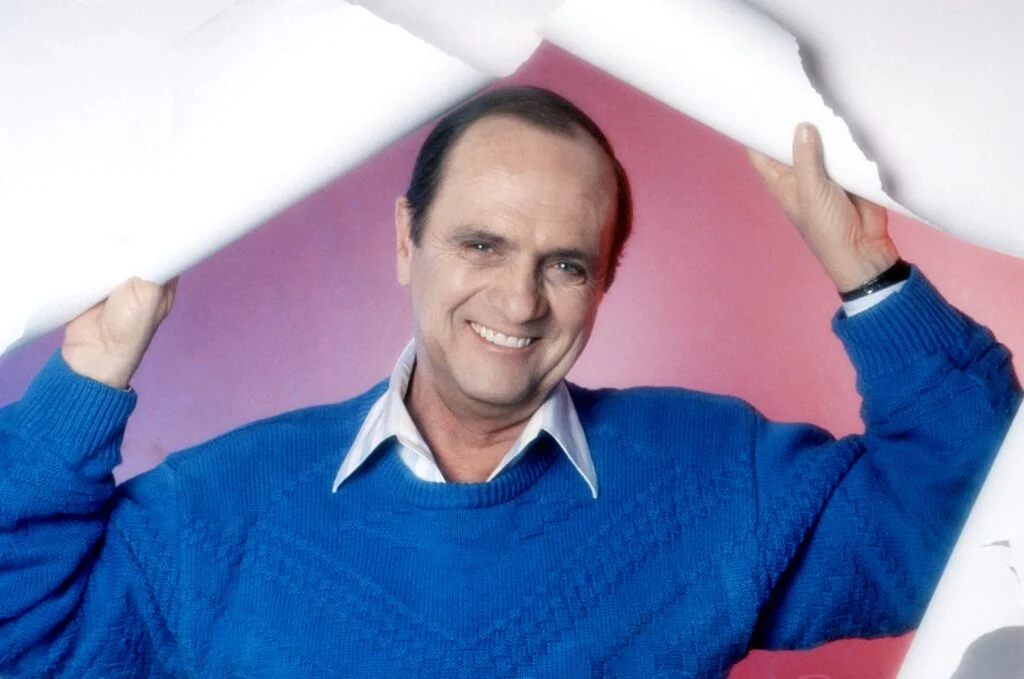
Bob Hartley wasn’t just a psychologist on TV, he was the steady, slightly frazzled dad figure everyone trusted. Even though he didn’t have kids of his own on the show, he became a father figure to half the people who walked into his office. His dry humor and gentle demeanor made him feel relatable and deeply human. He didn’t pretend to have all the answers, but he always tried to understand. And somehow, he managed to keep his sanity despite the whirlwind of quirky patients and friends around him. His patience became one of his defining traits.
At home, his marriage to Emily showed what a grounded partnership looked like. Their conversations were filled with warmth, support, and little jokes that felt like real married life. Bob’s calm presence often balanced out the eccentric personalities around him, making him the emotional anchor of the show. And even though he wasn’t a traditional sitcom dad, his influence shaped the era’s idea of a caring male lead. He proved fatherly wisdom could come in many forms. Sometimes, it even came with a dry one-liner.
7. Howard Cunningham (Happy Days)
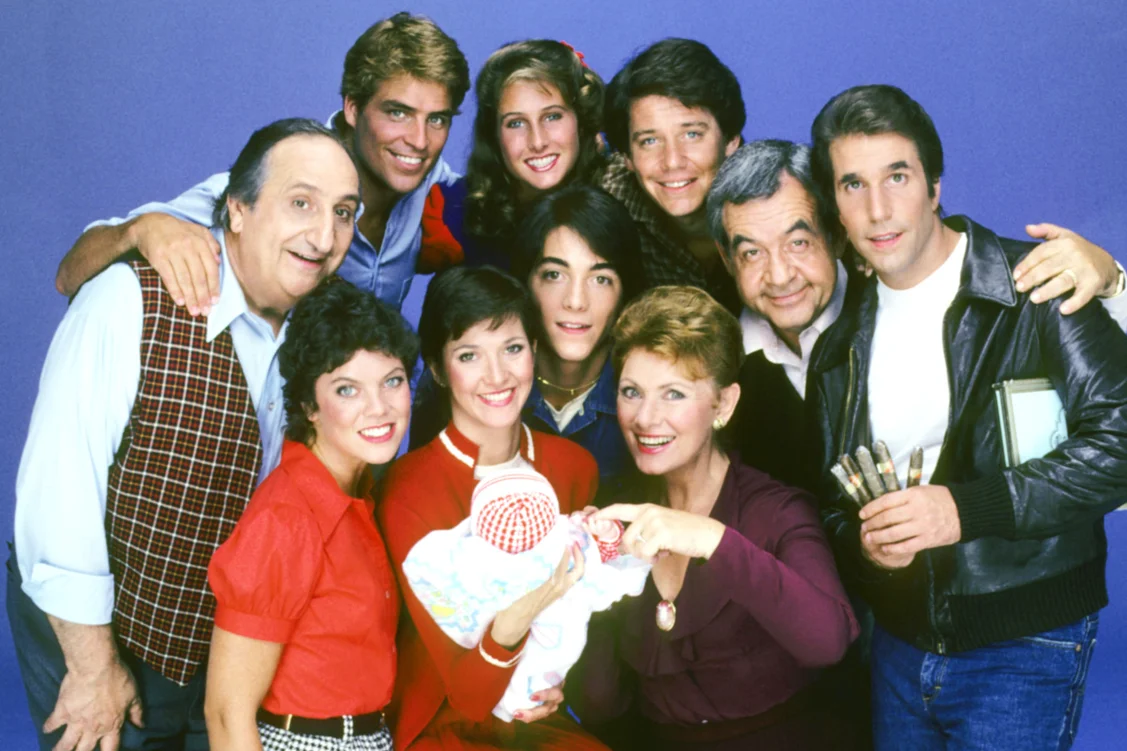
Howard Cunningham was the classic, dependable American dad, and viewers immediately felt comfortable around him. He owned a hardware store, listened to his kids even when he didn’t quite get their lingo, and brought a steady warmth to the Cunningham home. Richie always knew he could count on him for advice, even if the situations were a little beyond Howard’s comfort zone. And despite the chaos that Fonzie and other characters brought into the family’s orbit, Howard stayed unshaken. He was the kind of dad whose presence alone seemed to smooth out problems. His gentle, traditional style made him feel timeless.
His marriage to Marion added to that sense of stability, giving the show a foundation that grounded all the teenage antics. Howard represented a familiar kind of fatherhood, one built on quiet support rather than big speeches. His moments of surprise or confusion often brought a lot of humor, especially as the world around him changed. But he always adapted in his own steady way. Families watching at home saw a dad who believed in kindness, responsibility, and doing right by the people you loved. And that made him a pillar of ‘70s sitcom life.
8. Tom Bradford (Eight Is Enough)
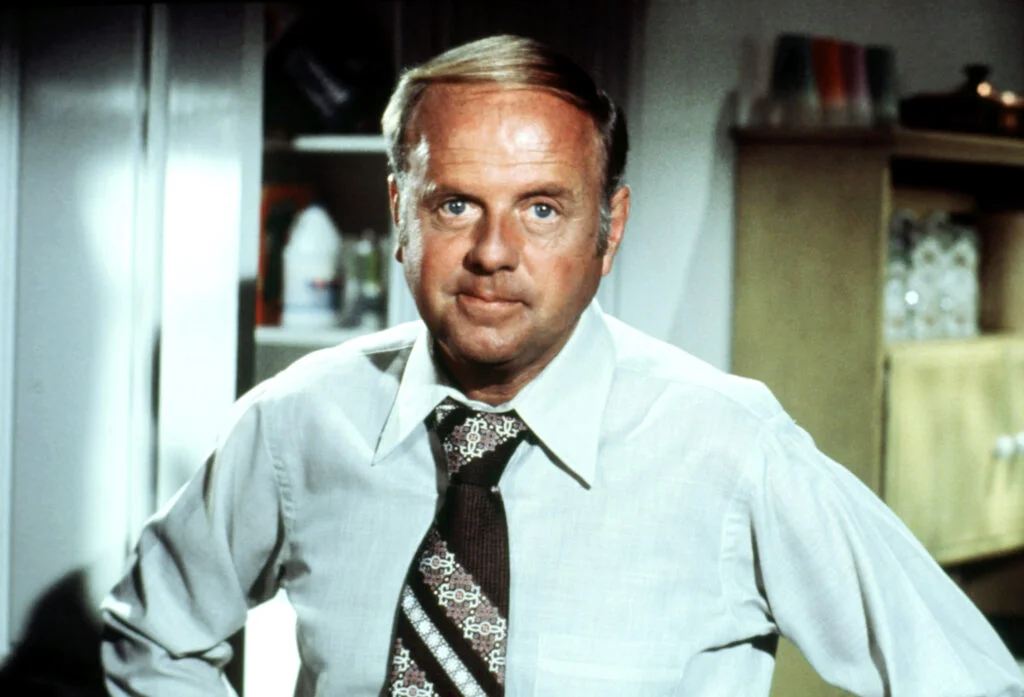
Tom Bradford managed a household with eight kids, which already made him look superhuman to viewers. He balanced being a newspaper columnist with being a full-time dad, and somehow made both look doable. His love for his children shone through whether he was giving advice or mediating yet another sibling spat. Tom had a gentle sense of humor, the kind that helped keep the house from spiraling into chaos. And even though he was firm when he needed to be, he always led with compassion. His role showed that big families came with big love.
After the loss of his wife, Tom’s storyline added emotional depth that resonated with viewers. Watching him navigate single fatherhood brought warmth and vulnerability to the series. His eventual remarriage showed how families could heal and grow after heartbreak. Tom’s commitment to his kids never wavered, making him one of the most grounding TV dads of the decade. He proved that fatherhood could be both messy and beautiful. And audiences loved him for embracing all of it.
9. Fred Sanford (Sanford and Son)
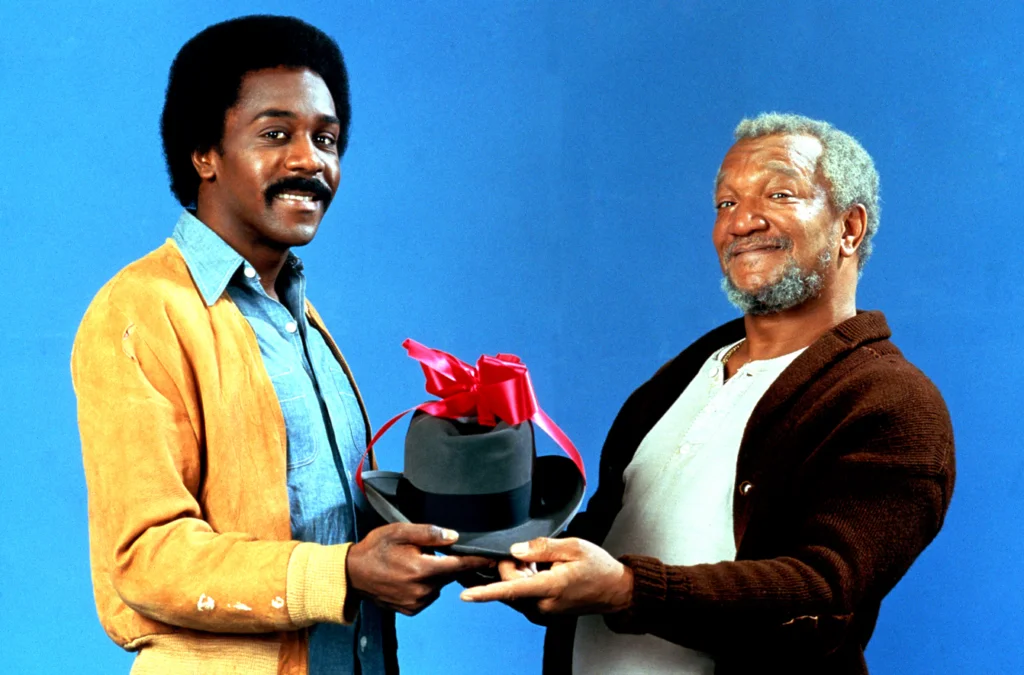
Fred Sanford was cantankerous, hilarious, and absolutely unforgettable. He yelled, he complained, and he pulled dramatic heart-attack riffs that became iconic. But beneath all that bluster was a father who loved his son deeply. His relationship with Lamont drove the whole series, blending sarcasm with surprising tenderness. Fred’s humor came from a place of familiarity, like someone you knew in real life. And viewers loved him for that mix of toughness and charm.
Fred’s dynamic with Lamont showed a father and son trying to understand each other while running a business and surviving daily absurdities. Their arguments could be loud, but they were rooted in connection. Fred wasn’t the sentimental type, but his loyalty ran deep. He represented dads who showed love in their own unconventional ways. And every once in a while, you’d catch a moment of softness that reminded you exactly why Lamont stuck around. Fred Sanford redefined what a sitcom dad could be, flaws and all.
10. Steven Keaton (Family Ties)
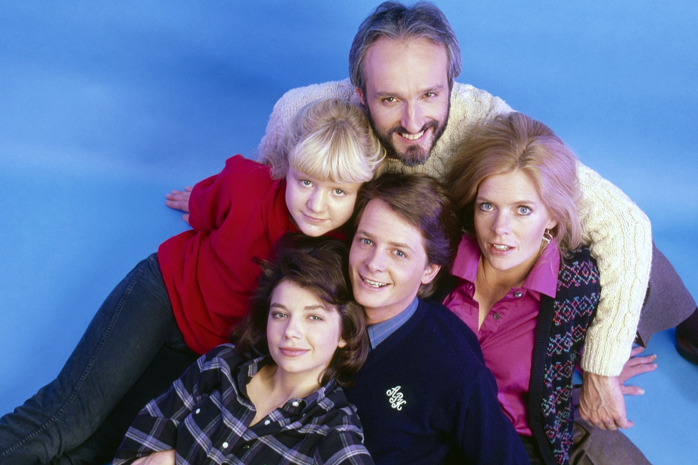
Steven Keaton was the prototype of the warm, idealistic dad who wanted his kids to grow up thoughtful and socially conscious. As a former ‘60s activist living in the more conservative early ‘80s world of his children, he brought a sense of generational contrast that audiences found relatable. But his character was created in the late ‘70s during development, and his values aligned closely with that era’s spirit. Steven’s guidance came with a big heart and a genuine desire to understand his kids. Even when Alex challenged him, he listened.
His marriage to Elyse showed a true partnership that felt modern for the time. Together, they created a home full of affection and open conversation. Steven’s softness didn’t make him weak, it made him approachable. His humor and occasional bewilderment made him feel human. And his ability to let his kids forge their own identities gave him a refreshing depth. He offered a glimpse of a dad trying to balance old ideals with new realities.
11. Conrad Jenkins (The New Dick Van Dyke Show)
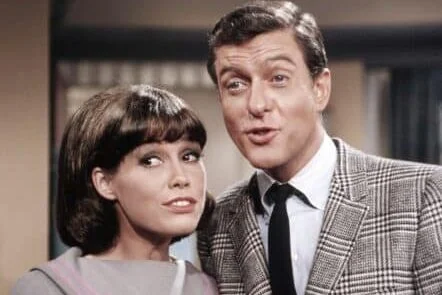
Conrad Jenkins may not be the first sitcom dad people remember, but he had a sincerity that made him stand out. Played by Dick Van Dyke, he brought warmth and gentle humor to the role as a local talk-show host juggling family life. Conrad had a supportive relationship with his wife and a patient way of handling his daughter’s challenges. His comedic timing made even small moments feel heartfelt. And he exuded a sense of optimism that felt right at home in a ‘70s living room.
What made Conrad memorable was the sense of authenticity he brought to fatherhood. He didn’t overreact, he didn’t lecture, he just tried to understand. His family’s problems were everyday ones, which made their solutions feel relatable. And watching him balance work and home offered a grounded view of parenting. He showed that sitcom dads didn’t need to be loud to leave a mark. Sometimes, gentleness was its own kind of strength.
12. Barney Miller (Barney Miller)
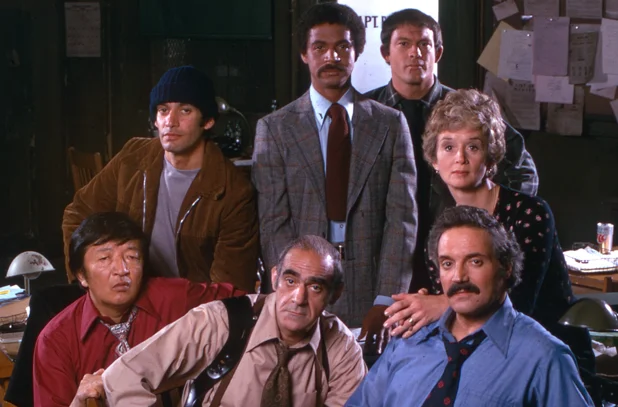
Barney Miller wasn’t just the steady captain of a chaotic precinct, he was also a dependable dad at home. His calm demeanor made him one of the most level-headed figures on TV. Even though much of the show focused on the absurdities of police work, Barney’s family life often peeked through in subtle, meaningful ways. He was thoughtful, responsible, and carried himself with a quiet dignity. That grounded presence shaped how viewers saw him as both a leader and a father.
What set Barney apart was his ability to navigate stress without losing his sense of humor or compassion. He treated his officers with the same patience he used at home, which spoke volumes about his character. His dedication to doing the right thing made him a role model for more than just his on-screen kids. And even in the high-pressure world of sitcom policing, he managed to stay centered. Barney Miller proved that sometimes the steadiest dads were the ones juggling two worlds at once.