1. The Byrds
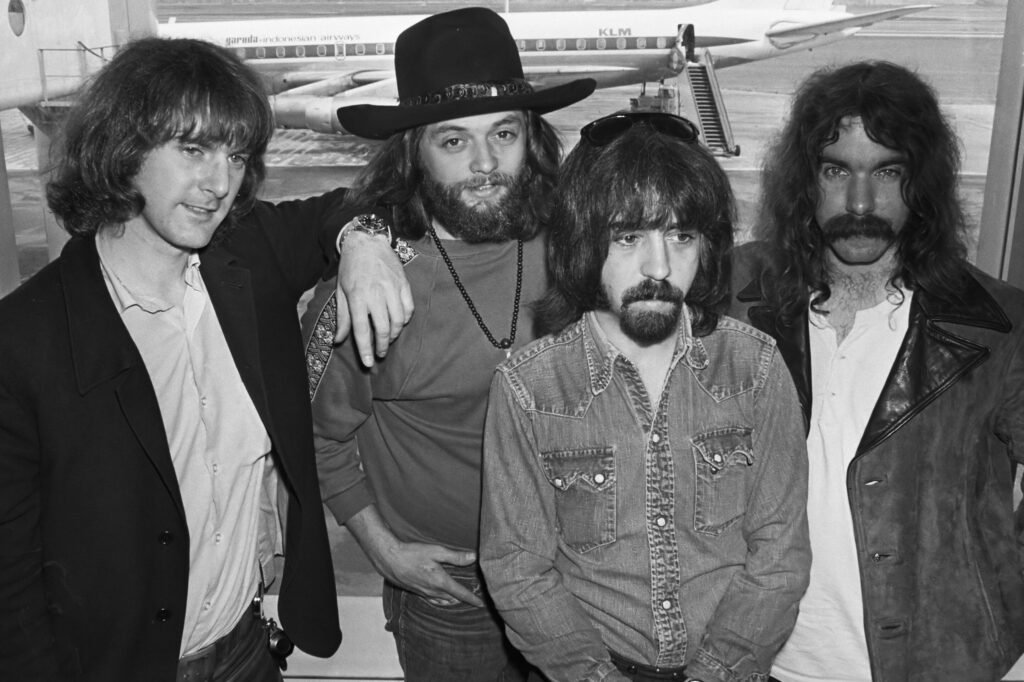
Before they were everywhere, The Byrds were a fixture of the Los Angeles folk rock scene. They played small clubs on the Sunset Strip while honing that jangly guitar sound that would soon define an era. Locally, they felt like our band, mixing folk roots with electric energy in a way that felt brand new. Audiences watched them evolve almost in real time. There was a sense that something important was happening right in front of you. LA crowds knew early that they were special.
Once national fame hit, locals never forgot those early days. The Byrds remained deeply tied to Southern California’s music identity. Even as lineups shifted, their origin story stayed legendary. In LA, they’re still remembered as hometown innovators first, rock icons second.
2. Buffalo Springfield
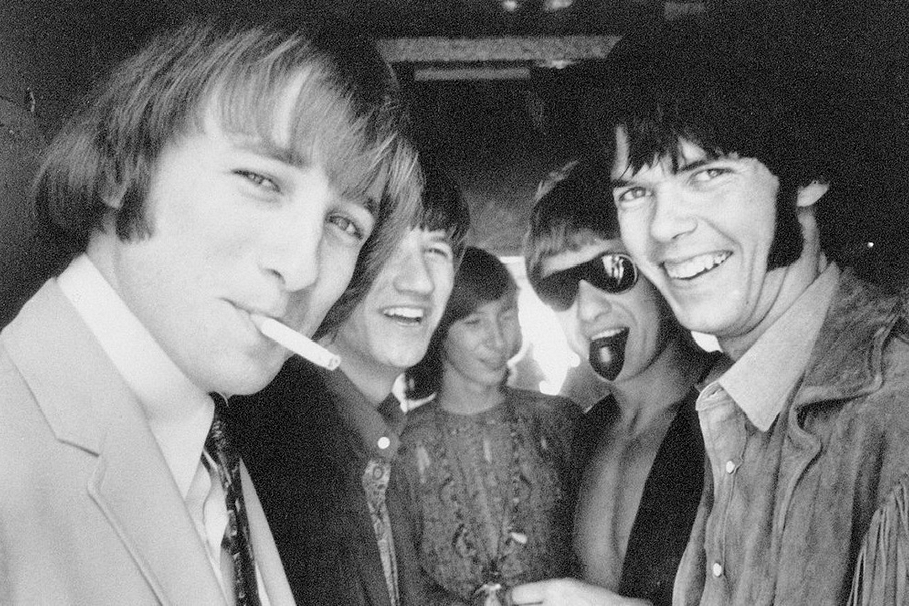
Buffalo Springfield formed in Los Angeles but felt especially rooted in the city’s club circuit. They built a devoted local following before their songs ever dominated the radio. Seeing them live felt intimate and unpredictable, which added to their mystique. Fans recognized Stephen Stills and Neil Young as forces almost immediately. Their sound captured the tension and hope of the moment. LA listeners felt like witnesses to history.
Even though the band was short lived, their regional impact was enormous. Locals continued talking about those early shows long after the breakup. Buffalo Springfield became one of those bands people bragged about seeing before they were famous. That kind of legend never fades.
3. Jefferson Airplane
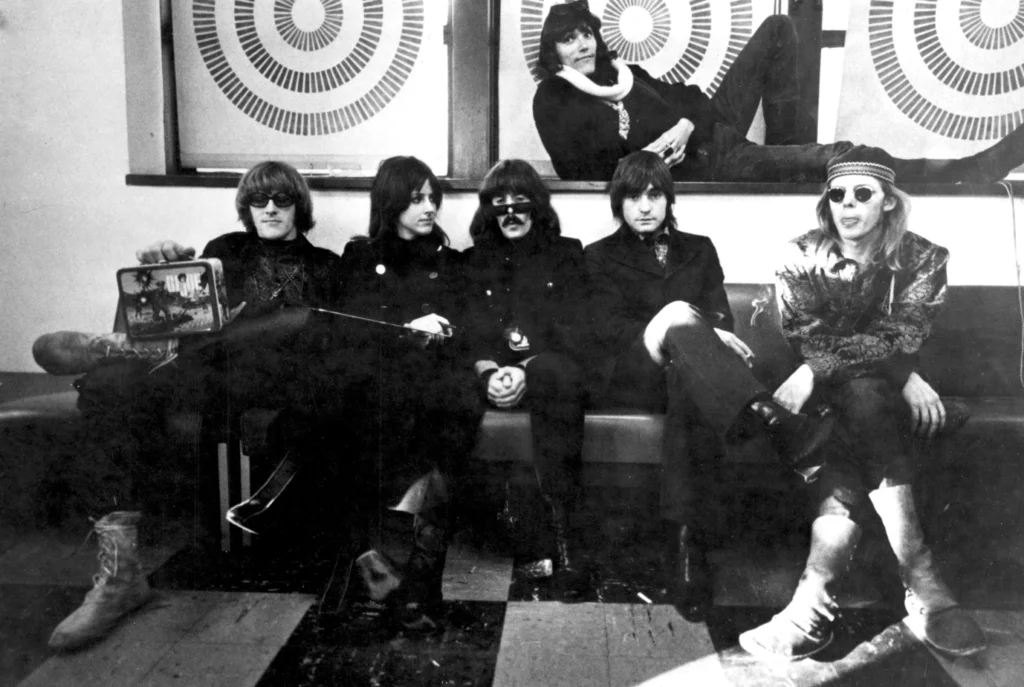
In San Francisco, Jefferson Airplane were already stars before the rest of the country caught up. They played local ballrooms and parks while helping shape the city’s psychedelic identity. Their music felt inseparable from the Haight Ashbury scene. Fans didn’t just listen, they participated. Going to a Jefferson Airplane show felt like being part of something bigger.
Once national success arrived, San Francisco still claimed them proudly. They were never just a famous band, they were the band of the city. Locals spoke about them with a sense of ownership. Their regional legend status remains rock solid.
4. The Beach Boys
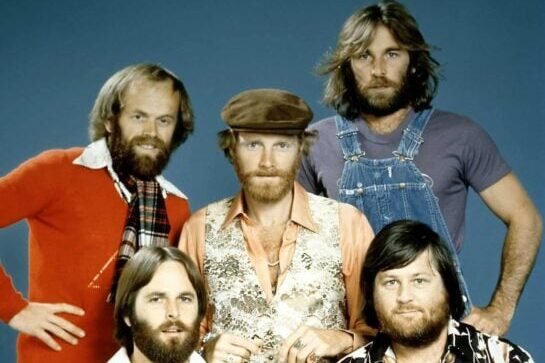
Before they became America’s band, The Beach Boys were pure Southern California. Their earliest fans were kids who actually lived near the beaches they sang about. Local radio stations played their songs nonstop. The music felt like a postcard from home. Fans recognized themselves in the lyrics.
Even after worldwide fame, California never stopped claiming them. Their songs still feel geographically specific in a way few bands manage. For locals, The Beach Boys represent a real place and time. That’s why they remain regional legends first.
5. The Doors
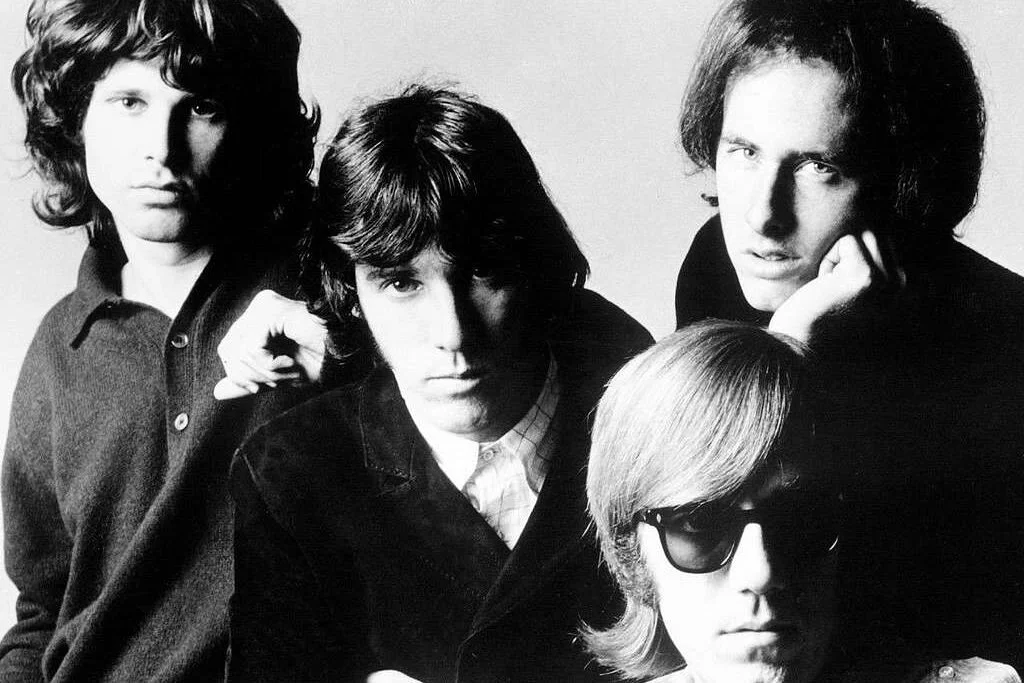
Los Angeles watched The Doors grow from strange club act to full blown phenomenon. Early shows at places like the Whisky a Go Go became instant lore. Jim Morrison’s presence alone made each performance unpredictable. Locals sensed danger and brilliance all at once. The band felt thrillingly different from anything else around.
Once fame exploded, those early LA shows became legendary stories. Fans who were there never let anyone forget it. The Doors stayed deeply connected to the city’s identity. In LA, their legend feels personal.
6. The Lovin’ Spoonful
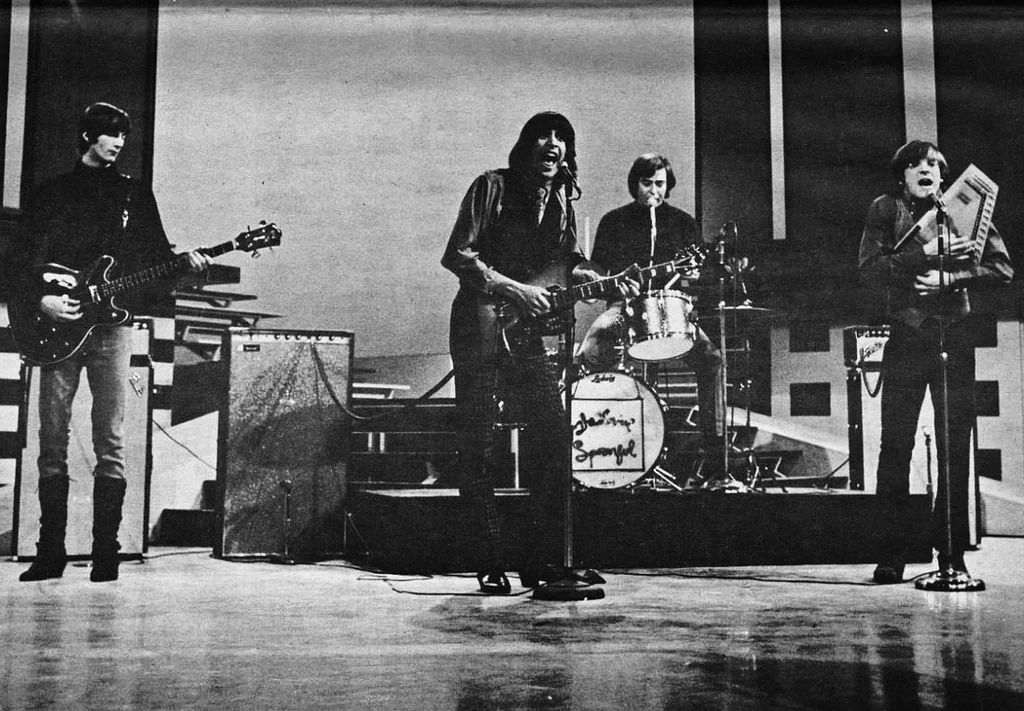
In New York City, The Lovin’ Spoonful were a familiar and beloved presence before national success. They played clubs that regulars returned to week after week. Their music captured a very specific city warmth and humor. Fans felt like they knew the band personally. The songs sounded lived in and authentic.
Even after chart success, New York still felt ownership. The Lovin’ Spoonful remained tied to the city’s folk rock roots. Locals continued supporting them long after trends shifted. Their regional legend status was built on connection.
7. Paul Revere & the Raiders
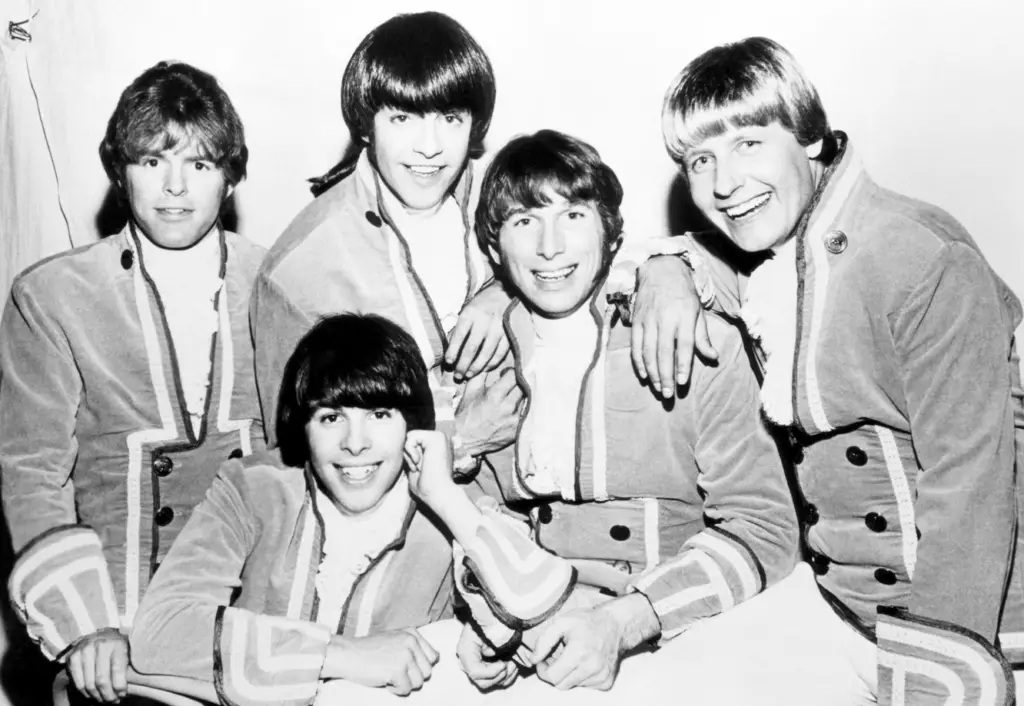
In the Pacific Northwest, Paul Revere & the Raiders were already massive. They dominated local television and radio before national audiences paid attention. Their performances were flashy, loud, and fun. Fans loved the theatrical energy. They felt like hometown stars.
Even once they became nationally famous, the Northwest never stopped cheering. The band remained deeply associated with the region. Their early local popularity turned into lasting loyalty. That hometown pride still exists today.
8. The Mamas & the Papas
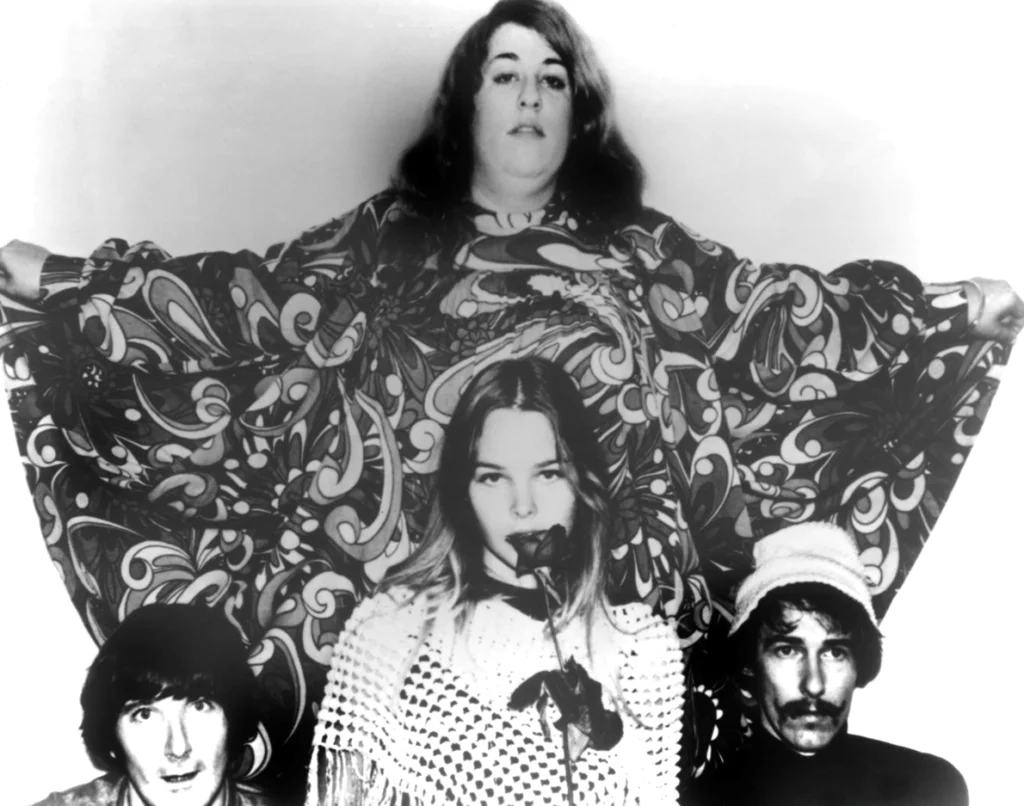
Los Angeles audiences embraced The Mamas & the Papas early on. Their harmonies stood out immediately in a crowded scene. Local listeners were drawn to their blend of folk, pop, and emotion. They felt sophisticated but still relatable. Clubs and radio helped build their reputation quickly.
Once they hit big, LA still saw them as their own. Their songs remain tied to the city’s creative boom. Locals remember where they were when those songs first played. That memory fuels their legend.
9. The Monkees
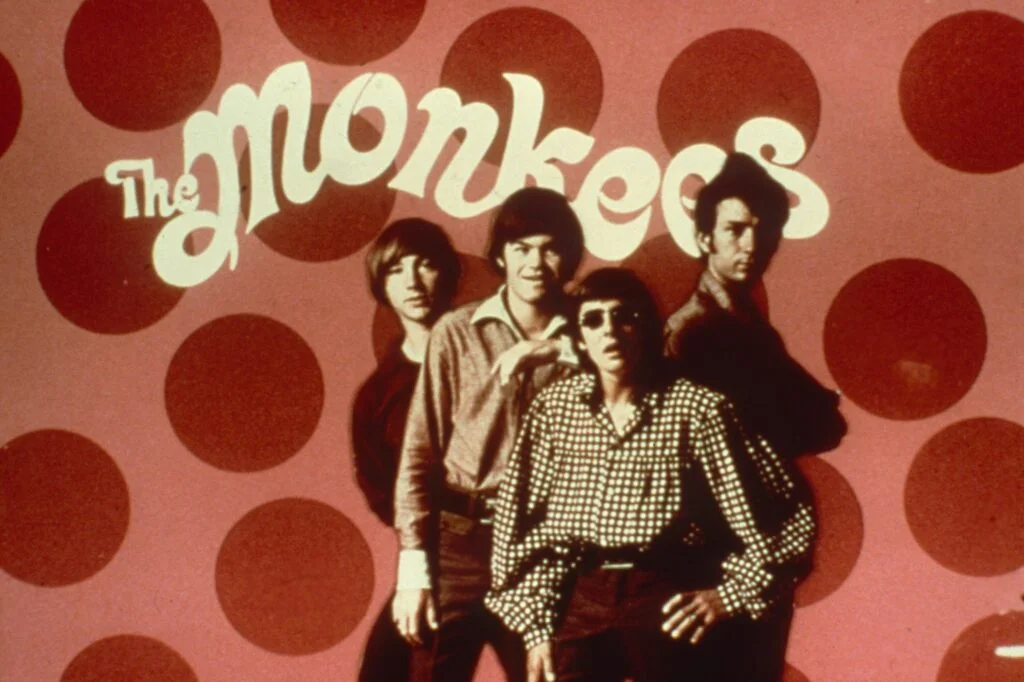
Before television fame exploded, The Monkees were very much a Los Angeles creation. Studio sessions and local promotion kept them rooted in the city. Fans knew them as part of the Hollywood music machine. Their songs became inescapable on local radio. They felt fun and accessible.
Even after becoming pop culture giants, LA never lost its connection to them. The city watched their evolution closely. The Monkees remain tied to a specific place and time. That’s what keeps them legendary regionally.
10. Iron Butterfly
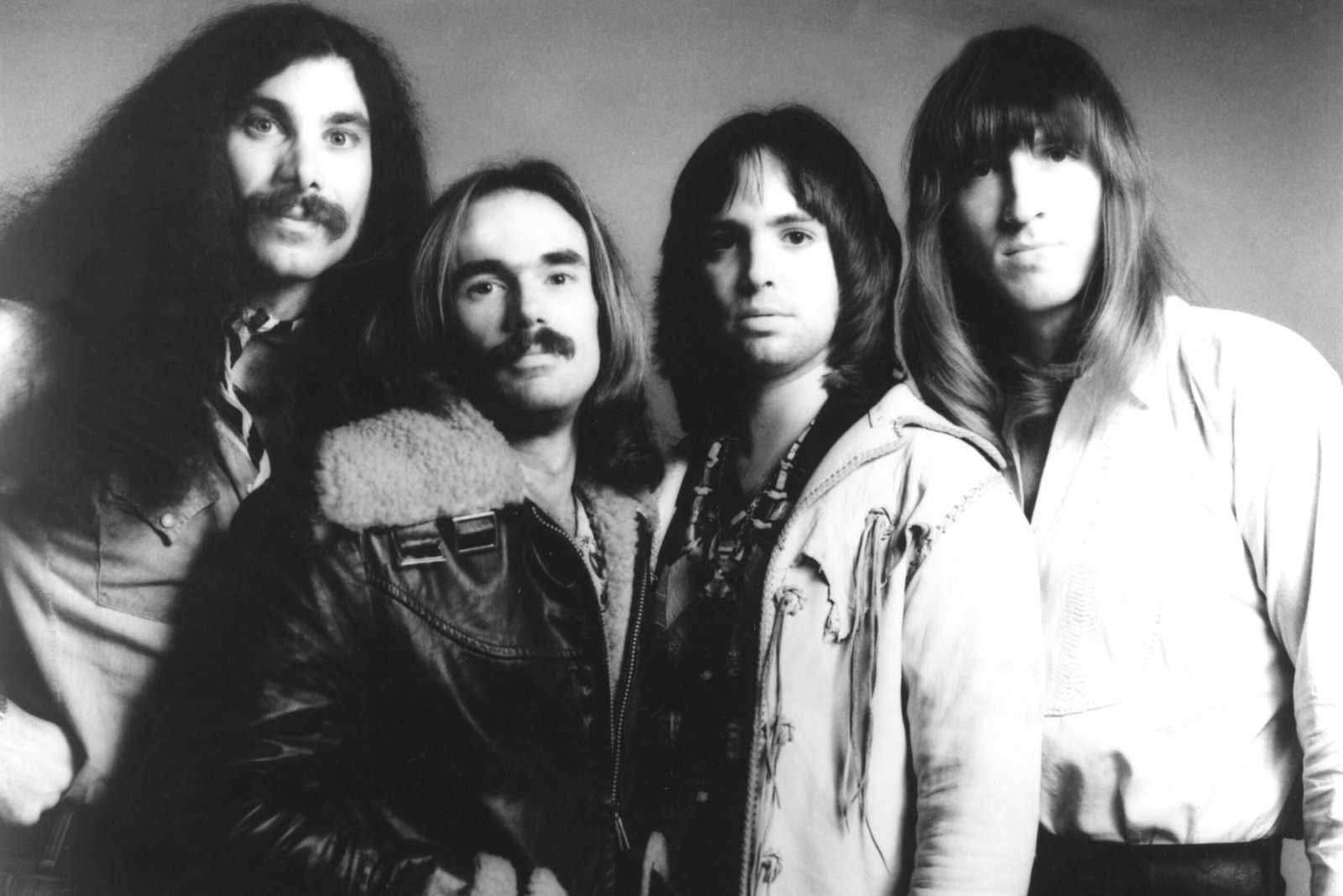
San Diego claimed Iron Butterfly long before “In A Gadda Da Vida” became unavoidable. They built a strong local following through relentless live performances. Fans appreciated their heavier, hypnotic sound. They felt different from typical radio fare. Seeing them live was intense and memorable.
When national success hit, locals felt proud rather than surprised. San Diego continued to support them long after their peak. Their origin story became part of local music lore. That pride still lingers.
11. The Turtles
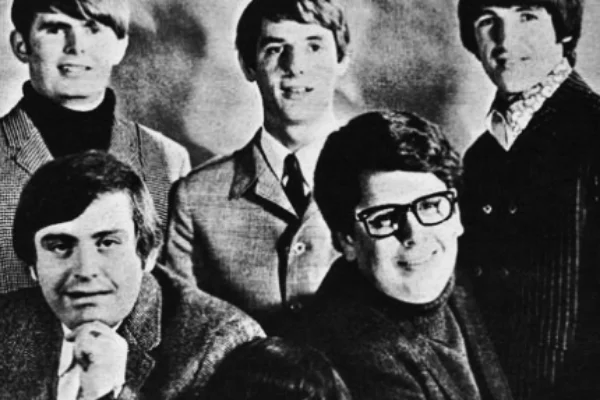
The Turtles were another Southern California staple before hitting the charts. Local audiences loved their clever songwriting and upbeat sound. They played constantly and stayed visible. Fans felt like they were always around. Their music fit perfectly with the local vibe.
Even after national fame, California listeners stayed loyal. The Turtles never felt distant or untouchable. Their songs still trigger regional nostalgia. That familiarity keeps them legendary.
12. Love
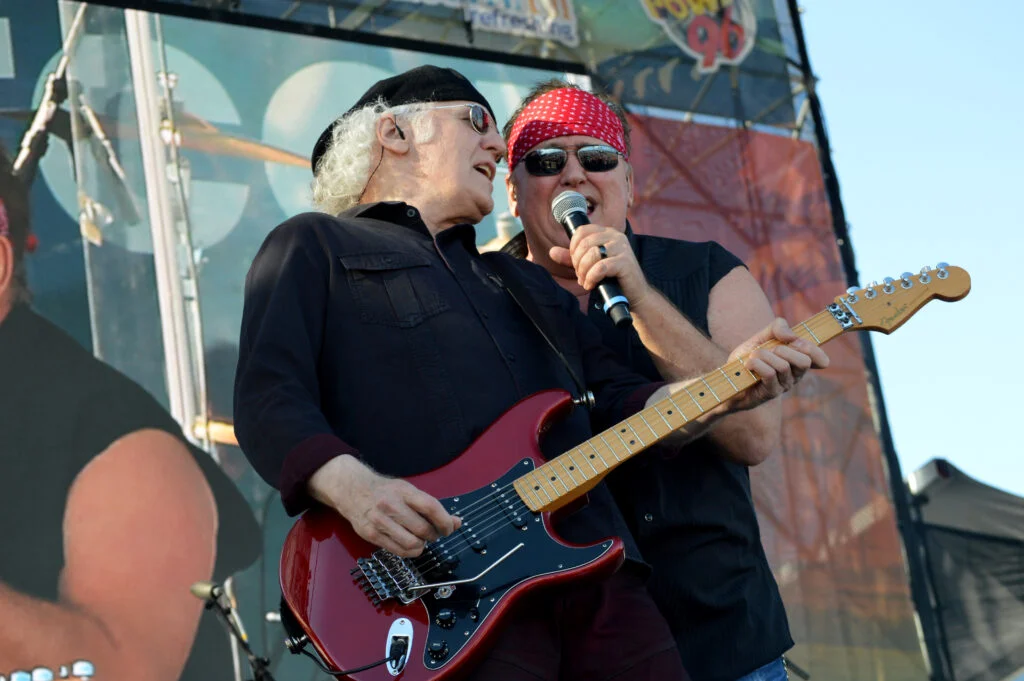
In Los Angeles, Love were critical darlings long before broader recognition. They played small venues with an intensity that stuck with audiences. Arthur Lee’s songwriting felt poetic and raw. Fans knew they were witnessing something special. The band felt deeply tied to the city’s creative pulse.
Though national fame was limited, their regional reputation soared. LA never stopped talking about them. Love became one of those bands people rediscover and revere. That lasting respect defines their legend.
13. The Association
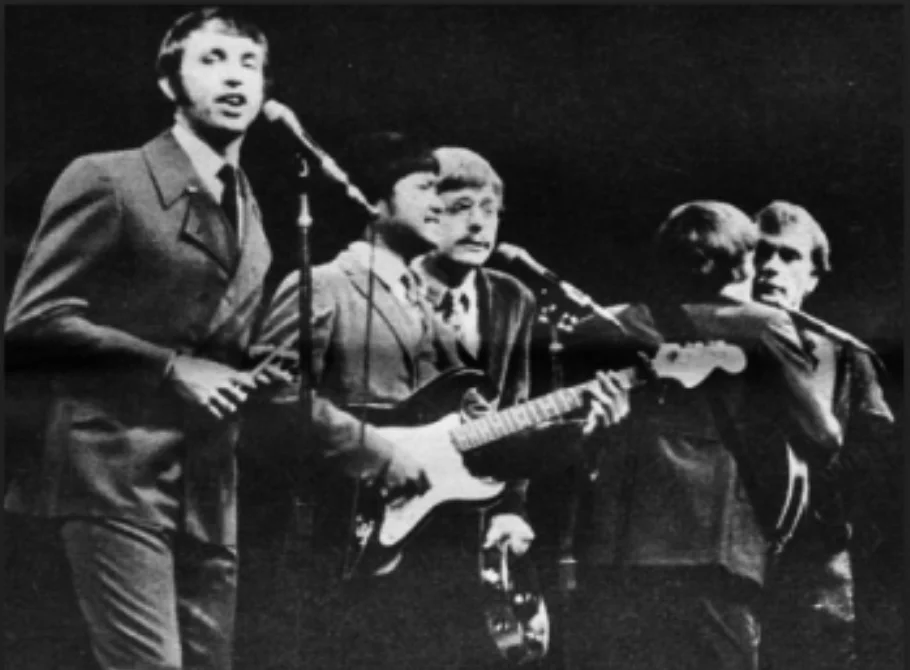
The Association were a familiar presence on the Los Angeles scene early on. Their polished harmonies appealed to local radio audiences quickly. Fans appreciated their balance of pop and sophistication. They felt approachable and refined. The band fit neatly into the city’s musical ecosystem.
Once they became nationally popular, LA still felt like home base. Their songs continued dominating local airwaves. The Association remained closely tied to Southern California nostalgia. That connection made them regional legends.
14. Creedence Clearwater Revival
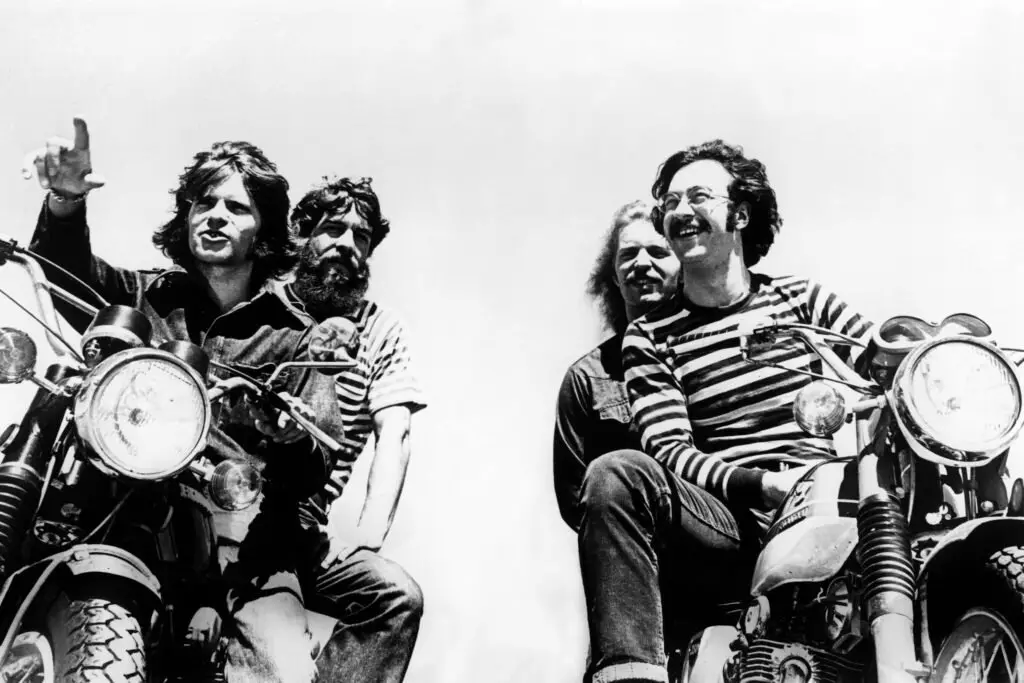
Though their sound felt Southern, Creedence Clearwater Revival came from Northern California. Local audiences embraced their gritty, roots driven music early. They stood out against the psychedelic scene. Fans loved their stripped down honesty. Their songs felt timeless even then.
Once they became huge, Northern California proudly claimed them. CCR remained deeply associated with the region. Their music still plays like a local anthem. That enduring pride seals their legendary status.
15. Grateful Dead
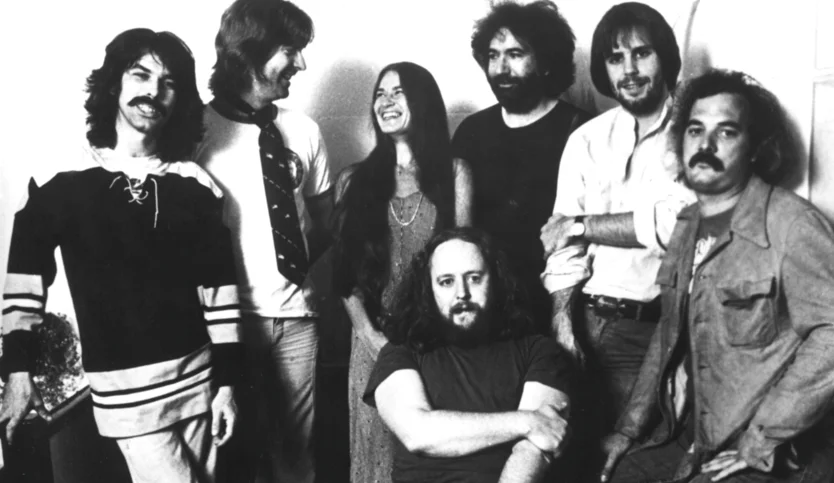
Before they became a touring institution, the Grateful Dead were very much a Bay Area band. They played free shows, acid tests, and local ballrooms where the audience often felt like part of the band itself. Their early fans followed them from venue to venue, building a community rather than just a fanbase. In San Francisco, seeing the Dead was less about a setlist and more about an experience. You didn’t just hear the music, you drifted through it. Locals understood their improvisational style long before the rest of the country caught on.
Even after national fame, the Bay Area always felt like home base. San Francisco claimed them with a sense of pride that never faded. Stories of those early shows are still shared like folklore. The Grateful Dead’s regional legend status comes from how deeply they were woven into the city’s counterculture. They weren’t visitors, they were part of the fabric.
16. Santana
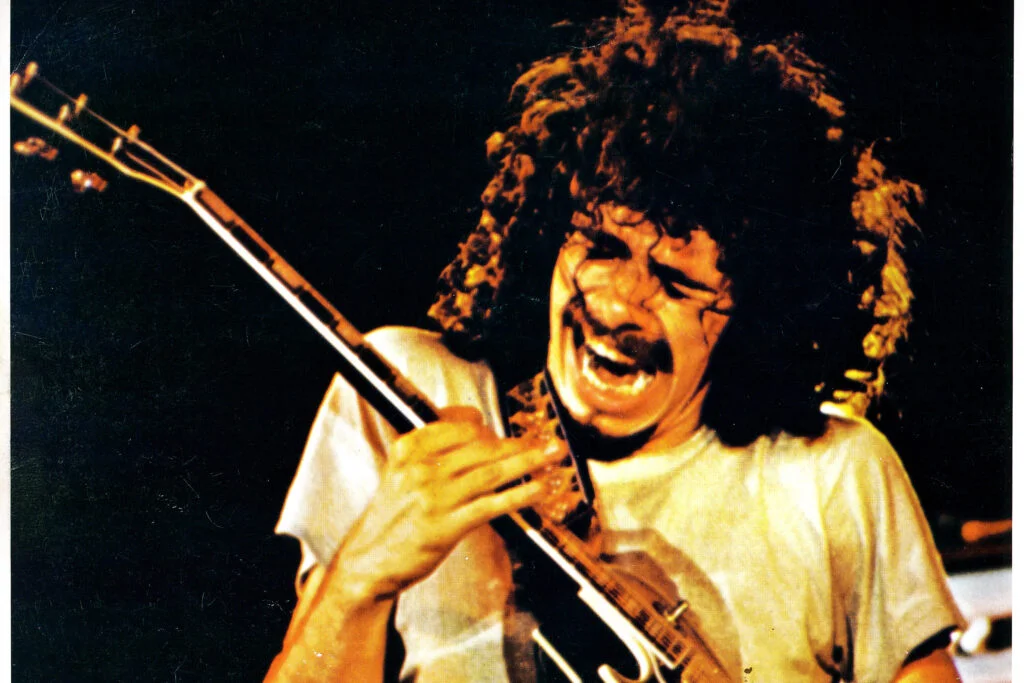
Santana rose out of the San Francisco music scene with a sound that immediately set them apart. Local audiences were drawn to the blend of rock, blues, and Latin rhythms that felt fresh and electrifying. Early shows built a strong following among Bay Area listeners who knew they were hearing something new. Carlos Santana’s guitar work alone made the band unforgettable. The music felt spiritual, joyful, and powerful all at once. Word of mouth carried their reputation quickly.
Once national success arrived, San Francisco never stopped claiming them. Their breakout moment felt like a victory for the local scene. Fans remembered seeing them before the big stages and festivals. Santana remained closely tied to the Bay Area’s musical identity. That early local love helped cement their legendary status.
17. Sly and the Family Stone
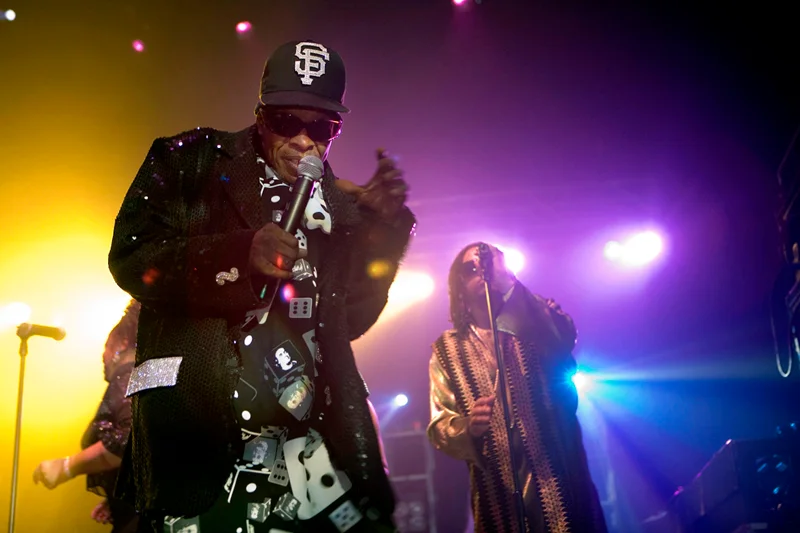
Sly and the Family Stone were already a phenomenon in San Francisco before the rest of the country caught on. Their sound blended funk, soul, rock, and pop in a way that felt inclusive and revolutionary. Local audiences embraced their message of unity and individuality. Shows were high energy and unpredictable, drawing diverse crowds. The band felt perfectly aligned with the Bay Area’s cultural shifts. Fans sensed they were witnessing something important.
Even as they broke nationally, the Bay Area held onto them fiercely. Sly remained a hometown figure despite global recognition. Their early local success became part of San Francisco’s musical pride. Stories of their rise circulated for years. That deep regional connection is what turned them into lasting legends.