
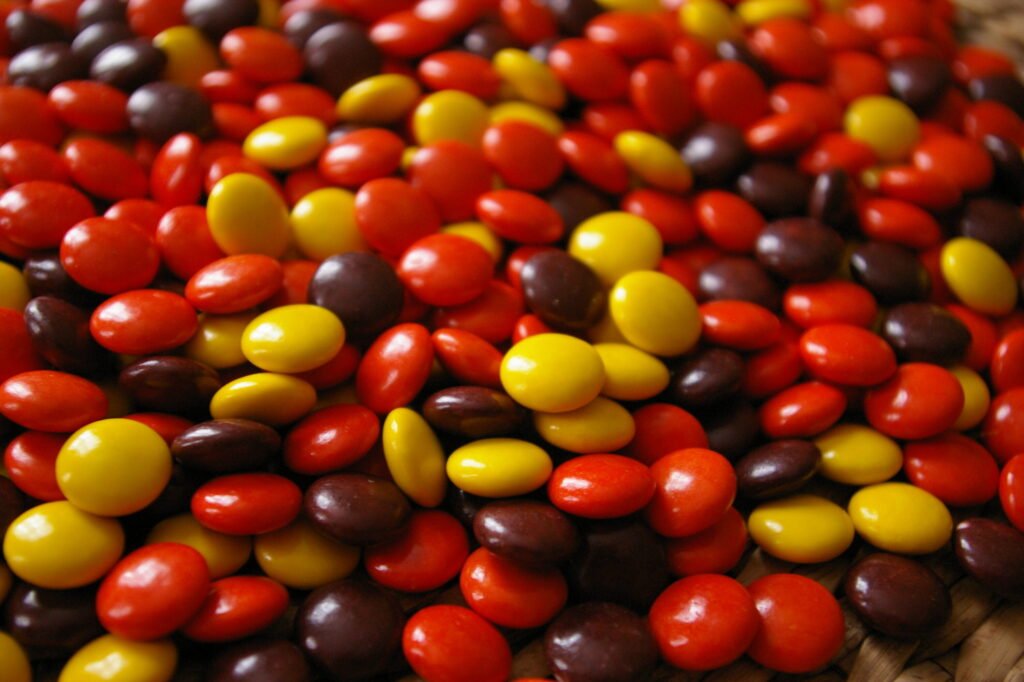
1. Reese’s Pieces
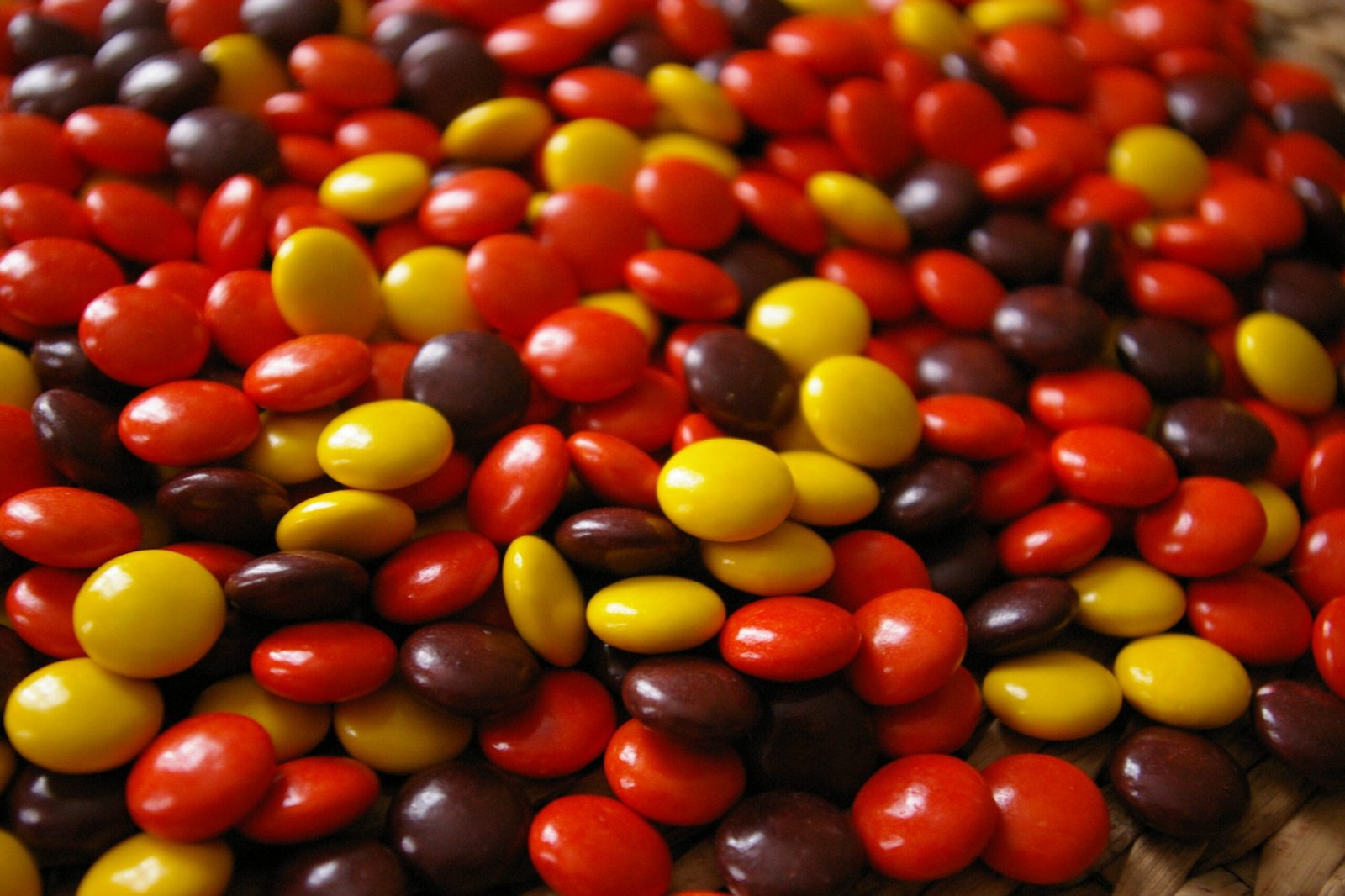
Reese’s Pieces felt like the ultimate score at the corner store in the ’80s, especially if you were a kid with a love for peanut butter. Those little candy-coated pieces were perfectly portioned for slow snacking, which mattered when you only had a few quarters. The bright orange bag made them impossible to miss hanging near the register. They felt just grown-up enough to be cool but still fun enough to trade with friends.
Kids loved that they were easy to pour into your hand and share, even if you secretly did not want to. The candy shells gave way to that familiar Reese’s flavor, which felt indulgent without being messy. They also had serious movie-night energy, which only added to their appeal. If you had enough change for Reese’s Pieces, you felt like you were doing pretty well.
2. Nerds
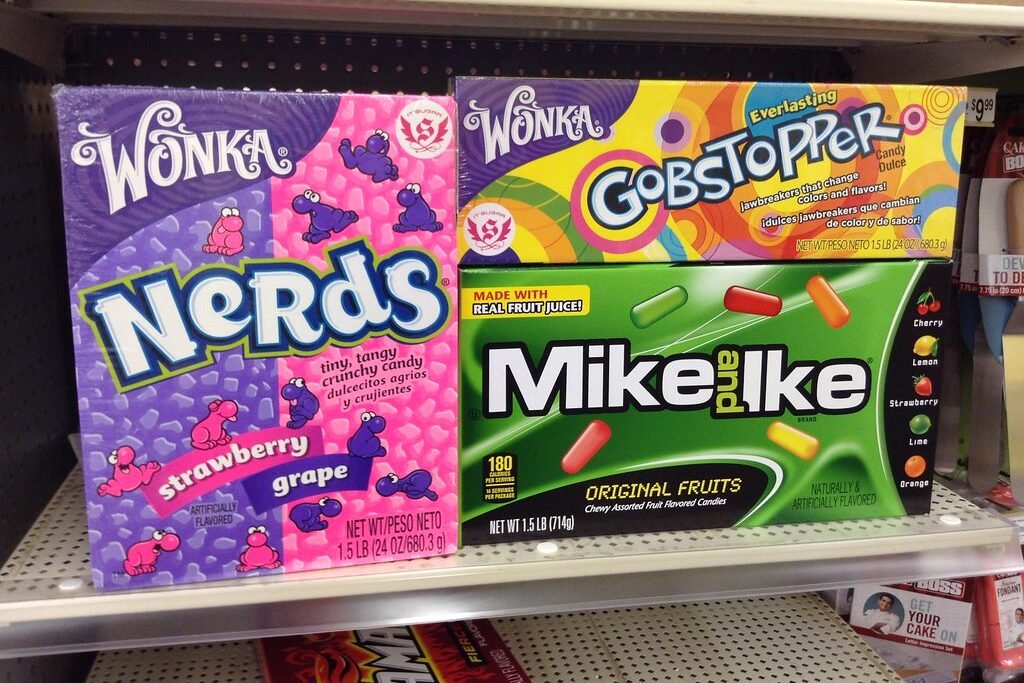
Nerds were all about options, which made them feel worth every coin you dropped on the counter. The split box let you flip between two flavors, which felt oddly powerful as a kid. Grape and strawberry was the classic combo, but every version felt exciting. The tiny candies rattled around in the box like treasure.
They were perfect for eating slowly during class or on the bus ride home. Nerds also had a reputation for lasting forever, which mattered when your allowance was limited. Sharing them was tricky, but that did not stop kids from trying. Nerds made quarters feel well spent.
3. Pop Rocks
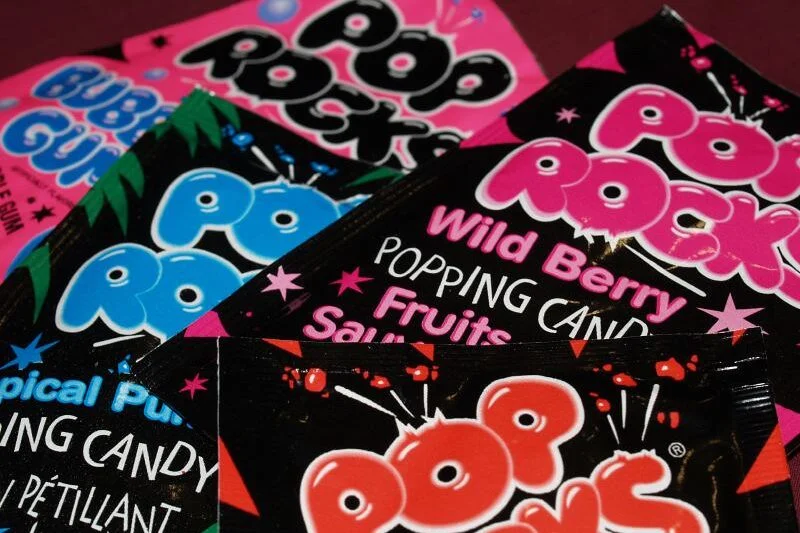
Pop Rocks felt like a science experiment you could eat, which made them legendary in the ’80s. Pouring them into your mouth and feeling the crackle was equal parts thrilling and slightly terrifying. Kids talked about Pop Rocks constantly, even when they were not eating them. That alone made them feel special.
They were not a candy you ate casually, which justified the purchase. Pop Rocks were an event, not a snack. You saved them for when friends were around or when you wanted attention. Spending your quarters on Pop Rocks meant you wanted something memorable.
4. Skittles
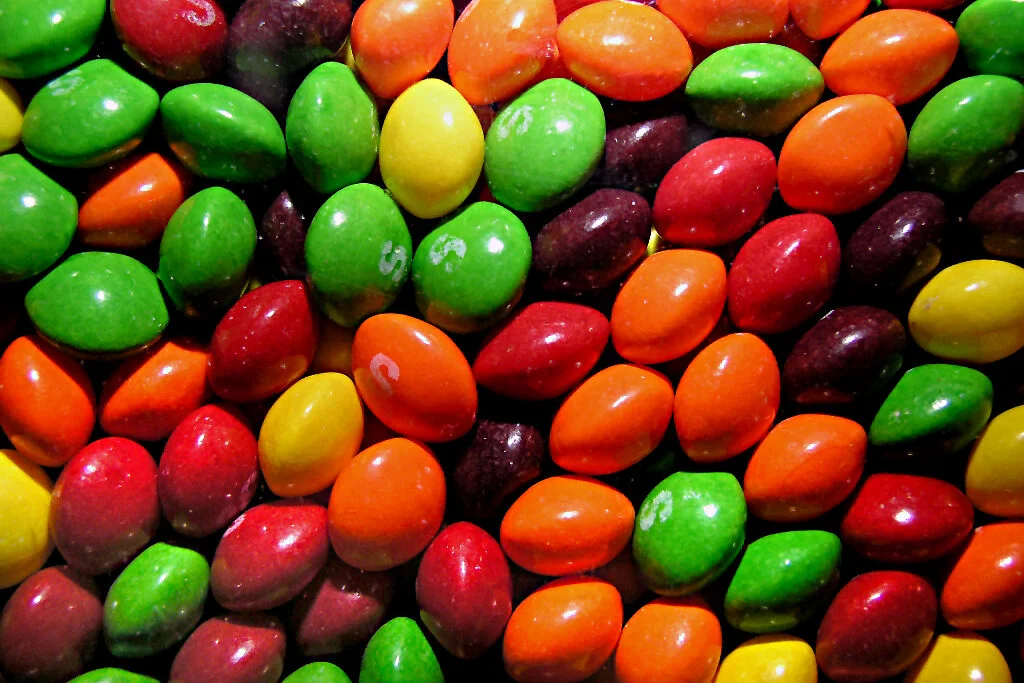
Skittles became a go-to choice for kids who wanted big flavor in a small package. The colorful pieces and fruity taste made them feel cheerful and fun. Each color had a distinct personality, which fueled endless debates about favorites. The small bag felt generous for the price.
They were easy to stash in a pocket and eat a few at a time. Skittles also worked for sharing, even if you quietly kept the reds for yourself. They felt modern and exciting compared to older candy bars. For many kids, Skittles were a safe but satisfying splurge.
5. Fun Dip
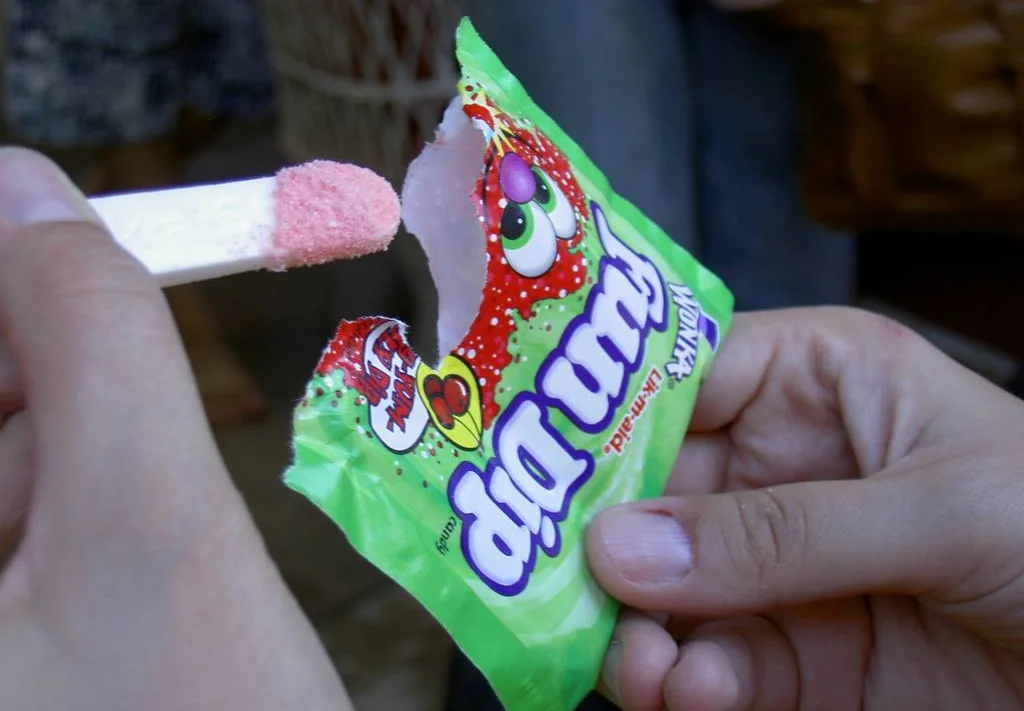
Fun Dip turned candy into an activity, which made it irresistible in the ’80s. Dipping the chalky stick into flavored sugar felt like cheating the system somehow. You were getting candy and something to do, all for a few quarters. The flavors were bold and unapologetically sweet.
Kids loved the ritual of licking the stick, dipping it, and repeating the process. It took time to finish, which made it feel like a better deal. Fun Dip was also wildly messy, adding to its charm. If you bought Fun Dip, you were committing to the full experience.
6. Big League Chew
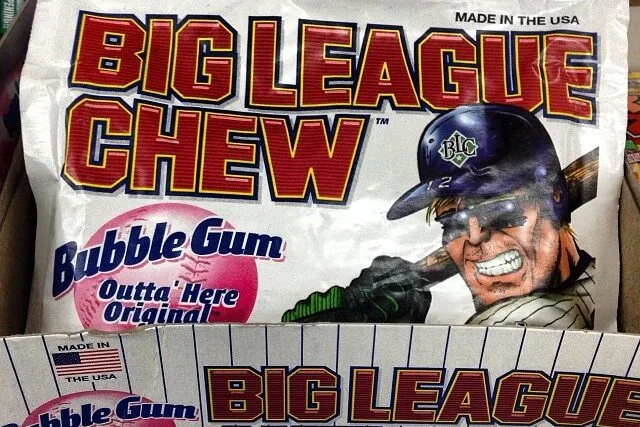
Big League Chew made kids feel older, cooler, and slightly rebellious. Shredded bubble gum in a pouch felt very grown-up, especially if you pretended it was something else. The bag was big enough to share but tempting enough to keep to yourself. That alone made it quarter-worthy.
Chewing it felt like a statement, not just a snack. Kids loved packing their mouths with gum and blowing huge bubbles. The flavors were strong and long-lasting, which mattered when money was tight. Big League Chew was about attitude as much as taste.
7. Now and Later
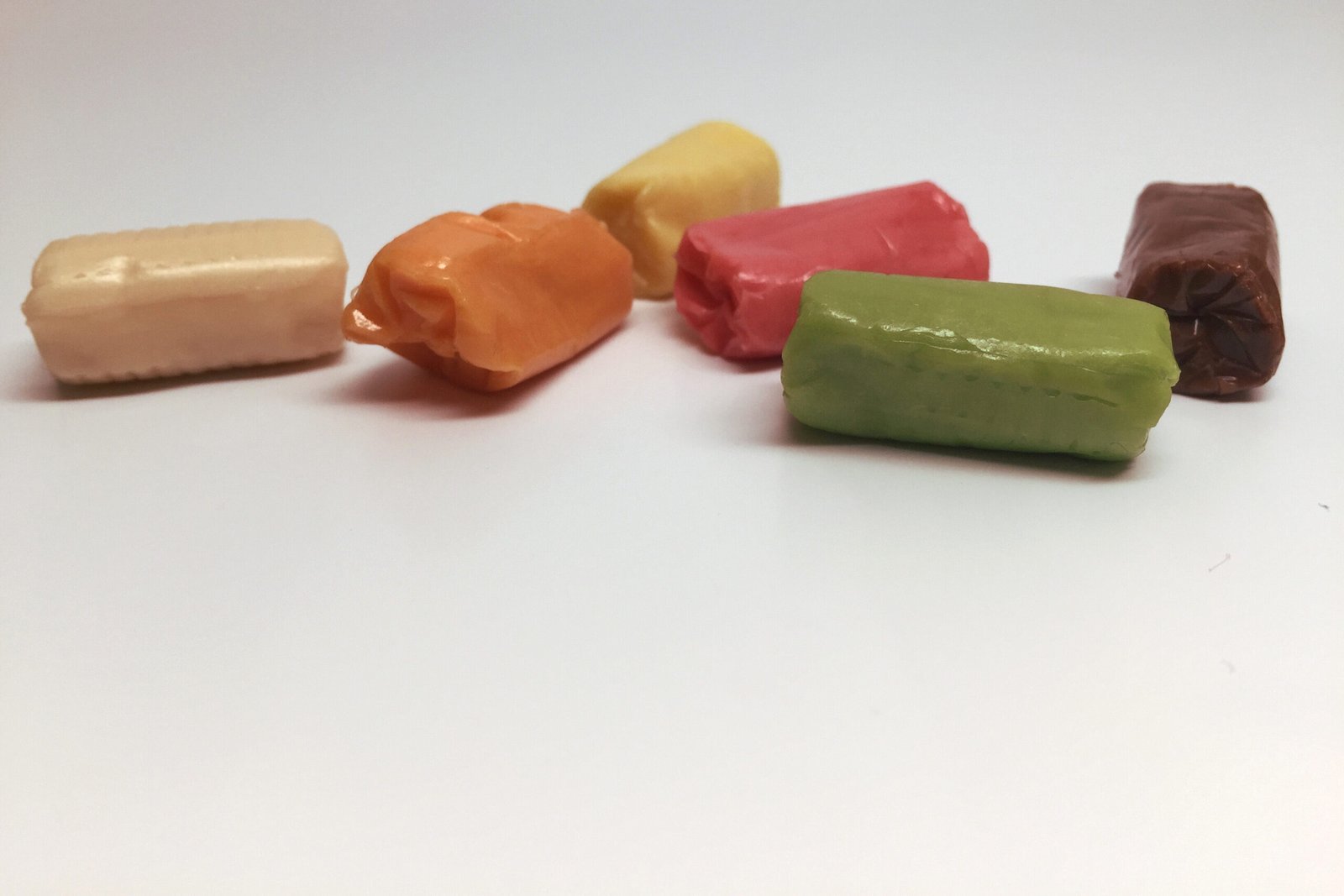
Now and Later were famously tough, which made them feel like a challenge. You had to work for that fruity payoff, and kids took pride in it. The small square candies were cheap, bold, and intensely flavored. They felt like candy for serious candy fans.
You could stretch a few pieces over a long afternoon. Letting them soften before chewing was practically a skill. Now and Laters were not flashy, but they were dependable. Spending quarters on them meant you valued flavor over frills.
8. Whatchamacallit
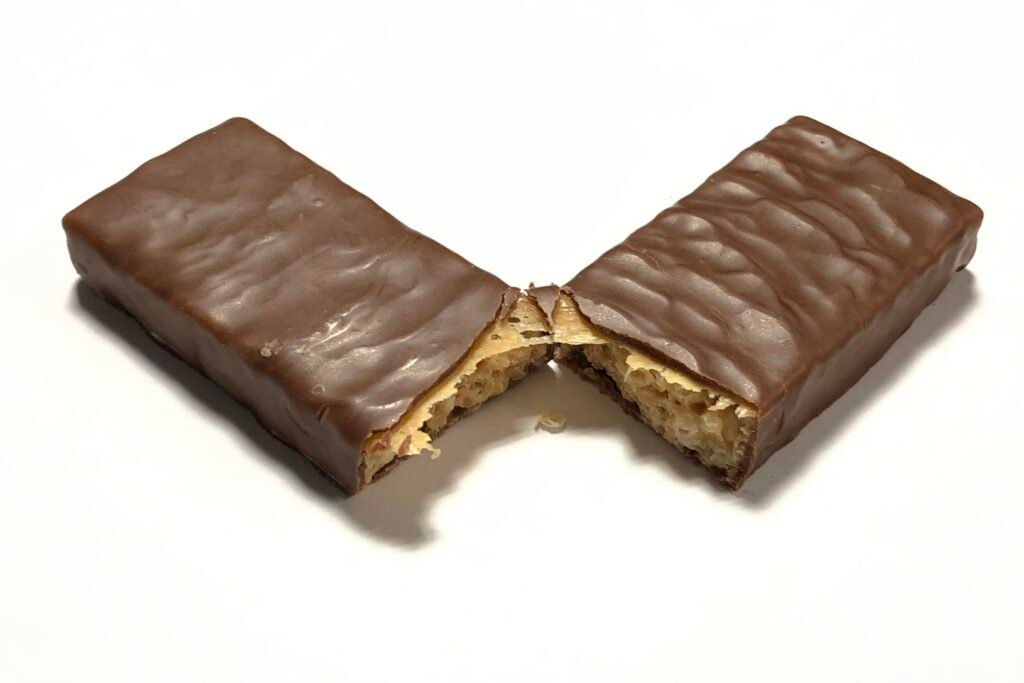
Whatchamacallit always felt slightly mysterious, starting with the name. The mix of chocolate, crisped rice, and caramel made it stand out from standard candy bars. It felt more complex, almost fancy, compared to simpler options. That made it an exciting choice.
Kids often picked it when they wanted something different. It was filling enough to feel substantial, which justified the cost. Whatchamacallit had a loyal following that took it very seriously. If you chose one, you knew exactly what you were doing.
9. AirHeads
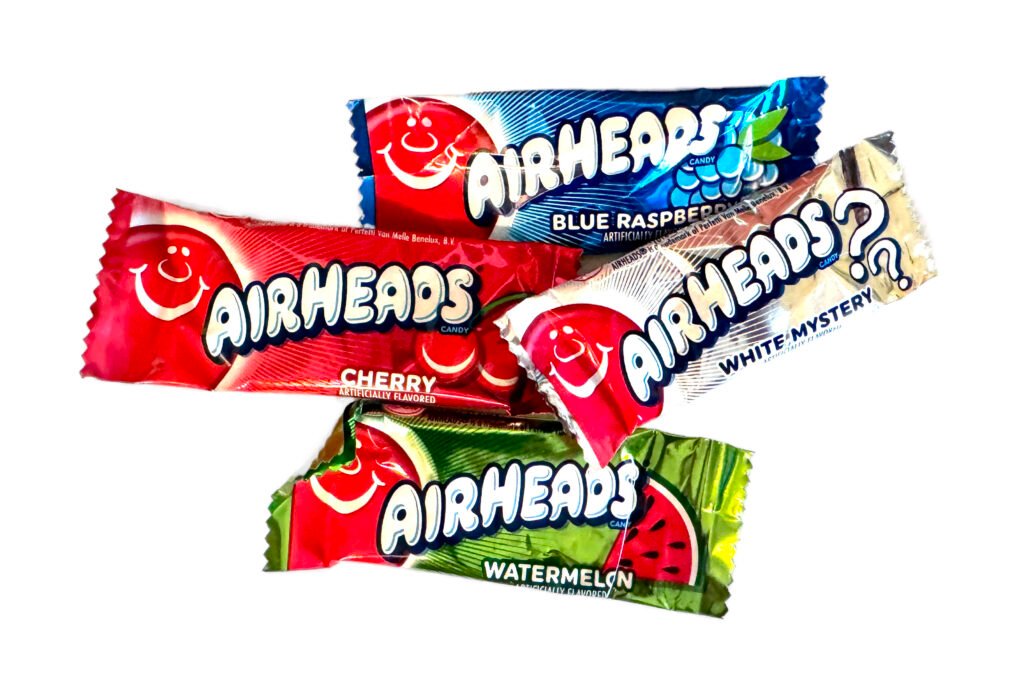
AirHeads brought bright colors and intense flavors that screamed ’80s candy culture. The stretchy texture made them fun to pull apart and share. Each bar felt playful and bold, even before you tasted it. They were hard to ignore on the candy rack.
Kids loved that they could chew forever without finishing it too fast. The flavors were simple but powerful, which made them memorable. AirHeads also felt a little chaotic, in the best way. Spending quarters on one felt like choosing pure fun.
10. Sour Patch Kids
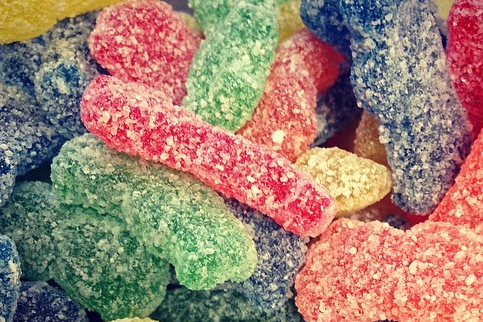
Sour Patch Kids introduced many kids to the joy of sour candy in the ’80s. The sour coating hit first, followed by a sweet finish that kept you reaching for more. That contrast made them addictive. The soft texture made them easy to eat by the handful.
They felt edgy compared to traditional sweet candy. Kids liked daring each other to handle the sourness. A small bag could disappear quickly, but it was always worth it. Sour Patch Kids made quarters vanish fast, and no one really minded.
11. Ring Pop
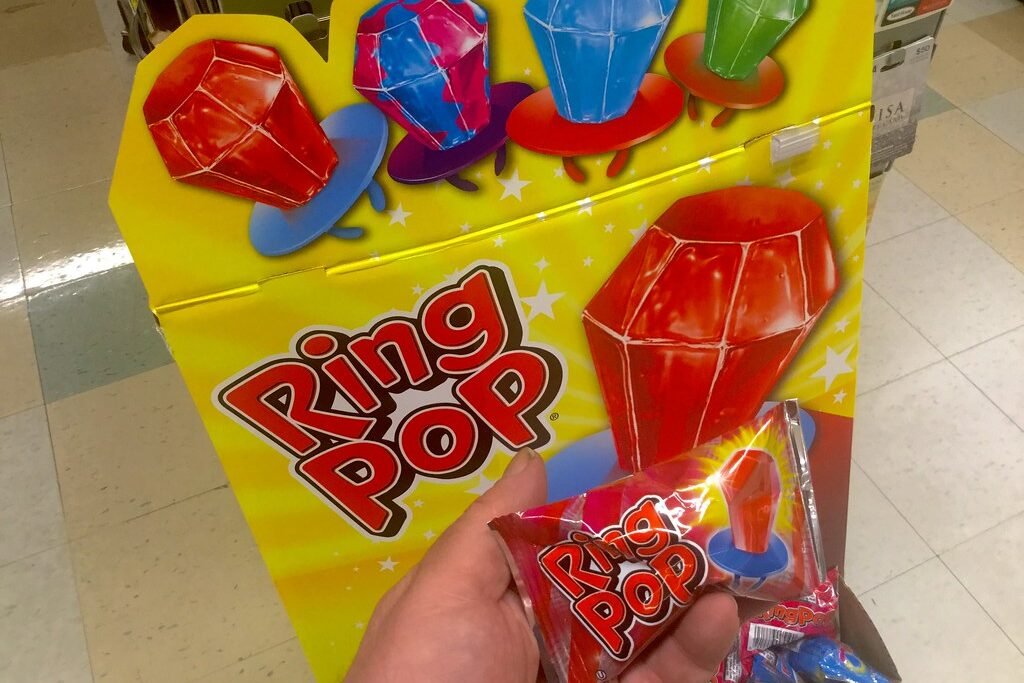
Ring Pops were candy and jewelry, which felt like a genius combination. Wearing your candy before eating it made it last longer, at least in theory. The oversized gem and bright colors were impossible to resist. It felt like candy that doubled as a toy.
Kids loved showing them off before finally licking away at the candy. The novelty alone justified the purchase. Ring Pops made you feel rich, even if you were not. Spending quarters on one was about attention as much as flavor.
12. Push Pop
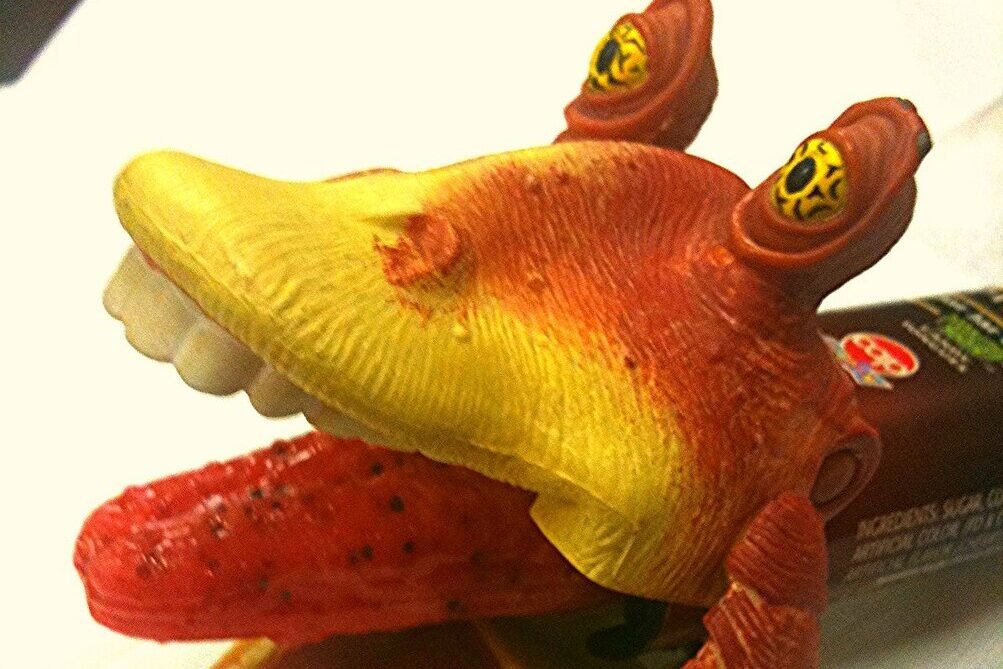
Push Pops let kids control exactly how much candy they ate at once. Sliding the candy up and down felt oddly satisfying. The plastic tube made it feel modern and reusable, which mattered in the ’80s. It was candy with a system.
Kids liked saving some for later, even if that did not always happen. The flavors were strong and familiar, but the format made them feel new. Push Pops lasted longer than most candy, which made them a smart buy. Quarters felt well invested here.
13. Warheads
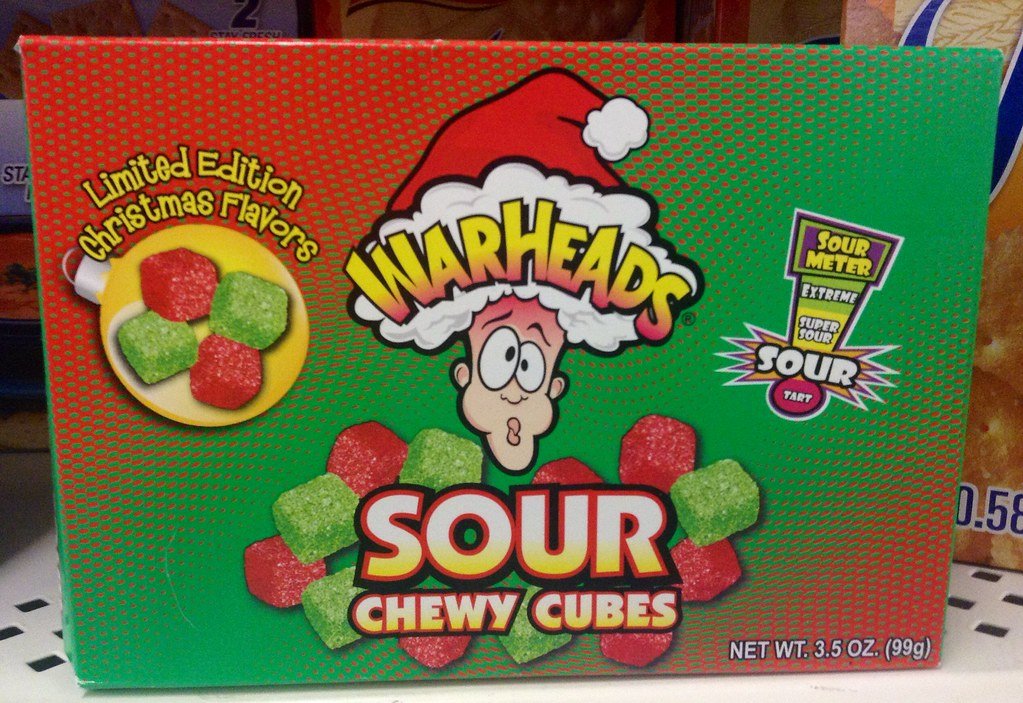
Warheads arrived at the tail end of the ’80s and immediately made an impression. They were brutally sour, which became their whole identity. Kids bought them as much for the reaction as for the taste. Eating one felt like a dare.
Friends gathered around to watch faces pucker and eyes water. Surviving a Warhead felt like an accomplishment. They were not for casual snacking, which made them exciting. Spending quarters on Warheads meant you wanted a story to tell afterward.