

1. Steve McQueen
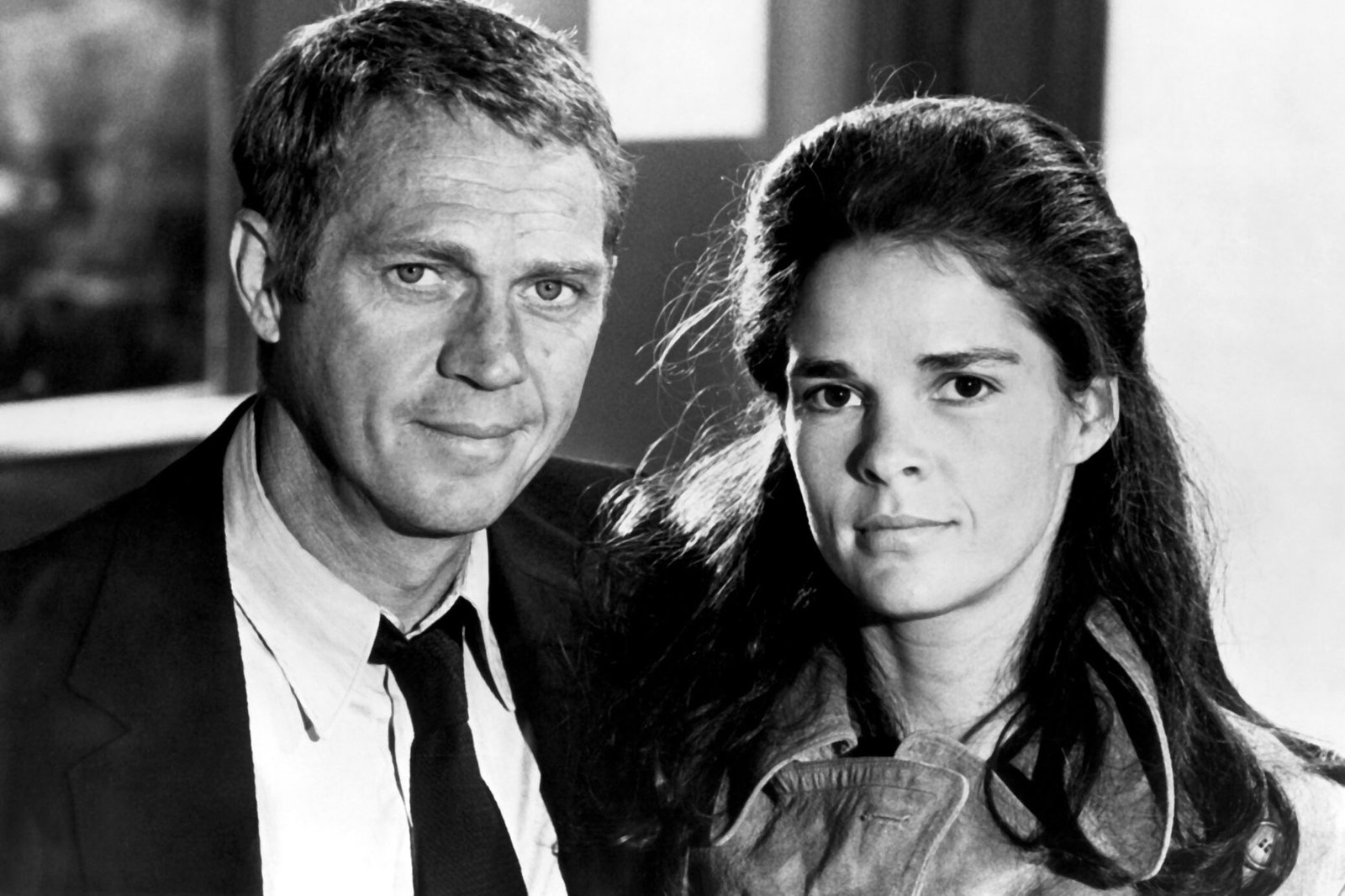
Steve McQueen had a presence that felt effortless and cool without trying too hard. In the ’60s, he embodied a kind of rugged masculinity that felt both modern and untouchable. Movies like Bullitt and The Great Escape turned him into the ultimate antihero. He did not need long speeches or big emotional moments to command the screen. A single look or quiet reaction was often enough. Audiences believed him completely, whether he was racing cars or breaking out of prison camps.
Off screen, McQueen’s image only added to the mystique. He raced motorcycles, avoided Hollywood excess when he could, and carried himself like someone who did not answer to anyone. That independence made him feel larger than life in a very real way. He seemed less like a movie star and more like a force. Even today, his style and attitude still feel timeless.
2. Elizabeth Taylor
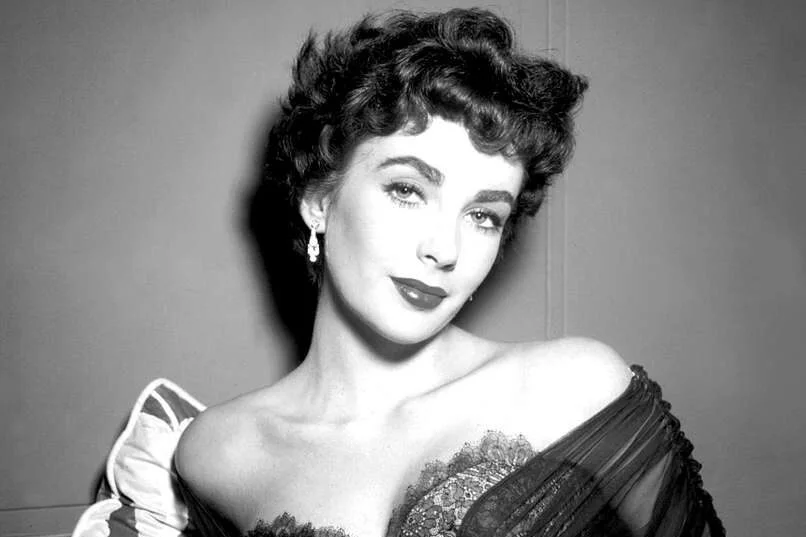
Elizabeth Taylor was already a star before the ’60s, but the decade elevated her into something mythic. Her violet eyes, commanding voice, and emotional intensity made every role feel epic. Films like Cleopatra and Who’s Afraid of Virginia Woolf? showed how powerful she could be on screen. She did not shy away from flawed or difficult characters. Instead, she leaned into them with total commitment. Watching her felt like watching someone live out loud.
Her personal life also fueled her legend. Taylor’s marriages, health struggles, and public appearances kept her constantly in the spotlight. Yet she always seemed in control of her own narrative. She carried glamour and grit in equal measure. That combination made her feel impossible to ignore. Few stars ever matched her sheer presence.
3. Paul Newman
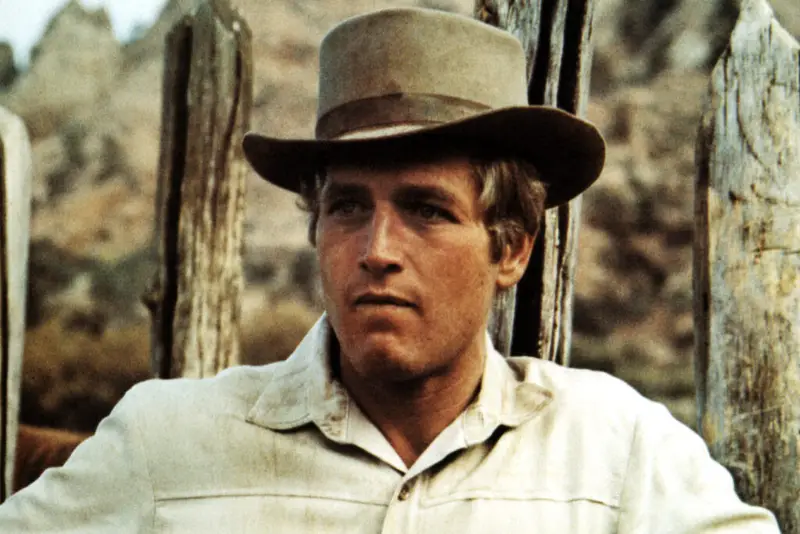
Paul Newman had movie star looks, but there was always something deeper going on behind his eyes. In the ’60s, he brought quiet intensity to roles that could have been straightforward. Movies like Cool Hand Luke made him a symbol of rebellion with a conscience. He felt relatable while still being aspirational. That balance made audiences root for him instantly.
Newman’s charm never felt forced or flashy. He played characters who questioned authority without making speeches about it. His calm confidence filled the screen. Off screen, his later dedication to philanthropy only strengthened his legacy. He felt larger than life because he seemed genuinely grounded. That contrast made him unforgettable.
4. Audrey Hepburn
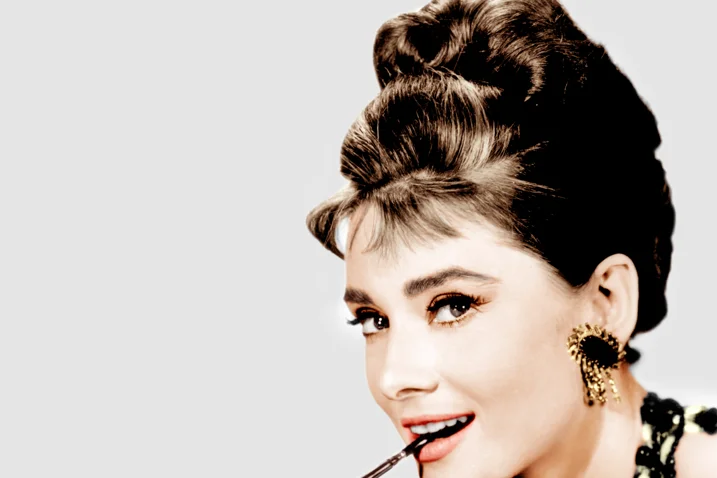
Audrey Hepburn brought a kind of elegance that felt completely natural. In the ’60s, her roles in films like Breakfast at Tiffany’s made her a style icon overnight. She had a delicate presence, but it was paired with strength and intelligence. Her performances were subtle but deeply affecting. She never needed grand gestures to leave an impression.
Hepburn also represented a different kind of stardom. She felt approachable, yet undeniably special. Her humanitarian work later in life only reinforced that sense of grace. She seemed to float through scenes rather than dominate them. That quiet power made her larger than life in her own way.
5. Sidney Poitier
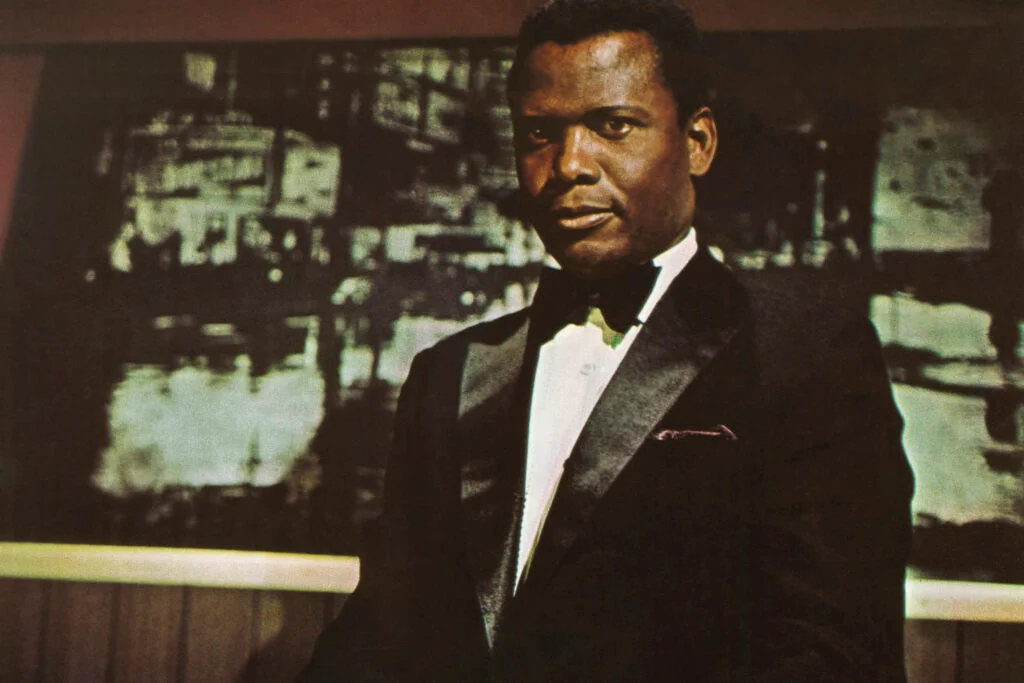
Sidney Poitier changed the landscape of Hollywood in the ’60s. His performances carried weight far beyond the screen. Films like Guess Who’s Coming to Dinner and In the Heat of the Night gave audiences characters they had rarely seen before. He brought dignity, intelligence, and authority to every role. Watching him felt important.
Poitier’s presence was commanding without being intimidating. He had a calm strength that demanded respect. At a time of massive cultural change, his stardom meant something deeper. He was not just entertaining audiences, he was challenging them. That impact made him feel truly larger than life.
6. Marilyn Monroe
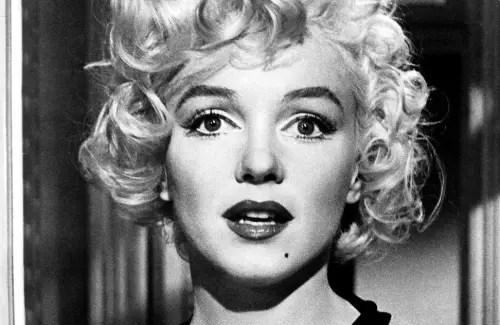
Even though her career was cut short, Marilyn Monroe’s influence in the early ’60s was enormous. She had a screen presence that felt electric and unpredictable. Movies like Some Like It Hot showed her impeccable comic timing. Beneath the glamour, there was vulnerability that audiences connected to. That mix made her endlessly fascinating.
Monroe’s image became iconic almost overnight. She represented desire, fragility, and fame all at once. Her personal struggles only added to the myth. People felt like they knew her, even if they never truly did. That emotional connection made her feel larger than life long after she was gone.
7. Clint Eastwood
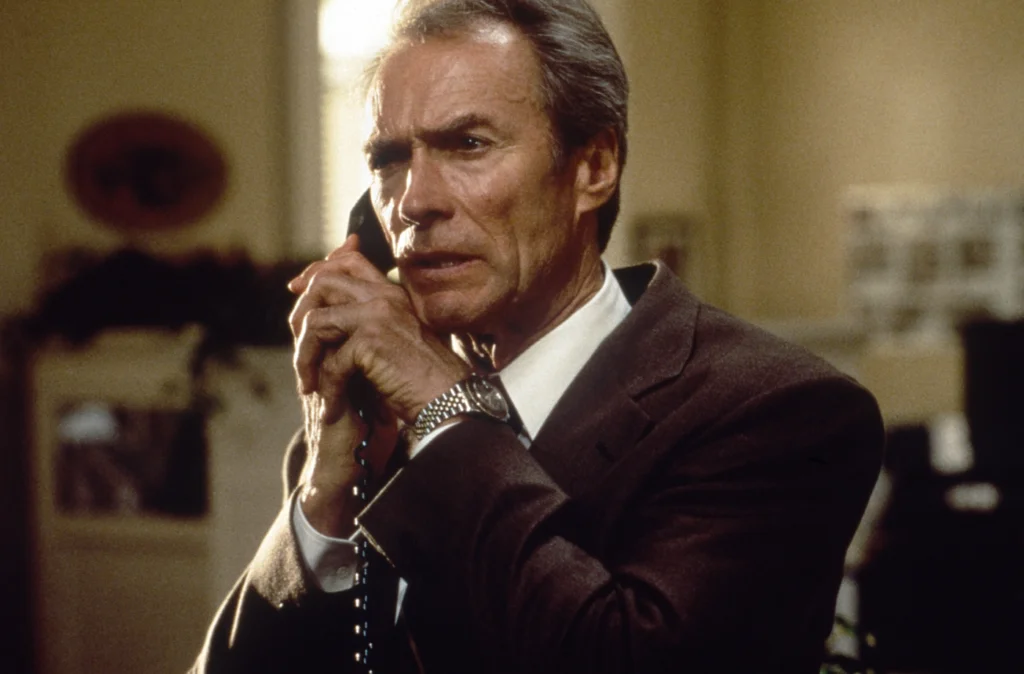
Clint Eastwood emerged in the ’60s as a symbol of cool authority. His work in Sergio Leone’s spaghetti westerns redefined what a movie hero could look like. He spoke little, but every glance carried weight. Eastwood’s characters felt unstoppable. That confidence filled the screen.
There was something almost mythic about his presence. He did not chase approval or likability. Instead, he owned every frame with quiet certainty. Audiences believed he could handle anything thrown his way. That belief made him feel bigger than the story itself.
8. Sophia Loren
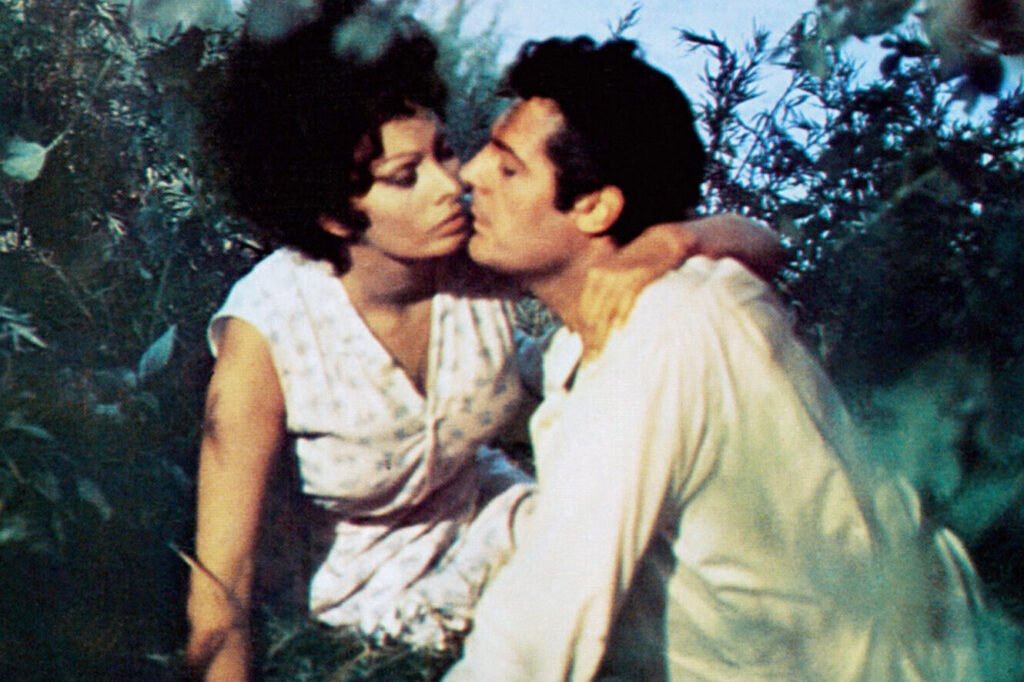
Sophia Loren brought passion and confidence to every role she played. In the ’60s, she stood out for her ability to balance beauty with emotional depth. Films like Two Women proved she was far more than a glamorous face. She commanded attention the moment she appeared on screen. Her performances felt deeply human.
Loren’s confidence was infectious. She never played small or apologetic characters. Instead, she embraced strength and vulnerability at the same time. That authenticity made her unforgettable. She felt like someone who could not be ignored.
9. John Wayne
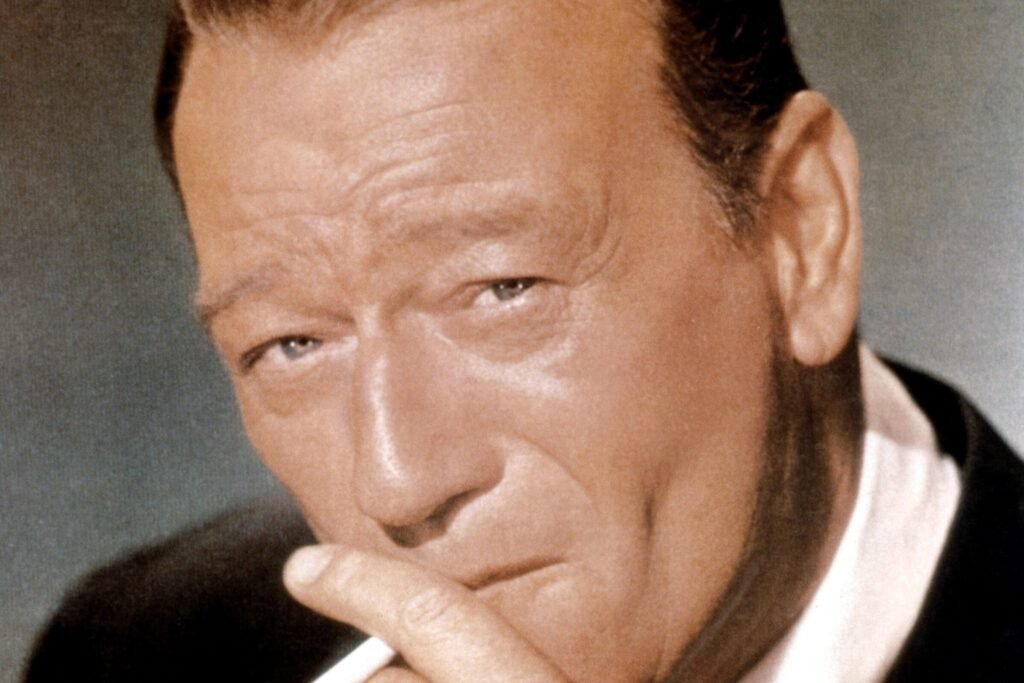
By the ’60s, John Wayne was already a legend, but the decade cemented his status. His towering presence and unmistakable voice made every role feel monumental. Films like True Grit showed how he could age into his stardom. He represented a very specific kind of American masculinity. Audiences knew exactly what to expect and wanted it.
Wayne’s persona extended far beyond his films. He stood for tradition, strength, and certainty. Whether people agreed with him or not, they paid attention. He felt bigger than any single movie. That lasting impact defined his larger than life image.
10. Jane Fonda
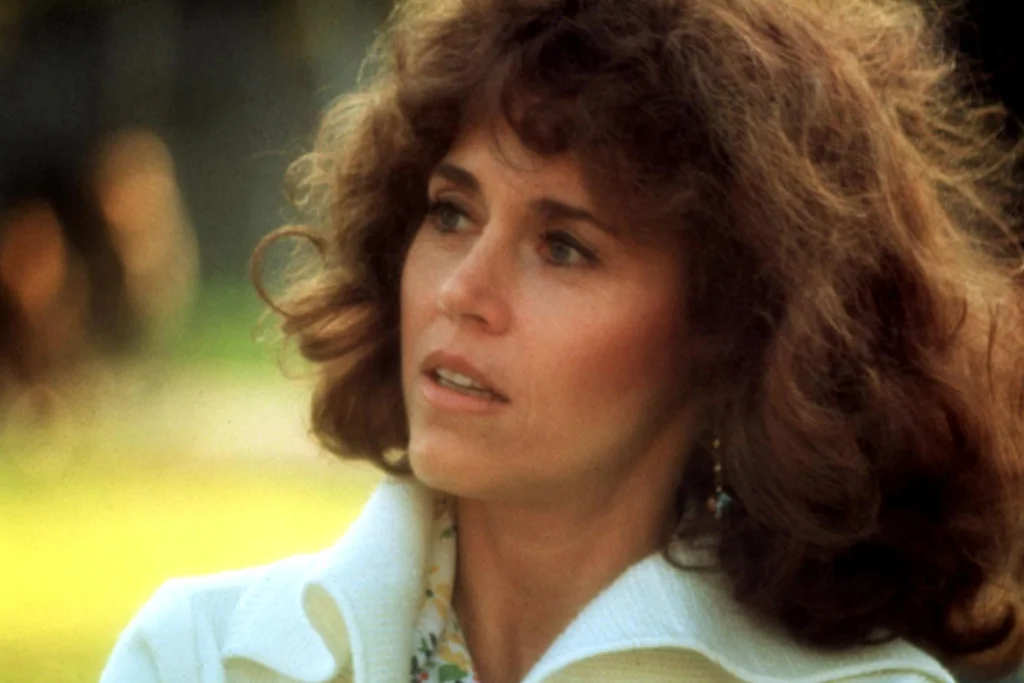
Jane Fonda came into her own in the ’60s with a mix of intelligence and boldness. She did not fit neatly into any one category. Movies like Barbarella showed her playful side, while other roles revealed depth and seriousness. She was constantly evolving. That unpredictability kept audiences engaged.
Fonda’s off screen activism later in the decade added another layer to her stardom. She was not afraid to take risks or stand out. Her presence felt modern and fearless. She represented change in motion. That made her feel larger than life in a different way.
11. Sean Connery
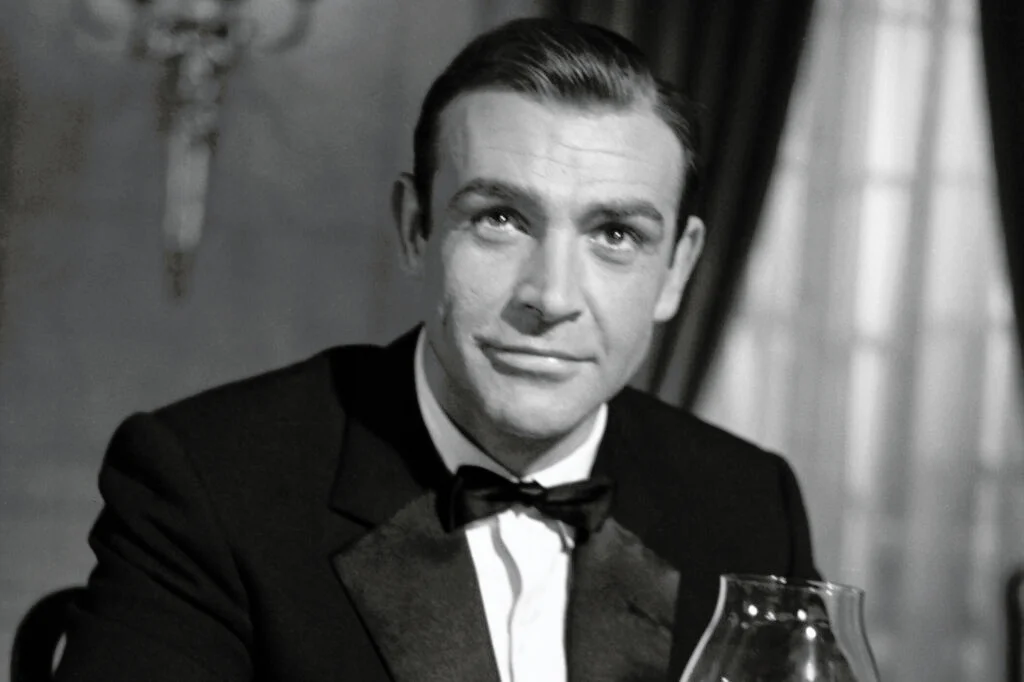
Sean Connery became a global icon in the ’60s thanks to James Bond. His portrayal of the character set the standard for movie cool. Connery’s confidence felt effortless and commanding. He had charm without softness and strength without stiffness. Audiences could not look away.
Beyond Bond, Connery carried that same authority into other roles. He felt grounded and powerful at the same time. His accent, voice, and posture all added to his presence. He did not disappear into roles, he elevated them. That made him feel monumental.
12. Natalie Wood
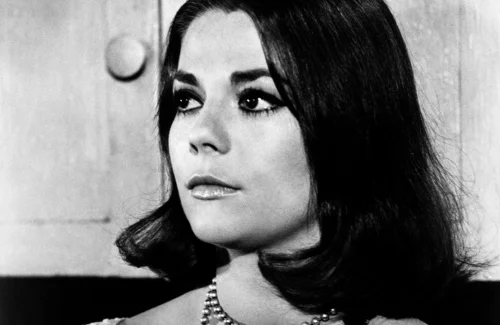
Natalie Wood had a rare ability to feel both vulnerable and commanding. In the ’60s, she starred in films that showcased her emotional range. Movies like West Side Story made her unforgettable. She brought sincerity to every performance. Audiences trusted her completely.
Wood’s stardom felt personal rather than distant. She seemed like someone viewers could relate to, yet admire deeply. That emotional connection made her stand out. Her performances lingered long after the credits rolled. She felt larger than life because she felt real.
13. Burt Lancaster
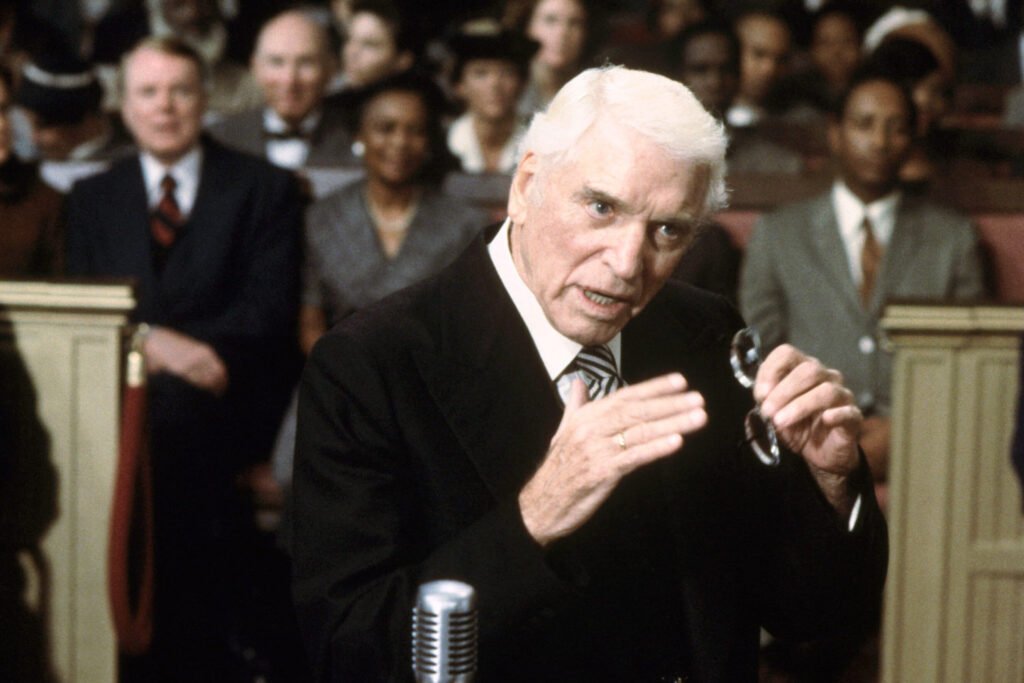
Burt Lancaster brought athleticism and intensity to his roles in the ’60s. He had a commanding physical presence that filled the screen. Films like Elmer Gantry showed his fearless approach to complex characters. He was not afraid to take risks. That confidence made his performances unforgettable.
Lancaster also challenged expectations of leading men. He embraced morally complicated roles. His energy felt boundless and magnetic. Audiences sensed that anything could happen when he was on screen. That unpredictability made him larger than life.
14. Brigitte Bardot
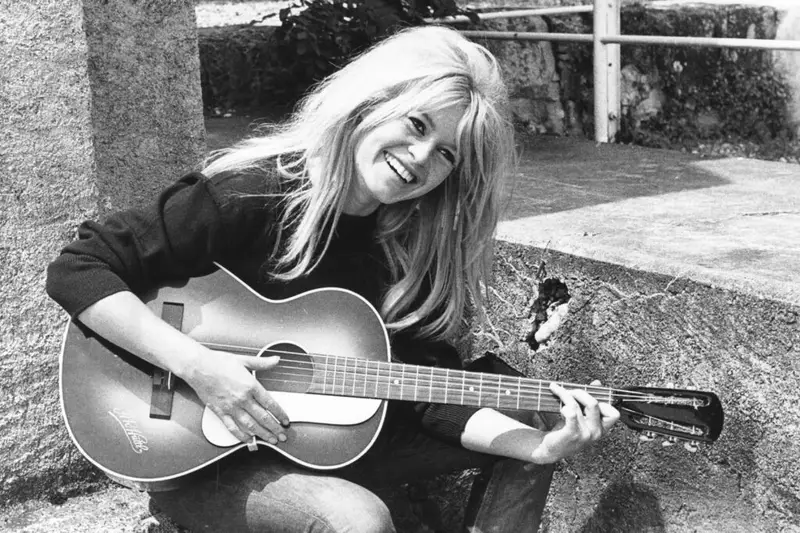
Brigitte Bardot became a symbol of freedom and rebellion in the ’60s. Her screen presence felt bold and unapologetic. She represented a new kind of femininity that did not ask for permission. Films like And God Created Woman captured that spirit. Audiences were captivated.
Bardot’s influence extended far beyond film. She shaped fashion, attitudes, and cultural conversations. She seemed to exist outside traditional Hollywood rules. That independence made her feel untouchable. She was not just a star, she was a statement.