1. James Brown
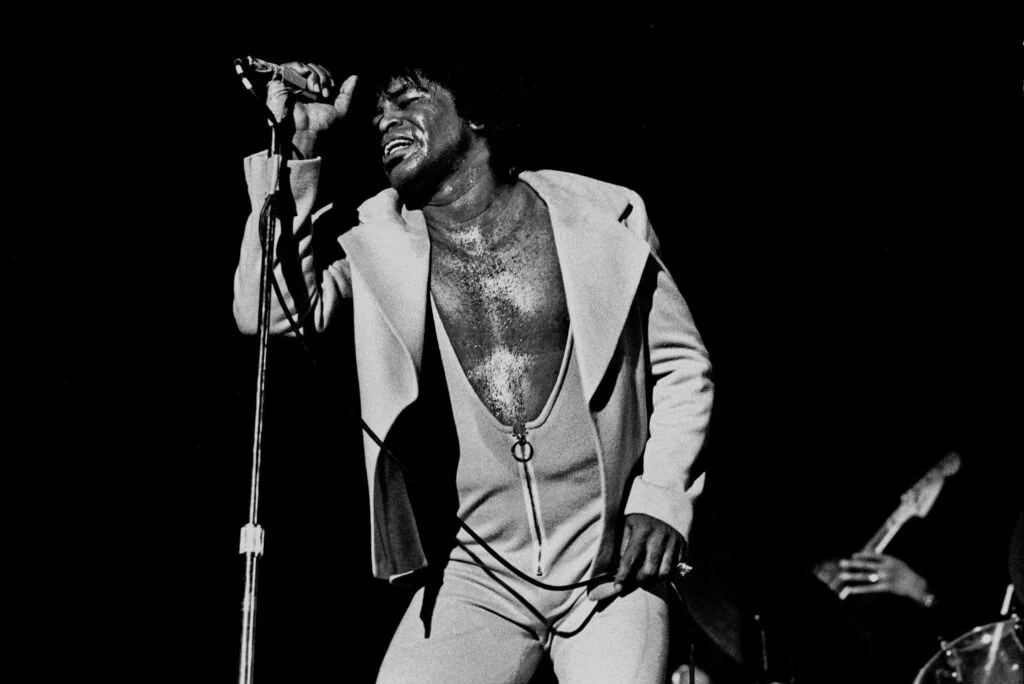
James Brown didn’t just perform, he detonated. Watching him onstage in the ’60s felt like witnessing controlled chaos, with every split, scream, and sweat soaked move landing exactly where it was meant to. He treated concerts like athletic events, pushing his band and himself to the brink night after night. Audiences didn’t just watch Brown, they tried to keep up with him.
What made Brown truly commanding was that nothing about his energy felt accidental. He demanded precision from his musicians and expected the same attention from the crowd. Even in smaller venues, he projected the authority of someone who knew he owned the room. By the end of a show, people weren’t clapping politely, they were exhausted and grateful.
2. Aretha Franklin
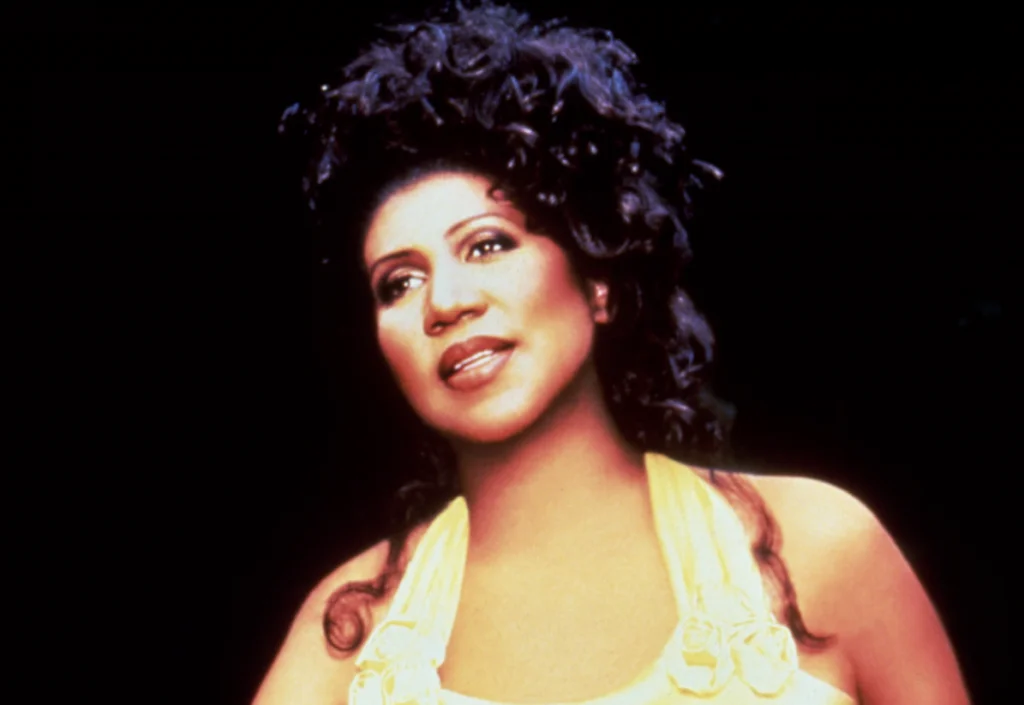
Aretha Franklin could silence a room before she ever raised her voice. There was a confidence in the way she approached a microphone, calm, assured, and completely unshakeable. When she sang, it felt personal, like she was speaking directly to each listener at once. Even seasoned musicians seemed to straighten up when she took the stage.
Her power wasn’t about theatrics, it was about control. Franklin knew exactly when to hold back and when to let loose, turning songs into emotional events. Crowds didn’t just cheer, they leaned in. You left an Aretha performance feeling like you had witnessed something sacred.
3. Jimi Hendrix
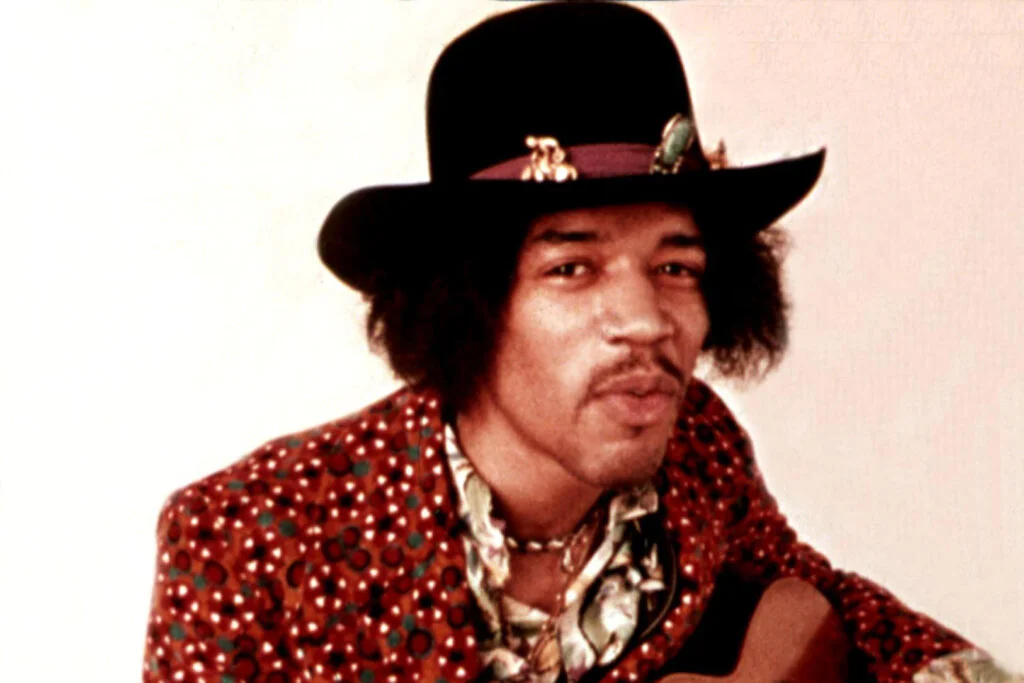
Jimi Hendrix rewrote the rules of live performance almost overnight. Watching him play guitar in the ’60s felt like seeing the instrument discovered for the first time. He didn’t just play notes, he bent sound into something physical and unpredictable. Audiences often stood frozen, unsure how to react to what they were seeing.
What made Hendrix commanding was his complete lack of restraint paired with total confidence. He knew the stage was his laboratory and the crowd was there to witness the experiment. Even moments of chaos felt intentional. When Hendrix finished a set, the air felt different than it had before.
4. Janis Joplin
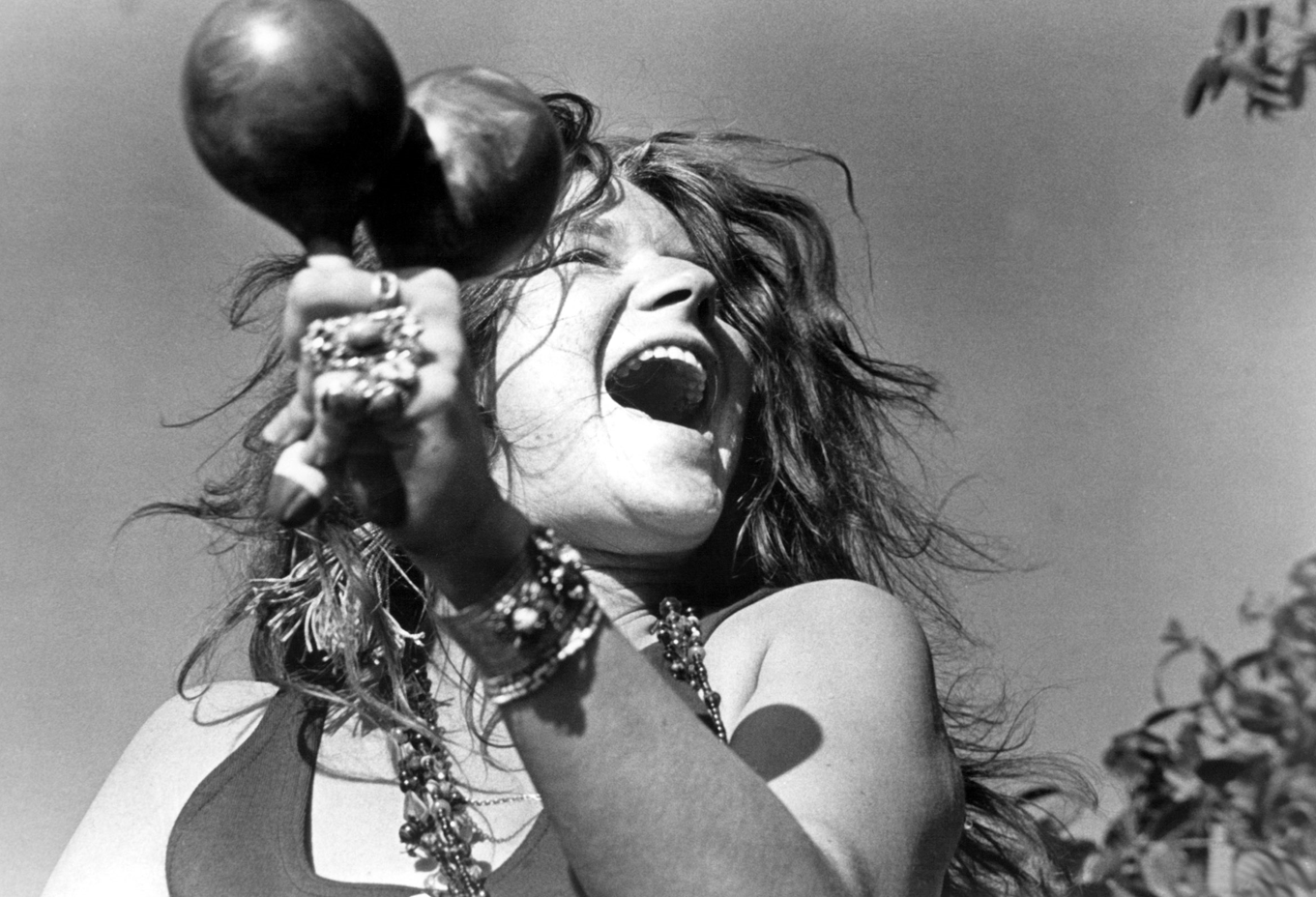
Janis Joplin performed like she had nothing to lose, and that made her impossible to ignore. Her voice cracked, wailed, and burned with raw emotion that felt almost too intimate for a concert setting. She didn’t polish her pain for the audience, she handed it to them as it was. People watched her because they couldn’t look away.
Onstage, Joplin was fearless in her vulnerability. She commanded attention not by controlling the crowd, but by pulling them into her emotional world. Every performance felt slightly dangerous, like anything could happen. That unpredictability became her greatest strength.
5. Sam Cooke
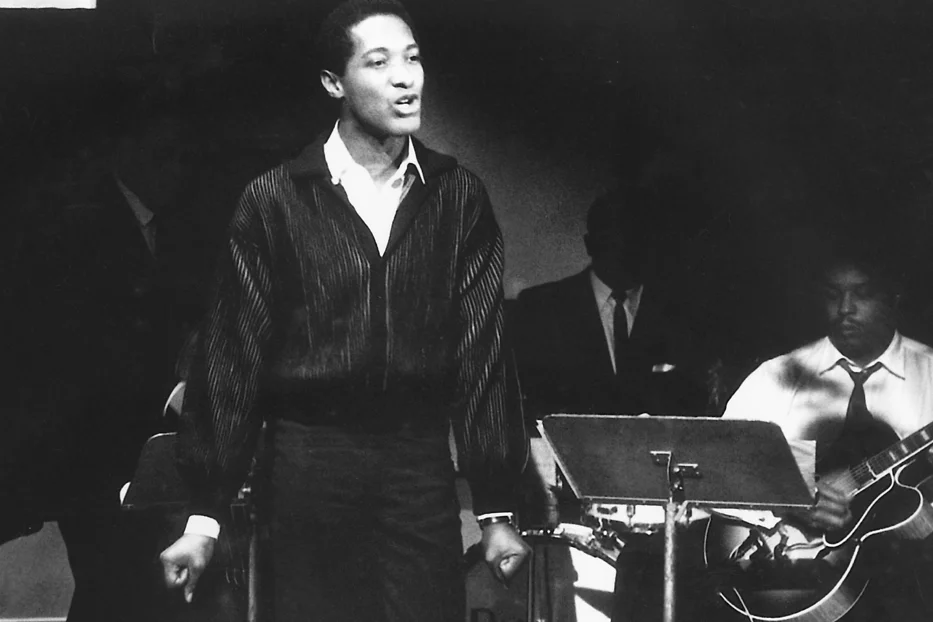
Sam Cooke’s stage presence was smooth, warm, and quietly authoritative. He didn’t need to shout or dramatize to hold an audience, his voice did all the work. There was an ease to his performances that made them feel effortless, even when the emotion ran deep. Fans trusted him completely from the first note.
Cooke commanded stages through connection rather than spectacle. He sang like he was telling stories meant just for you. By the end of a show, the crowd felt unified, calmer, and somehow uplifted. His influence lingered long after the lights came up.
6. Tina Turner
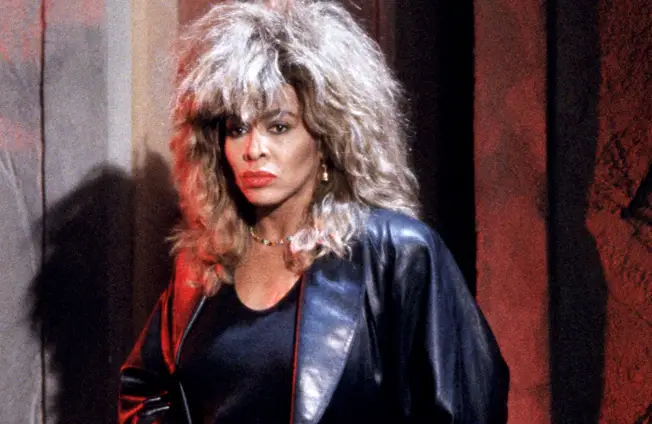
Tina Turner didn’t walk onto a stage, she attacked it. In the ’60s, her performances were explosive, driven by relentless movement and unmatched intensity. She danced, spun, and sang like her life depended on it. Audiences were instantly locked in, knowing they were about to witness something unforgettable.
What made Turner commanding was her physicality paired with emotional force. She filled every inch of the stage and dared anyone to look away. Even standing still, she radiated power. Long before her solo superstardom, she already owned the spotlight.
7. Johnny Cash
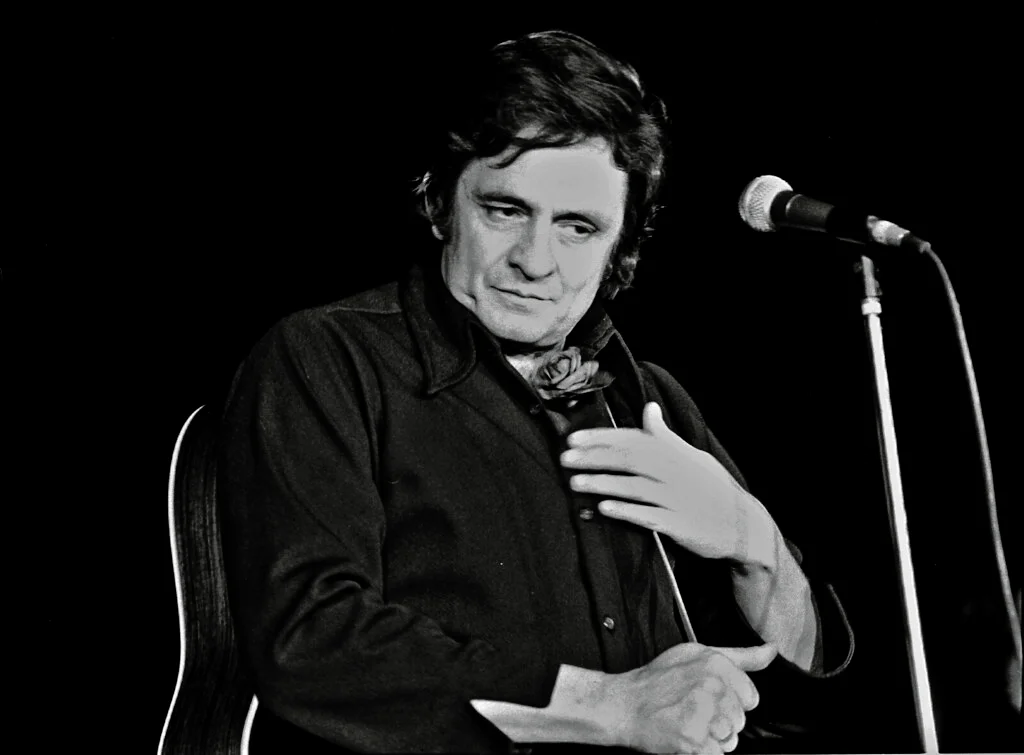
Johnny Cash commanded attention by doing almost nothing at all. His stillness, deep voice, and unwavering gaze made audiences lean forward. In an era of flashy performances, his restraint felt bold and intentional. When Cash spoke or sang, people listened.
He projected authority through authenticity. Cash didn’t perform for approval, he performed because he had something to say. That confidence gave his shows a gravity that lingered in the room. Even silence felt meaningful when he was onstage.
8. Mick Jagger
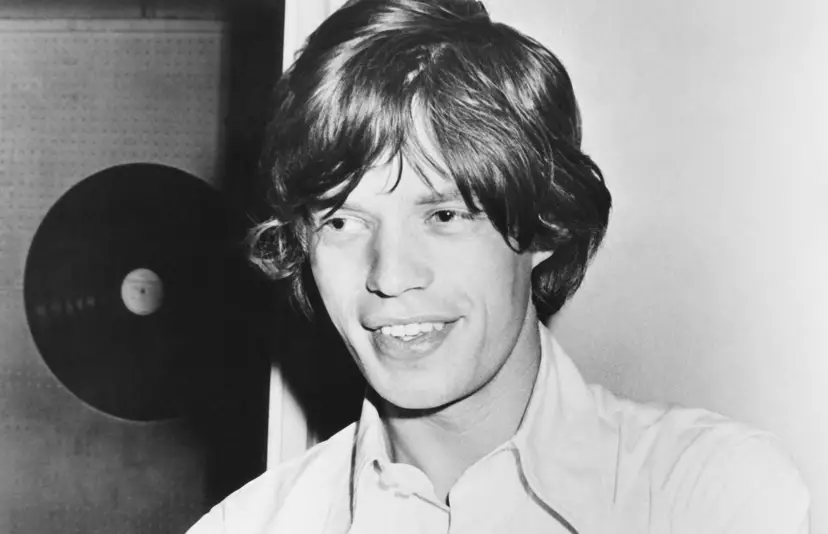
Mick Jagger turned the stage into his personal playground. His movements were exaggerated, provocative, and impossible to ignore. In the ’60s, he redefined what it meant to be a frontman by making performance as important as the music itself. Crowds reacted to him instinctively, cheering, screaming, and mirroring his energy.
Jagger commanded attention through sheer magnetism. He knew how to work an audience, locking eyes, teasing, and pushing boundaries. Even critics had to admit his power as a performer. The stage seemed to shrink around him.
9. Otis Redding
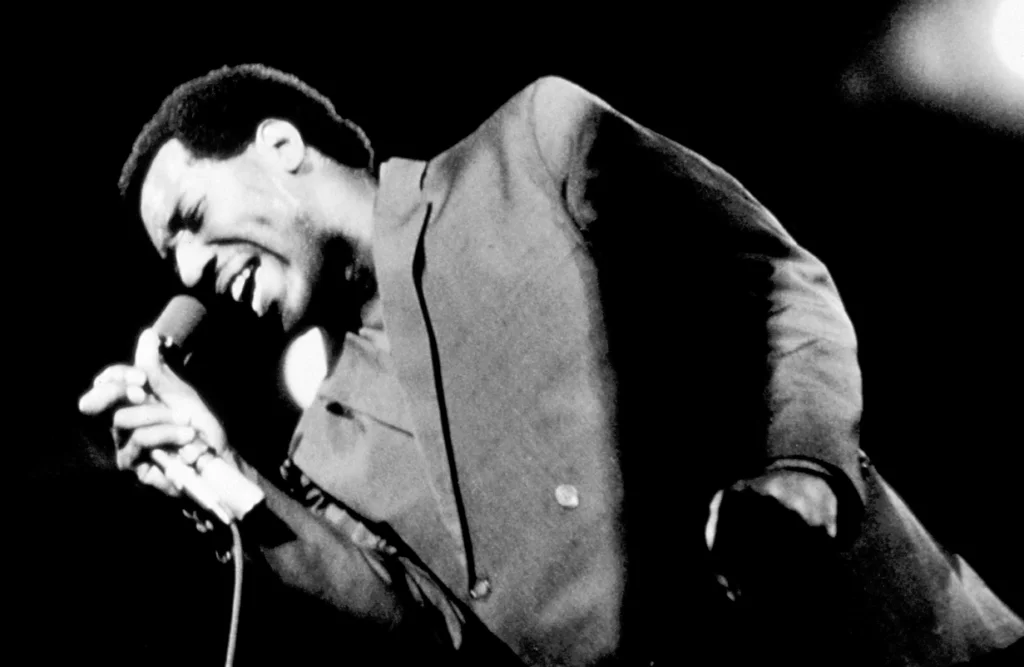
Otis Redding sang like he was baring his soul in real time. His performances were emotionally charged, filled with pleading, joy, and heartbreak. You could hear the strain in his voice, and that made it believable. Audiences felt like they were sharing something deeply personal with him.
Redding commanded stages through sincerity. He didn’t hide behind polish or persona. Every gesture felt honest and necessary. By the end of a set, listeners were emotionally spent in the best possible way.
10. The Supremes
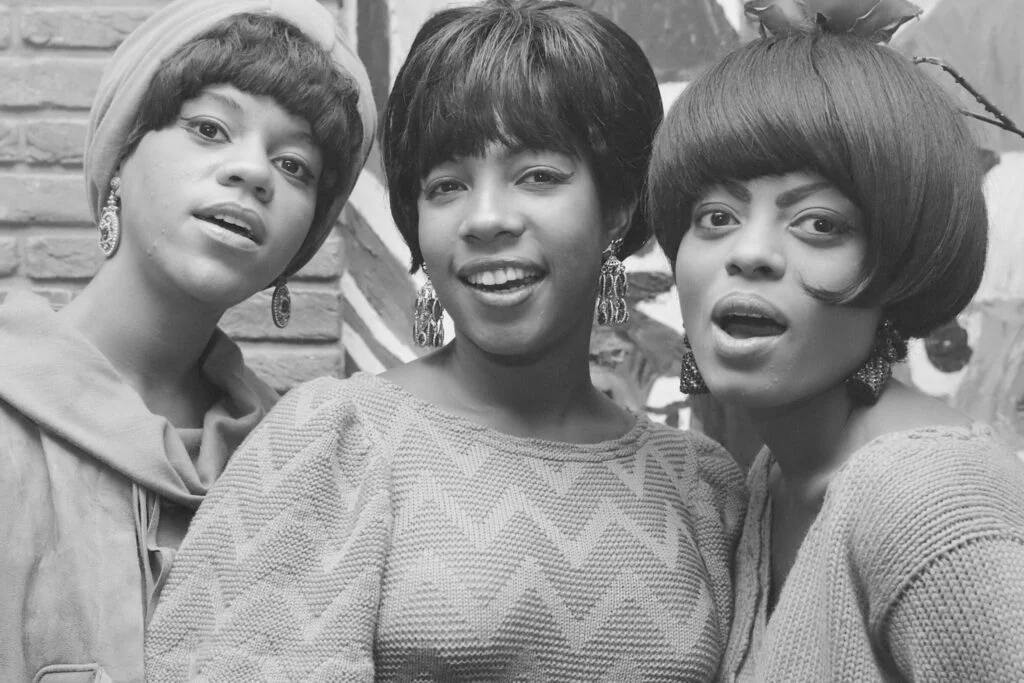
The Supremes brought elegance and precision to every stage they touched. Their synchronized movements and polished vocals made their performances feel glamorous and effortless. Diana Ross may have drawn the eye, but the group functioned as a perfectly balanced unit. Audiences were captivated by their control and confidence.
What made them commanding was their consistency. Every show felt professional, refined, and intentional. They didn’t just sing hits, they presented them like events. Watching them perform felt like witnessing pop music grow up.
11. Elvis Presley
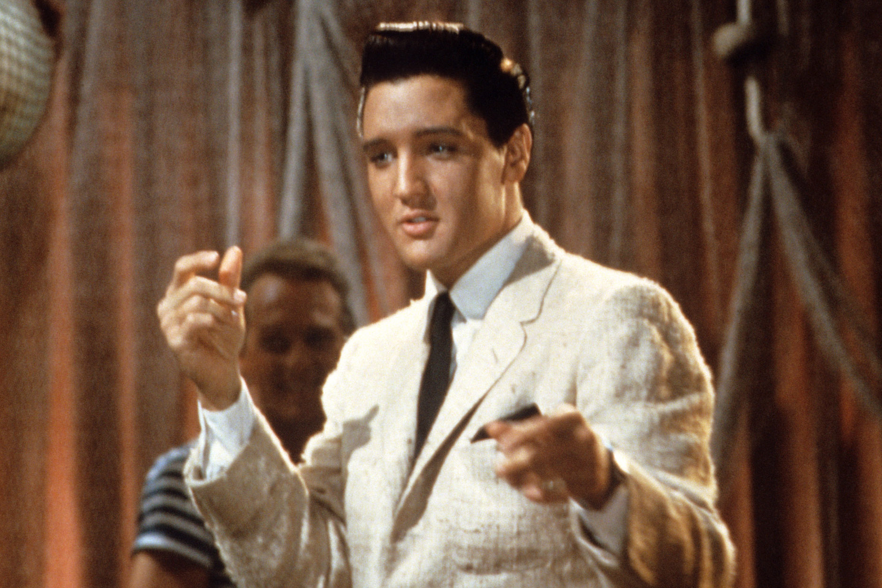
By the early ’60s, Elvis Presley already carried the weight of legend, and it showed. When he stepped onstage, the reaction was immediate and overwhelming. Even standing still, he radiated star power that few could match. Audiences responded before he ever opened his mouth.
Elvis commanded stages through familiarity and mystique. People felt like they knew him, yet still couldn’t quite grasp him. His presence alone was enough to electrify a room. Every performance felt larger than life.
12. The Who
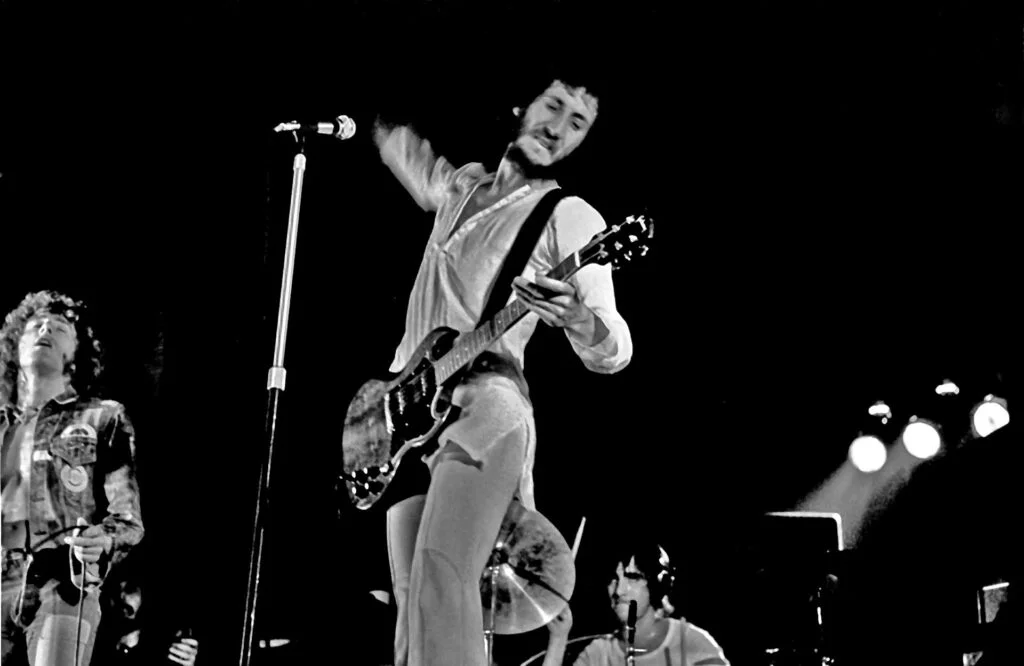
The Who turned live performance into a physical experience. Their shows in the ’60s were loud, aggressive, and thrillingly unpredictable. Instrument smashing wasn’t a gimmick, it was an extension of the music’s intensity. Audiences felt like they were watching something barely contained.
They commanded stages through raw energy. Each member pushed the limits of what a concert could be. You didn’t just hear their music, you felt it. That chaos became their signature.
13. Ray Charles
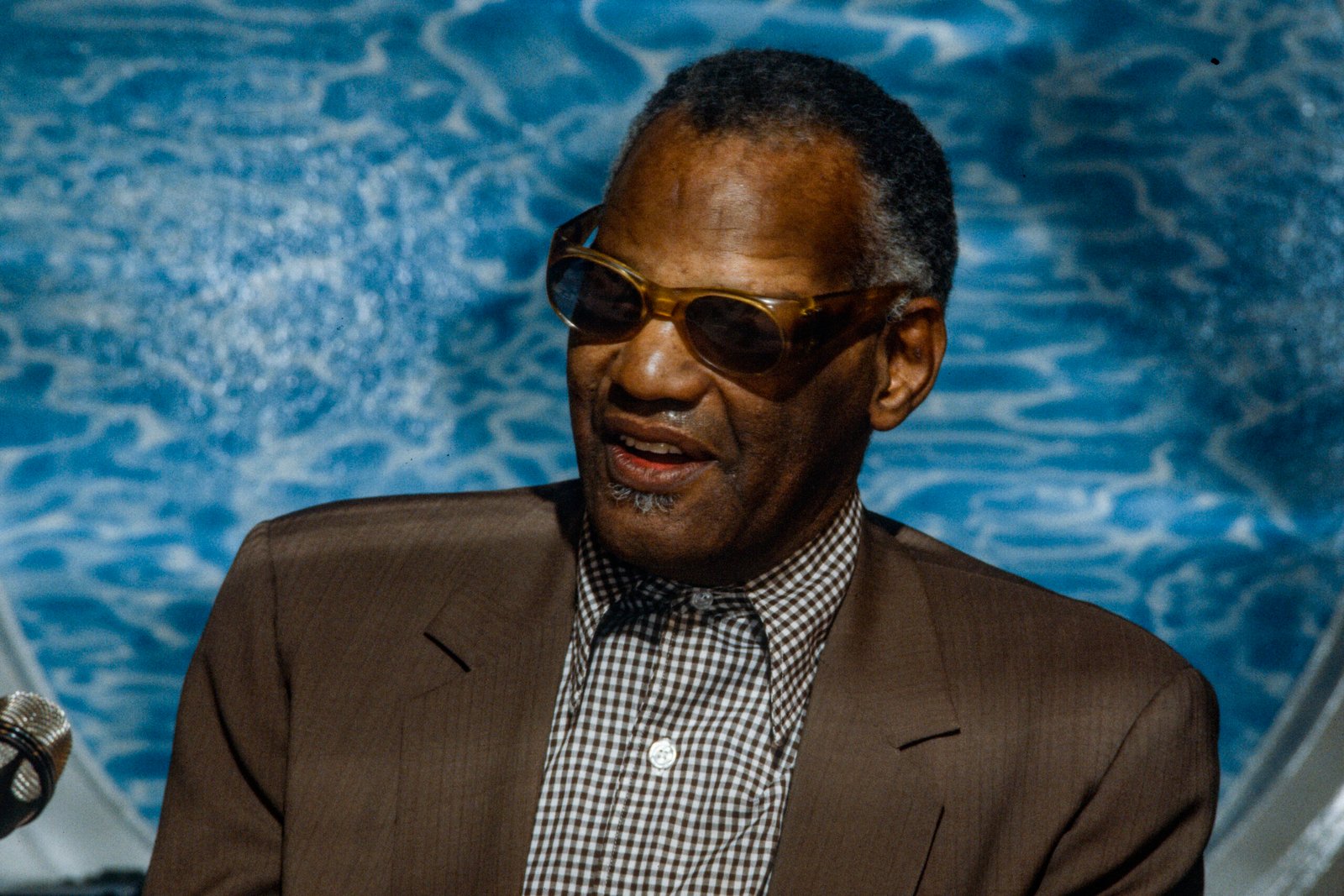
Ray Charles commanded attention the moment he touched a piano. His performances blended joy, sorrow, and groove in a way that felt completely natural. He led bands effortlessly, guiding the energy of a room without saying a word. Audiences trusted him to take them somewhere meaningful.
His power came from musical authority. Charles knew exactly where a song needed to go and how to get it there. Watching him perform felt reassuring and exhilarating at the same time. He made complexity feel simple.
14. Bob Dylan
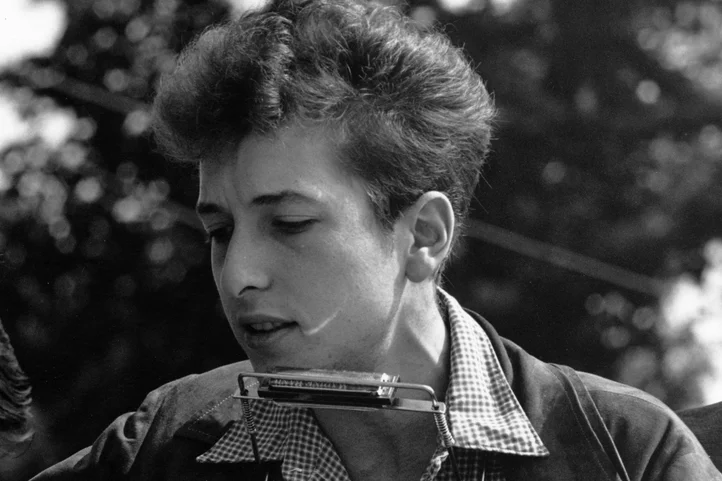
Bob Dylan’s stage presence was never about pleasing the crowd. In the ’60s, he commanded attention by challenging expectations and refusing to explain himself. His performances could feel confrontational, quiet, or defiant. Audiences were forced to engage on his terms.
That refusal to compromise gave Dylan enormous power. People watched closely, afraid to miss something important. Even confusion became part of the experience. His performances demanded thought, not just applause.
15. The Temptations
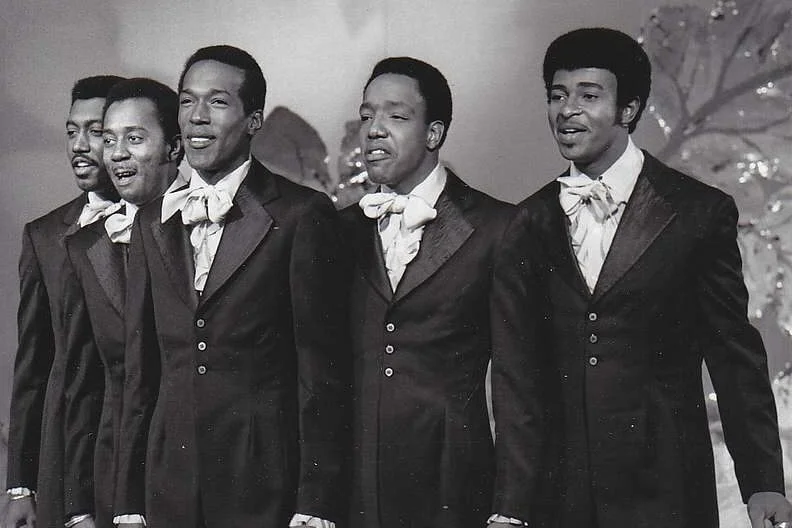
The Temptations were masters of choreographed charisma. Their synchronized steps and smooth harmonies made every performance feel tightly controlled yet deeply soulful. Each member played a role, creating a dynamic that felt both individual and unified. Audiences couldn’t help but be drawn in.
They commanded stages through discipline and polish. Nothing felt sloppy or accidental. Watching them perform was like watching a perfectly rehearsed conversation unfold in motion. Their confidence was contagious.
16. Joan Baez
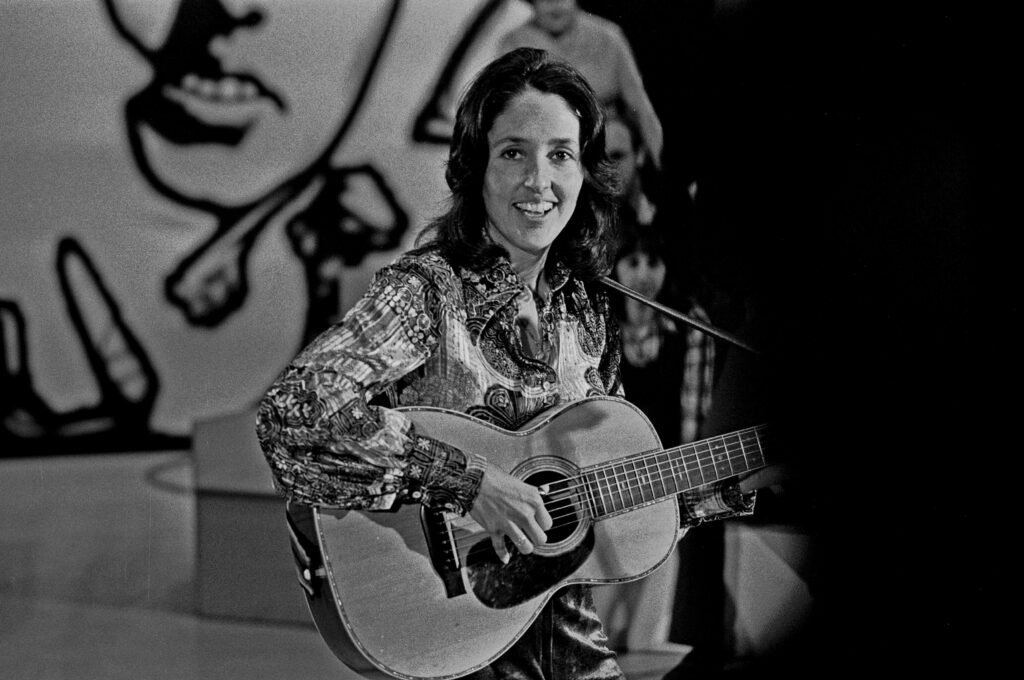
Joan Baez could command a crowd with nothing but her voice and a guitar. Her clear, unwavering tone cut through noise and distraction instantly. In the ’60s, her performances felt purposeful and grounded. Audiences listened not just for the music, but for the message.
Her authority came from conviction. Baez believed deeply in what she sang, and it showed. Even in large venues, her presence felt intimate. Silence often followed her songs before applause broke out.
17. Frank Sinatra
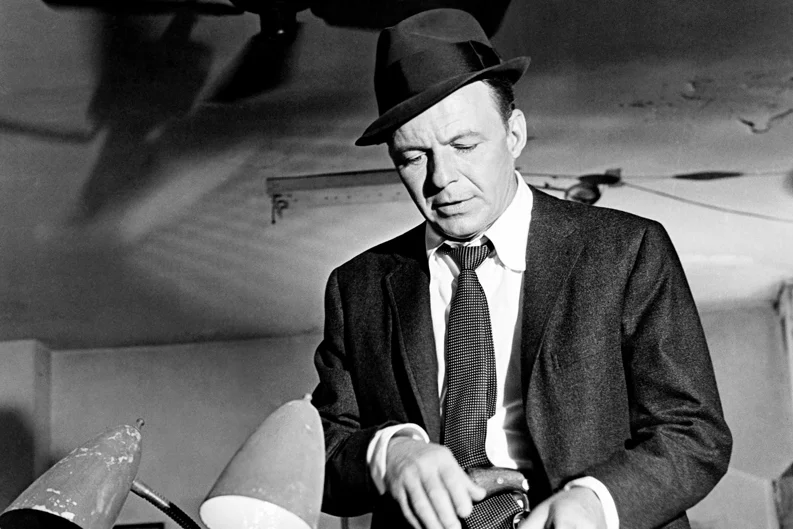
Frank Sinatra commanded stages like a seasoned storyteller. His phrasing, timing, and confidence made every song feel conversational and deliberate. He knew exactly how to hold a pause and when to lean into a lyric. Audiences felt like they were being personally addressed.
Sinatra’s power came from mastery. He didn’t need to prove anything, and that ease was magnetic. Every movement felt intentional and relaxed. Watching him perform was like watching someone completely at home in their element.