
1. The Graduate (1967)
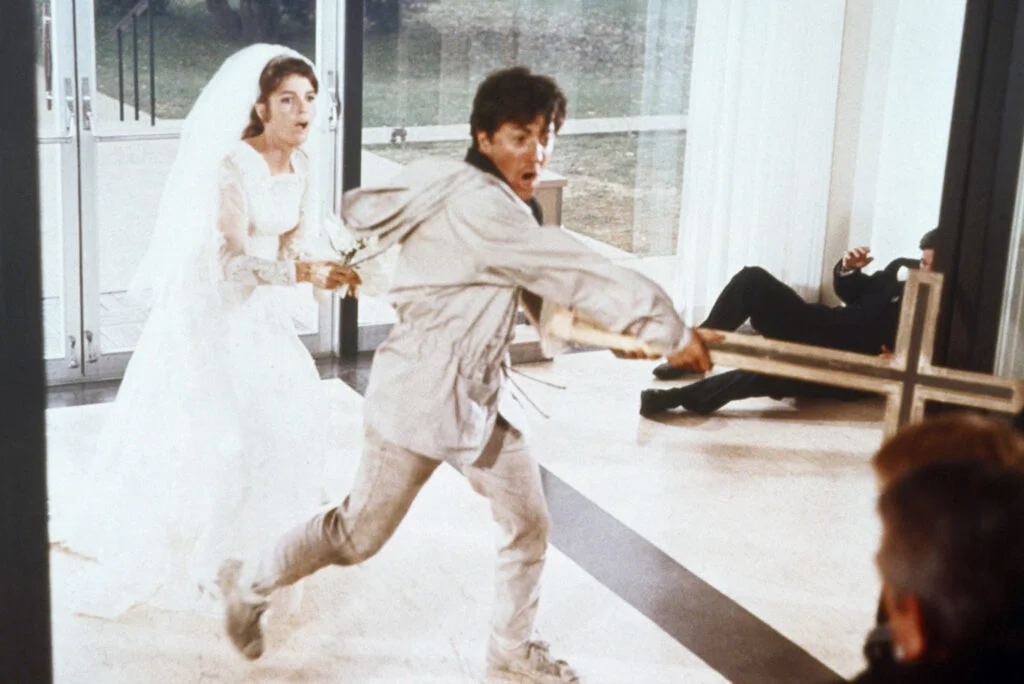
When The Graduate hit theaters, the music felt like it was speaking directly to young people who felt a little lost and restless. Simon and Garfunkel’s songs did not just play in the background, they carried the mood of confusion and quiet rebellion. Tracks like “Mrs. Robinson” and “The Sound of Silence” made the film feel intimate and personal. The soundtrack captured that uneasy moment between college and adulthood in a way dialogue alone never could.
What made it powerful was how modern it sounded compared to traditional orchestral scores. It felt like something pulled straight from a bedroom record player. For many viewers, this was the first time a movie soundtrack sounded like their own inner thoughts. The music lingered long after the final scene. It helped define what a youth focused film could sound like.
2. A Hard Day’s Night (1964)
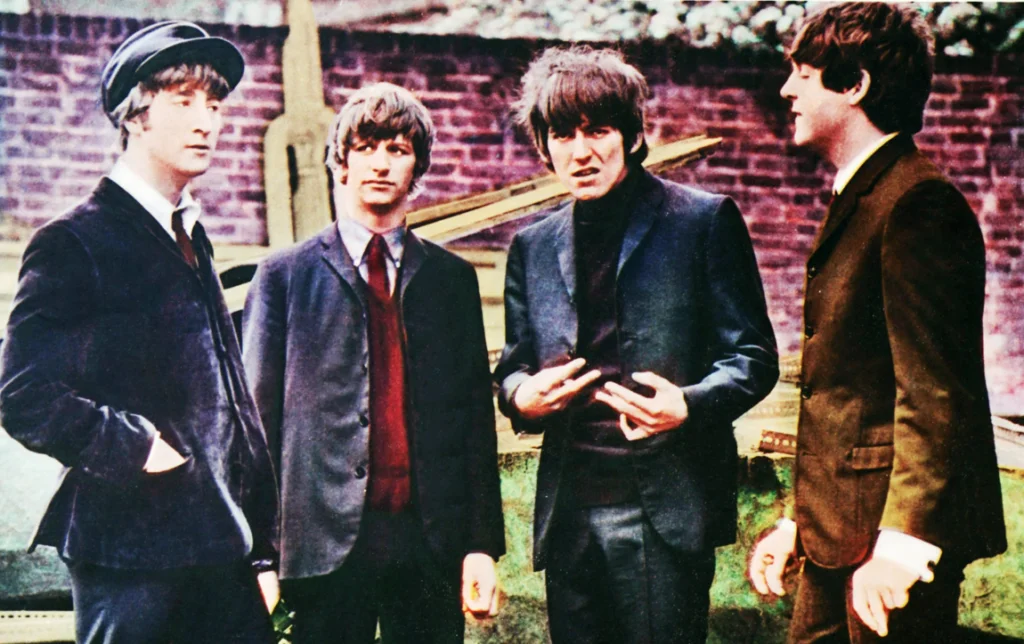
The soundtrack to A Hard Day’s Night captured Beatlemania at its loudest and most joyful. Every song buzzed with energy, humor, and a sense of movement. The music matched the film’s fast pace and playful tone perfectly. It felt less like a soundtrack and more like being swept into the band’s daily whirlwind.
For fans, these songs were already familiar, but hearing them tied to the film made them feel bigger. The soundtrack helped turn the Beatles into movie stars without losing their charm. It set the standard for how pop music could drive a film’s personality. Decades later, it still sounds fresh and effortlessly cool.
3. Easy Rider (1969)
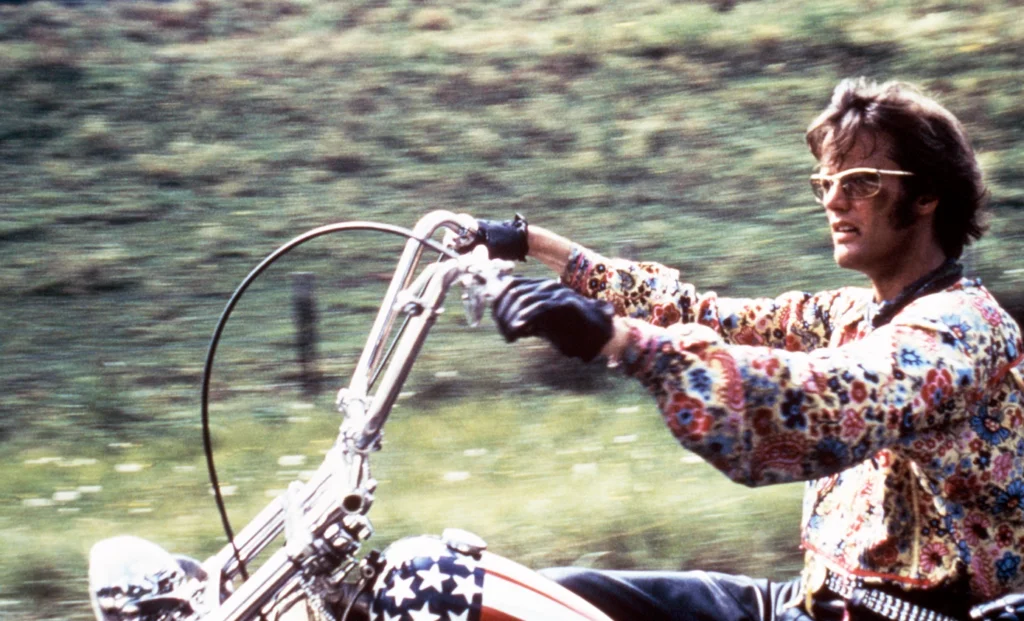
Easy Rider used its soundtrack as a road map for the counterculture. Songs by Steppenwolf, The Byrds, and Jimi Hendrix turned the open highway into a statement. The music made freedom feel both thrilling and fragile. Every track seemed chosen to reflect the era’s hopes and frustrations.
Instead of a traditional score, the film leaned on contemporary rock to tell its story. That choice made the movie feel raw and real. The soundtrack helped define what an outlaw film sounded like in the late ’60s. It remains one of the clearest musical snapshots of the decade.
4. West Side Story (1961)
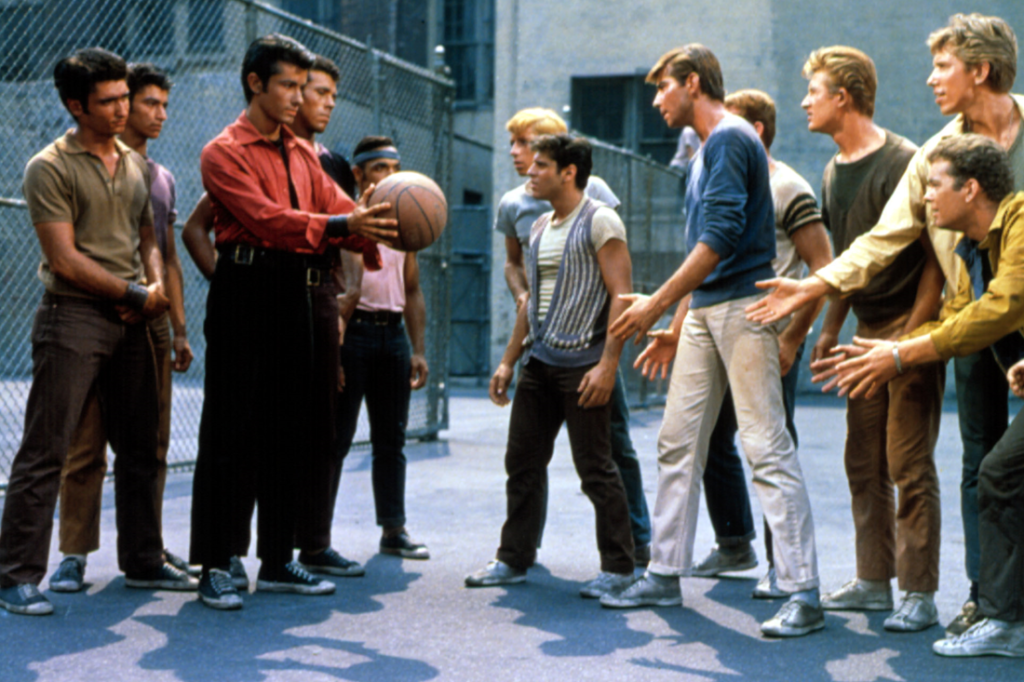
The music of West Side Story blended Broadway polish with street level emotion. Songs like “America” and “Tonight” carried both romance and tension. The score made the rivalry feel urgent and personal. Even people who did not love musicals could feel the emotional pull.
What set it apart was how the music reflected real social divides. The songs were catchy, but they also carried weight. The soundtrack helped bridge theater and cinema in a big way. It showed that musicals could feel modern and serious at the same time.
5. The Good, the Bad and the Ugly (1966)
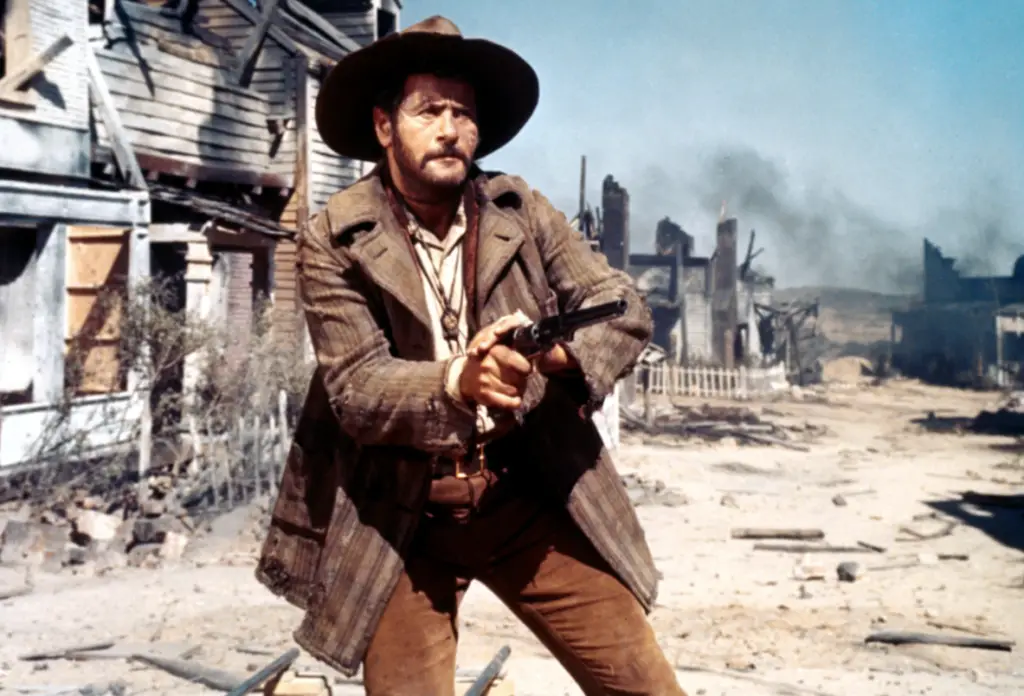
Ennio Morricone’s score for The Good, the Bad and the Ugly is instantly recognizable. The whistle, the drums, and the haunting melodies created a whole new Western sound. The music made silence feel tense and meaningful. It turned standoffs into unforgettable moments.
Rather than blending into the background, the score demanded attention. It gave the film its swagger and sense of myth. Many viewers remember the music as clearly as the images. It reshaped how Westerns sounded going forward.
6. Breakfast at Tiffany’s (1961)
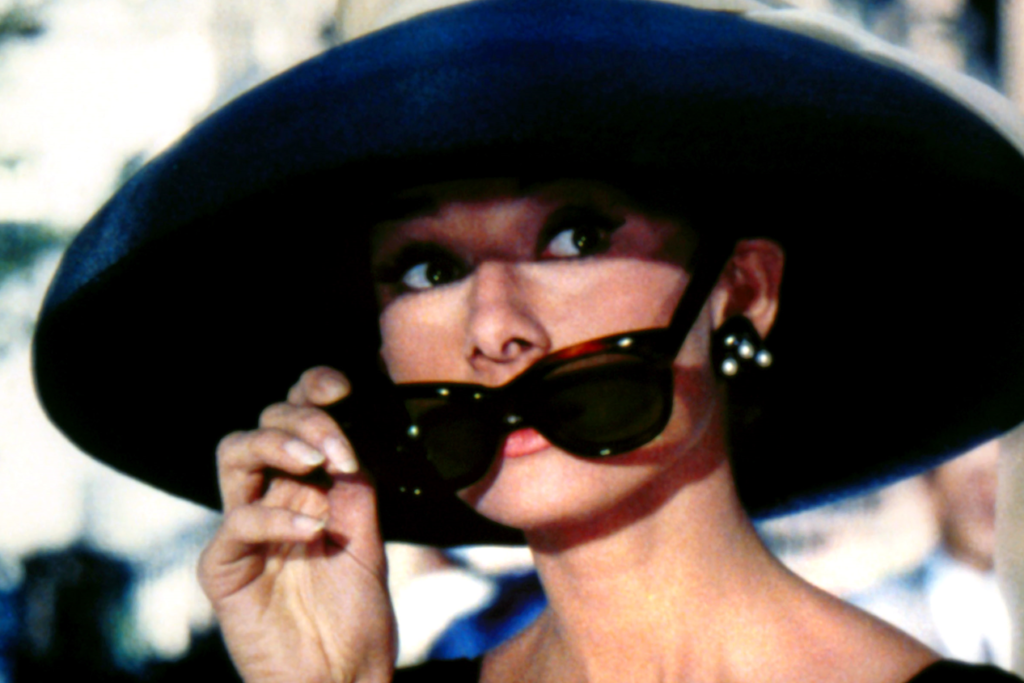
The soundtrack to Breakfast at Tiffany’s felt elegant, wistful, and quietly emotional. “Moon River” became inseparable from the film’s mood. The music captured longing without feeling heavy. It matched Holly Golightly’s mix of charm and vulnerability.
Henry Mancini’s score made New York feel dreamy rather than overwhelming. The songs lingered softly instead of demanding attention. That gentle approach helped the film feel timeless. The soundtrack became a symbol of romantic melancholy for the decade.
7. Help! (1965)
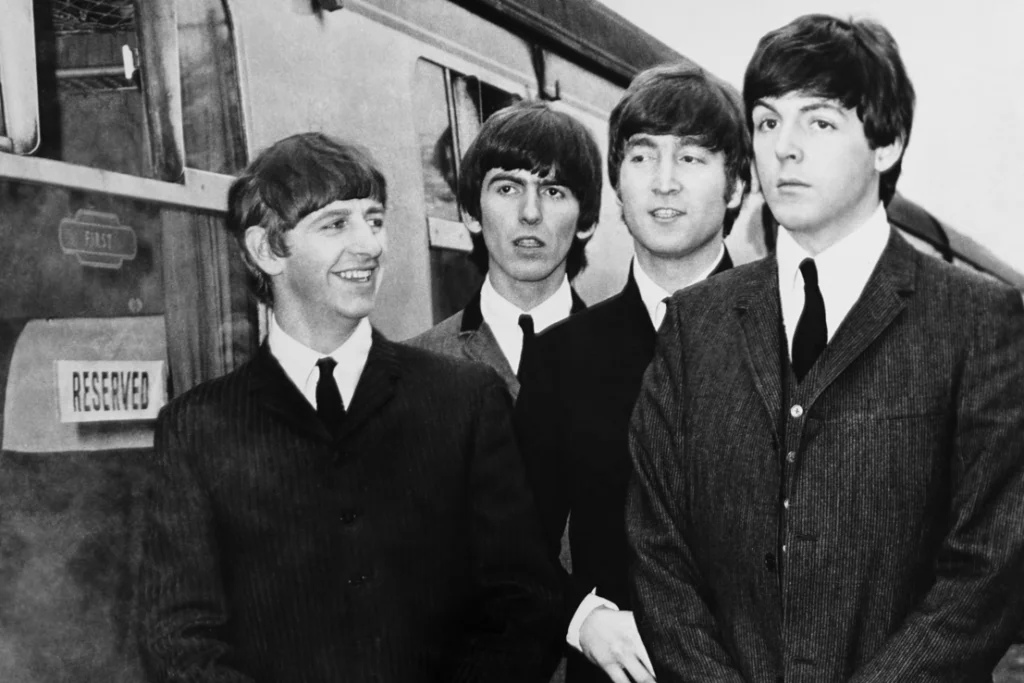
With Help!, the Beatles leaned into color, humor, and a slightly surreal tone. The soundtrack reflected that playful shift perfectly. Songs like “Ticket to Ride” hinted at deeper emotions beneath the fun. The music felt more experimental than earlier efforts.
It showed the band evolving while still being wildly accessible. The soundtrack balanced pop hooks with creative growth. Fans could sense something changing. It marked a turning point in how film soundtracks could track an artist’s evolution.
8. Dr. No (1962)
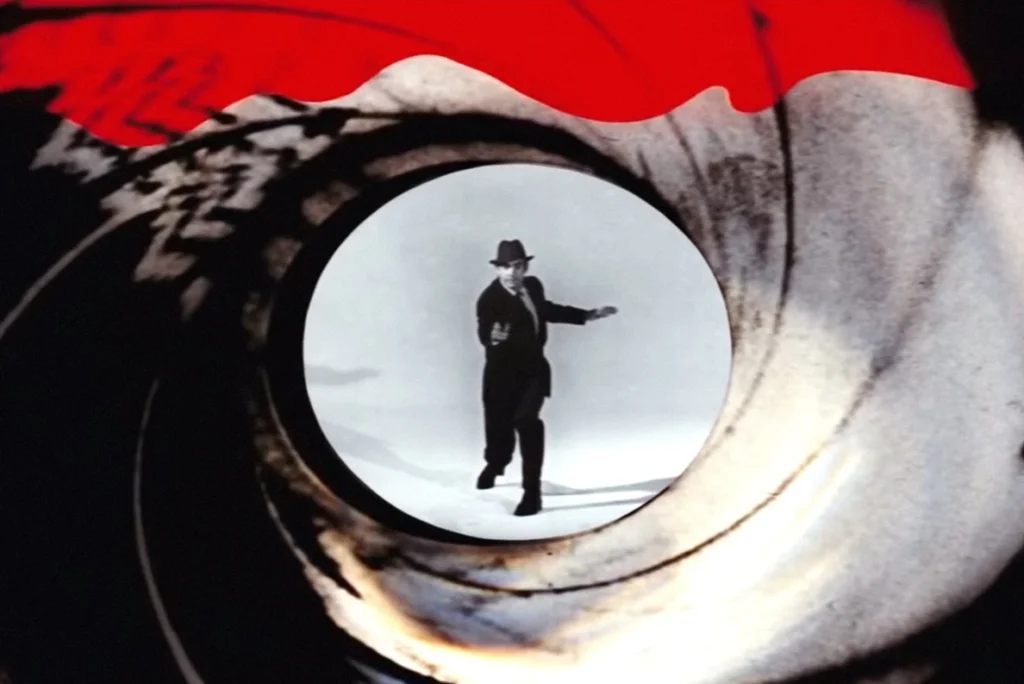
The soundtrack for Dr. No introduced one of the most famous themes in movie history. The James Bond theme sounded sleek, dangerous, and confident. It set the tone for the entire franchise from the start. The music made espionage feel glamorous and thrilling.
Monty Norman’s score gave Bond his musical identity. It told audiences exactly who this character was before he spoke. The soundtrack helped define cool for the decade. It became a template for spy films everywhere.
9. The Pink Panther (1963)
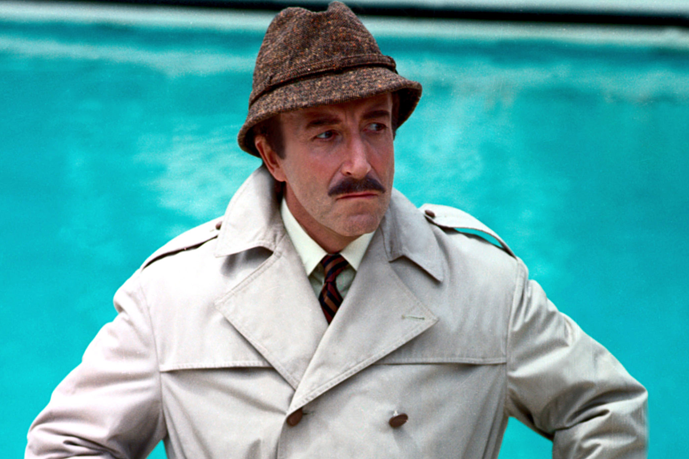
Henry Mancini’s music for The Pink Panther turned comedy into something stylish and sly. The theme song felt playful without being silly. It gave the film its smooth, mischievous personality. Even people who never saw the movie knew the tune.
The jazz inspired score made humor feel sophisticated. It elevated the film’s physical comedy. The soundtrack proved music could be a joke all on its own. It remains one of the most recognizable scores of the era.
10. Blow-Up (1966)
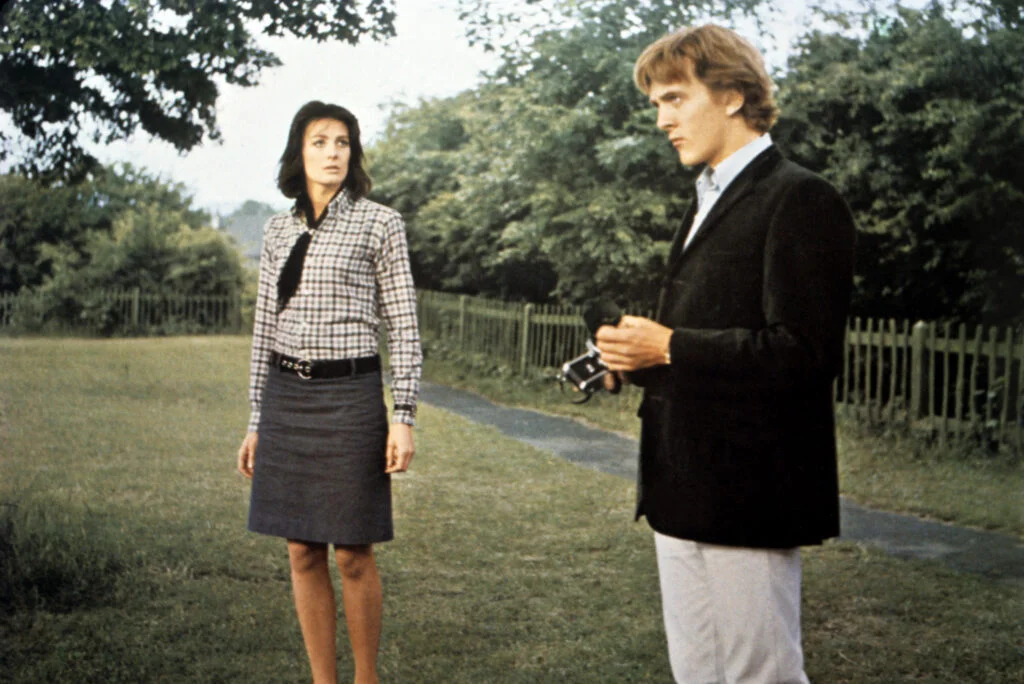
The soundtrack to Blow-Up captured the restless energy of Swinging London. Featuring music by Herbie Hancock and a Yardbirds performance, it felt cool and experimental. The sound matched the film’s sense of disconnection. It made style feel both exciting and hollow.
Rather than guiding emotions, the music mirrored uncertainty. It helped create a mood of alienation and curiosity. The soundtrack reflected a culture questioning itself. It felt perfectly in tune with the changing times.
11. To Sir, with Love (1967)
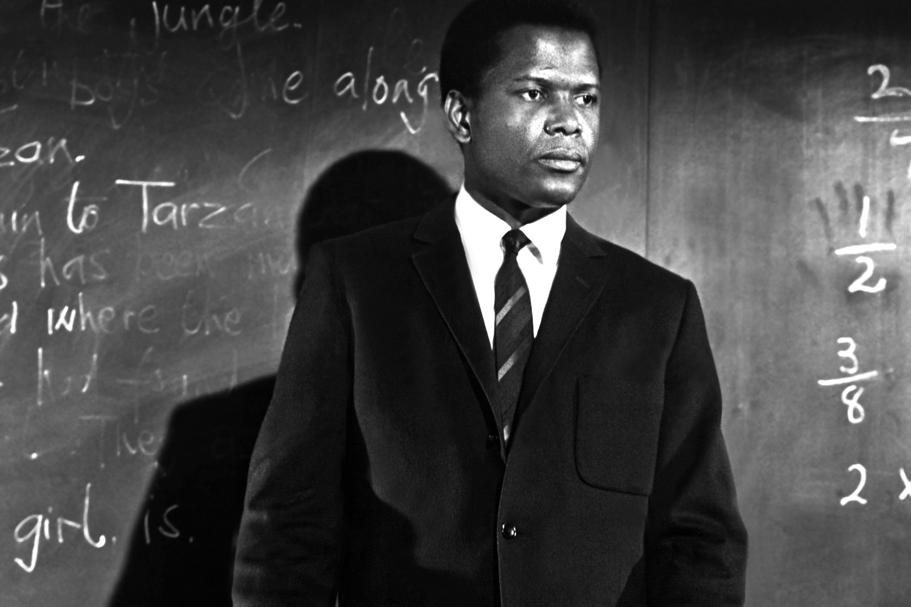
The title song from To Sir, with Love became a hit that outgrew the movie itself. Lulu’s performance felt sincere and hopeful. The music supported the film’s themes of respect and growth. It resonated with audiences across generations.
The soundtrack blended pop sensibility with emotional warmth. It gave the story a sense of optimism. Many viewers associated the song with personal memories of school and change. It became part of the cultural fabric of the late ’60s.
12. The Sound of Music (1965)
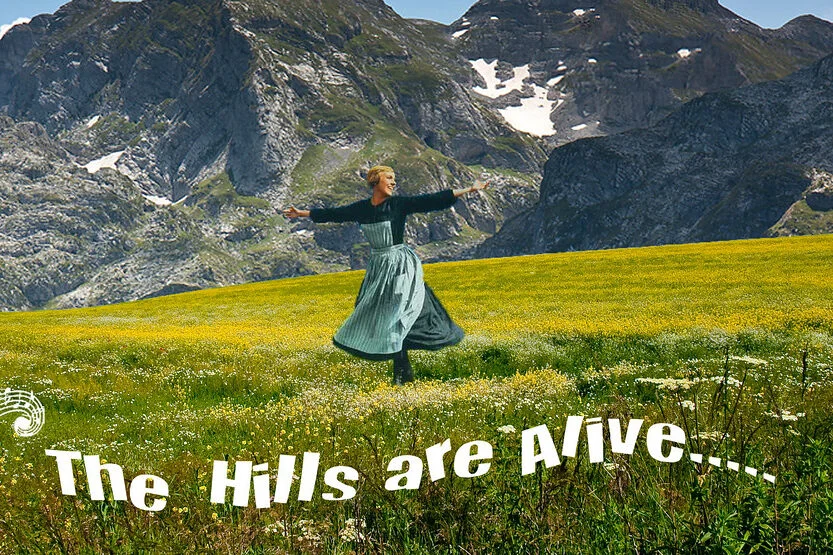
The songs from The Sound of Music became cultural touchstones almost instantly. Tracks like “My Favorite Things” and “Do-Re-Mi” were endlessly replayed. The music felt comforting and hopeful during a turbulent decade. It appealed to families and young viewers alike.
The soundtrack’s warmth helped make the film a phenomenon. It turned sing along moments into shared experiences. The music traveled far beyond the theater. It became part of everyday life for many families.
13. Midnight Cowboy (1969)
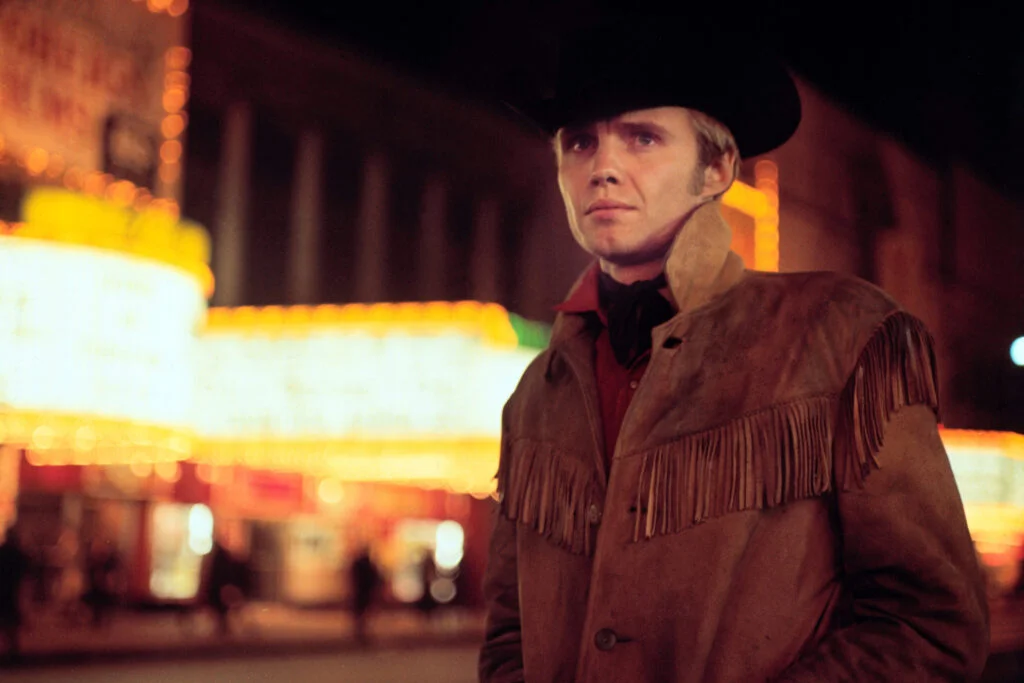
The soundtrack for Midnight Cowboy felt lonely and haunting. “Everybody’s Talkin’” captured isolation in a deceptively gentle way. The music underscored the film’s emotional rawness. It made the city feel vast and uncaring.
Rather than romanticizing New York, the soundtrack emphasized distance. It helped the film feel honest and unpolished. The music lingered quietly with audiences. It reflected a more sobering side of the decade.
14. Yellow Submarine (1968)
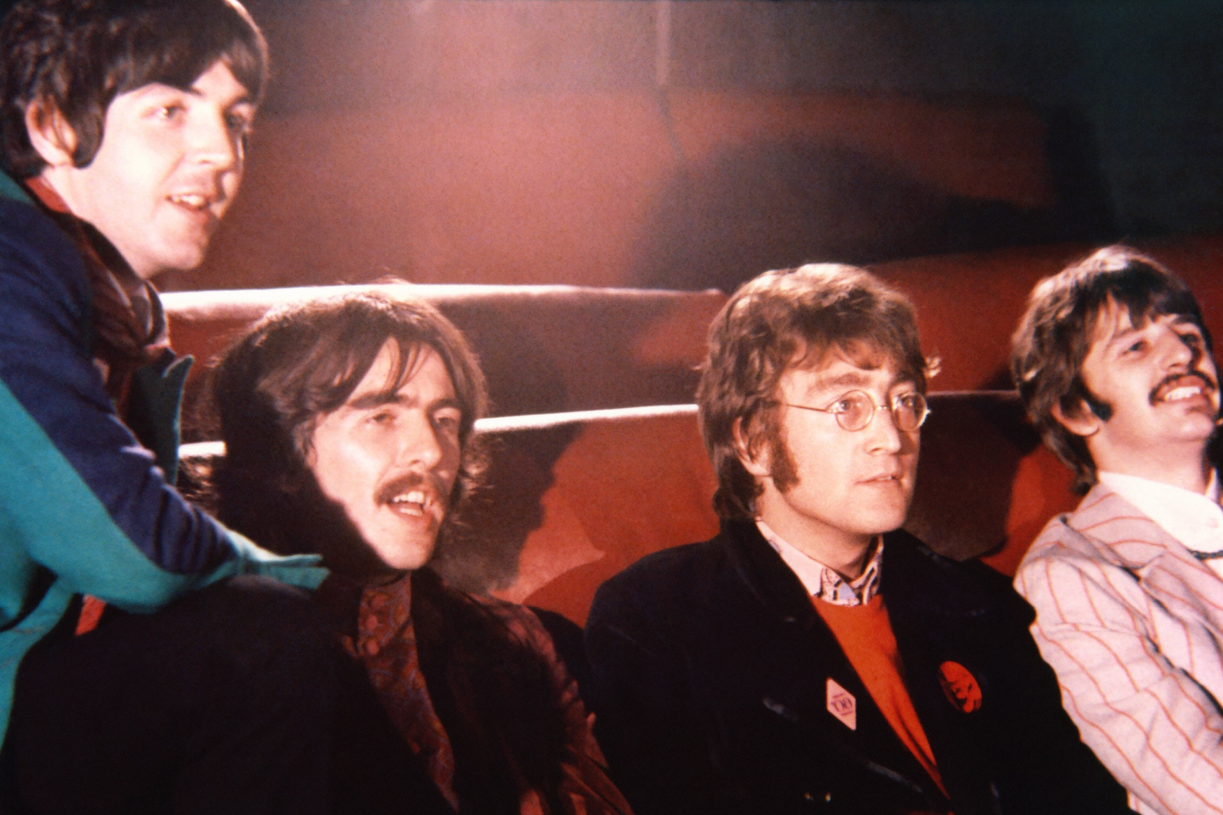
Yellow Submarine used Beatles music to create a colorful, surreal world. The soundtrack felt imaginative and playful. Each song added to the film’s dreamlike quality. It celebrated creativity and optimism.
The music drove the animation rather than simply accompanying it. It made the film feel like a moving album. Audiences experienced familiar songs in a new way. The soundtrack captured the psychedelic spirit of the late ’60s perfectly.