
1. The Cosby Show

For much of the ’80s, Thursday nights meant gathering around the TV to see what the Huxtables were up to. The show felt warm and familiar, like checking in with relatives who always had something going on. Parents appreciated the focus on family values, while kids laughed at the sibling rivalries and playful humor. It was one of those shows where everyone could find someone they related to. Even the living room seemed quieter when the theme song started.
Episodes often sparked conversations afterward, whether it was about school, work, or growing up. Cliff’s corny jokes made adults groan and kids laugh at the same time. Clair felt like the kind of mom people admired and maybe feared just a little. Watching it together became part of the weekly routine for many families. It was comforting television that felt made for shared viewing.
2. Family Ties
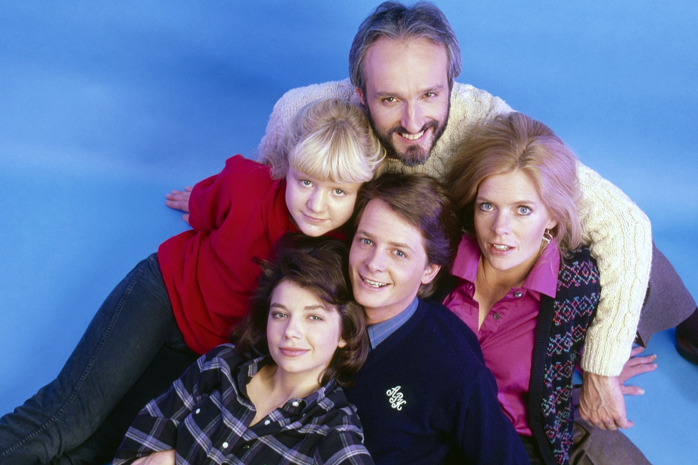
Family Ties worked because it spoke to both generations at once. Parents recognized themselves in Elyse and Steven, while kids gravitated toward Alex, Mallory, and Jennifer. The clash between ’60s ideals and ’80s ambition played out right at the dinner table. It felt close to home for families navigating changing times. The humor was sharp without feeling mean.
Serious moments were handled gently, which made it safe to watch together. One episode might make you laugh, and the next might quietly hit harder than expected. Alex P. Keaton became a talking point in many households. Families could laugh together and still feel like they watched something meaningful. It was sitcom comfort with a thoughtful edge.
3. Growing Pains
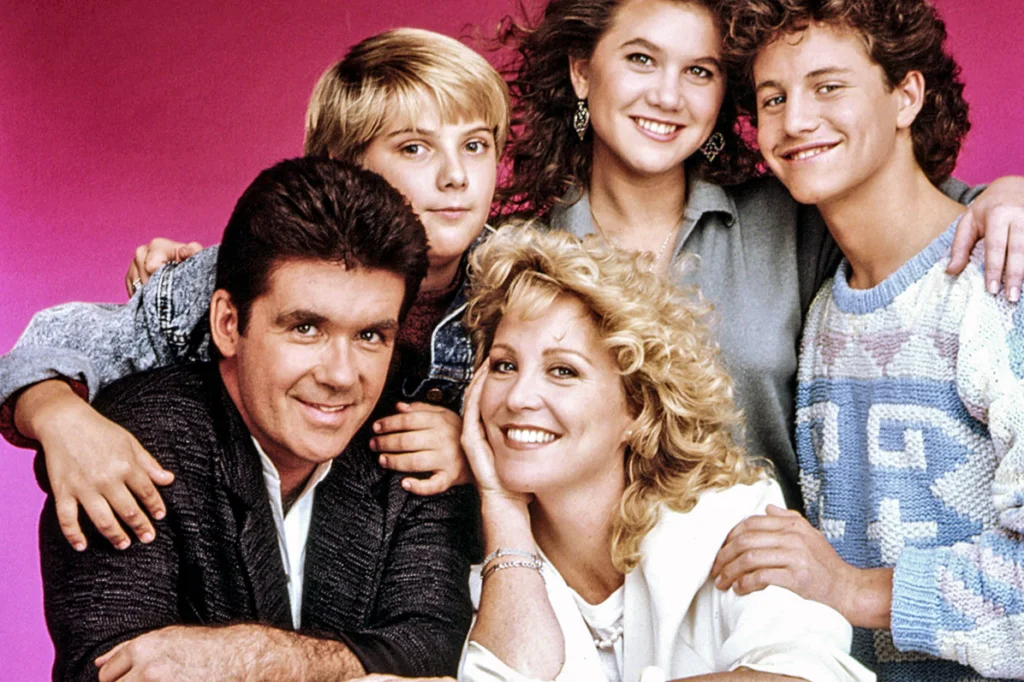
This was one of those shows that felt designed for the whole family. Parents related to the growing responsibilities, while kids saw themselves in the Seaver children. Mike’s antics were funny enough to keep younger viewers hooked. The show balanced humor with lessons that never felt too heavy. It fit perfectly into prime time evenings.
There was something reassuring about watching the Seavers work things out by the end of each episode. Even when conflicts popped up, things felt manageable. Families could laugh together without worrying about awkward moments. It was easy, pleasant television that everyone could agree on. That made it a regular stop on many living room TVs.
4. Who’s the Boss?
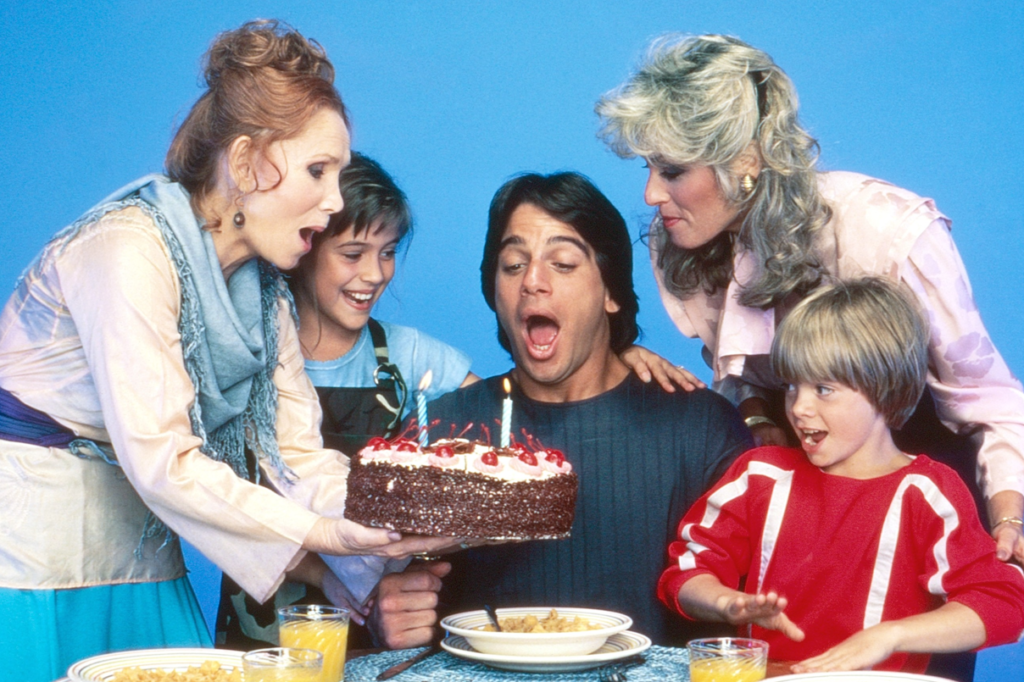
At its heart, Who’s the Boss? was about family dynamics, even if it looked a little different from the norm. The role reversal between Angela and Tony gave parents something to smile about. Kids enjoyed the humor and the lively personalities. It was lighthearted without being shallow. Watching together felt easy.
The show often centered on respect and understanding, themes that worked for all ages. Samantha and Jonathan gave younger viewers someone to follow. Adults appreciated how the show handled work, parenting, and relationships. It was funny, friendly, and never too edgy for family viewing. That made it a staple for shared TV nights.
5. Cheers
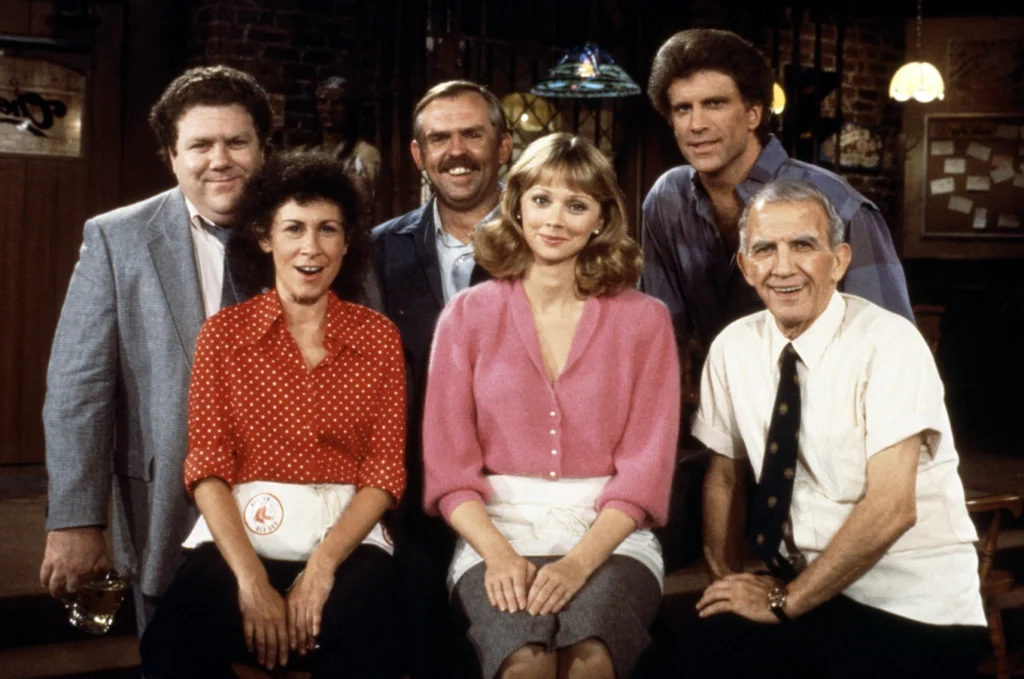
While it was set in a bar, Cheers still became a show families watched together. Much of the humor came from character interactions rather than adult topics. Parents laughed at the dialogue, while kids enjoyed the familiar faces and running jokes. It felt like visiting the same place every week. The characters became oddly comforting.
Families often watched it for the ensemble rather than the setting. Everyone had a favorite character, which led to playful debates. The humor was smart without being inaccessible. It was one of those shows that felt welcoming, even if you did not catch every joke. That made it easy to enjoy together.
6. The Wonder Years
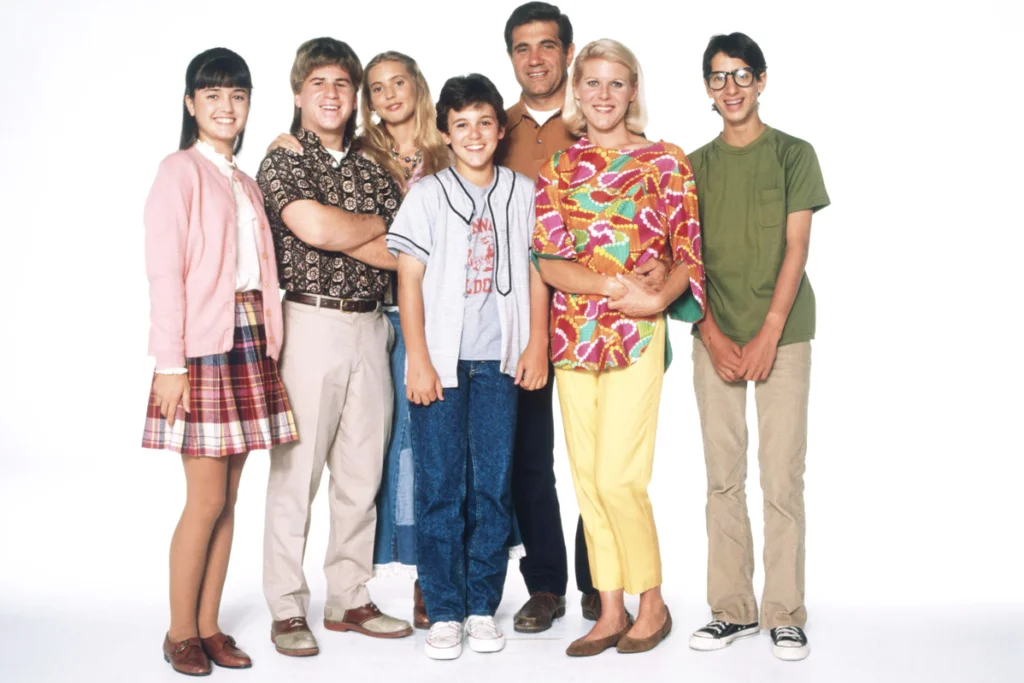
This show felt like a shared memory unfolding on screen. Parents recognized their own childhoods in the stories, while kids connected with Kevin’s experiences. The narration gave it a reflective tone that appealed across generations. It was funny, awkward, and quietly emotional. Families watched it with a sense of nostalgia, even in real time.
Episodes often led to quiet moments after the credits rolled. It was the kind of show that made everyone think a little. Nothing felt rushed or loud. Watching together felt almost like sharing a storybook. It was gentle television that worked perfectly for family nights.
7. ALF
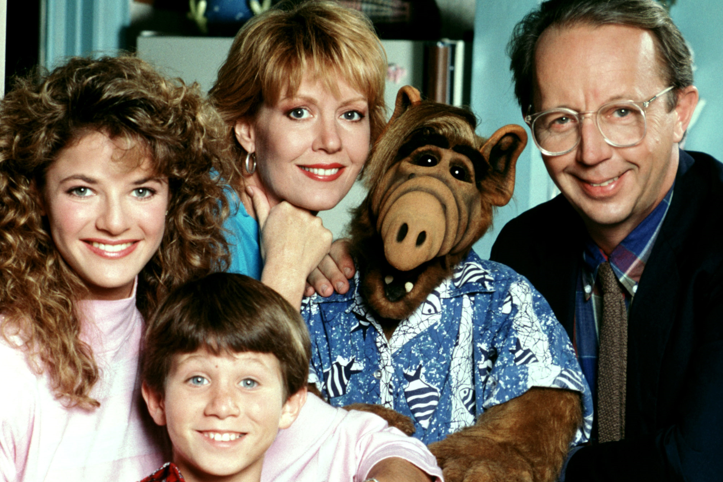
ALF brought something silly and different into the living room. Kids loved the alien humor, while parents enjoyed the dry one liners. The Tanner family felt familiar enough to ground the chaos. It was goofy without being overwhelming. That balance made it ideal for shared viewing.
Families could laugh together without much explanation. ALF’s jokes landed on different levels depending on your age. The episodes were easy to jump into, even if you missed one. It felt like fun television that did not demand too much attention. That made it perfect for evenings at home.
8. Full House
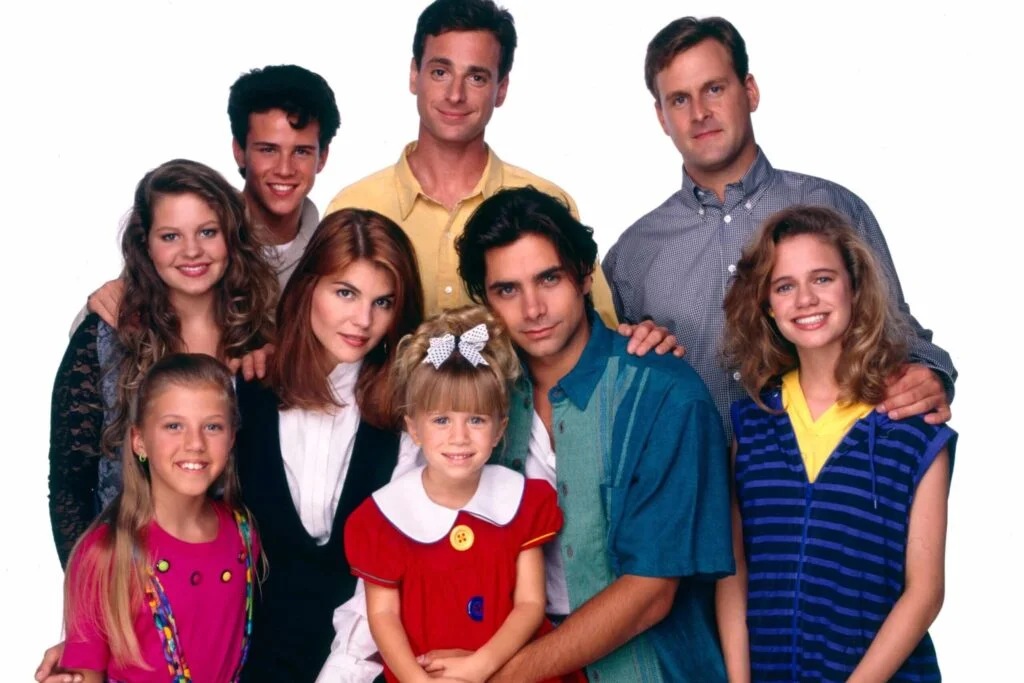
This show practically announced itself as family television. The Tanner household was loud, loving, and full of lessons. Kids followed the younger characters, while adults related to the challenges of parenting. It was wholesome without feeling stiff. Everyone could sit down and relax.
Episodes often ended with a clear takeaway, which parents appreciated. The humor was gentle and predictable in a comforting way. It became part of many families’ routines. Watching it together felt natural, like background warmth in the room. It was built for shared moments.
9. Little House on the Prairie
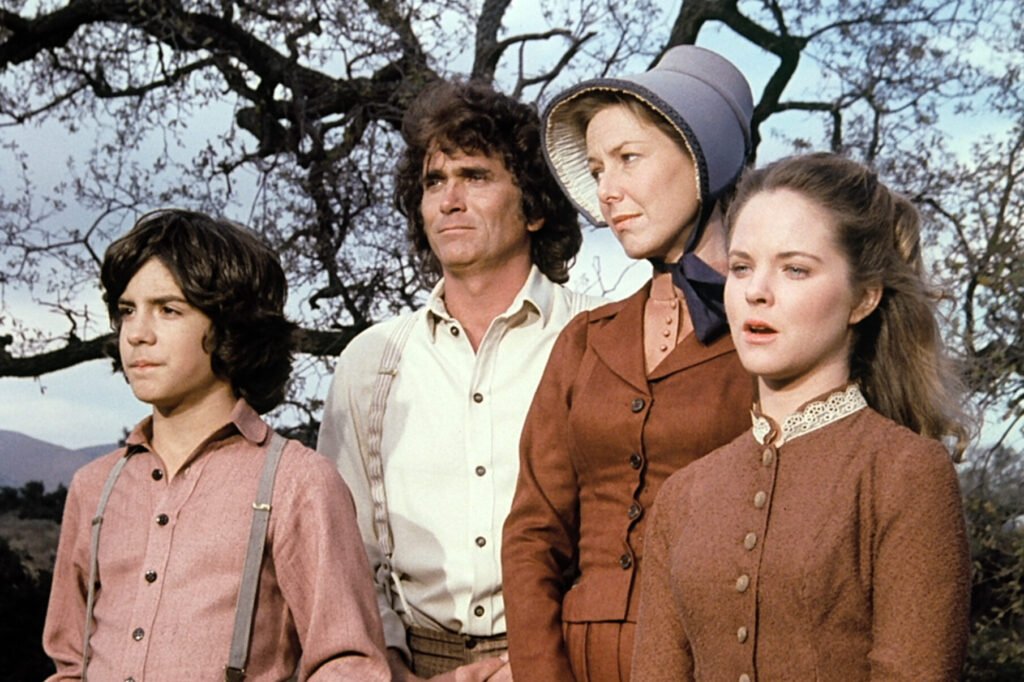
Even in the ’80s, this show remained a family favorite. Parents remembered it from earlier years, and kids discovered it anew. The stories felt timeless and approachable. It was calm television in a decade filled with flashier options. That made it stand out.
Families often watched it together as a quiet alternative. The themes of kindness and perseverance resonated across ages. There was something soothing about its pace. It felt like stepping into another world for an hour. Shared viewing made it even more special.
10. Magnum, P.I.
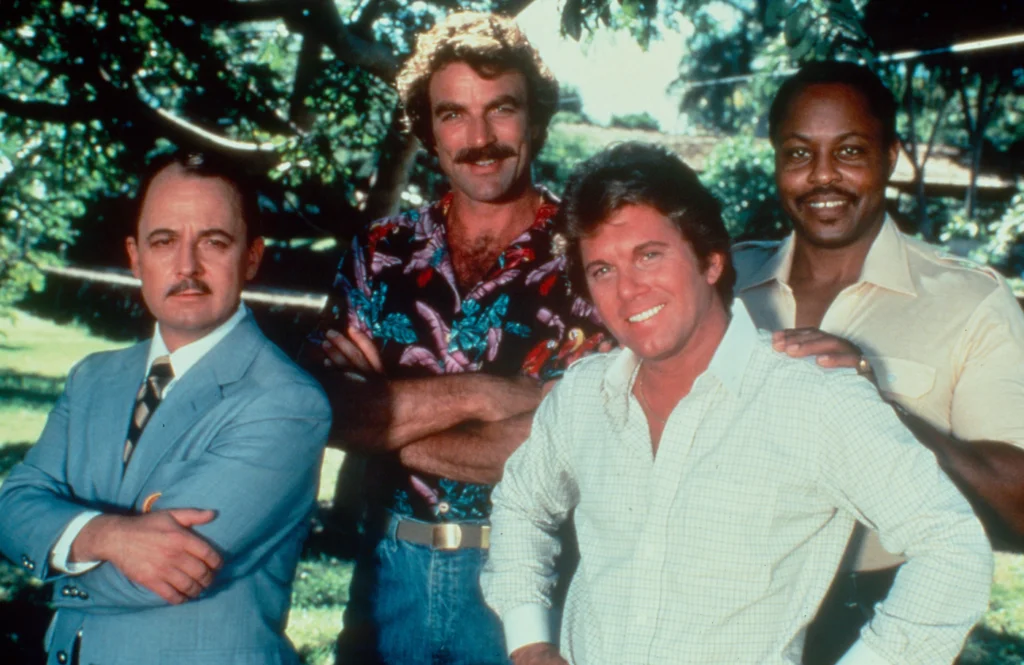
This was one of those shows parents loved that kids grew into. The action and mystery kept younger viewers interested. Adults enjoyed the humor and character moments. It felt adventurous without being too intense. That made it surprisingly family friendly.
Watching together often meant everyone was engaged for different reasons. The tropical setting added to the appeal. It was easy to follow without needing every detail. Families could enjoy it without feeling left out. It became a shared favorite in many homes.
11. MacGyver

MacGyver was the kind of show that sparked conversations at the dinner table. Kids were fascinated by the clever problem solving. Parents appreciated the intelligence behind the action. It felt smart without being complicated. Everyone could watch and be entertained.
Episodes often inspired curiosity and imagination. Families joked about what MacGyver could build next. It was exciting without being violent. That made it a comfortable choice for prime time. Watching together felt fun and a little educational.
12. Knight Rider
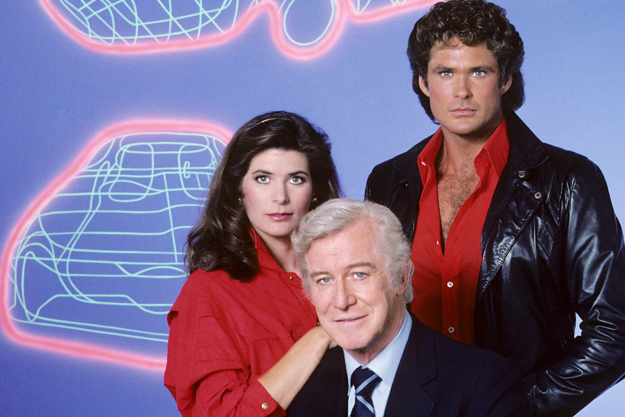
Talking cars were an easy sell for family TV. Kids loved KITT, while parents enjoyed the crime solving aspect. The show felt futuristic and exciting. It fit neatly into evening viewing schedules. Everyone could find something to enjoy.
Families often watched it as pure entertainment. It did not ask much from viewers, which made it relaxing. The action was thrilling but not overwhelming. It was easy to cheer along together. That made it a common pick for shared nights.
13. The Golden Girls
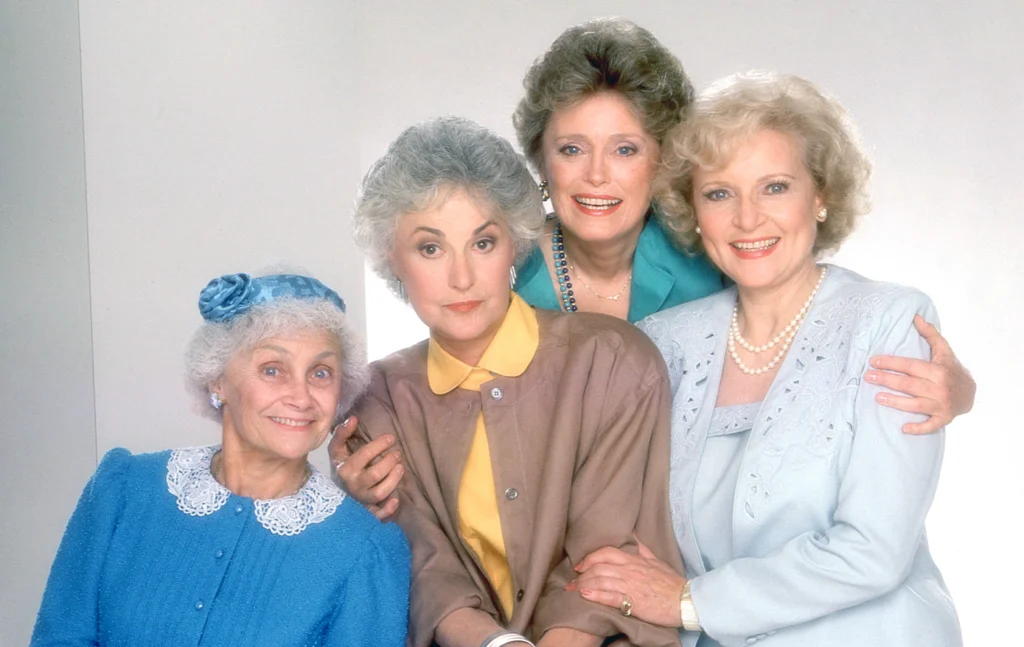
Although it focused on older characters, families still watched this together. Parents caught the jokes, while kids enjoyed the personalities. The chemistry between the characters carried the show. It felt warm and inviting. Watching it together felt surprisingly natural.
The humor worked on multiple levels. Families laughed for different reasons at the same scenes. It became one of those shows you could drop into easily. The conversations felt real and engaging. That made it a shared favorite over time.
14. Diff’rent Strokes
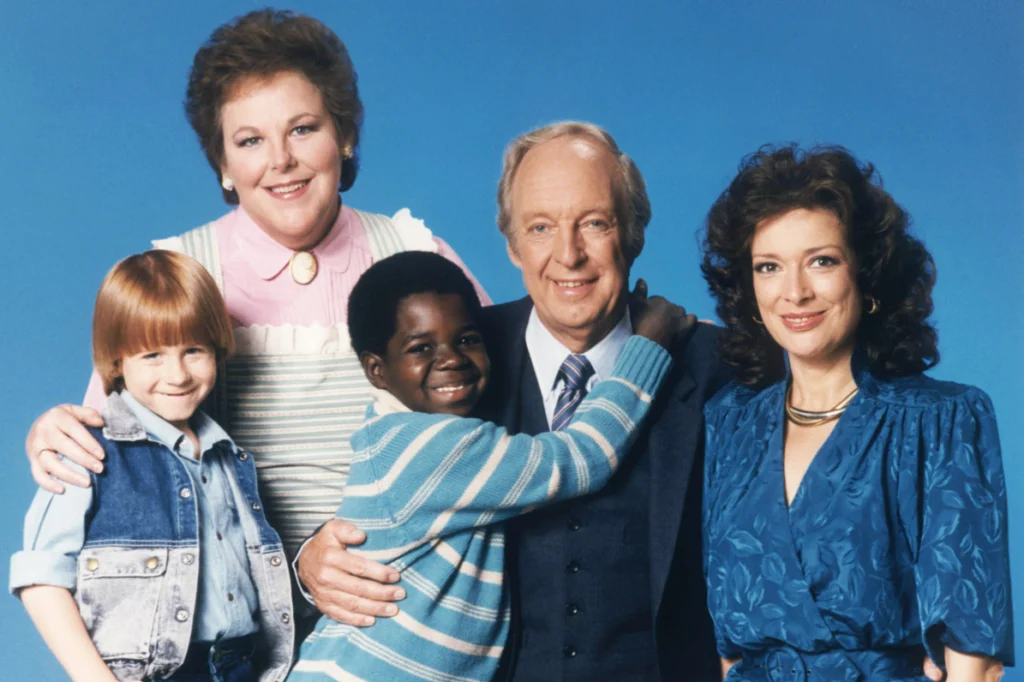
This show tackled serious topics but kept a family friendly tone. Parents appreciated the lessons, while kids connected with the characters. It felt approachable and sincere. Watching together often led to discussions afterward. That gave it lasting value.
The humor balanced the heavier moments well. Families could laugh and still feel thoughtful. It fit comfortably into prime time viewing. Everyone could understand what was happening. That made it easy to watch as a group.
15. Silver Spoons
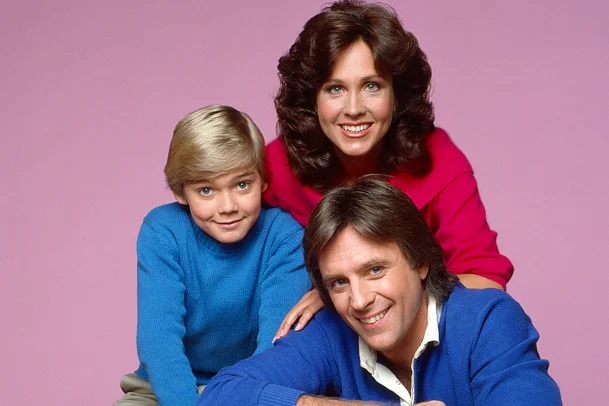
This was a show kids often loved first, with parents following along. The playful tone and imaginative moments stood out. Adults appreciated the underlying family themes. It was light and entertaining without being forgettable. Watching together felt easy.
Episodes moved quickly and stayed upbeat. Families could enjoy it without deep focus. It felt like fun escapism at the end of the day. That made it a reliable pick. Shared laughter came naturally.
16. Perfect Strangers

At its core, this was a show about connection and understanding. Families enjoyed the physical comedy and heart. Parents laughed at the situations, while kids loved Balki’s enthusiasm. It felt joyful and sincere. That made it ideal for shared viewing.
The humor was broad but never cruel. Watching together felt cheerful and safe. Families could quote lines and laugh together. It became one of those shows everyone remembered fondly. Prime time felt a little brighter when it was on.