1. Psycho (1960) – The Shower Scene
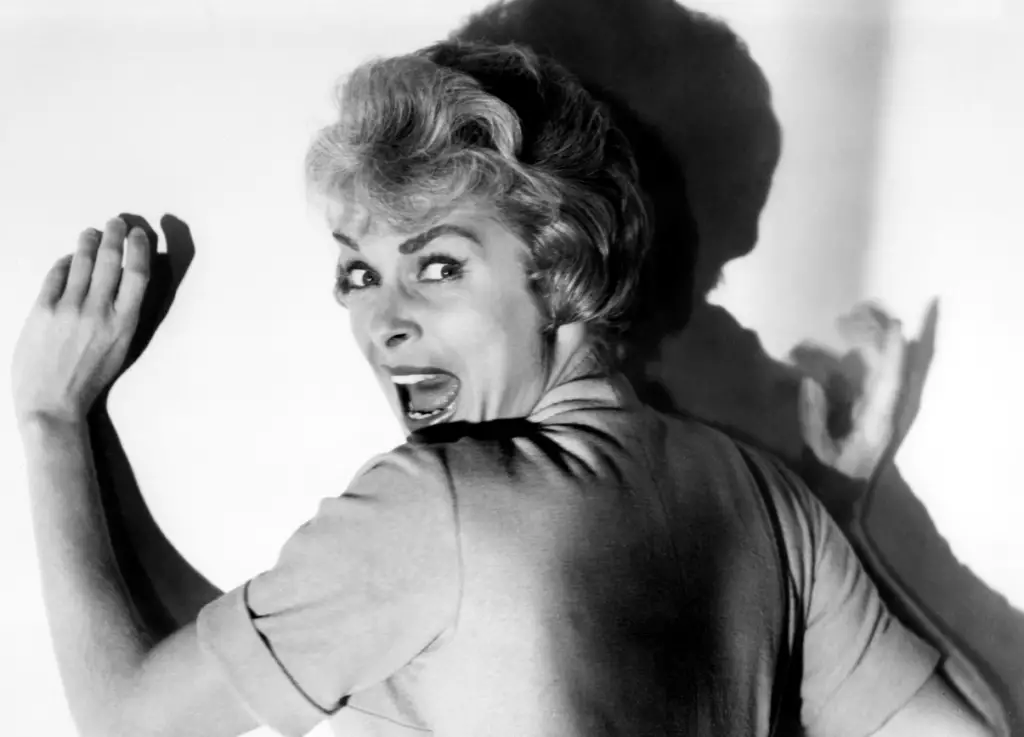
No one going into Psycho expected the movie to suddenly yank the rug out from under them halfway through. Janet Leigh had been marketed as the star, so audiences felt safe settling into her story. Then came the shower scene, which shattered every expectation about who was safe and who was not. The rapid cuts, shrieking strings, and flashing knife never actually showed much, yet it felt brutally real. Viewers were stunned by how violent it felt without being explicit. Many reportedly screamed or covered their eyes. Some people avoided showers afterward, which says everything about its impact.
The real shock was narrative, not just violence. Killing off the apparent lead so early felt almost cruel. Hitchcock turned the audience into accomplices by forcing them to watch something they could not stop. Silence often followed in theaters once the scene ended. People needed a moment to regroup.
2. Planet of the Apes (1968) – The Statue of Liberty Reveal
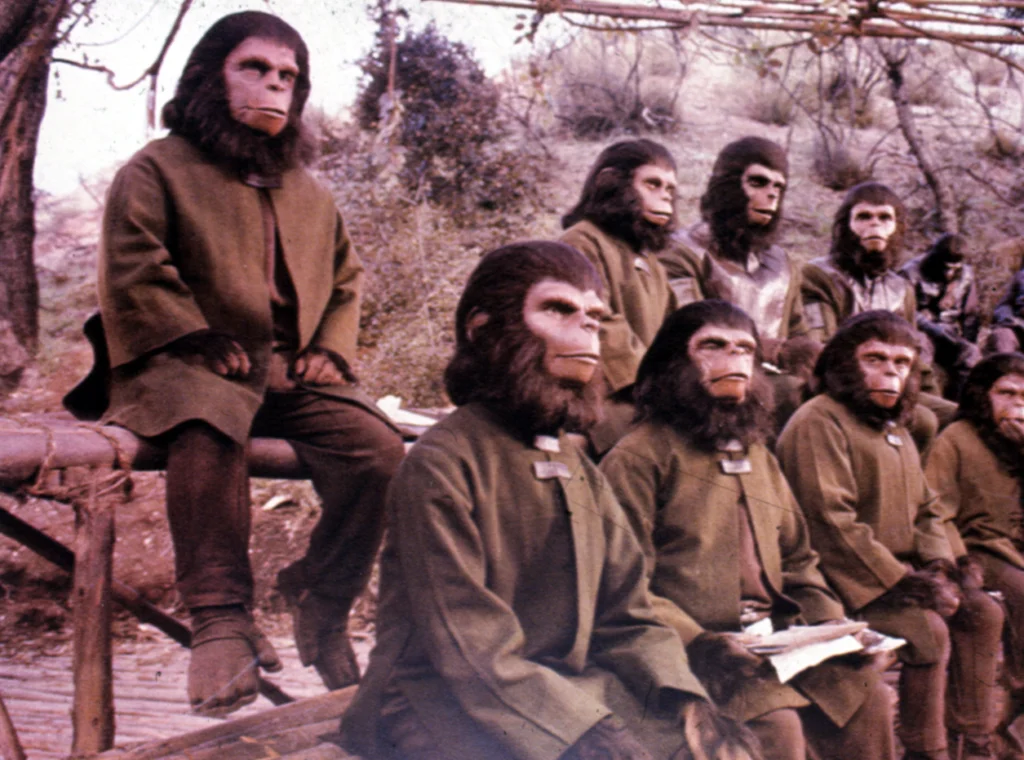
The movie had already delivered plenty of surprises, but nothing prepared audiences for the final image. Charlton Heston’s character collapses in the sand as the Statue of Liberty comes into view. It was a jaw-dropping twist that reframed everything that came before it. Suddenly, this was not a distant alien planet at all. The realization hit like a punch. Viewers reportedly sat frozen, processing the implication.
The ending trusted the audience to connect the dots without explanation. There was no swelling music to soften the blow. It felt bleak, unsettling, and unforgettable. That final image lingered long after people left the theater. It became one of the most iconic endings in movie history for a reason.
3. The Graduate (1967) – The Final Bus Ride
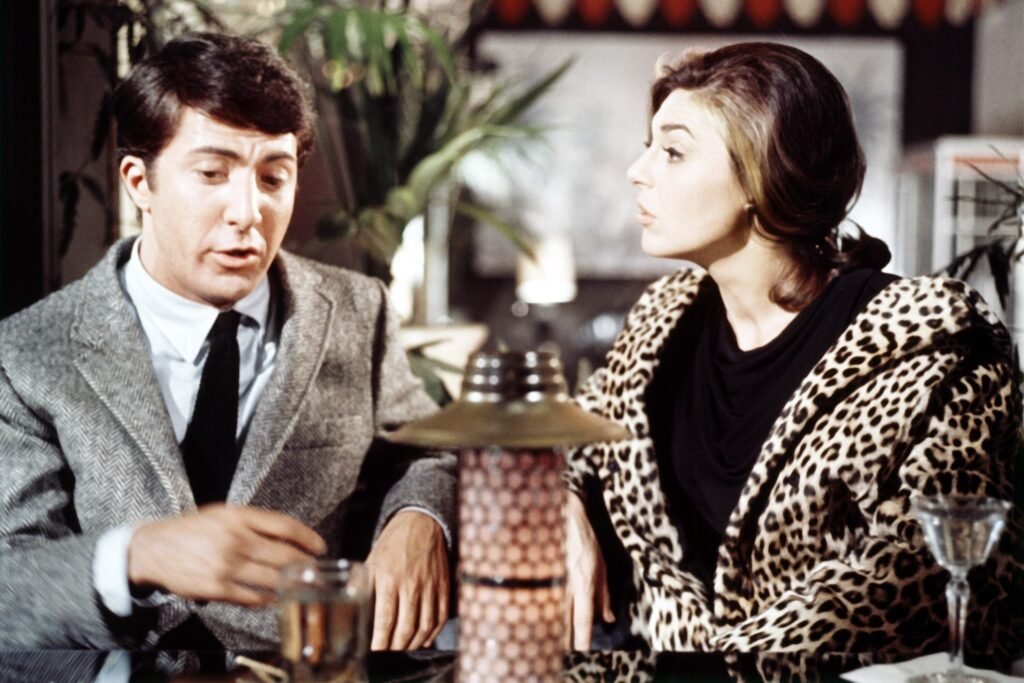
At first, the ending feels triumphant. Benjamin has chased Elaine, broken up a wedding, and escaped with her. The crowd laughs and cheers as the couple jumps onto the bus. Then their expressions slowly change. Smiles fade into uncertainty, and the theater goes quiet.
That lingering shot said more than pages of dialogue ever could. The future suddenly feels unclear rather than romantic. Audiences were not used to endings that questioned themselves. It felt honest in a way that was new and uncomfortable. People walked out talking about that look more than anything else.
4. Bonnie and Clyde (1967) – The Ambush
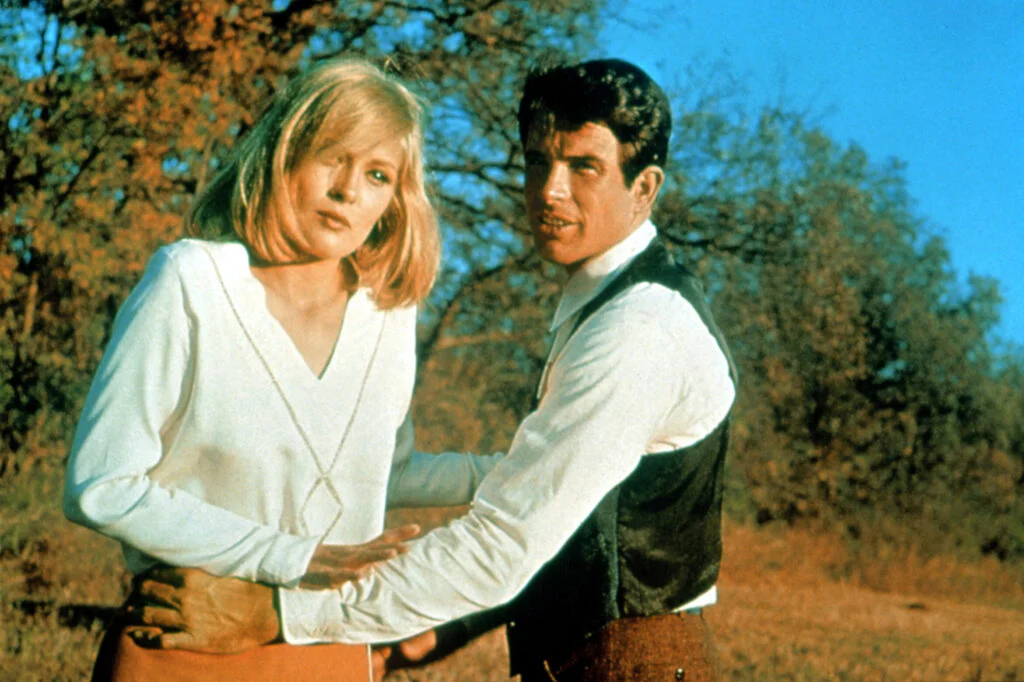
The violence in the final scene was unlike anything mainstream audiences had seen before. The sudden eruption of gunfire felt shocking in its speed and brutality. Viewers were used to sanitized crime endings, not something this raw. Bodies jerked, glass shattered, and there was no heroic framing. It was abrupt and merciless.
The scene marked a turning point for Hollywood. People sat stunned, unsure how to react. Some were disturbed, others impressed, but no one was indifferent. It signaled that movies were changing. Silence often followed the credits.
5. Rosemary’s Baby (1968) – The Cradle
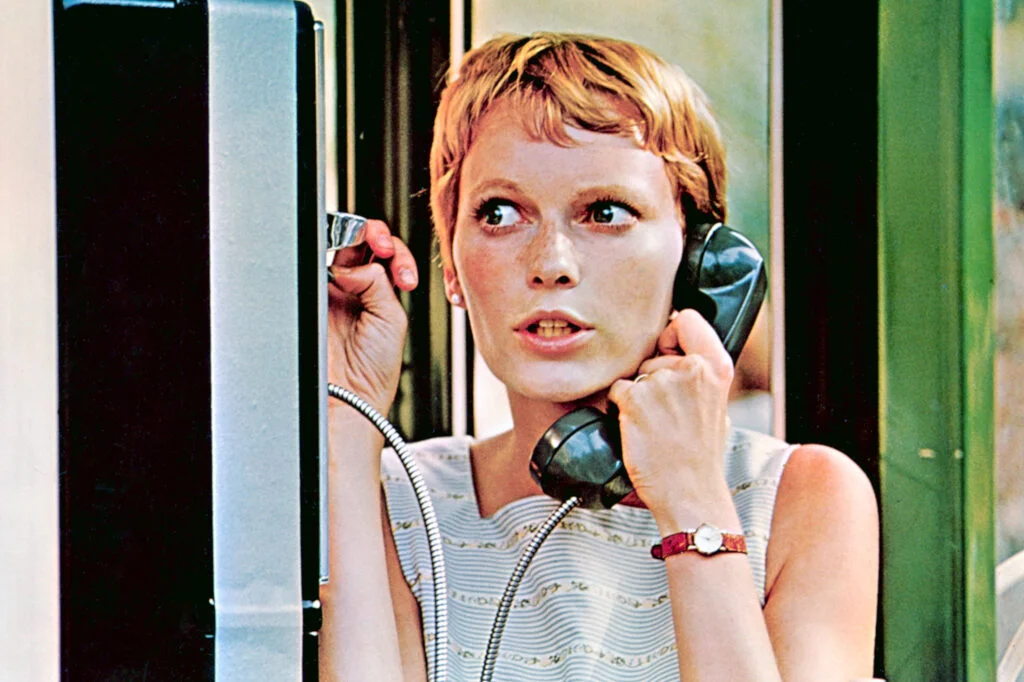
The final moments creep up quietly rather than exploding. Rosemary finally looks into the cradle, and the horror is implied rather than shown. Her reaction tells the audience everything they need to know. Gasps rippled through theaters as people realized what had happened. The film trusted imagination to do the heavy lifting.
What made the scene unforgettable was its calmness. There was no screaming monster or chaotic ending. Instead, it ended with a smile that felt deeply wrong. Viewers left unsettled and quiet. It stayed with people long after the lights came up.
6. 2001: A Space Odyssey (1968) – The Star Gate Sequence
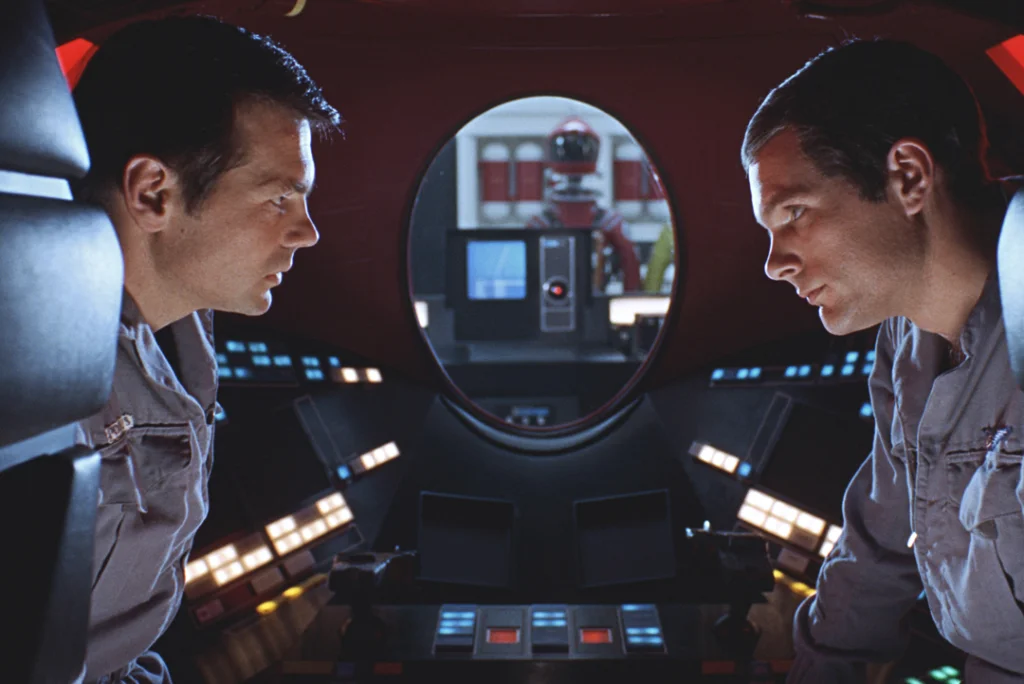
Audiences in 1968 had never seen anything like it. The colors, lights, and abstract imagery felt overwhelming and hypnotic. Some viewers were mesmerized, others confused, but everyone was affected. There was no clear explanation, just sensation and awe. It demanded patience and surrender.
The scene felt more like an experience than storytelling. People sat in stunned silence, unsure how to interpret what they had seen. It challenged expectations of what movies were supposed to do. For many, it felt like watching the future arrive. Conversations afterward were intense and divided.
7. Night of the Living Dead (1968) – The Final Gunshot
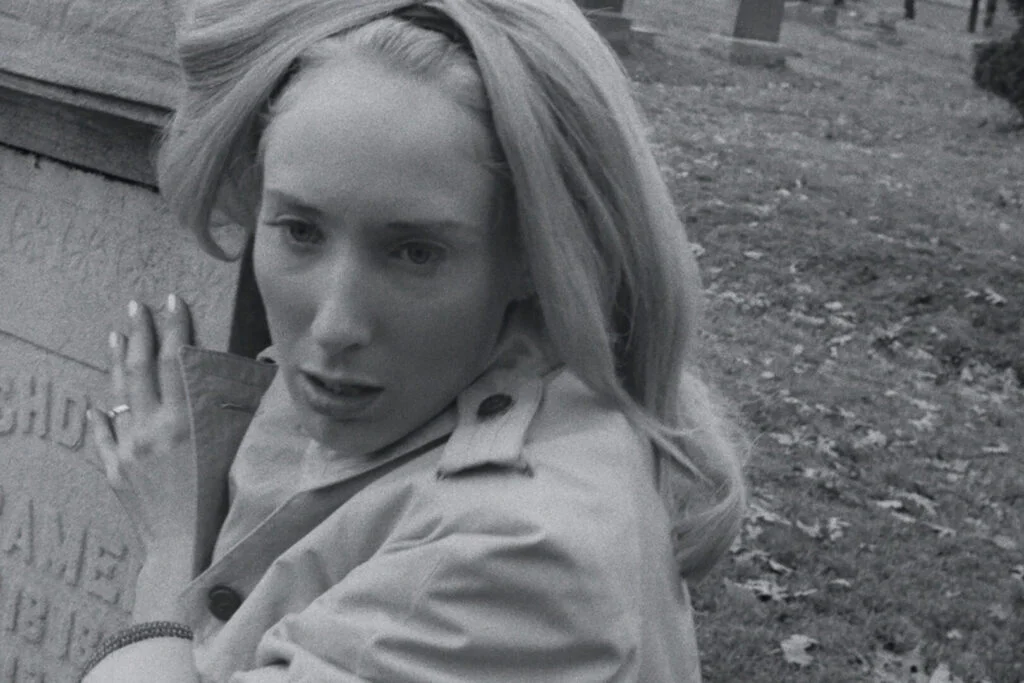
The ending arrives suddenly and without comfort. After surviving the night, Ben is shot and killed by a posse. The moment feels brutal in its randomness. There is no heroic sendoff or justice. Audiences were stunned by how cold it felt.
The final still images resemble documentary photographs, making it even harder to shake. Viewers were left sitting quietly, unsure how to process it. The ending felt political, even if people could not articulate why. It broke the unspoken rules of horror films. Silence often followed.
8. Dr. Strangelove (1964) – “We’ll Meet Again”
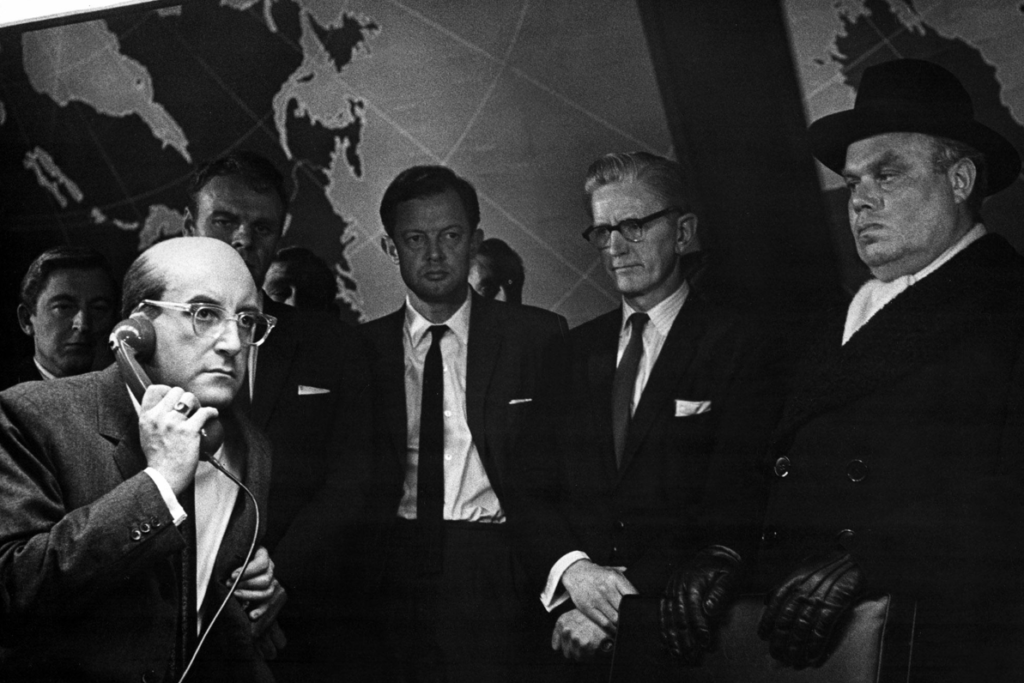
The film ends with nuclear explosions set to a cheerful song. The contrast is both funny and horrifying. Audiences laughed, then stopped laughing. The implication was clear and deeply unsettling. There was no escape hatch or hopeful ending.
That final montage forced people to confront the absurdity of annihilation. It felt daring and uncomfortable. The humor did not soften the blow. Many viewers sat quietly as the credits rolled. It was satire that landed like a gut punch.
9. Midnight Cowboy (1969) – Ratso’s Death
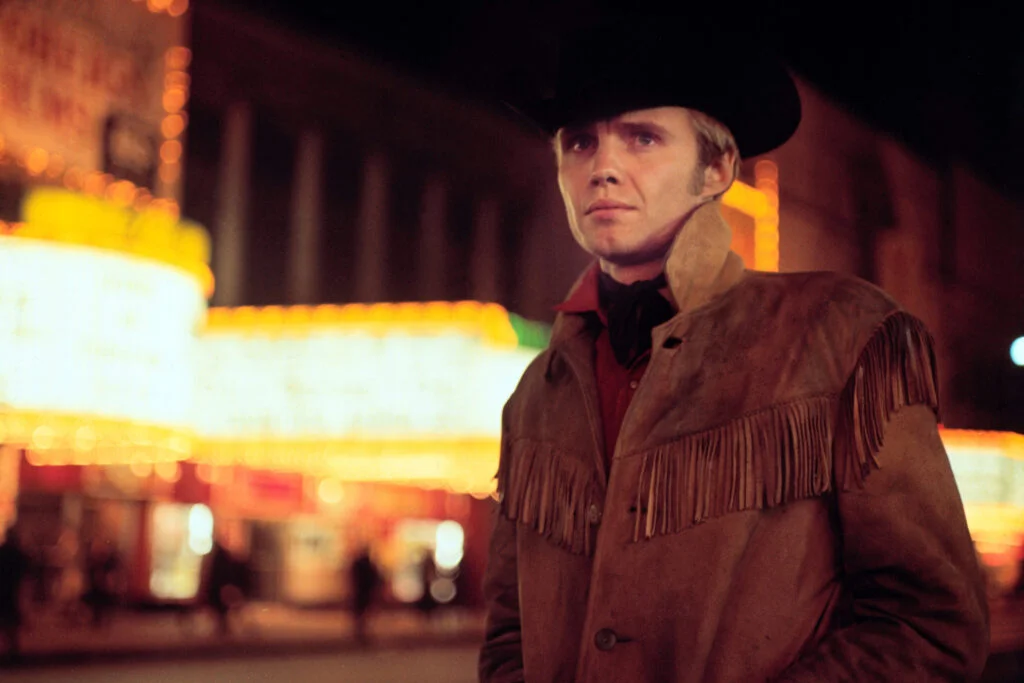
The bus ride to Florida starts with hope. Slowly, it becomes clear that Ratso is not going to make it. His death is quiet and unglamorous. Audiences were not prepared for how tender and sad it felt.
The scene lingered emotionally rather than visually. People sniffled in theaters, unsure how to react. The friendship at the heart of the movie became painfully real. It felt honest in a way that hurt. Silence followed the final moments.
10. Easy Rider (1969) – The Roadside Shooting
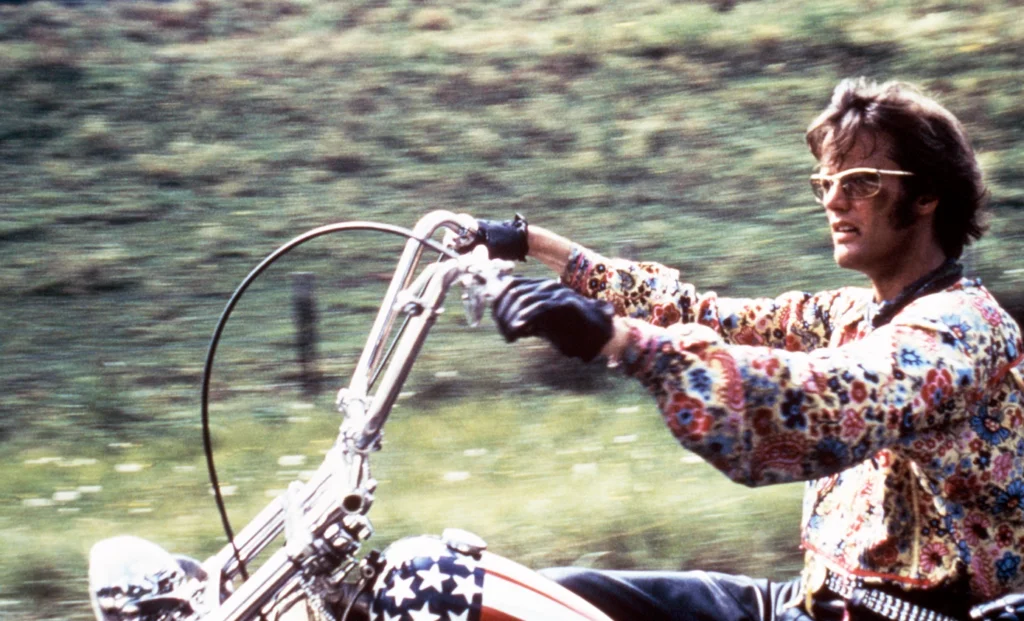
The ending arrives out of nowhere. One moment is calm, the next is sudden violence. There is no warning or dramatic buildup. The randomness is what shocks the most.
Audiences were stunned by how abruptly the story ended. It felt cruel and deeply realistic. The dream of freedom collapsed in seconds. People left the theater shaken and angry. The scene stayed with them.
11. The Birds (1963) – The Silent Escape
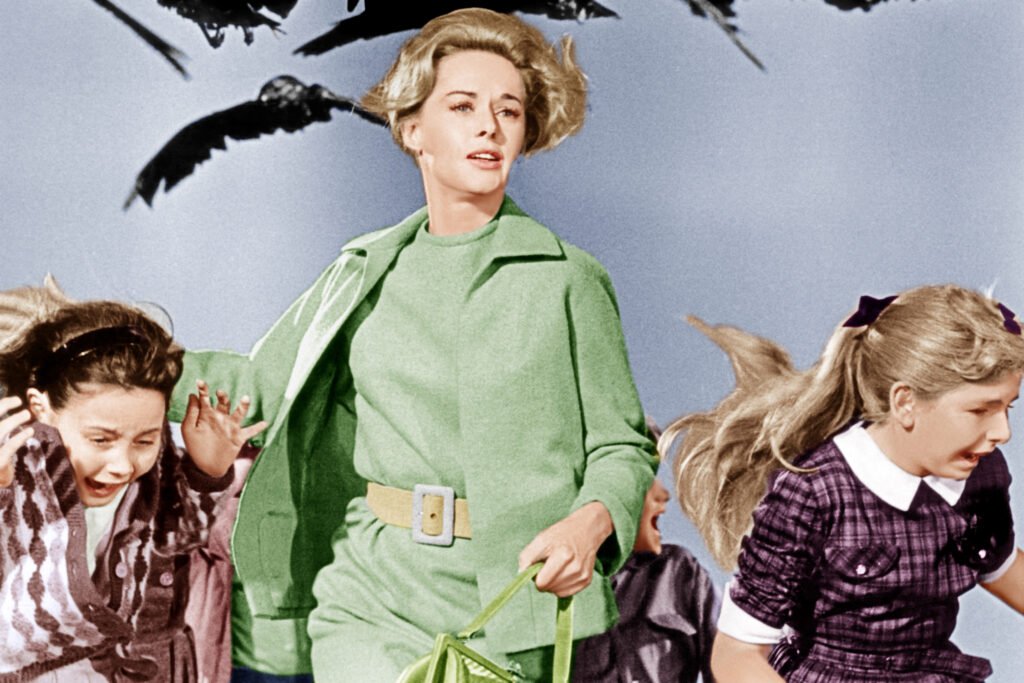
Instead of a climactic battle, the movie ends quietly. The characters step outside as birds surround them in eerie stillness. There is no explanation, no resolution. The absence of music makes it even more unsettling.
Audiences waited for something to happen, and it never did. That quiet tension was the point. People sat frozen, unsure when the movie was actually over. It felt unfinished in a deliberate way. The silence lingered.
12. Lawrence of Arabia (1962) – The Lonely Exit
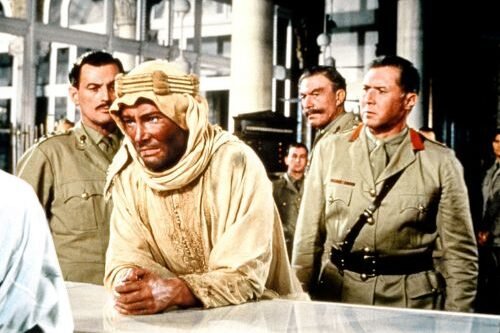
After all the grandeur, the ending is strangely subdued. Lawrence leaves in the back of a car, separated from the world he changed. The vast desert gives way to quiet reflection. Audiences were struck by the emotional shift.
It felt less like victory and more like exile. The silence spoke volumes about identity and belonging. People expected triumph, not ambiguity. The final image invited contemplation rather than applause. Many sat quietly as it ended.
13. Blow-Up (1966) – The Imaginary Tennis Match
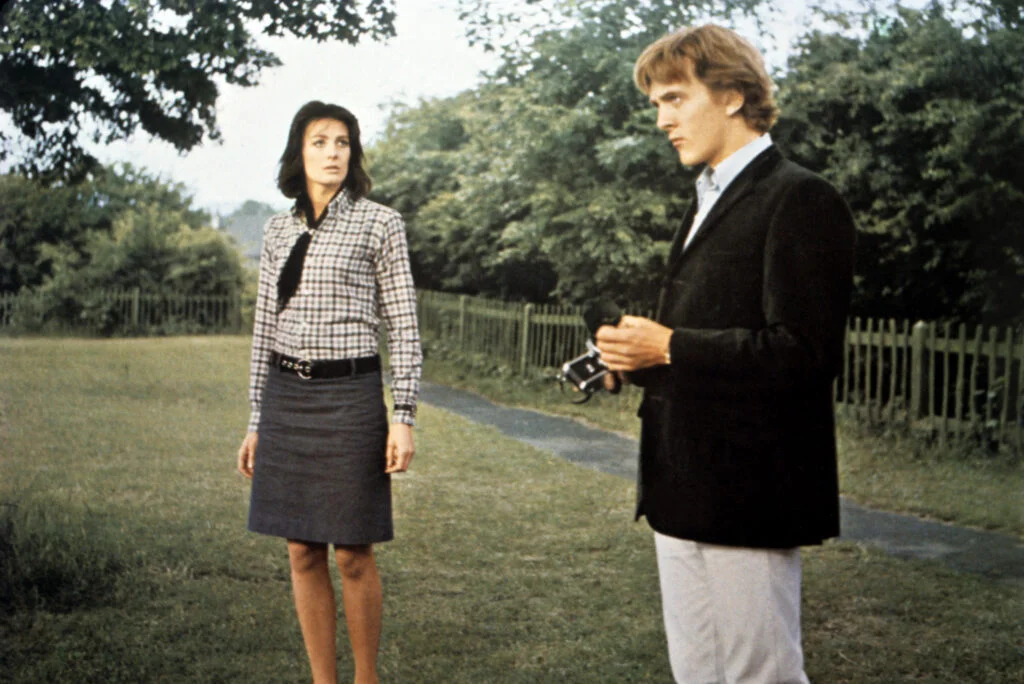
The final scene asks the audience to play along. A mime tennis match unfolds, and the protagonist reacts as if it is real. When he disappears, viewers are left with questions. Was anything ever real to begin with?
The ending confused and fascinated audiences. There were no clear answers, just implication. Silence often followed as people tried to make sense of it. It challenged traditional storytelling. That uncertainty became the point.
14. West Side Story (1961) – Tony’s Death
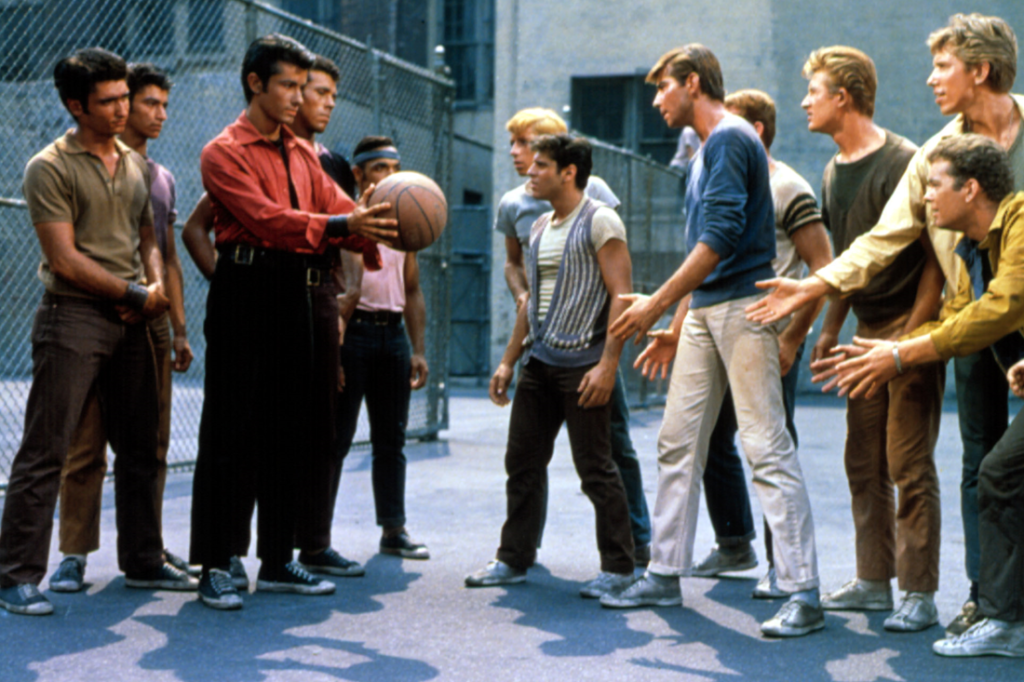
Musicals were supposed to end with hope, not heartbreak. Tony’s death stunned audiences who expected romance to prevail. The sudden shift in tone was devastating. Tears flowed in theaters.
The scene stripped away fantasy and left raw emotion. It felt painfully real despite the stylized world. Silence followed the final notes. People left shaken rather than uplifted. It redefined what a musical could do emotionally.