
1. Psycho (1960)
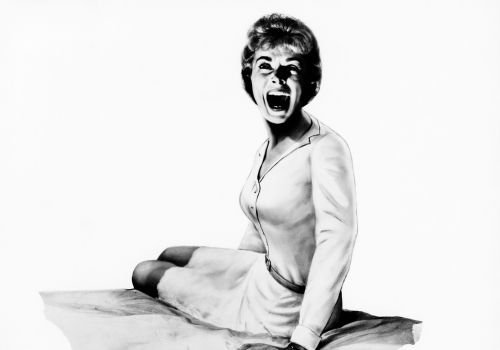
Audiences walked into Psycho thinking they were getting a straightforward thriller with a clear leading lady. Then Janet Leigh vanished halfway through the movie, and everyone realized the rules had changed. Even after that shock, most viewers still expected a conventional wrap up. Instead, the story spirals into something far darker and stranger. Norman Bates turns out to be far more than a shy motel owner with a creepy hobby.
The final reveal, with Norman fully overtaken by his “mother,” left audiences stunned and unsettled. It wasn’t just a twist, it was psychologically disturbing in a way mainstream films rarely attempted at the time. The closing explanation didn’t make it comforting, it made it worse. People left theaters replaying the ending in their heads, unsure how to process what they’d just seen.
2. Planet of the Apes (1968)
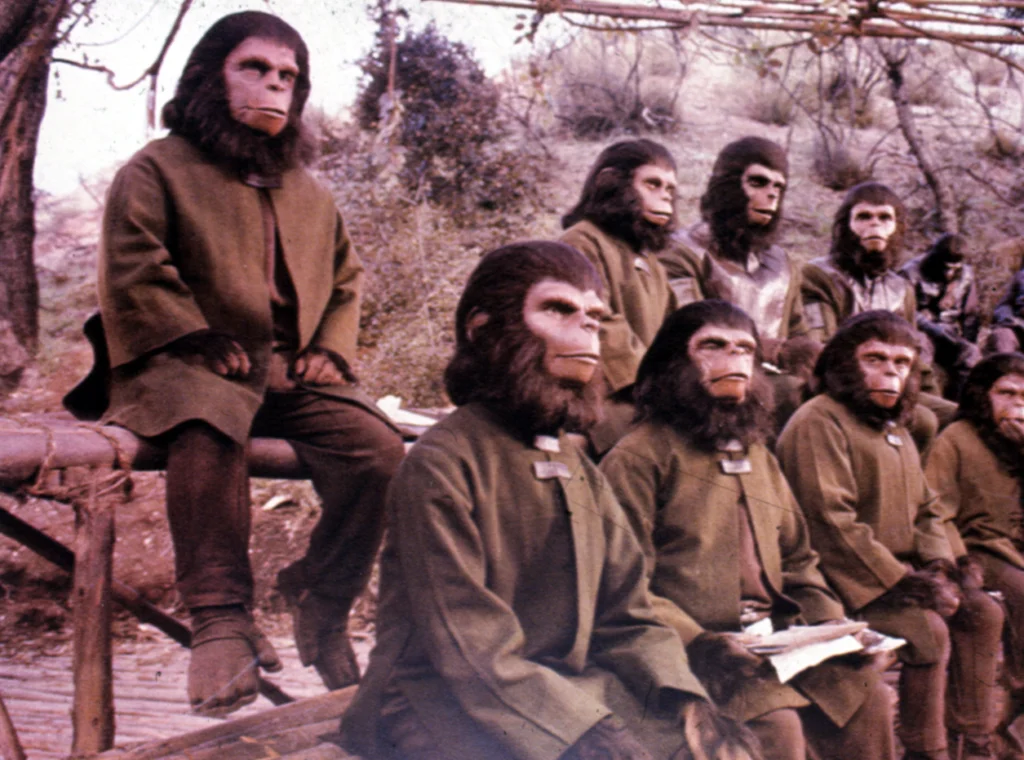
For most of the film, viewers assumed they were watching a distant planet with intelligent apes and fallen humans. The idea felt safely removed from reality, almost like a morality tale set far away. Charlton Heston’s character clung to the hope that Earth still existed somewhere out there. The journey felt epic and strange, but still familiar enough to be comfortable.
Then came the Statue of Liberty in the sand. In one silent, unforgettable image, the entire movie flipped upside down. The realization that this world was Earth all along landed like a punch to the chest. Audiences didn’t just gasp, they reevaluated everything they’d just watched. It became one of the most iconic endings in movie history for a reason.
3. The Graduate (1967)
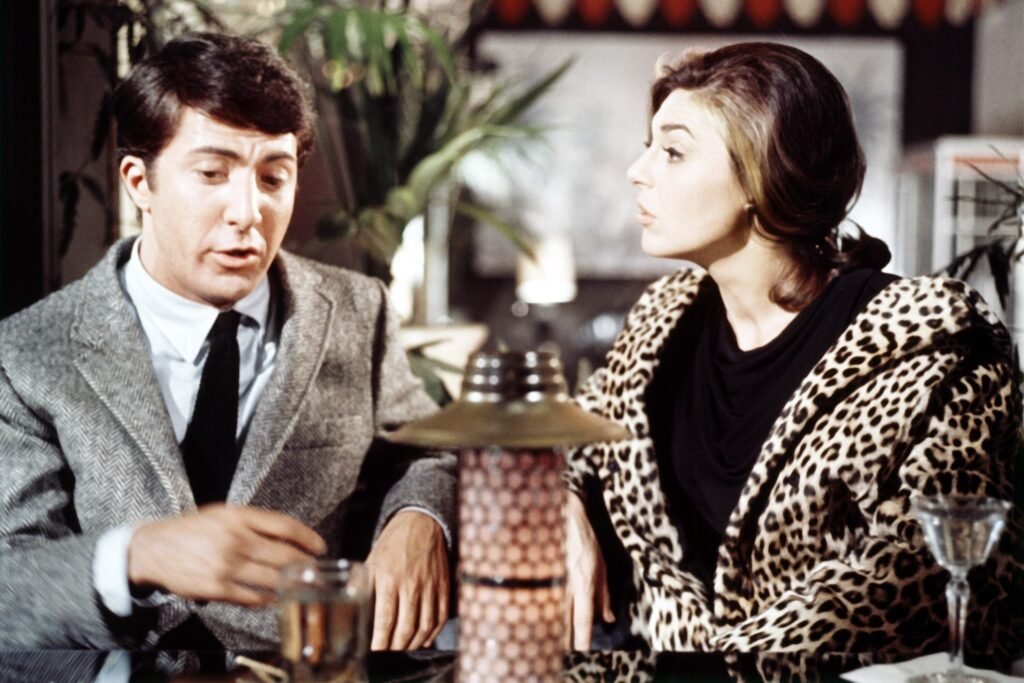
The ending of The Graduate feels triumphant at first glance. Benjamin crashes the wedding, Elaine runs away with him, and it all seems like a romantic victory. That’s what movies had trained audiences to expect. The music swells, and they escape together on the bus. Everything points toward a happy future.
Then the smiles fade. The camera lingers far longer than expected, showing uncertainty creep in. Suddenly the ending feels honest rather than celebratory. Viewers realized this wasn’t a fairy tale ending at all, but the beginning of something awkward and unclear. That quiet shift made the ending unforgettable.
4. Rosemary’s Baby (1968)
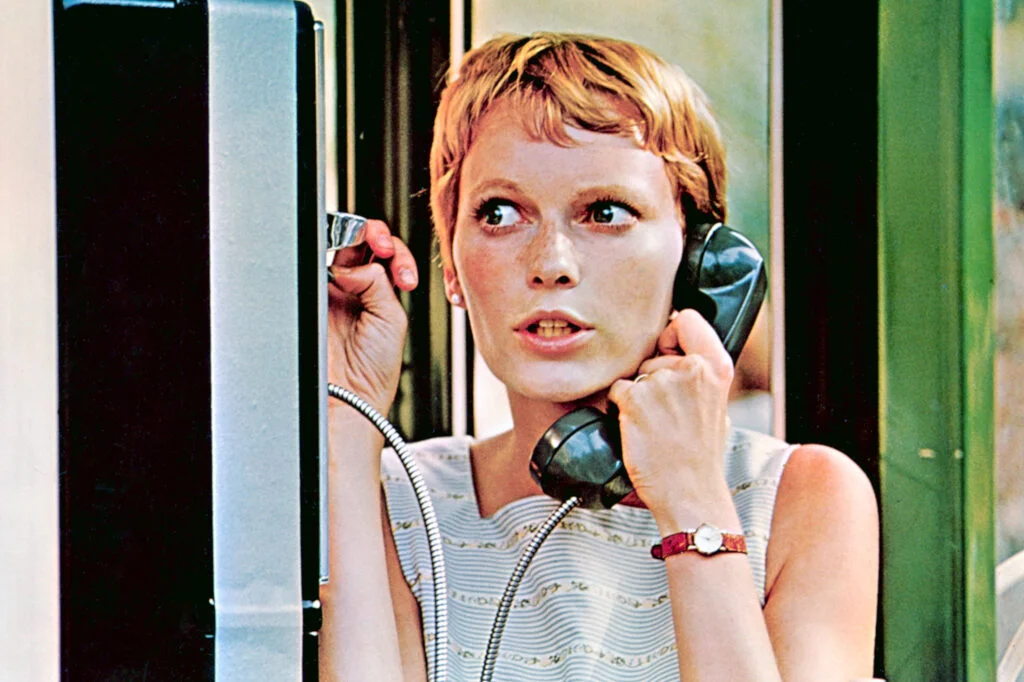
Most viewers hoped, right up until the end, that Rosemary was simply paranoid. The gaslighting is so relentless that audiences wanted a rational explanation. Even as things grow darker, there’s a desperate wish for a normal resolution. After all, surely this couldn’t really be happening. Surely the truth would be less horrifying.
Instead, the film commits fully to its nightmare. Rosemary discovers her baby is exactly what she feared, and the coven calmly welcomes her into the horror. The ending doesn’t offer rescue or justice, only acceptance. That quiet, chilling final moment stuck with audiences long after the credits rolled.
5. Night of the Living Dead (1968)
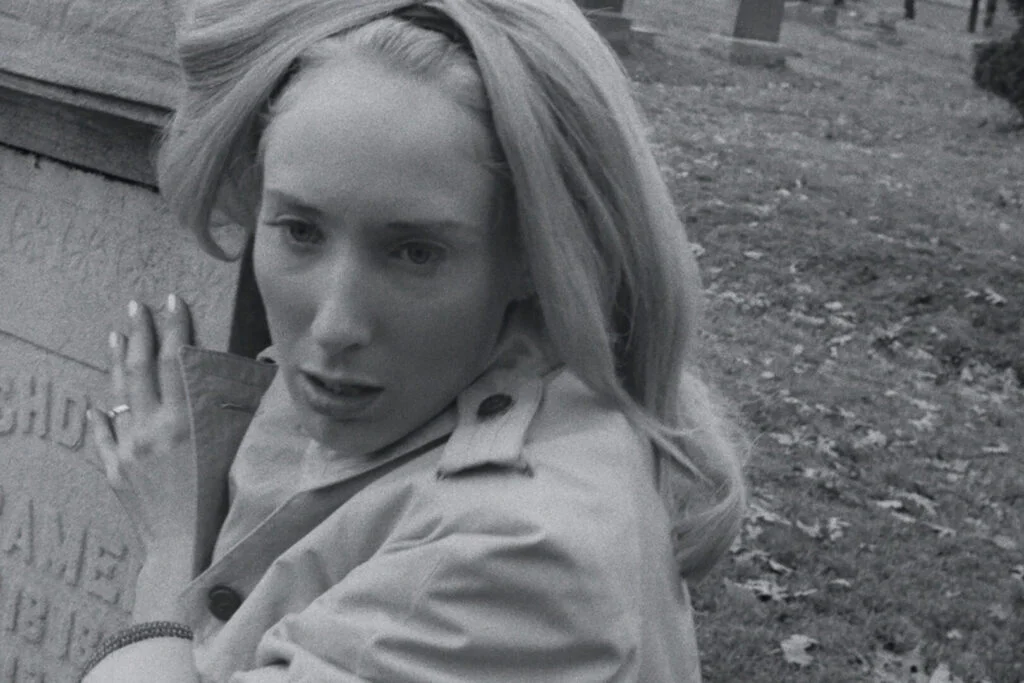
For much of the movie, Ben feels like the clear survivor. He’s smart, resourceful, and seems destined to make it through the chaos. Audiences naturally assumed he would be rewarded for his efforts. After so much violence and terror, a small victory felt necessary. It seemed like the film was heading there.
Then Ben is shot by a posse who mistake him for a zombie. The ending lands with brutal irony and no sentimentality. It reflected real world violence in a way audiences weren’t prepared for. Instead of relief, viewers were left with anger and shock. It was a devastating conclusion that redefined horror endings.
6. Easy Rider (1969)
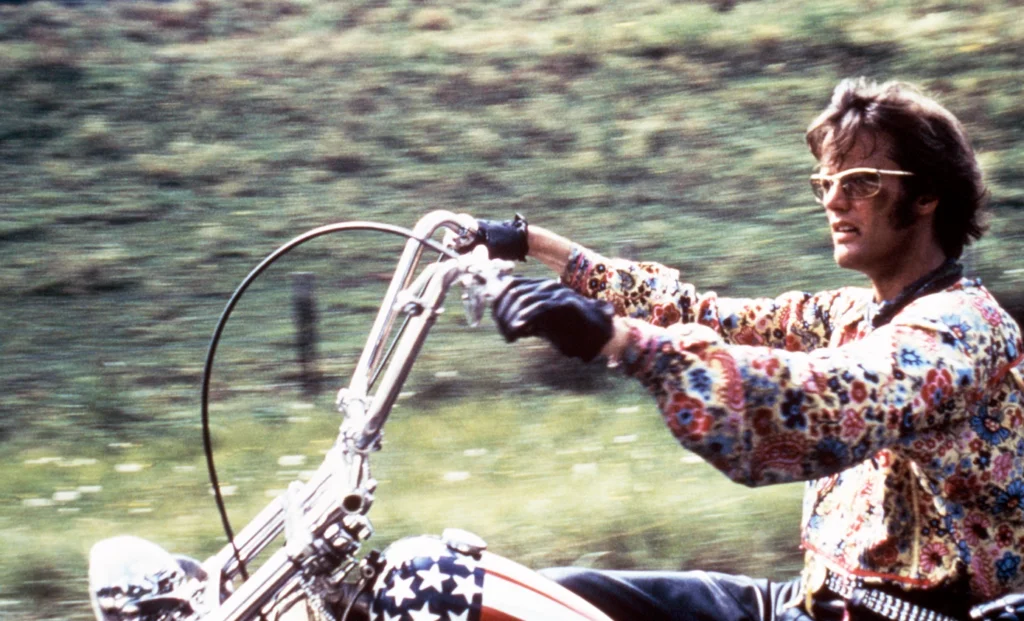
The film spends its runtime celebrating freedom, rebellion, and the open road. Wyatt and Billy seem untouchable as they drift across America. Even when danger looms, there’s a sense that their spirit will carry them through. The movie feels loose and hopeful despite its rough edges.
Then violence erupts suddenly and without warning. There’s no heroic standoff or meaningful last words. The ending is abrupt, cruel, and deeply unsettling. Audiences were forced to confront how fragile that freedom really was. It turned the film into a grim commentary rather than a carefree road movie.
7. Dr. Strangelove (1964)
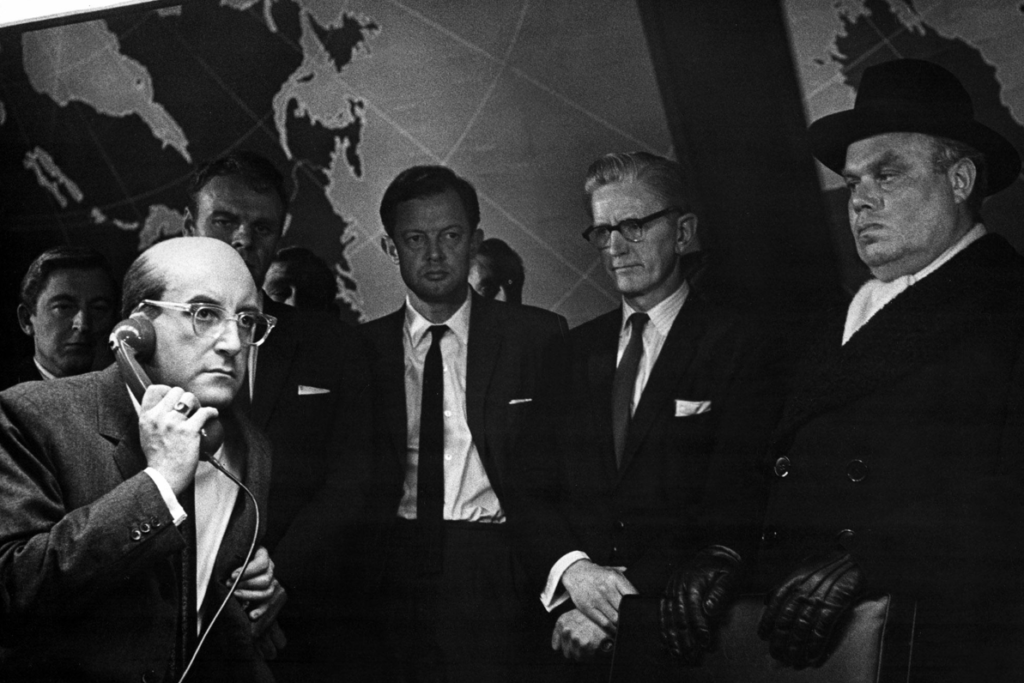
At first, the film feels like a dark comedy poking fun at Cold War paranoia. The absurd characters and sharp dialogue keep things entertaining. Even as the stakes rise, humor acts as a safety net. Viewers expect satire to defuse the tension. After all, it’s funny, right.
Then the bombs fall. The ending montage of nuclear explosions paired with cheerful music is chilling. Laughter gives way to dread as the joke turns deadly serious. Audiences realized the film had been warning them all along. It ended not with comfort, but with annihilation.
8. Bonnie and Clyde (1967)
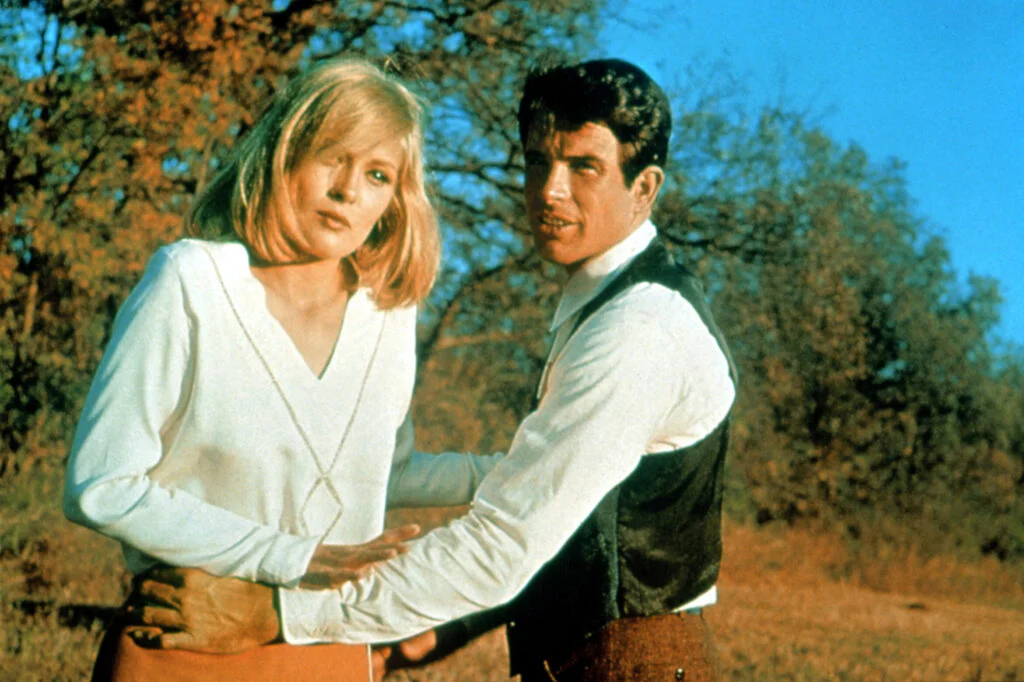
For much of the movie, Bonnie and Clyde feel glamorous despite their crimes. Their outlaw lifestyle is thrilling and rebellious. Viewers grow attached to them, even rooting for their escape. The tone flirts with romance and adventure. It’s easy to forget the reality of their fate.
Then the ambush happens. The violence is sudden, graphic, and relentless. It shocked audiences who weren’t used to seeing such brutality on screen. The ending stripped away any remaining fantasy. It left viewers shaken and changed how violence was portrayed in films going forward.
9. Midnight Cowboy (1969)
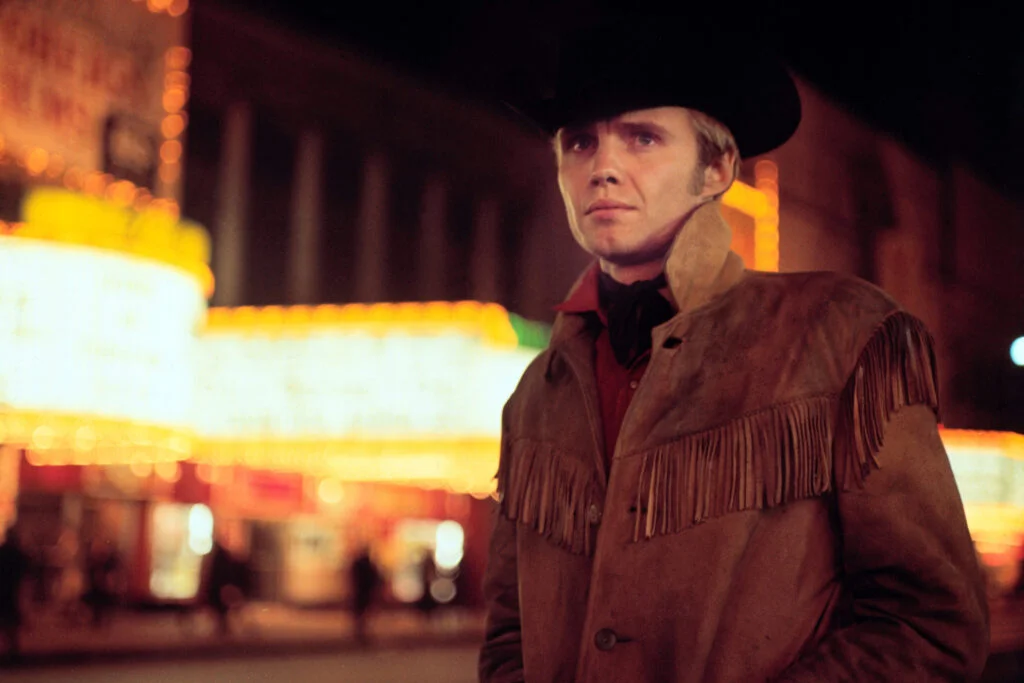
Joe Buck dreams of success and escape, and the film lets viewers believe he might get it. His friendship with Ratso feels like a lifeline. There’s hope in the idea of leaving New York behind. Audiences wanted this unconventional pair to find happiness. The road to Florida feels like a fresh start.
But Ratso dies on the bus before they arrive. The dream dissolves quietly and painfully. Joe is left alone, transformed by loss rather than success. The ending felt deeply human and heartbreaking. It lingered because it refused to offer a neat resolution.
10. The Birds (1963)
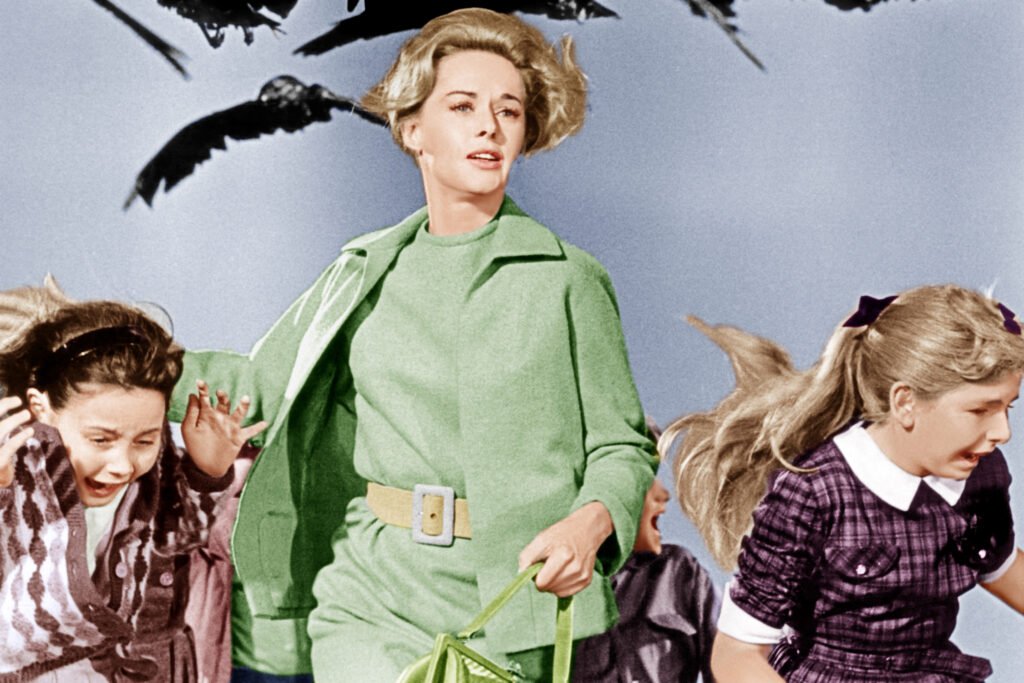
Most disaster movies train audiences to expect an explanation. There’s usually a cause, a solution, or at least a final battle. The Birds teases this expectation throughout. Viewers keep waiting for someone to figure it all out. Surely it will stop somehow.
Instead, the film simply ends. The characters leave cautiously as birds watch silently. There’s no reason given and no victory achieved. The lack of closure was deeply unsettling. Audiences left the theater uneasy, knowing the threat still existed.
11. Blow-Up (1966)
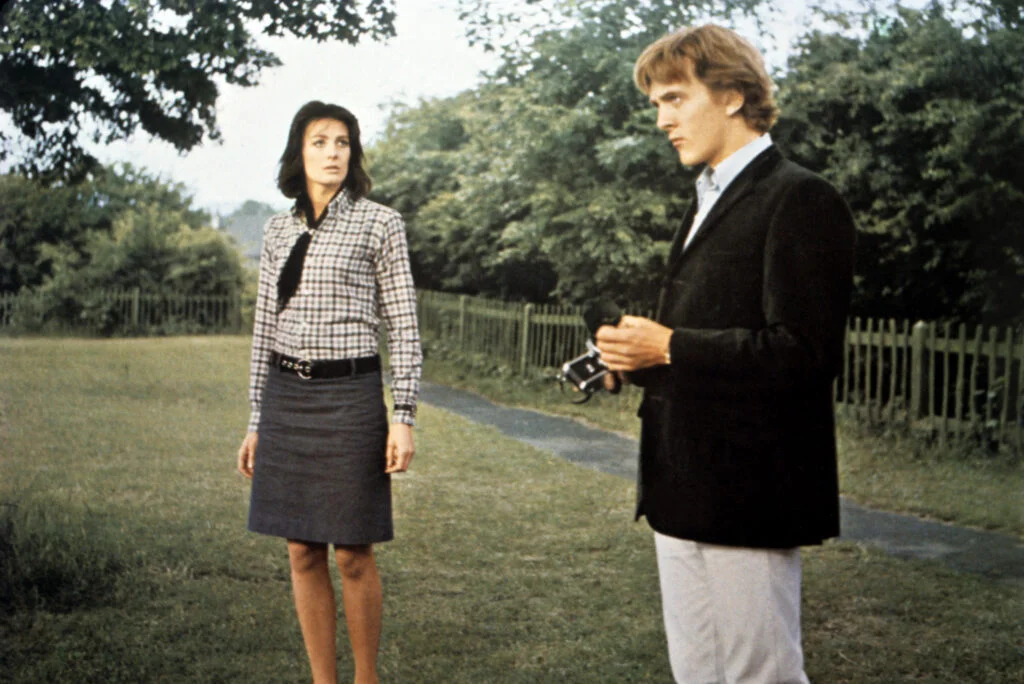
The movie builds around a mystery that seems solvable. A photographer may have captured a murder on film, and viewers expect answers. The clues are scattered but intriguing. It feels like a puzzle that will come together. The tension suggests revelation is coming.
Instead, the ending dissolves into ambiguity. The truth remains uncertain, and reality itself feels questionable. The final scene challenges what the audience believes they’ve seen. It was confusing, frustrating, and fascinating all at once. Many viewers debated it long after leaving the theater.
12. A Clockwork Orange (1962)
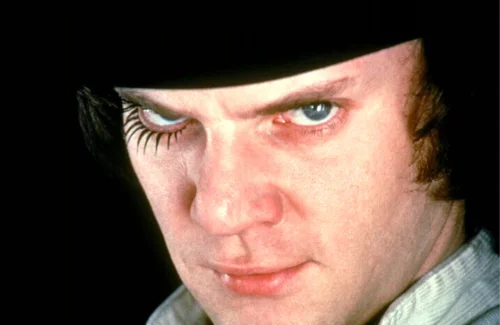
Alex’s journey through punishment and reform feels like it’s building toward redemption or justice. Audiences expect some kind of moral resolution. The system seems cruel, but maybe it will lead to change. There’s a sense that lessons are being learned. Surely the ending will clarify things.
Instead, Alex returns to his old self, triumphant and unchanged. The final moment feels deliberately disturbing. It suggests society has failed just as much as he has. Viewers were left unsettled rather than reassured. The ending refused to offer easy moral comfort.
13. The Italian Job (1969)
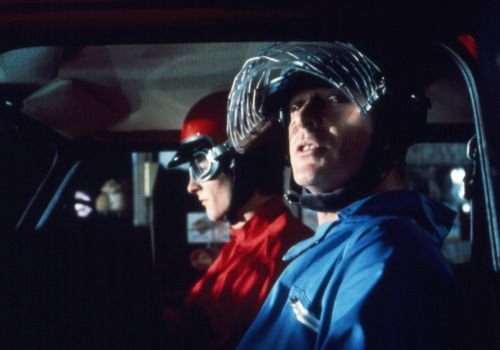
The movie sets up a clever heist with plenty of style and humor. Everything appears to be going according to plan. Audiences expect a smooth getaway and a celebratory ending. The tone encourages confidence. It feels like a classic caper.
Then the bus teeters on the edge of a cliff. The gold hangs in the balance, and the film cuts to black. There’s no resolution, just a freeze in time. Audiences were left hanging, literally and figuratively. It turned a fun heist into a memorable cliffhanger.
14. Once Upon a Time in the West (1968)

The film slowly builds toward a final confrontation that feels inevitable. Revenge hangs over every scene. Viewers expect a traditional Western showdown with clear winners and losers. The pacing suggests closure is coming. Everything feels carefully orchestrated.
Instead of a triumphant ending, the film settles into something quieter and more reflective. Characters move on, and the world changes without fanfare. The emotional payoff is subtle rather than explosive. Audiences realized the story was about endings, not victories. It was unexpected in its restraint and depth.