
1. Dinner Was at the Same Time Every Night

Dinner wasn’t flexible and it definitely wasn’t negotiable. If it was six o’clock, you were expected to be home, washed up, and sitting at the table. Late arrivals meant cold food and a look that said you should have known better. Meals weren’t eaten in front of the TV unless it was something truly special. The table was where the family regrouped after the day.
Conversation was expected, even if you didn’t feel talkative. Parents asked about school, chores, and what you learned that day. You didn’t leave until everyone was finished or excused. Dessert was never guaranteed, which somehow made it feel more important. Dinner was less about the food and more about showing up.
2. You Had to Be Home When the Streetlights Came On

This rule was practically universal, no explanation needed. The moment those lights flickered on, bikes turned around and games wrapped up fast. No one needed a watch because the neighborhood provided the signal. Ignoring it meant trouble the next day, not just that night. Parents trusted the system completely.
It didn’t matter whose house you were at or how good the game was. Once the lights came on, childhood freedom paused until morning. Everyone knew the rule, which made it oddly comforting. There was something reassuring about that shared ending time. It marked the official close of the day.
3. You Didn’t Talk Back to Adults

Talking back wasn’t seen as self expression. It was seen as disrespect, plain and simple. If an adult spoke to you, you listened, even if you disagreed. Rolling your eyes counted, even if you didn’t say a word. Tone mattered as much as words.
This rule applied to parents, relatives, teachers, and sometimes even neighbors. Adults were automatically right in most situations. Arguments were handled quietly, later, and often not at all. You learned early how to keep thoughts to yourself. Respect came first, explanation second.
4. Chores Came Before Play

Fun had to be earned, not assumed. Beds were made, dishes dried, and trash taken out before anyone went outside. Skipping chores wasn’t an option, even on weekends. Parents had a sixth sense for unfinished tasks.
The reward was freedom, not praise. Once chores were done, you were left alone to enjoy the day. Complaining only slowed things down. Everyone knew their assigned jobs and did them without much discussion. It was just how the household ran.
5. Phones Were for Emergencies, Not Socializing

The phone wasn’t a private device, it was a shared household tool. Calls were kept short, especially during dinner hours. Long conversations tied up the line and annoyed everyone. Parents often listened in without apology.
You didn’t call friends just because you were bored. You called with a reason and a plan. If someone else needed the phone, your call ended. The idea of constant contact didn’t exist yet. The phone had a purpose and that was that.
6. You Ate What Was Served
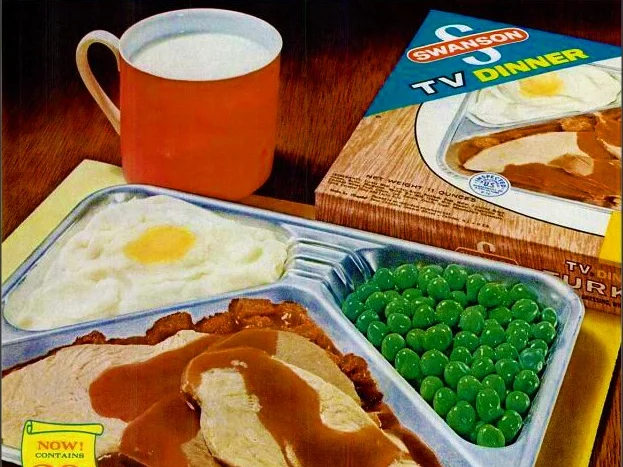
There was no second menu and no substitutions. Dinner was dinner, whether you liked it or not. Saying you didn’t like something didn’t change what was on your plate. Parents believed hunger would eventually solve the problem.
Leaving the table hungry was considered your choice. Snacks later were not guaranteed. This rule taught a surprising amount of patience. It also made favorite meals feel extra special. You learned to deal with it.
7. Homework Was Done at the Table

Homework happened where adults could see it. Kitchen tables doubled as study halls most nights. Distractions were limited and excuses were thin. Parents checked work without hovering too much.
Television stayed off until assignments were finished. Complaints about difficulty were met with encouragement, not exemptions. The routine mattered more than perfection. Homework had a time and place. Everyone followed it.
8. Company Meant You Acted Better

When guests were over, behavior expectations doubled. You were quieter, more polite, and on your best behavior. Interrupting adult conversation was a major offense. Children were expected to fade into the background.
This rule applied whether you knew the guests or not. You greeted people properly and stayed out of the way. Parents took pride in how their kids behaved in public. Good manners reflected on the whole family. That pressure was understood early.
9. You Didn’t Leave the House Without Telling Someone

No disappearing acts were allowed. Parents needed to know where you were going and who you’d be with. Plans didn’t have to be detailed, but they had to be shared. Safety depended on that simple rule.
Coming home early or late required checking in. It wasn’t about control so much as accountability. Everyone followed the same expectation. Trust was built on communication. It was a basic courtesy.
10. Bedtime Was Not a Debate

Bedtime existed for a reason, according to parents. It didn’t change because you weren’t tired. Arguing only made it worse. Once the clock hit a certain time, the day was done.
Exceptions were rare and memorable. Staying up late felt like a privilege, not a right. The routine stayed the same even on school breaks. Parents valued sleep and structure. Kids learned to accept it.
11. The TV Was Controlled by the Adults

Children didn’t choose what was on television. Parents decided when it was on and what was watched. Saturday mornings were the exception, not the rule. Prime time belonged to adults.
If a show was deemed inappropriate, it was simply off limits. Complaints didn’t change the decision. TV time was limited and often shared. You learned to watch what was available. That made favorite shows feel earned.
12. You Answered the Door Politely

If you were closest to the door, you answered it. That meant opening it properly and speaking clearly. Slamming doors or hiding wasn’t allowed. Parents expected confidence and courtesy.
You announced who was there and waited for instructions. This rule taught responsibility early. Even unexpected visitors were handled calmly. It was part of being part of a household. Manners mattered at the front door.
13. School Came First

Grades weren’t optional achievements. Doing well in school was considered your main job. Teachers were trusted and rarely questioned. If there was a problem, the child usually took the blame.
Sports and activities were secondary. If schoolwork slipped, privileges disappeared. Parents monitored report cards closely. Effort mattered as much as results. Education was treated seriously.
14. You Respected Other People’s Property

Borrowing without asking was a big deal. If it wasn’t yours, you left it alone. Breaking something meant owning up to it. Respect was expected even when no one was watching.
This rule applied to neighbors and siblings alike. Sharing didn’t mean taking. Parents emphasized responsibility over convenience. It taught awareness and restraint. Boundaries were clear.
15. Family Business Stayed in the Family

What happened at home didn’t get shared at school. Family arguments were private, no matter how dramatic. Parents believed loyalty started at home. Complaining outside the house was discouraged.
This rule created a strong sense of unity. Even siblings followed it. Problems were handled internally whenever possible. Trust within the family was emphasized. Privacy mattered more than venting.