
1. Star Wars
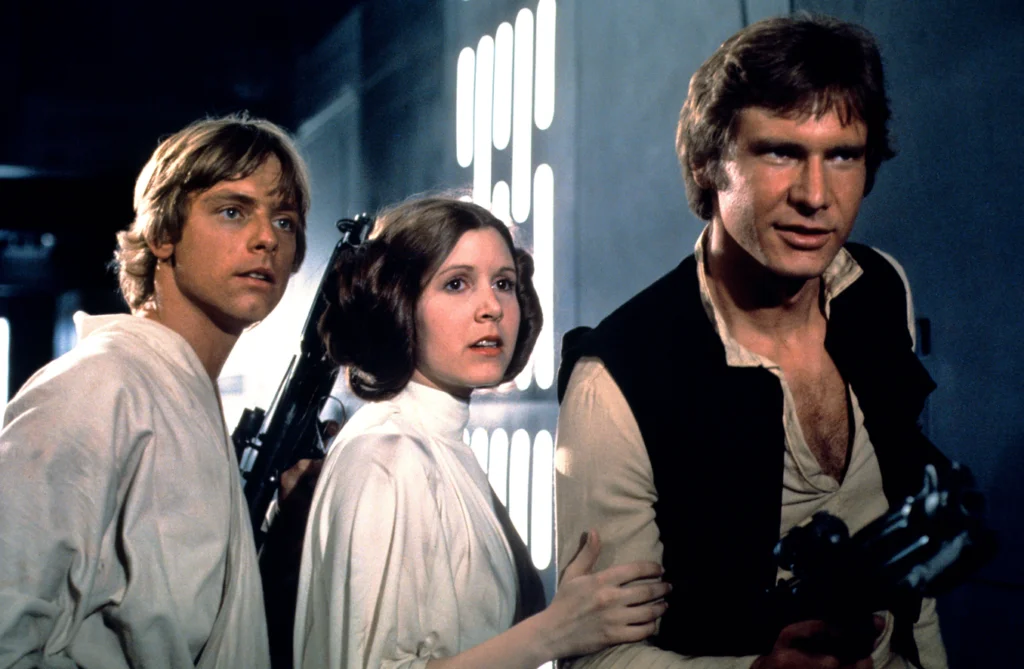
By the time the ’80s rolled around, Star Wars was already a phenomenon, but the decade is when it truly became unavoidable. Kids didn’t just watch these movies, they lived inside them, acting out lightsaber duels on playgrounds and arguing endlessly about which character was the coolest. The release of The Empire Strikes Back and Return of the Jedi turned every sequel into a cultural event. Suddenly, cliffhangers and plot twists were dinner table conversations.
Merchandising exploded in a way that hadn’t really happened before, with toys, lunchboxes, pajamas, and action figures everywhere. You didn’t just see Star Wars, you collected it. The movies shaped how franchises were marketed for decades to come. Even people who didn’t see the films knew the characters and the music. It was less a series of movies and more a shared cultural language.
2. Indiana Jones
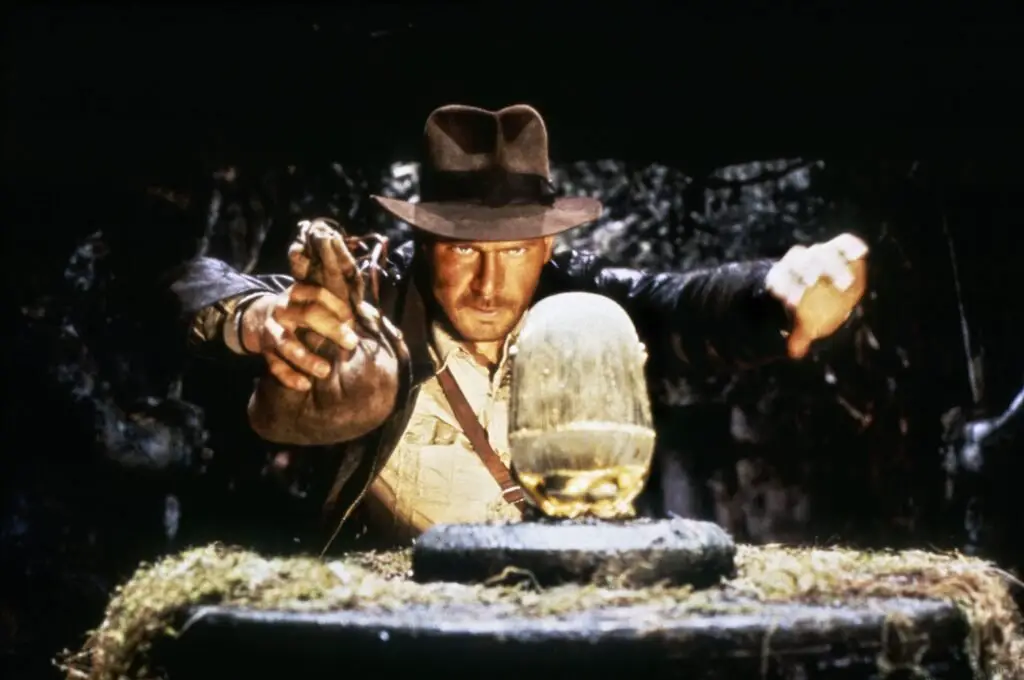
Indiana Jones brought classic adventure serials roaring back to life with a modern edge. Watching Harrison Ford crack a whip and outrun boulders made archaeology look cooler than anyone thought possible. These movies blended action, humor, and history in a way that felt instantly iconic. You didn’t need to be a film buff to recognize that fedora and leather jacket.
The franchise made adventure films feel smart without ever being stuffy. Kids wanted fedoras for Halloween, and adults lined up eagerly for each sequel. Indiana Jones also helped cement the idea that franchises could feel cinematic and old-fashioned at the same time. The character became shorthand for daring and charm. Even today, that theme music still sparks instant recognition.
3. Back to the Future
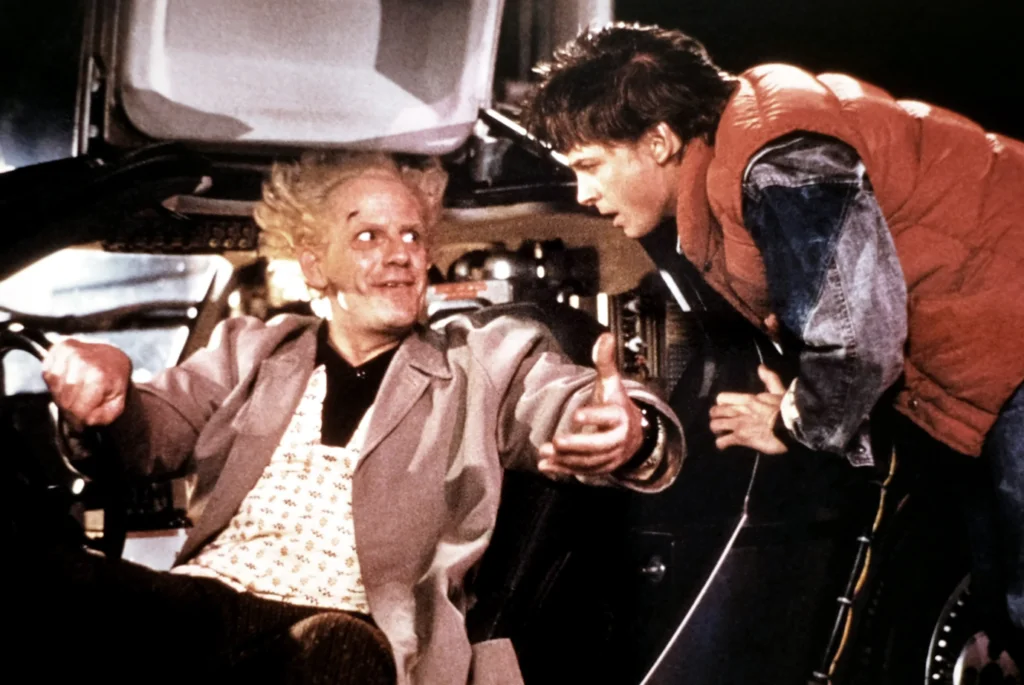
Time travel had never looked so fun or so accessible. Back to the Future made science fiction feel like something that could happen in your own neighborhood. Marty McFly was relatable, awkward, and funny, which made the wild story feel grounded. Everyone understood the fantasy of wanting to fix mistakes or peek into the future.
The DeLorean itself became one of the most famous movie vehicles of all time. Quotes from the film quickly became part of everyday conversation. The sequels kept the momentum going without losing the heart of the original. It was a franchise that made audiences feel clever for keeping up. Few movies captured the spirit of the ’80s quite like this one.
4. Ghostbusters
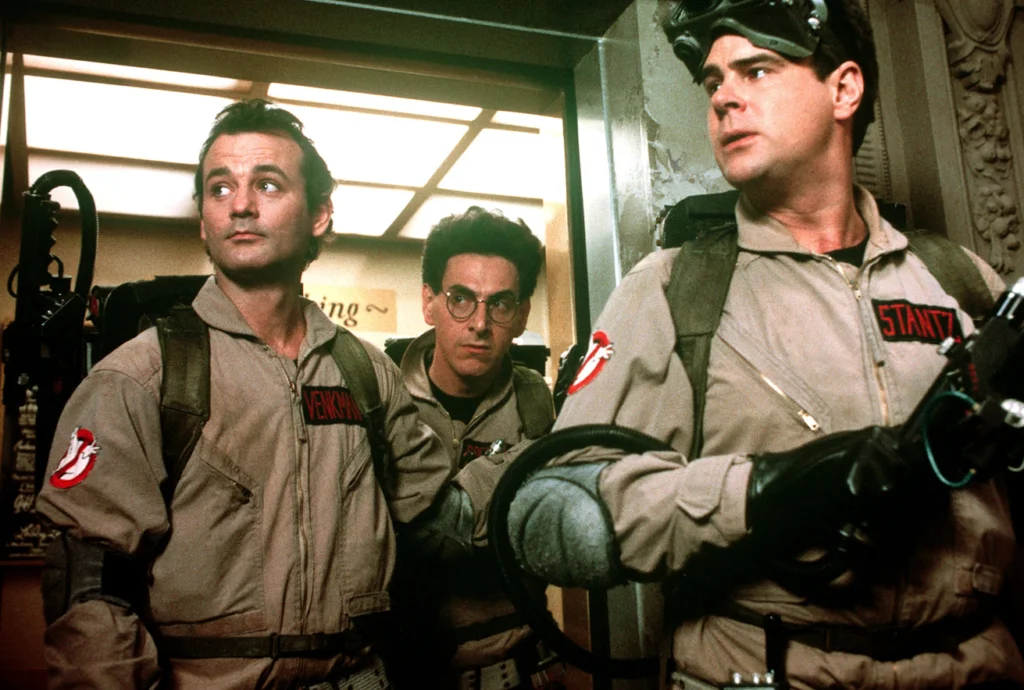
Ghostbusters somehow made paranormal extermination feel hilarious and heroic. It was scary enough to thrill kids, but funny enough that parents loved it too. The cast chemistry gave the movie a loose, playful energy that felt different from typical blockbusters. Everyone knew the logo, even if they’d never seen the film.
The theme song alone turned the franchise into a pop culture juggernaut. Halloween costumes, toys, cartoons, and catchphrases followed quickly. It proved comedies could anchor massive franchises, not just action films. The idea was weird, and that’s what made it stick. Few movies felt so perfectly of their moment.
5. Rocky
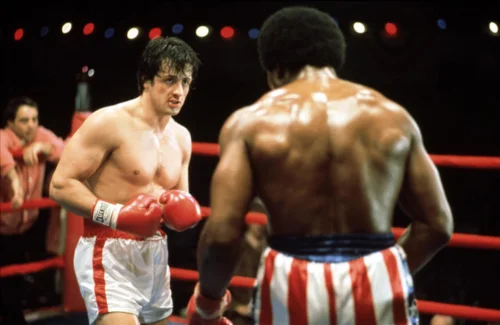
Rocky Balboa became the ultimate underdog hero of the ’80s. The franchise turned boxing matches into emotional, slow-motion spectacles. Each installment felt like a pep talk wrapped in a movie. You didn’t just watch Rocky train, you felt inspired to get off the couch.
The films blurred the line between sports movie and pop culture myth. Montage sequences became legendary. Rocky’s image was everywhere, from posters to parody sketches. The character symbolized perseverance in a decade obsessed with winning big. Few franchises motivated people the way this one did.
6. Friday the 13th
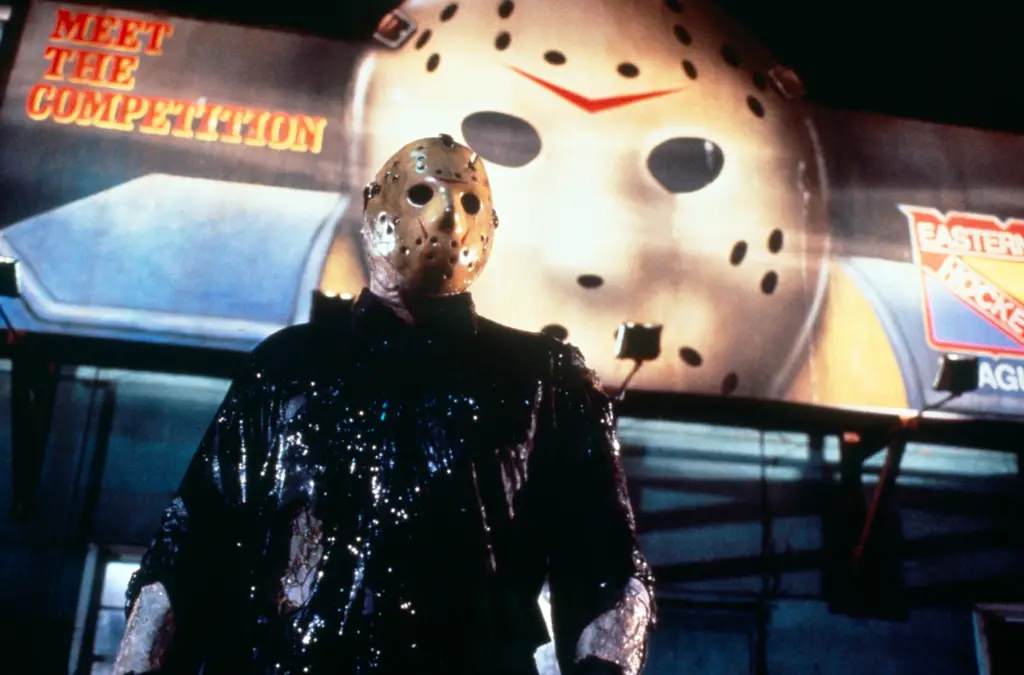
Horror fans knew exactly what they were getting with each new installment. The franchise turned summer camp into a setting nobody trusted anymore. Jason Voorhees became one of the most recognizable villains of the decade. Even people who avoided horror knew that hockey mask.
The movies were consistent, unapologetic, and incredibly profitable. They helped define what a slasher franchise looked like. Sequels became expected, not surprising. The formula worked, and audiences kept coming back. It was proof that fear could be serialized.
7. A Nightmare on Elm Street
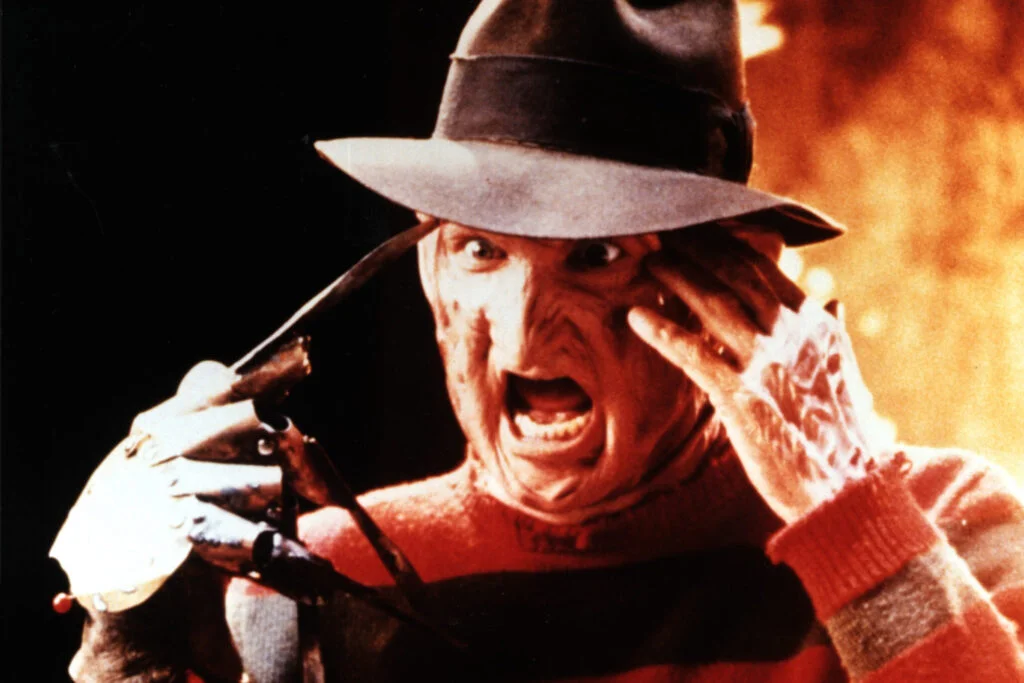
Freddy Krueger brought a twisted sense of humor to horror that felt new and unsettling. The idea that sleep itself wasn’t safe made the films especially memorable. Freddy’s personality turned him into a bizarre pop culture figure, not just a monster. Kids whispered about him even if they weren’t allowed to watch the movies.
The franchise blended surreal visuals with real teenage fears. Each sequel expanded Freddy’s mythology. His one-liners made him strangely quotable. Horror suddenly had a face with attitude. That mix made the franchise hard to ignore.
8. Terminator

The Terminator made time travel terrifying instead of playful. Arnold Schwarzenegger’s performance turned a cyborg into an unforgettable icon. The films tapped into fears about technology long before those fears felt mainstream. The future suddenly looked cold and relentless.
The franchise balanced explosive action with surprisingly thoughtful ideas. Catchphrases entered everyday speech almost immediately. Sequels raised the stakes without losing the edge. It helped redefine what a sci-fi action movie could be. The Terminator wasn’t just a character, it was a warning.
9. Karate Kid
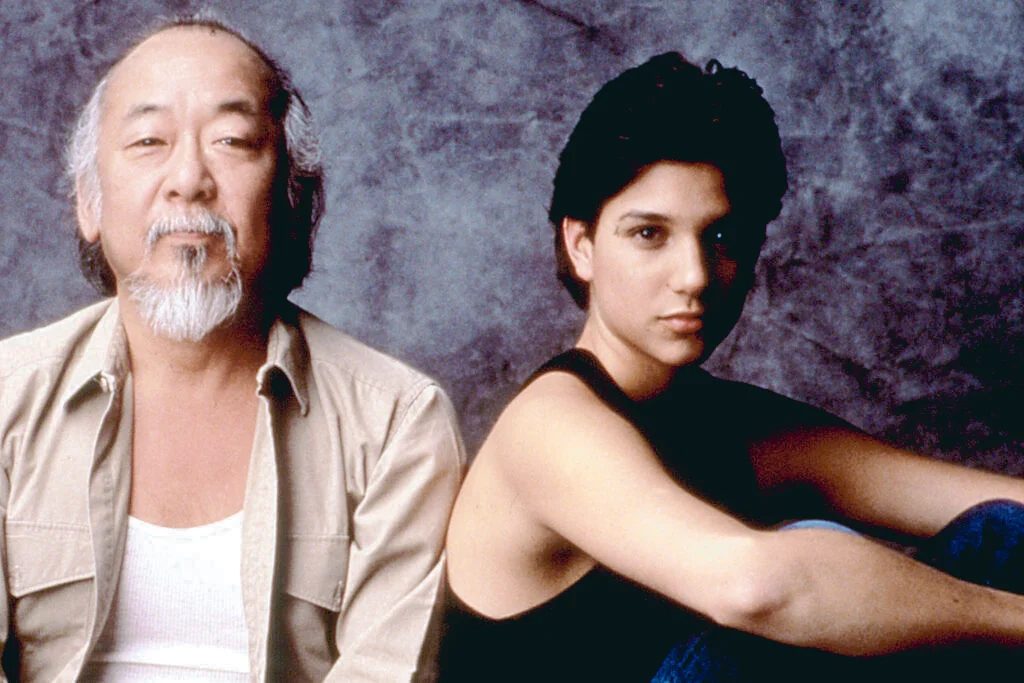
The Karate Kid turned discipline and patience into heroic traits. Watching Daniel learn from Mr. Miyagi felt personal and emotional. The movies made martial arts accessible to kids who had never thrown a punch. Everyone remembered the crane kick.
The franchise wasn’t about winning at all costs, but about growth and respect. It sparked an interest in karate across the country. Quotes from Miyagi became life advice. The story resonated far beyond the dojo. It showed that smaller, quieter stories could still dominate pop culture.
10. Police Academy
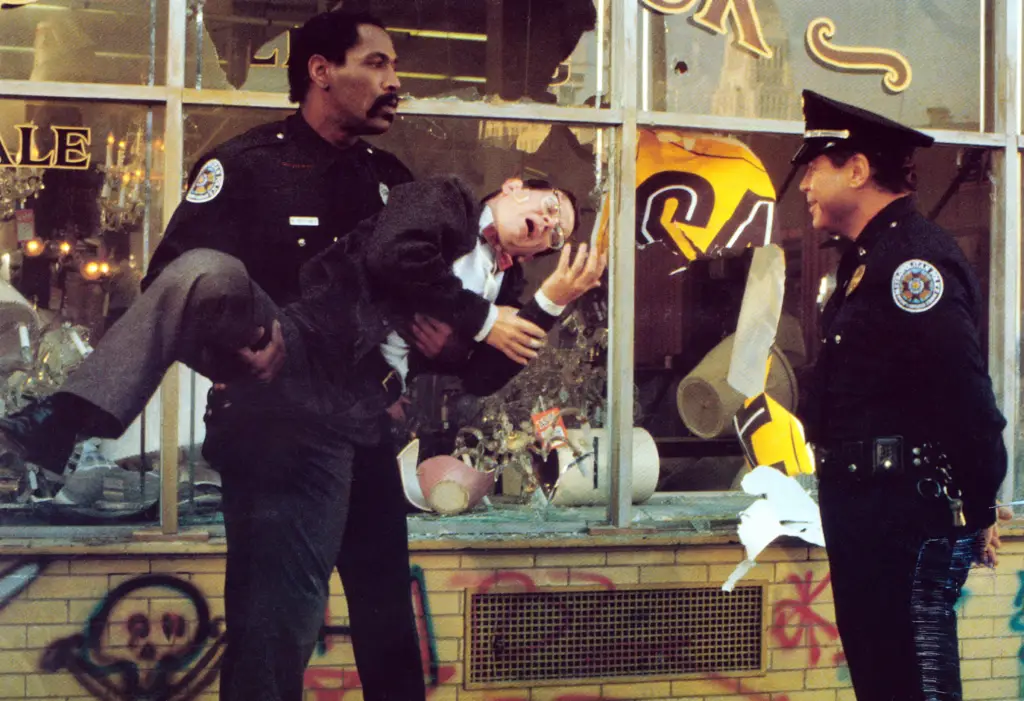
Police Academy leaned into broad comedy and lovable chaos. Each movie felt like a reunion with familiar characters. Audiences didn’t expect realism, they wanted laughs. The humor was silly, predictable, and comforting.
The franchise thrived on repetition, and fans loved that. Characters became cartoons in the best way. It showed that comedies didn’t need complexity to succeed. Familiarity was part of the appeal. In the ’80s, that formula worked beautifully.
11. Beverly Hills Cop
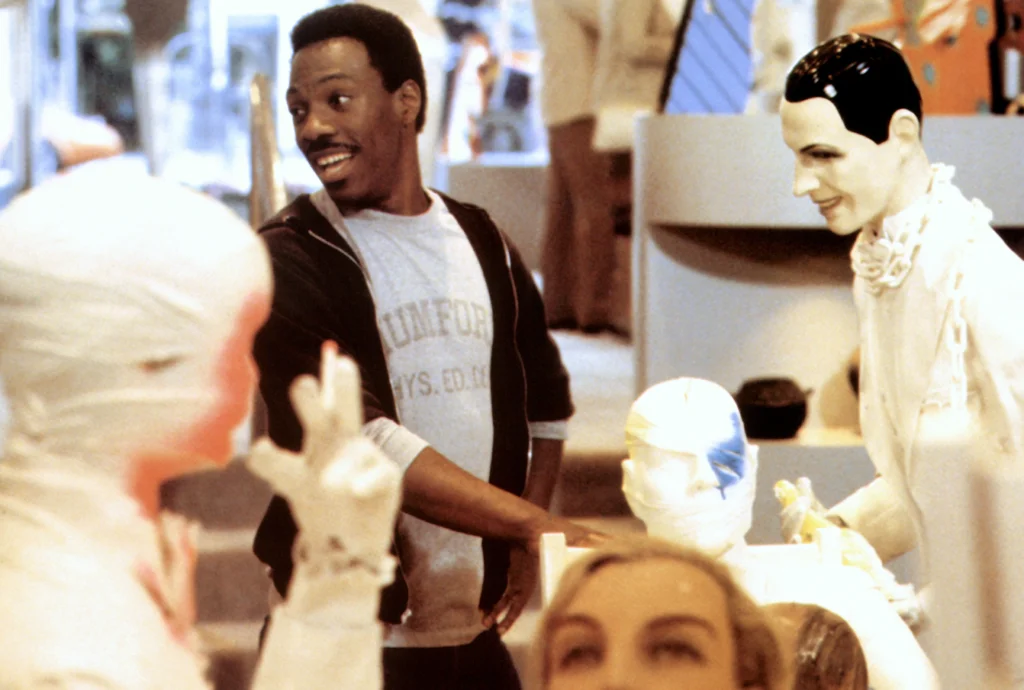
Axel Foley brought street smarts and humor to the action genre. Eddie Murphy’s charisma carried the franchise effortlessly. The movies blended comedy and action without feeling forced. Soundtracks played almost as big a role as the plots.
The franchise helped define the action-comedy hybrid. Foley’s laugh, attitude, and style were instantly recognizable. It felt modern, cool, and fast-paced. These movies made humor a weapon. The influence lasted well beyond the decade.
12. Rambo
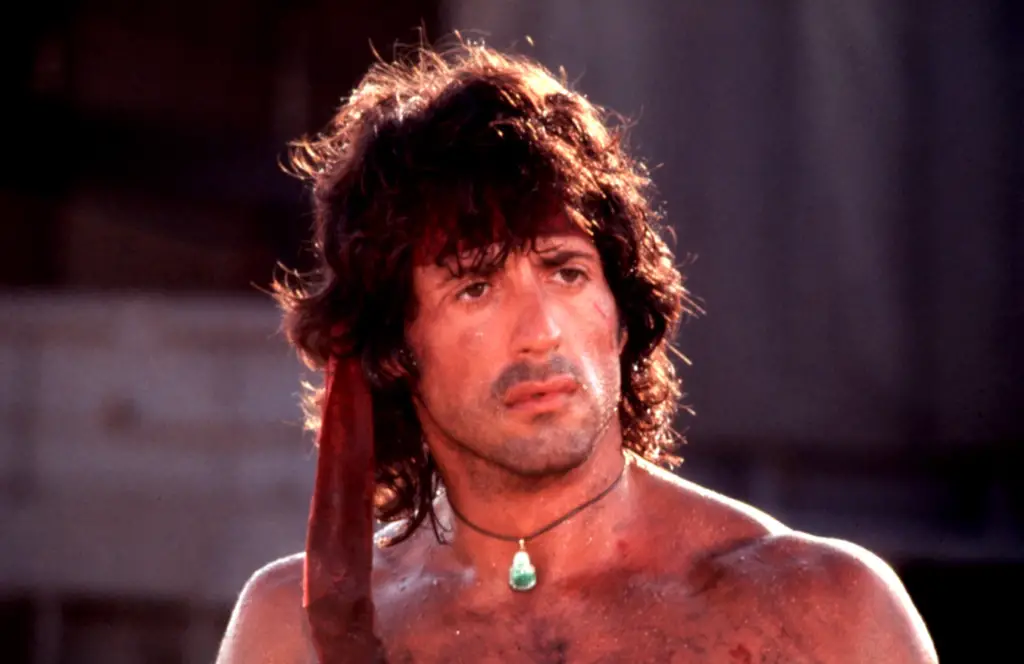
Rambo embodied the exaggerated action hero of the ’80s. The franchise transformed a troubled veteran into a near-mythic figure. Muscles, explosions, and intense monologues defined the tone. It wasn’t subtle, and it didn’t try to be.
The movies sparked debates about violence and patriotism. Rambo became shorthand for over-the-top toughness. The character appeared everywhere in pop culture references. It captured the decade’s appetite for excess. Few franchises were louder or more polarizing.
13. Die Hard
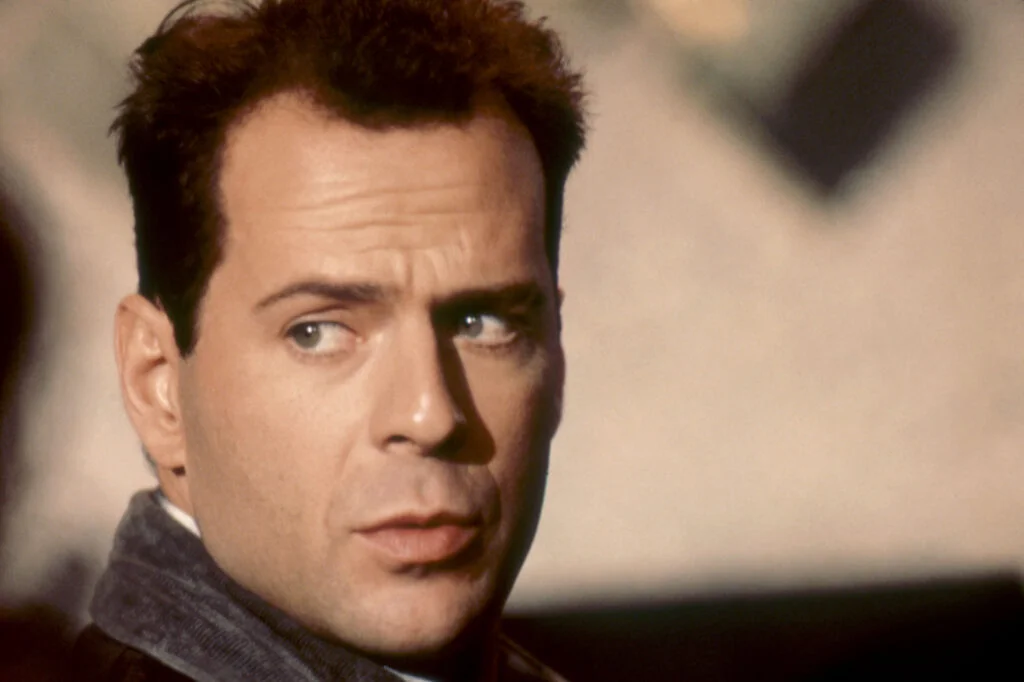
Die Hard made one building feel like an entire battlefield. John McClane was vulnerable, sarcastic, and relatable. Audiences loved that he wasn’t invincible. The movie rewrote the rules for action heroes.
The franchise inspired countless imitators. Every new action film was compared to it. McClane’s attitude became a template. The story proved that scale didn’t matter as much as stakes. It changed the genre overnight.
14. Mad Max
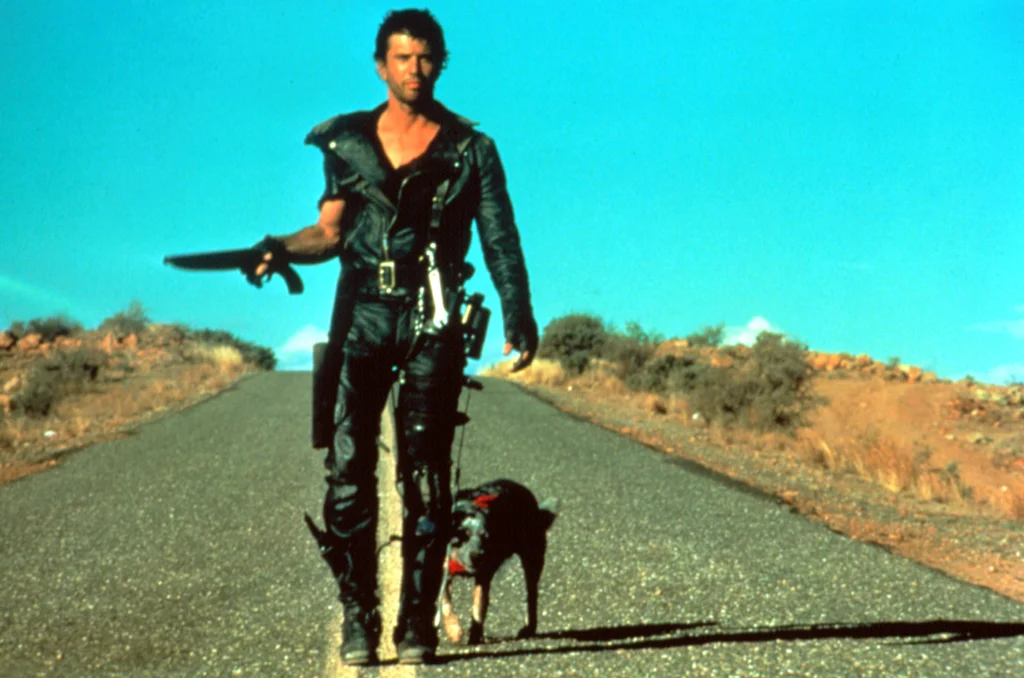
Mad Max brought chaos, leather, and desert mayhem into mainstream cinema. The films felt raw and unpredictable. Audiences were drawn to the wild visuals and relentless energy. It was dystopia with style.
The franchise influenced fashion, music videos, and future films. Its world felt harsh but fascinating. Characters were larger than life. It showed how bold visuals could define a franchise. The impact was unmistakable.
15. Gremlins

Gremlins started as cute and quickly turned chaotic. The movie walked a strange line between family film and dark comedy. Gizmo became instantly beloved. The mischievous creatures felt unpredictable and fun.
The franchise pushed boundaries about what a “kids’ movie” could be. Merchandising took off almost immediately. Audiences loved the tonal shifts. It felt playful but dangerous. That mix made it unforgettable.
16. Lethal Weapon
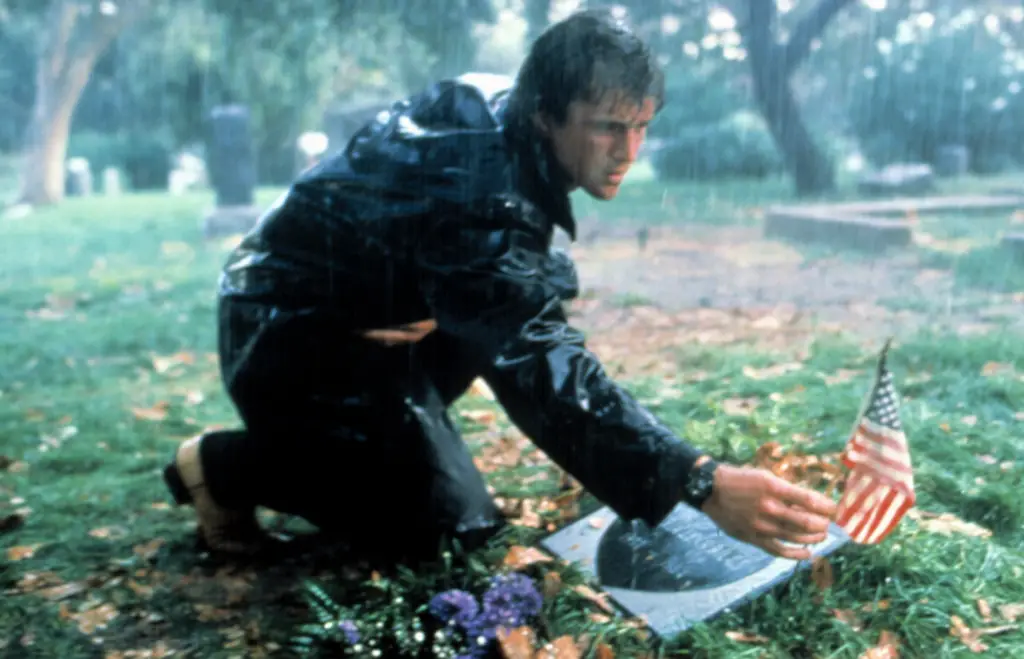
Lethal Weapon perfected the buddy cop formula. The contrast between its two leads drove the humor and tension. Action scenes felt intense but grounded. The emotional core surprised a lot of viewers.
The franchise made chemistry the main attraction. Each sequel leaned into character relationships. It balanced seriousness with humor effortlessly. Audiences came back for the banter as much as the explosions. It became a blueprint for future franchises.


