
1. The Beatles
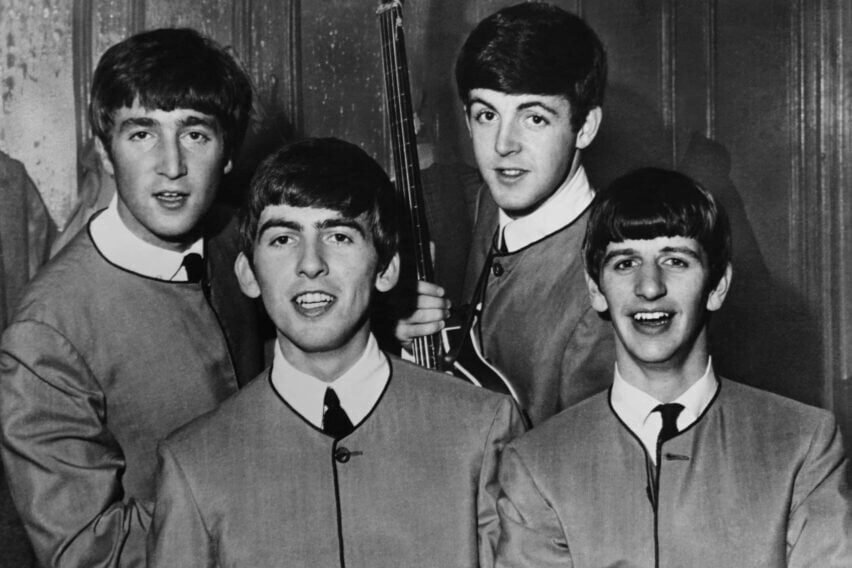
The Beatles didn’t just make hit songs, they rewired what pop culture looked and sounded like in the ’60s. Their haircuts alone caused moral panic, while their music gave young people a sense that something new was happening just for them. Each album felt like a step forward, and fans grew up right alongside them. They made experimentation feel mainstream and curiosity feel cool.
Beyond the music, they modeled a new kind of fame that felt playful instead of distant. Interviews were witty, personalities mattered, and fans felt personally invested. Fashion, attitudes, and even humor shifted because of them. By the end of the decade, it was impossible to imagine youth culture without their influence baked in.
2. Twiggy
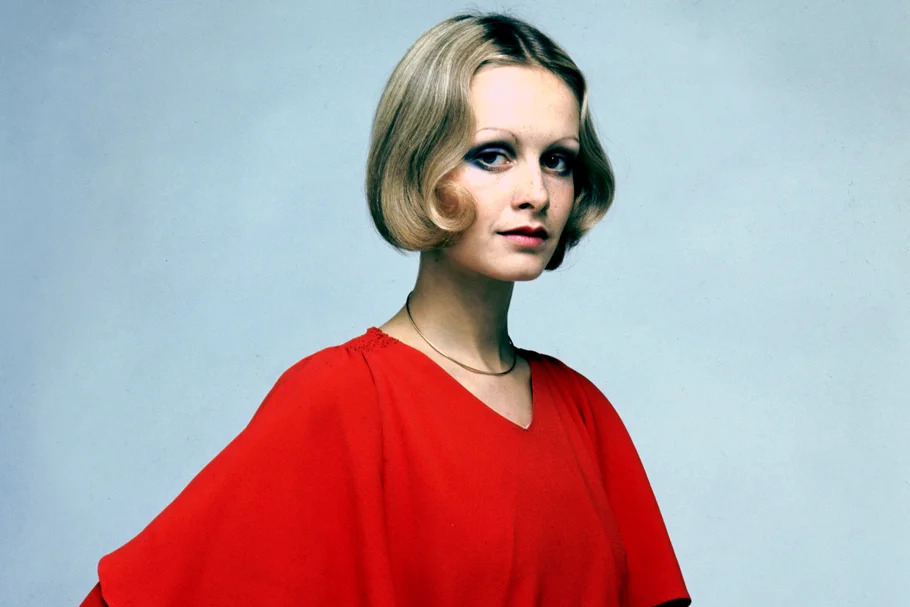
Twiggy changed fashion by simply existing, and that was revolutionary. Her slim frame, short hair, and wide-eyed look completely disrupted the hourglass ideal. Suddenly, youthfulness itself was the look, and teenagers felt seen in a way they hadn’t before. Clothes started being designed for movement and fun instead of formality.
She also helped make models into celebrities rather than anonymous mannequins. Girls copied her eyeliner and haircut, not just her clothes. Designers followed her lead, and fashion moved faster because of it. The idea that a young woman could define beauty on her own terms stuck around long after the decade ended.
3. Bob Dylan
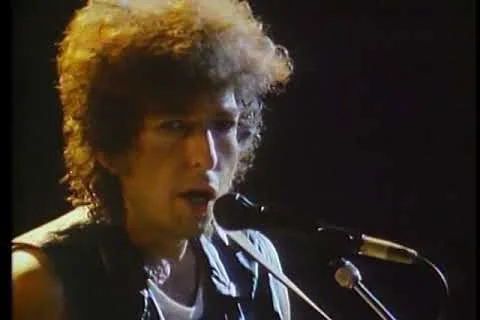
Bob Dylan proved that pop music could be smart, messy, and deeply personal all at once. His lyrics sounded like poetry overheard on a city street, not polished radio slogans. He gave young listeners permission to think critically and question authority. Folk music suddenly felt dangerous in the best way.
When he went electric, it rattled expectations even more. Dylan showed that artists didn’t owe audiences comfort or consistency. Reinvention became a form of honesty. That mindset shaped not just music, but how people thought about authenticity itself.
4. Aretha Franklin
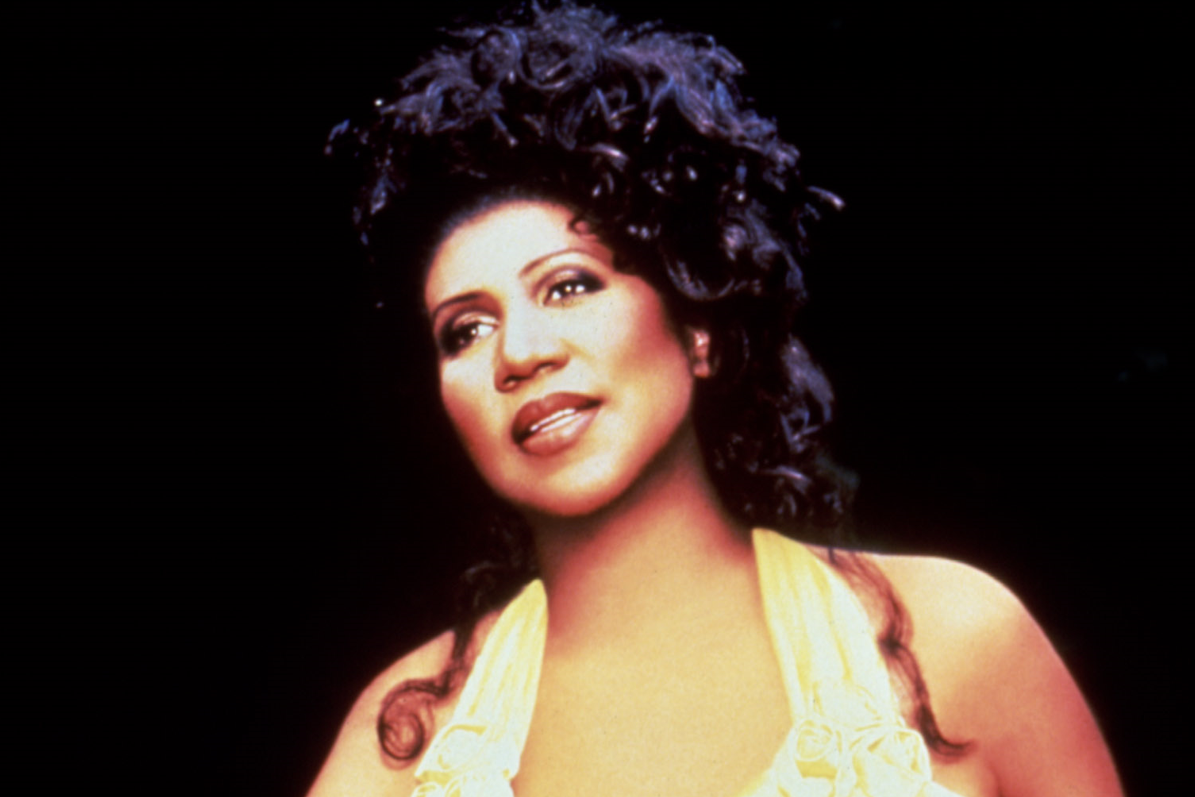
Aretha Franklin didn’t just sing songs, she claimed space. Her voice carried power, dignity, and emotional truth that felt undeniable. She made respect sound like a demand rather than a request. Listening to her felt like witnessing something important happen in real time.
She bridged gospel, soul, and pop in a way that reached across audiences. Her influence went beyond charts and into culture itself. Confidence became contagious through her music. She set a standard that still defines greatness.
5. Andy Warhol

Andy Warhol blurred the line between art and everyday life until it barely existed. He made soup cans and celebrities into statements, daring people to rethink what mattered. Fame itself became his medium. That idea still feels modern.
Warhol also predicted a world obsessed with image and repetition. His studio became a cultural hub where music, film, and fashion collided. Creativity looked less precious and more playful because of him. The idea that art could be ironic, commercial, and meaningful all at once took hold.
6. Jimi Hendrix
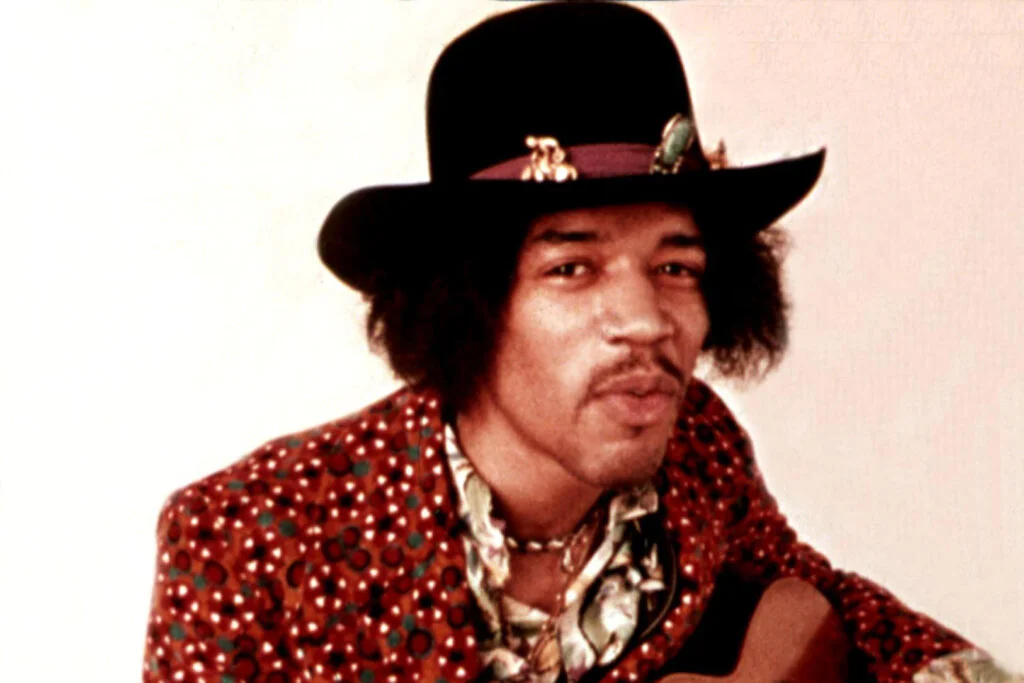
Jimi Hendrix transformed the electric guitar into something wild and expressive. He played it upside down, set it on fire, and made it sing in ways no one expected. His sound felt physical, almost overwhelming. It changed what people thought music could do to them.
Hendrix also embodied a fearless kind of individuality. Style, sound, and attitude blended seamlessly. He made experimentation feel thrilling instead of intimidating. Every rock guitarist who followed had to reckon with what he’d done.
7. Jackie Kennedy
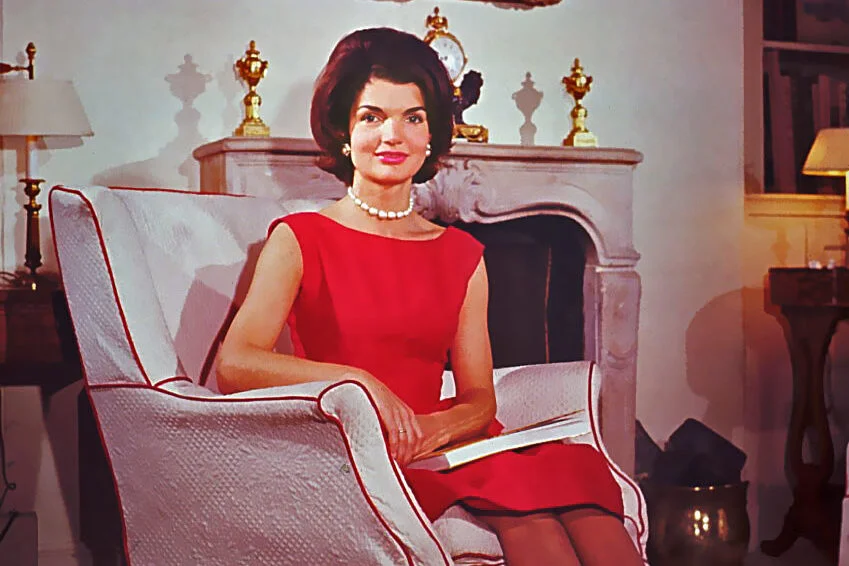
Jackie Kennedy redefined elegance for a new generation. Her fashion choices were simple, modern, and instantly copied. She made restraint feel glamorous. Even political spaces suddenly had style.
More than that, she shaped how Americans viewed culture and history. Art, restoration, and international sophistication mattered because she made them visible. She set a tone of quiet influence rather than loud authority. That approach still resonates.
8. The Supremes
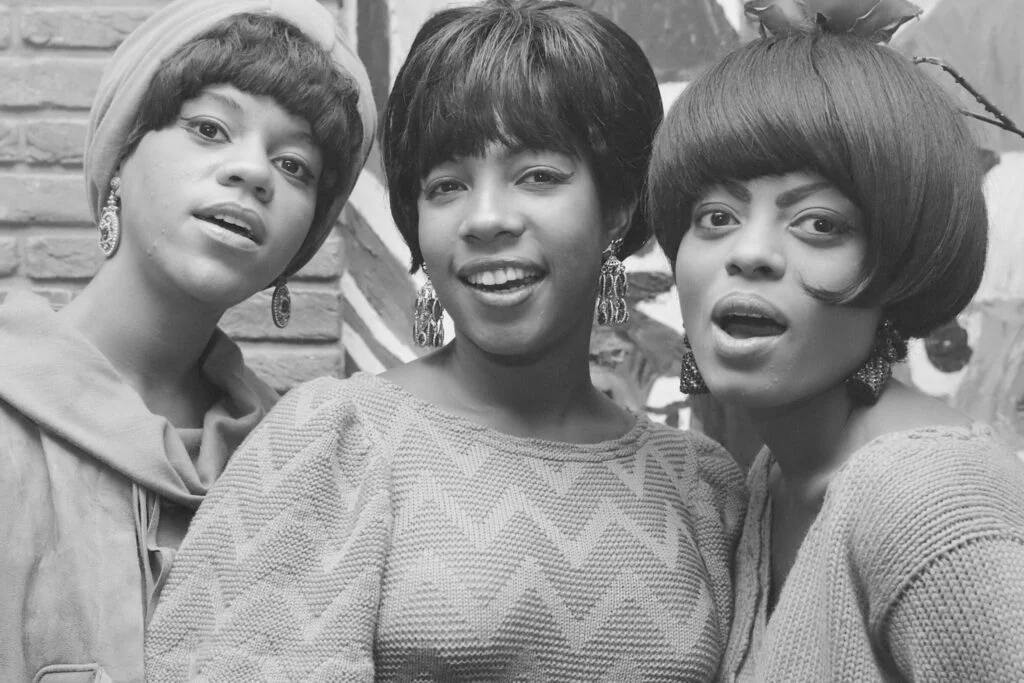
The Supremes brought polish, grace, and crossover appeal to pop music. Their sound was smooth, stylish, and unmistakably modern. They showed that girl groups could dominate charts and headlines. Success looked glamorous and attainable at the same time.
Their influence stretched into fashion and presentation. Matching gowns and poised performances set a template that lasted for decades. They also expanded who pop stardom was for. Representation mattered, and they delivered it beautifully.
9. Muhammad Ali

Muhammad Ali turned sports into a stage for personality and principle. He talked, joked, and challenged expectations with confidence. Winning wasn’t enough, it had to be done loudly. That swagger reshaped what athletes were allowed to be.
His stance on social issues made him even more influential. Ali showed that conviction could cost you and still be worth it. Strength came from standing firm, not blending in. That lesson reached far beyond boxing.
10. Janis Joplin
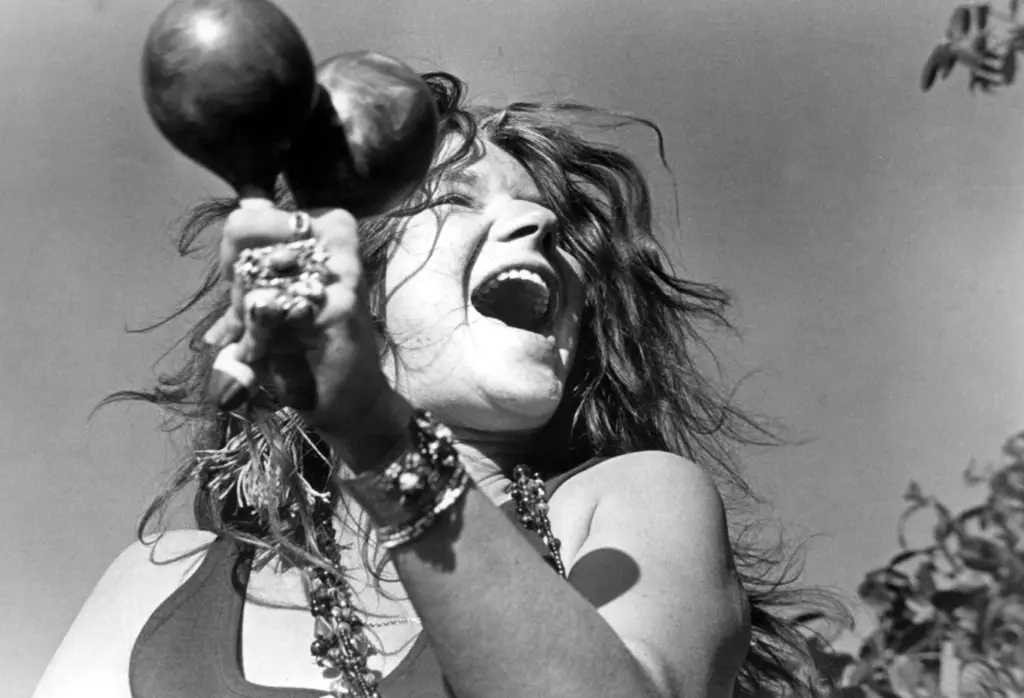
Janis Joplin sang like she had nothing to lose. Her voice was raw, emotional, and unfiltered. She made vulnerability feel powerful rather than fragile. Listeners felt every crack and cry.
Joplin also pushed against expectations of how women should sound or behave. She wasn’t polished, and that was the point. Authenticity mattered more than perfection. That attitude changed how artists approached honesty.
11. Mary Quant
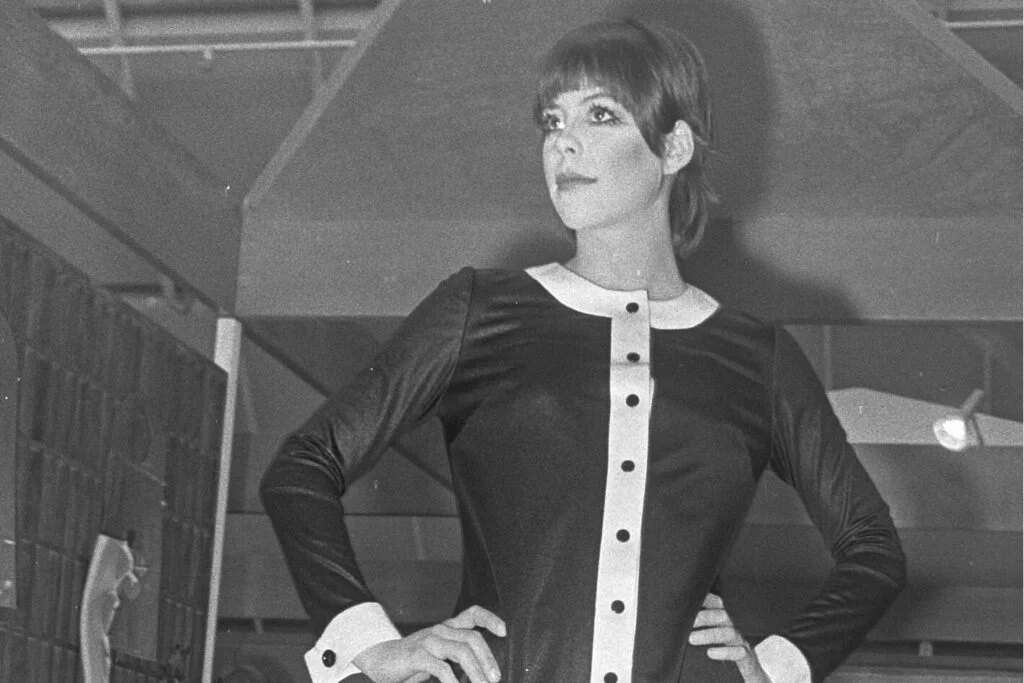
Mary Quant helped put fashion directly into the hands of young people. The miniskirt wasn’t just clothing, it was freedom. Comfort and self-expression mattered more than tradition. Dressing became playful and personal.
Her designs reflected a shift in power. Youth culture was no longer following rules, it was making them. Fashion started moving at the speed of life. That shift still defines modern style.
12. The Rolling Stones
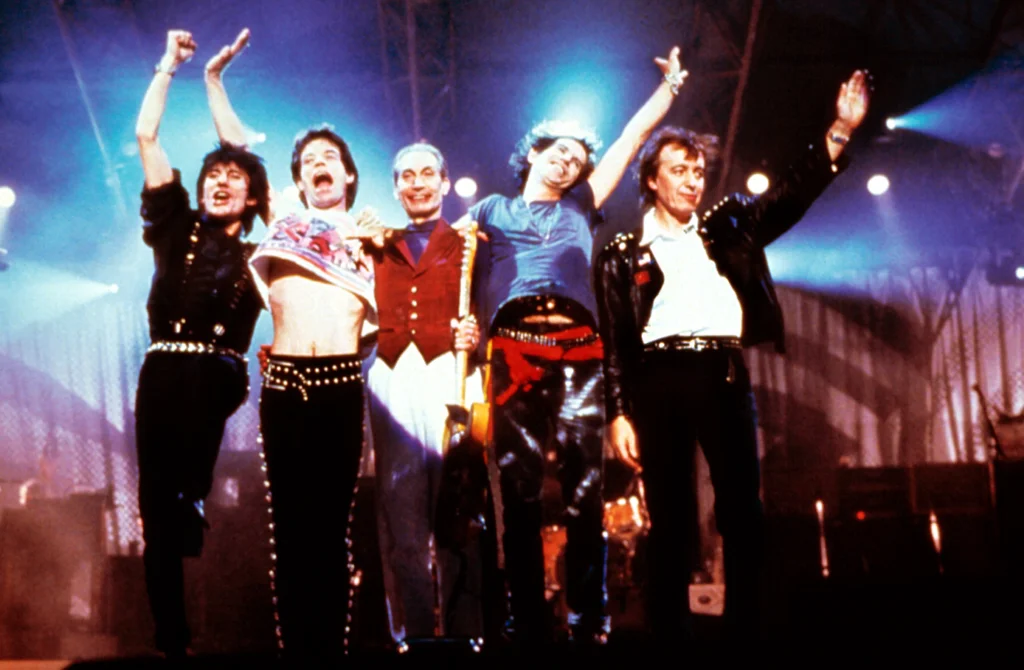
The Rolling Stones represented rebellion with a grin. Their sound was rougher, their image messier, and their energy undeniable. They made danger feel exciting. Rock and roll gained an edge that stuck.
They also showed that longevity could coexist with attitude. Rules were meant to be bent, not obeyed. The Stones turned defiance into a brand. That influence echoed through every genre that followed.
13. Gloria Steinem
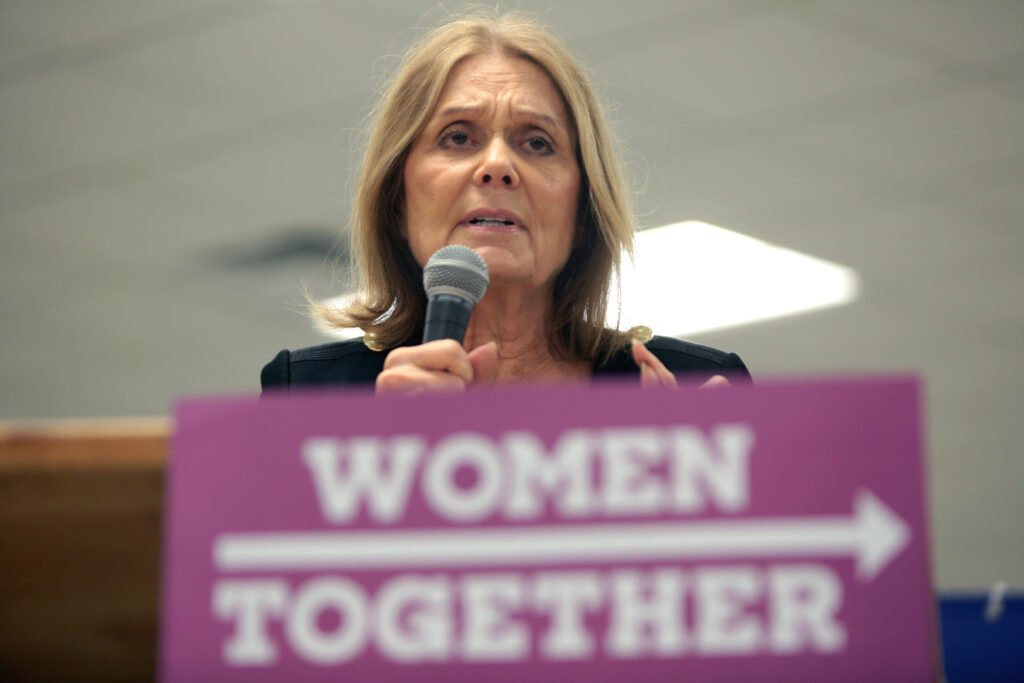
Gloria Steinem gave feminism a clear, approachable voice. She made complex ideas readable and urgent. Equality wasn’t abstract, it was personal. Her writing connected everyday life to larger movements.
She also modeled leadership that felt collaborative rather than distant. Activism became something people could join, not just admire. Cultural change felt possible. Her influence reshaped conversations that are still ongoing.
14. Motown Records
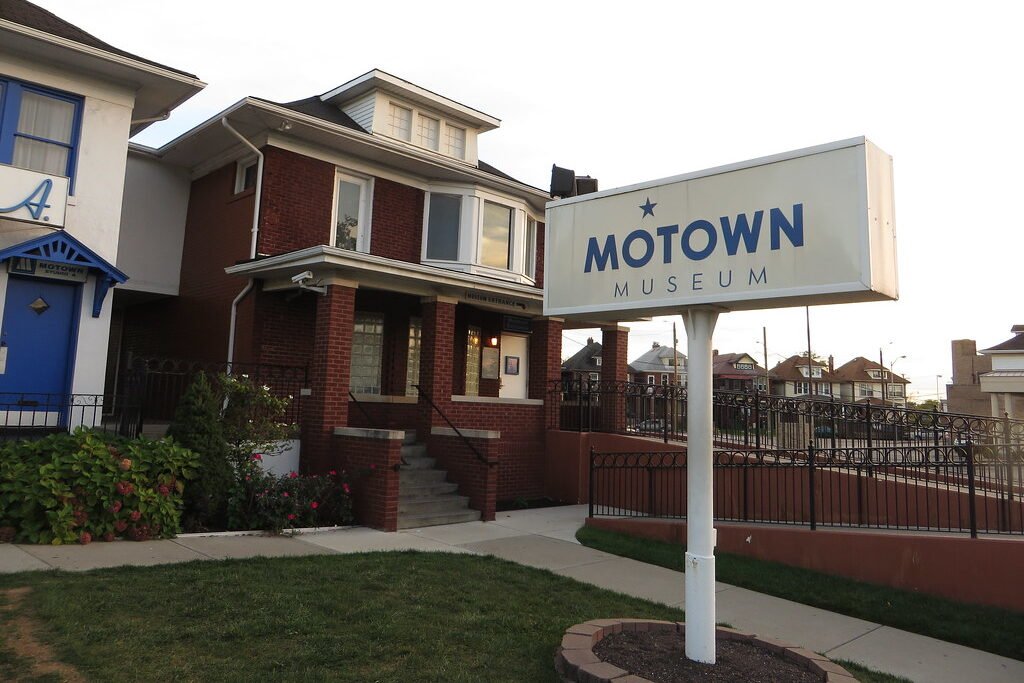
Motown created a sound that crossed every boundary it touched. It blended soul, pop, and precision into something universally appealing. Songs felt joyful but purposeful. Music became a bridge.
The label also built stars with intention and care. Image, performance, and sound worked together. That holistic approach shaped the industry. Pop music has been chasing that formula ever since.
15. Dennis Hopper
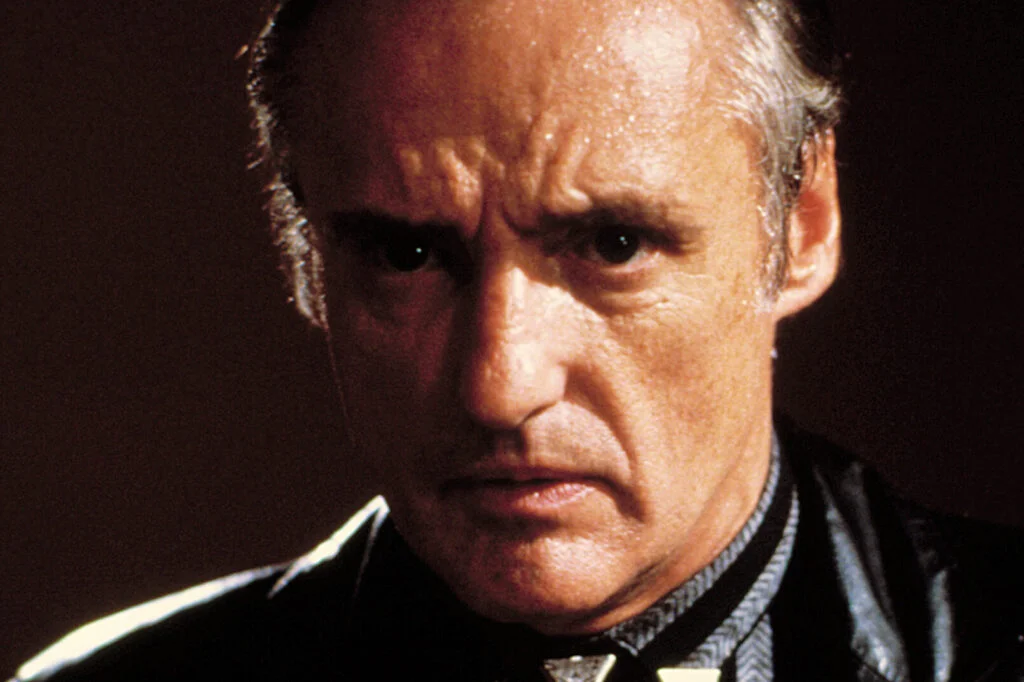
Dennis Hopper embodied the restless spirit of the counterculture. His work blurred the line between art and rebellion. Film became raw, personal, and confrontational. Audiences were challenged instead of comforted.
He helped usher in a new era of American cinema. Rules were rewritten, and risks were rewarded. Creativity felt dangerous again. That shift changed storytelling for decades.
16. Joan Baez
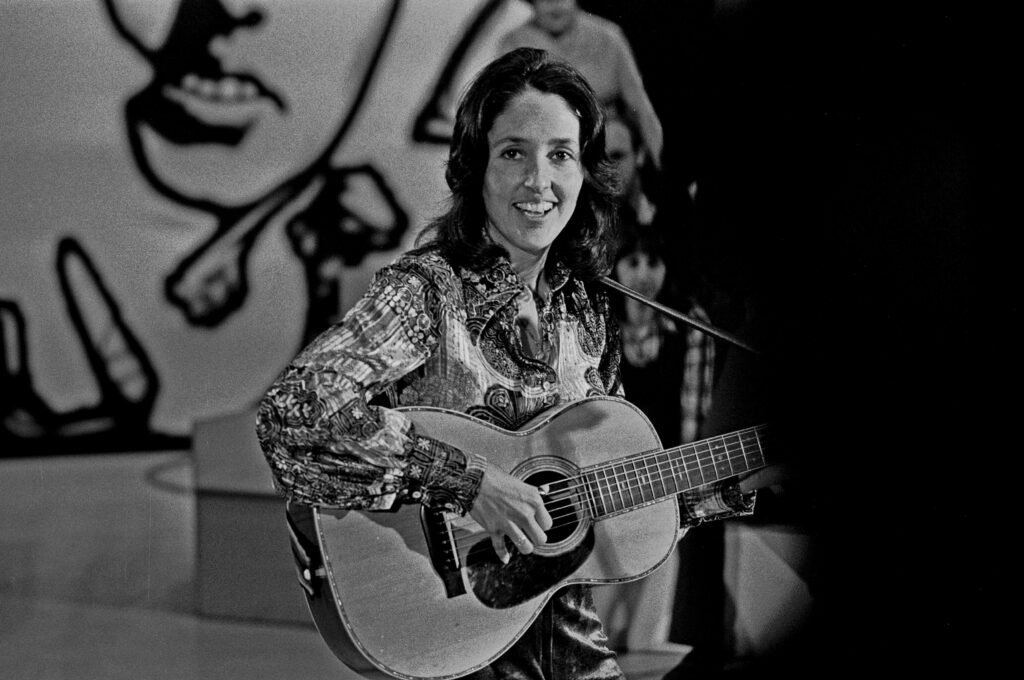
Joan Baez used her voice as both art and protest. Her music carried conviction without aggression. Listening felt intimate and intentional. She made activism sound beautiful.
Baez showed that gentleness could still be powerful. Commitment didn’t require spectacle. Her influence shaped how music and conscience could coexist. That balance inspired generations.
17. Stanley Kubrick
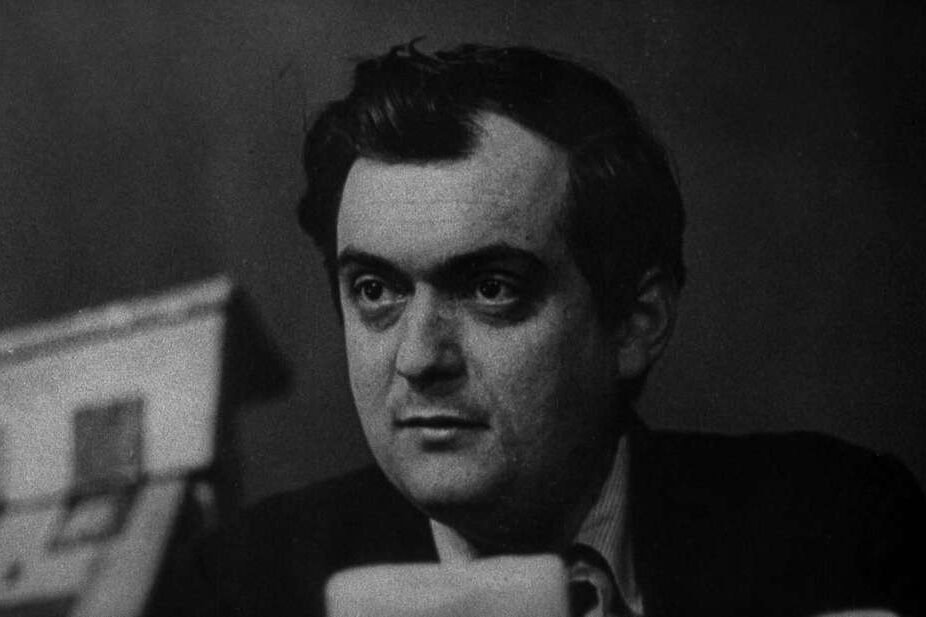
Stanley Kubrick treated film like a precision instrument. Every frame felt deliberate and unsettling. He trusted audiences to think, not just watch. Movies became experiences.
His refusal to compromise reshaped expectations of directors. Vision mattered more than speed or comfort. Storytelling could be cerebral and emotional at once. That legacy still defines ambitious filmmaking today.