
1. Elvis Presley
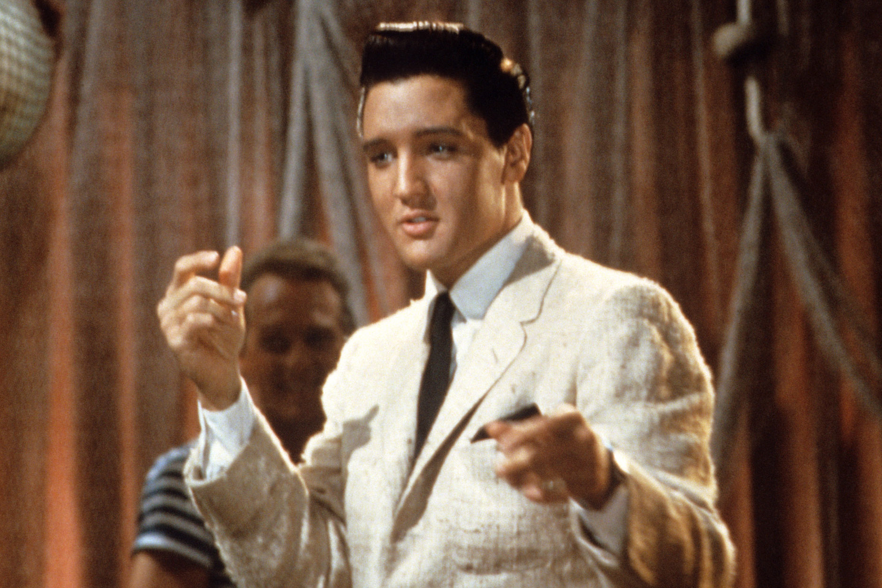
At the start of the ’60s, Elvis Presley still felt larger than life, even as his career shifted away from pure rock and roll. His movies played constantly in theaters, his songs dominated radio, and his image was everywhere, from lunchboxes to magazine covers. Even critics who rolled their eyes at the films could not deny his pull. There was a sense that no matter what he released, people would show up. Fame did not seem to dent his confidence or his audience’s devotion.
By the middle of the decade, Elvis felt more like an institution than a performer. He was no longer chasing trends, he was setting his own pace. Fans trusted him completely and followed him from project to project without hesitation. He had already survived scandal, reinvention, and overexposure. That kind of durability made him feel untouchable.
2. Marilyn Monroe
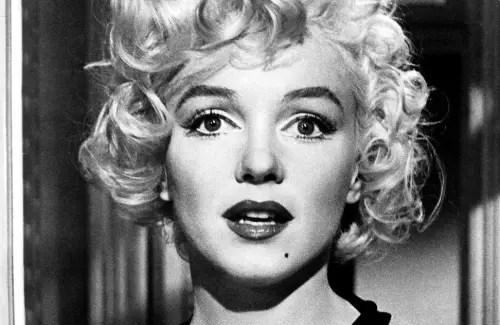
Marilyn Monroe entered the ’60s as the most famous woman in the world, with an image that seemed impossible to topple. Every photograph felt iconic before it was even printed. She carried an aura of glamour that went far beyond her roles. Even her struggles became part of the myth rather than diminishing it.
People spoke about Monroe as if she existed on a different plane from other stars. She was constantly discussed, analyzed, and adored, yet still felt just out of reach. Studios knew her name alone could sell a film. For a brief time, it seemed like nothing could dull her shine or slow her momentum.
3. Paul Newman
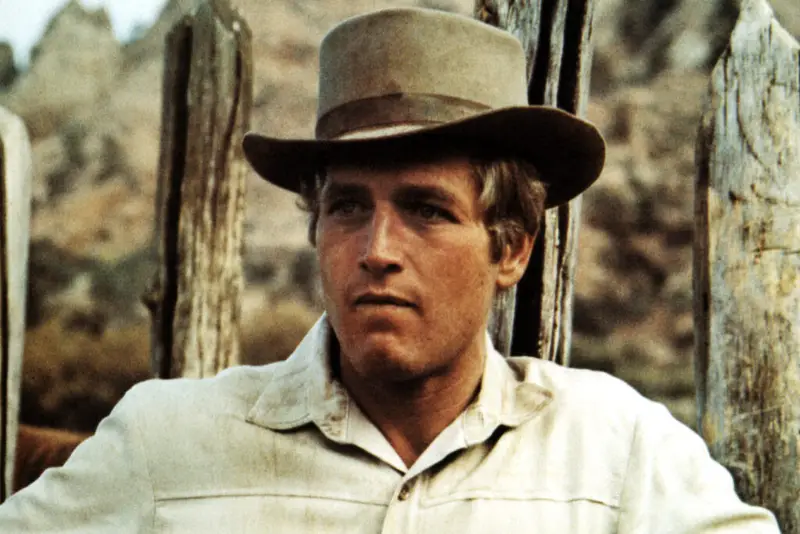
Paul Newman’s popularity in the ’60s came from more than good looks, though that certainly helped. He projected confidence without arrogance and intensity without strain. Audiences trusted him instantly, whether he played a rebel, a charmer, or something more complicated. Every role seemed to add another layer to his appeal.
Newman never looked like he was trying to prove anything. He moved through the decade with quiet authority and steady success. Critics respected him and moviegoers loved him, a rare combination. That balance made him feel immune to the usual rise and fall of stardom.
4. Elizabeth Taylor
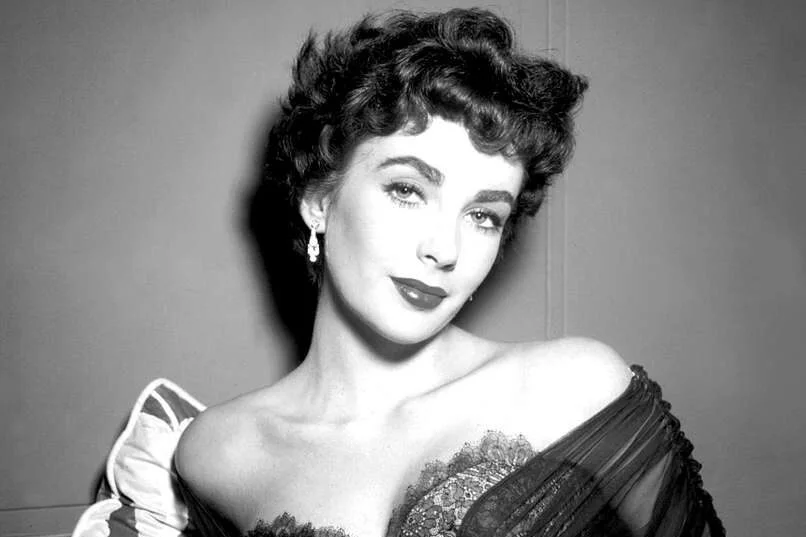
Elizabeth Taylor felt untouchable because she lived entirely in the public eye and somehow thrived there. Her beauty, her marriages, and her performances were all treated as major events. Even controversy seemed to fuel her fame rather than hurt it. She commanded attention effortlessly.
By the ’60s, Taylor was not just a movie star, she was a global fascination. Studios bent to her demands because she was worth it. Audiences expected grandeur whenever she appeared onscreen. She carried herself like someone who knew her power and never questioned it.
5. John Wayne
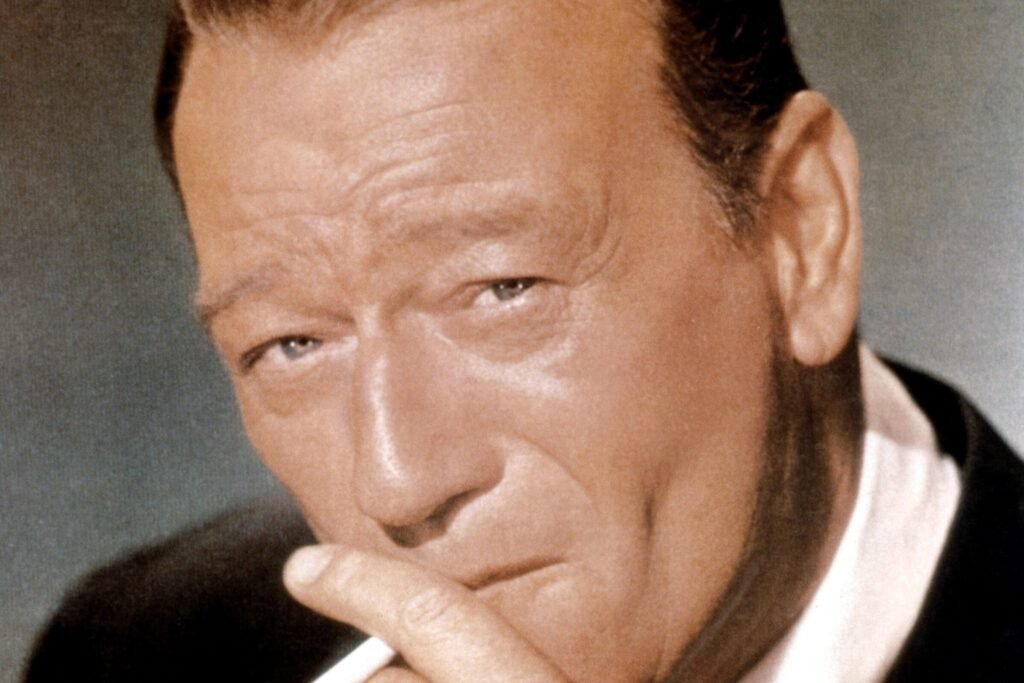
John Wayne entered the ’60s as a symbol rather than just an actor. He represented strength, certainty, and a very specific kind of American masculinity. Fans did not just watch him, they believed in him. His presence alone reassured audiences.
Wayne rarely strayed from his image, and he did not need to. The consistency became part of his appeal. No matter how the culture shifted around him, he stayed firmly planted. That steadiness made him seem immune to changing tastes.
6. Aretha Franklin
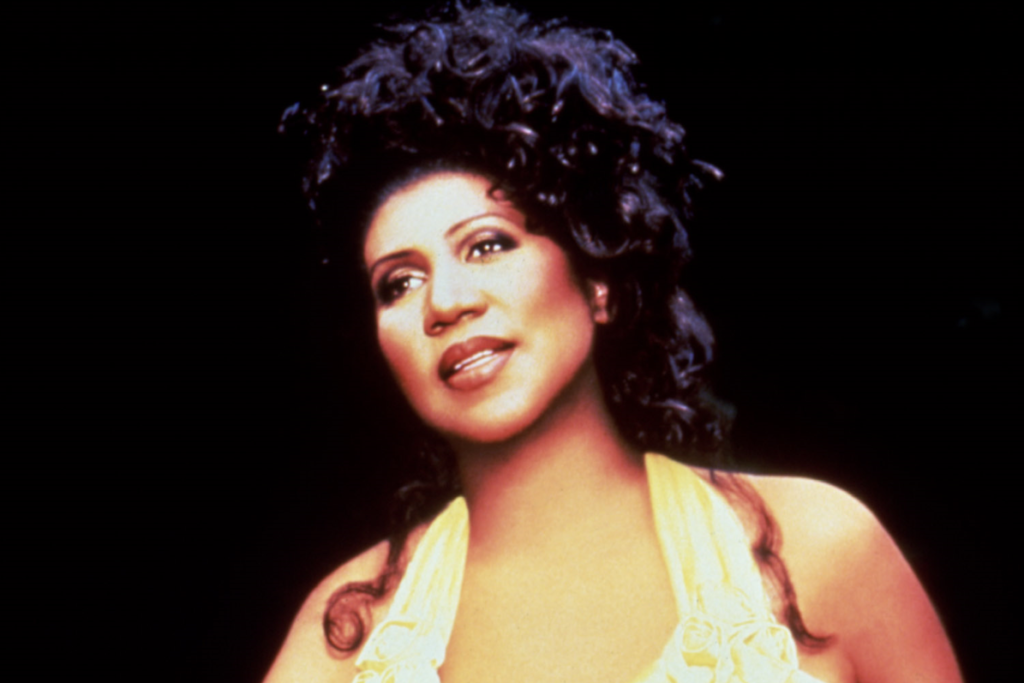
When Aretha Franklin hit her stride in the late ’60s, it felt immediate and overwhelming. Her voice did not just command attention, it demanded it. Listeners felt like they were hearing something permanent and unshakable. Every performance reinforced her authority.
Franklin did not chase trends, she defined them. Her confidence came through in every note. Once she claimed her space, no one questioned it. She sounded like someone who had always belonged at the top.
7. Steve McQueen

Steve McQueen’s appeal rested on a kind of effortless cool that could not be manufactured. He rarely overplayed emotion, letting silence and stillness do the work. That restraint made him magnetic. Audiences leaned in rather than being pushed.
In the ’60s, McQueen felt like a star who could walk away at any moment and be fine. That attitude only increased his power. He seemed immune to hype and indifferent to approval. That confidence made him feel impossible to dethrone.
8. Diana Ross
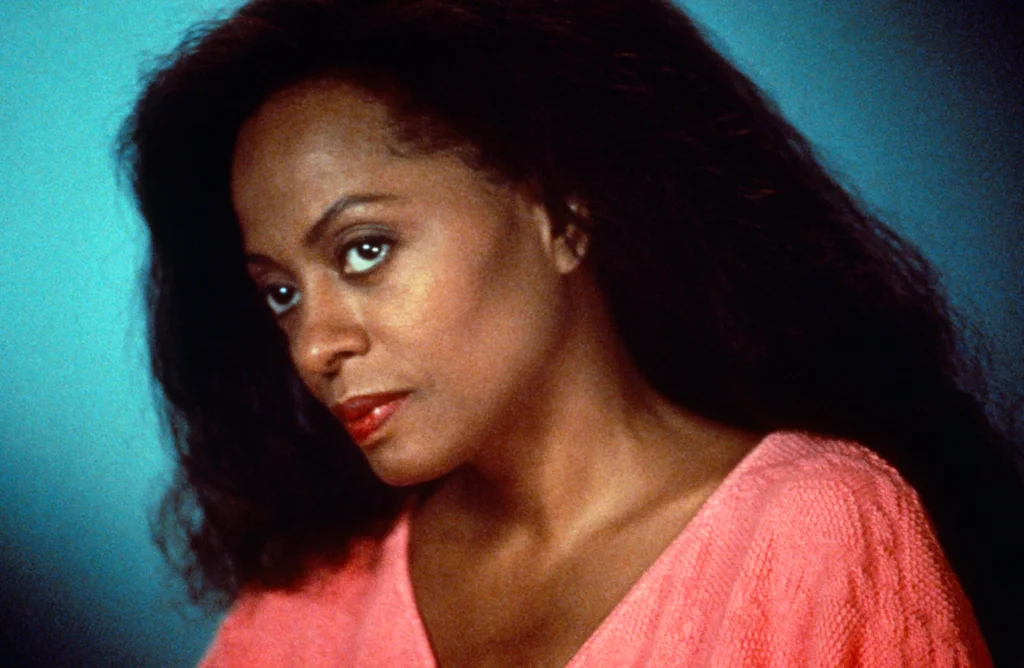
Diana Ross rose in the ’60s with a presence that was instantly recognizable. Her voice, her look, and her poise set her apart. She projected ambition without apology. It was clear she expected success and planned to keep it.
Ross carried herself like a future legend even before history confirmed it. Every appearance reinforced her star power. She never seemed tentative or unsure. That certainty made her feel unstoppable.
9. Sidney Poitier
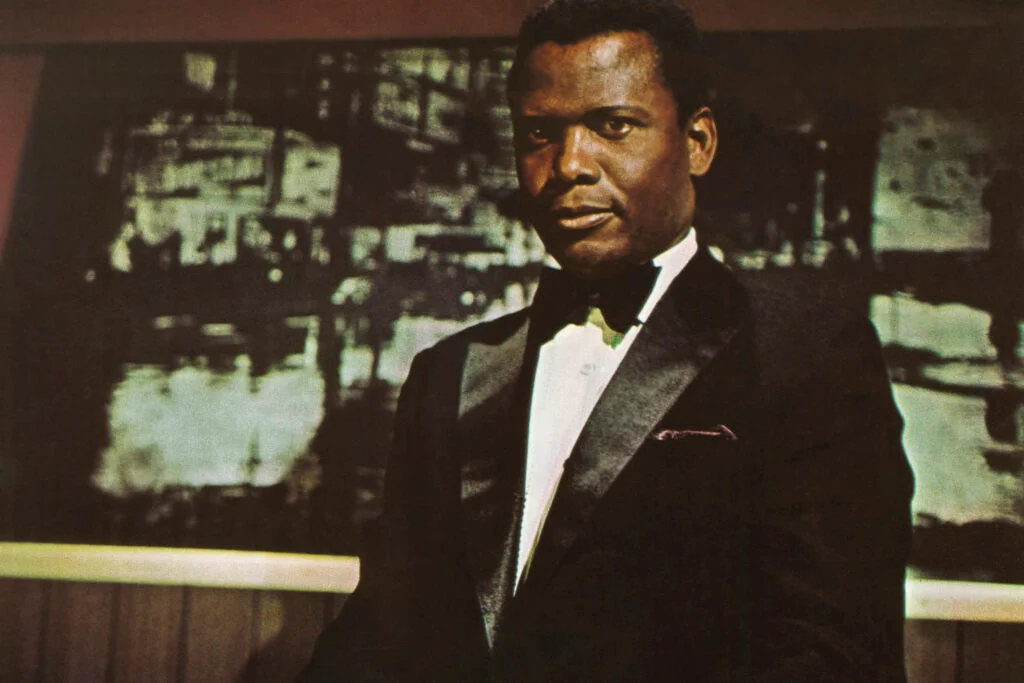
Sidney Poitier’s dominance in the ’60s was built on dignity and quiet strength. He chose roles that carried weight and meaning, and audiences trusted him to deliver. His performances felt important, not just entertaining. That seriousness elevated everything he touched.
Poitier did not rely on spectacle or excess. He commanded respect simply by showing up. Studios knew his presence lent credibility to a project. That level of trust made him feel beyond criticism.
10. The Beatles
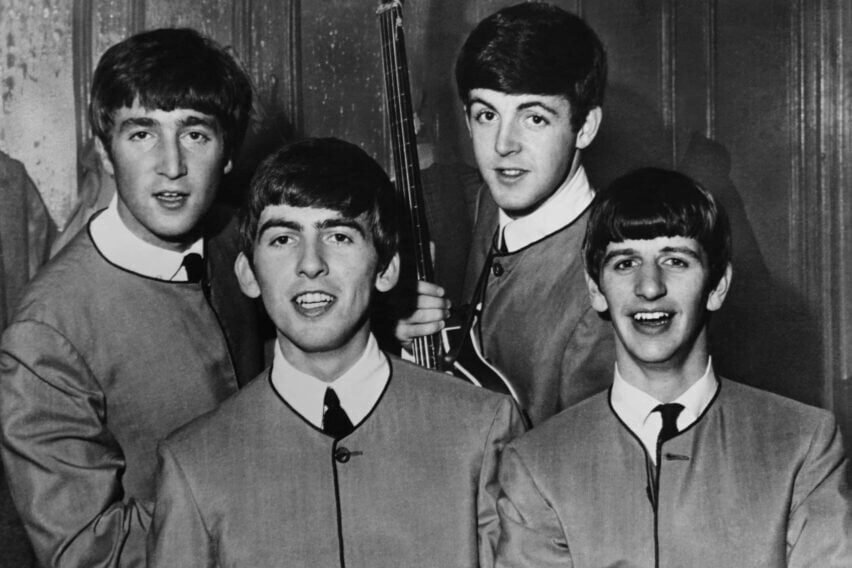
At their peak in the ’60s, The Beatles were less a band and more a cultural force. Their music seemed to arrive fully formed and perfectly timed. Fans did not question new directions, they embraced them. Every release felt like an event.
The group moved so quickly and confidently that it felt like nothing could slow them down. Even internal changes became part of the story rather than a weakness. They appeared to operate on their own rules. That creative freedom made them feel untouchable.
11. Jane Fonda
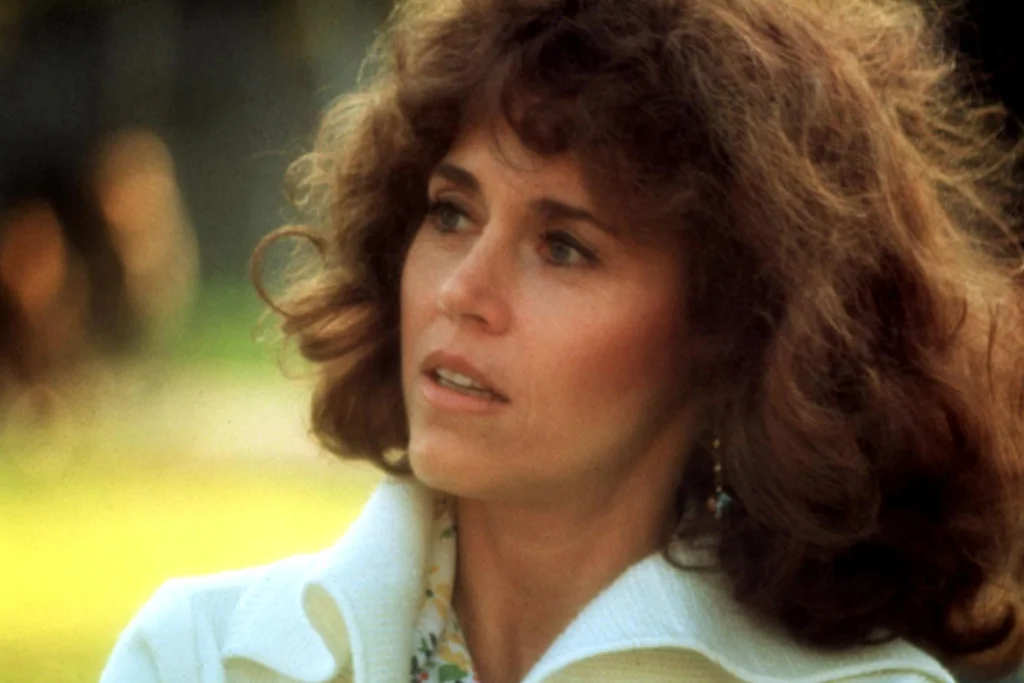
Jane Fonda’s early ’60s success came with an air of inevitability. She combined intelligence, beauty, and ambition in a way that felt modern. Audiences sensed she was more than just another starlet. There was depth behind the charm.
As the decade progressed, Fonda leaned into challenging roles and public visibility. She refused to stay comfortable or predictable. That boldness kept her relevant and powerful. It was hard to imagine her fading quietly.
12. Frank Sinatra
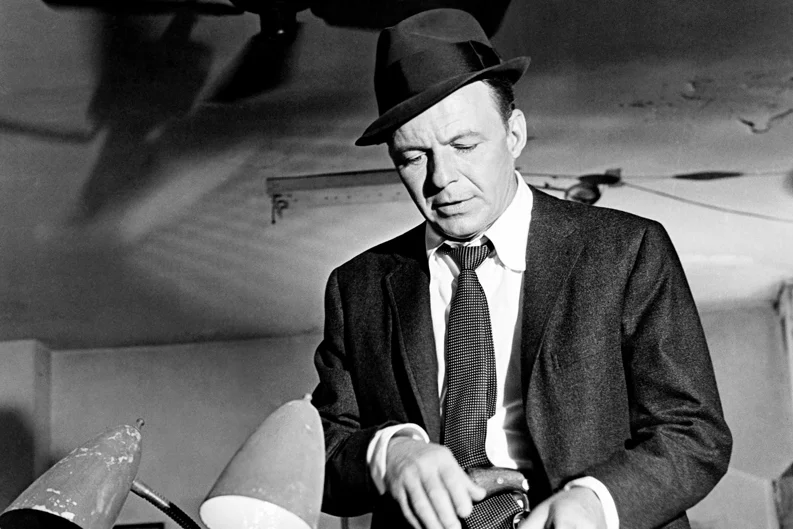
Frank Sinatra in the ’60s carried decades of success without seeming weighed down by it. His voice still commanded rooms, and his presence felt authoritative. He knew exactly who he was and leaned into it. Confidence radiated from every performance.
Sinatra had survived trends that ended other careers. By this point, he felt immune to decline. Fans trusted him completely and followed him loyally. He came across as someone who had already won.
13. Brigitte Bardot
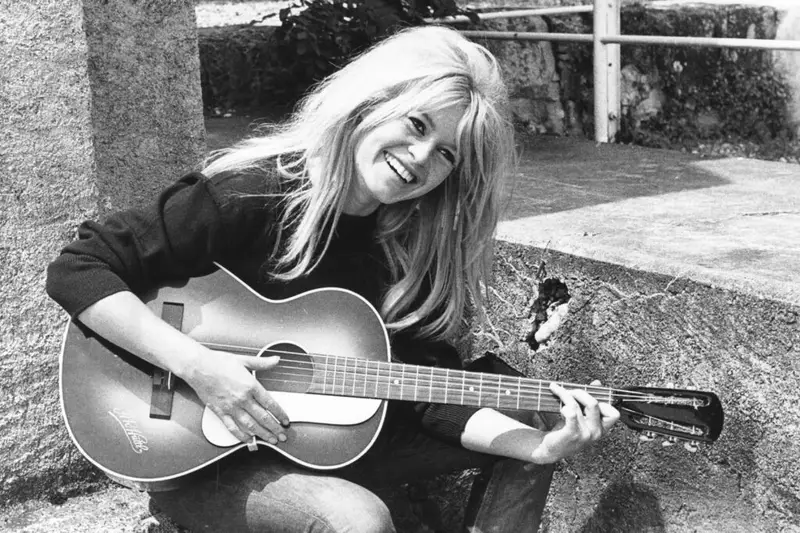
Brigitte Bardot embodied a new kind of stardom in the ’60s. She represented freedom, sensuality, and rebellion all at once. Her image spread far beyond films into fashion and culture. People did not just watch her, they imitated her.
Bardot seemed uninterested in pleasing anyone but herself. That detachment only increased her allure. She felt powerful because she did not chase approval. It looked like she could walk away and remain iconic.
14. Clint Eastwood

Clint Eastwood’s rise in the ’60s was steady but unmistakable. His calm intensity and minimal dialogue made him fascinating. He trusted stillness more than spectacle. That restraint gave him authority.
Eastwood rarely looked unsure or vulnerable on screen. He projected control even in chaos. Audiences believed in him completely. That confidence made his presence feel permanent.
15. Tina Turner
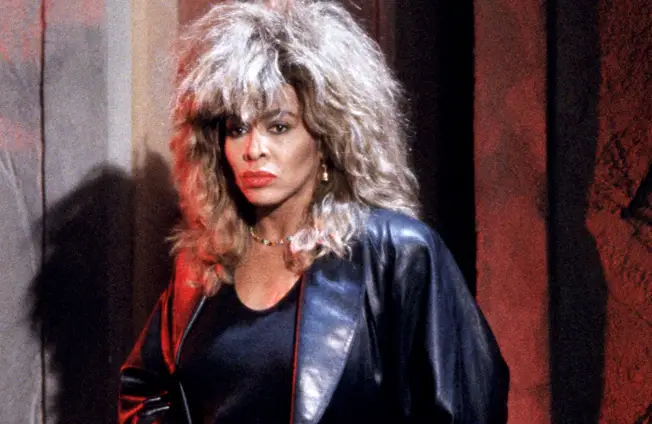
Tina Turner’s power in the ’60s was undeniable, even before her later solo dominance. Her energy was explosive and fearless. Every performance felt like a challenge to anyone watching. She did not ask for attention, she took it.
Turner performed like someone who knew her worth. She owned the stage without hesitation. That intensity made her unforgettable. It felt impossible to imagine her being overshadowed.
16. Sean Connery
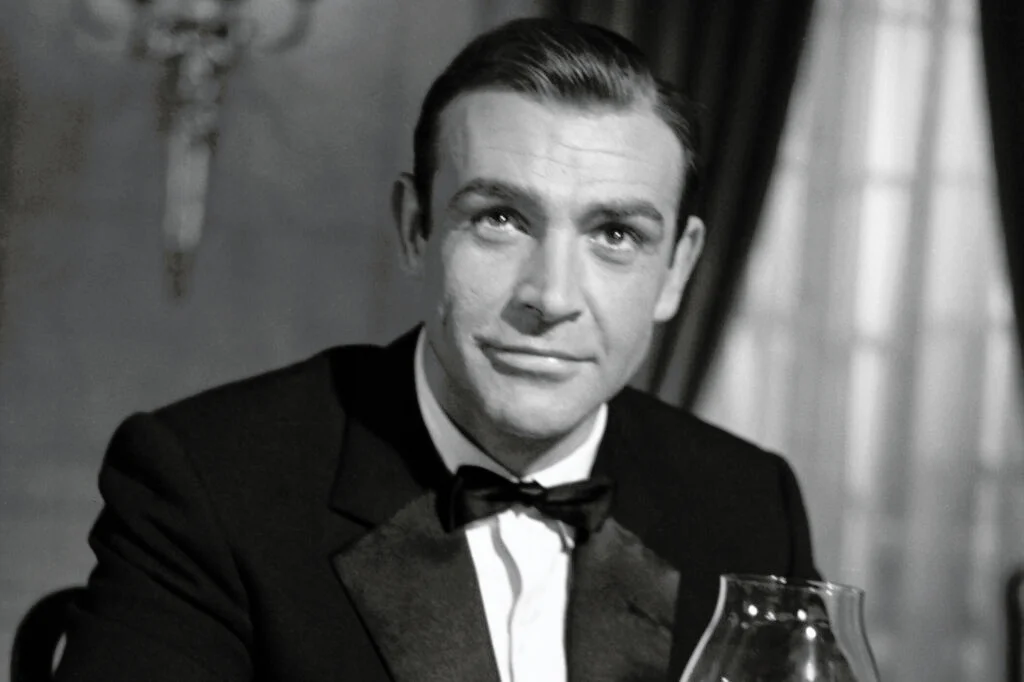
Sean Connery redefined leading man appeal in the ’60s with a mix of charm and danger. He moved with confidence and spoke with certainty. Audiences responded immediately. He felt modern and timeless at the same time.
Connery rarely seemed rattled or uncertain. His composure suggested complete control. Viewers trusted him instinctively. That authority made him feel secure at the top.
17. Barbra Streisand
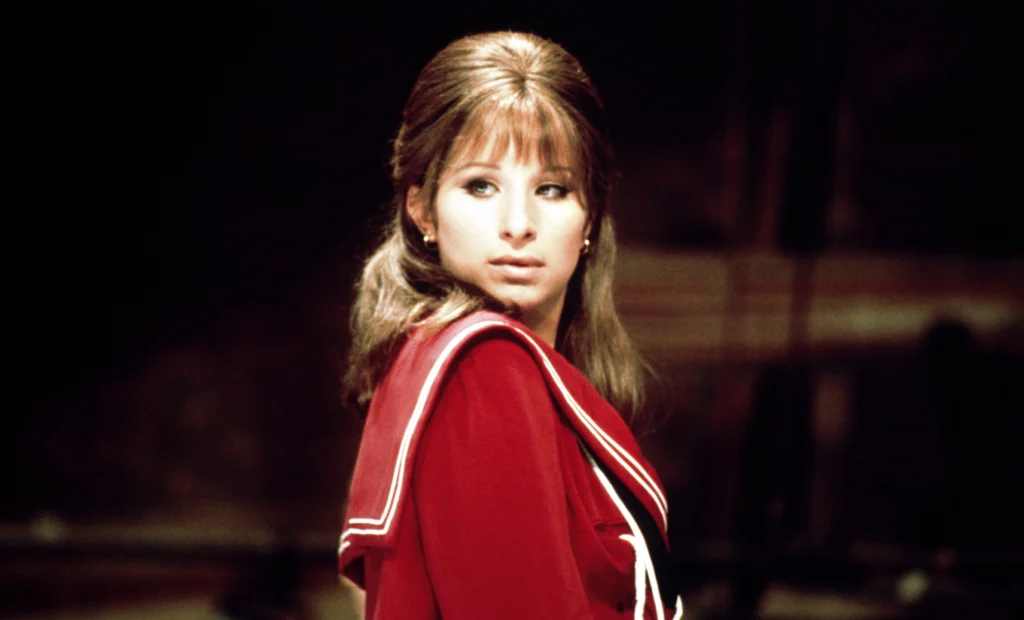
Barbra Streisand entered the ’60s without fitting the usual mold, and that became her strength. Her voice was unmistakable and emotionally direct. She commanded attention by being fully herself. That authenticity set her apart.
Streisand projected confidence without needing approval. She built success on talent rather than image. Audiences respected her seriousness and commitment. That foundation made her feel unshakeable.