
1. He-Man and the Masters of the Universe
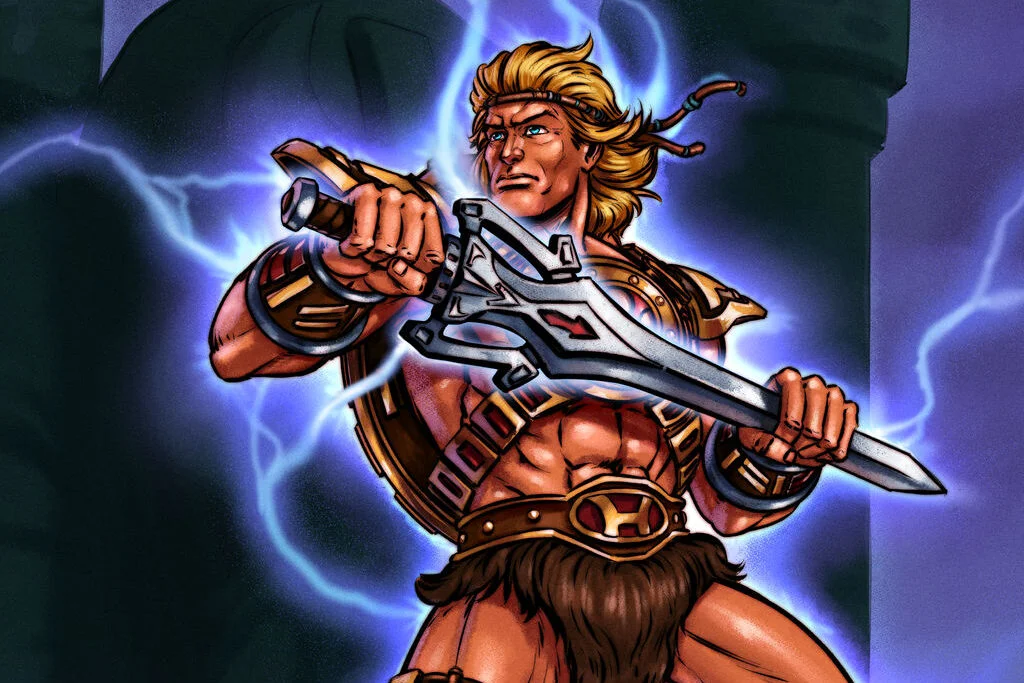
If you grew up in the ’80s, chances are you can still hear “By the power of Grayskull” perfectly in your head. Kids didn’t just watch this show, they waited for that transformation moment like it was a daily ritual. The dialogue was simple, dramatic, and endlessly quotable, which made it easy to memorize without even trying. Every episode felt like it followed a familiar rhythm that sank into your brain fast.
Lines were repeated at school, on the playground, and while smashing action figures together on the living room floor. Skeletor’s over-the-top threats were just as memorable as He-Man’s heroic declarations. Even kids who claimed they didn’t watch knew the catchphrases. That kind of cultural saturation only happens when everyone is tuned in at the same time.
2. Transformers
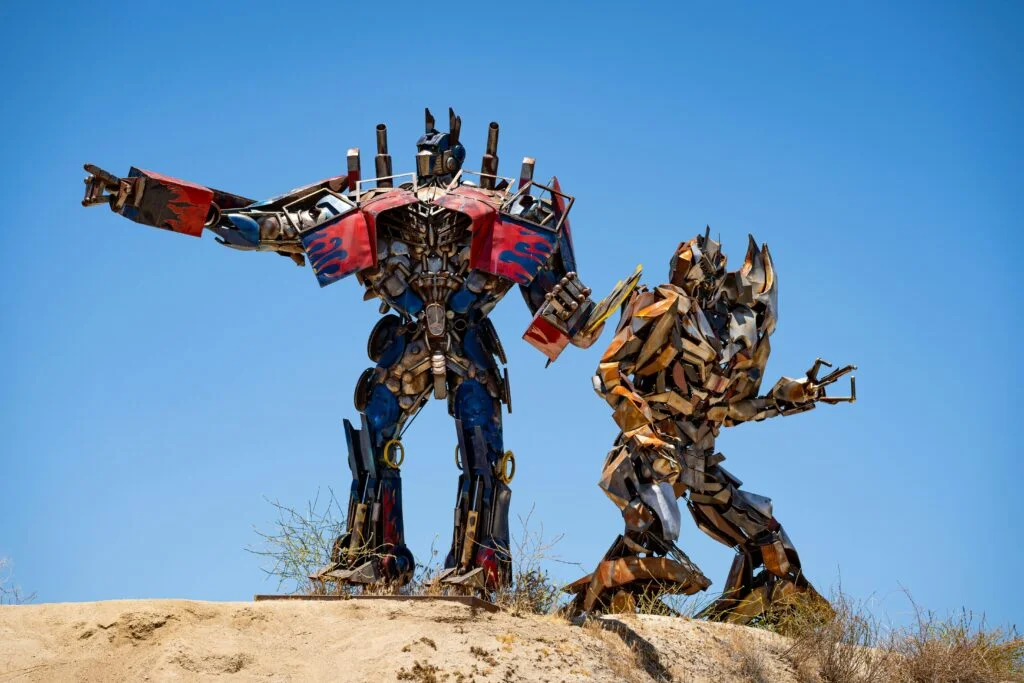
This cartoon didn’t waste time easing you in, it hit you with a theme song that basically taught you the premise word for word. Kids could recite entire chunks of dialogue just from repetition alone. The voices were bold and theatrical, making every line feel important even when it really wasn’t. Autobots and Decepticons spoke like they were always mid-speech.
At recess, kids argued over who did the best Optimus Prime impression. Certain lines were repeated so often they became part of everyday play language. You didn’t just know what was said, you knew how it was said. That’s how deeply the show lodged itself in kids’ memories.
3. G.I. Joe: A Real American Hero
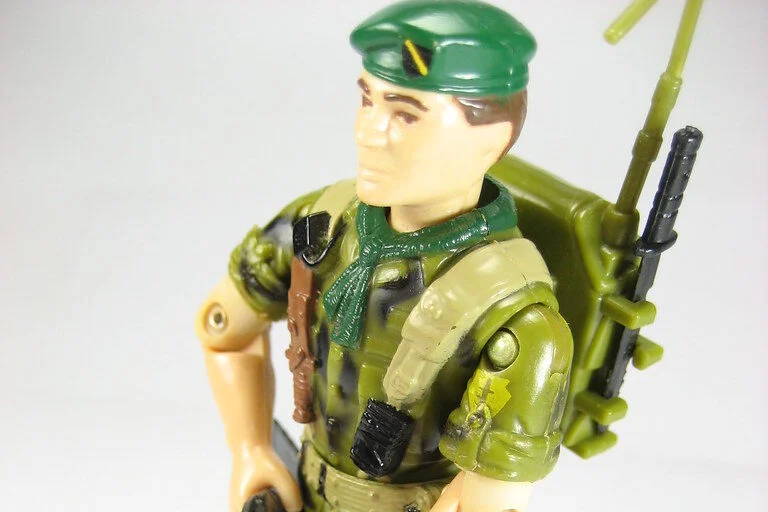
This show practically trained kids to listen for moral lessons. Episodes were packed with clear dialogue, repeated phrases, and that unforgettable ending reminder. You didn’t just remember the action scenes, you remembered the exact wording of the lesson. The tone made everything sound official and important.
Kids repeated lines during backyard battles with plastic soldiers. Even years later, many people can still quote the PSA moments without hesitation. The show made sure its messages were heard loud and clear. Once you heard them enough times, they stuck for life.
4. Teenage Mutant Ninja Turtles
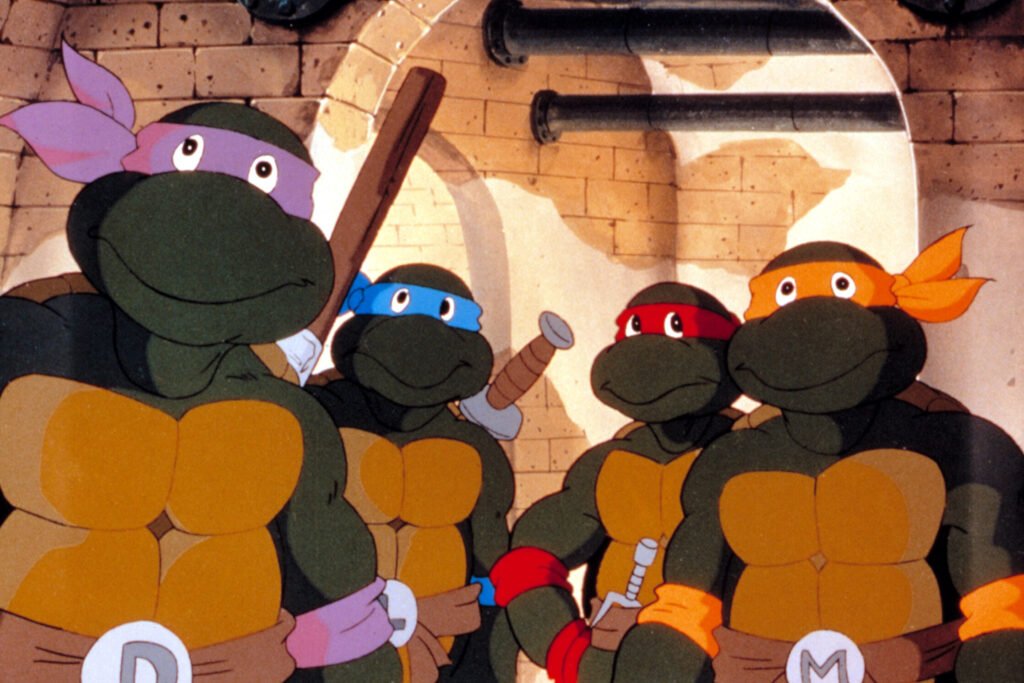
Cowabunga wasn’t just a word, it was a lifestyle. The Turtles spoke in slang-heavy dialogue that kids loved copying. Their personalities were so distinct that you could recognize who was speaking without looking at the screen. Every catchphrase felt like it was designed to be repeated.
Kids quoted the show while eating pizza, playing video games, or arguing over which Turtle was the best. Shredder’s dramatic villain lines were just as memorable as the jokes. The repetition turned the dialogue into second nature. It became part of everyday kid conversation.
5. The Smurfs
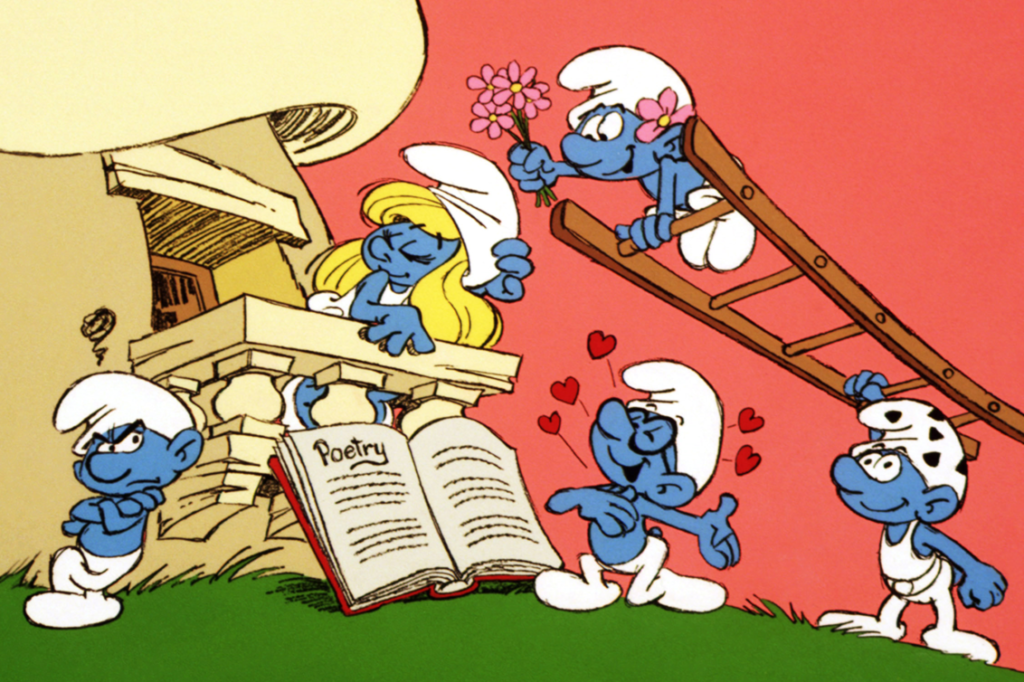
This show had a language all its own, which made it impossible not to absorb. Words like “smurf” were used in so many ways that kids instinctively understood them. Papa Smurf’s calm instructions were repeated almost verbatim during playtime. The gentle pacing made lines easy to remember.
Kids mimicked the characters’ voices without even realizing it. Gargamel’s frustrated rants were especially fun to quote. The repetition across episodes reinforced everything. After a while, it felt like you’d lived in that village yourself.
6. Scooby-Doo
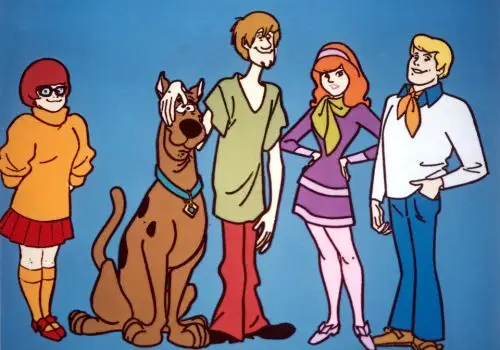
Even though the franchise started earlier, ’80s kids grew up watching reruns nonstop. The dialogue structure barely changed, which made it easy to memorize. Everyone knew when Scooby or Shaggy would panic and what they’d say next. Familiarity bred instant recall.
Kids reenacted chase scenes and repeated jokes line for line. Certain phrases were expected, like part of the formula. You didn’t need to see the episode to hear it in your head. That repetition locked the dialogue into memory.
7. DuckTales
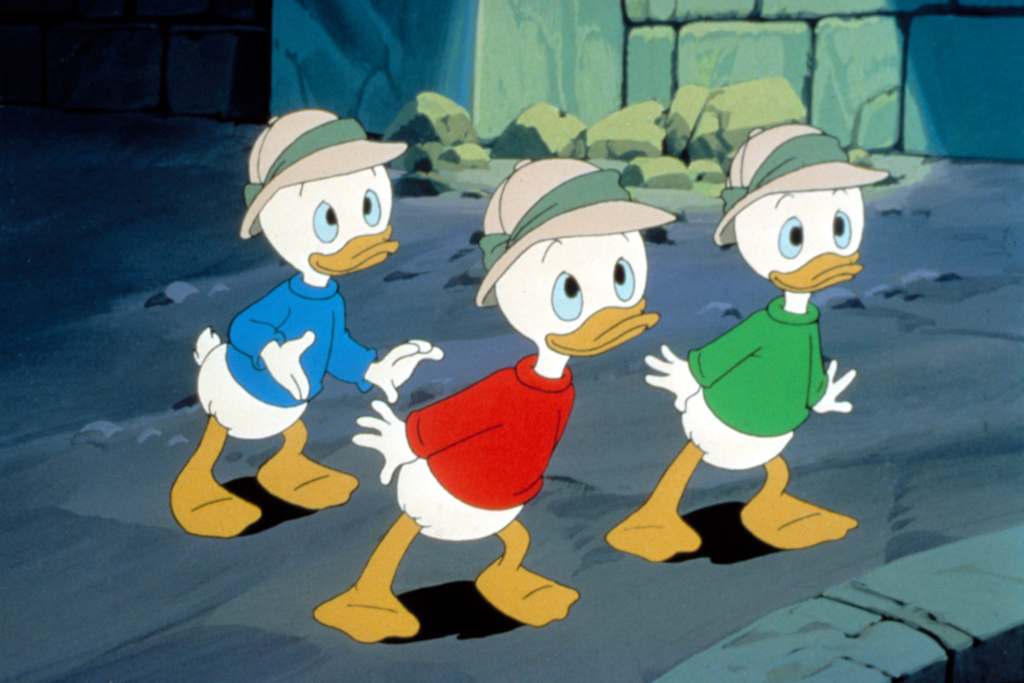
This show balanced adventure with humor in a way that made the dialogue stand out. Uncle Scrooge’s speeches had a rhythm kids quickly learned. The characters spoke fast and confidently, which made their lines fun to repeat. Even side comments became memorable.
Kids quoted the show while pretending to search for treasure. The theme song alone helped cement everything else. Lines from episodes stuck because they were tied to exciting moments. It made kids want to replay them out loud.
8. Inspector Gadget
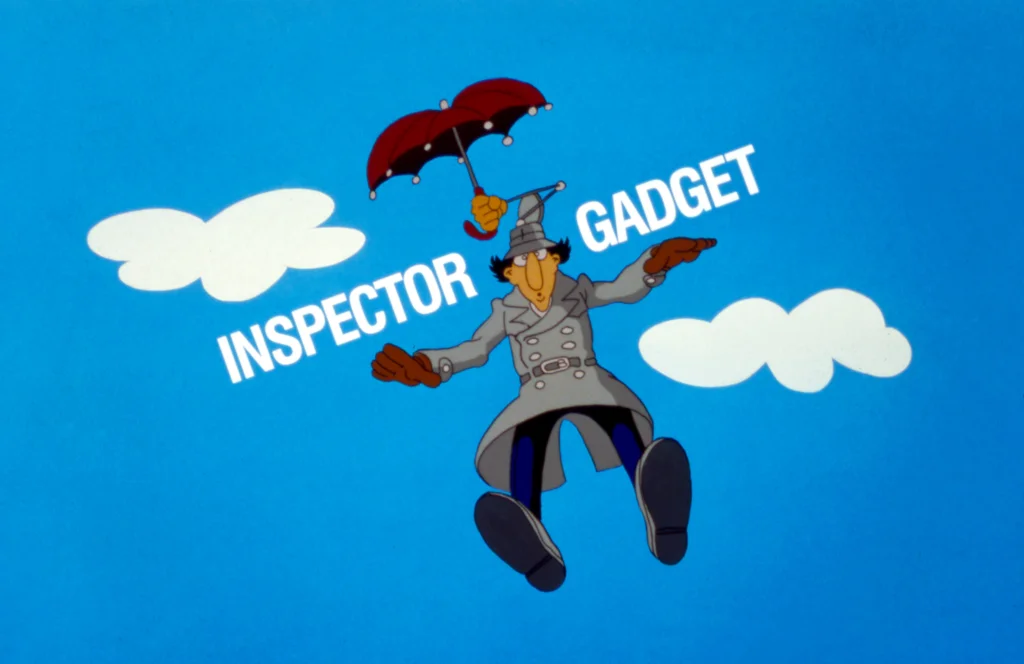
Half the fun of this show was knowing what was coming before it happened. Gadget’s clueless lines were repeated episode after episode. Kids could quote them because they were so predictably delivered. Penny and Brain’s silent teamwork became just as familiar.
Children repeated the catchphrases while running around pretending to be secret agents. The repetition wasn’t boring, it was comforting. You knew exactly what you’d hear, and you loved it. That predictability made memorization effortless.
9. Care Bears
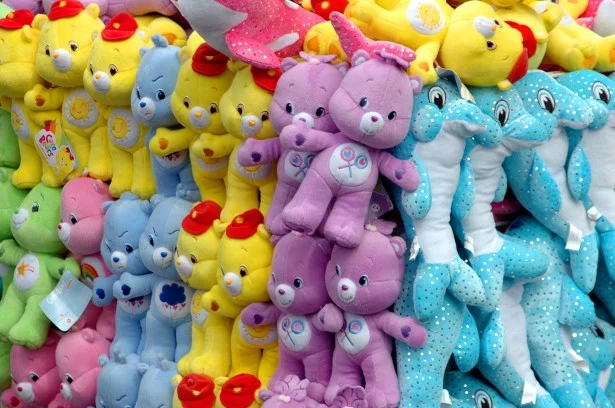
This cartoon spoke directly to kids in a very clear, emotional way. Dialogue was simple, kind, and repeated often. Each Care Bear had a specific way of speaking that stood out. Kids absorbed those lines without thinking twice.
Playtime involved reenacting Care Bear Stares with matching dialogue. The emotional tone made the words feel important. Repetition reinforced the lessons and the language. Over time, it all stuck.
10. ThunderCats
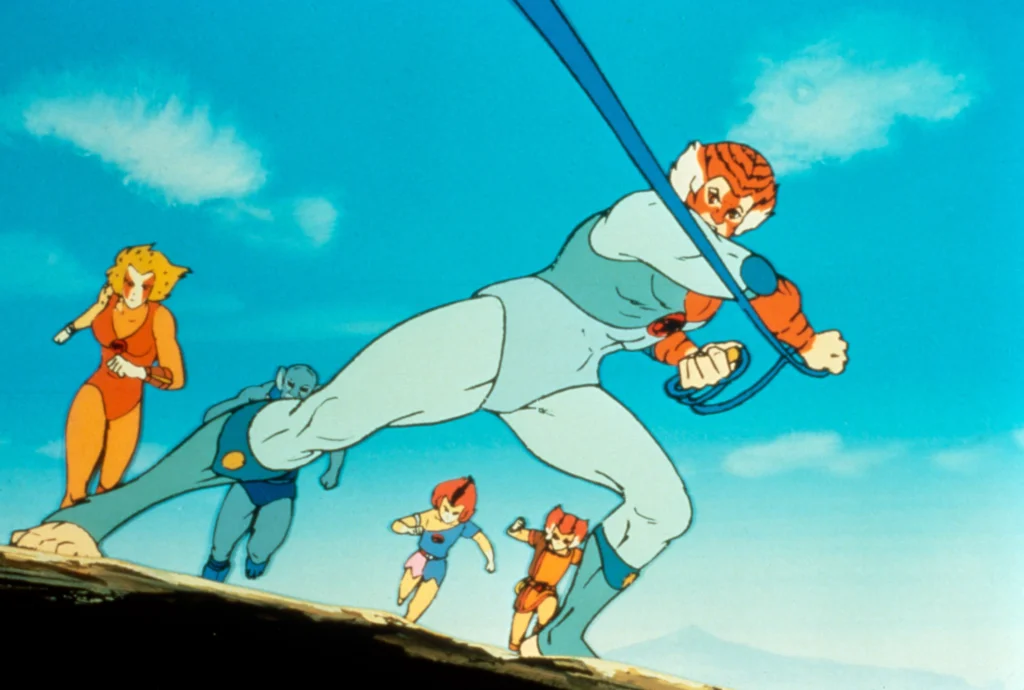
This show took itself seriously, and the dialogue reflected that. Characters spoke in dramatic, formal lines that kids found fascinating. Certain phrases were repeated often enough to become iconic. The tone made every line feel epic.
Kids practiced saying lines with the same intensity as the characters. The show’s structure helped reinforce key dialogue. After enough episodes, kids knew what was coming. They could quote it before it happened.
11. The Real Ghostbusters
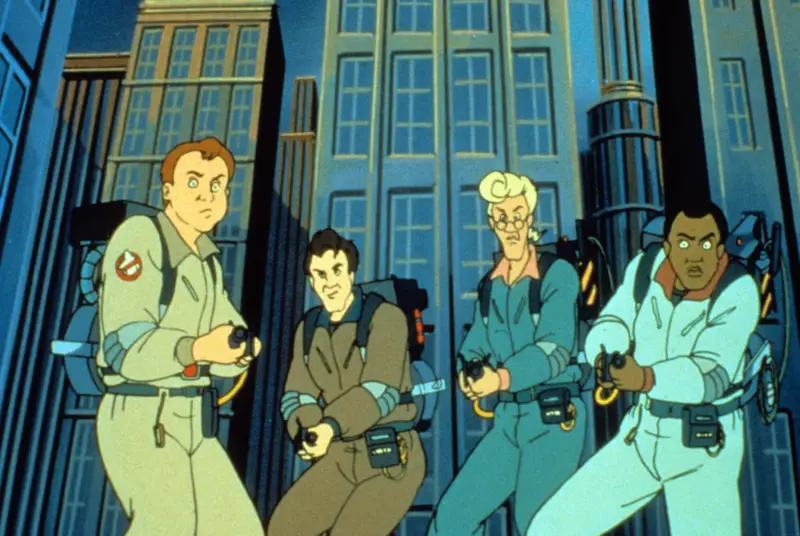
The mix of humor and spookiness made this show endlessly quotable. Characters delivered sarcastic lines that kids loved repeating. Slimer’s antics added another layer of familiar reactions. The dialogue felt natural but still memorable.
Kids quoted jokes during playtime and laughed even without the context. Repetition through reruns sealed everything in place. Certain exchanges became second nature. It felt like hanging out with familiar voices.
12. Jem
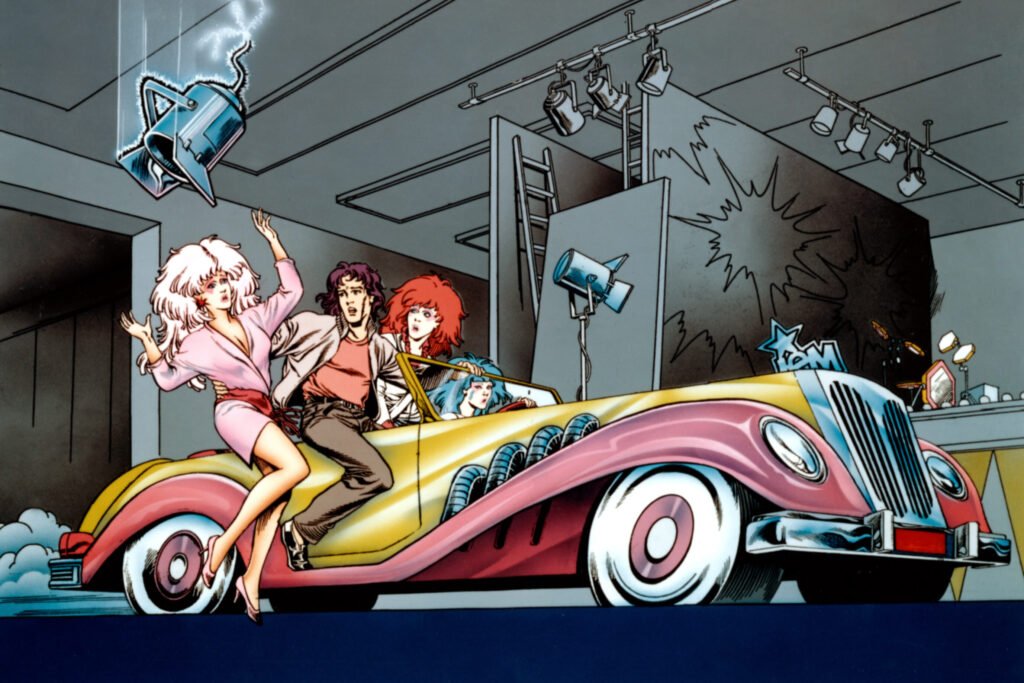
This show blended drama and music in a way that stuck with kids. Dialogue was emotional and often repeated key phrases. The characters spoke with confidence that made their lines memorable. Everything felt heightened and dramatic.
Kids reenacted scenes, repeating dialogue exactly as they heard it. The music helped reinforce the words. Once you heard it enough, you couldn’t forget it. It lived rent-free in kids’ heads.
13. Alvin and the Chipmunks
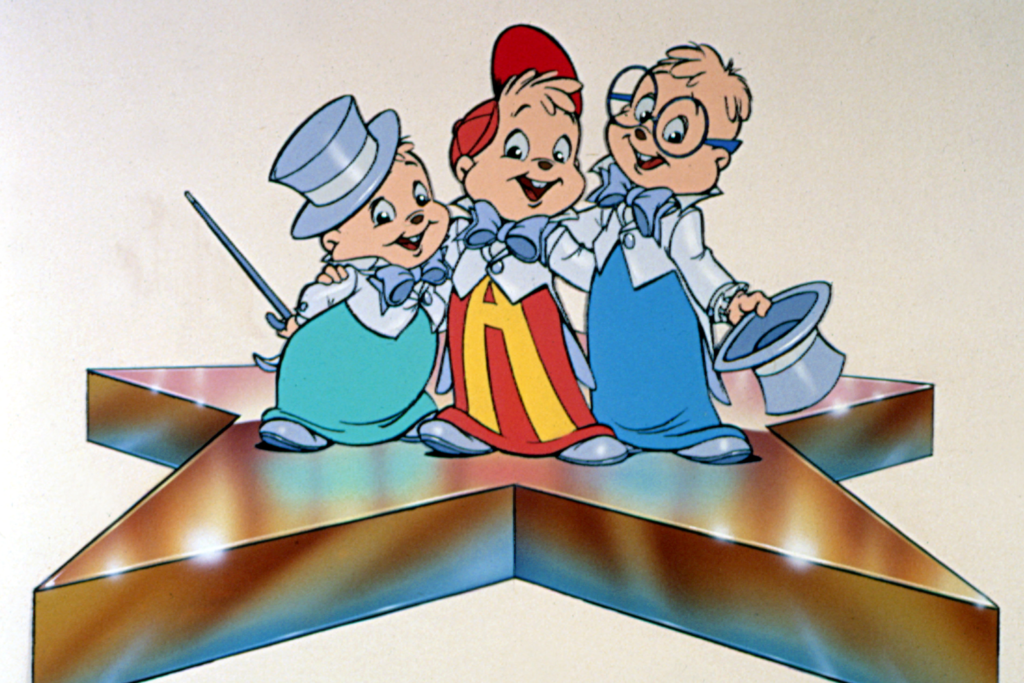
Those high-pitched voices made every line stand out instantly. Alvin’s excuses and Simon’s corrections were repeated endlessly. Kids could quote them because the patterns never really changed. Familiarity made memorization automatic.
Children repeated the voices while driving parents crazy. Certain lines became shorthand for everyday situations. The repetition was constant across episodes. By the end of the decade, everyone knew what Alvin was going to say next.