
1. Bonnie and Clyde (1967), The Final Ambush
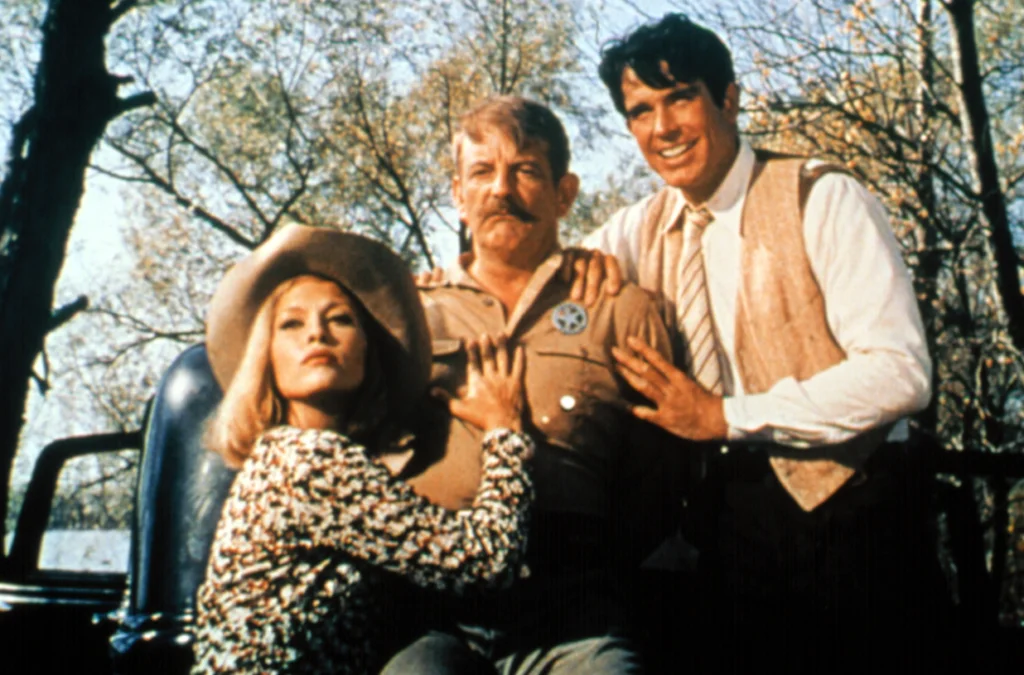
Audiences in 1967 were not prepared for the slow motion, relentless violence of the final moments. Death had rarely been shown this explicitly or this emotionally draining. The scene lingered in a way that felt uncomfortable and inescapable. It forced viewers to sit with the consequences instead of cutting away.
That ending rewired expectations about realism in American movies. Violence was no longer something that happened offscreen or quickly. Films could be morally messy and emotionally punishing. After this, audiences expected cinema to be braver.
2. The Graduate (1967), The Bus Ride Ending
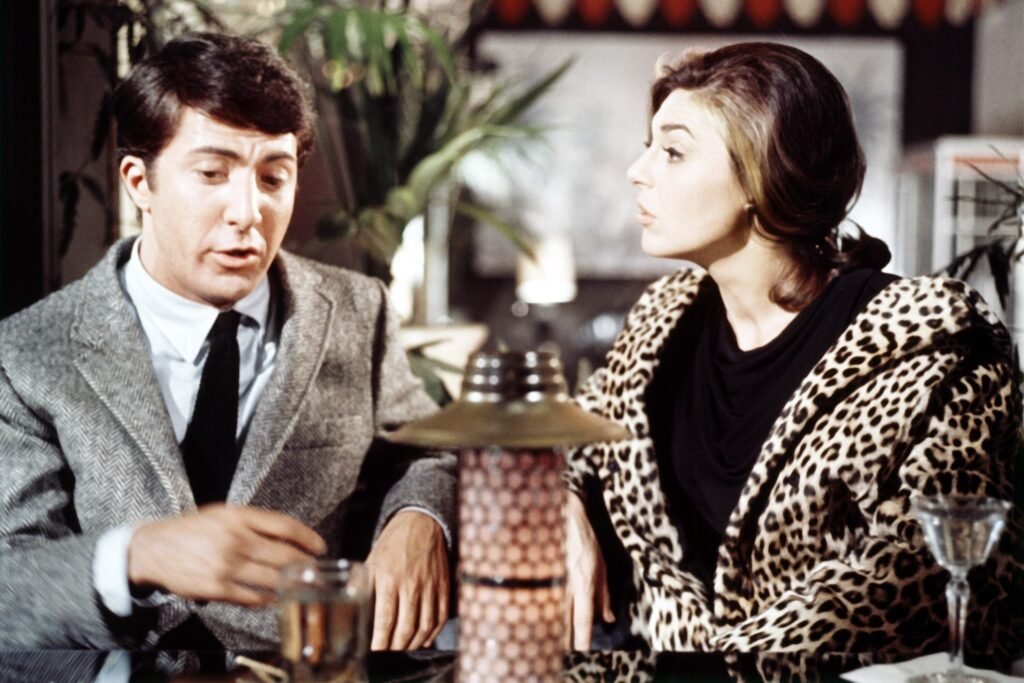
After all the frantic energy of the church escape, viewers expected a triumphant ending. Instead, the camera stayed put as excitement slowly drained from Benjamin and Elaine’s faces. The silence felt louder than dialogue. It captured the uneasy feeling of “now what?” in a way films rarely had.
This moment challenged the idea of a neat romantic conclusion. Love did not magically fix uncertainty. Audiences began accepting emotional ambiguity as honest storytelling. Endings no longer had to reassure to feel complete.
3. 2001: A Space Odyssey (1968), The Stargate Sequence
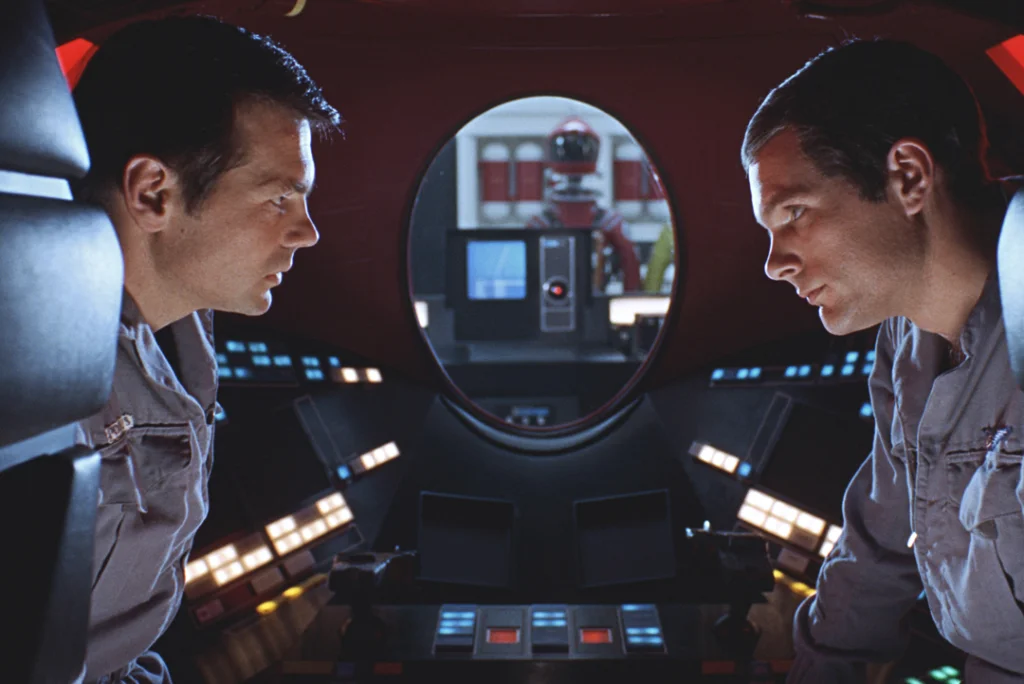
Nothing in mainstream cinema had prepared audiences for this overwhelming visual experience. There was no explanation, no traditional narrative guide, just color, sound, and sensation. Some viewers were baffled, others transfixed. It felt closer to art installation than movie scene.
This sequence expanded what audiences believed movies could be. Films did not need to explain themselves to be meaningful. Viewers learned to sit with mystery. Science fiction was suddenly philosophical and abstract.
4. Easy Rider (1969), The Sudden Ending
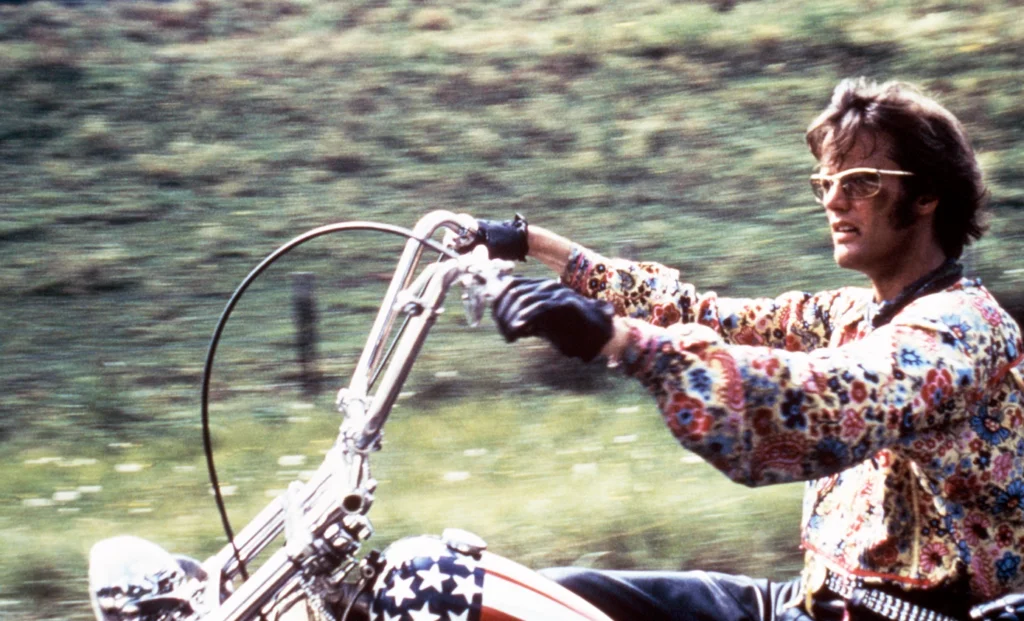
The ending arrived abruptly and without emotional warning. Violence interrupted the story in a way that felt disturbingly casual. There was no heroic buildup or closure. Audiences were left stunned.
This scene reshaped expectations around counterculture stories. Freedom did not guarantee safety. Films could end without moral comfort. Viewers realized tone could shift without permission.
5. Psycho (1960), The Shower Scene
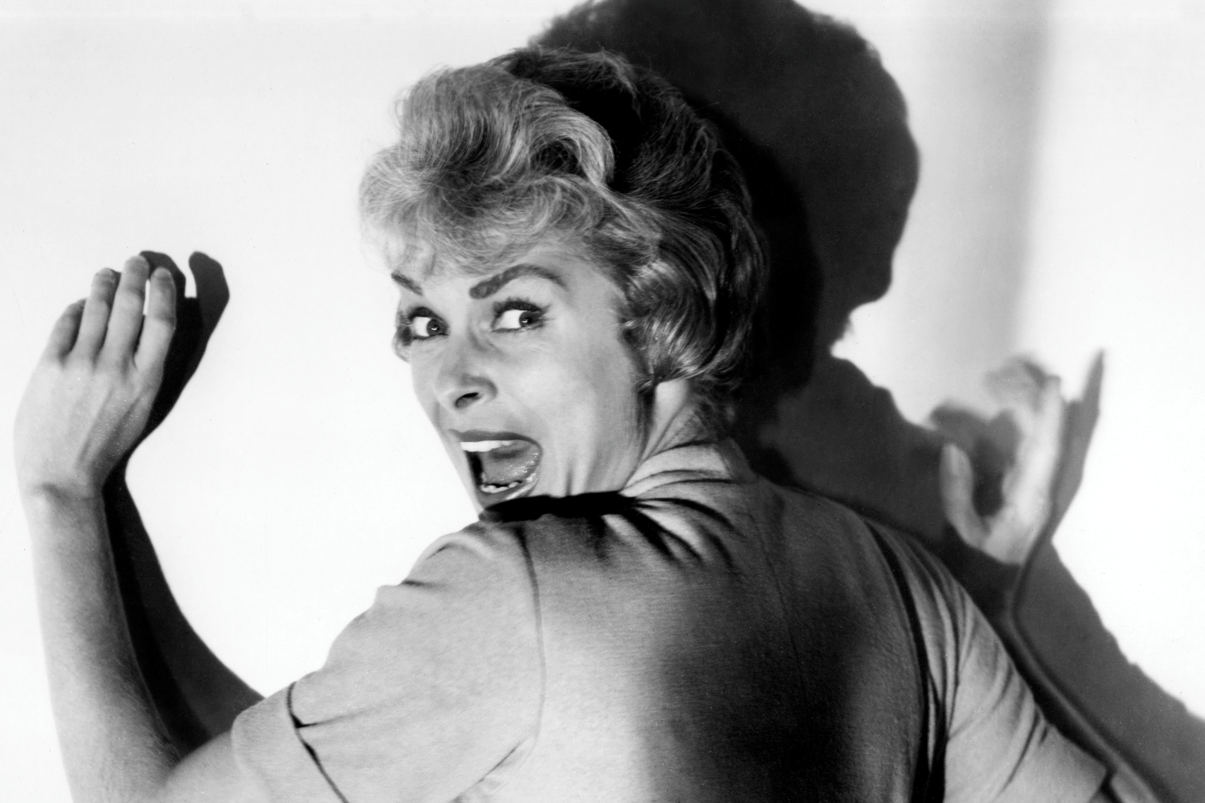
Audiences did not expect a leading actress to be killed so early in the film. The violence was suggested rather than shown, making it feel even more shocking. The editing, sound, and pacing worked together to create panic. Viewers felt genuinely unsafe.
This moment trained audiences to watch movies differently. Characters were no longer protected by star status. Suspense became about technique rather than gore. Horror storytelling changed permanently.
6. Night of the Living Dead (1968), The Final Shot
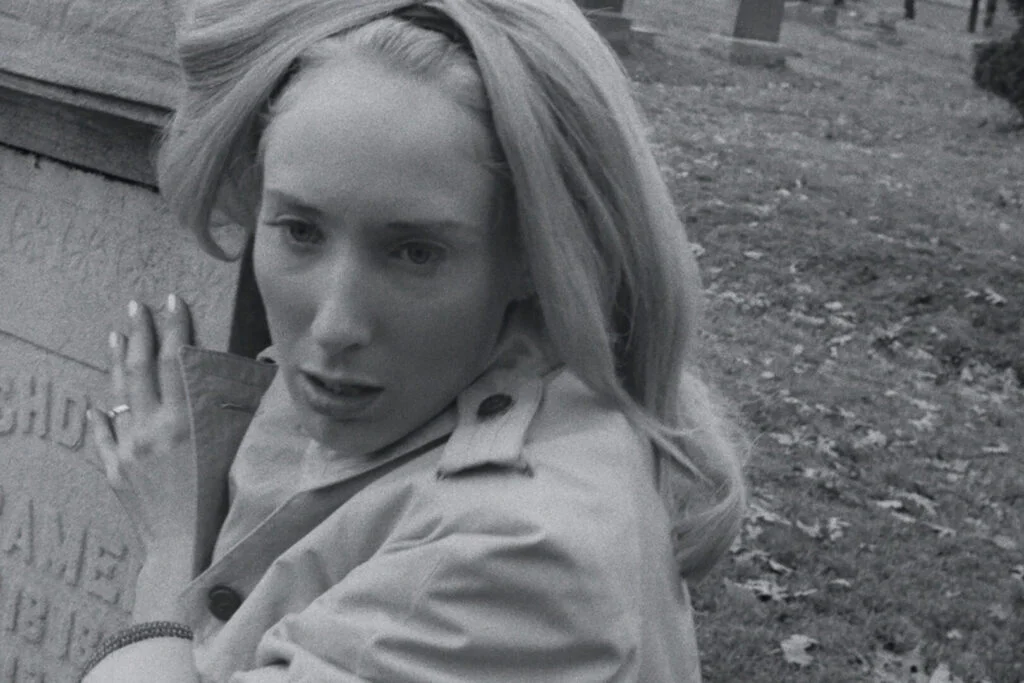
The ending offered no victory or relief. A tragic misunderstanding closed the story with brutal simplicity. Audiences were shocked by its bleakness. The lack of sentiment made it hit harder.
This scene redefined horror expectations. Survival was no longer guaranteed. Genre films could confront social realities head on. Viewers began expecting darker conclusions.
7. The Birds (1963), The Unexplained Escape
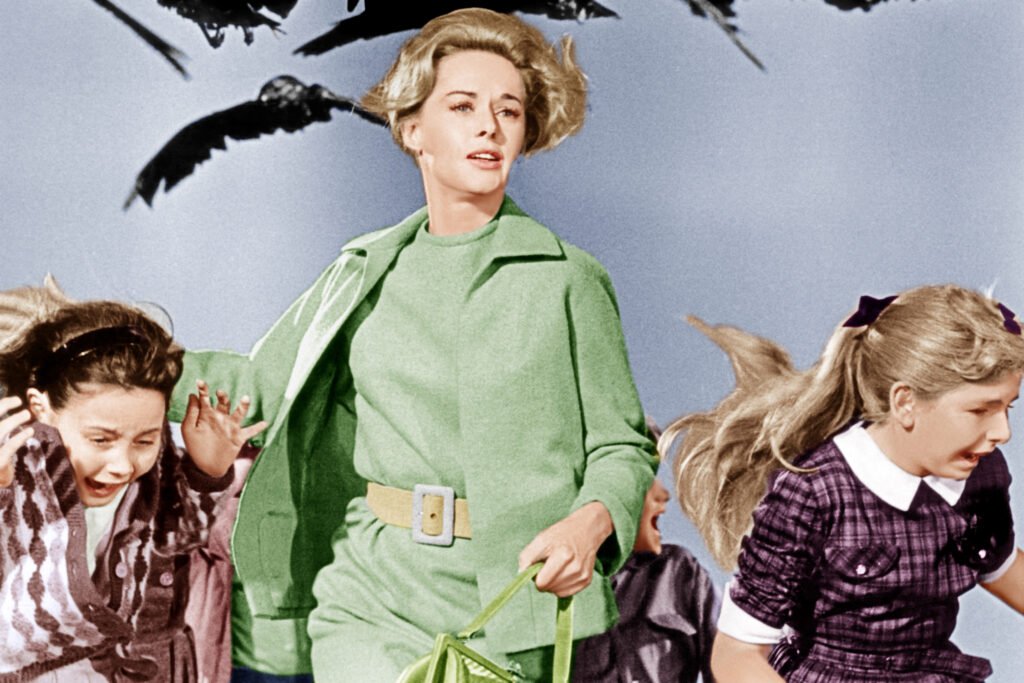
Audiences waited for answers that never came. The birds were never explained or defeated. The tension simply followed the characters out of the film. It felt deeply unsettling.
This refusal to explain challenged traditional storytelling. Fear did not need resolution. Audiences learned that ambiguity could be scarier than answers. Suspense films became more psychologically complex.
8. Midnight Cowboy (1969), Joe Buck’s Emotional Breakdown
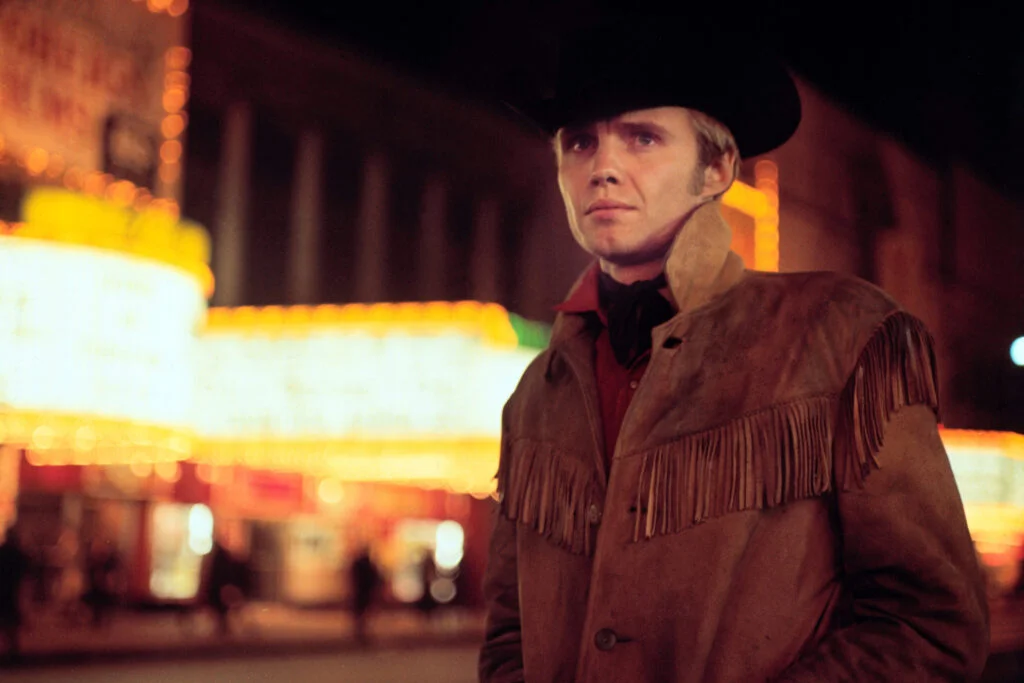
The vulnerability shown in this scene shocked viewers. Male characters were rarely depicted this emotionally exposed. It felt raw and deeply uncomfortable. Audiences were forced to confront loneliness without filters.
This moment shifted expectations around masculinity on screen. Emotional honesty became acceptable. Films could explore isolation without judgment. Characters were allowed to be fragile.
9. Rosemary’s Baby (1968), The Cradle Reveal
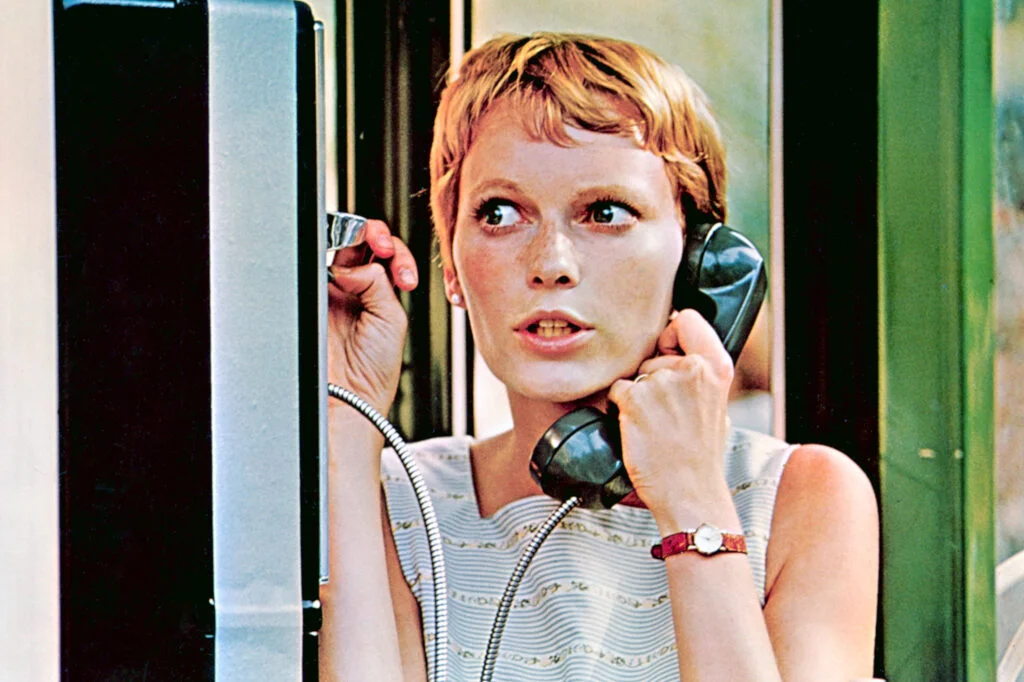
Audiences expected spectacle but were given quiet, intimate horror. The implication was far more disturbing than anything explicit. Trust, not monsters, became the source of fear. The moment lingered.
This scene changed expectations for psychological horror. Terror could be subtle and domestic. Viewers learned that implication could be more powerful than visuals. Horror became more personal.
10. Dr. Strangelove (1964), The War Room Meltdown
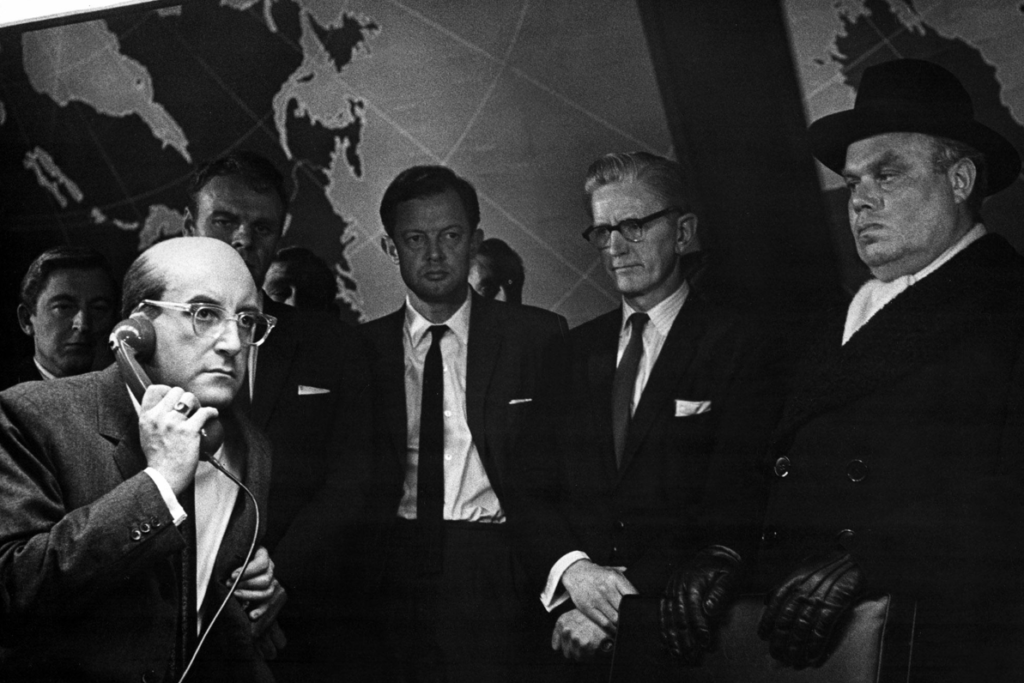
Audiences were unprepared for nuclear annihilation played for dark comedy. The absurdity made the threat feel even more real. Laughter and dread collided. It was deeply uncomfortable.
This scene redefined satire in film. Comedy could confront terrifying subjects. Audiences learned humor could sharpen fear instead of dulling it. Political films became bolder.
11. Blow-Up (1966), The Vanishing Evidence
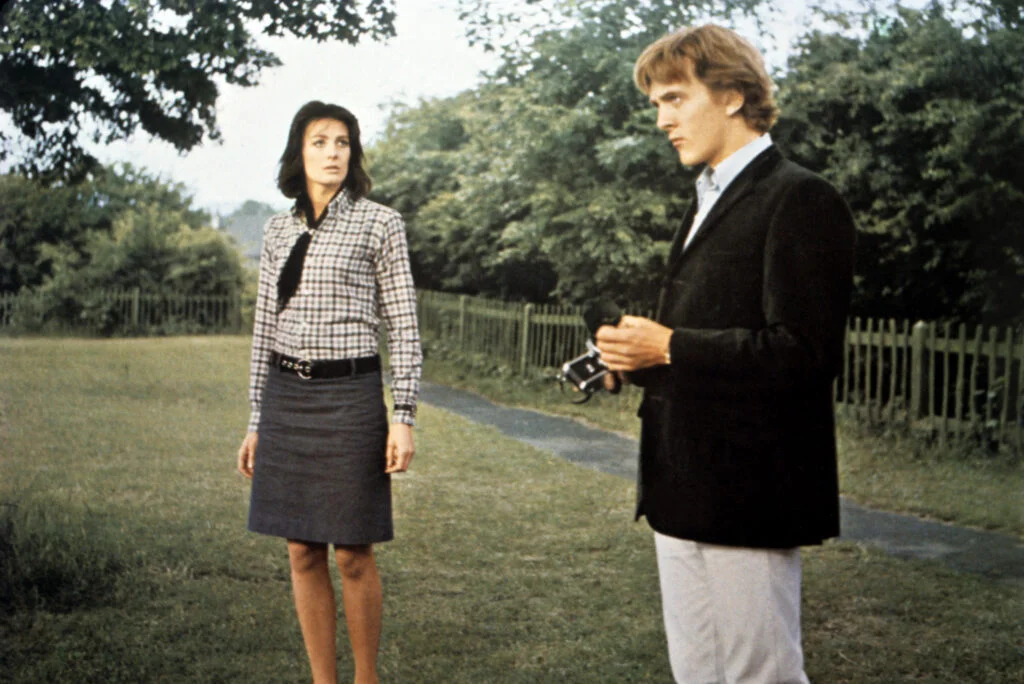
Viewers expected a mystery to be solved. Instead, certainty dissolved before their eyes. The truth remained unreachable. The absence of answers felt intentional.
This challenged traditional narrative payoff. Audiences learned ambiguity could be the point. Films no longer owed viewers resolution. Interpretation became part of the experience.
12. Planet of the Apes (1968), The Statue of Liberty Reveal
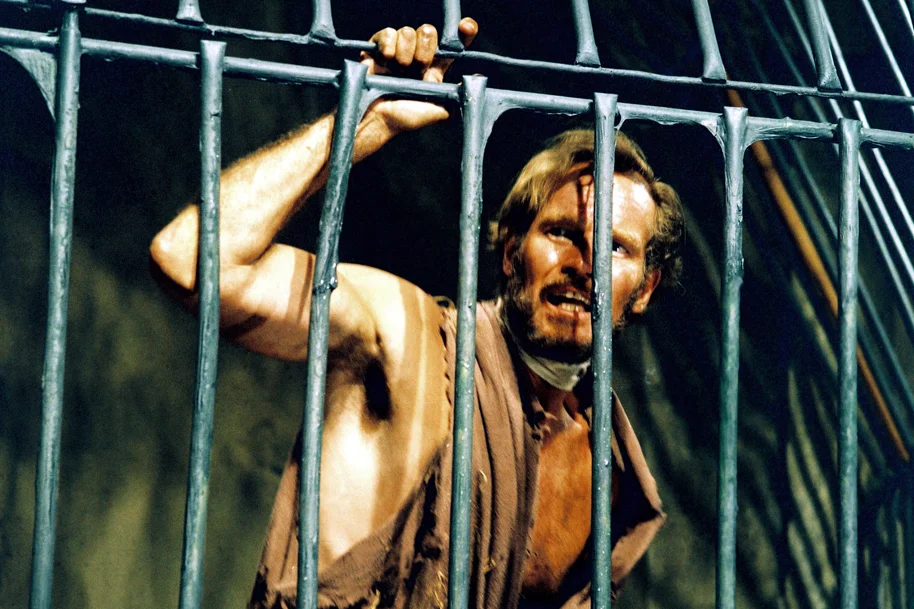
The final reveal landed as a genuine shock. Audiences were forced to reconsider everything they had watched. The twist was visual, immediate, and devastating. It reframed the entire story.
This moment raised expectations for science fiction endings. Genre films could deliver profound commentary. Twists could carry philosophical weight. Viewers expected smarter conclusions.
13. Who’s Afraid of Virginia Woolf? (1966), The Verbal Warfare
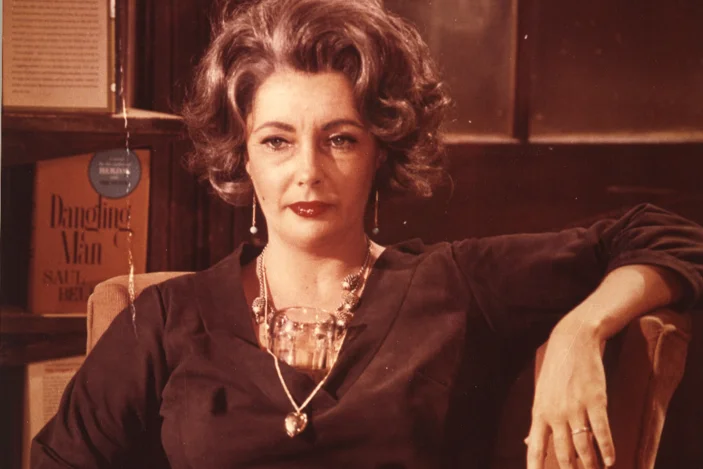
Audiences were stunned by the raw cruelty of the dialogue. Marriage was depicted as messy, painful, and exhausting. The emotional violence felt real. There was no comfort offered.
This scene pushed boundaries of adult storytelling. Films could portray relationships honestly. Audiences expected emotional realism. Politeness was no longer required.
14. The Wild Bunch (1969), The Final Shootout
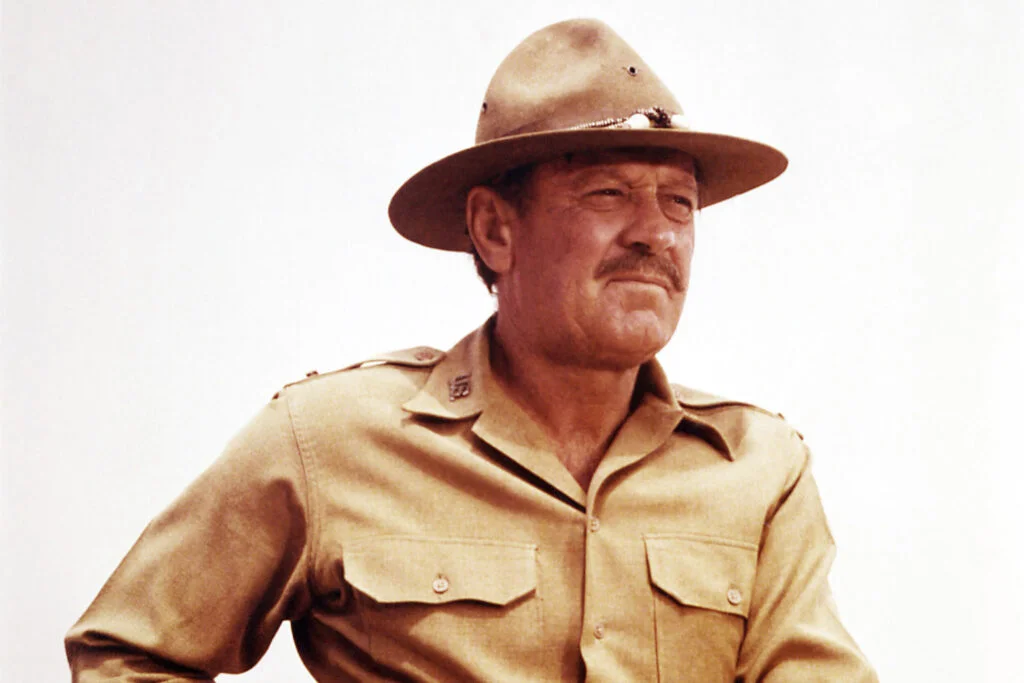
The violence was prolonged, chaotic, and impossible to ignore. Audiences were overwhelmed by the scale and brutality. It felt more like carnage than action. The scene lingered.
This moment changed expectations for action films. Violence could be ugly and consequential. Stylized realism became the new standard. Audiences were never quite the same afterward.


