
1. Kids Stayed Outside Until the Streetlights Came On

Parents rarely checked the clock because the neighborhood itself did the signaling. When the streetlights flickered on, that was the universal message to head home. Until then, kids roamed freely from yard to yard without much supervision. No one worried about hydration breaks or sunscreen reminders. You were expected to entertain yourself and figure things out. Coming home early usually meant something had gone wrong. Otherwise, outside was where you belonged.
There was a deep trust that the neighborhood would look out for you. Other parents kept a casual eye on things without making it obvious. Scraped knees and dirty clothes were just part of the deal. Nobody questioned whether this was safe, it was simply how childhood worked. The idea of scheduled playdates felt unnecessary. Freedom was the rule, not the exception.
2. You Answered the Phone Politely, No Matter Who It Was

Kids were expected to answer the house phone with a clear hello and good manners. You never knew if it was a relative, a boss, or a wrong number. Sloppy greetings were corrected immediately. Parents listened closely from another room. The phone was treated like a serious household responsibility. Hanging up without permission was a big mistake. Nobody thought kids were too young to handle it.
You also learned how to take messages properly. Writing things down neatly was part of the job. Saying “they’re not here” without checking first was frowned upon. The phone wasn’t a toy, it was a shared resource. Kids didn’t question why this mattered so much. It was simply how you were taught.
3. Dinner Was at a Fixed Time, No Exceptions

Dinner happened when it happened, whether you were hungry or not. If you missed it, that was on you. There were no separate meals or later options. Everyone sat down together, even if the TV show you loved was on. Plates were served and you ate what was there. Complaining didn’t change the menu. This was nonnegotiable.
Leftovers were not a punishment, they were just reality. Skipping vegetables meant they showed up again tomorrow. Parents didn’t explain nutrition in detail, they just expected compliance. The routine created structure without discussion. Kids didn’t question why dinner mattered so much. It was simply part of the rhythm of the house.
4. You Finished Your Chores Before Doing Anything Fun

Chores came first, always. Whether it was making your bed or taking out the trash, the order never changed. Fun waited until responsibilities were done. There was no negotiating or delay. Parents checked the work, and shortcuts were noticed. A half done job meant doing it again. This rule applied every day.
Allowance, if it existed, was tied directly to these tasks. You learned quickly that effort mattered. Complaints didn’t get you out of it. The expectation was clear and consistent. Kids rarely asked why chores were important. They just knew they were part of being in the household.
5. Company Meant You Behaved Better Than Usual

When guests were over, the rules tightened immediately. Kids were expected to be quieter and more polite. Interrupting adult conversations was not tolerated. You said hello and then found something else to do. Showing off or acting silly was discouraged. Parents made this expectation clear with a look. No explanation was needed.
This applied even if the company stayed for hours. Kids learned patience quickly in these situations. Complaining about boredom only made things worse. The house was expected to reflect well on the family. Kids accepted this without question. It was simply how respect was shown.
6. You Didn’t Open the Fridge Without Asking

The refrigerator was not open access. You asked before grabbing anything, even water sometimes. Snacks were planned, not impulsive. Eating too close to dinner was frowned upon. Parents knew exactly what food was for which meal. Going in without permission could earn a lecture. Kids learned restraint early.
This rule taught awareness of household limits. Food was treated as something to manage carefully. You didn’t question why certain items were off limits. Being told no was common and accepted. The fridge wasn’t a free for all. It was part of the household order.
7. Bedtime Was Set, Even on Weeknights You Wanted More

Bedtime was enforced without debate. It didn’t matter if friends were over or a movie was on. Parents announced it and expected compliance. You brushed your teeth and went to bed. Arguing only made things worse. There was no concept of negotiating sleep. Kids followed the routine.
Lights out meant lights out. Reading was sometimes allowed, talking rarely was. Parents believed sleep was important, even if they didn’t explain why. The rule stayed the same night after night. Kids accepted it as part of growing up. Questioning it never crossed their minds.
8. You Sat Still and Quiet in Public Places

Restaurants, stores, and waiting rooms had strict behavior expectations. Kids were told to sit down and stay put. Fidgeting or wandering was not acceptable. There were no distractions handed out. You learned how to wait patiently. Parents expected self control. This rule applied everywhere.
If you misbehaved, consequences came quickly. The embarrassment of being corrected in public was enough to teach the lesson. Kids learned awareness of their surroundings. Acting out was seen as disrespectful. This was never framed as optional. It was just how kids were expected to behave.
9. You Wore What Was Laid Out for You

Outfits were chosen by parents, not kids. Comfort and practicality mattered more than preference. Complaining about clothes was discouraged. You wore what fit and what was clean. Fashion opinions came much later. Getting dressed was a quick process. No one asked how you felt about it.
This rule made mornings efficient. Kids learned to accept decisions without debate. Special occasions meant special outfits, whether you liked them or not. There was pride in looking presentable. Questioning clothing choices wasn’t common. It was simply part of family structure.
10. You Respected Adults Automatically

Adults were treated with authority by default. You listened when they spoke and followed instructions. Talking back was not tolerated. Parents didn’t explain why respect mattered, it was assumed. Using titles like Mr. and Mrs. was expected. Kids learned this early. It applied to teachers, neighbors, and relatives.
This rule shaped how kids moved through the world. Respect was shown through behavior, not discussion. Disagreeing quietly was allowed, openly was not. Adults were trusted figures. Kids rarely questioned this hierarchy. It was simply the way things were.
11. You Didn’t Waste Food or Supplies

Waste was noticed immediately. Leaving food on your plate brought comments. Using too much paper towel was corrected. Parents kept a close eye on resources. Kids learned to be careful with what they used. Nothing was taken for granted. This rule was constant.
The expectation created awareness of limits. Kids didn’t always understand why, but they complied. Finishing what you started was important. Throwing things away unnecessarily was frowned upon. This mindset carried into everyday habits. Questioning it wasn’t part of the culture.
12. You Helped When Asked, No Complaints
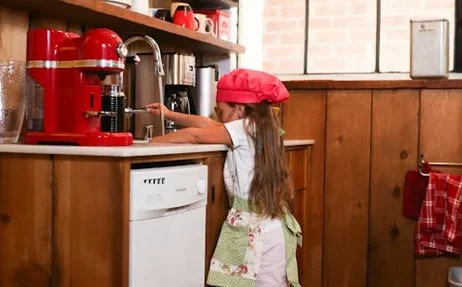
When a parent asked for help, you helped. There was no asking why or when. You stopped what you were doing and pitched in. Complaining only extended the task. Kids learned responsiveness early. Helping was part of being in the family. This rule was clear.
Tasks could range from carrying groceries to watching younger siblings. Kids adapted quickly. The expectation was immediate cooperation. Saying “in a minute” wasn’t acceptable. This created a sense of shared responsibility. Kids accepted it without debate.
13. You Didn’t Interrupt Adult Conversations

Interrupting adults was considered rude. Kids waited patiently to speak. If something was urgent, you stood quietly nearby. Parents acknowledged you when ready. This taught patience and timing. Speaking out of turn was corrected quickly. Kids learned the rhythm of conversation.
This rule applied at home and elsewhere. Adults expected kids to observe quietly. The skill carried into school and social settings. Kids didn’t question why this mattered. It was simply part of good manners. Learning when to speak was a lesson learned early.
14. You Were Home When You Said You’d Be

Curfews were taken seriously. If you said you’d be home at a certain time, you were. Being late caused immediate concern. There were consequences for breaking this rule. Parents expected reliability. Kids learned to keep track of time. This wasn’t negotiable.
Checking in wasn’t always possible, so trust mattered. Breaking that trust had repercussions. Kids understood the importance of being dependable. This rule taught accountability. Questioning it didn’t occur. It was part of earning freedom.
15. You Followed the Rules Without Needing an Explanation

Rules existed because parents said so. Explanations were not always given. Kids were expected to comply first and understand later. Questioning authority wasn’t encouraged. The structure was clear and consistent. Kids learned to adapt quickly. This shaped how households functioned.
Over time, many of these rules made sense. At the time, they were simply accepted. Parents trusted their judgment and kids trusted their parents. The system worked because it was predictable. Children didn’t question it. It was just how life at home operated.