
1. MTV Launches and Suddenly Music Has a Look
When MTV went live in 1981, it did not feel like a slow rollout. It felt like someone flipped a switch and changed how pop culture worked overnight. Music was no longer just something you heard on the radio, it was something you watched. Hairstyles, fashion, and attitude suddenly mattered just as much as the song itself. Artists who understood visuals rose fast, and those who did not struggled to keep up.
Teenagers rearranged their schedules to catch videos, and living rooms became mini concert halls. VJs became familiar faces, almost like friends stopping by every day. The phrase “music television” sounded futuristic, and for a while, it really was. MTV did not just promote songs, it shaped an entire decade’s style. After that, pop stars were expected to be performers in every sense.
2. Michael Jackson’s Moonwalk
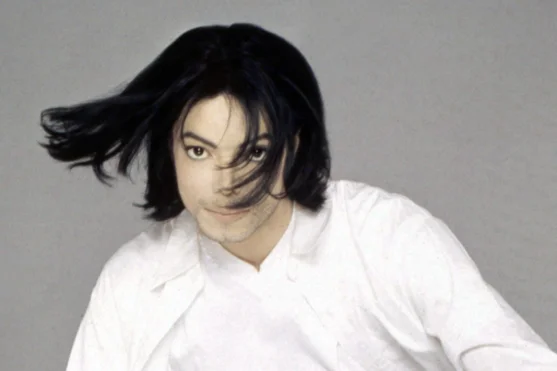
When Michael Jackson debuted the moonwalk during the Motown 25 special in 1983, time seemed to stop. People who saw it live still remember exactly where they were standing. The move looked impossible, like gravity had taken a break. Suddenly, everyone was rewinding their VHS tapes to watch it again.
The next day, kids were sliding across kitchen floors in socks. Dance studios, school talent shows, and backyard parties all tried to recreate that moment. Jackson did not just perform a dance, he created a cultural shorthand for cool. The moonwalk became instantly recognizable around the world. It was proof that a single performance could become legend overnight.
3. Madonna Turns Lace and Attitude Into a Uniform
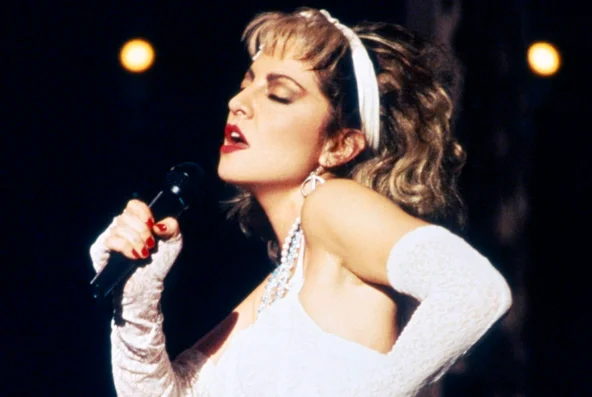
Madonna did not ease her way into pop culture, she burst through it. By the mid ’80s, lace gloves, layered necklaces, and teased hair were everywhere. Her look was bold, playful, and unapologetic, and it gave fans permission to experiment. Fashion suddenly felt like rebellion you could wear to the mall.
Girls copied her style, parents worried about it, and the conversation spread fast. Madonna’s image felt personal, like she was speaking directly to young women. She made self expression feel powerful instead of risky. That shift happened quickly and stuck. Almost overnight, pop fashion had a new blueprint.
4. E.T. the Extra-Terrestrial Becomes a Shared Emotional Experience
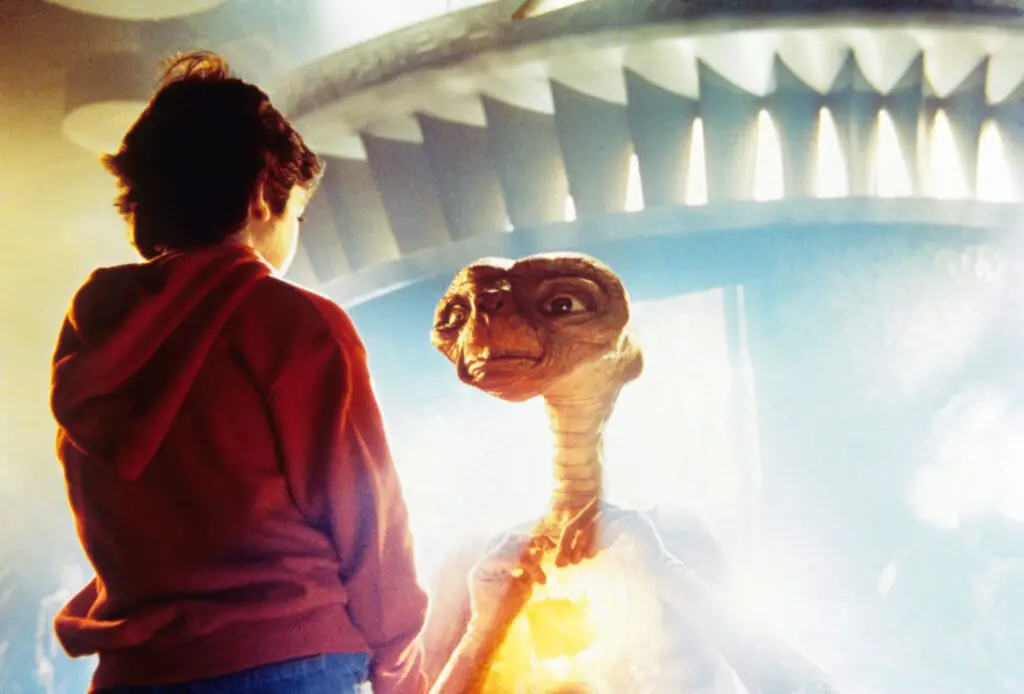
When E.T. the Extra-Terrestrial hit theaters in 1982, it did not just do well, it took over. People cried openly in movie theaters, something that was talked about as much as the film itself. The story felt gentle and emotional in a way that surprised audiences. Word of mouth spread fast, and lines wrapped around buildings.
Kids wanted E.T. toys, lunchboxes, and anything with glowing fingers. Adults talked about the movie like it was a personal memory. It became something families experienced together, not just something they watched. The film’s impact was immediate and overwhelming. For a while, it felt like everyone was talking about E.T.
5. The “Thriller” Video Becomes an Event

When the “Thriller” video premiered in 1983, it was treated like an appointment viewing. It was not just a music video, it was a mini movie. Zombies, choreography, and a narrative pulled viewers in instantly. People gathered around TVs the way they did for major sports events.
Afterward, the dance moves spread everywhere. School assemblies, talent shows, and even weddings found ways to include them. The red jacket became iconic almost immediately. “Thriller” changed expectations for what a music video could be. It proved that pop culture could feel cinematic overnight.
6. Pac-Man Invades Arcades and Living Rooms
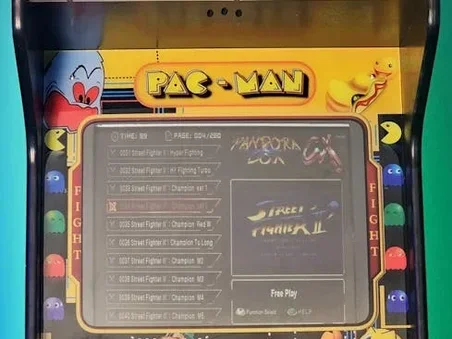
Pac-Man did not creep into popularity, it chomped its way in fast. Arcades filled with that unmistakable sound, and crowds formed around the machines. The characters were simple, but instantly lovable. People who had never played video games suddenly knew the rules.
Merchandise followed quickly, from lunchboxes to cartoons. Even people who did not play could recognize Pac-Man on sight. The game crossed age groups in a way few others had before. It became a shorthand for the video game boom. For a while, Pac-Man was everywhere you looked.
7. The Cosby Show Redefines Thursday Nights

When The Cosby Show premiered in 1984, it quickly became must see TV. Families planned their evenings around it without much debate. The Huxtables felt warm, funny, and familiar in a way audiences embraced immediately. Conversations about episodes carried into school and work the next day.
The show dominated ratings almost instantly. Its success reshaped network programming decisions. Advertisers paid attention, and so did competitors. It was not just a hit, it was a cultural reset. Thursday nights never felt the same again.
8. Cabbage Patch Kids Spark Shopping Frenzies
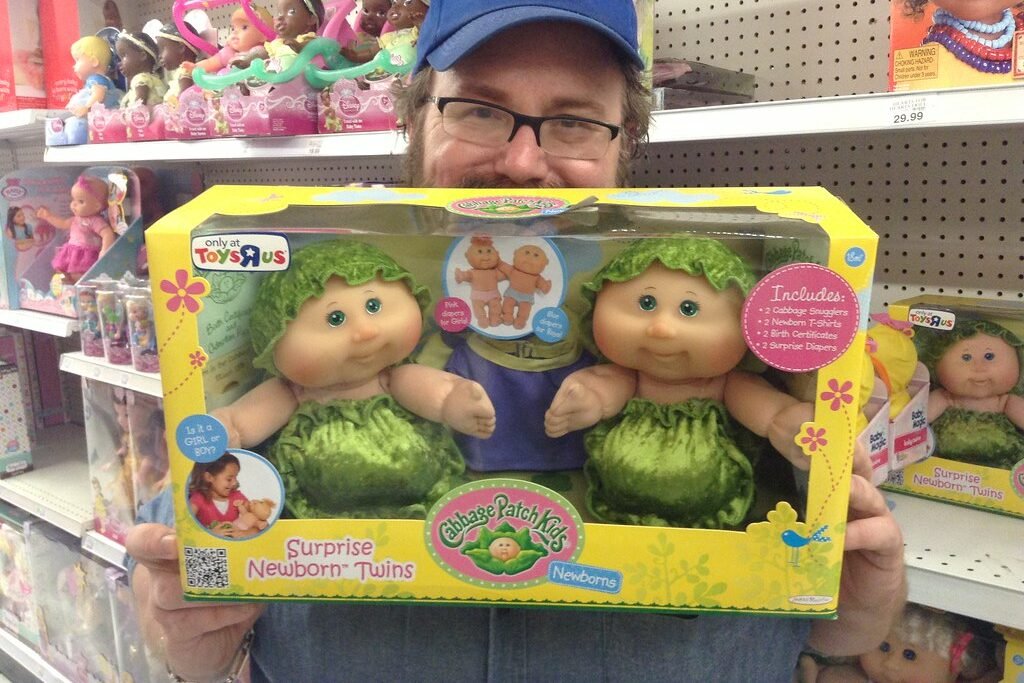
Cabbage Patch Kids did not just become popular, they caused chaos. Parents lined up early, stores ran out, and news crews showed up to film the madness. The dolls felt personal because each one had a name and “adoption” papers. That emotional hook spread fast.
Stories of shopping scuffles became part of the legend. Even people without kids knew about the craze. The dolls turned gift buying into a competitive sport. It all happened in a blur. For one intense season, they were impossible to ignore.
9. “Like a Virgin” Shocks and Dominates the Charts
When “Like a Virgin” hit the airwaves, it sparked instant reaction. Some listeners were thrilled, others were uncomfortable, but everyone had an opinion. The song was catchy, provocative, and impossible to avoid. Radio stations played it constantly.
The conversation around the song fueled its popularity even more. Madonna leaned into the attention instead of backing away. That confidence felt new and exciting. The track became a defining moment of the decade. It took over fast and stayed there.
10. Ghostbusters Turns a Catchphrase Into a Phenomenon
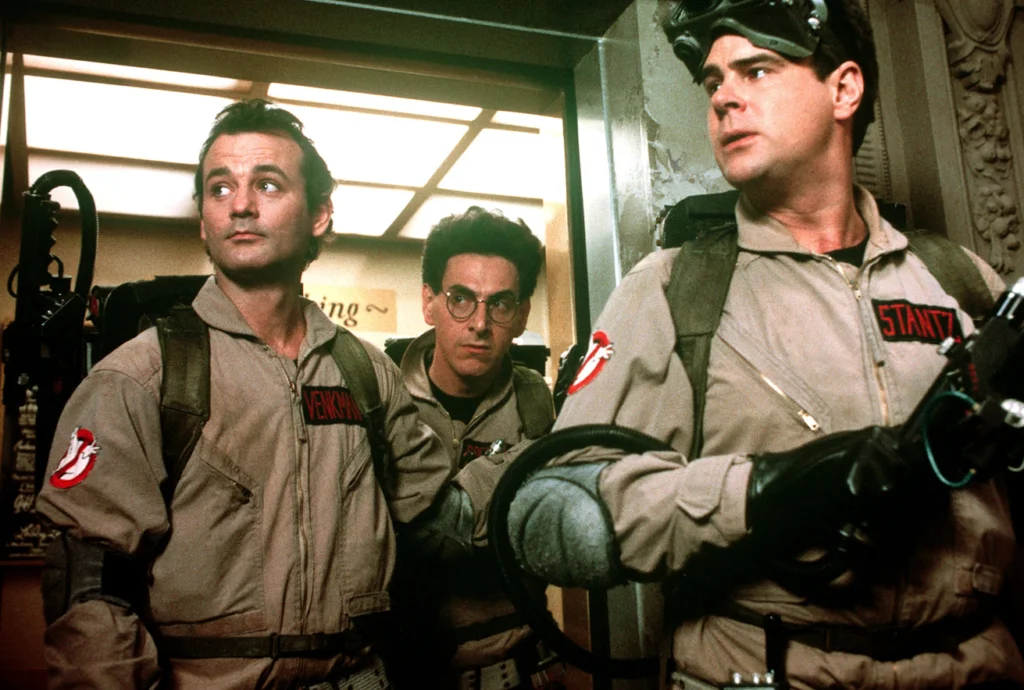
Ghostbusters arrived in 1984 and immediately felt different. Comedy, supernatural elements, and pop music blended perfectly. The question “Who you gonna call?” became unavoidable. Kids repeated it on playgrounds without needing context.
The theme song played everywhere, reinforcing the film’s presence. Merchandise followed quickly, from toys to cartoons. The logo itself became iconic. The movie did not slowly build fans, it exploded. Almost overnight, Ghostbusters was part of everyday language.
11. Rubik’s Cube Becomes a Global Obsession

The Rubik’s Cube showed up and suddenly everyone had one. It looked simple, but solving it felt impossible for most people. That challenge made it addictive. Friends compared progress and swapped tips.
It became a symbol of intelligence and patience. Even unfinished cubes sat proudly on desks. The bright colors made it instantly recognizable. The craze spread through schools and offices alike. It was a quiet obsession that took over quickly.
12. Miami Vice Makes Style as Important as Story
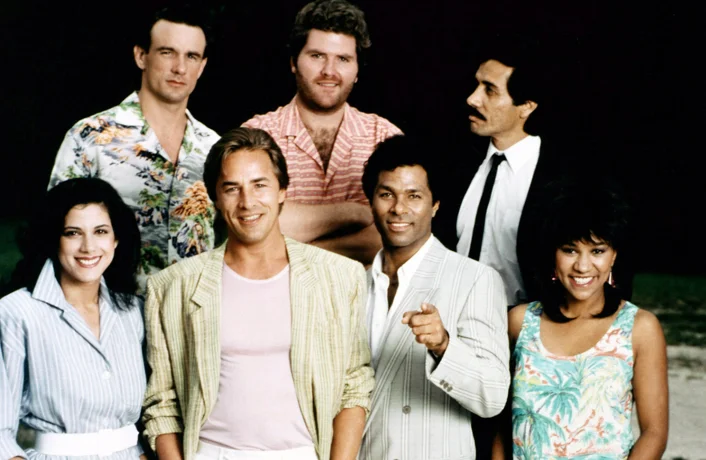
When Miami Vice debuted in 1984, it looked like nothing else on TV. Pastel suits, moody lighting, and pop music created a slick atmosphere. The show felt cool in a way that was instantly noticeable. Viewers tuned in as much for the look as the plot.
Fashion followed fast, especially those casual suits and rolled sleeves. Music choices from the show climbed the charts. It blurred the line between television and music video aesthetics. The influence was immediate and widespread. Suddenly, TV looked more fashionable.
13. The Walkman Changes How People Experience Music
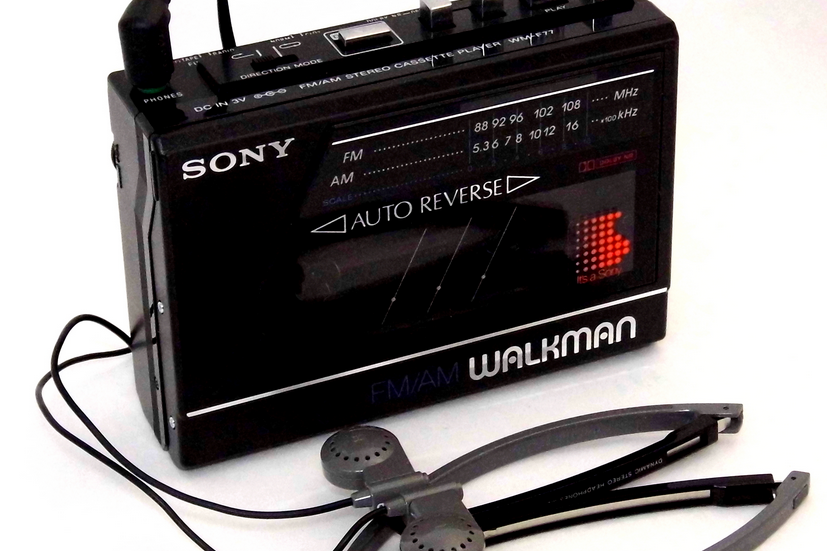
The Sony Walkman quietly arrived and then took over daily life. Music became portable in a way people had never experienced before. Headphones created a private soundtrack for public spaces. That shift felt revolutionary.
Joggers, commuters, and students all embraced it. Seeing someone with foam headphones became normal almost overnight. The Walkman changed how people related to music emotionally. Songs felt more personal when they were just for you. It was a small device with huge impact.
14. Back to the Future Sparks Time Travel Fever
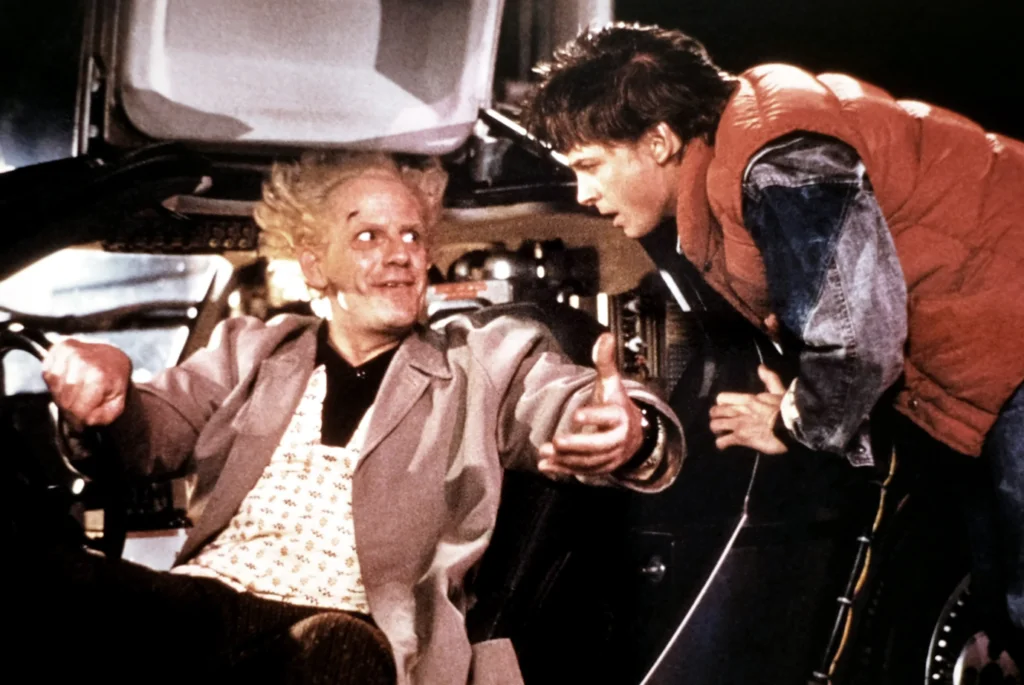
When Back to the Future premiered in 1985, it caught fire fast. The story was fun, clever, and easy to talk about. Marty McFly and the DeLorean became instant icons. Audiences quoted lines almost immediately.
The film sparked curiosity about time travel and nostalgia. Fashion from different eras suddenly felt interesting again. Kids wanted hoverboards long before they were real. The movie’s popularity spread quickly and naturally. It became a shared cultural reference point.
15. “We Are the World” Unites Pop Stars Overnight
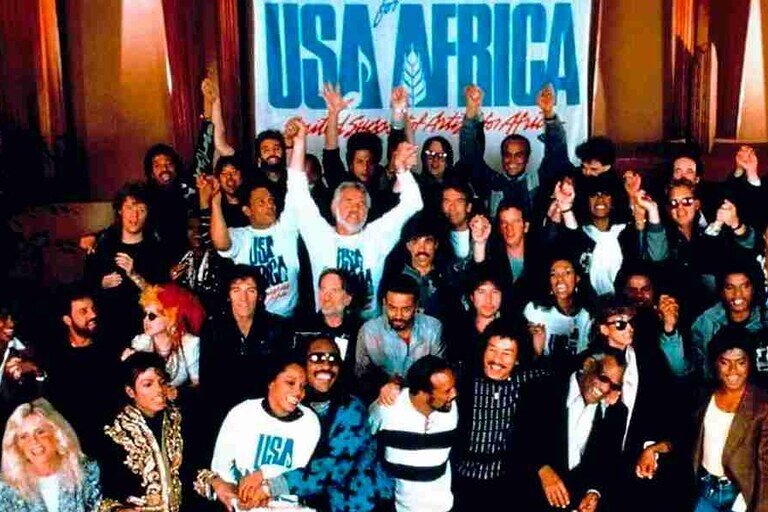
When “We Are the World” was released in 1985, it felt like a major event. Seeing so many famous voices together was thrilling. The song played constantly on radio and TV. Its message made listeners feel part of something bigger.
The behind the scenes stories added to its appeal. People talked about who sang which line. It showed pop stars as collaborators instead of competitors. The moment felt sincere and powerful. Its impact was immediate and emotional.
16. The Brat Pack Becomes a Cultural Shortcut
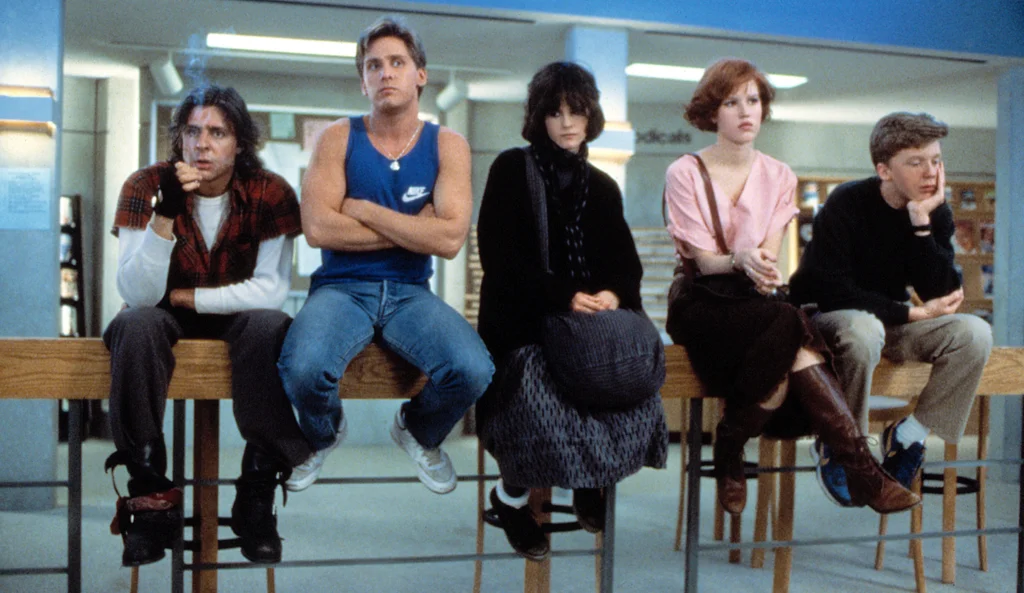
In the mid ’80s, a group of young actors suddenly dominated movies and magazines. The term “Brat Pack” caught on fast and stuck. Films featuring these stars felt connected, even when the stories were different. Teen audiences felt represented in a new way.
Actors like Emilio Estevez, Molly Ringwald, and Judd Nelson became instantly recognizable. Their movies were quoted endlessly. The label turned individual careers into a shared movement. It simplified the decade’s youth culture into one idea. That sense of takeover happened almost overnight.