
1. Risk

Risk had a way of starting politely and ending with someone quietly plotting revenge for the next holiday gathering. What began as pushing little plastic armies around quickly turned into full-scale world domination plans. Kids learned geography, but they also learned how betrayal felt when an alliance suddenly collapsed. Parents who thought they were just passing time often got way too invested by the second round. The longer the game went on, the more personal every move became.
By the end of the night, everyone was leaning over the board, counting armies, and doing mental math like it was a military exam. Dice rolls were celebrated or cursed with dramatic flair. Someone always insisted they were one turn away from winning, even if that wasn’t true. Risk didn’t just fill an evening, it consumed it.
2. Monopoly
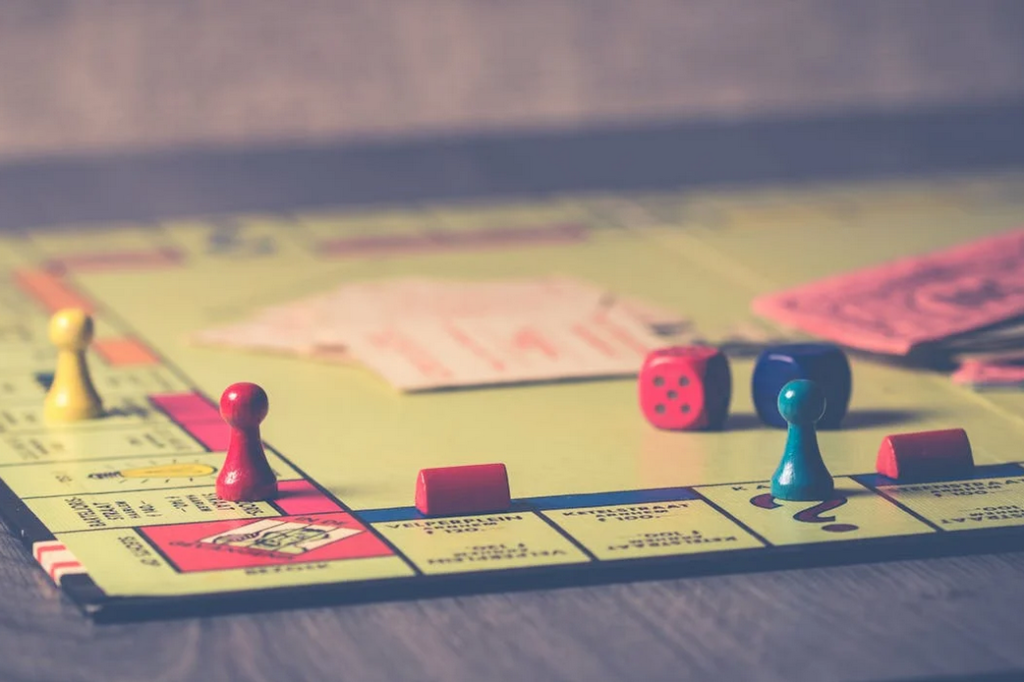
Monopoly turned family night into a crash course in capitalism, grudges, and patience. The early excitement of buying properties quickly gave way to ruthless rent collection. Kids learned very fast how unfair life felt when they landed on Boardwalk with a hotel. Parents who normally preached sharing suddenly played like seasoned tycoons. The longer the game dragged on, the quieter the room got.
Someone inevitably ran out of money and accused the game of being rigged. Deals were struck that felt suspiciously one-sided. The banker was always under scrutiny. Monopoly didn’t end friendships, but it definitely tested them.
3. Clue
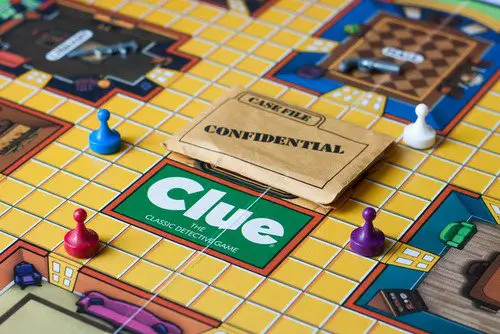
Clue made everyone feel clever, even when they were wildly wrong. Each accusation felt dramatic, especially when delivered with total confidence. Kids loved feeling like detectives, while adults enjoyed outsmarting them. The tension built quietly as notebooks filled with scribbles and crossed-out names. Every suggestion felt like a small psychological test.
When someone finally solved the mystery, the rest of the table groaned in disbelief. There was always that one person who had it figured out early but waited too long. Accusations of cheating were common, even if completely unfounded. Clue made winning feel earned and losing feel deeply personal.
4. Sorry!
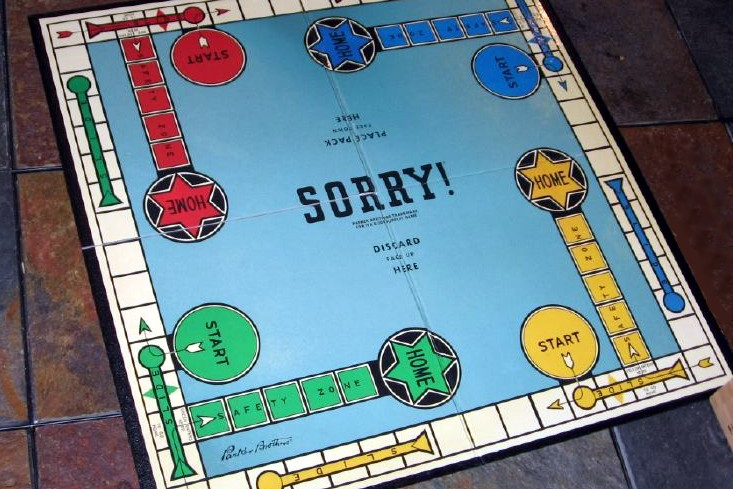
Sorry! looked friendly, but it lived up to its name in the most ironic way. Sending someone’s piece back to start felt oddly satisfying. Kids learned how powerful a single card could be. Parents often tried to play nice, until they got knocked back one too many times. The game moved fast, which only fueled the chaos.
Apologies were rarely sincere. Laughter usually followed moments of total defeat. Someone always complained about bad card luck. Sorry! proved that a bright, cheerful board could hide serious competitive instincts.
5. The Game of Life
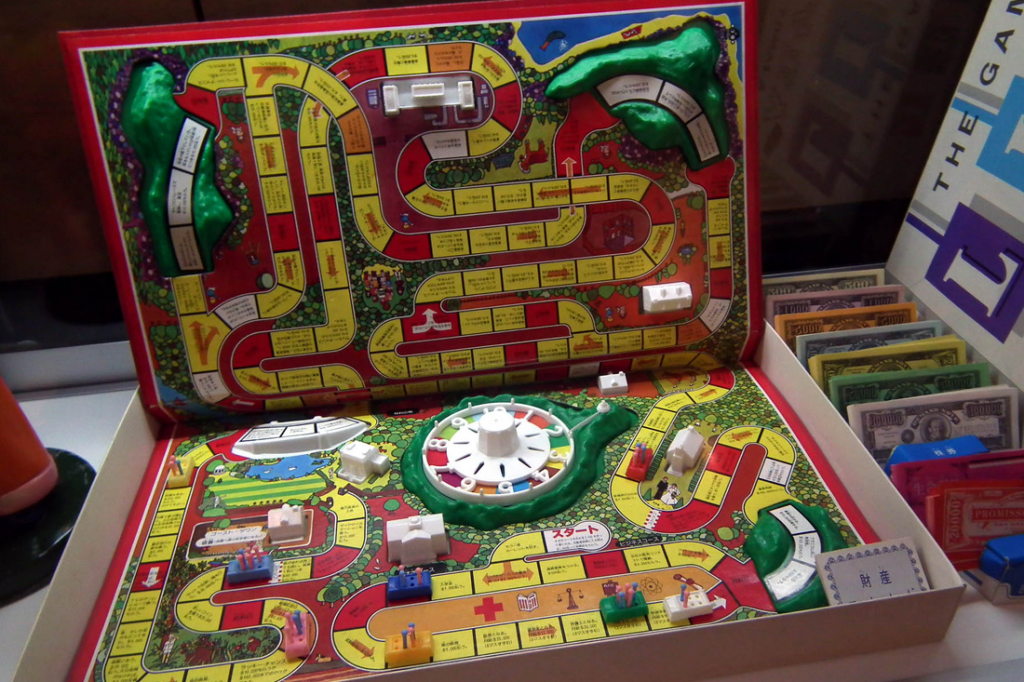
The Game of Life felt like a preview of adulthood, but with way more shouting. Choosing paths, spinning the wheel, and collecting money felt thrilling at first. Kids loved getting married and buying houses, even if they didn’t fully understand why. Parents secretly rooted for high-paying careers. Every stop along the board sparked commentary.
By the end, money totals mattered more than anyone expected. Losing felt strangely disappointing for a game about life. Players compared choices like they were real regrets. It turned family night into a playful but competitive reflection of grown-up success.
6. Connect Four
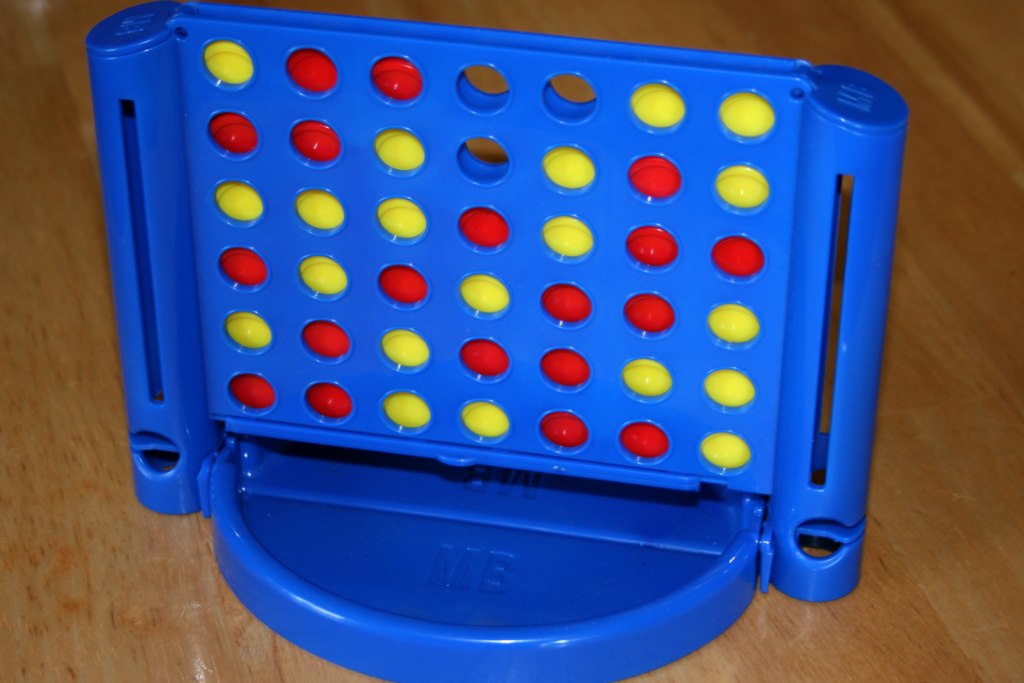
Connect Four looked simple, which made the losses sting even more. The rules took seconds to explain, but mastering the strategy took much longer. Kids learned quickly that thinking ahead mattered. Parents often underestimated how sharp their kids could be. Each dropped disc drew a collective gasp or groan.
The moment someone missed an obvious block was unforgettable. Games ended quickly, which encouraged endless rematches. Winning felt clean and decisive. Connect Four proved you didn’t need a big board to spark rivalry.
7. Battleship
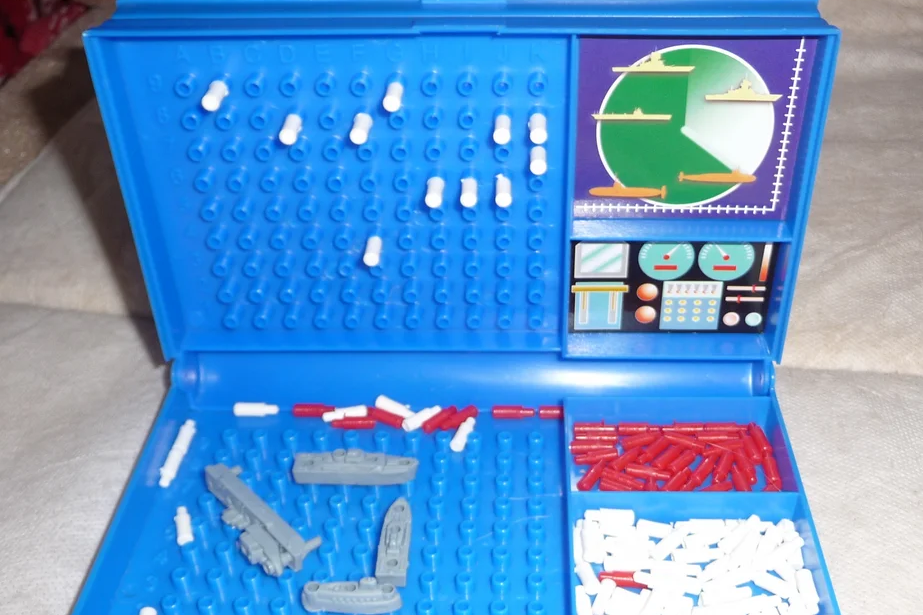
Battleship brought quiet tension to the table. Calling out coordinates felt serious, almost official. Kids loved the drama of a hit, especially when it came with sound effects. Parents stayed calm on the outside, even when their last ship was hanging on. The game rewarded memory and deduction.
Every miss felt frustratingly close. Sinking a battleship was a moment of pure triumph. Players leaned in, listening closely for reactions. Battleship made silence feel competitive.
8. Stratego
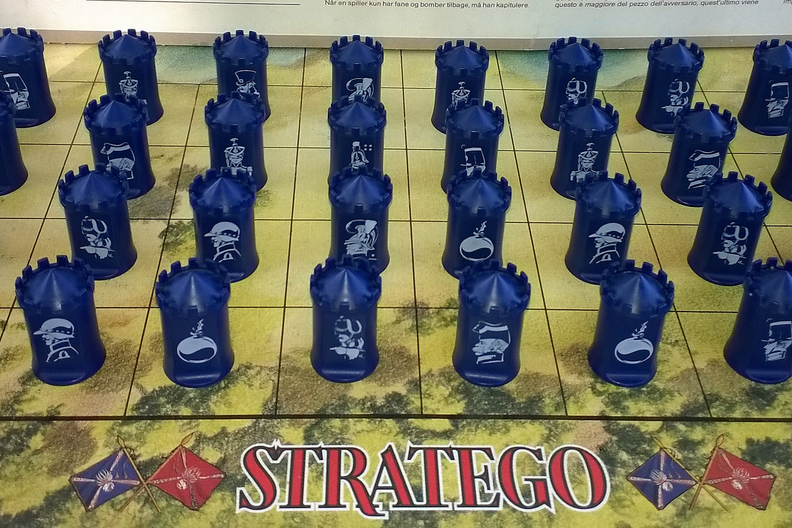
Stratego felt mysterious and intense from the moment the board was set up. Hidden pieces added a layer of suspense that other games didn’t have. Kids loved the idea of spies and secret ranks. Parents appreciated the strategy involved, even if it took a while to explain. Every move felt risky.
Reveals were dramatic, especially when a lower piece took out a stronger one. Bluffing became part of the fun. Losing a key piece could shift the entire mood of the game. Stratego rewarded patience and punished overconfidence.
9. Aggravation
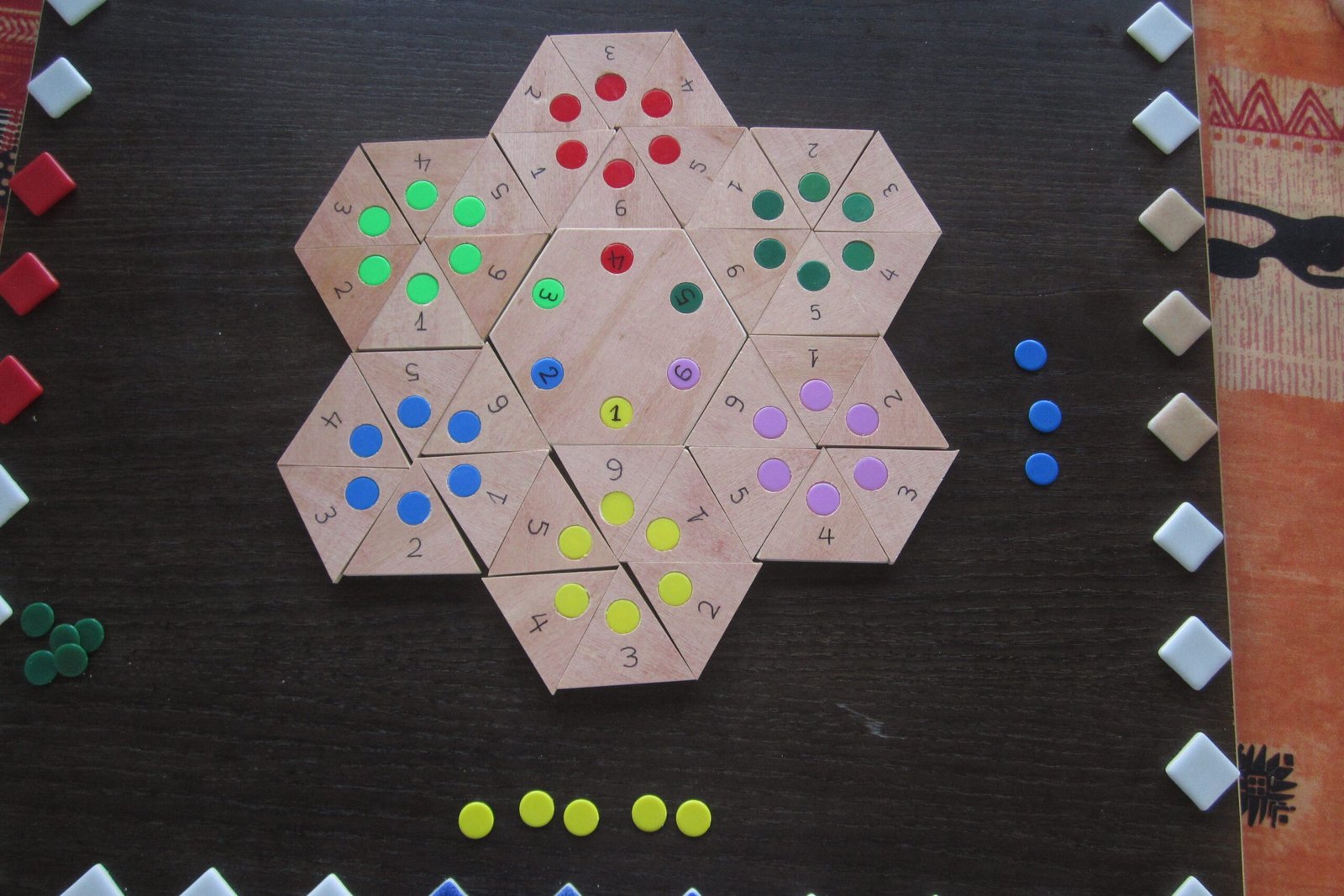
Aggravation lived up to its name in the most entertaining way. Marbles circling the board made every move feel visible and vulnerable. Sending someone back to start was always tempting. Kids loved the physical feel of the marbles clicking into place. Parents often groaned at unlucky rolls.
The game moved fast enough to keep everyone engaged. Competition stayed light, but still intense. Winning often came down to one roll of the dice. Aggravation balanced fun and frustration perfectly.
10. Mastermind
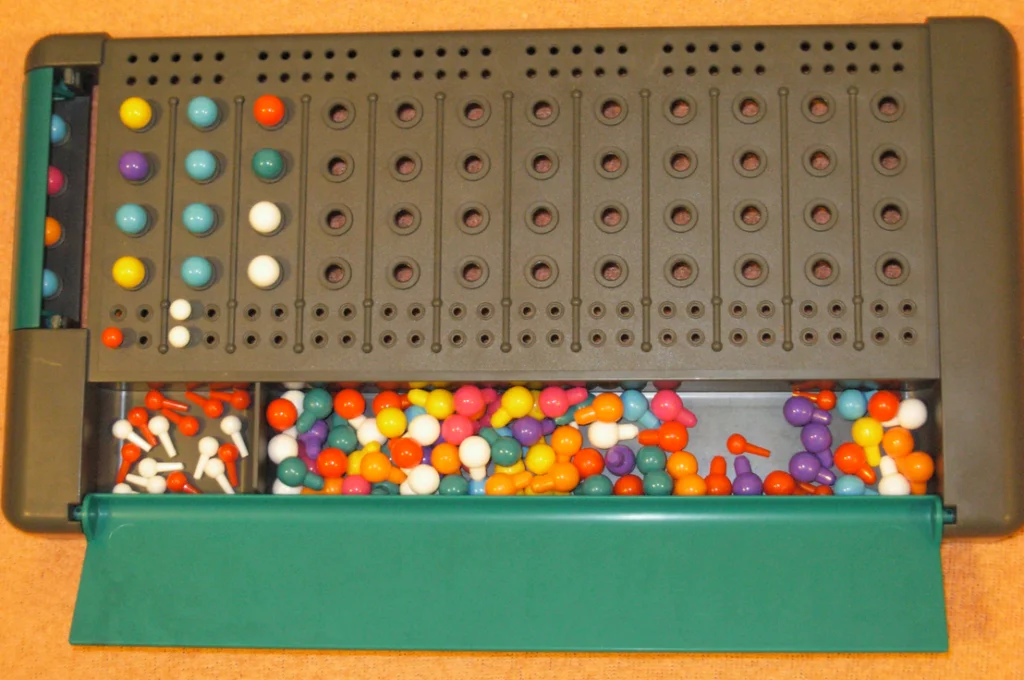
Mastermind turned family night into a battle of logic and deduction. The colorful pegs looked playful, but the game demanded serious thinking. Kids felt smart when they cracked a code. Parents enjoyed watching the reasoning process unfold. Each guess brought a mix of hope and doubt.
Silence often filled the room as players studied the board. A correct solution felt deeply satisfying. Losing usually came with a vow to do better next time. Mastermind made thinking feel competitive.
11. Pay Day

Pay Day made money management feel dramatic and oddly stressful. Bills piled up quickly, even in board game form. Kids loved payday bonuses and dreaded unexpected expenses. Parents laughed knowingly at the realism. Every turn felt like a small financial gamble.
Winning required timing and a little luck. The end of the month felt like a finish line. Players compared totals with serious expressions. Pay Day turned budgeting into a surprisingly competitive experience.
12. Trouble
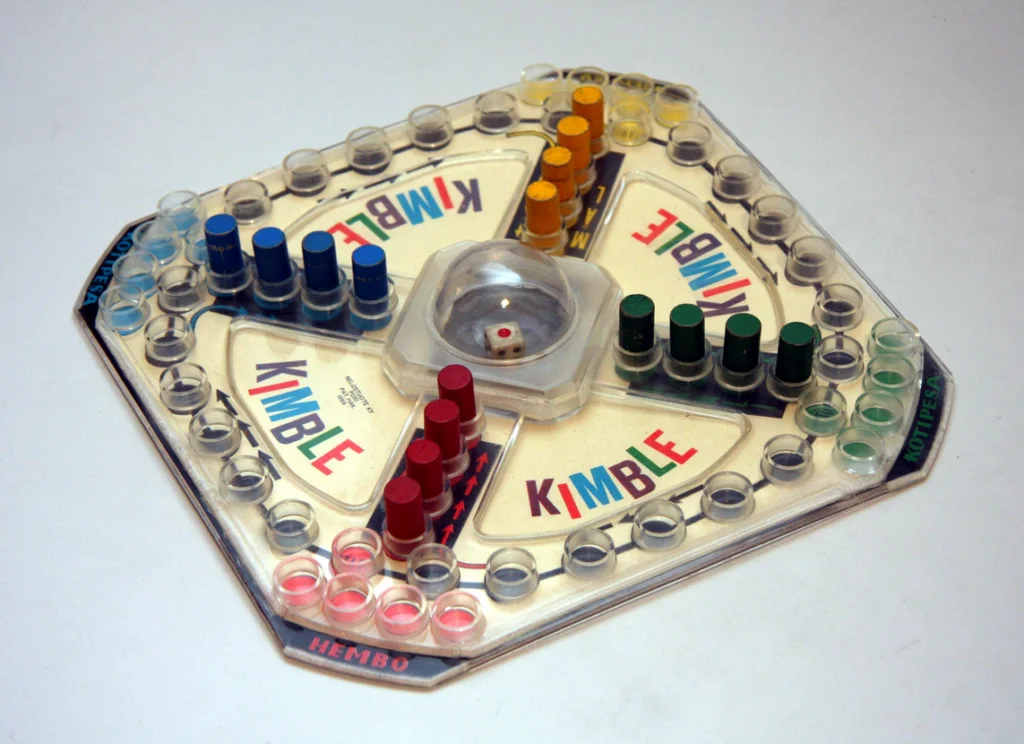
Trouble started with a pop and usually ended with laughter and mild outrage. Popping the dice bubble was irresistible. Kids loved the randomness, while parents pretended it didn’t drive them crazy. Sending pieces back home felt extra satisfying because it happened so fast. The game never stayed calm for long.
Rounds flew by, encouraging quick rematches. Winning didn’t feel strategic, but it felt exciting. Losing was usually blamed on the bubble. Trouble kept family nights loud, fast, and competitive.