
1. Sit on it!
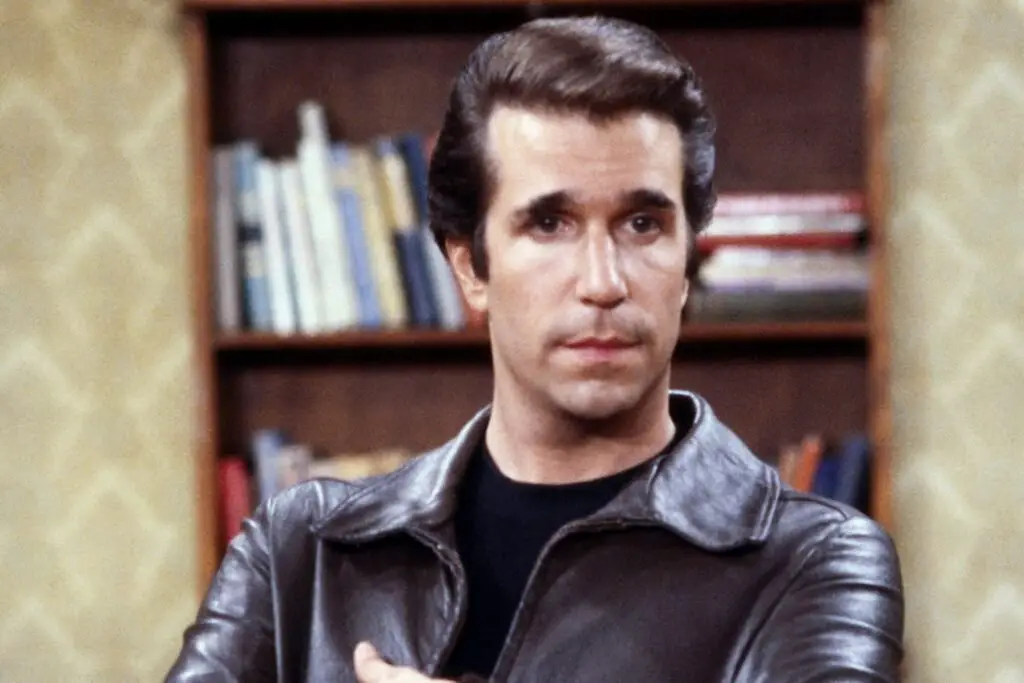
Anyone who watched Happy Days knew exactly what this meant the second it came out of someone’s mouth. It was Fonzie’s go to shutdown, sharp but somehow still playful. Kids repeated it without fully understanding why it worked so well, only that it did. It quickly became the ultimate comeback during sibling arguments.
At home, it was tossed around at the dinner table and during commercials with perfect comic timing. Parents often pretended to be annoyed while clearly recognizing it from the show. The phrase felt harmless enough to sneak past adult rules. It was less about the words and more about the attitude behind them.
2. Dy-no-mite!
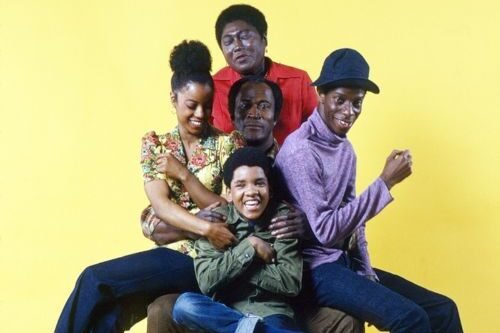
J.J.’s catchphrase on Good Times exploded out of the TV and into everyday life. The way he said it made even boring moments feel exciting. Kids shouted it when something went right, even if it was something small. It turned enthusiasm into a performance.
Before long, “Dy-no-mite!” became a household reaction to good news. Parents heard it echo through hallways and living rooms. It showed how TV could shape tone as much as language. The phrase carried joy, optimism, and a bit of swagger.
3. Kiss my grits!
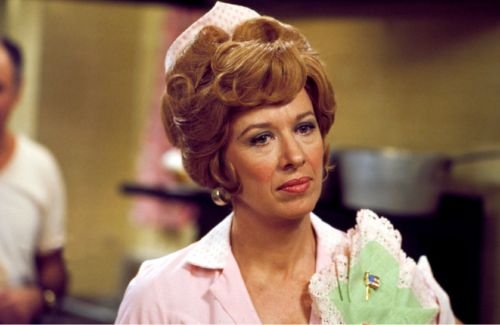
Mel’s favorite waitress on Alice delivered this line with just the right mix of sass and exhaustion. It sounded bold without being truly offensive. Viewers loved how it flipped power in everyday situations. The phrase felt rebellious but safe.
At home, it was often said with a wink or a laugh. Kids repeated it knowing it felt daring but usually got a pass. Parents recognized it instantly and sometimes rolled their eyes. It became shorthand for standing your ground.
4. Up your nose with a rubber hose!
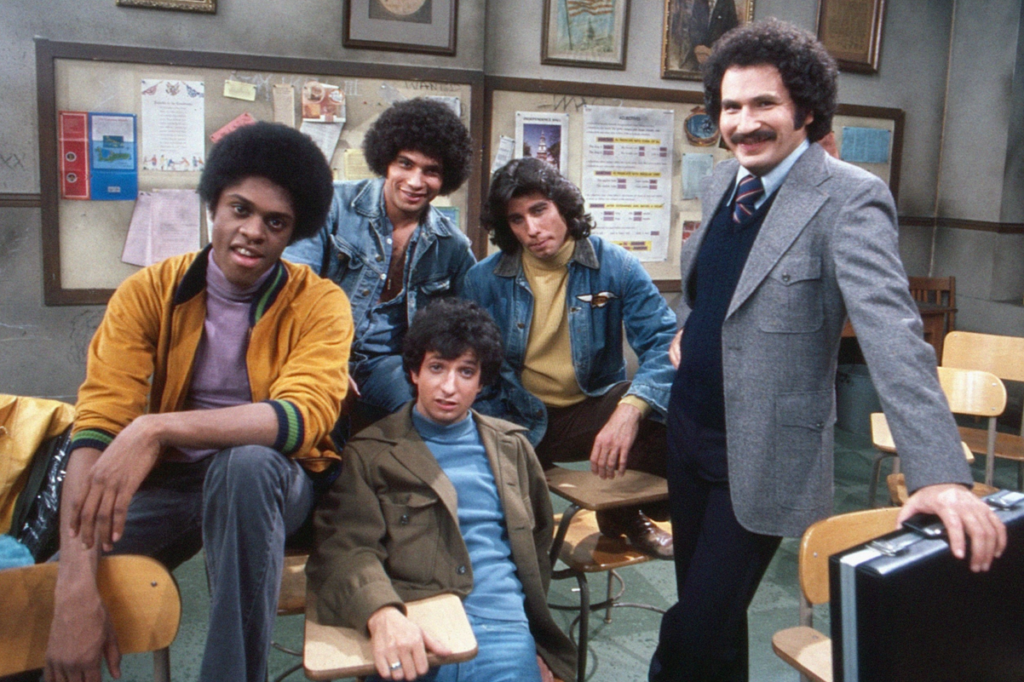
This line from Welcome Back, Kotter was pure classroom chaos energy. It sounded ridiculous, which made it irresistible. The phrase was long, silly, and impossible to say seriously. That was exactly the point.
Kids brought it home and used it whenever they wanted to be dramatic. Parents usually sighed, knowing where it came from. It rarely started real trouble because it was too absurd. The fun was in saying the whole thing without laughing.
5. Book ’em, Danno.
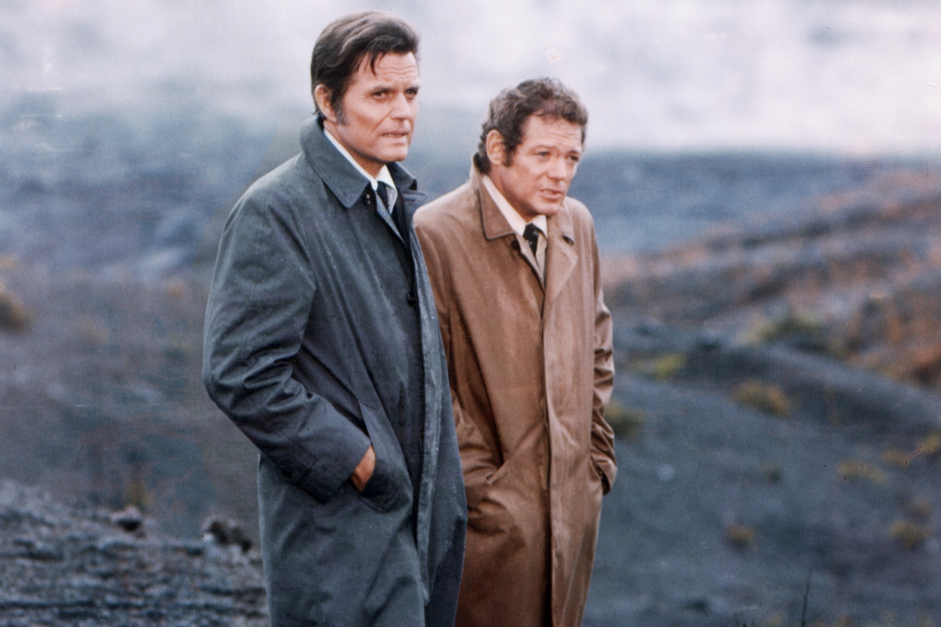
This was the line everyone waited for on Hawaii Five-O. It meant justice had been served and the episode was wrapping up. The phrase sounded official and powerful. Even kids understood it meant someone was in serious trouble.
At home, it became a joking threat during minor misbehavior. Parents used it when chores were ignored or rules were broken. Kids laughed because they knew it was pretend. The phrase made everyday discipline feel theatrical.
6. Good night, John-Boy.
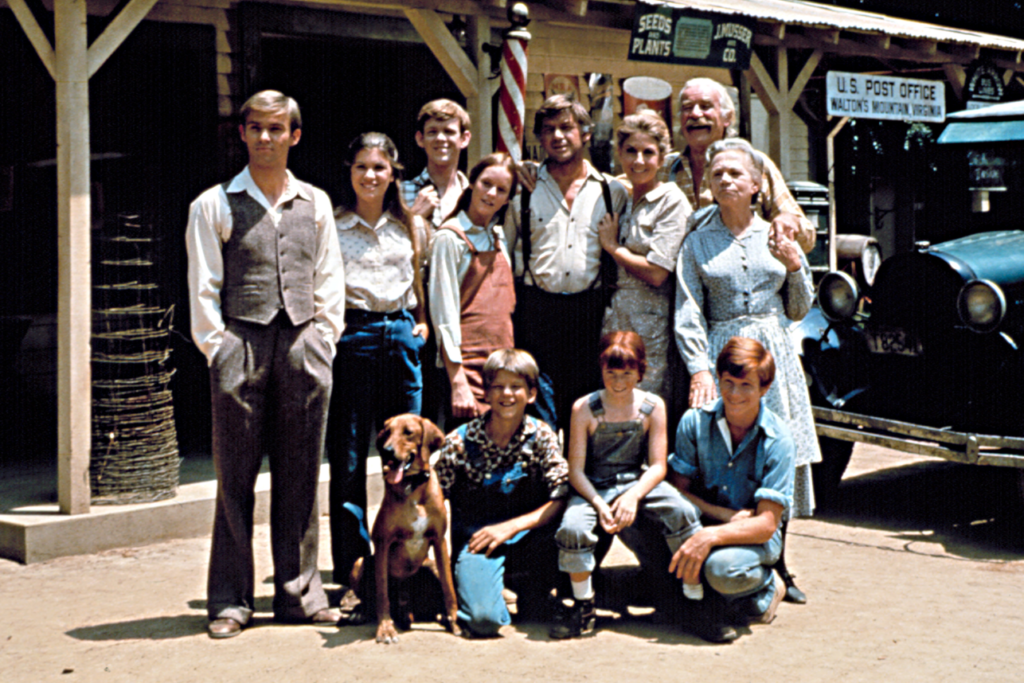
No line felt warmer than this one from The Waltons. It captured comfort, routine, and family closeness. Hearing it at the end of an episode felt like being tucked in. The phrase carried a sense of calm.
Families started using it as a ritual of their own. It was said down hallways and up staircases before bed. Parents appreciated its gentle tone. It became less of a quote and more of a habit.
7. Nanu Nanu.
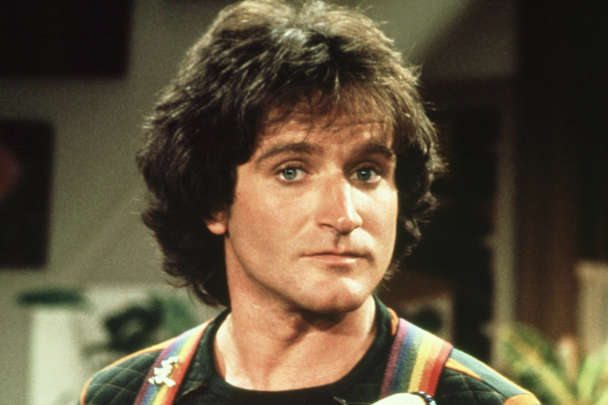
Mork & Mindy brought this alien greeting straight into American living rooms. It sounded strange but friendly, which made it easy to adopt. Kids loved saying it with exaggerated gestures. It felt like being in on a joke.
At home, it turned into a greeting, a goodbye, or just something silly to say. Parents might not have loved the nonsense, but they recognized the charm. The phrase encouraged playful imagination. It reminded everyone not to take things too seriously.
8. Sock it to me!
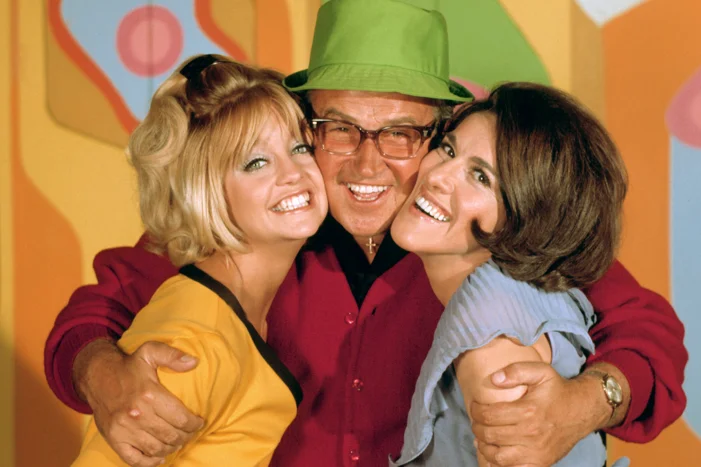
This phrase carried over into the ’70s thanks to reruns and continued popularity of Rowan & Martin’s Laugh-In. It was fast, punchy, and fun to shout. The words didn’t need much explanation. The energy did all the work.
People used it to hype each other up or tease playfully. It popped up during games and family gatherings. Parents remembered it from their own younger days. The phrase bridged generations without anyone realizing it.
9. I’m coming, Elizabeth!
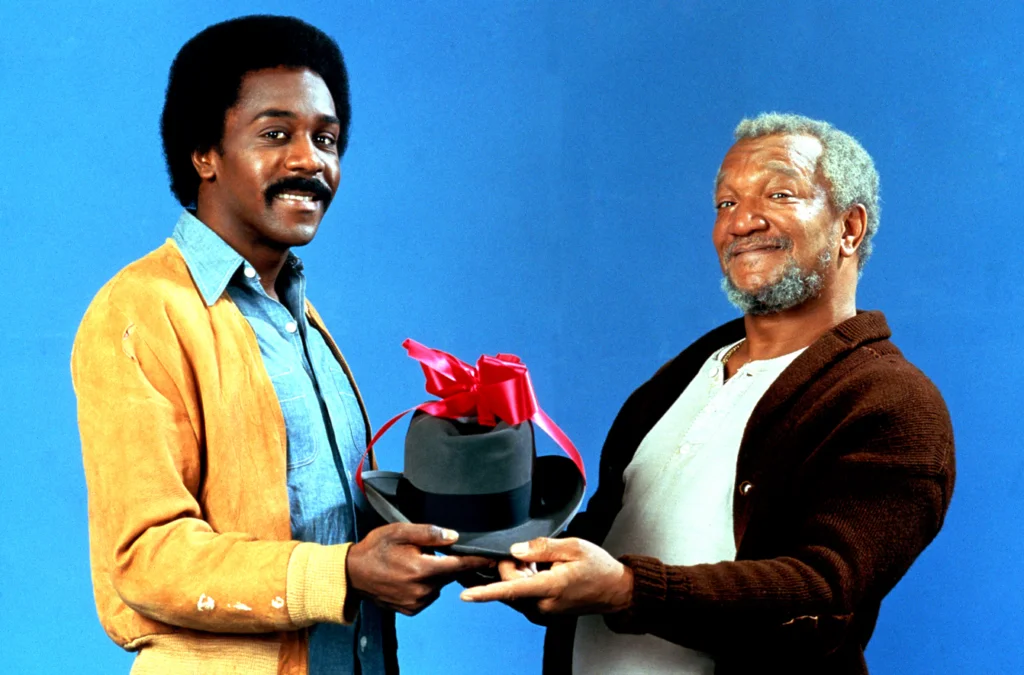
Fred Sanford’s dramatic line on Sanford and Son was impossible to forget. It was over the top in the best way. Even kids who didn’t fully understand the joke repeated it. The delivery mattered more than the meaning.
At home, it became a go to line for fake emergencies. Someone would sigh or clutch their chest for effect. Parents often laughed despite themselves. The phrase turned drama into comedy instantly.
10. Just one more thing.
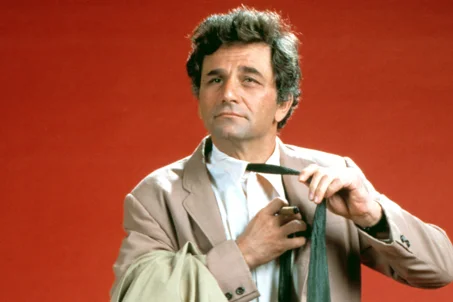
This quiet line from Columbo was deceptively powerful. It sounded polite but always signaled trouble. Viewers learned that nothing good followed it for the suspect. The calm delivery made it iconic.
At home, it was used playfully to extend conversations. Parents said it before adding another instruction. Kids learned to groan the moment they heard it. The phrase became a subtle warning wrapped in politeness.
11. The plane, the plane!
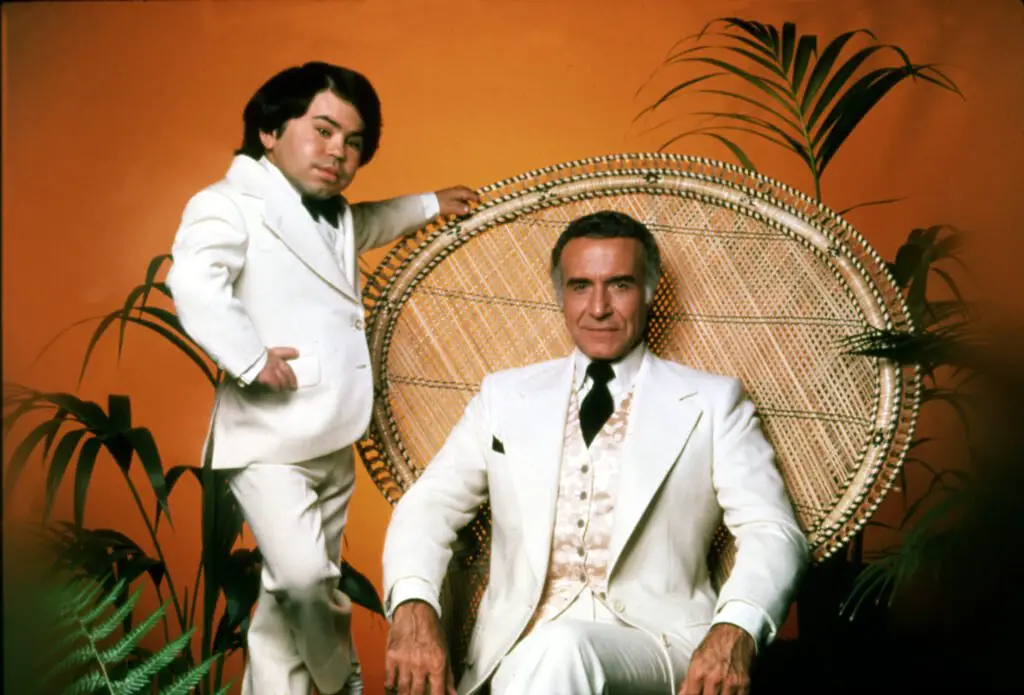
Hearing this line on Fantasy Island meant something strange was about to happen. It was short, repetitive, and instantly recognizable. Kids loved mimicking the excited tone. It felt like an announcement of adventure.
At home, it was shouted when someone arrived or when plans changed. Parents might not have known why it was funny, but they heard it often. The phrase carried a sense of anticipation. It turned arrivals into events.
12. Hey, hey, hey!
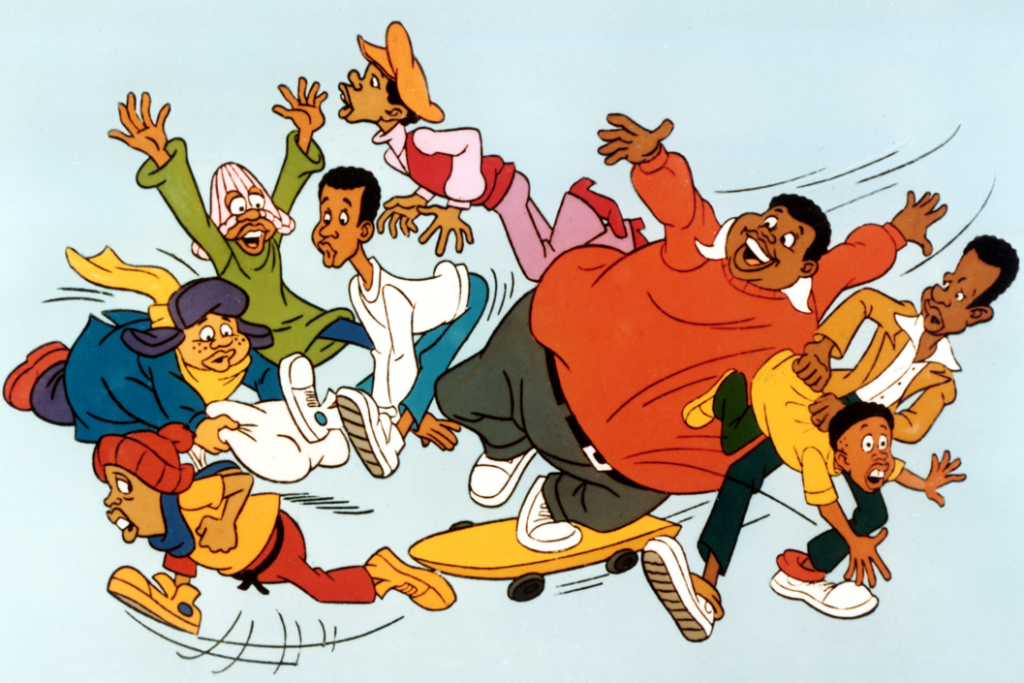
Fat Albert’s signature greeting from Fat Albert and the Cosby Kids was friendly and familiar. It felt welcoming and easy to repeat. Kids loved how casual it sounded. It was more about warmth than humor.
Families picked it up as a playful way to say hello. It worked in almost any situation. Parents didn’t mind because it felt harmless and upbeat. The phrase settled naturally into everyday conversation.