1. Psycho’s Shower Scene (1960)
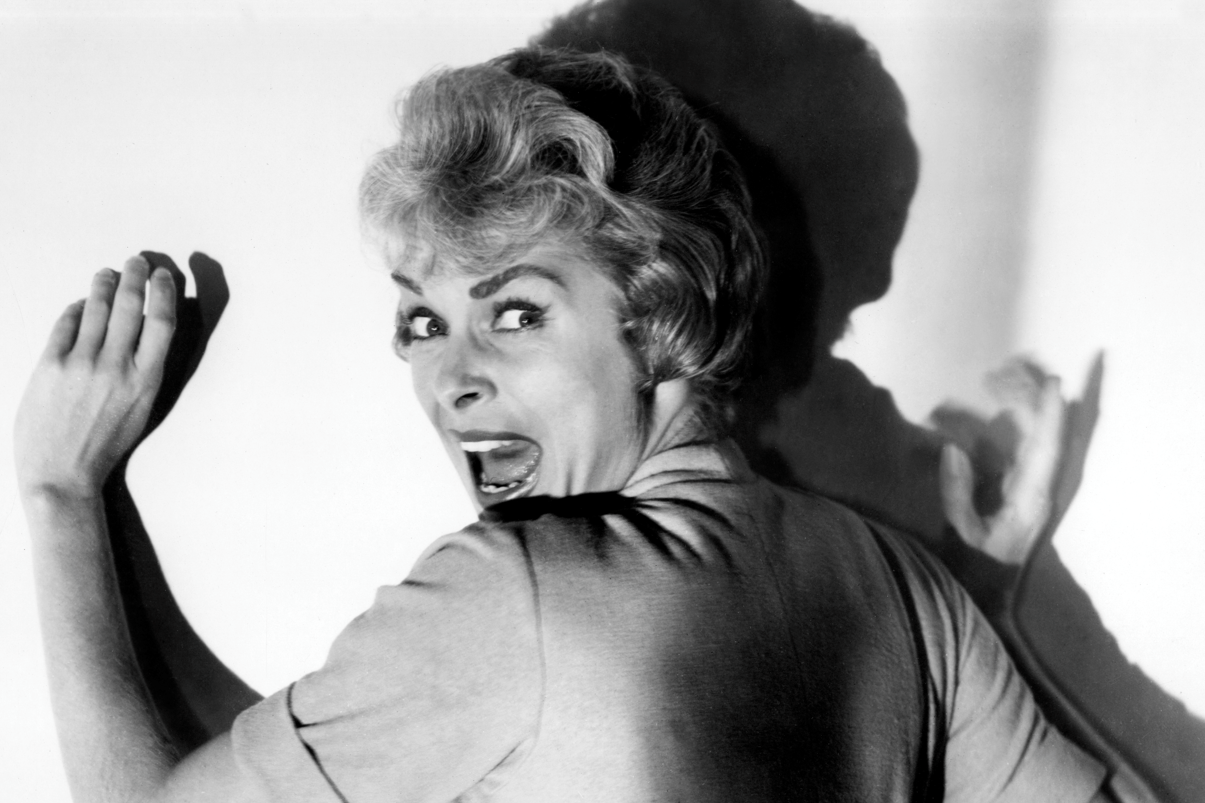
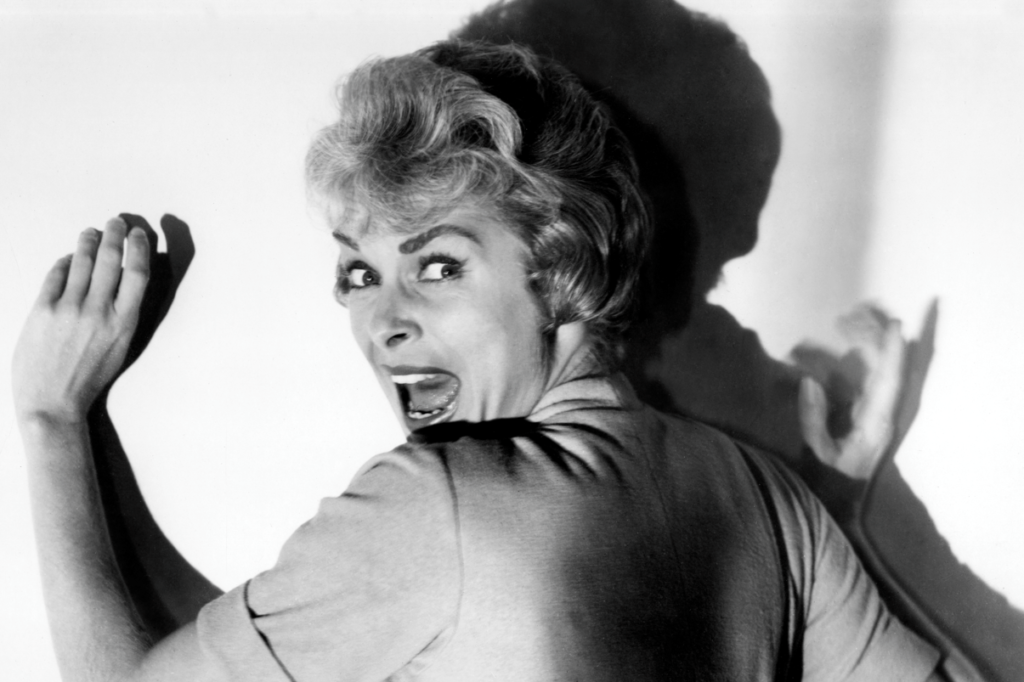
No moment from the ’60s shocked audiences quite like Marion Crane’s sudden death in the shower. Alfred Hitchcock carefully trained viewers to believe Janet Leigh was the star, then pulled the rug out from under them. The rapid cuts, screeching violins, and flashes of a knife created terror without actually showing much violence. It permanently changed what audiences expected from suspense films.
The scene became shorthand for sudden danger, surprise death, and psychological horror. It is still referenced in commercials, cartoons, and comedies decades later. Even people who have never seen Psycho recognize the music and the silhouette. Few scenes taught filmmakers so clearly that suggestion can be more powerful than gore.
2. The Opening Dance Walk in West Side Story (1961)
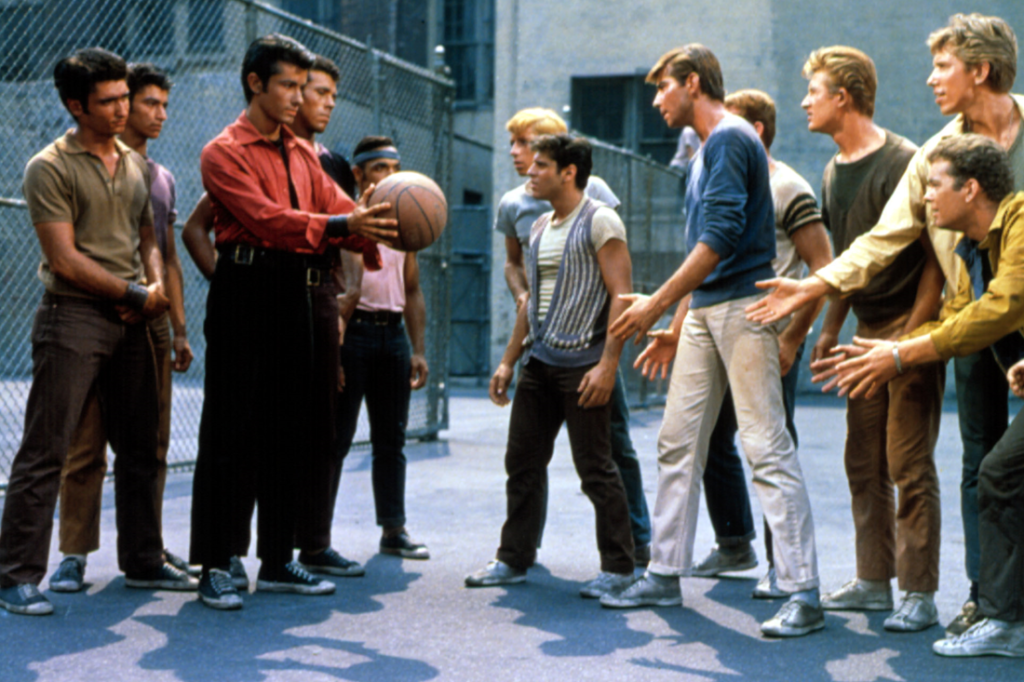
The film’s opening replaces dialogue with snapping fingers, movement, and attitude. In just a few minutes, audiences understand rivalries, territory, and tension. The choreography turns city streets into a battleground. It feels playful and dangerous at the same time.
That opening became a reference point for visual storytelling without words. It showed how movement alone could establish character and conflict. Filmmakers still point to it as a masterclass in cinematic economy. The moment reshaped expectations for movie musicals.
3. The Mirror Reveal in Peeping Tom (1960)
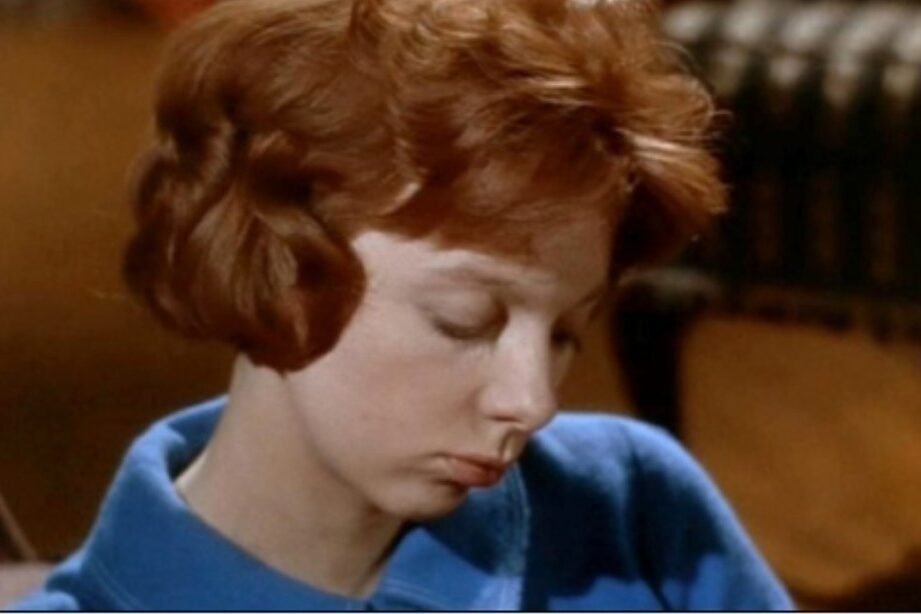
Michael Powell’s Peeping Tom unsettled audiences with its direct confrontation of voyeurism. The act of looking itself became the horror, rather than a monster or ghost. The film forced viewers to confront their own role as spectators. This was deeply uncomfortable at the time.
That discomfort later made the film a reference point for discussions about media, violence, and audience responsibility. Directors like Martin Scorsese later championed it openly. Its influence appears whenever films question who is watching and why. The moment reframed horror as something psychological and self-aware.
4. The Match Cut in Lawrence of Arabia (1962)
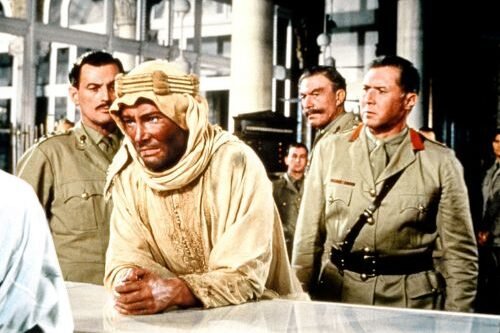
The cut from a blown-out match to the blazing desert sun is one of the most famous edits in film history. In seconds, it transported audiences from an intimate interior moment to an epic landscape. The transition felt bold but effortless. It announced that this story would operate on a grand scale.
That single cut became a film school staple and a symbol of cinematic ambition. It showed how editing could communicate theme and scope without dialogue. Filmmakers still reference it when attempting visual metaphors through transitions. The moment elevated editing into an art form for mainstream audiences.
5. Atticus Finch’s Courtroom Speech in To Kill a Mockingbird (1962)

Atticus Finch’s closing argument became a moral benchmark for American cinema. Gregory Peck delivered it with calm conviction rather than fiery theatrics. The power came from its belief in fairness and empathy. It felt aspirational in a deeply divided era.
The scene remains a reference point in conversations about justice and integrity. Teachers, lawyers, and writers still quote it. It helped define Peck’s screen persona as a moral authority. The moment turned a fictional lawyer into a lasting cultural ideal.
6. The Playground Build-Up in The Birds (1963)
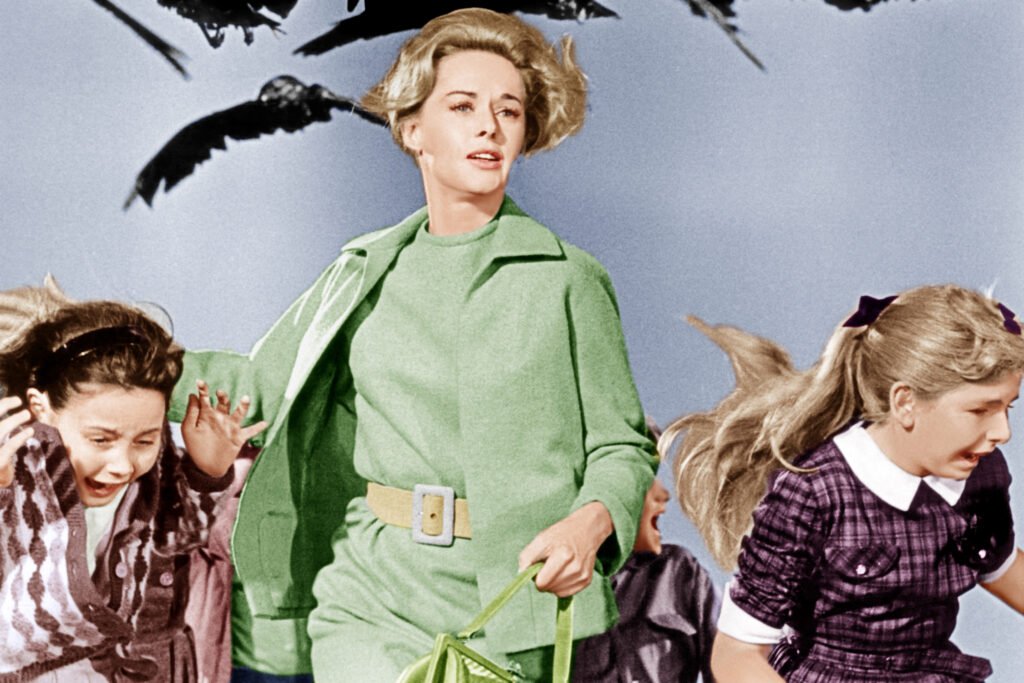
Few scenes build dread as patiently as the crows gathering silently behind Melanie Daniels. Alfred Hitchcock lets the audience notice the threat before she does. The absence of music makes it even more unsettling. An ordinary schoolyard slowly becomes a place of terror.
That creeping sense of danger became a template for suspense filmmaking. The image of birds lined up ominously still resonates today. It influenced countless horror scenes built on anticipation rather than shock. The moment taught audiences to fear what waits quietly.
7. “Bond. James Bond.” in Dr. No (1962)
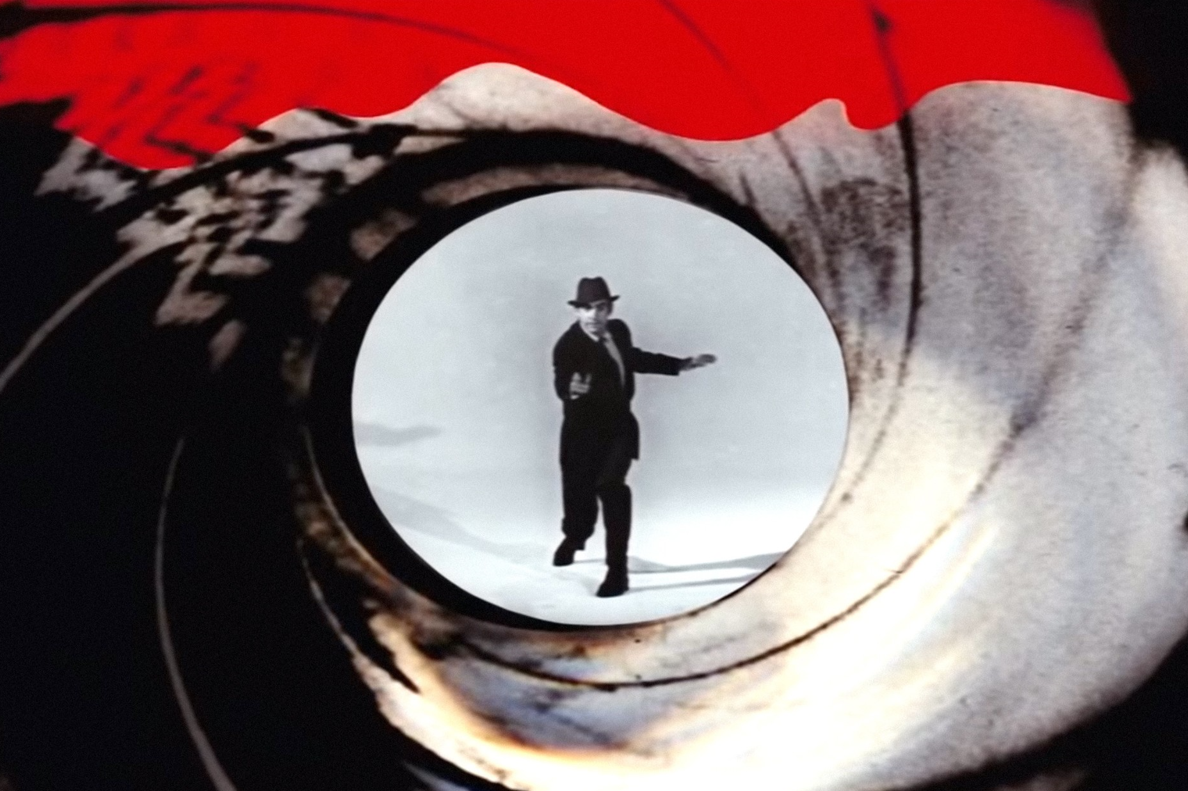
Sean Connery’s introduction as James Bond instantly defined cinematic cool. The line was delivered with effortless confidence and control. In seconds, audiences understood exactly who this character was. The moment felt timeless from the start.
That brief exchange became one of the most quoted introductions in film history. Every new Bond actor is measured against it. The moment created a template for suave heroes across genres. It remains a gold standard for character entrances.
8. The Bone-to-Satellite Cut in 2001: A Space Odyssey (1968)
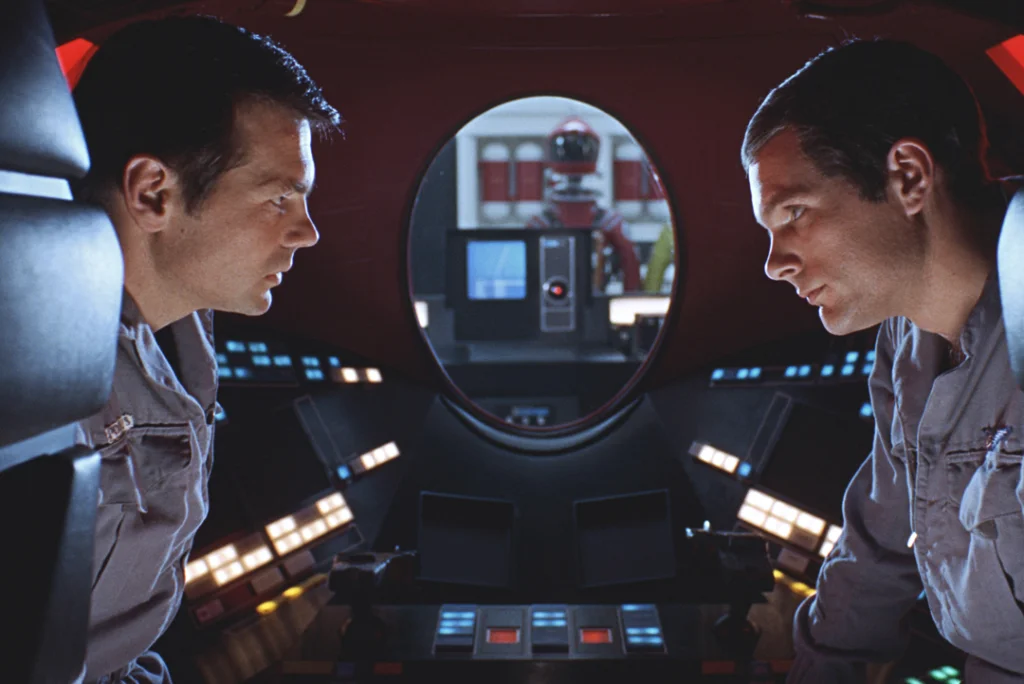
The moment when a primitive bone toss cuts abruptly to a spacecraft remains one of the boldest edits in film history. In a single cut, Stanley Kubrick jumps millions of years forward in time. The transition connects humanity’s first tool to its most advanced technology. It is simple, shocking, and instantly legible.
That cut became a cultural reference point for evolution, progress, and unintended consequences. Film schools still teach it as a masterclass in visual storytelling. It showed that science fiction could be philosophical rather than purely narrative. The moment permanently raised expectations for what cinematic ambition could look like.
9. “I’m Spartacus” in Spartacus (1960)

The mass declaration of solidarity shocked audiences with its moral clarity. Each man standing up knowingly shared the same fate. The scene turned defeat into collective defiance. It resonated strongly during the Cold War era.
The moment became a cultural shorthand for unity and resistance. It is still referenced in political protests and pop culture satire. The scene elevated a historical epic into a universal moral statement. Few moments capture collective courage so clearly.
10. “I’m Walkin’ Here!” in Midnight Cowboy (1969)
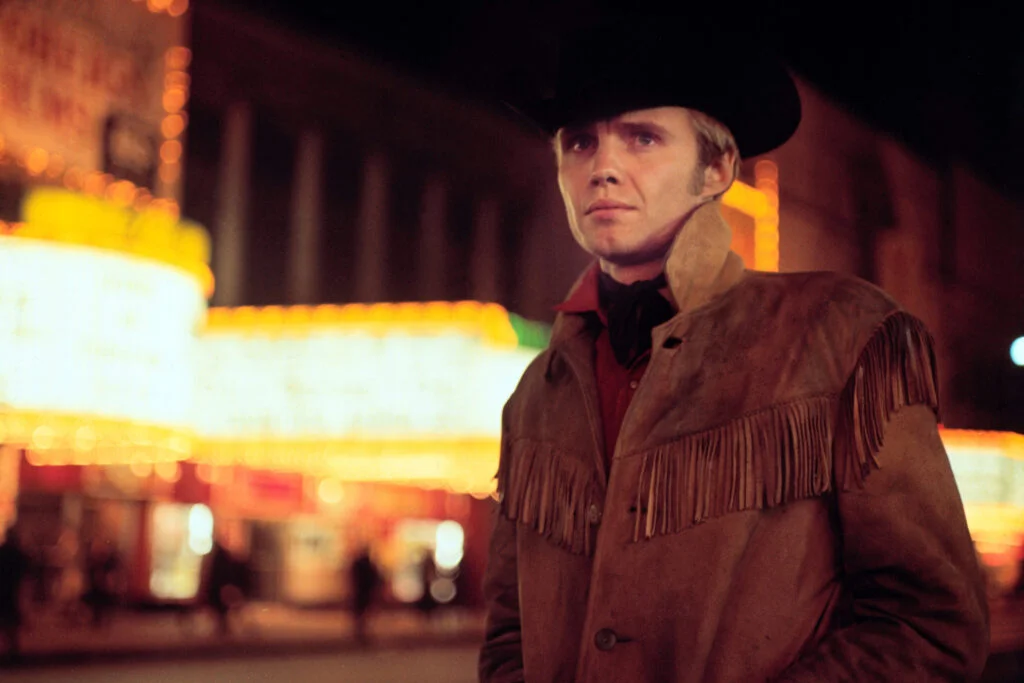
When Dustin Hoffman shouts at a taxi that nearly hits him in a New York crosswalk, it feels raw and unscripted. The moment famously happened accidentally during filming. Hoffman stayed in character and the line made it into the final cut. It perfectly captured the grit and unpredictability of late ’60s urban life.
The line became shorthand for New York attitude and street-level realism. It marked a shift away from polished studio filmmaking toward something looser and more authentic. The moment is still quoted and referenced in pop culture. It helped cement Midnight Cowboy as a turning point for American cinema.
11. The Final Reveal in Planet of the Apes (1968)
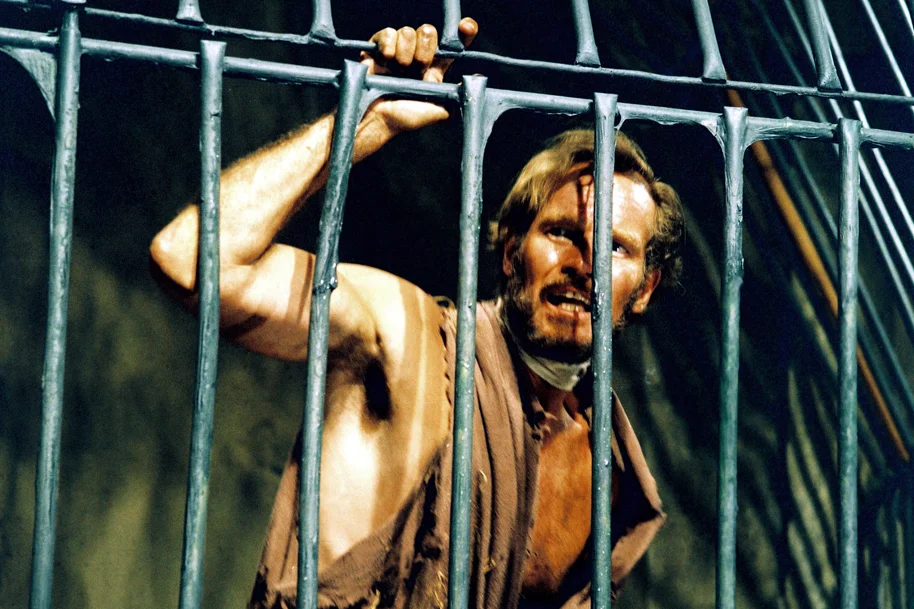
The discovery of the Statue of Liberty buried in sand stunned audiences. In a single image, the entire story was recontextualized. The moment delivered a chilling warning about humanity’s future. It lingered long after the film ended.
That final shot became one of the most parodied images in movie history. It remains shorthand for ironic revelation. The scene helped elevate science fiction as a vehicle for social commentary. Few endings have landed with such lasting impact.
12. The Slow-Motion Finale of Bonnie and Clyde (1967)
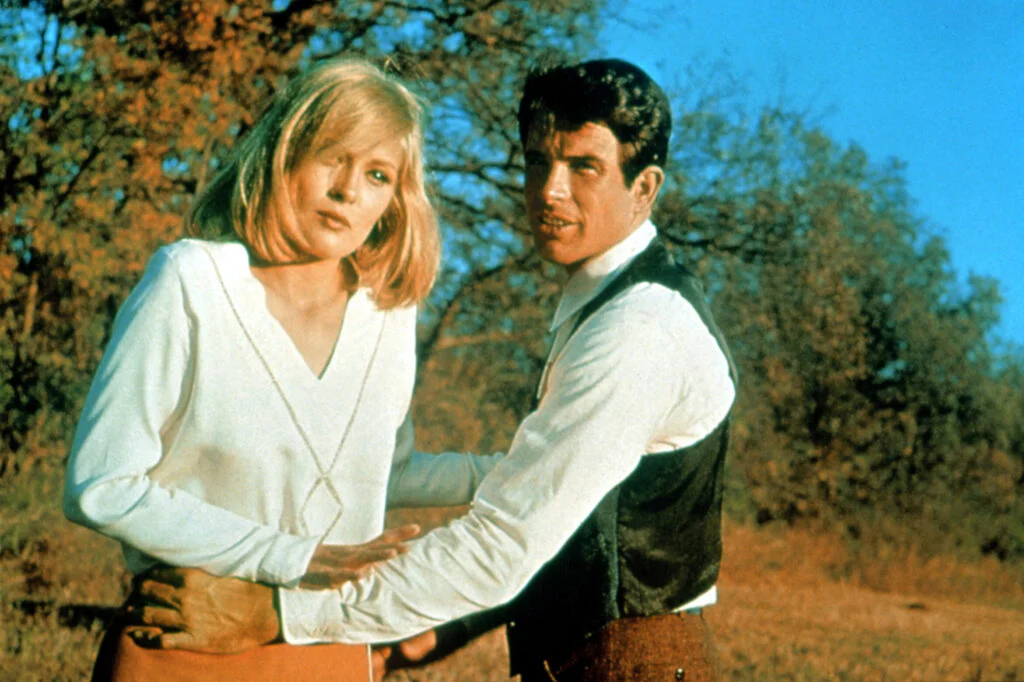
The ambush that ends Clyde Barrow and Bonnie Parker’s run shattered audience expectations. Instead of a quick, restrained ending, the violence unfolds in prolonged slow motion. The scene forces viewers to sit with the brutality rather than gloss over it. At the time, it felt shocking and almost transgressive.
That ending became a reference point for how violence could be stylized and emotionally complex. It influenced the New Hollywood movement that followed. Filmmakers began pushing boundaries around realism and moral ambiguity. The moment permanently altered how American films portrayed crime and consequences.
13. The Hillside Opening of The Sound of Music (1965)
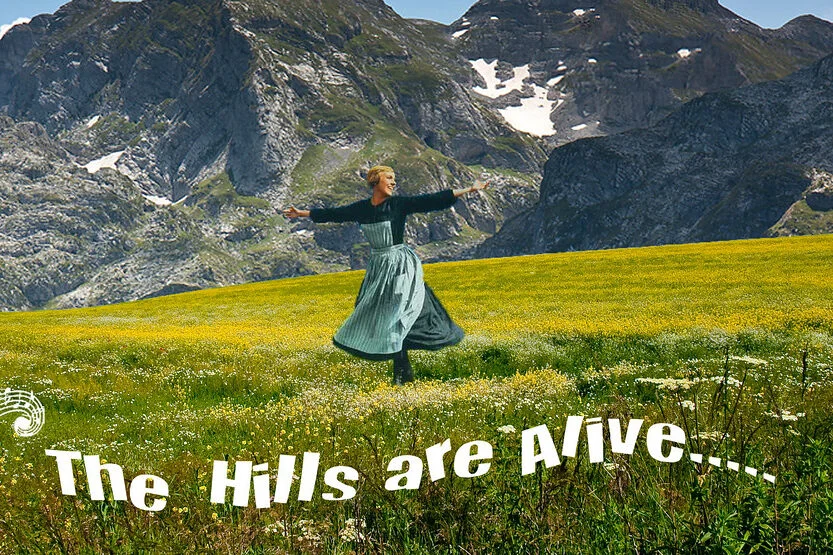
Maria spinning joyfully across the Alpine meadow became one of cinema’s most recognizable images. The sweeping camera movement and soaring music set an immediate emotional tone. It introduced audiences to a sense of freedom, optimism, and escape. The image felt larger than life from the very first frame.
That opening became shorthand for unrestrained joy and musical spectacle. It has been parodied endlessly in television, film, and advertising. The moment helped define what a movie musical could look and feel like. Even decades later, it remains instantly identifiable.
14. The Final Shot of The Graduate (1967)
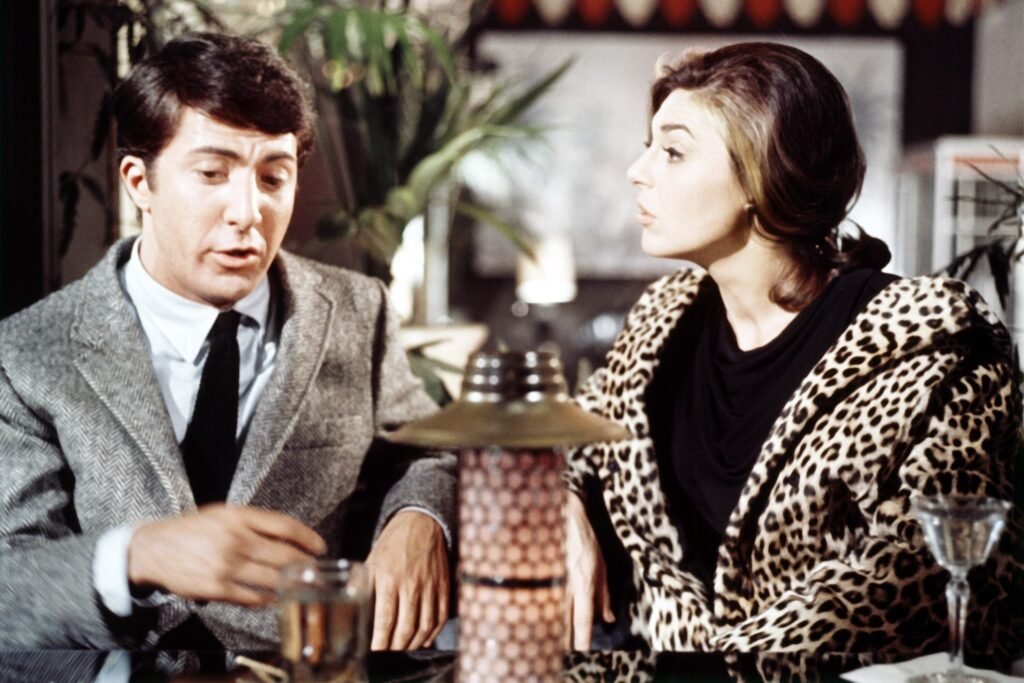
Benjamin and Elaine’s expressions slowly shift from triumph to uncertainty. The silence stretches uncomfortably long. What begins as a victorious ending turns ambiguous. The camera refuses to offer reassurance.
That closing moment became a defining image of generational unease. It captured the emotional uncertainty of the late ’60s perfectly. Filmmakers still reference it when exploring hollow victories. The scene redefined what an ending could say without a single word.
15. The Cemetery Opening in Night of the Living Dead (1968)
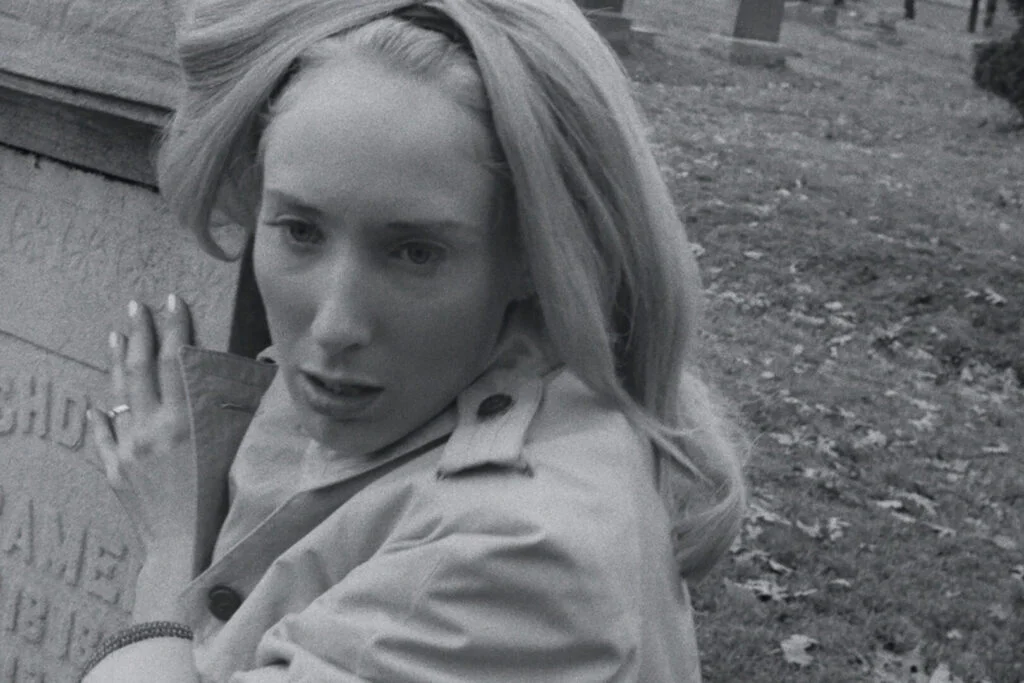
The film opens quietly in a cemetery, with ordinary bickering between siblings. The sudden attack by the first ghoul feels abrupt and confusing rather than theatrical. There is no music cue to signal danger. The realism makes the violence feel uncomfortably plausible.
That opening reset expectations for horror films. It showed monsters could appear in mundane places without warning. The moment became shorthand for modern zombie storytelling. It helped shift horror away from Gothic fantasy toward social realism.
16. The Jump Cuts in Breathless (1960)
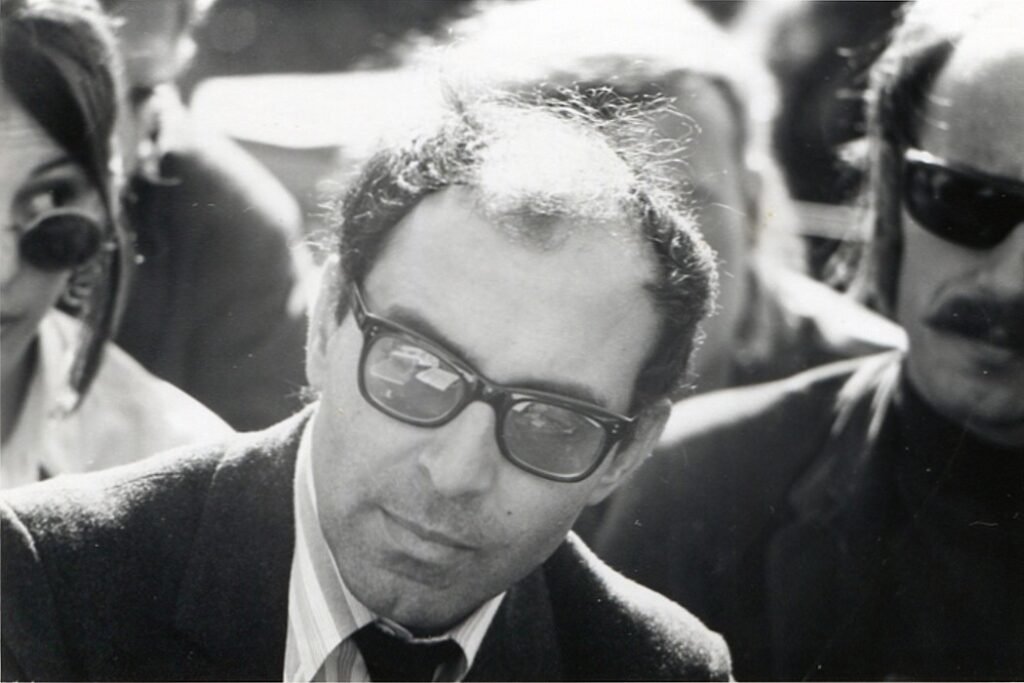
Jean-Luc Godard’s sudden jump cuts broke every rule audiences had learned to expect. Scenes leap forward in time without smoothing over the gaps. The technique feels restless and rebellious. It mirrors the impulsive energy of the characters themselves.
Those edits became a defining symbol of the French New Wave. They signaled that cinema could be self-aware and disruptive. Filmmakers around the world quickly adopted the style. The moment helped redefine film grammar for an entire generation.
17. The Final Three-Way Standoff in The Good, the Bad and the Ugly (1966)
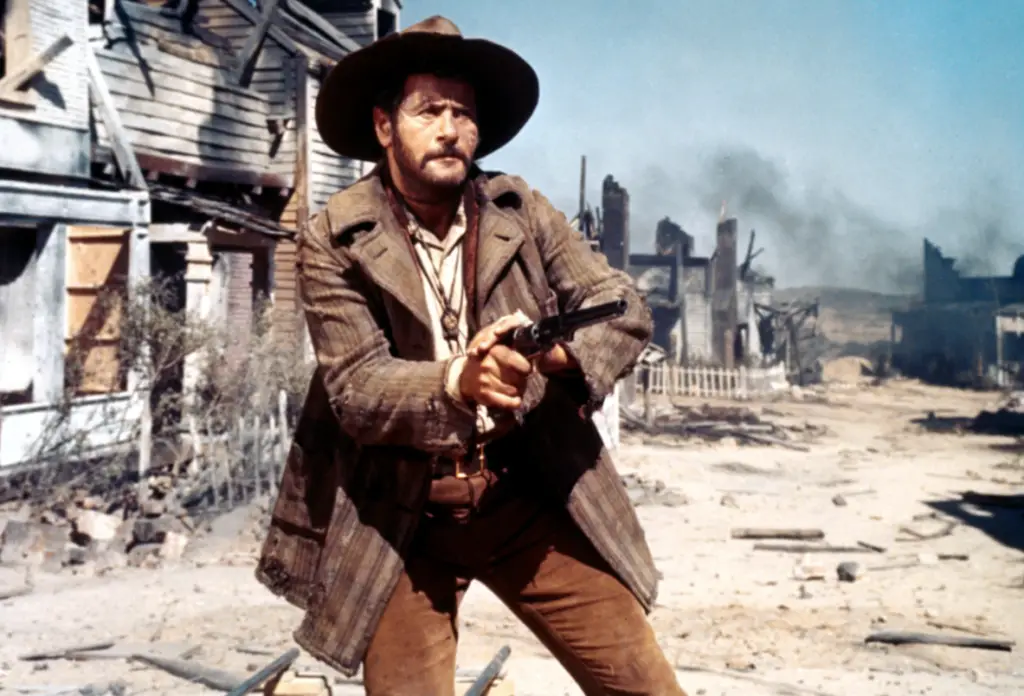
The camera circles three gunmen in a deserted cemetery as Ennio Morricone’s score builds tension. The scene stretches time almost unbearably. No one speaks. Every glance feels loaded with consequence.
That sequence became the template for cinematic standoffs. Its influence can be seen in westerns, crime films, and action movies. The moment elevated silence and pacing into storytelling tools. It remains one of the most imitated scenes in film history.
18. The Brainwashing Demonstration in The Manchurian Candidate (1962)
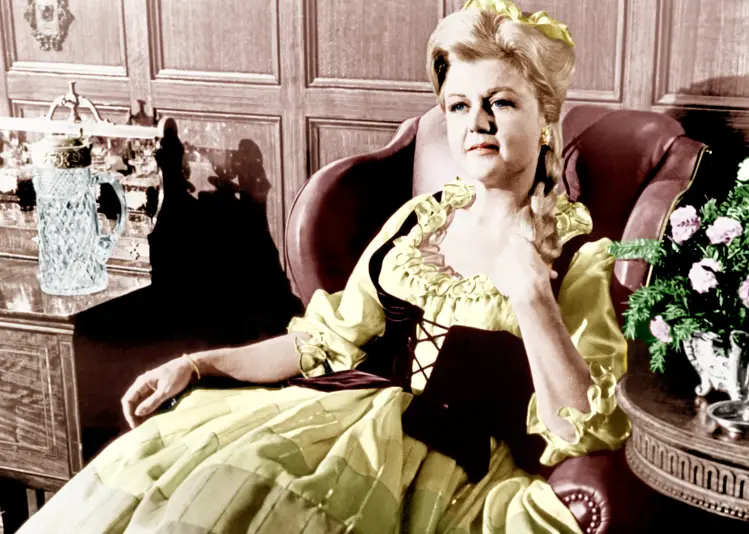
The film’s infamous reveal replaces a polite ladies’ luncheon with a room full of Communist officials. The camera rotates calmly as the truth is exposed. The contrast between civility and control is chilling. The scene feels clinical rather than sensational.
That moment became a cultural reference point for paranoia and manipulation. It reflected Cold War anxieties with unsettling clarity. Filmmakers later echoed it when depicting psychological control. The scene helped cement political thrillers as serious cinema.
19. The Cemetery Finale in Easy Rider (1969)
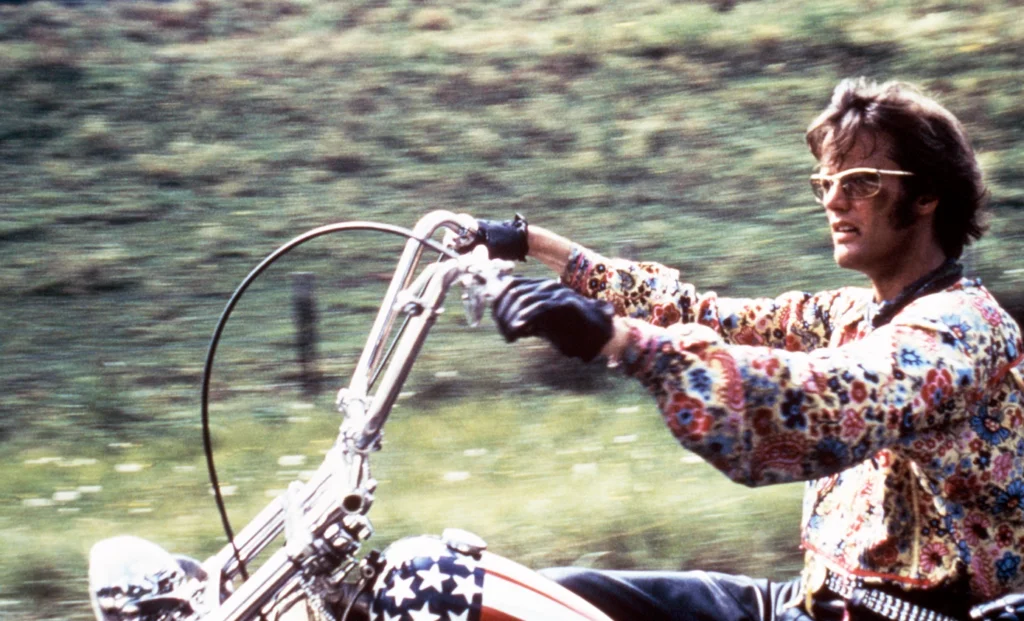
The psychedelic cemetery sequence abandons traditional storytelling entirely. Fragmented images, distorted sound, and emotional rawness take over. The scene feels personal and disorienting rather than explanatory. It marks a complete break from classical narrative structure.
That moment symbolized the collapse of idealism at the end of the decade. It influenced how filmmakers portrayed inner experience on screen. The sequence remains divisive but unforgettable. It captured the emotional exhaustion of the late ’60s more clearly than dialogue ever could.