1. Saturday Morning Chores Before Anything Fun
Weekends in the ’70s rarely started with sleeping in. Kids knew that Saturday morning meant chores, usually before cartoons or heading outside. Beds were made, trash was taken out, and lawns were mowed without much debate. Parents treated these tasks as nonnegotiable and oddly comforting. There was pride in finishing early and earning the rest of the day.
Those chores quietly taught structure and responsibility. Families often worked side by side, even if no one was thrilled about it. By late morning, the house felt reset for the weekend. Only then did the day truly open up. Fun felt earned, not automatic.
2. Grocery Shopping as a Family Event

Weekend grocery trips were rarely solo errands. One parent drove while kids tagged along, sometimes pushing the cart or bagging items. Lists were handwritten and followed closely, with very few impulse buys. Familiar aisles and brand loyalty made trips predictable.
These outings doubled as lessons in budgeting and patience. Kids learned prices, comparisons, and the quiet rules of public behavior. It was also a chance to bump into neighbors and chat. The store felt like part of the community. By the time groceries were unloaded, the weekend rhythm was already set.
3. Sunday Dinner at the Same Time Every Week

Sunday dinner had a near-sacred time slot. Whether it was early afternoon or early evening, everyone knew when to be home. Meals were heartier than weekday dinners and often took longer to prepare. The table was set properly, not rushed.
Conversation unfolded without distractions from phones or screens. Stories from the week were shared in full. Seconds were common and dessert felt expected. The meal signaled the winding down of the weekend. It gently pointed the family back toward the coming week.
4. Visiting Relatives Without Calling First
Dropping by relatives was normal and rarely announced. A car pulling into the driveway was more exciting than intrusive. Coffee went on automatically and chairs were pulled up. Kids disappeared together while adults talked.
These visits reinforced extended family bonds. Time was unstructured and often stretched longer than planned. No one checked the clock constantly. Leaving felt informal and easy. The habit made family feel accessible, not scheduled.
5. Yard Work as a Group Activity
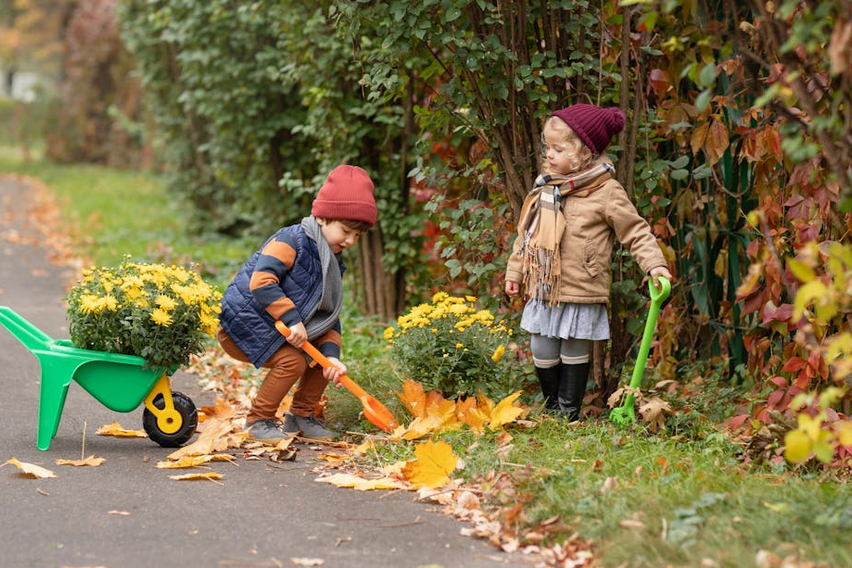
Weekends meant the yard got attention. Leaves were raked, hedges trimmed, and gardens tended together. Kids were given small but real tasks, not pretend ones. There was an expectation of participation.
Work blended with conversation and occasional complaints. Music from a radio sometimes filled the background. Finishing brought a shared sense of accomplishment. The yard became a visible sign of family effort. It was work, but it belonged to everyone.
6. Saturday Night Board Games

Saturday nights often stayed close to home. Board games came out after dinner and stayed out for hours. Rules were taken seriously and house rules were defended fiercely. Winning mattered, sometimes too much.
These games taught patience and good sportsmanship in imperfect ways. Arguments happened but resolved quickly. Laughter usually won out in the end. The ritual replaced going out with staying together. It made weekends feel special without much expense.
7. Watching the Same TV Shows Together

Television schedules shaped weekends. Families planned around specific shows and watched them together in real time. Missing an episode meant waiting for reruns, so attendance mattered. The living room filled up quickly.
Commercial breaks became conversation breaks. Parents and kids reacted together to the same scenes. Shared references carried into the following week. Television became a collective experience, not a private one. It quietly synchronized family time.
8. Weekend Baking Projects
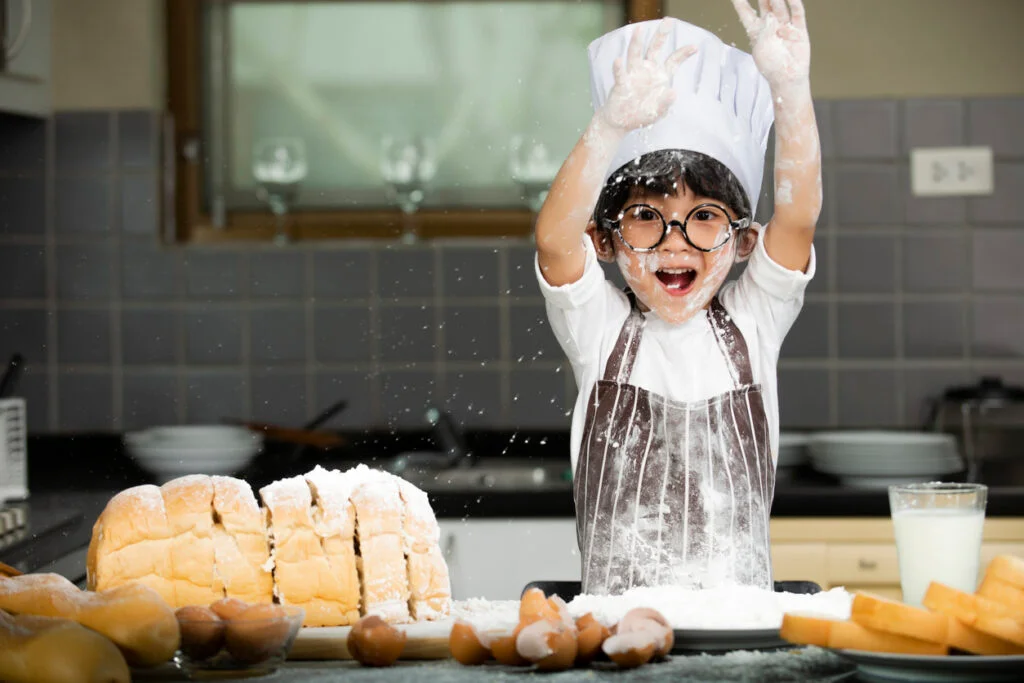
Baking happened when there was time to linger. Cookies, bread, or cakes were often weekend projects. Kids helped measure, stir, and sneak tastes. Flour on the counter felt normal.
These projects slowed the pace of the day. Recipes were familiar and rarely experimental. The smell filled the house for hours. Finished treats were shared or saved for the week. Baking became both task and reward.
9. Cleaning the House All at Once

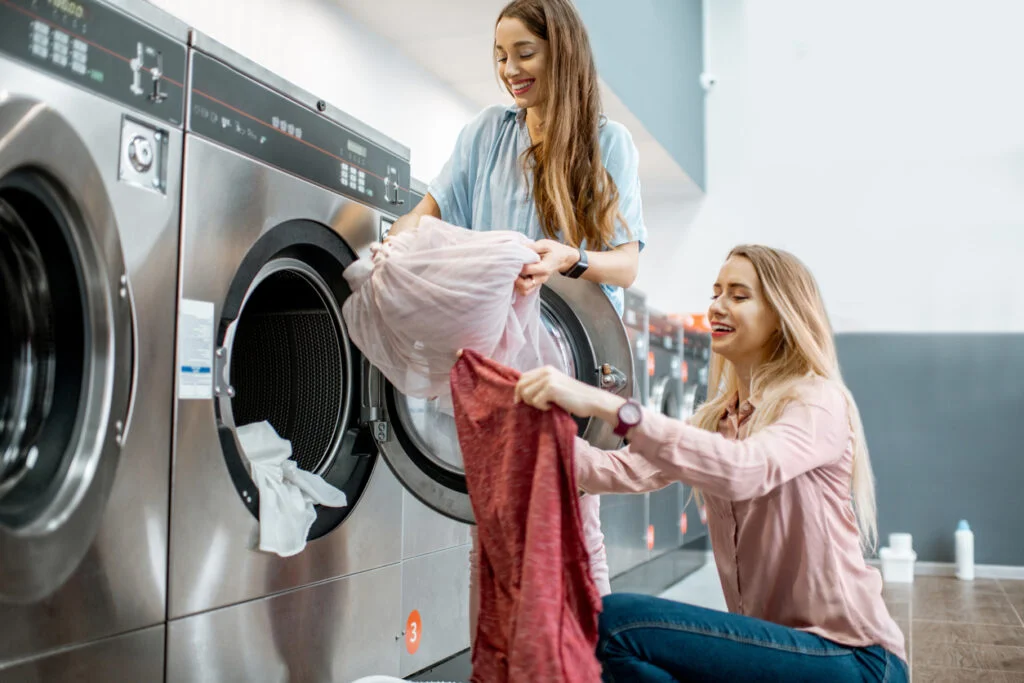
Instead of small daily cleanups, families often tackled cleaning in one stretch. Saturdays were common for this reset. Vacuums ran, bathrooms were scrubbed, and laundry piled up. Everyone had an assignment.
The work was tiring but efficient. Once finished, the house stayed clean for days. This made the rest of the weekend feel lighter. Order created calm. It was a system that made sense at the time.
10. Running Errands in a Set Order

Weekend errands followed a familiar route. Gas station, bank, hardware store, then home. Kids knew the order by heart. Detours were rare and sometimes unwelcome.
This predictability reduced stress. Parents moved with purpose and efficiency. Kids learned how adult responsibilities worked. Errands became part of the family routine, not interruptions. They gave structure to otherwise open days.
11. Outdoor Play Until Dinner Time

Weekends gave kids longer stretches outside. Once chores were done, they stayed out until called in. Bikes, balls, and imagination filled the hours. Parents checked in occasionally but trusted the system.
This habit gave adults quiet time indoors. Kids learned independence and time awareness. Coming home hungry was expected. Dinner marked the end of the day’s freedom. The rhythm felt natural and understood.
12. Sunday Afternoon Naps

After Sunday dinner, the house often went quiet. Parents napped on couches or chairs. Kids were told to read or rest, even if sleep did not come. Noise was kept low.
These naps reset energy before the week. They also signaled that the weekend was easing toward its close. The pause felt communal. Everyone slowed down together. It was rest without guilt.
13. Preparing Clothes for the Week Ahead
Sunday evenings included laying out clothes. School outfits were chosen and set aside. Shoes were located and sometimes polished. This reduced morning chaos.
The ritual created a sense of readiness. Kids learned to think ahead. Parents felt more in control of Monday. The week no longer felt like a surprise. Preparation became a quiet form of care.
14. Reading the Newspaper Together

Weekend mornings often included a shared newspaper. Sections were divided up or read aloud. Kids scanned comics while adults focused on headlines. Coffee cups stayed close.
This habit connected families to the outside world. It sparked conversations about events and opinions. Reading together slowed the morning. News became something to discuss, not just consume. It grounded the weekend in reality.
15. Early Bedtimes on Sunday Night

Sunday nights ended earlier than Saturdays. Baths, pajamas, and lights out came on schedule. There was little resistance because it was expected. Monday loomed clearly.
This habit eased the transition back to routine. Sleep felt practical, not punitive. Parents valued calm over extending the weekend. Ending early protected the week ahead. Structure quietly returned right on time.