
1. Prince
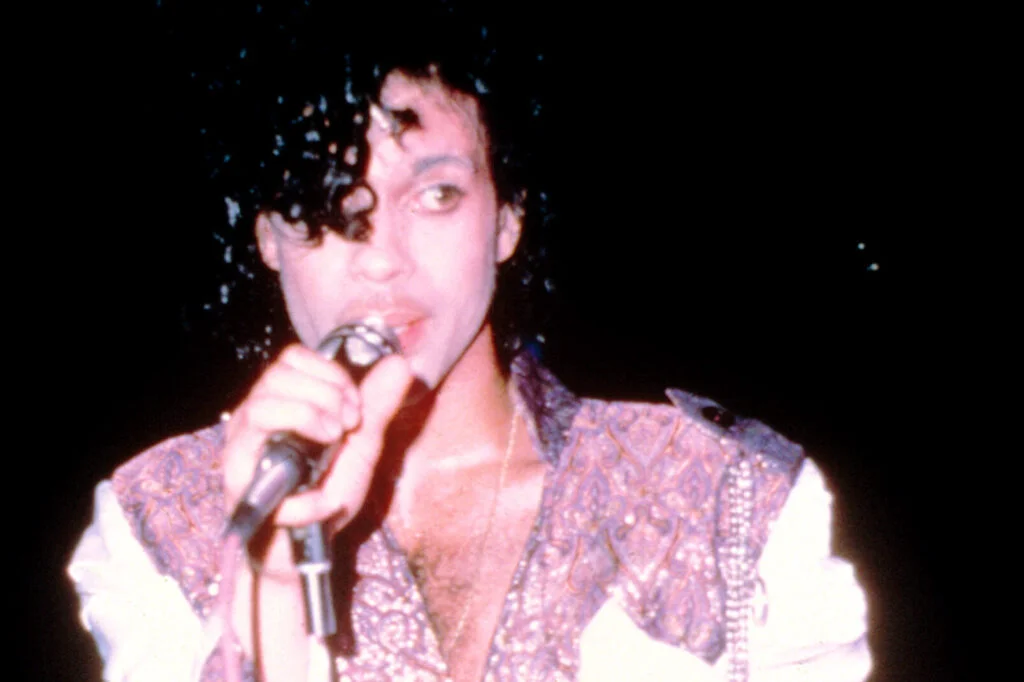
Prince spent the ’80s bending pop rules while still landing at the top of the charts. Albums like 1999 and Purple Rain delivered hit after hit without ever sounding formulaic. Songs such as “When Doves Cry” and “Let’s Go Crazy” dominated radio despite breaking conventional songwriting expectations. His success felt daring rather than calculated.
What kept Prince chart relevant was volume and fearlessness. He released music constantly and trusted audiences to follow him. Even his risks felt confident and fully formed. The charts responded because his work never sounded like anyone else’s.
2. Whitney Houston
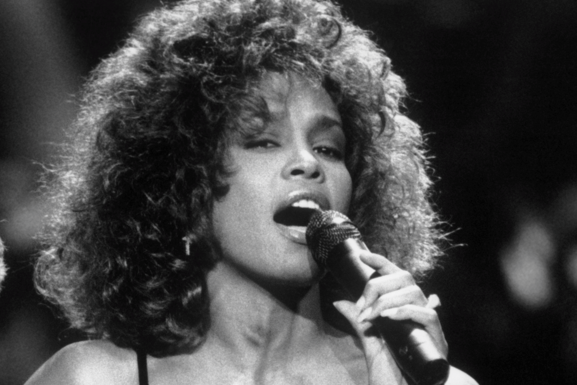
Whitney Houston arrived on the charts with immediate authority. Her debut album produced a then unprecedented run of number one singles. Songs like “Saving All My Love for You” and “Greatest Love of All” crossed pop, R&B, and adult contemporary formats effortlessly. Her voice became radio gold.
Rather than relying on trends, Houston built her chart dominance on consistency. Each single reinforced her reputation rather than testing it. Programmers trusted her music instinctively. By the end of the decade, she had set a vocal standard few could approach.
3. Phil Collins
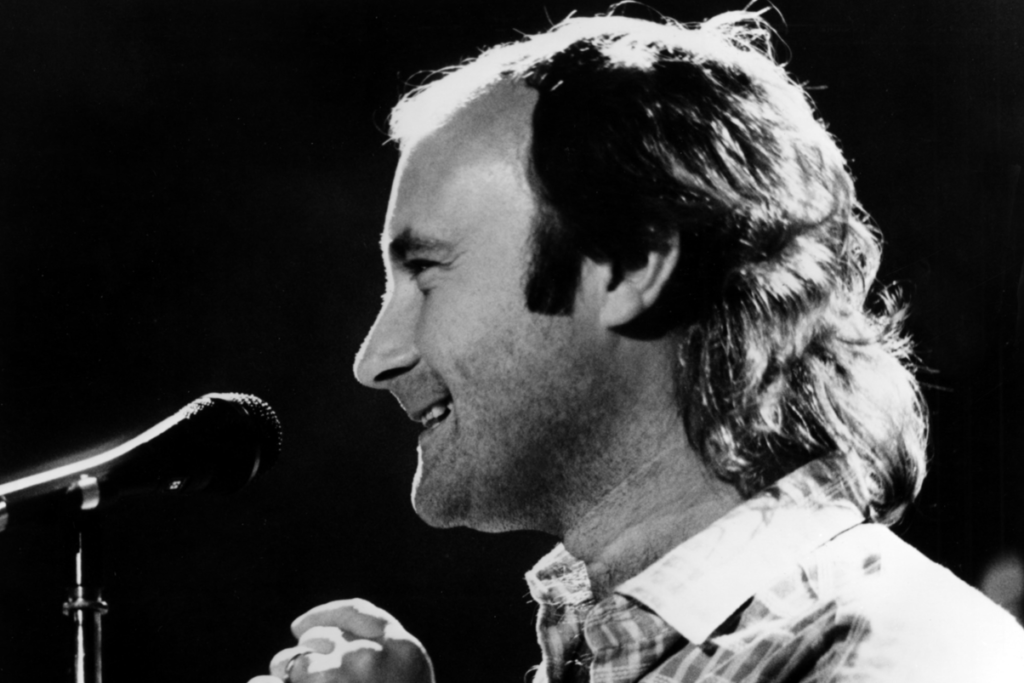
During the ’80s, it felt impossible to turn on the radio without hearing Phil Collins. His solo career produced massive hits like “In the Air Tonight” and “Against All Odds.” At the same time, his work with Genesis kept the band firmly on the charts. Few artists balanced both worlds so effectively.
That constant presence was no accident. Collins wrote emotionally direct songs that connected immediately. His sound worked across pop and adult contemporary stations. Chart longevity became his signature strength.
4. Duran Duran

Early ’80s pop belonged to Duran Duran in a very visible way. Songs like “Hungry Like the Wolf” and “Rio” dominated radio while their videos ruled MTV. Their sleek sound felt perfectly matched to the era. They were built for charts and screens alike.
As the decade progressed, they adapted rather than disappeared. Later hits kept them competitive even as tastes shifted. Their ability to evolve helped extend their chart run. Few bands defined the early part of the decade so clearly.
5. Bruce Springsteen
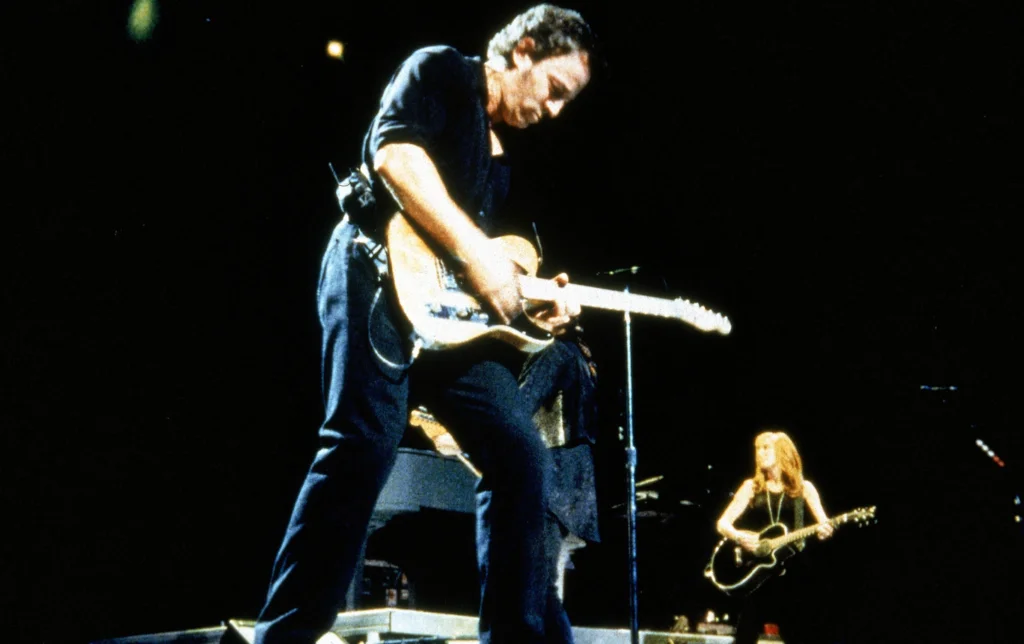
Bruce Springsteen’s chart dominance arrived when storytelling met arena ready production. Born in the U.S.A. generated a remarkable string of hit singles. Tracks like “Dancing in the Dark” pushed him into mainstream pop rotation. His audience expanded dramatically.
What made the success notable was credibility. Fans never felt he had compromised his voice. That trust kept listeners engaged across releases. Charts reflected both popularity and loyalty.
6. Madonna
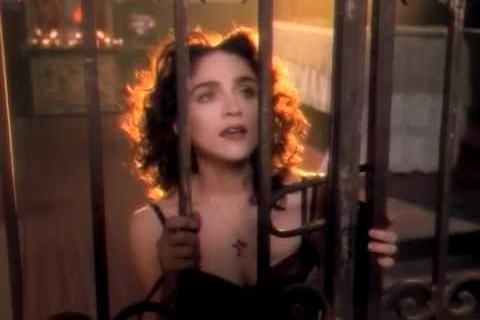
Madonna approached the charts with precision and confidence throughout the decade. Each new era introduced a sound that felt current without chasing trends too closely. Songs like “Like a Virgin” and “Papa Don’t Preach” climbed quickly and stayed there. Her timing was nearly flawless.
She also understood visibility better than most artists. Videos, tours, and controversy kept attention high between releases. That constant presence fed chart momentum. By the late ’80s, she was a guaranteed hitmaker.
7. George Michael
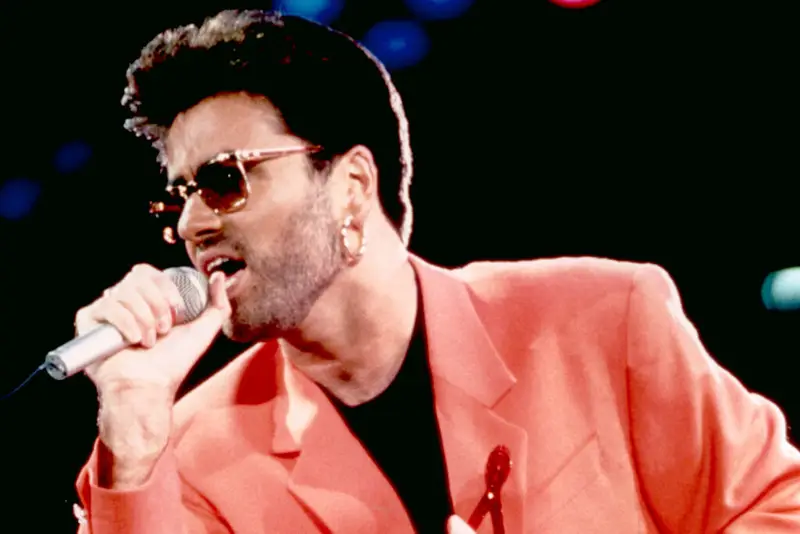
George Michael’s solo rise reshaped his chart identity. Faith delivered multiple number one singles and showed remarkable range. Songs like “Faith” and “Father Figure” appealed across demographics. Radio embraced his confidence.
What sustained his success was control. Michael shaped his image and sound carefully. Each single felt deliberate rather than rushed. Charts rewarded that clarity and restraint.
8. Janet Jackson
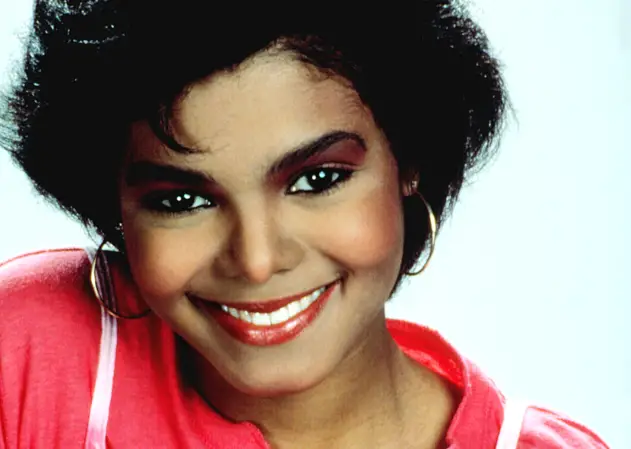
Janet Jackson’s chart ascent unfolded steadily but decisively. Control reintroduced her as a commanding pop force. Songs like “Nasty” and “What Have You Done for Me Lately” dominated radio playlists. Her identity became unmistakable.
She extended that success with Rhythm Nation 1814, keeping her singles competitive late into the decade. Consistency mattered as much as innovation. Janet’s chart presence felt intentional and long term.
9. U2
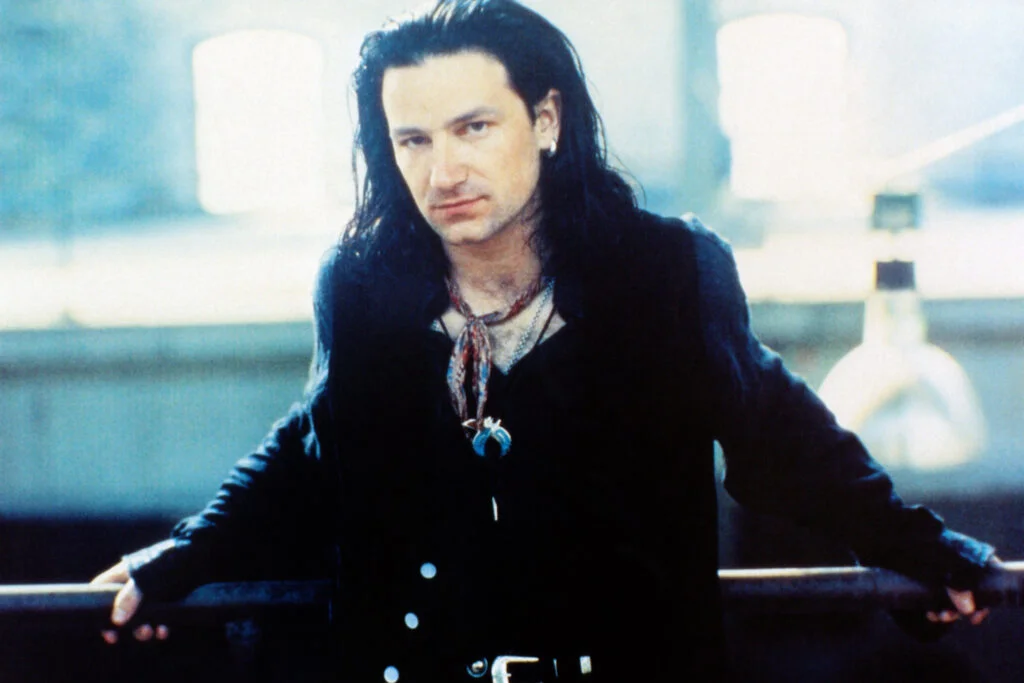
U2 built chart dominance gradually rather than overnight. Albums like The Joshua Tree turned them into global hitmakers. Songs such as “With or Without You” found massive radio success. Their sound felt expansive yet intimate.
Their focus on albums helped sustain chart longevity. Singles worked as gateways rather than standalone moments. That approach kept records selling well beyond release. By the end of the decade, they were firmly established chart leaders.
10. Michael Jackson

Michael Jackson did not simply top charts, he redefined how long artists could stay there. Thriller produced a historic run of hit singles that dominated radio for years. Tracks like “Billie Jean” and “Beat It” became permanent fixtures. His releases felt monumental.
He also controlled multiple formats at once. Pop, R&B, and MTV all moved in sync around his music. That level of saturation had never been seen before. Chart dominance became part of his identity.
11. Lionel Richie
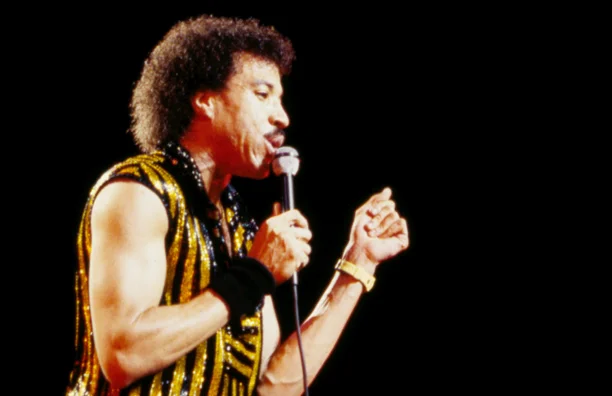
Lionel Richie turned smoothness into a chart advantage. His solo work crossed pop, R&B, and adult contemporary effortlessly. Songs like “All Night Long” and “Hello” stayed in rotation for years. His voice felt instantly familiar.
That broad appeal sustained his chart run. Richie avoided extremes while delivering emotional clarity. Radio embraced that reliability. His success felt steady and lasting.
12. Bon Jovi
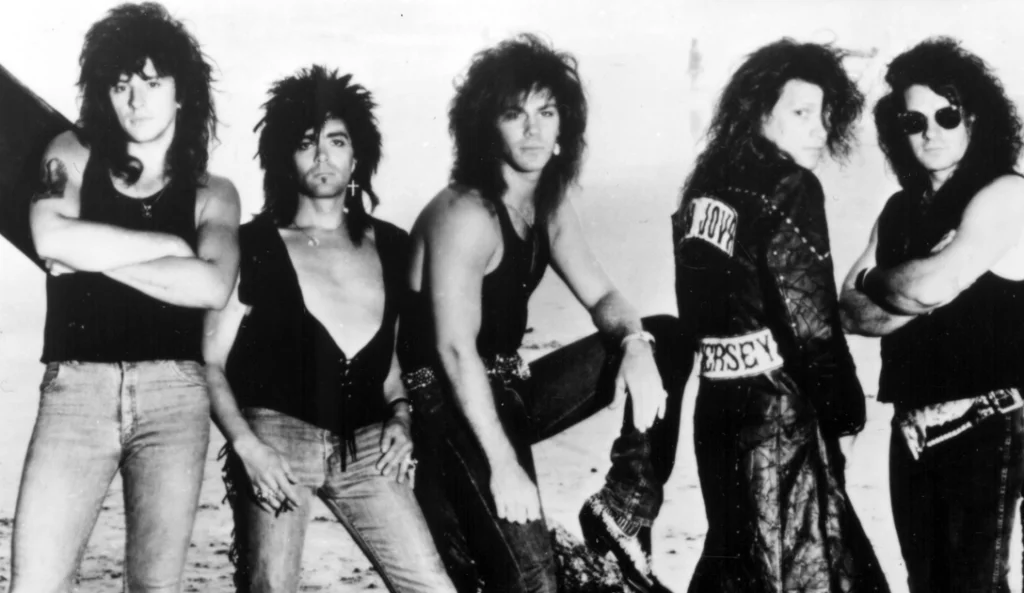
Bon Jovi helped bring arena rock fully into pop chart territory. Slippery When Wet produced massive singles that dominated airwaves. Songs like “Livin’ on a Prayer” became era defining hits. Hooks drove their success.
Their sound translated perfectly to radio and live shows. Momentum from touring fueled chart performance. Bon Jovi became synonymous with late ’80s chart power.
13. The Police
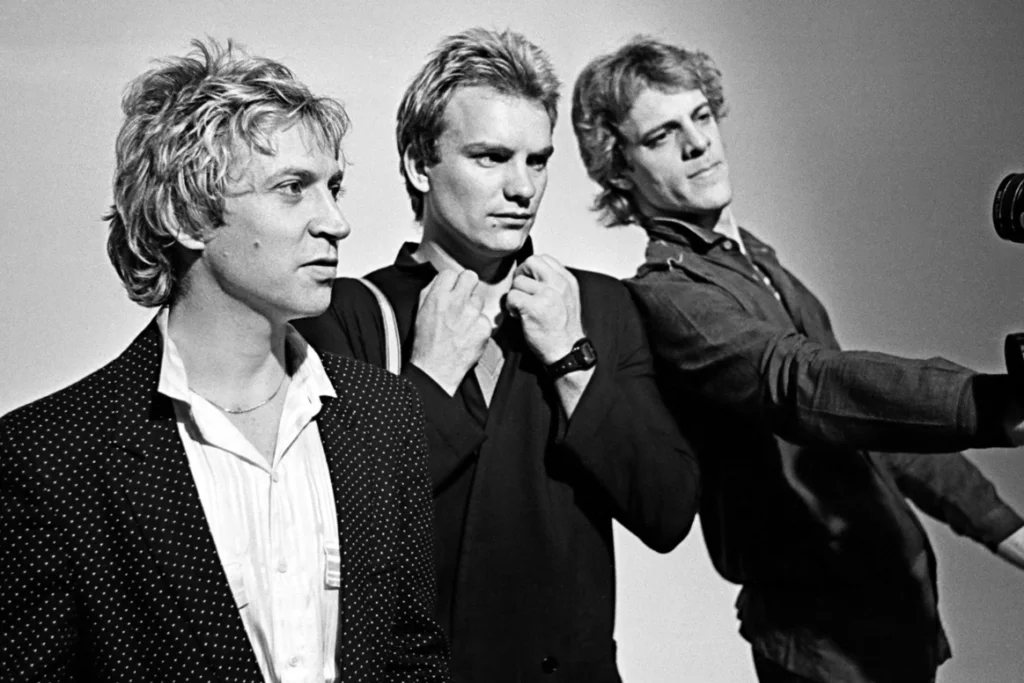
The Police stood out by doing less rather than more. Singles like “Every Breath You Take” dominated charts worldwide. Their restrained sound contrasted sharply with other acts of the era. That difference worked in their favor.
They released music selectively, which increased impact. Each single felt significant. Chart success followed precision rather than saturation.
14. Cyndi Lauper
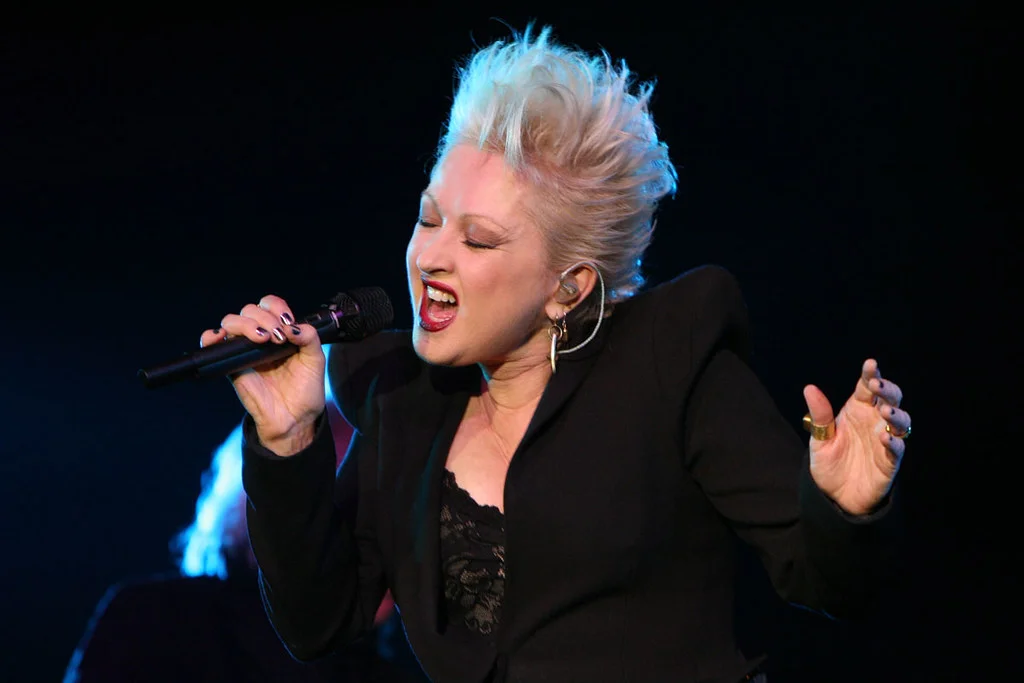
Cyndi Lauper burst onto the charts with personality and stayed for songwriting strength. She’s So Unusual delivered multiple hit singles. Songs like “Girls Just Want to Have Fun” became cultural staples. Her voice was instantly recognizable.
Rather than fading as a novelty, she maintained relevance. Follow up releases kept her chart presence intact. Lauper balanced fun with emotional resonance. That mix kept radio interested.
15. Journey
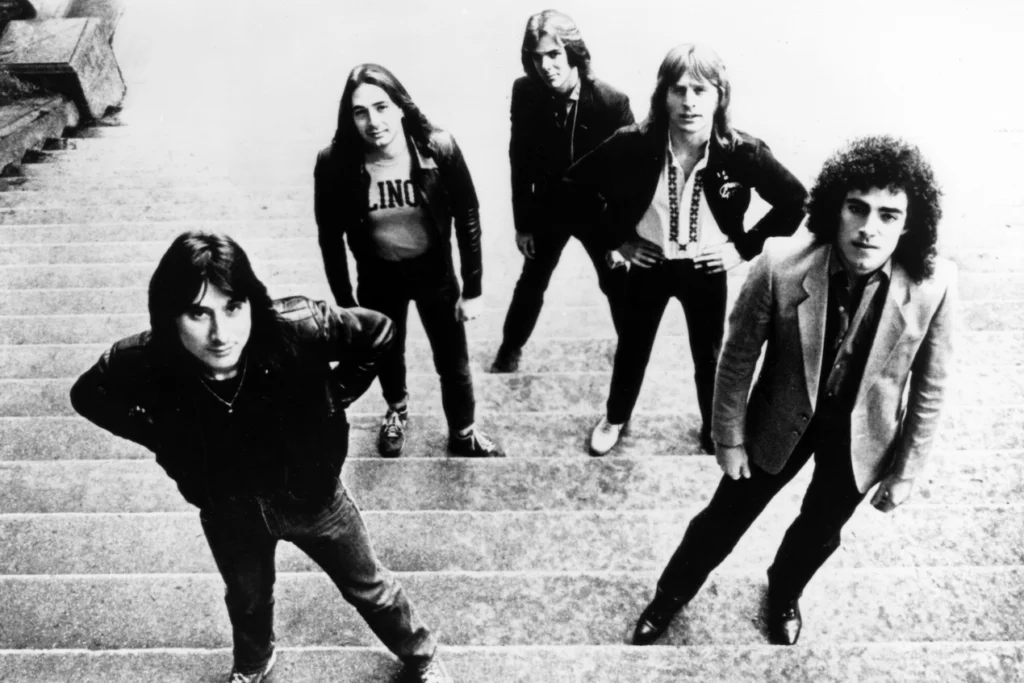
Journey’s chart dominance grew gradually rather than explosively. Songs like “Don’t Stop Believin’” climbed through repeated airplay. Their music thrived on familiarity. Listeners kept coming back.
Consistency mattered. Radio trusted their sound and rewarded it. Even deep cuts received attention. Journey’s success felt organic.
16. Hall & Oates
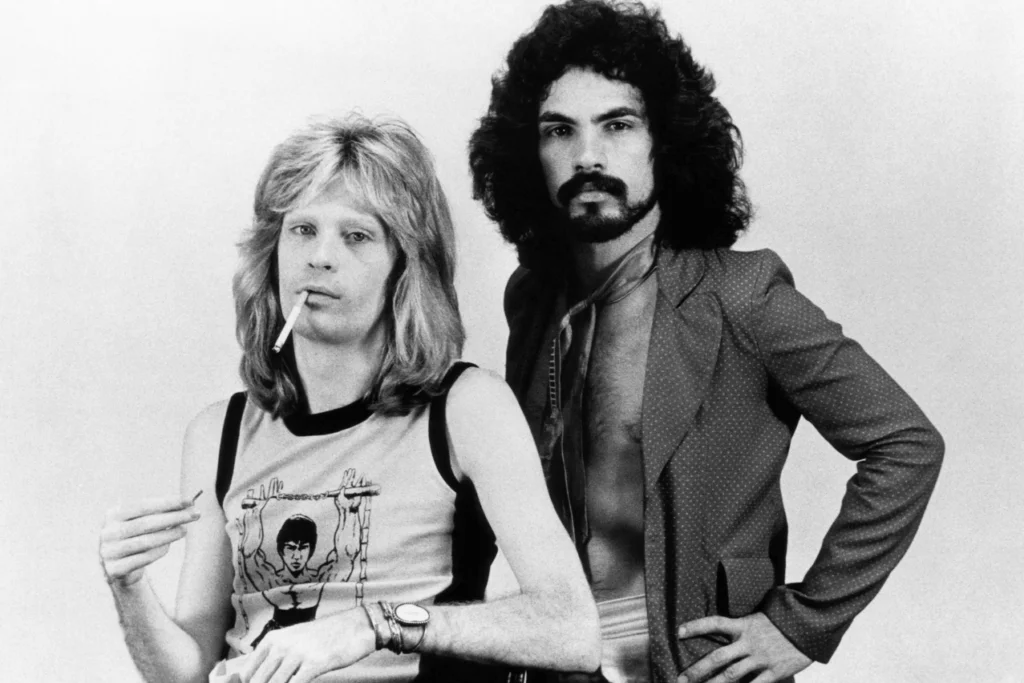
Hall & Oates quietly assembled one of the most impressive chart runs of the decade. They produced a steady stream of hit singles. Songs like “Maneater” and “Out of Touch” repeatedly reached the top. Their blend of pop and soul proved durable.
Adaptability kept them competitive. Production styles shifted without losing identity. Radio responded to that flexibility. Their chart legacy remains undeniable.