1. Footloose (1984)
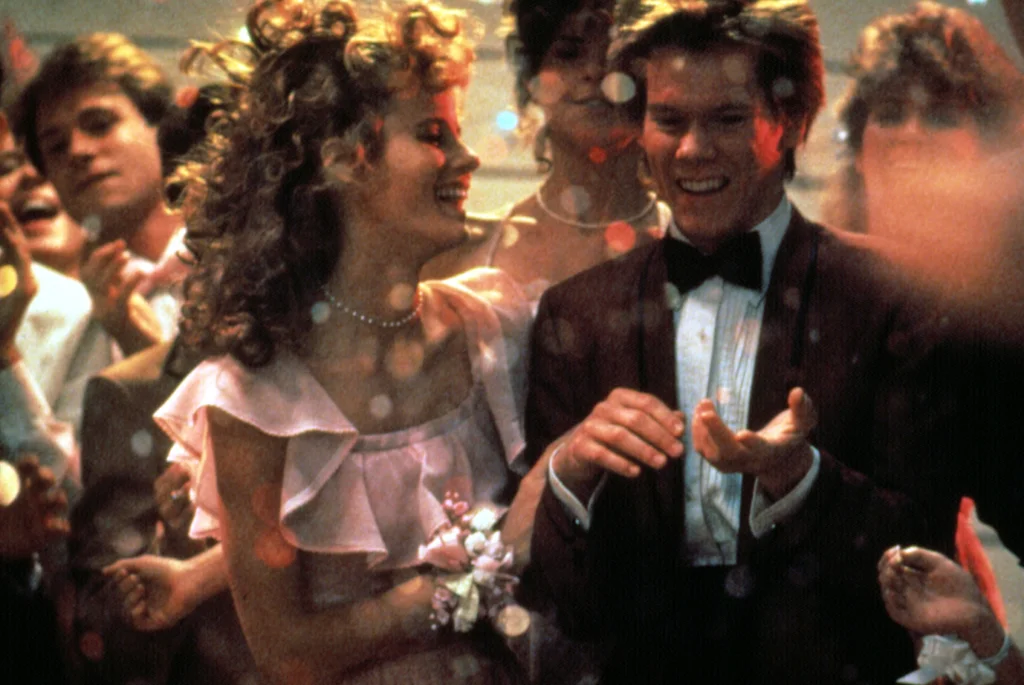
This soundtrack felt like it was engineered to blast out of every car window in America. Kenny Loggins alone could have carried the album, but the mix of rock, pop, and dance made it impossible to escape. Songs like “Footloose.” and “Let’s Hear It for the Boy.” didn’t just support the movie, they defined its entire energy. You didn’t need to see the film to know the soundtrack by heart.
What made it stick was how perfectly it captured the early ’80s mood of rebellion with a smile. It worked just as well at a school dance as it did on a bedroom cassette player. Even quieter moments like Bonnie Tyler’s “Holding Out for a Hero.” felt oversized and emotional. Once you bought this soundtrack, it rarely left the tape deck.
2. Dirty Dancing (1987)
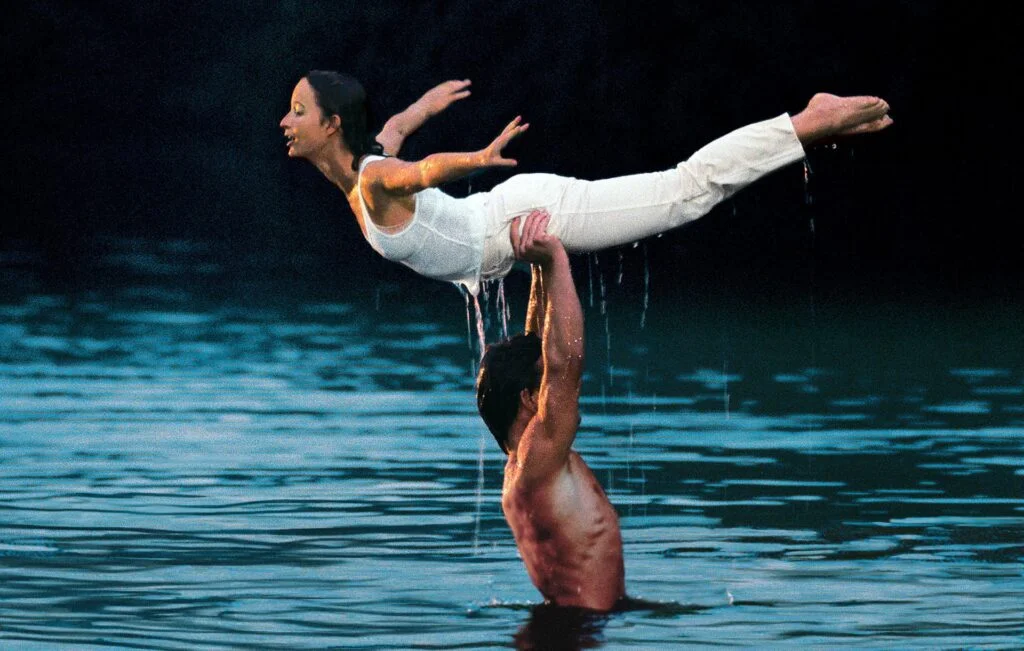
This was one of those rare soundtracks that crossed generations overnight. Parents recognized the older songs, while teens latched onto the newer tracks without hesitation. “(I’ve Had) The Time of My Life.” became unavoidable in the best possible way. The album didn’t just sell well, it lived in living rooms for years.
What really made it special was the way the songs told their own story. You could play it straight through and feel the arc of the movie without watching a single scene. Every track felt romantic, slightly dramatic, and deeply nostalgic even when it was brand new. It was the kind of album that never stayed neatly on the shelf.
3. Top Gun (1986)
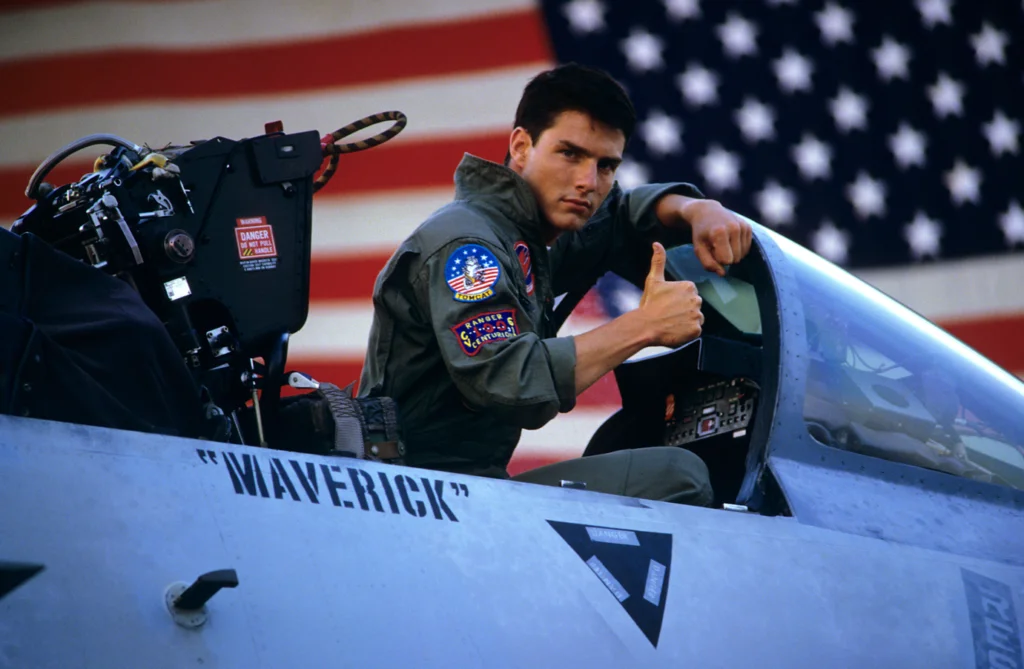
This soundtrack felt sleek, loud, and confident, much like the movie itself. Kenny Loggins struck again with “Danger Zone.”, a song that practically demanded high volume. Harold Faltermeyer’s synth-heavy score gave the album its unmistakable atmosphere. It sounded like the future in 1986.
People didn’t just listen to this soundtrack, they cranked it. It became a go-to for road trips, workouts, and showing off new speakers. “Take My Breath Away.” balanced out the adrenaline with pure romance. Once it entered rotation, it stayed there.
4. Purple Rain (1984)
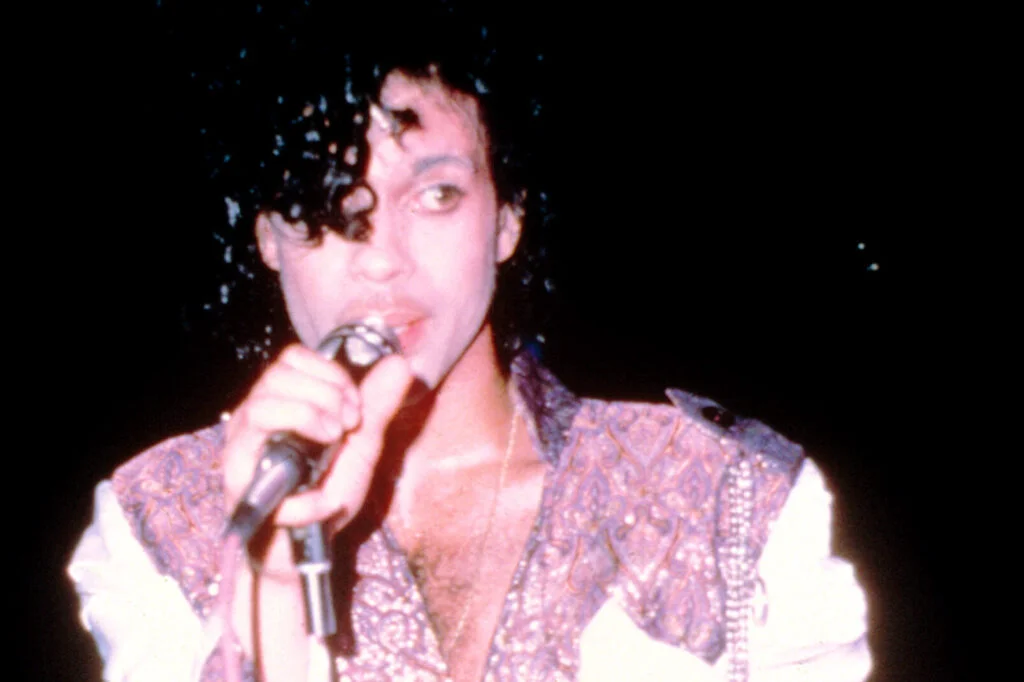
This soundtrack blurred the line between movie tie-in and full artistic statement. Prince didn’t just contribute songs, he created a cultural moment. Tracks like “When Doves Cry.” and “Let’s Go Crazy.” dominated radio and personal playlists alike. The album felt intimate and explosive at the same time.
Even people who never saw the film owned the soundtrack. It worked as a complete listening experience, not just a collection of singles. The emotional range made it endlessly replayable. Few soundtracks ever felt this personal.
5. Flashdance (1983)
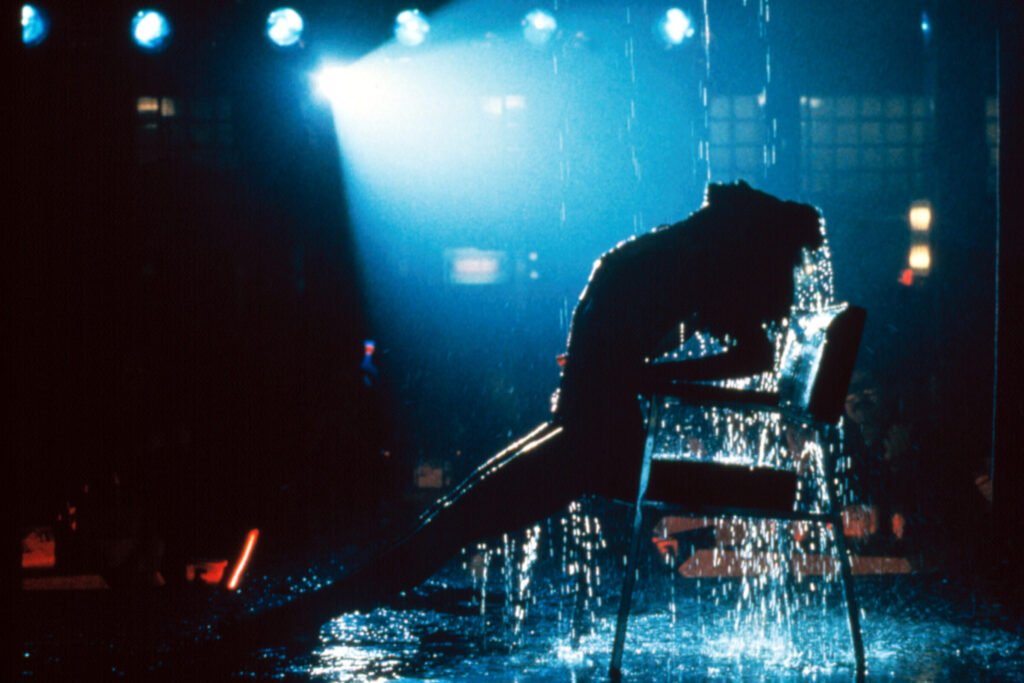
This album was pure early ’80s adrenaline wrapped in pop hooks. Irene Cara’s “Flashdance… What a Feeling.” became an instant anthem. The soundtrack captured the fantasy of grit, ambition, and dancing your way to success. It sounded like motivation set to music.
What kept people coming back was how well the songs worked outside the film. They fit perfectly into workout routines and dance floors alike. Even quieter tracks still carried emotional weight. It was nearly impossible to listen just once.
6. The Breakfast Club (1985)
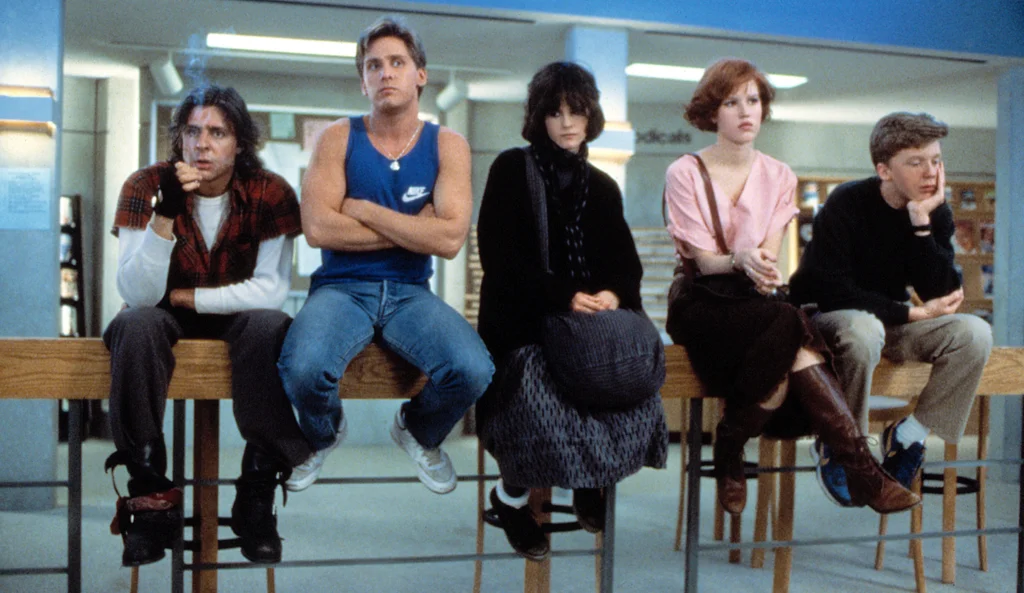
This soundtrack felt like it understood teenagers better than most adults did. Simple Minds’ “Don’t You (Forget About Me).” became inseparable from the film’s legacy. The rest of the album leaned into moody, introspective new wave. It matched the tone of the movie perfectly.
Listeners replayed it because it felt honest and relatable. The songs didn’t overwhelm the story, they lingered quietly alongside it. It became a soundtrack for thinking, not just listening. That subtlety made it unforgettable.
7. Beverly Hills Cop (1984)
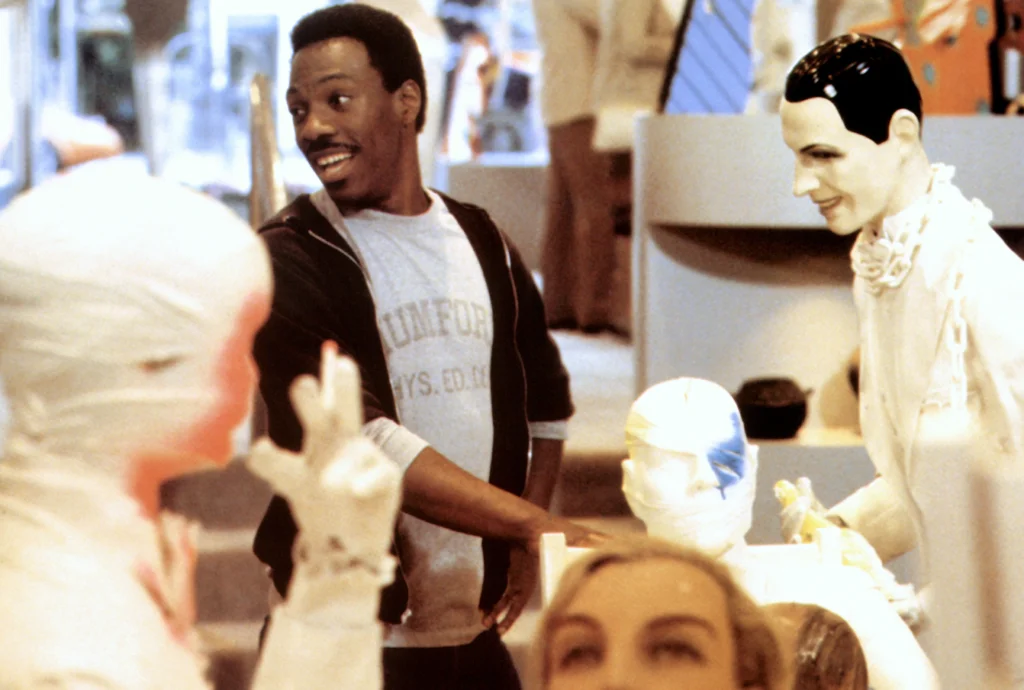
This soundtrack leaned heavily into slick synths and upbeat confidence. “Axel F.” was instantly recognizable from the first few notes. The music captured the humor and energy of the film without trying too hard. It felt modern and fun.
People played it repeatedly because it fit so many moods. It worked in the background but also demanded attention when turned up. The instrumental tracks made it feel different from other soundtracks of the time. That uniqueness kept it in constant rotation.
8. Fast Times at Ridgemont High (1982)
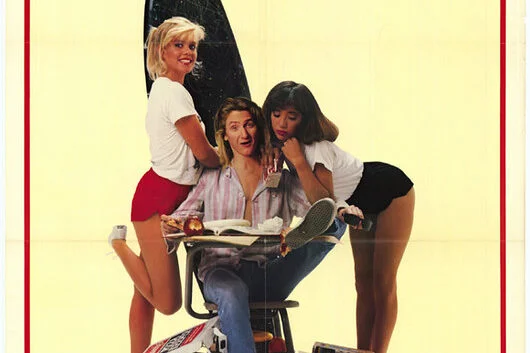
This soundtrack felt like a snapshot of youth culture in motion. With artists like The Go-Go’s and Jackson Browne, it reflected what teens were actually listening to. The songs didn’t feel curated, they felt lived-in. It sounded like someone’s real mixtape.
That authenticity made it endlessly replayable. Each track brought back a specific mood or moment. You could shuffle it or play it straight through and it still worked. It captured teenage life without overthinking it.
9. Rocky III (1982)
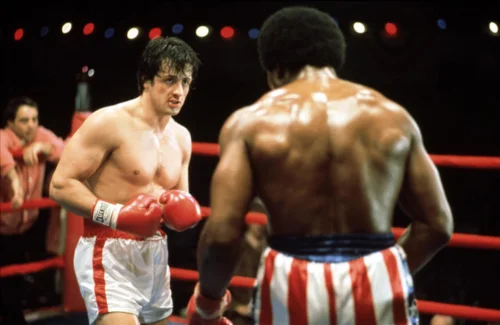
This soundtrack was built for motivation and repetition. “Eye of the Tiger.” alone justified constant replays. The music pushed forward with determination and confidence. It sounded like victory in progress.
People didn’t just listen to it, they trained to it. The songs made everyday tasks feel cinematic. It became shorthand for perseverance and grit. Once it started playing, stopping felt wrong.
10. Back to the Future (1985)
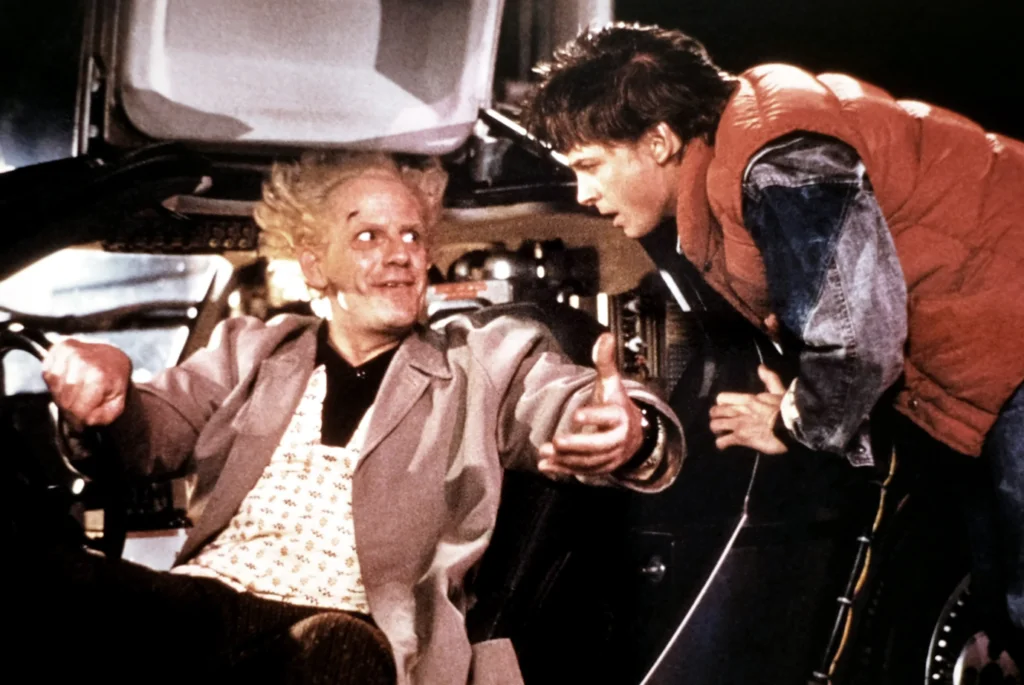
This soundtrack blended old-school rock with modern ’80s polish. Huey Lewis and the News brought radio-friendly energy to the mix. Alan Silvestri’s score added warmth and excitement. Together, they created something timeless.
Listeners replayed it because it felt joyful and adventurous. The music carried the same optimism as the film. It worked equally well as background music or focused listening. That balance made it a favorite.
11. Ghostbusters (1984)
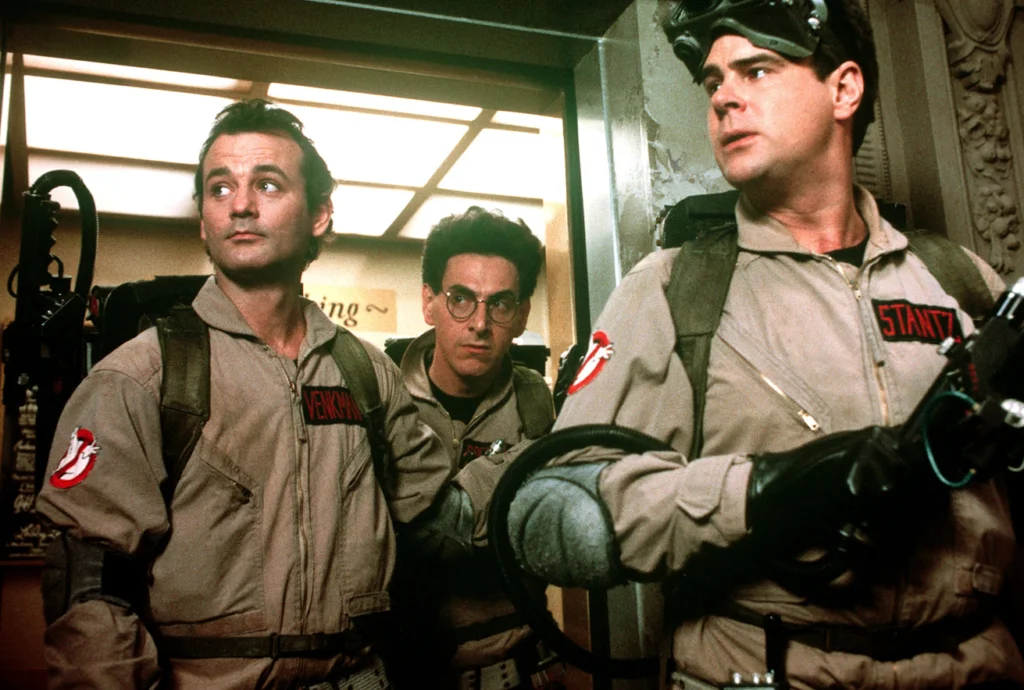
This soundtrack leaned into fun without apology. Ray Parker Jr.’s “Ghostbusters.” became a novelty hit that never fully wore out its welcome. The rest of the album mixed pop with spooky synth textures. It knew exactly what it was.
People replayed it because it made them smile. It felt playful rather than serious, which set it apart. The songs were catchy without being disposable. That sense of fun kept it alive.
12. Labyrinth (1986)
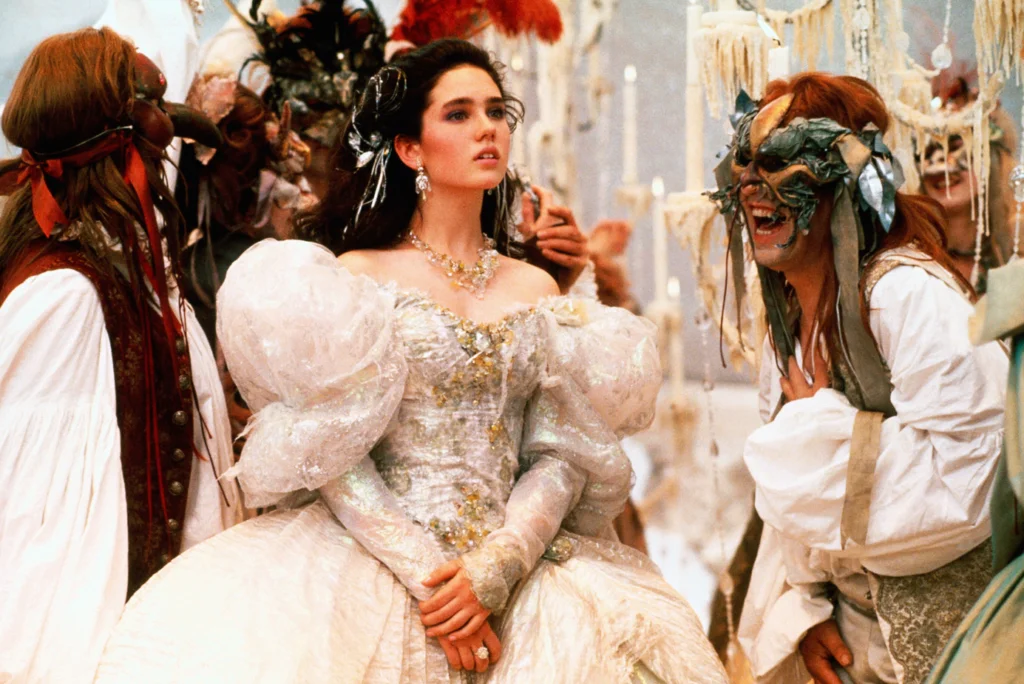
This soundtrack felt strange, theatrical, and oddly comforting. David Bowie’s songs carried the film’s eccentric tone. The music wasn’t chasing radio trends, it was building a world. That made it feel special.
Listeners returned to it because it felt immersive. Each song pulled you deeper into the fantasy. It worked best when played all the way through. Few soundtracks felt this transportive.
13. Batman (1989)
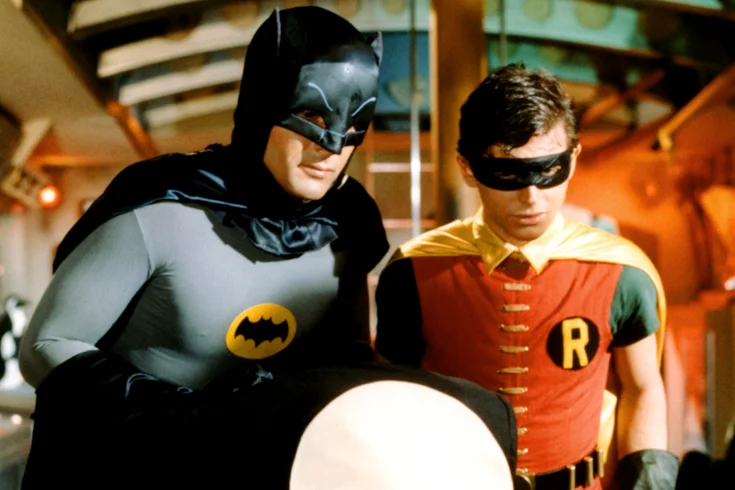
This soundtrack arrived with serious cultural weight. Prince once again turned a movie tie-in into a full event. Songs like “Batdance.” felt bold, weird, and unmistakably late ’80s. The album stood on its own.
People replayed it because it felt daring and different. It didn’t sound like anything else at the time. The blend of pop, funk, and atmosphere rewarded repeat listens. It closed out the decade with confidence.