
1. “Downtown” by Petula Clark
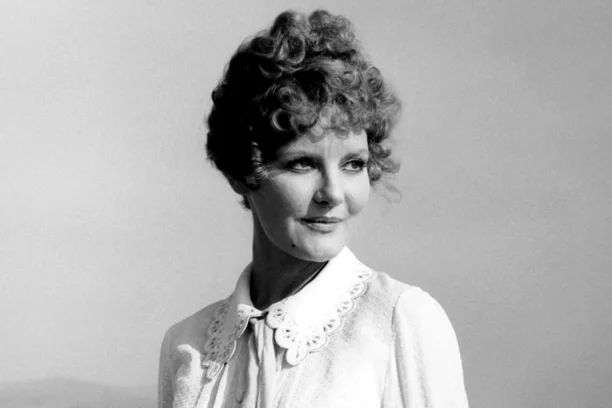
There was a stretch in the mid ’60s when “Downtown” felt unavoidable, drifting out of car radios, department stores, and TV variety shows all at once. Petula Clark’s bright, reassuring voice made the song feel like an invitation to escape whatever dull moment you were stuck in. It captured a very specific kind of optimism, the idea that the city itself could fix your mood. For a while, it was shorthand for swinging ’60s sophistication, even if you had never been anywhere near a nightlife scene. The song won major awards and became Clark’s signature hit almost overnight.
Over time, though, its polished cheerfulness started to feel dated compared to grittier pop that followed. Radio gradually pushed it aside in favor of edgier British Invasion and rock tracks. Today, it tends to surface only in movies, commercials, or nostalgia playlists. When it does, it still works instantly, but it no longer lives in regular rotation the way it once did.
2. “These Boots Are Made for Walkin’” by Nancy Sinatra
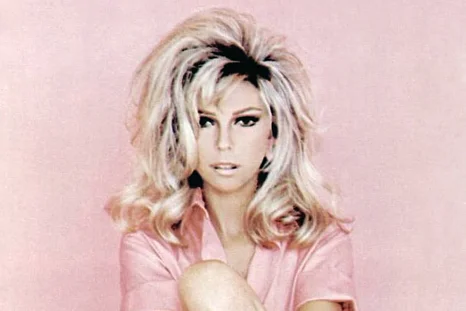
When this song hit the airwaves, it sounded bold, confident, and slightly dangerous in a way pop radio had not quite embraced before. Nancy Sinatra’s cool, almost detached delivery made the lyrics feel even sharper. It became an anthem of independence that people latched onto immediately. You could not escape it in 1966, whether you wanted to or not. The bass line alone was enough to stop you mid conversation.
As the years went on, its attitude became so familiar that it lost some of its shock value. Radio eventually treated it more like a novelty than a statement. It still pops up in films and TV shows when a tough female moment is needed. But as a regular radio staple, it quietly stepped aside for newer expressions of rebellion.
3. “Happy Together” by The Turtles
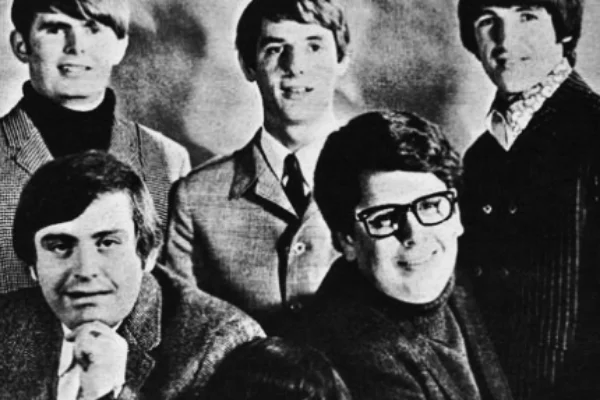
“Happy Together” had one of those choruses that felt like it was engineered to stick in your head forever. It briefly knocked the Beatles out of the top spot, which was no small feat at the time. The song captured a sweet, slightly goofy kind of romantic fantasy that appealed to everyone. It was playful without being silly, sincere without being heavy. For months, it felt like it was playing everywhere at once.
Eventually, its sunshine pop sound began to feel out of step with the darker mood of late ’60s music. Psychedelia and protest songs took over the airwaves. Radio did not reject it so much as gently move past it. Today, it survives mostly as a cheerful time capsule of a very specific pop moment.
4. “I Got You Babe” by Sonny & Cher
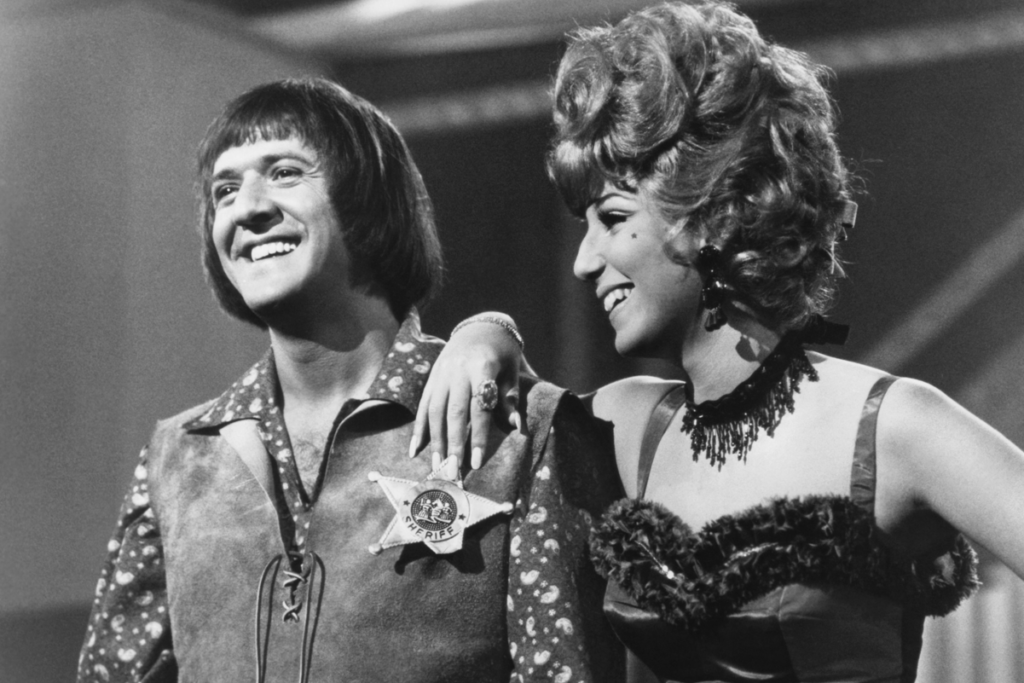
This song became inseparable from the image of Sonny and Cher themselves, equal parts romance and counterculture charm. Its call and response structure made it feel intimate, like you were listening in on a couple’s private promise. Radio loved it because it was simple, catchy, and emotionally direct. It quickly became one of the defining love songs of the decade. For a while, it seemed impossible to turn on the radio without hearing it.
As musical tastes evolved, its simplicity began to work against it. Rock grew louder, lyrics grew more complex, and production became more experimental. Radio eventually treated “I Got You Babe” as a relic of an earlier, gentler era. It is still instantly recognizable, but no longer a daily presence.
5. “California Dreamin’” by The Mamas & the Papas
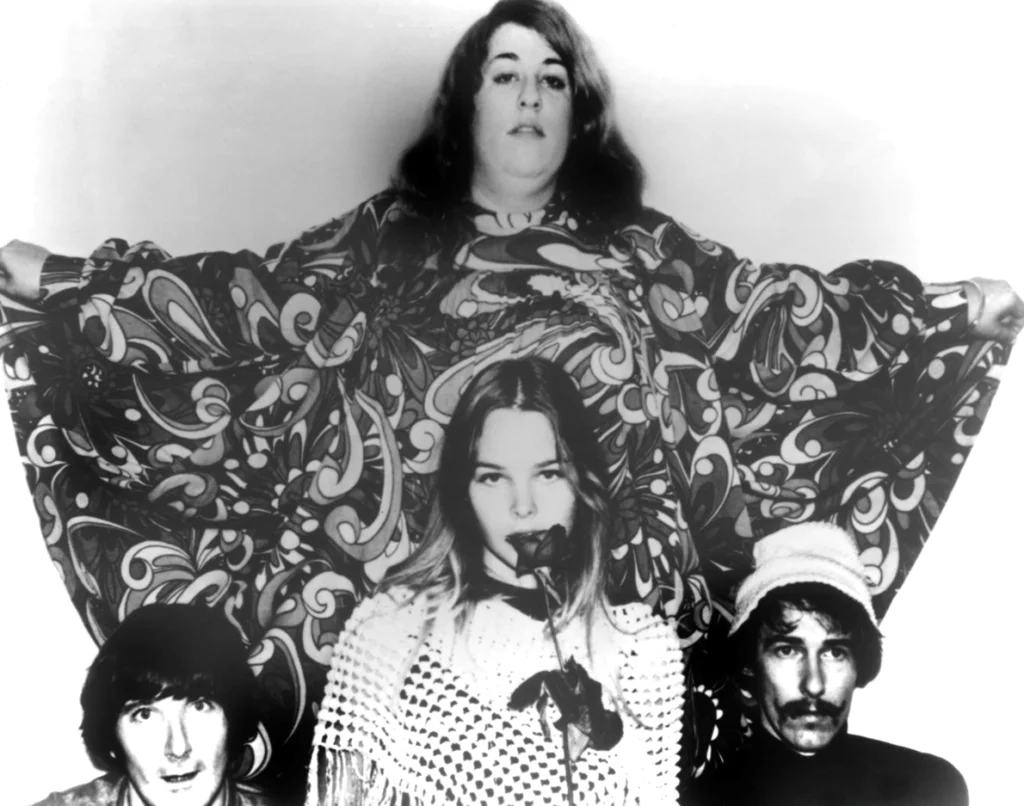
Few songs captured a mood as clearly as “California Dreamin’” did, especially for listeners stuck far from sunshine. Its harmonies felt rich and immersive, pulling people into a shared sense of longing. Radio embraced it fully, playing it relentlessly through the late ’60s. The song became almost synonymous with the idea of West Coast cool. Even people who had never been to California felt like they understood it.
Over time, its melancholy warmth became overshadowed by louder, more confrontational tracks. Radio shifted toward harder rock and more political songwriting. “California Dreamin’” did not disappear, but it lost its dominance. Now it tends to appear as a mood piece rather than a constant companion.
6. “Daydream Believer” by The Monkees
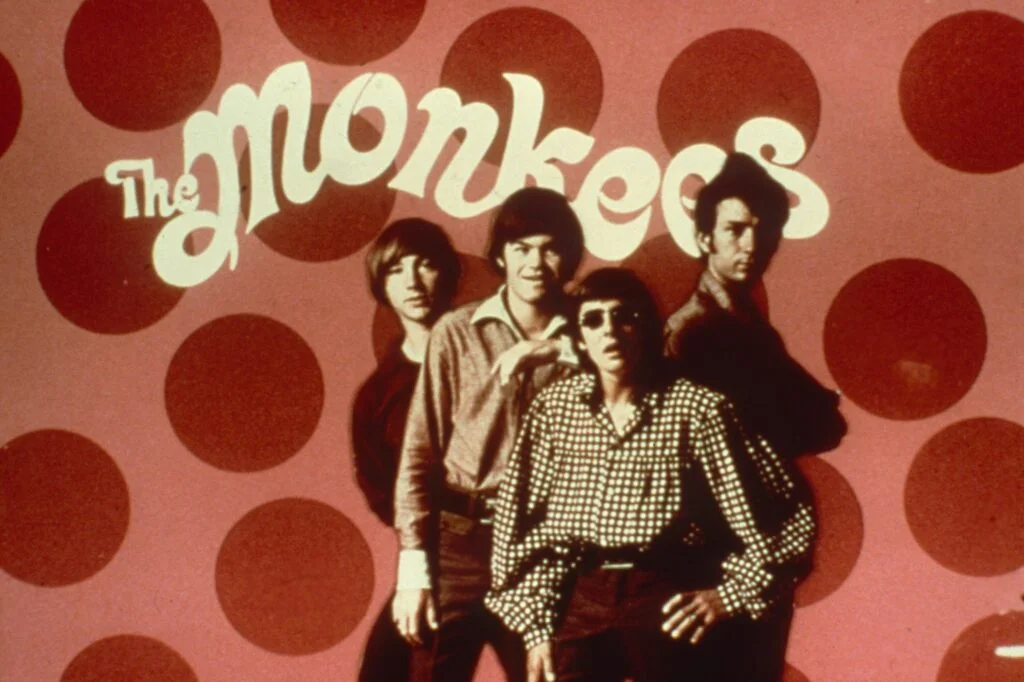
There was a moment in the late ’60s when “Daydream Believer” felt like it was playing on every station, every hour. Its piano intro was instantly recognizable, and Davy Jones’ warm, conversational vocal made the song feel personal. It captured a gentle optimism that fit perfectly with its time, especially for listeners who wanted something lighter than protest songs or psychedelic rock. Radio embraced it as a feel good hit that appealed across age groups. For many fans, it became one of the defining Monkees songs. It was nearly impossible to separate the track from everyday life in 1967 and 1968.
As pop radio evolved, The Monkees’ sound began to feel tied to a specific cultural moment. Stations gradually leaned toward harder rock and singer songwriter material. “Daydream Believer” did not disappear, but it stopped being unavoidable. Today, it tends to show up as a nostalgic favorite rather than a radio regular. When it does play, it still carries that same soft, wistful charm.
7. “Mrs. Robinson” by Simon & Garfunkel
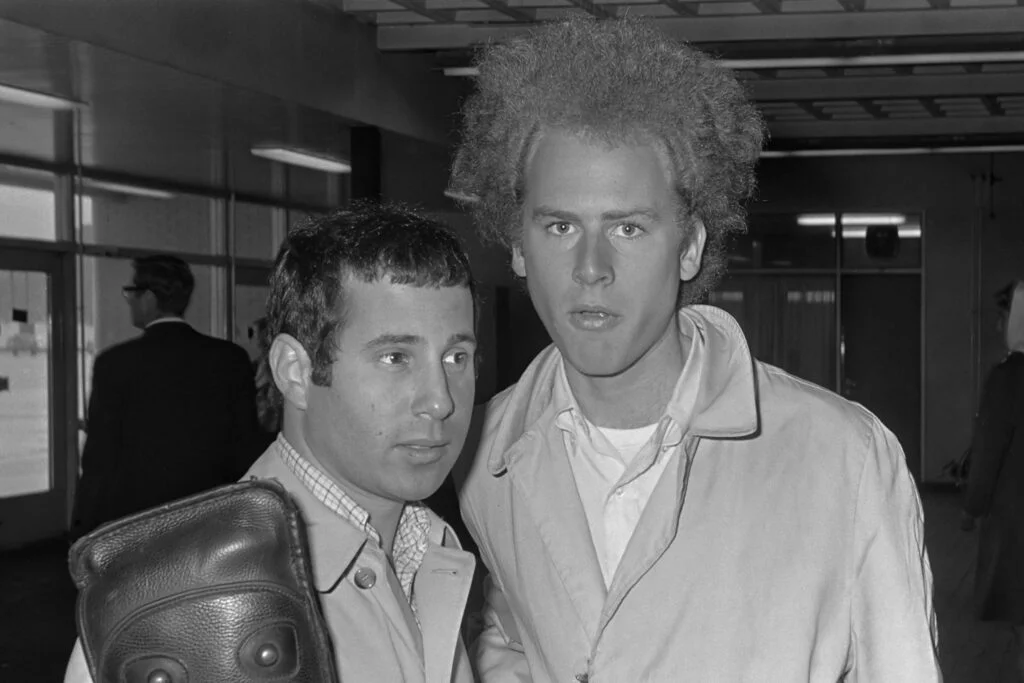
“Mrs. Robinson” arrived with the added boost of its connection to The Graduate, making it feel instantly iconic. Its lyrics hinted at something deeper without spelling everything out, which fascinated listeners. Radio embraced it as both a pop hit and a cultural moment. It felt smart, contemporary, and slightly mysterious. For a time, it was everywhere.
Later, as Simon & Garfunkel’s catalog grew more introspective, this song began to feel like an early chapter rather than the main event. Radio leaned toward their later, more reflective work. “Mrs. Robinson” became a symbol of the era instead of a constant presence. It is remembered fondly, just not played endlessly anymore.
8. “Light My Fire” by The Doors
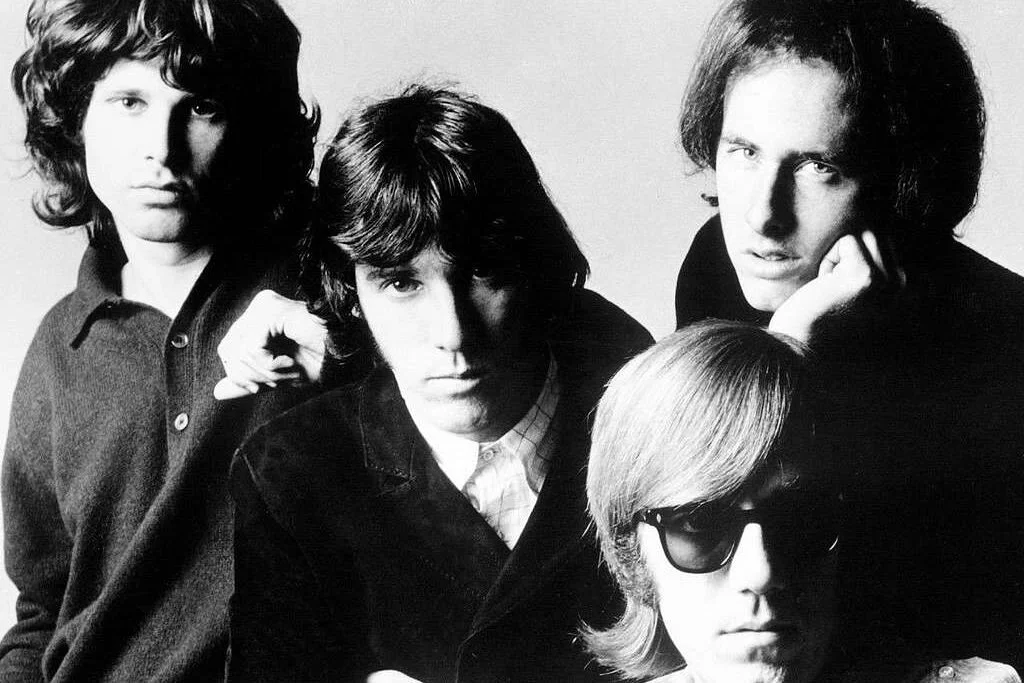
When this song first hit, it felt hypnotic and daring compared to most radio fare. Jim Morrison’s voice and the extended instrumental sections made it feel almost dangerous. Radio edited it down, but even the shorter version made a strong impression. It quickly became one of the defining sounds of 1967. For a while, you could not avoid it.
As rock radio grew more segmented, “Light My Fire” found itself categorized rather than universally played. It became a classic rock staple instead of a general radio hit. Its intensity never faded, but its ubiquity did. Now it lives comfortably in legacy playlists rather than everyday rotation.
9. “Aquarius/Let the Sunshine In” by The 5th Dimension
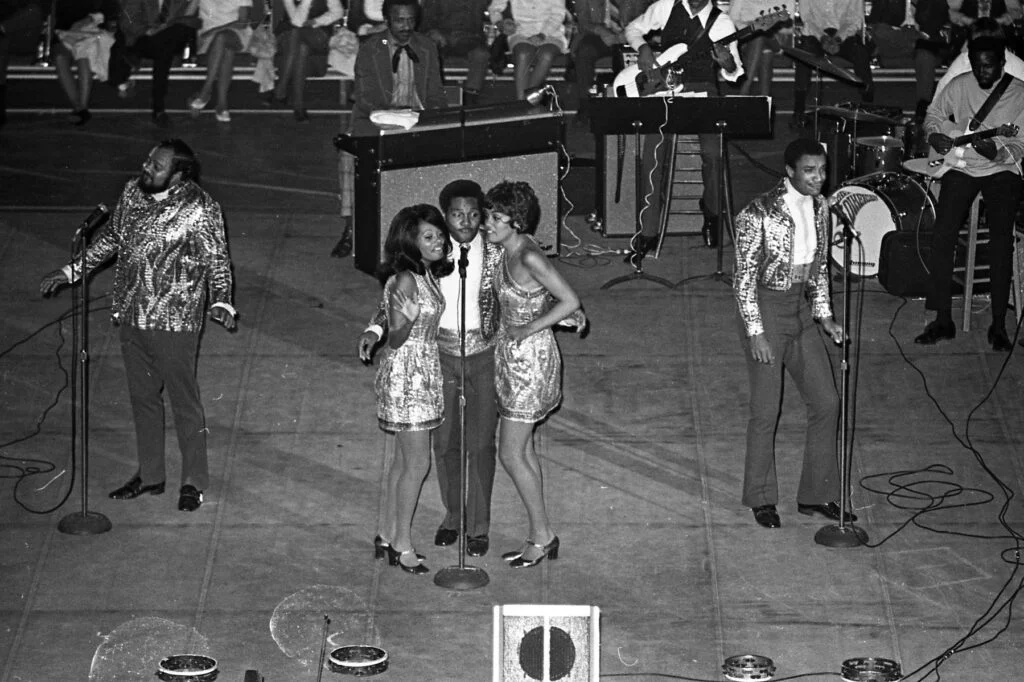
This song felt like the sound of an era declaring itself hopeful and united. Its connection to Hair gave it an added cultural weight. Radio embraced it as both a pop hit and a generational statement. The layered vocals and uplifting message made it feel expansive. For a stretch, it was nearly impossible to escape.
As the optimism of the late ’60s faded, radio slowly moved away from songs that felt so openly idealistic. The track became a snapshot of a specific moment rather than a timeless staple. Today, it tends to appear during retrospectives of the era. Its message still resonates, but its radio dominance is history.
10. “My Girl” by The Temptations
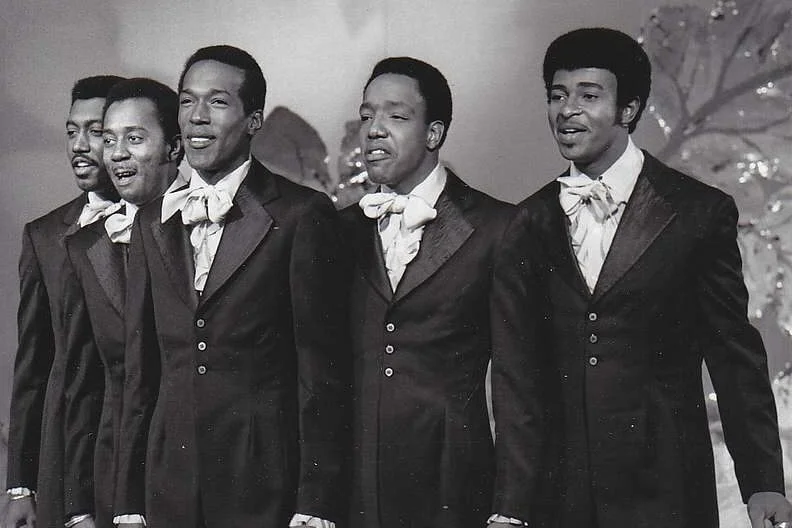
“My Girl” was smooth, warm, and instantly likable, making it perfect for radio. The opening bass line alone could stop people in their tracks. It crossed genre lines easily, appealing to pop and soul audiences alike. For years, it felt like it was always playing somewhere. The song became deeply woven into everyday life.
As radio formats became more narrowly defined, crossover hits like this were played less frequently. It never truly disappeared, but it lost its constant presence. Today, it is treated as a classic rather than a staple. When it comes on, it feels special again instead of routine.
11. “The Sound of Silence” by Simon & Garfunkel
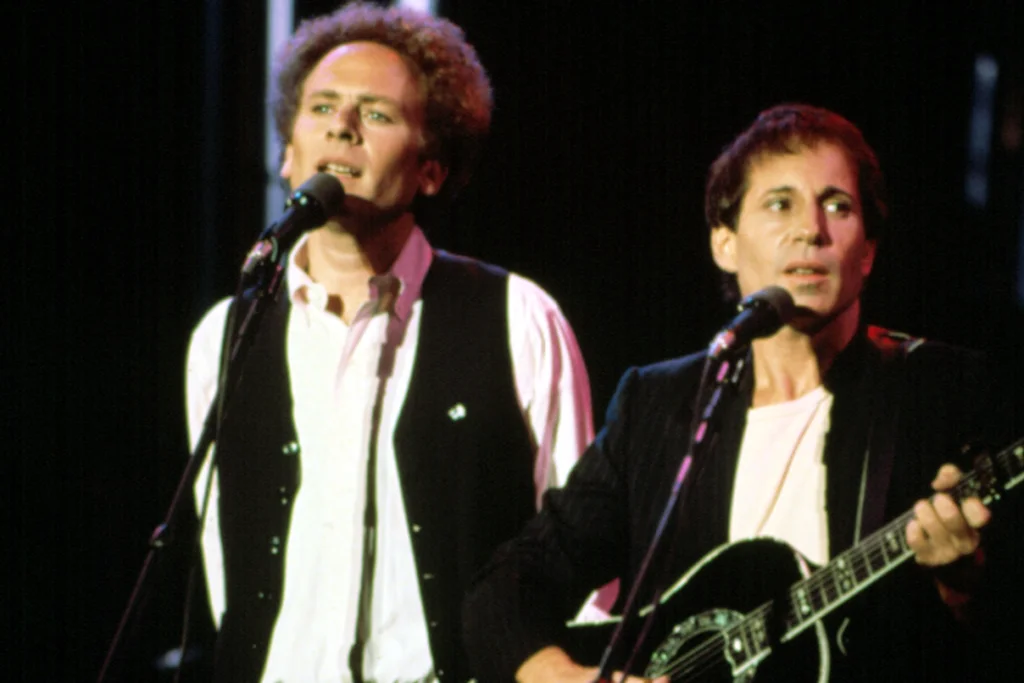
This song had a haunting quality that set it apart from much of what radio was playing at the time. Its unexpected rise, helped by an electric remix, made it feel almost accidental. Once it caught on, radio played it everywhere. The lyrics felt serious in a way that resonated deeply with listeners. It became impossible to ignore.
Later, as its message became almost too familiar, radio gave it some space. It turned into a song people respected more than casually played. Now it often appears in moments meant to feel reflective or dramatic. Its power remains, even if its airtime does not.
12. “Crimson and Clover” by Tommy James and the Shondells
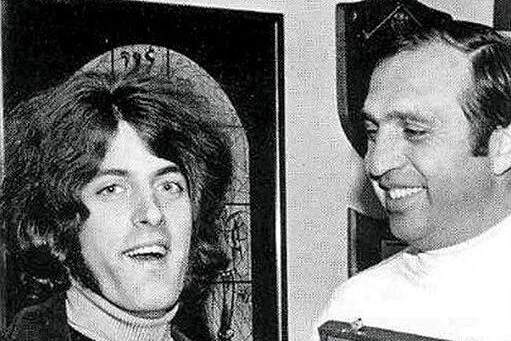
“Crimson and Clover” sounded dreamy and slightly surreal when it first hit the airwaves. The tremolo effect and vague lyrics made it feel different from typical pop hits. Radio embraced its uniqueness, playing it heavily despite its odd structure. It quickly became one of the band’s most recognizable songs. For a while, it felt inescapable.
As the novelty wore off, radio shifted toward songs that were easier to categorize. This track became something stations saved for themed programming. It never lost its appeal, but it did lose its constant presence. Today, it feels like a gentle surprise when you hear it.
13. “Respect” by Aretha Franklin
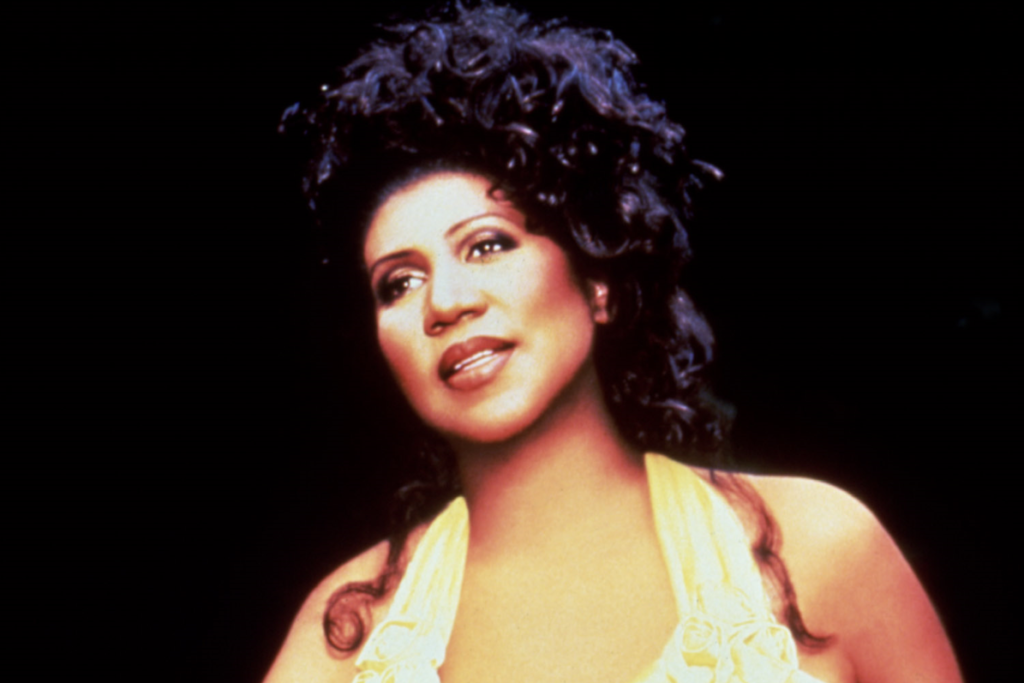
When Aretha Franklin released “Respect,” it was more than a hit, it was a cultural force. Radio played it constantly because listeners could not get enough of its energy and authority. Her voice transformed the song into a statement of empowerment. It crossed every boundary and reached every audience. For a time, it dominated the airwaves.
As its message became firmly embedded in popular culture, radio treated it as an anthem rather than a regular spin. It moved from constant play to symbolic status. Now it often appears during tributes or themed blocks. Its impact is permanent, even if its airtime is not.
14. “Brown Eyed Girl” by Van Morrison

This song felt casual and joyful in a way that made it instantly appealing. Radio loved its breezy energy and memorable chorus. It became a staple at the end of the ’60s and stayed there for years. People associated it with summer, youth, and easy happiness. It seemed to play endlessly.
Eventually, its overexposure worked against it. Radio programmers began to scale it back, saving it for classic hits formats. It never vanished, but it no longer dominated playlists. Now it feels like a familiar friend you see occasionally instead of daily.
15. “You’ve Lost That Lovin’ Feelin’” by The Righteous Brothers
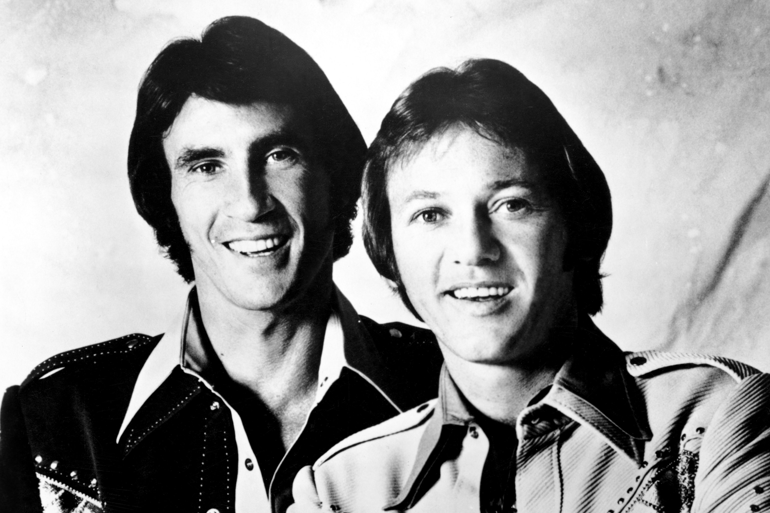
This song brought drama and emotion to pop radio in a big way. Its slow build and powerful vocals made it stand out immediately. Radio played it constantly because listeners responded to its intensity. It became one of the most recognizable love songs of the decade. For years, it felt omnipresent.
As musical styles changed, ballads like this became less central to radio programming. It shifted into oldies territory sooner than some expected. Today, it is treated with reverence rather than repetition. Its emotional punch still lands when you hear it.
16. “Proud Mary” by Creedence Clearwater Revival
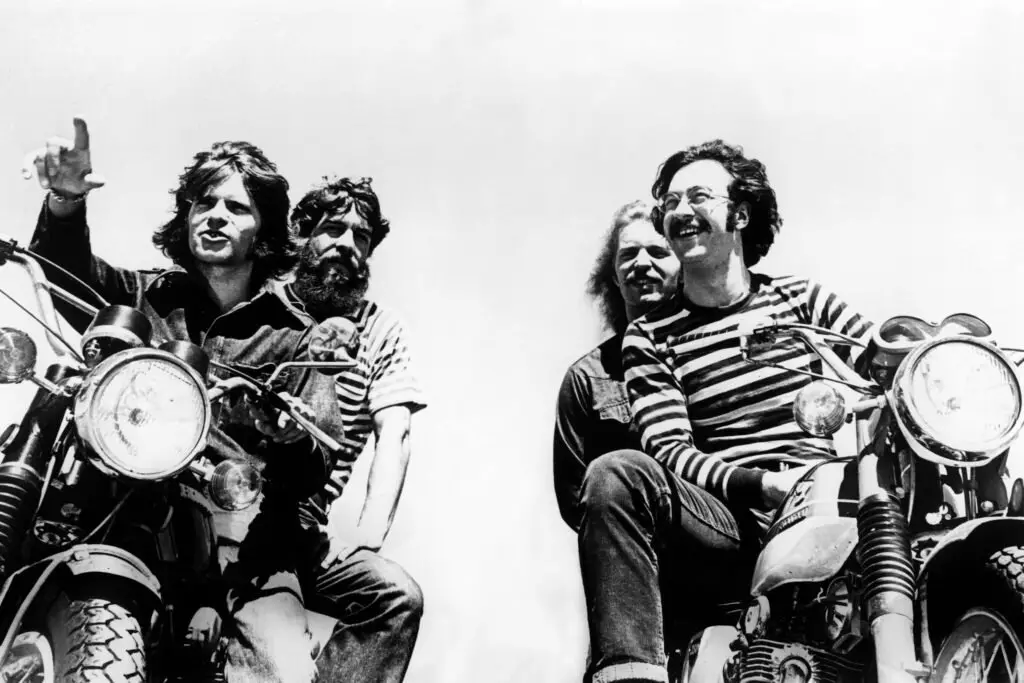
“Proud Mary” had a rolling, steady rhythm that made it feel timeless from the start. Radio embraced it because it appealed to rock, pop, and even country listeners. It quickly became one of Creedence Clearwater Revival’s defining hits. For a while, it was everywhere. Its simplicity made it endlessly replayable.
Later covers and reinterpretations helped keep it alive, but radio began to rotate the original less often. It became one of those songs everyone knows without hearing regularly. Today, it lives more in collective memory than constant airtime. When it comes on, it still feels instantly familiar.