1. Dolores Hart
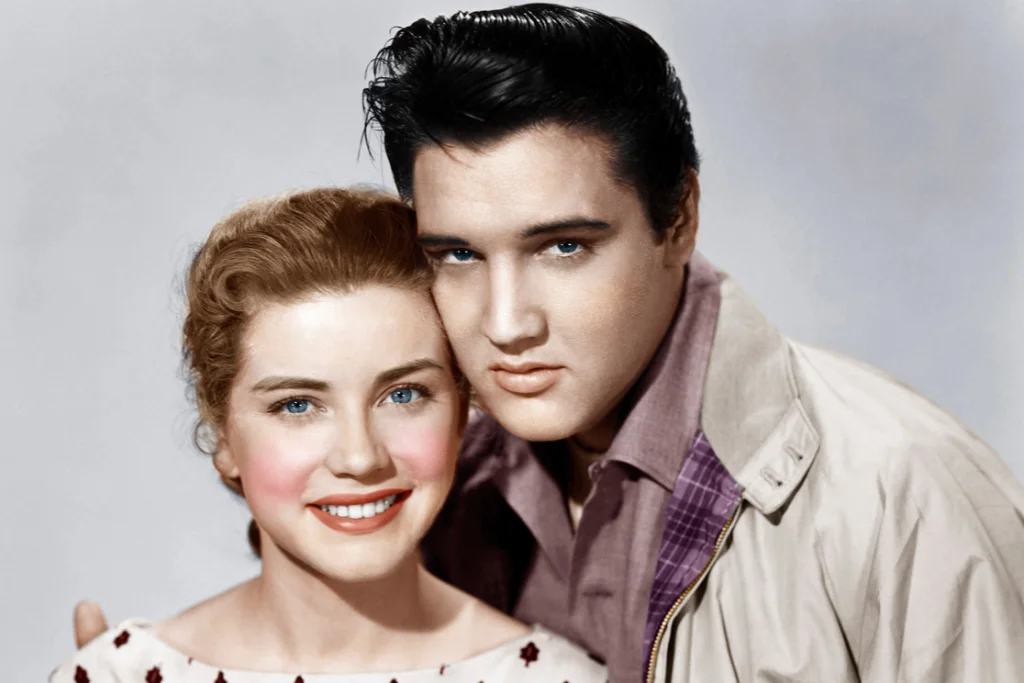
Dolores Hart seemed poised for a long television and film career after making a strong impression on early ’60s TV and in high profile films. She was a familiar face on programs like The Virginian and The Alfred Hitchcock Hour, and Hollywood clearly expected more. Then, at the height of her visibility, she made a choice no one saw coming.
In 1963, Hart quietly left acting and entered a Benedictine convent, eventually becoming Mother Dolores Hart. There was no farewell tour or final TV episode marking her exit. Viewers simply stopped seeing her appear in weekly listings. For many fans, it felt as if she vanished overnight, even though her story later became one of the most remarkable career pivots of the decade.
2. Suzanne Lloyd
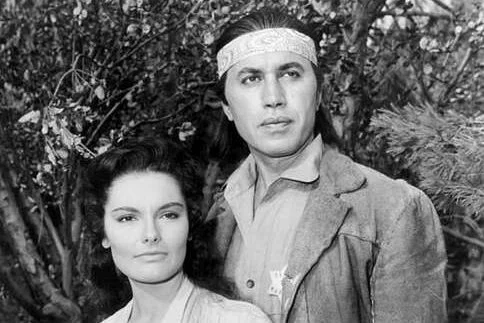
Suzanne Lloyd was everywhere in early ’60s television, turning up on popular dramas like Route 66, The Twilight Zone, and The Fugitive. She had the kind of résumé that suggested steady work for years. Her performances were confident, modern, and memorable, even in single episode appearances.
Then, in the mid ’60s, Lloyd stepped away from acting with very little public explanation. She chose to focus on family life and largely left Hollywood behind. There was no official goodbye to viewers who recognized her face week after week. One season she was there, the next she simply was not.
3. Inger Stevens

Inger Stevens was one of the most striking and recognizable faces on ’60s television, appearing frequently on shows like The Twilight Zone, Route 66, The Alfred Hitchcock Hour, and The Man from U.N.C.L.E.. Her performances had an emotional depth that lingered long after the episode ended. Viewers often remembered her even when they could not recall the episode title. She seemed poised for a long, evolving television career.
Then, in 1970, Stevens died suddenly at the age of 35, shocking fans and colleagues alike. There was no gradual fade out or final role meant to close a chapter. One year she was a familiar presence on television screens, and the next she was gone entirely. For audiences, her disappearance felt abrupt and deeply unsettling. It was the kind of vanishing that left questions rather than closure.
4. Yvonne Craig
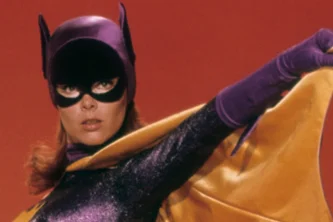
Yvonne Craig is best remembered today for Batman, but during the ’60s she appeared across television, from Star Trek to The Man from U.N.C.L.E.. She was a dependable guest star at a time when TV schedules were packed with genre shows. Her visibility made it seem like she would always be around.
By the early ’70s, Craig largely stepped away from acting, choosing to focus on business ventures and personal pursuits. She did not announce a retirement or stage a farewell performance. She simply stopped showing up in new roles. For fans used to seeing her pop up everywhere, the silence was noticeable.
5. Bobby Diamond
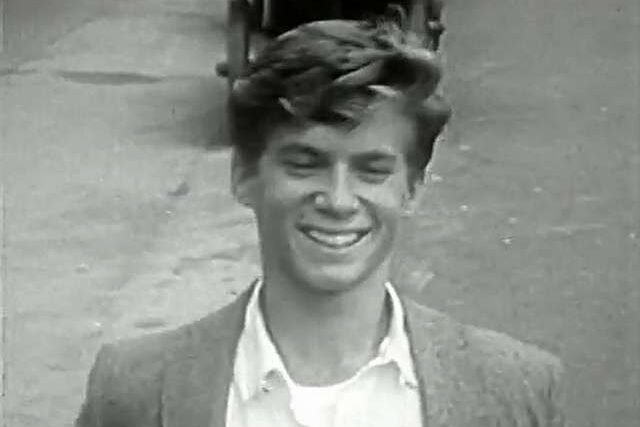
Bobby Diamond made his mark as the star of Dr. Kildare, becoming one of the most recognizable young actors of early ’60s television. The show gave him fame, steady work, and a strong fan base. It also made his face instantly familiar to viewers.
When the series ended, Diamond did not transition into a long acting career. Instead, he quietly left the industry and moved into business and education. There was no public goodbye to the audience that had watched him weekly. His absence felt abrupt, especially given how prominent he once was.
6. Patty McCormack
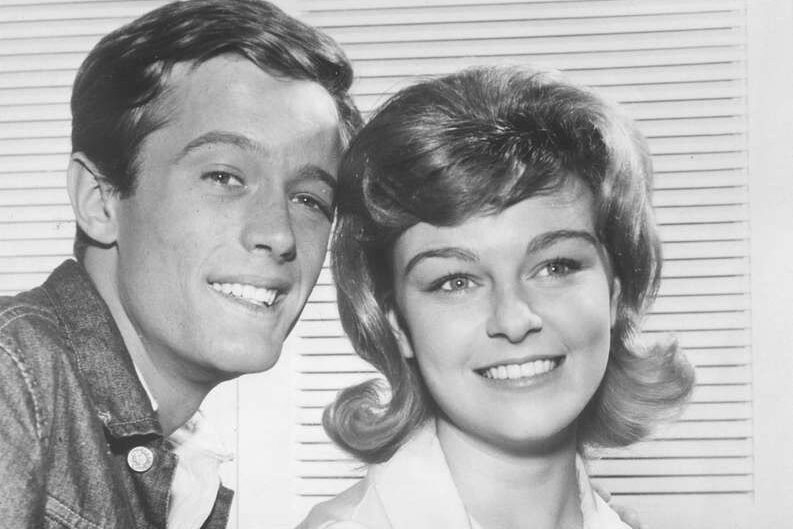
Patty McCormack was already famous before the ’60s, but television kept her visible through the decade with frequent guest roles. She often played unsettling or intense characters that viewers remembered long after episodes aired. Her presence added edge to otherwise traditional shows.
As the years went on, her TV appearances became less frequent, and she eventually stepped back from regular acting. There was no final moment signaling her exit. She simply stopped being part of the weekly TV landscape. For many viewers, her disappearance felt quiet and unresolved.
7. Sally Kellerman
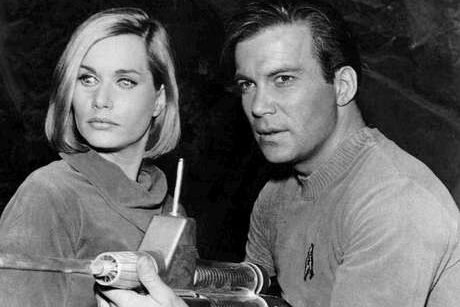
Sally Kellerman appeared in numerous ’60s television shows, including The Outer Limits and The Twilight Zone. She was recognizable, versatile, and clearly in demand during the decade. At the time, she seemed destined to remain a TV fixture.
Her career later shifted away from television, and she stopped appearing regularly on the small screen. There was no clear break or farewell episode to mark the change. Audiences who associated her with ’60s TV simply stopped encountering her there. It felt less like a goodbye and more like a fade out.
8. Tuesday Weld
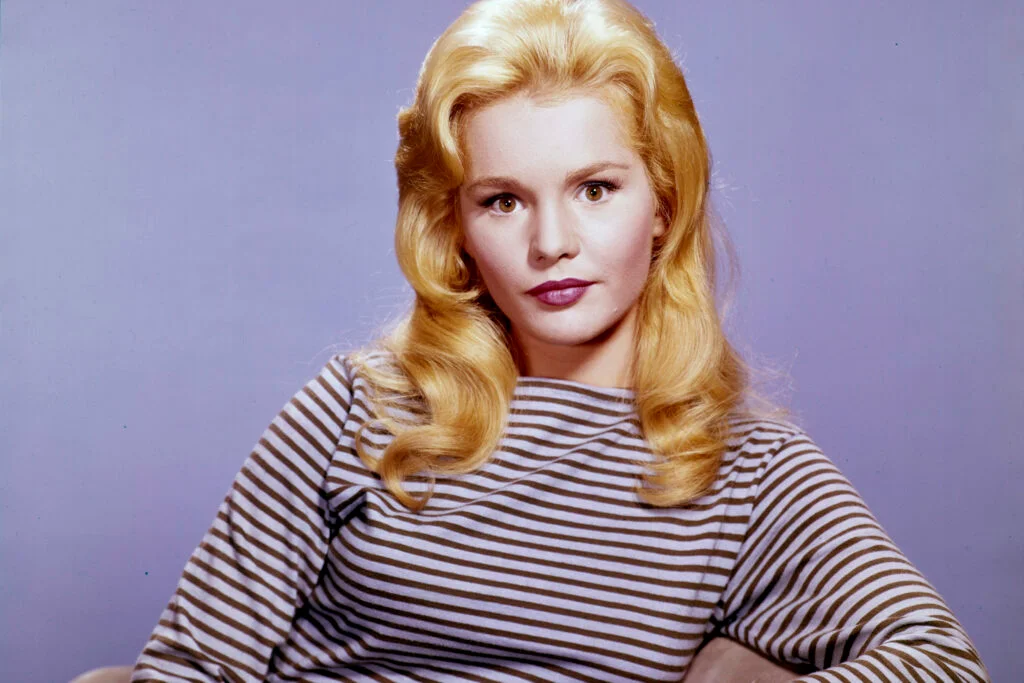
Tuesday Weld was a familiar presence on television during the early ’60s, especially in anthology dramas and guest appearances. She had a distinctive screen presence that made even brief roles stand out. Viewers quickly learned to recognize her.
As the decade progressed, Weld moved away from television and became more selective about acting overall. She did not announce a departure from TV, nor did she give fans a closing chapter. Her appearances simply became rarer. To many viewers, she seemed to disappear rather than exit.
9. Barry Coe
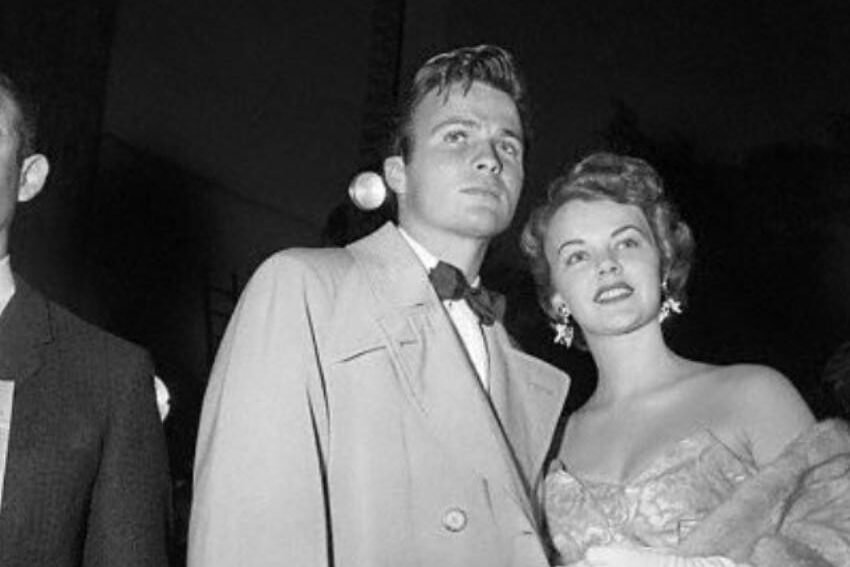
Barry Coe starred in the crime drama The New Breed, giving him leading man status in early ’60s television. He looked like someone built for long term TV stardom. Networks clearly saw potential in him.
After the show ended, Coe’s acting career slowed dramatically. He eventually left the industry and pursued other interests. There was no public farewell to his audience. One year he was a weekly star, and the next he was gone.
10. Kathie Browne
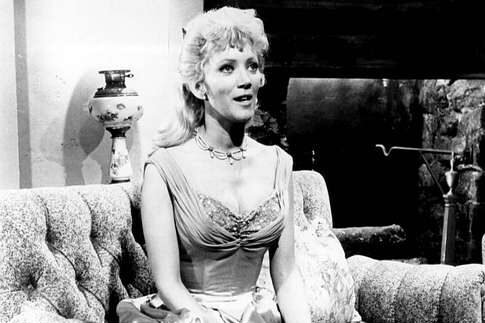
Kathie Browne was a familiar face on ’60s television, appearing on shows like Bonanza, The Virginian, Perry Mason, and Mission: Impossible. She worked steadily throughout the decade, often playing composed, intelligent characters that fit perfectly into prestige dramas. While she was rarely the headline star, viewers recognized her immediately. Her résumé suggested a long career built on reliable television work.
In the early ’70s, Browne quietly stepped away from acting after marrying actor Darren McGavin. She chose to leave Hollywood life behind and did not publicly frame the decision as a retirement. There was no final role meant to mark her departure. For regular viewers, her absence felt sudden. One season she was everywhere, and then she was simply gone.
11. Robert Walker Jr.
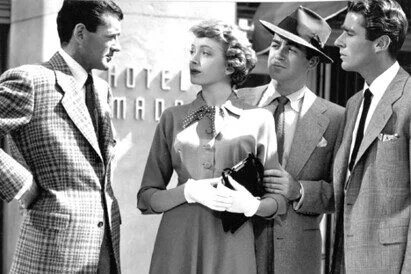
Robert Walker Jr. appeared on many major ’60s television series, including The Virginian and Route 66. He brought intensity and sensitivity to his roles, making him memorable even in one off appearances. His pedigree and talent suggested longevity.
By the end of the decade, his television presence had declined significantly. While he continued working intermittently, he was no longer a regular fixture. There was no defining goodbye moment for viewers. His absence felt quiet rather than planned.
12. Diane Baker
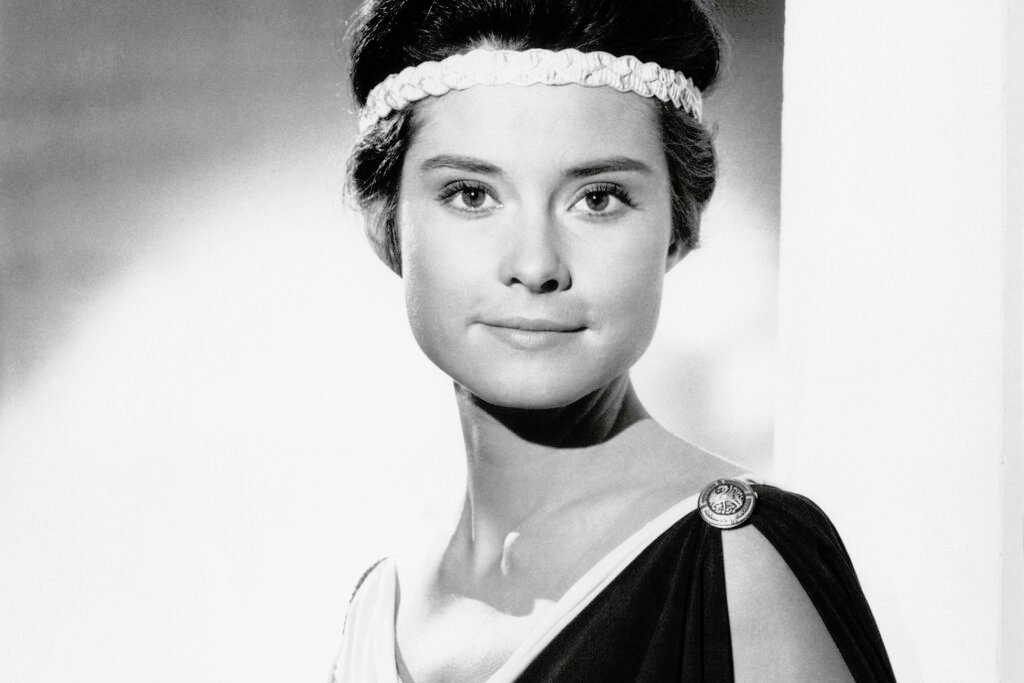
Diane Baker was a steady presence on ’60s television, appearing on shows like The Alfred Hitchcock Hour and Bonanza. She embodied the polished, intelligent style of the era’s dramatic TV. Audiences knew her face even if they did not always know her name.
As television evolved, Baker moved away from frequent TV roles and focused elsewhere. Her departure was gradual but unannounced. There was no final bow or closing role. She simply stopped appearing as often until she was gone.
13. Brandon deWilde
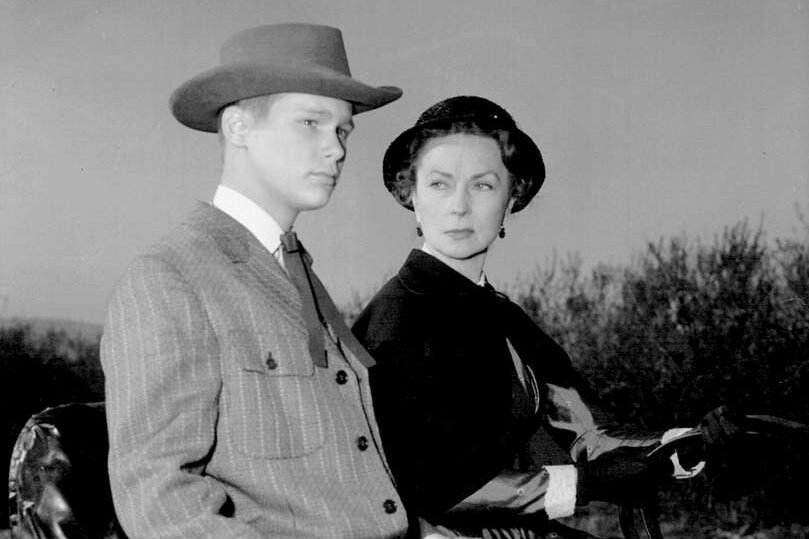
Brandon deWilde grew up in front of cameras, transitioning from child stardom into steady ’60s television work on series like The Virginian and The Loner. Viewers watched him mature on screen, which created a strong sense of familiarity and loyalty. He brought a natural, earnest quality that fit perfectly with the era’s westerns and dramas. It felt like he was on the brink of a long adult career.
Then, in 1972, deWilde was killed in a car accident at just 30 years old. There was no gradual transition away from television and no chance for a farewell role. His appearances simply stopped, leaving fans stunned. For audiences who had watched him grow up, the loss felt especially abrupt and unfinished.
14. Susan Oliver
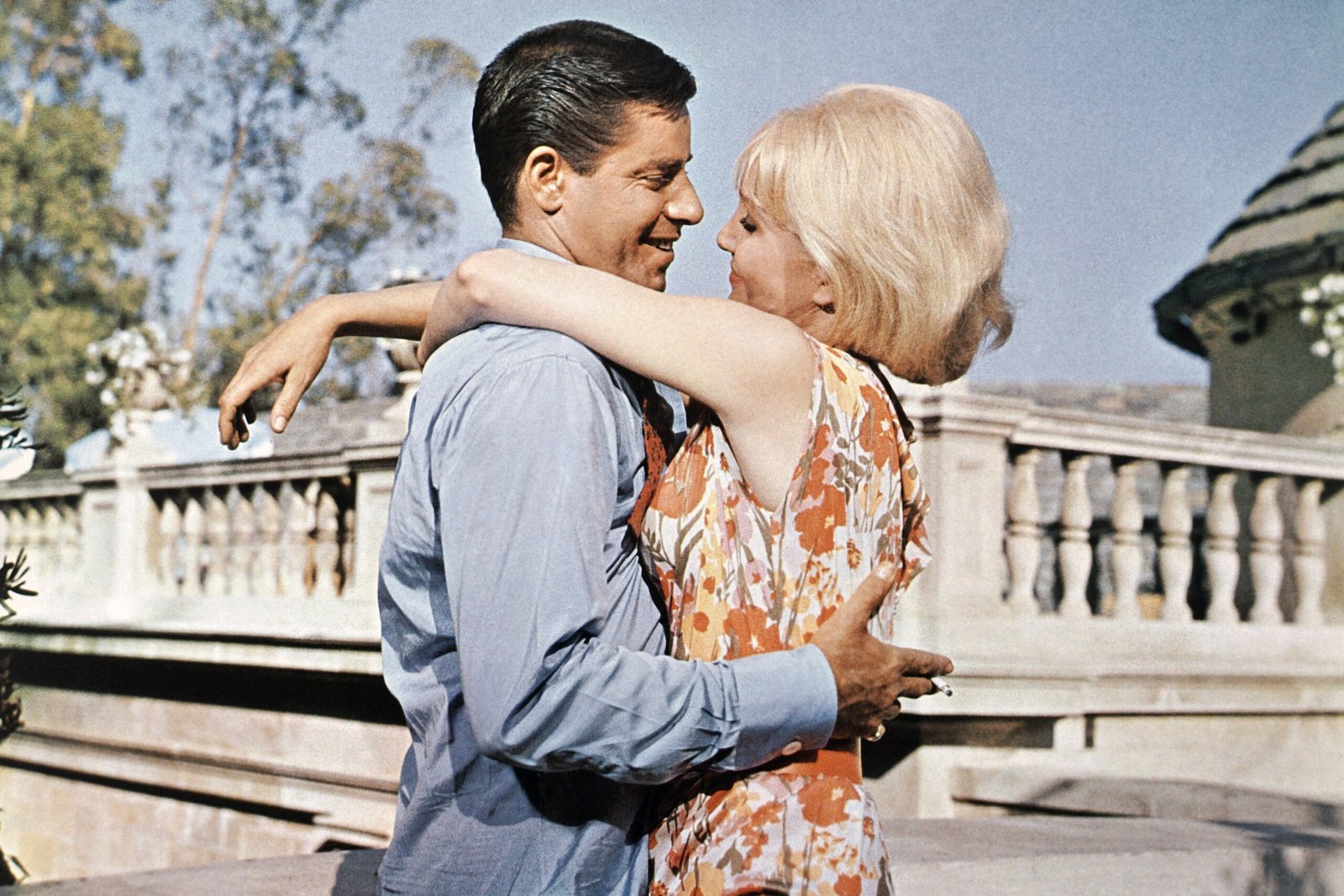
Susan Oliver was a frequent presence on ’60s television, appearing on shows like Star Trek, The Twilight Zone, Wagon Train, and The Fugitive. She often played strong, intelligent characters who stood out even in ensemble casts. Her expressive performances made her one of those actors viewers recognized instantly, even if they could not always name her.
As the decade ended, Oliver gradually stepped away from regular acting and shifted her focus toward aviation and photography. She became an accomplished pilot and later worked as a photographer, leaving television behind quietly. There was no public announcement or farewell role. For fans, she simply stopped showing up in weekly programming.
15. Peter Duel
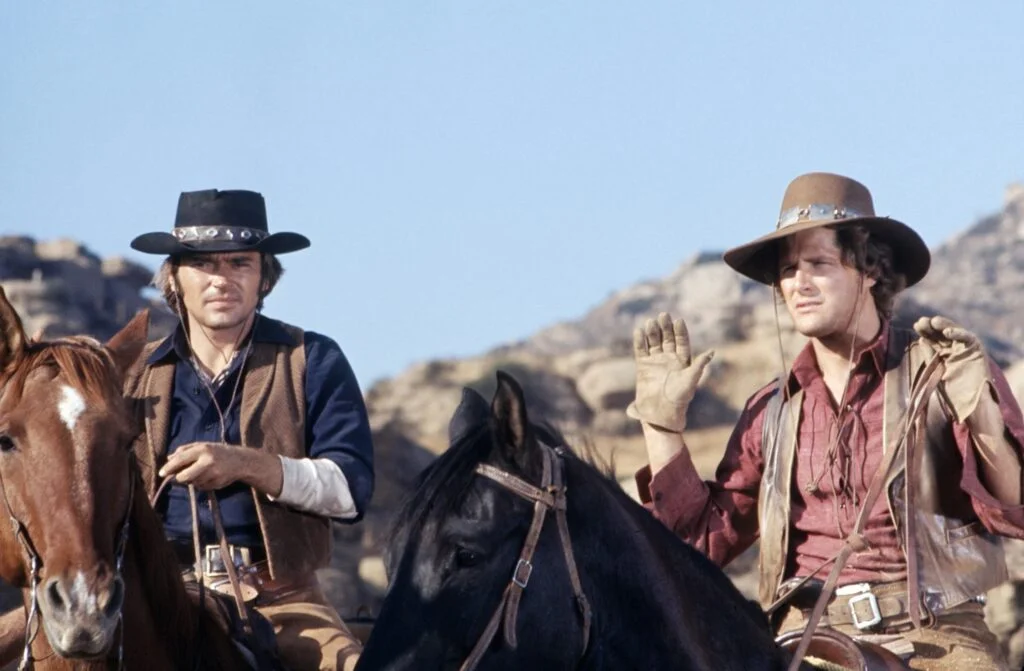
Peter Duel became a breakout TV star with the western series Alias Smith and Jones, quickly gaining a devoted fan base. His relaxed charisma and modern sensibility made the show feel fresh for the early ’70s audience, building on momentum from his earlier television work. It looked like he was headed for a long run as a leading man.
In 1971, Duel died suddenly at the age of 31, shocking both viewers and the industry. The series was still airing new episodes when news of his death broke. There was no opportunity for a farewell or final chapter. For fans, his disappearance felt sudden and deeply jarring.
16. Diana Hyland
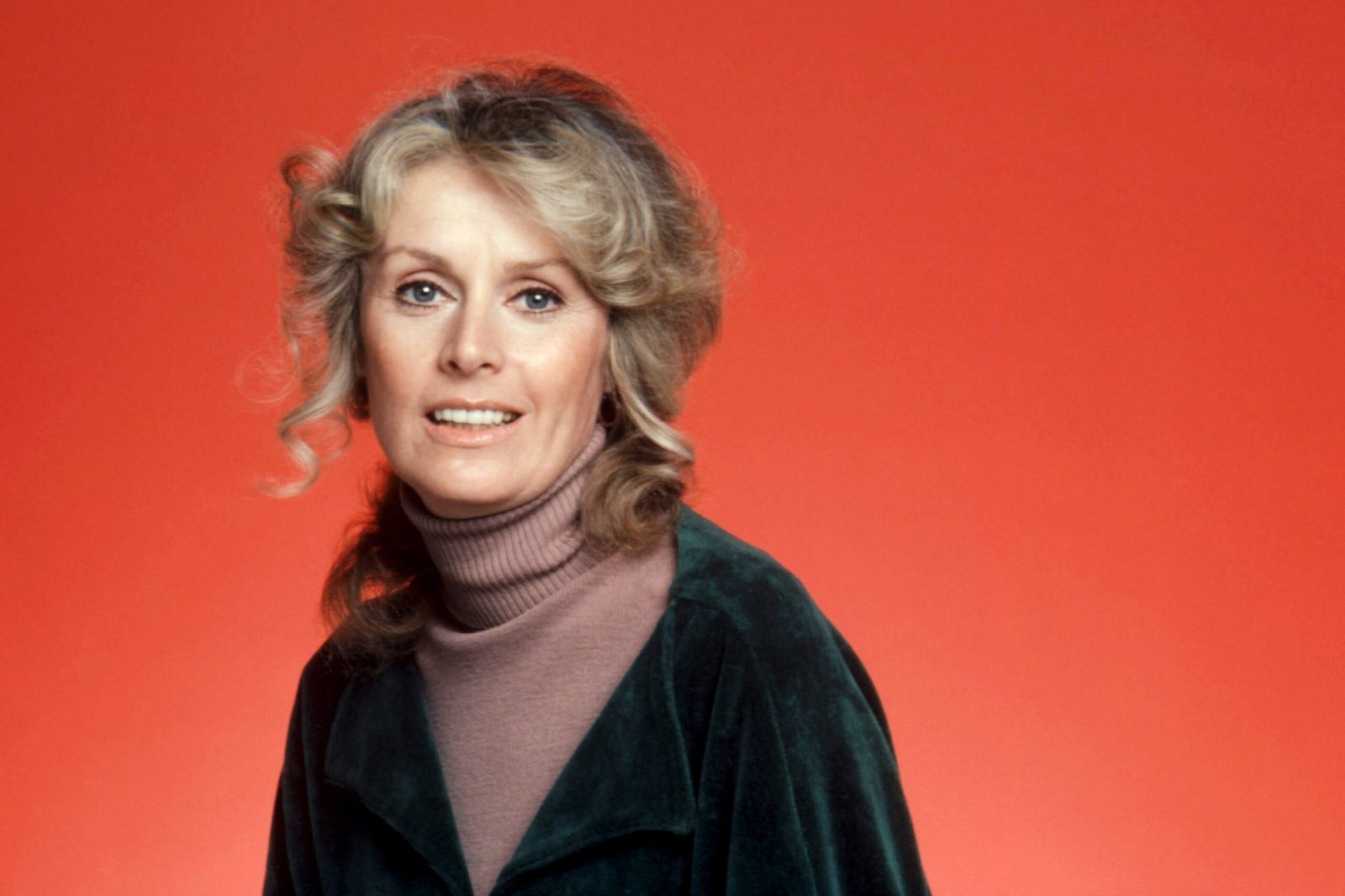
Diana Hyland appeared frequently on ’60s television, including guest roles on The Twilight Zone, Bonanza, and The Man from U.N.C.L.E.. She brought emotional intelligence and warmth to her performances, making her especially effective in dramatic roles. Her career seemed to be steadily building throughout the decade.
In the mid ’70s, Hyland became ill and later died from cancer in 1977 at age 41. Her television appearances ended without warning for most viewers. There was no sense of closure or planned farewell. To fans who remembered her from years of steady guest roles, her disappearance felt sudden and sad.
17. Troy Donahue
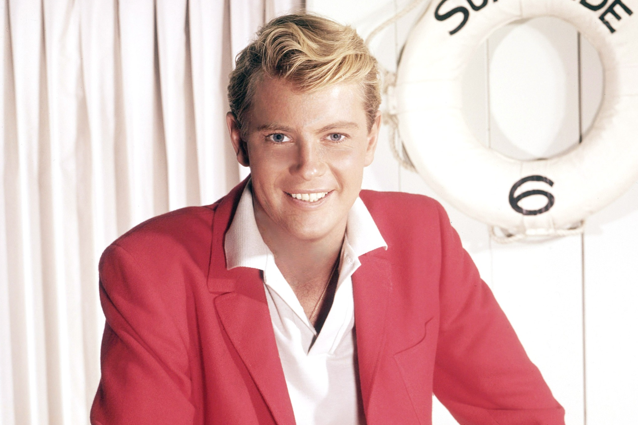
Troy Donahue was a major heartthrob in the late ’50s and early ’60s, and he remained visible on television throughout the decade with appearances on shows like Surfside 6 and The Love Boat later on. His blond leading man image made him instantly recognizable to viewers. For a time, he seemed like a permanent fixture of popular culture.
As the years progressed, Donahue’s screen appearances became far less frequent, and his visibility faded without a formal goodbye. Personal struggles and changing industry tastes shifted him away from steady television work. There was no clear final role marking the end of his TV era. For many fans, he simply drifted out of sight rather than exiting deliberately.