
1. Flashdance (1983)
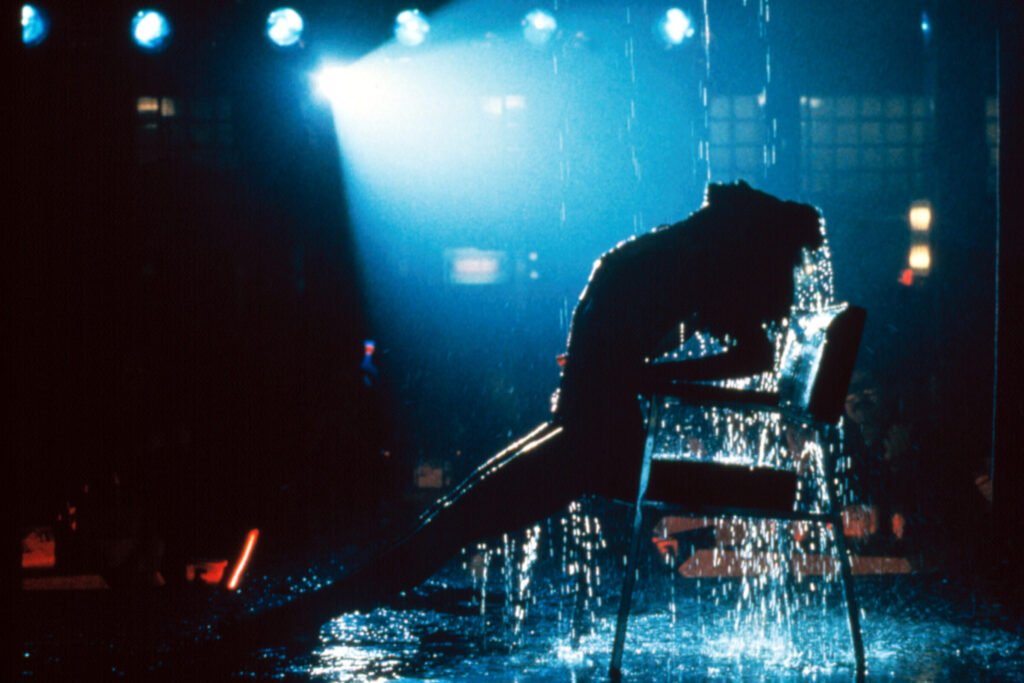
The movie itself is a glossy, sometimes flimsy snapshot of early ’80s ambition, but the soundtrack did the real cultural work. Songs like “Flashdance… What a Feeling” and “Maniac” became unavoidable, blasting from radios, gyms, and roller rinks. Even people who never saw the film knew the music by heart. The soundtrack carried the movie’s emotional arc far more clearly than the script ever did.
What’s striking is how the album has outlasted the film in public memory. The songs still turn up in commercials, workout playlists, and throwback countdowns. The movie feels dated in ways the music does not. In many ways, the soundtrack became the shorthand for the entire Flashdance phenomenon.
2. Footloose (1984)
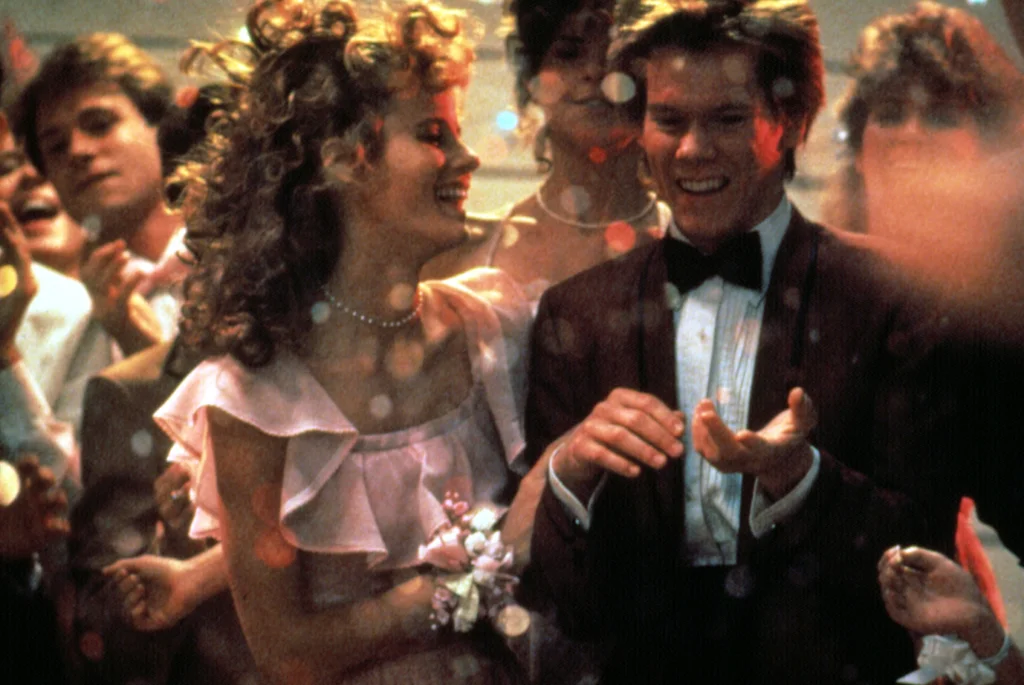
The film is earnest and charming, but its story is fairly straightforward teen rebellion. The soundtrack, however, became a generational calling card. “Footloose,” “Let’s Hear It for the Boy,” and “Holding Out for a Hero” were massive hits on their own. They injected urgency and fun that the movie alone could not sustain.
Decades later, the songs still feel alive in a way the film sometimes struggles to match. The soundtrack is often remembered more fondly than the actual plot. Many people can sing multiple tracks without recalling specific scenes. The music gave Footloose its lasting heartbeat.
3. Purple Rain (1984)
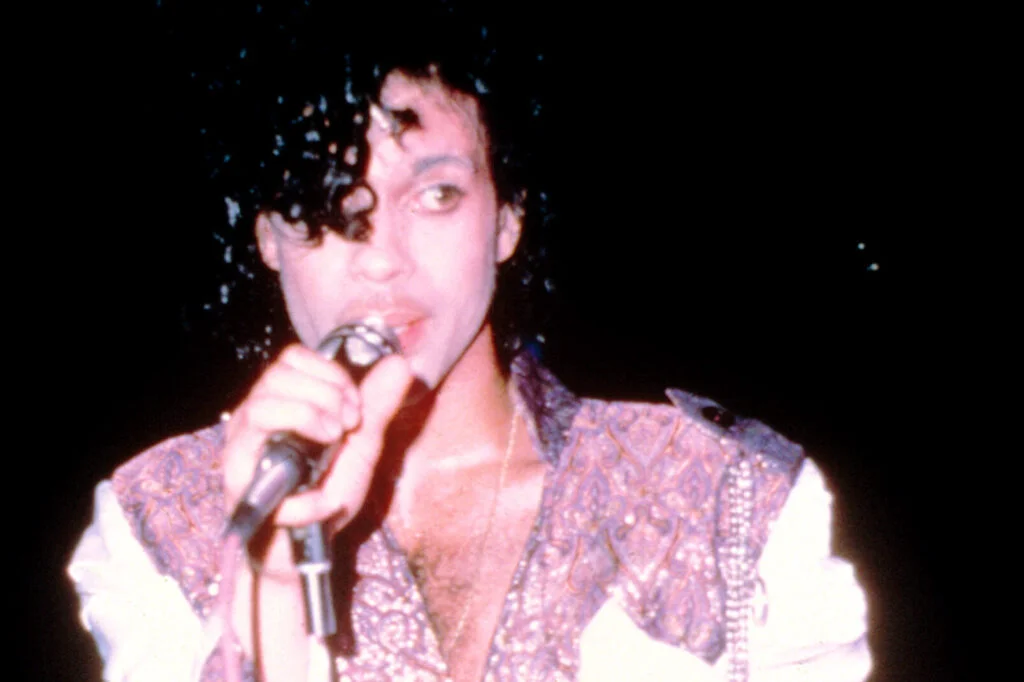
The film is uneven and occasionally awkward, even for devoted fans. The soundtrack, though, is one of the most important albums of the decade. Songs like “When Doves Cry” and “Let’s Go Crazy” transcended the movie entirely. Prince’s music carried emotional depth that the narrative only hinted at.
For many listeners, the album stands completely apart from the film. You do not need the story to feel the impact of the songs. The soundtrack is often discussed as a landmark record first and a movie tie in second. In this case, the music did almost all the heavy lifting.
4. Top Gun (1986)
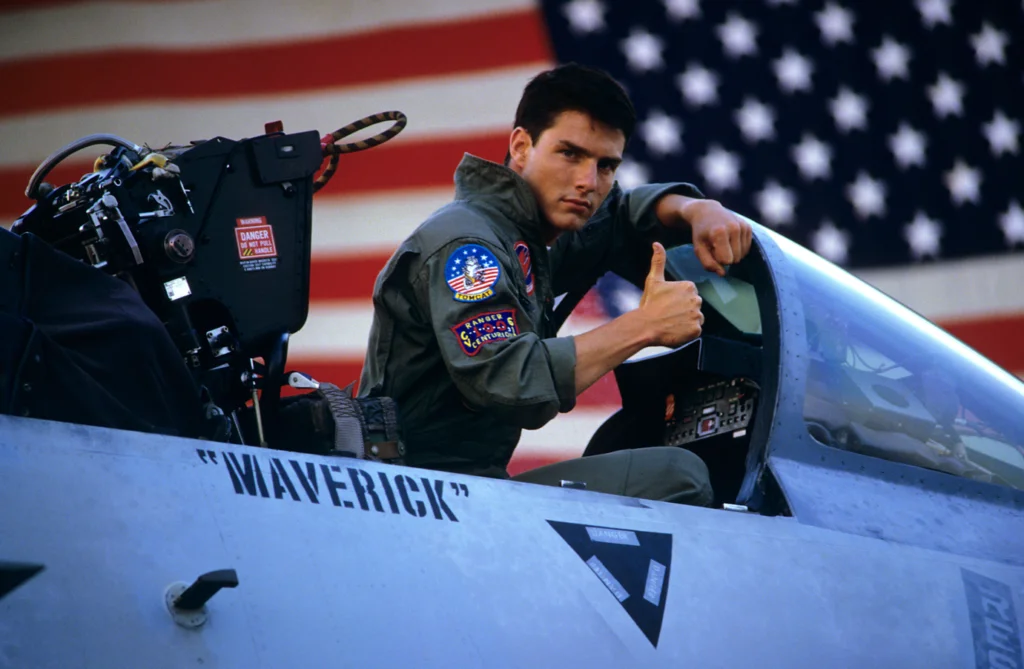
The movie is a glossy, patriotic adrenaline rush with thin character development. The soundtrack, on the other hand, defined mid ’80s cool. “Danger Zone” and “Take My Breath Away” became instant classics. The music amplified the film’s vibe far beyond what the dialogue could achieve.
The soundtrack’s legacy has arguably outpaced the movie’s reputation. Many people associate Top Gun more with its songs than its plot. The music still signals speed, romance, and bravado. Without that soundtrack, the film’s cultural footprint would be much smaller.
5. Dirty Dancing (1987)
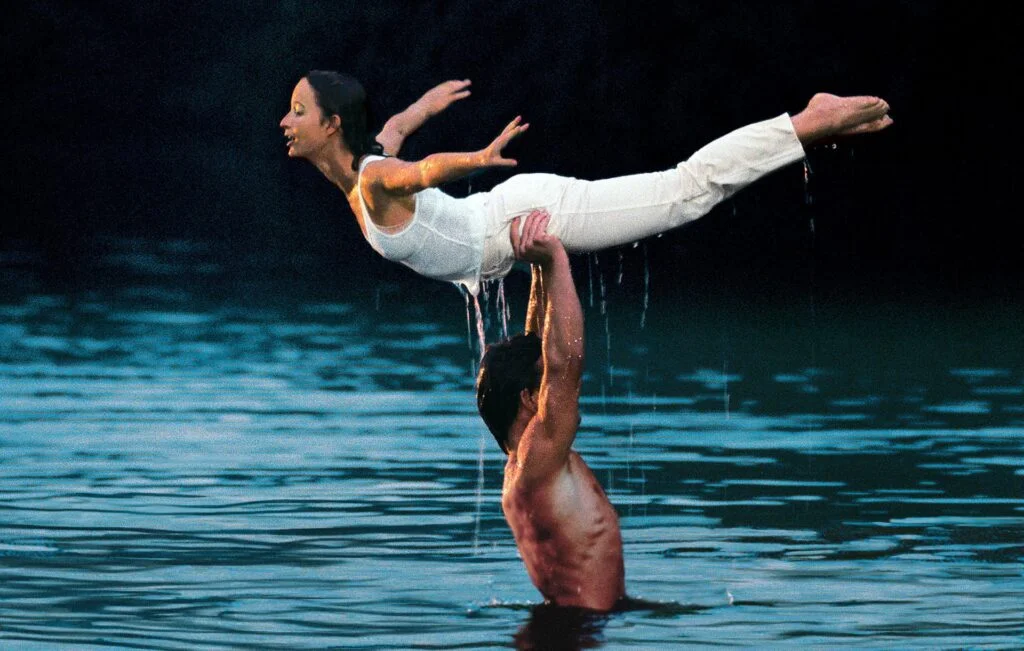
The movie is beloved, but it is also very much a product of its time. The soundtrack gave it emotional weight and timeless appeal. “(I’ve Had) The Time of My Life” became a wedding staple and pop culture fixture. The mix of oldies and contemporary tracks anchored the film’s nostalgia.
The album took on a life of its own outside the movie. It topped charts and stayed there for months. Many fans connected to the music before they ever saw the film. In this case, the soundtrack helped elevate a modest story into a cultural event.
6. Beverly Hills Cop (1984)
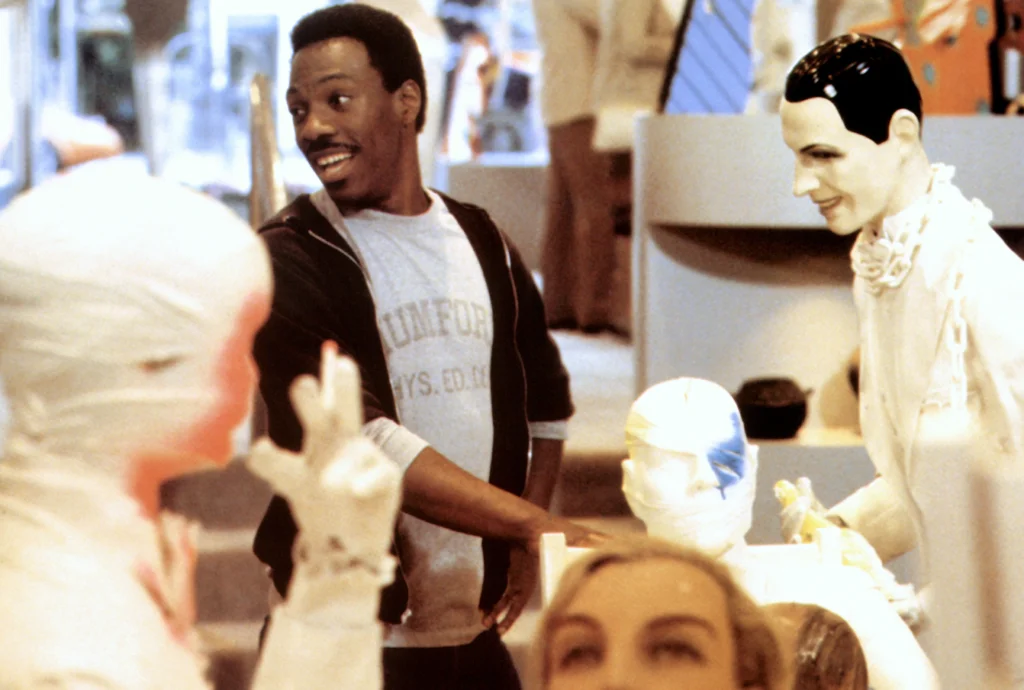
The film is funny and fast paced, but its tone is set almost entirely by the music. “Axel F” became synonymous with Eddie Murphy’s character. The synth driven score gave the movie a slick, modern edge. Without it, the film would feel much more ordinary.
The soundtrack’s main theme quickly escaped the movie itself. It became a radio hit and a pop culture reference point. Even people unfamiliar with the film recognize the tune. The music did more than support the movie, it defined it.
7. The Lost Boys (1987)
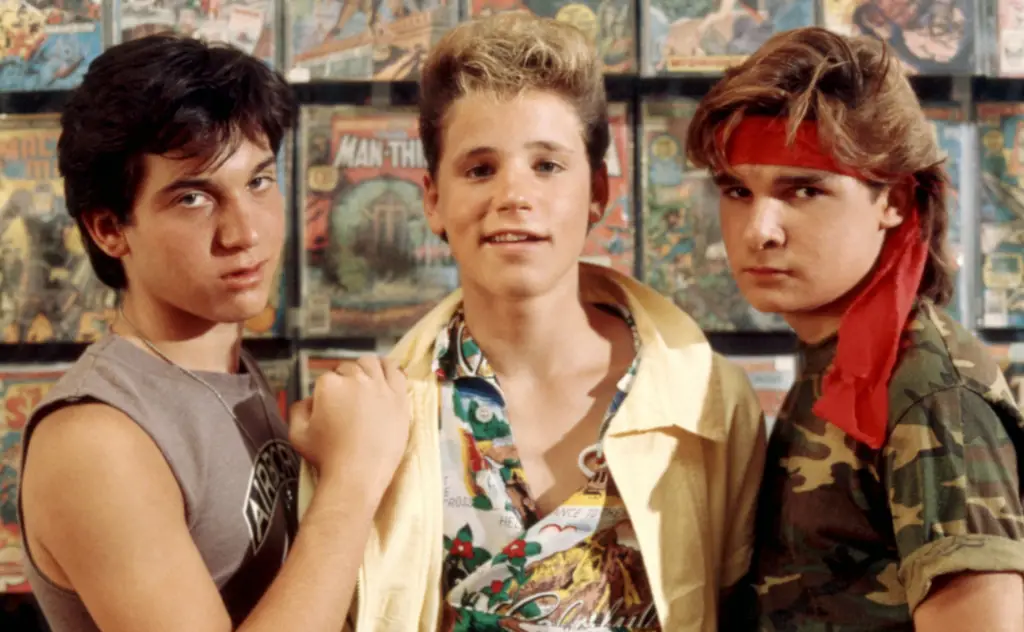
The film walks a strange line between horror, comedy, and teen drama. The soundtrack pulls everything together with confidence. Songs like “Cry Little Sister” create a moody atmosphere the script alone cannot sustain. The music gives the film its cult appeal.
Over time, the soundtrack has become a major reason the movie is still remembered. Fans often cite the music first when discussing The Lost Boys. The songs shaped the film’s identity. In many ways, the soundtrack did the emotional heavy lifting.
8. Rocky IV (1985)
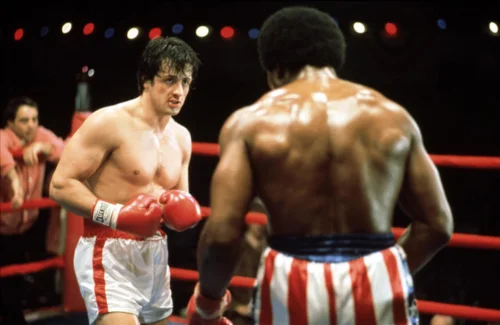
The movie leans heavily on montage and spectacle rather than dialogue. The soundtrack fills in those gaps with bombast and energy. Tracks like “Eye of the Tiger” and “Burning Heart” carry the story forward. The music tells you how to feel at every turn.
The album became a workout and motivation staple. Many people know the songs better than the plot details. The soundtrack’s intensity is what people remember most. It transformed a simple sports film into a pop culture moment.
9. St. Elmo’s Fire (1985)
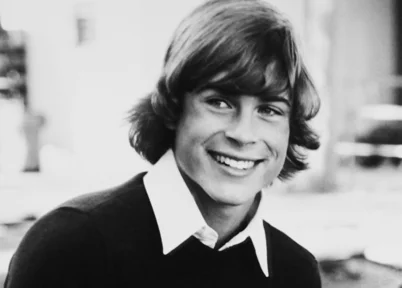
The film captures post college anxiety but can feel meandering. The soundtrack gave it emotional cohesion. “St. Elmo’s Fire (Man in Motion)” became an anthem of perseverance. The music expressed ambition and longing more clearly than the screenplay.
The title song in particular overshadowed the movie itself. It remains a staple of ’80s playlists. Many listeners associate the song with the era rather than the film. The soundtrack helped cement the movie’s place in pop culture memory.
10. The Transformers: The Movie (1986)
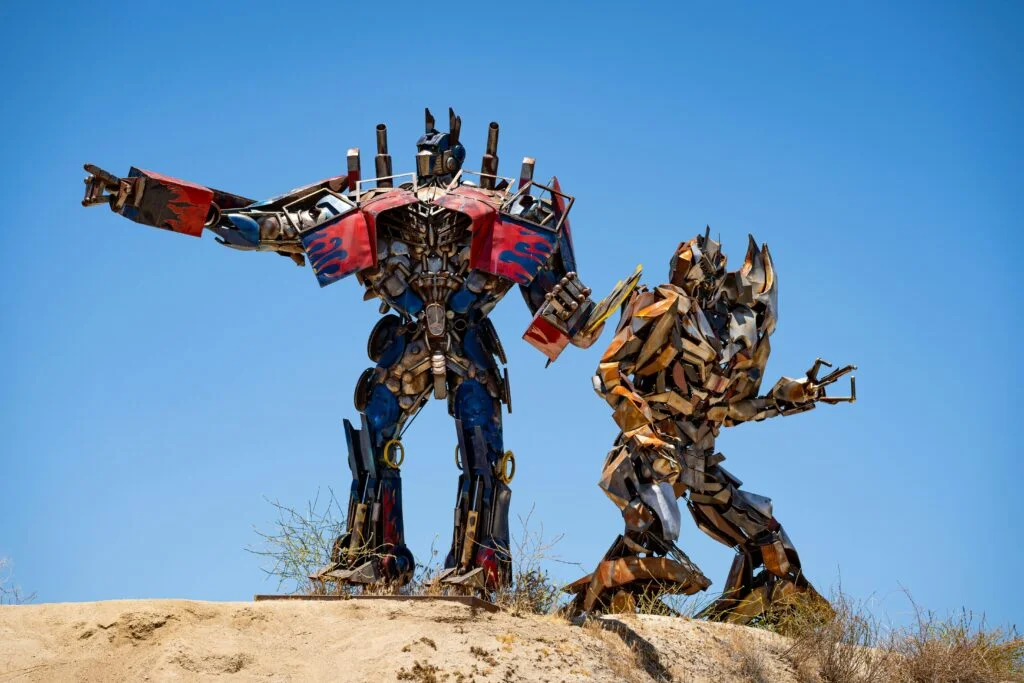
The animated film confused a lot of young viewers with its darker tone and sudden character deaths. The soundtrack, however, went all in on bombastic ’80s energy. Songs like “The Touch” and “Dare” gave the movie a sense of grandeur it sometimes struggled to earn. The music made the story feel epic, even when the animation and plotting faltered.
Over time, the soundtrack has become the most fondly remembered part of the experience. Fans still associate those songs with heroism and childhood intensity. The music is quoted, replayed, and celebrated far more often than the film itself. In many ways, the soundtrack became the emotional memory people carried forward.
11. Valley Girl (1983)
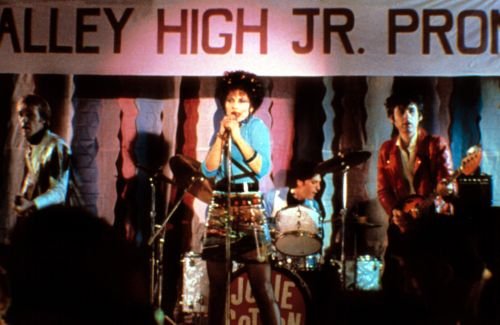
The film is charming but small in scale. Its soundtrack became a defining new wave collection. Featuring bands like Modern English and The Plimsouls, the music shaped the movie’s identity. The songs introduced many viewers to alternative sounds.
The soundtrack is often praised independently of the film. It captured a moment in music history better than the movie captured teen life. Many people revisit the album without revisiting the film. The music did most of the cultural work.
12. Heavy Metal (1981)
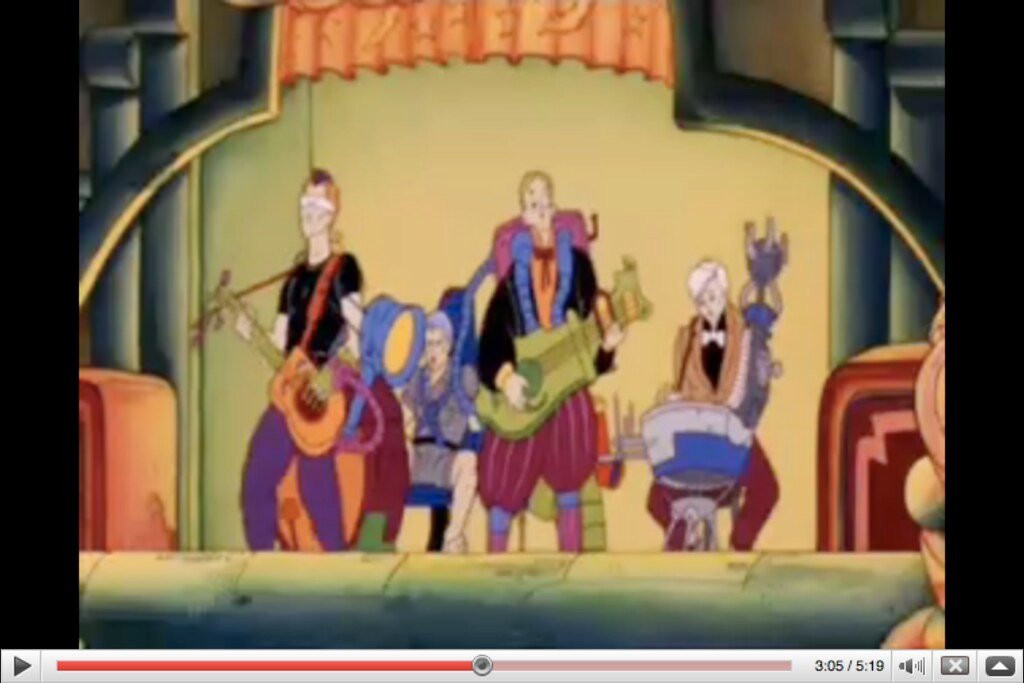
The animated film is uneven and divisive. The soundtrack, however, is legendary. Featuring artists like Black Sabbath and Blue Öyster Cult, the music set a powerful tone. The songs created an atmosphere the visuals could not always sustain.
The album became a classic in its own right. Fans often discuss the soundtrack more than the film’s plot. The music gave Heavy Metal credibility and edge. Without it, the movie would likely be forgotten.
13. To Live and Die in L.A. (1985)
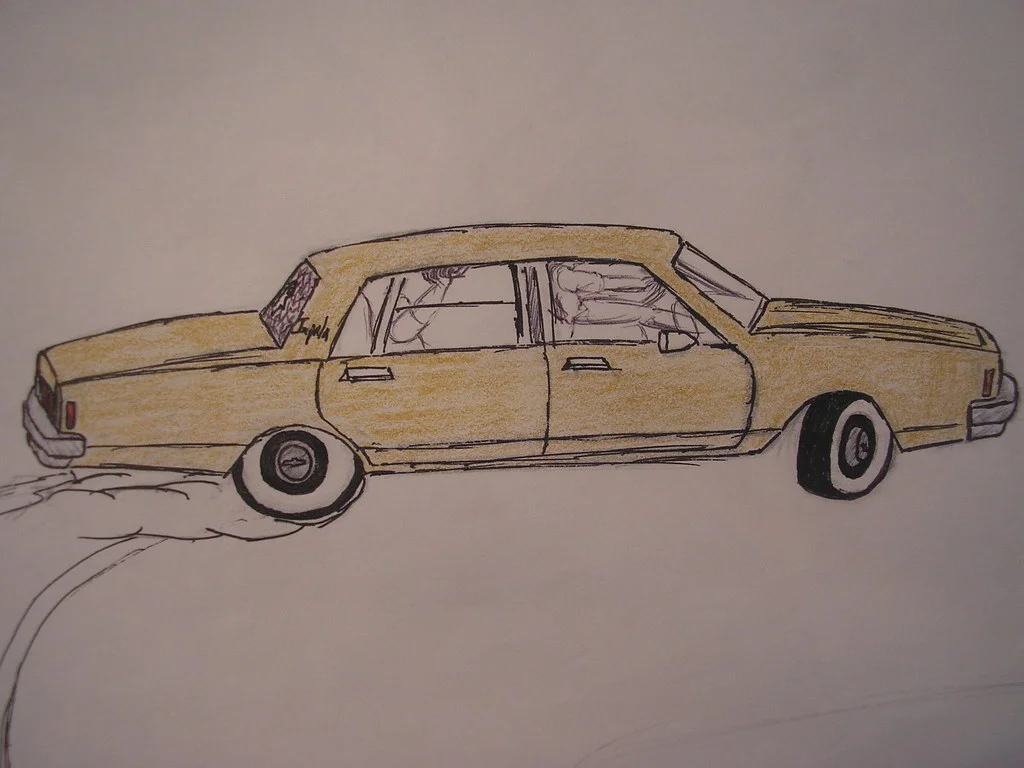
The film is stylish but niche. The soundtrack by Wang Chung elevated it dramatically. The synth score gave the movie urgency and menace. The music carried scenes where dialogue was minimal.
The soundtrack gained recognition beyond the film. Many listeners discovered the music independently. The album helped define the era’s electronic sound. In this case, the music extended the film’s reach.
14. Xanadu (1980)
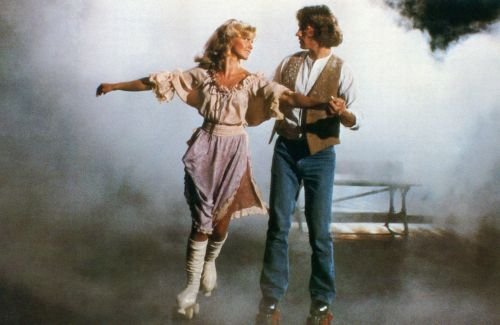
The movie is widely criticized for its plot and execution. The soundtrack is another story entirely. Olivia Newton-John’s songs and ELO’s contributions were chart successes. The music delivered joy the film itself could not.
Over time, the soundtrack has become more respected than the movie. Songs like “Magic” remain beloved. Many fans enjoy the album without revisiting the film. The music did nearly all the heavy lifting here.