
1. Samantha Stephens (Bewitched)
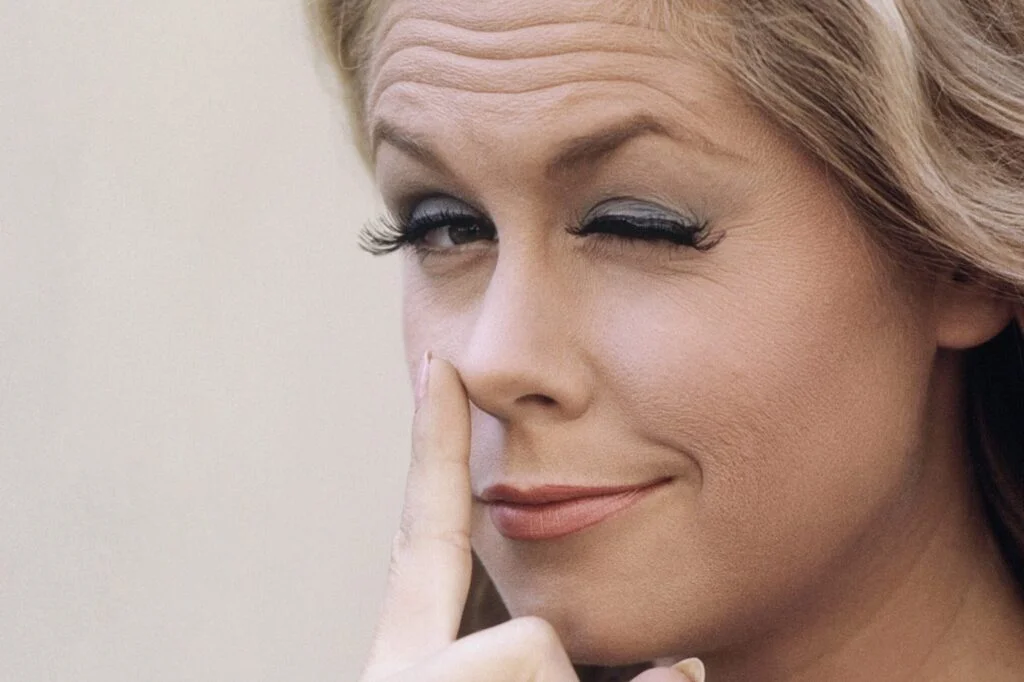
Samantha Stephens quietly pushed television forward by showing a married woman who wanted both independence and a normal domestic life on her own terms. She had extraordinary power, yet chose how and when to use it, often pushing back against rules that limited her freedom. Samantha challenged the idea that wives should simply obey their husbands, even when she loved Darrin deeply. Her insistence on agency felt surprisingly modern for a network sitcom in the early ’60s.
What made Samantha especially progressive was how the show treated her power as personal choice rather than something to fear or suppress. She regularly questioned outdated expectations about women’s roles in marriage and society. Even when she agreed to live as a mortal, it was framed as her decision, not a surrender. For many viewers, Samantha modeled quiet feminism before the word was common in mainstream television.
2. Laura Petrie (The Dick Van Dyke Show)
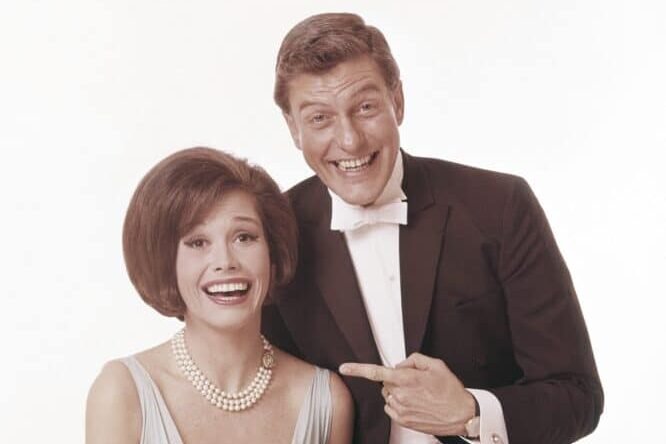
Laura Petrie brought a fresh kind of realism to the sitcom wife, balancing humor, intelligence, and independence. She challenged Rob’s assumptions, spoke her mind, and was never portrayed as less capable simply because she stayed home with their son. Laura’s wit and confidence helped normalize the idea that women could be both nurturing and intellectually sharp. She felt like a real partner in the marriage rather than a punchline.
Her pants-wearing wardrobe alone sparked conversations about women’s fashion and autonomy on television. Laura’s opinions mattered in household decisions, and the show often treated her perspective as equal to Rob’s. She was playful, but also emotionally grounded and self-aware. That balance quietly reshaped how TV portrayed married women during the decade.
3. Sally Rogers (The Dick Van Dyke Show)
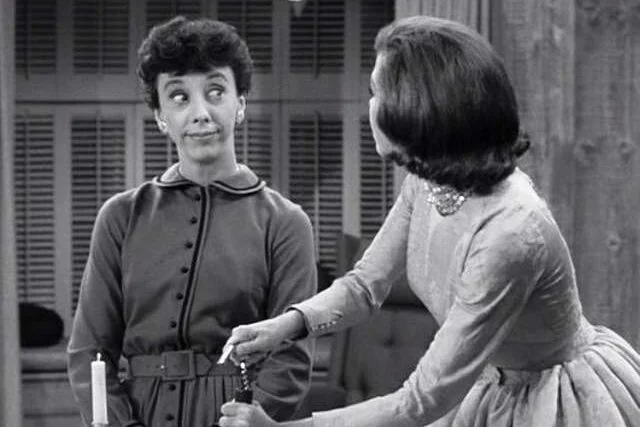
Sally Rogers stood out as a single, career-driven woman thriving in a male-dominated writers’ room. She was confident, sharp, and unapologetically ambitious, often outperforming her male colleagues in wit and productivity. The show never punished her for being unmarried or professionally focused, which was still unusual at the time. Sally’s independence felt refreshingly modern.
She openly discussed dating, loneliness, and workplace dynamics without being reduced to stereotypes. Sally was allowed vulnerability without sacrificing competence, which added depth to her character. Her presence normalized women working creatively alongside men as equals. For many viewers, Sally represented a version of adulthood that did not revolve around marriage.
4. Morticia Addams (The Addams Family)
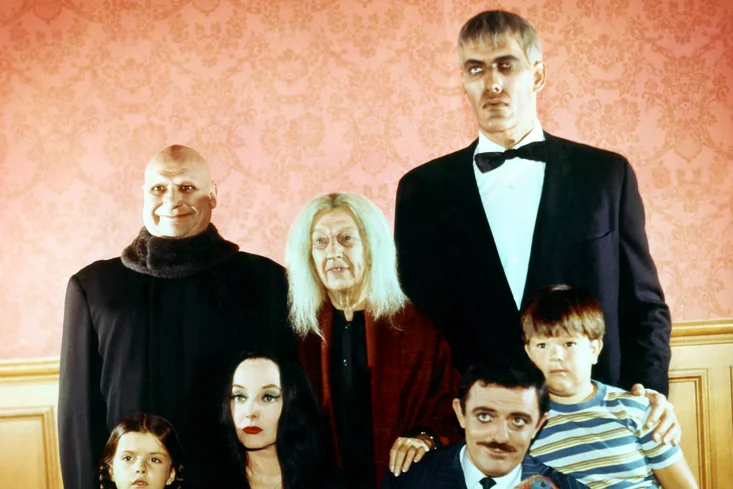
Morticia Addams shattered expectations by being confident, sexually secure, and intellectually composed in a genre that often sidelined women. She ran her household with elegance and authority while maintaining a deeply loving marriage. Morticia was never portrayed as submissive or dependent on Gomez for identity or validation. Instead, she radiated calm control and emotional intelligence.
Her marriage depicted mutual respect, affection, and partnership long before that became standard TV messaging. Morticia embraced individuality and unconventional beauty without apology. She modeled a woman comfortable in her power, creativity, and personal boundaries. Even today, her portrayal still feels strikingly modern.
5. Gomez Addams (The Addams Family)
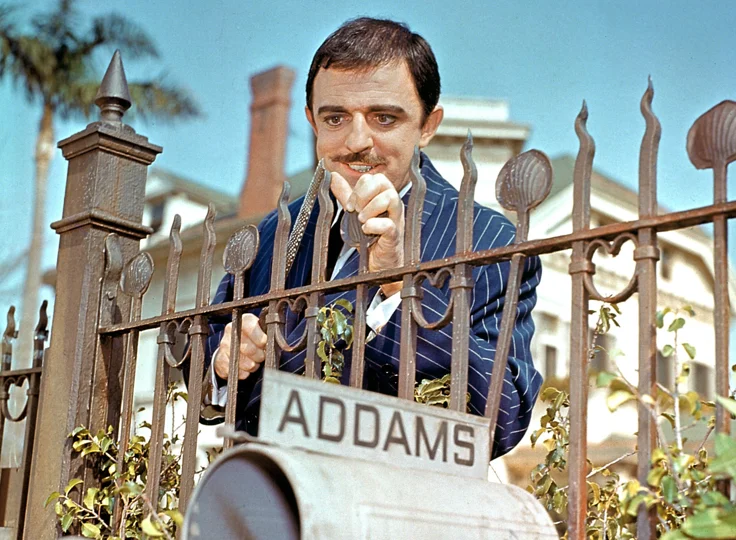
Gomez Addams was a rare example of a husband who openly adored, respected, and supported his wife’s autonomy. He celebrated Morticia’s intellect, independence, and strength without insecurity. Gomez rejected the era’s rigid masculinity by showing emotional vulnerability, affection, and playfulness. His devotion was portrayed as healthy and joyful, not weak.
He treated marriage as a partnership built on mutual admiration rather than control. Gomez encouraged Morticia’s interests and leadership within the family. Their dynamic normalized emotional expressiveness for men at a time when stoicism dominated male TV characters. That portrayal quietly challenged traditional gender roles.
6. Ann Marie (That Girl)
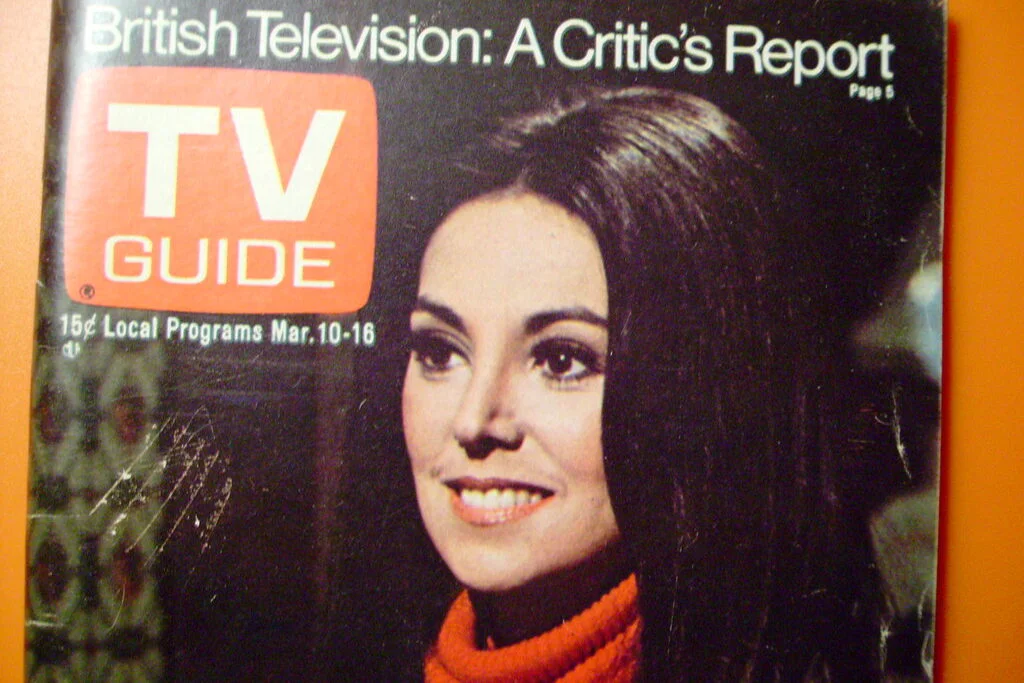
Ann Marie embodied independence by living alone in New York and pursuing an acting career without relying on marriage as her goal. She navigated auditions, rejection, and ambition with optimism and resilience. The show treated her career seriously, even when comedy came from the chaos of creative life. Ann felt relatable to young women seeking autonomy and professional identity.
She managed finances, friendships, and personal growth on her own terms. Romance existed, but it did not define her future or self-worth. Ann normalized women living independently in urban settings, something rarely centered in sitcoms then. Her confidence quietly mirrored cultural shifts happening off-screen.
7. Julia Baker (Julia)
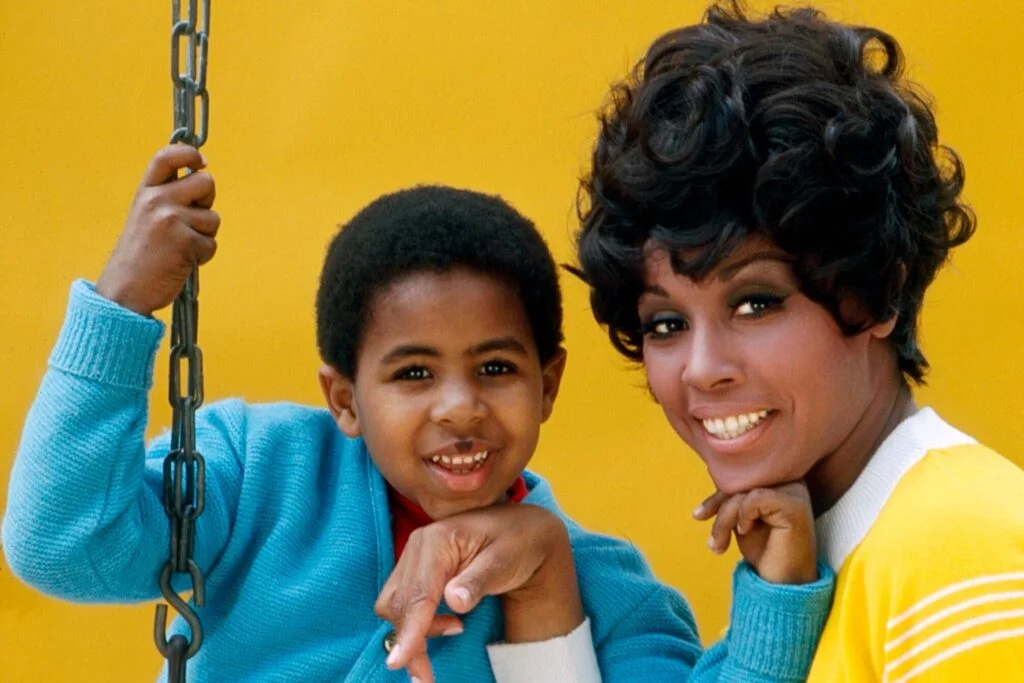
Julia Baker was groundbreaking as a professional Black woman portrayed with dignity, intelligence, and emotional depth. As a widowed nurse raising a son, she balanced career and motherhood without being framed as tragic or deficient. The show emphasized competence, stability, and warmth rather than stereotypes. Julia represented aspirational visibility during a turbulent social era.
She navigated workplace challenges with calm authority and empathy. Her character normalized Black professionals on prime-time television at a moment when representation was still limited. Julia’s strength was depicted through everyday problem-solving rather than sensational drama. That grounded portrayal made her quietly revolutionary.
8. Jeannie Nelson (I Dream of Jeannie)
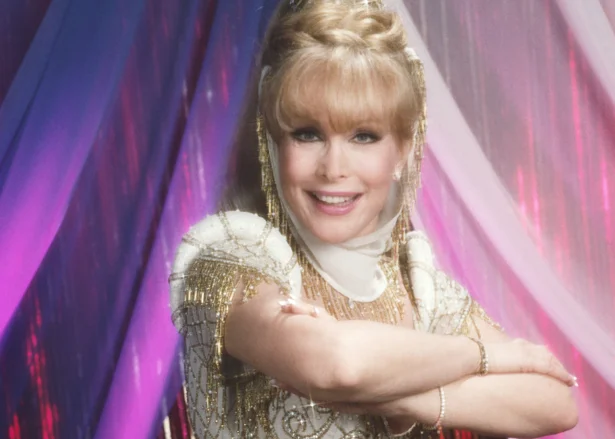
Jeannie complicated traditional gender roles by possessing immense magical power that consistently outpaced the men around her. While the show leaned into romantic comedy tropes, Jeannie’s abilities often drove solutions and controlled outcomes. She demonstrated loyalty and affection without surrendering competence or agency. Her intelligence and adaptability kept the narrative moving.
Even when constrained by sitcom conventions, Jeannie subtly challenged assumptions about dependence and authority. She frequently outwitted military hierarchies and logistical obstacles. The tension between her power and societal expectations mirrored real cultural shifts of the decade. Viewers saw a woman capable of shaping her own world, even within comedic limits.
9. Herman Munster (The Munsters)
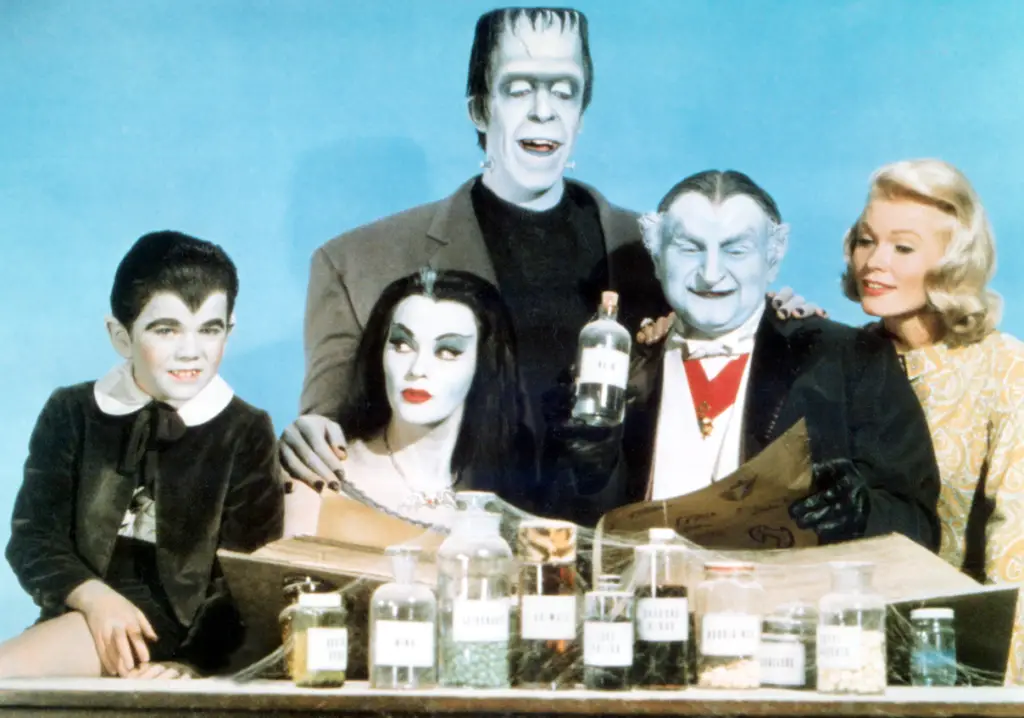
Herman Munster modeled kindness, emotional openness, and tolerance in a decade that often equated masculinity with toughness. He approached parenting with patience, empathy, and humor rather than authoritarian control. Herman encouraged individuality and moral reflection in his children. His warmth made him a quietly progressive father figure.
He embraced outsiders and difference without judgment. Herman’s moral compass consistently prioritized compassion over social conformity. The character subtly reinforced acceptance at a time when cultural anxieties were rising. His gentle leadership challenged stereotypes about strength and masculinity.
10. Lily Munster (The Munsters)
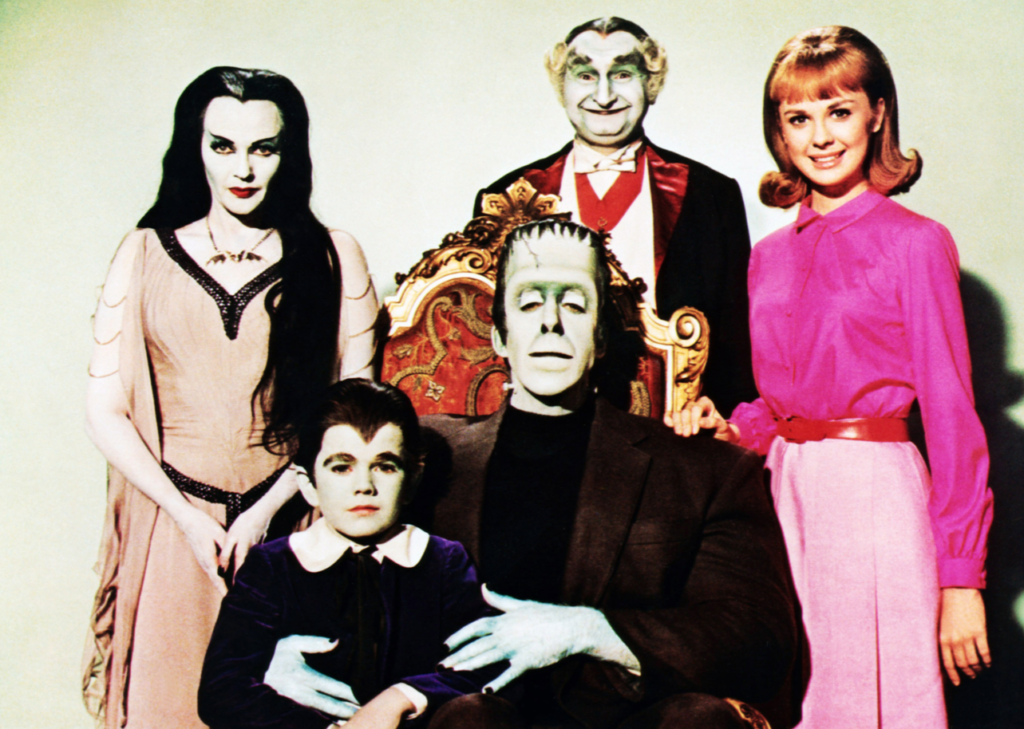
Lily Munster balanced intelligence, authority, and emotional steadiness within her family. She often guided decisions, resolved conflicts, and modeled calm leadership without undermining Herman. Lily was portrayed as a capable matriarch whose judgment carried weight. Her role reflected partnership rather than hierarchy.
She maintained independence of thought while supporting her household. Lily’s competence normalized women as decision-makers within families. Her character quietly reinforced mutual respect in marriage and parenting. That dynamic felt advanced compared to many contemporaneous sitcom households.
11. Rob Petrie (The Dick Van Dyke Show)
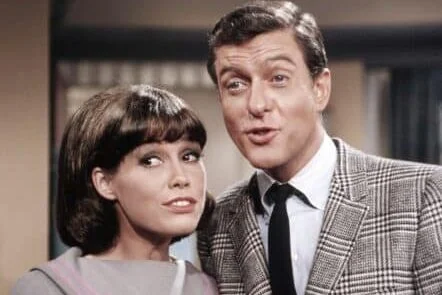
Rob Petrie represented a husband comfortable sharing emotional labor, parenting duties, and household decisions. He valued Laura’s opinions and routinely treated her as an equal partner. Rob openly expressed vulnerability, insecurity, and affection without comedic punishment. That emotional transparency pushed against traditional masculine norms.
He actively participated in childcare and domestic responsibilities. Rob’s work-life balance struggles felt relatable rather than exaggerated. The show normalized men engaging thoughtfully in family life. His portrayal helped broaden definitions of masculinity on television.
12. Endora (Bewitched)
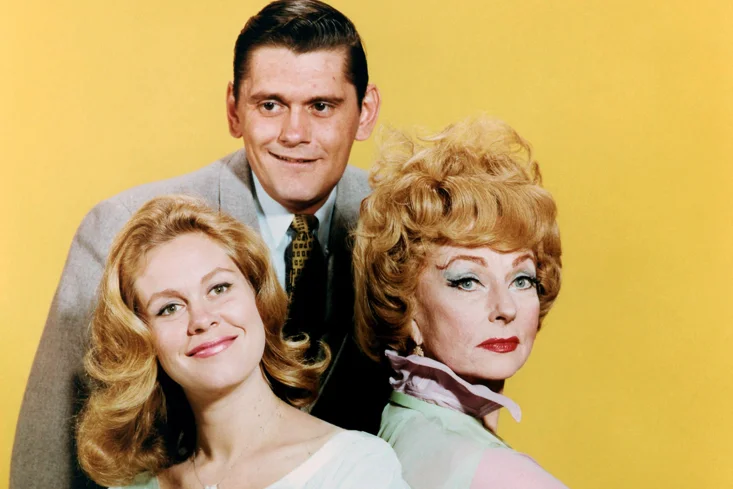
Endora embodied unapologetic independence, confidence, and personal freedom. She rejected societal expectations about marriage, domesticity, and obedience with wit and flair. Endora lived according to her own values, often challenging restrictive norms directly. Her sharp tongue masked a deeply self-assured worldview.
She modeled autonomy for female viewers long before feminist representation became mainstream. Endora’s refusal to dilute her identity for social approval felt radical for the time. Her character encouraged self-definition rather than conformity. Even in comedic conflict, she symbolized personal sovereignty.
13. Granny Clampett (The Beverly Hillbillies)
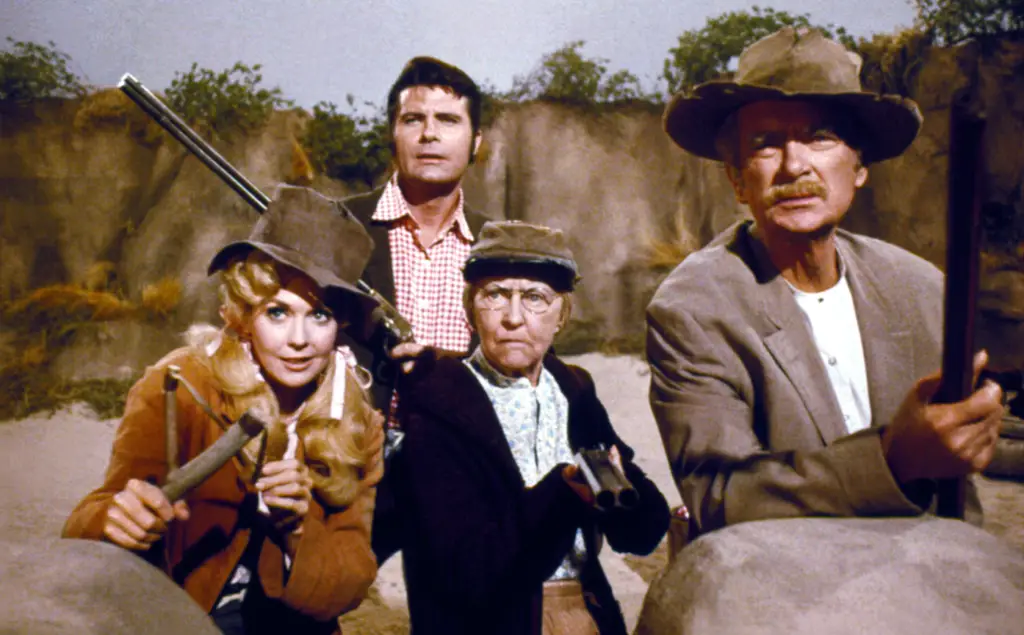
Granny Clampett defied stereotypes by being fiercely intelligent, resourceful, and independent well into older age. She ran household operations, dispensed medical advice, and maintained authority within the family. Granny was never portrayed as fragile or irrelevant. Her confidence challenged age-based assumptions on television.
She trusted her instincts and life experience over social pretenses. Granny often outsmarted wealthier or more educated outsiders with practical wisdom. Her leadership normalized older women as capable decision-makers. That representation quietly expanded how aging women were viewed on-screen.


