
1. All in the Family, “Sammy’s Visit” (1972)
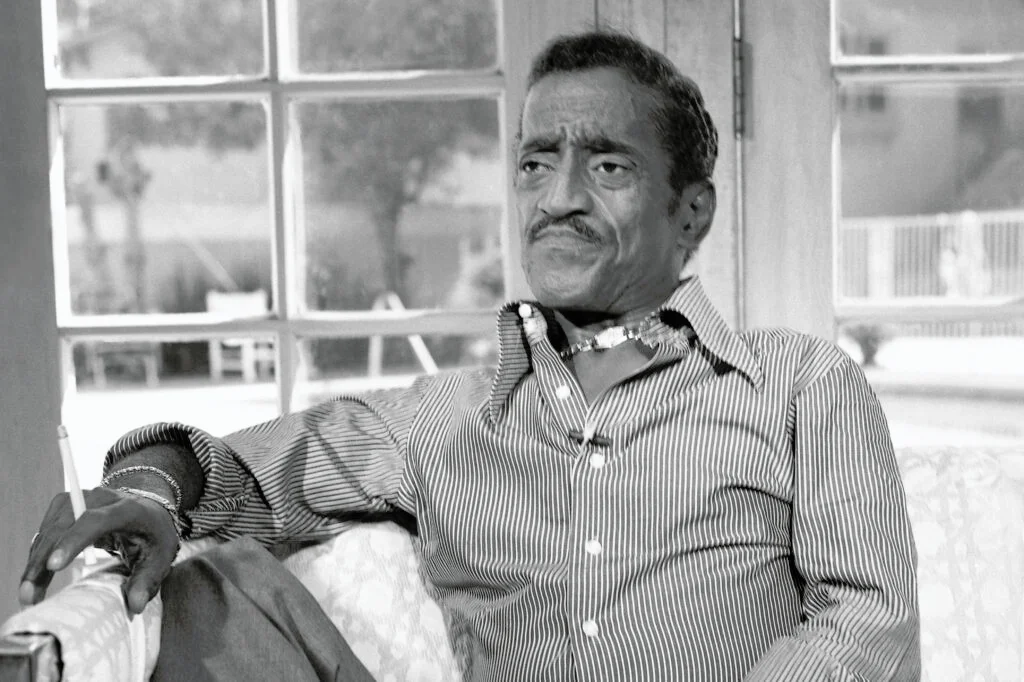
When Sammy Davis Jr. stopped by the Bunker living room, it wasn’t just a celebrity cameo, it was a cultural landmine. The episode casually tackled racism head-on at a time when network sitcoms still tiptoed around direct conversations about race. Watching Archie squirm through his own prejudices felt uncomfortably real, which was exactly the point. The now-famous kiss between Davis and Carroll O’Connor wasn’t played for shock alone, it was a deliberate provocation. CBS reportedly received a wave of viewer reactions that ranged from praise to outright outrage. For a half-hour comedy, the emotional weight landed surprisingly hard. It pushed the boundaries of what a sitcom could confront in prime time.
Networks usually preferred safe laughter, not uncomfortable self-reflection, especially in a living-room comedy. This episode quietly proved that audiences could handle sharper social commentary than executives expected. It also set a precedent for guest appearances being used as narrative tools instead of stunt casting. The writers trusted viewers to sit with the discomfort rather than laugh it away. In hindsight, it feels like a turning point for socially conscious television. Without episodes like this, later boundary-pushing sitcoms likely wouldn’t have had the same freedom. It didn’t feel revolutionary in the moment, but it absolutely was.
2. M*A*S*H, “Sometimes You Hear the Bullet” (1972)
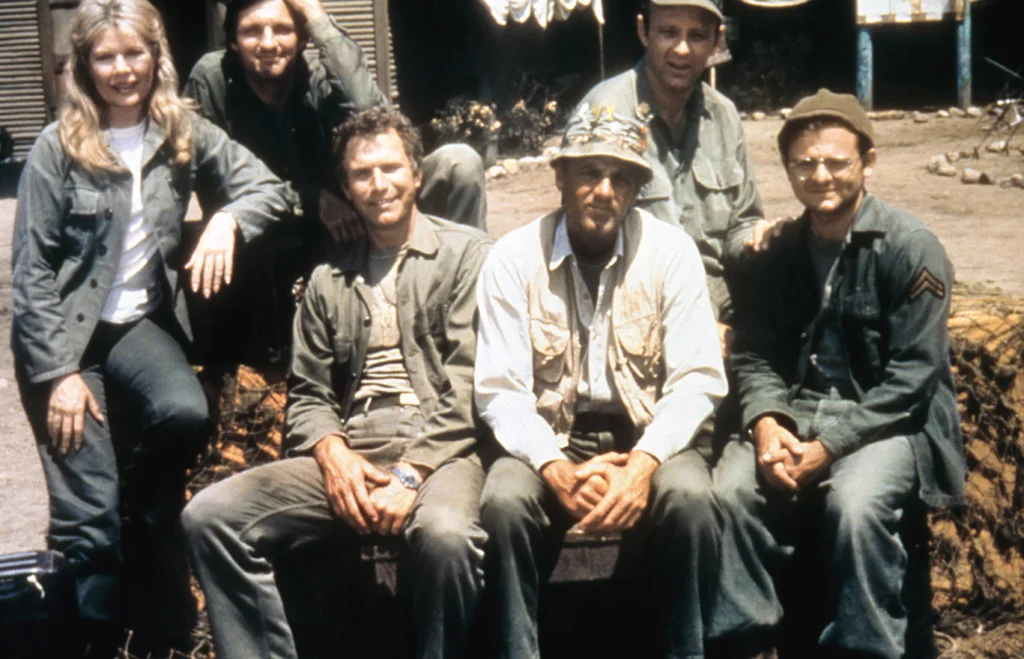
Most early episodes of M*A*S*H leaned heavily on fast jokes and absurd battlefield antics. This episode quietly flipped the tone by confronting the reality of death in a way network comedies rarely attempted. A writer friend of Hawkeye’s is killed, and suddenly the laugh track feels inappropriate and even jarring. The episode ends on a somber note without the usual comedic release audiences expected. That kind of tonal whiplash was risky for a show still establishing itself. It trusted viewers to sit with grief instead of offering an easy emotional exit.
Network television often avoided unresolved sadness, especially in sitcom formats. This episode showed that comedy could pause and let tragedy breathe without losing its audience. It blurred the line between comedy and drama in a way that felt quietly radical. The emotional honesty added depth to the characters and elevated the show’s reputation almost immediately. Viewers weren’t just laughing anymore, they were investing emotionally. That shift helped redefine what a network series could safely explore. It set the stage for M*A*S*H’s long-term legacy as something far more than a war comedy.
3. The Mary Tyler Moore Show, “Chuckles Bites the Dust” (1975)

A clown’s death becomes the centerpiece of one of television’s smartest meditations on grief and workplace decorum. The newsroom struggles to process tragedy while maintaining professional composure, and the humor comes from awkward human behavior rather than punchlines. For a sitcom, death was still considered a risky subject in the mid-’70s. The episode avoids sentimentality and instead leans into emotional honesty and discomfort. Mary’s breakdown during the funeral scene feels startlingly authentic. It’s funny, but it’s also deeply human.
Networks usually preferred death to happen offscreen or be softened beyond recognition. This episode treated grief as messy, inappropriate, and unavoidable. It trusted the audience to understand emotional nuance without moralizing. The humor grows out of character rather than shock or gimmick. That subtle approach quietly raised the bar for sitcom storytelling. Writers learned they could tackle heavy topics without losing warmth or humor. It’s still cited as one of television’s best episodes for a reason.
4. Good Times, “The Gang” (1975)
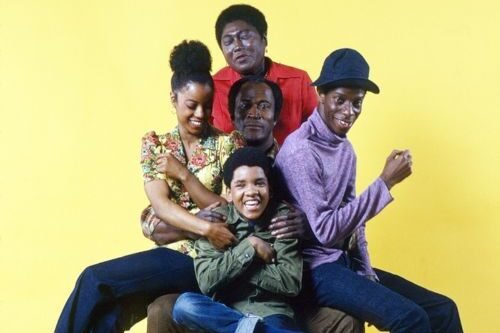
This episode tackled gang violence head-on, a subject most networks avoided in sitcom spaces. The storyline doesn’t shy away from the real dangers facing young people in urban neighborhoods. It presents consequences rather than easy resolutions, which was rare for prime-time comedy. The tension feels closer to a drama than a laugh-driven episode. Viewers weren’t accustomed to seeing this level of seriousness in a family sitcom. It forced conversations that many households weren’t having openly.
Network standards often discouraged stories that felt too real or unsettling. This episode proved that sitcoms could reflect difficult realities without losing their audience. It treated its characters with respect instead of reducing them to stereotypes or punchlines. The emotional stakes made the show feel grounded and socially relevant. It also challenged assumptions about what stories Black-led sitcoms were “allowed” to tell. That quiet resistance mattered more than flashy controversy. It helped open doors for more socially conscious storytelling later on.
5. Maude, “Maude’s Dilemma” (1972)
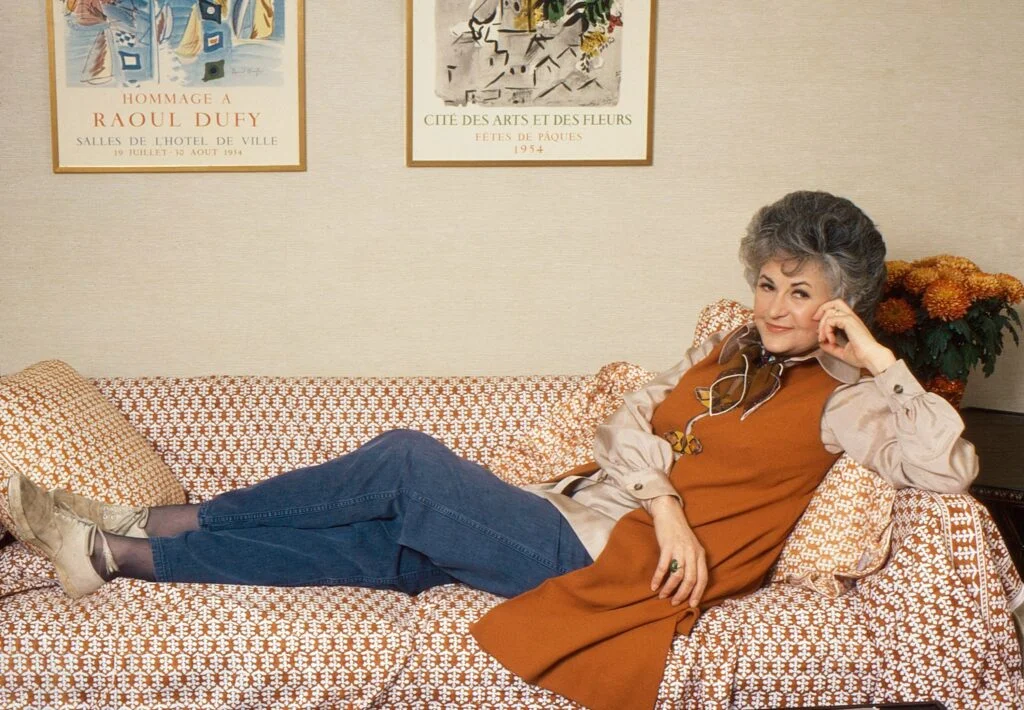
Few network episodes in the early ’70s addressed abortion directly, let alone with empathy and nuance. Maude’s decision to terminate a pregnancy was presented thoughtfully rather than sensationally. The show allowed a middle-aged woman to make a deeply personal choice without punishment or moralizing. That alone broke multiple unwritten network rules. Advertisers and affiliates expressed concern, but the episode aired anyway. It sparked national conversations almost immediately.
At the time, network television often avoided reproductive topics entirely. This episode trusted viewers to handle complexity and disagreement. It didn’t frame Maude as a villain or a cautionary tale. The storyline centered on agency, honesty, and real-world consequences. It demonstrated that sitcoms could engage with political and personal issues responsibly. The ripple effects were felt across the industry for years. It remains one of the boldest moments in network history.
6. The Waltons, “The Attack” (1973)
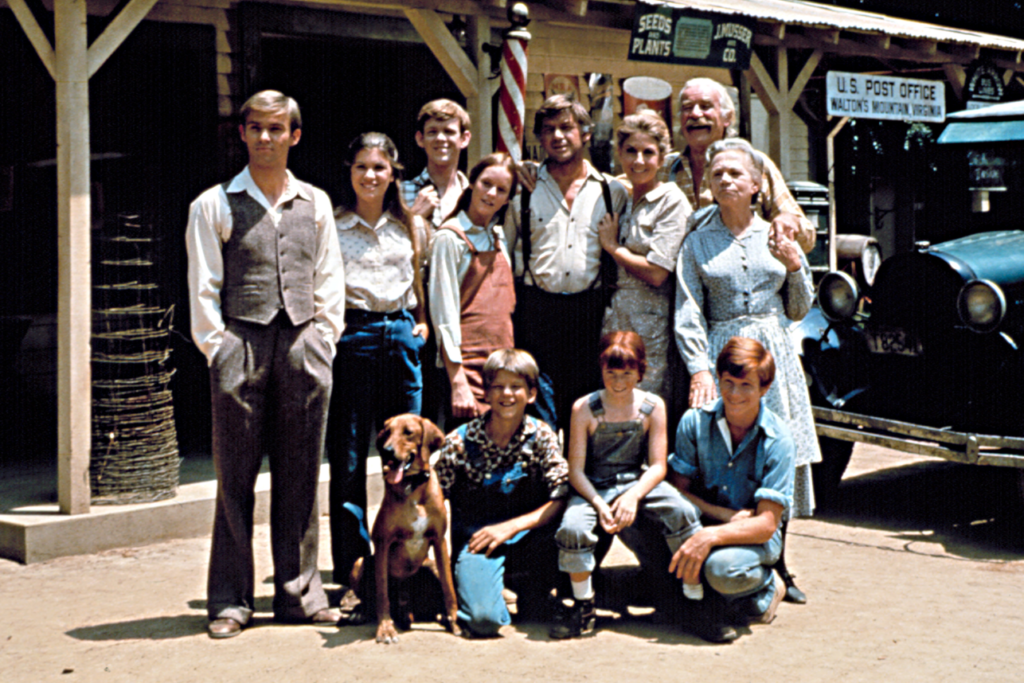
This episode confronts mob violence and wartime hysteria when a German American family is targeted by townspeople during World War I. Fear and suspicion escalate into physical assault, showing how quickly neighbors can turn on one another when patriotism becomes distorted. For a gentle, family-oriented series, the storyline was unusually dark and unsettling. The show does not soften the brutality or excuse the behavior of the attackers. Viewers see the emotional and physical consequences of prejudice rather than a tidy moral shortcut. That realism made the episode stand out sharply from the series’ usual comforting tone.
Network dramas of the era often avoided showing civilians committing violent acts driven by fear and propaganda. This episode challenged that reluctance by portraying how misinformation and social pressure can fuel cruelty inside a close-knit community. The message is clear without becoming preachy, emphasizing accountability rather than easy forgiveness. It trusted audiences to confront uncomfortable history in a prime-time family slot. The episode also reinforced the idea that injustice does not always come from obvious villains, sometimes it comes from ordinary people making terrible choices. That perspective quietly pushed the boundaries of what family television was willing to depict in the early ’70s.
7. All in the Family, “Judging Books by Covers” (1971)
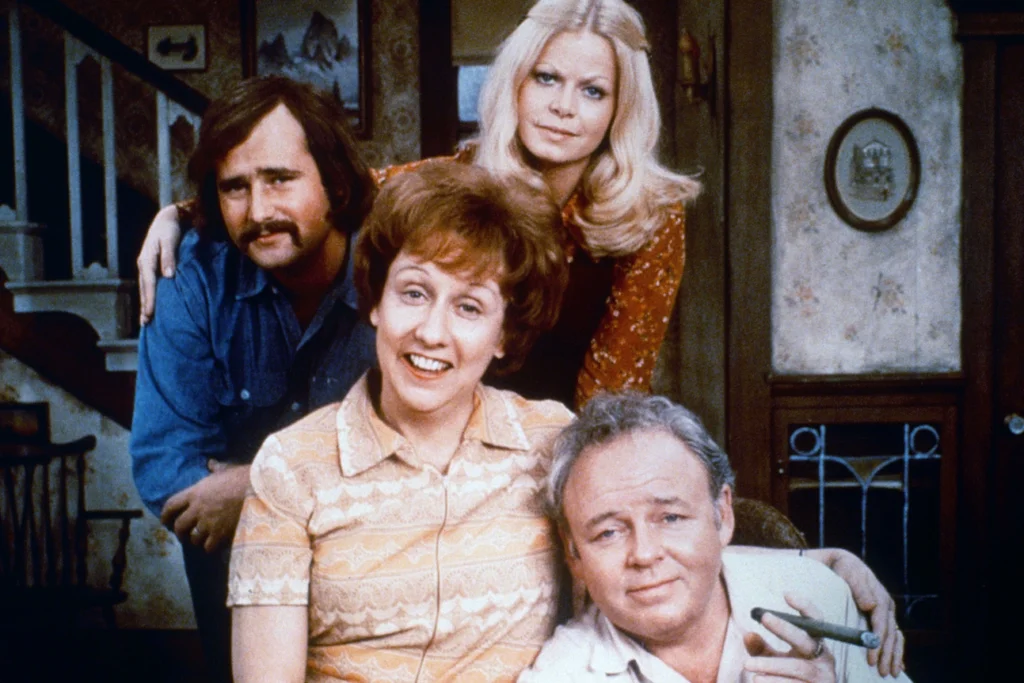
This episode addressed sexual orientation at a time when network television barely acknowledged it existed. The plot revolves around Archie mistakenly believing a friend is gay, leading to uncomfortable confrontations and exposed biases. Instead of mocking the gay character, the episode critiques Archie’s assumptions. That inversion was subtle but powerful for its era. Viewers were forced to reconsider their own stereotypes through humor. The episode never becomes preachy, which helped it resonate.
Network standards often discouraged LGBTQ topics outright. This episode demonstrated that sensitive material could be handled intelligently in a mainstream sitcom. It treated sexuality as a human reality rather than a joke. The humor comes from ignorance being challenged rather than reinforced. That was a meaningful shift in representation. It quietly expanded what audiences could expect to see on television. Future shows benefited from that early risk.
8. M*A*S*H, “Abyssinia, Henry” (1975)
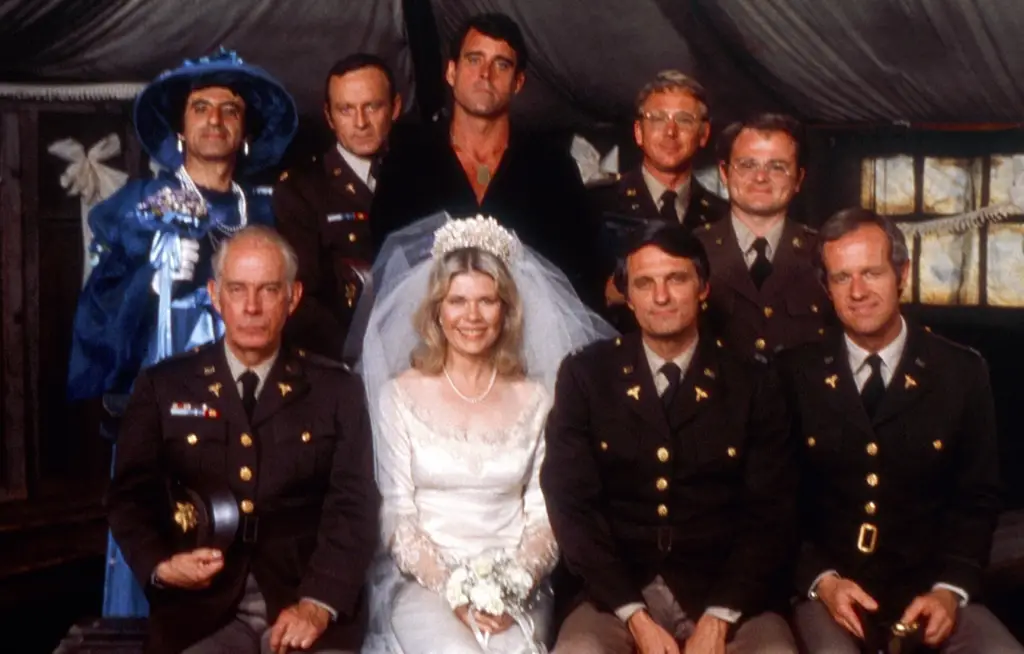
Few shows were brave enough to permanently kill off a beloved main character in the ’70s. Henry Blake’s sudden death arrives after what feels like a lighthearted farewell episode. The tonal shift lands like an emotional gut punch. There’s no heroic send-off or comforting closure. The cast’s reactions were reportedly filmed with minimal forewarning to capture genuine shock. Viewers were stunned.
Network television usually avoided irreversible consequences for popular characters. This episode shattered that safety net. It reinforced the reality of war in a way that comedy alone never could. The emotional honesty elevated the show’s credibility overnight. Audiences realized anything could happen, which deepened engagement. It also challenged how serialized storytelling could function on network schedules. The episode became a landmark moment in TV history.
9. The Brady Bunch, “Everybody Can’t Be George Washington” (1970)
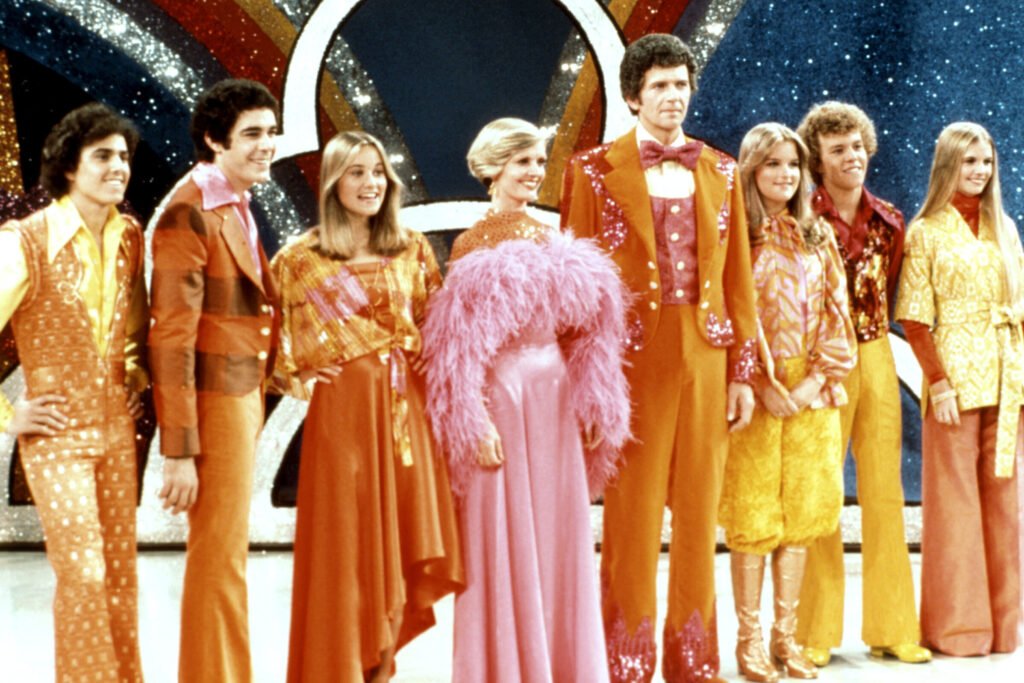
This episode gently challenges the idea that kids must always be exceptional to matter. Peter struggles with feelings of inadequacy when he realizes he isn’t particularly outstanding at anything. For a bubbly family sitcom, the existential undertone feels surprisingly mature. The message emphasizes self-worth rather than competition. It quietly counters the perfection narrative common in family programming. Kids watching could recognize their own insecurities on screen.
Networks typically preferred simplistic moral lessons with tidy optimism. This episode allowed emotional ambiguity and vulnerability. It acknowledged that average can still be meaningful and fulfilling. That subtle realism broke from sugary television norms. The conversation felt personal rather than preachy. It gave young viewers permission to be imperfect. That quiet honesty made it resonate long after broadcast.
10. The Jeffersons, “George Gets a Friend” (1975)
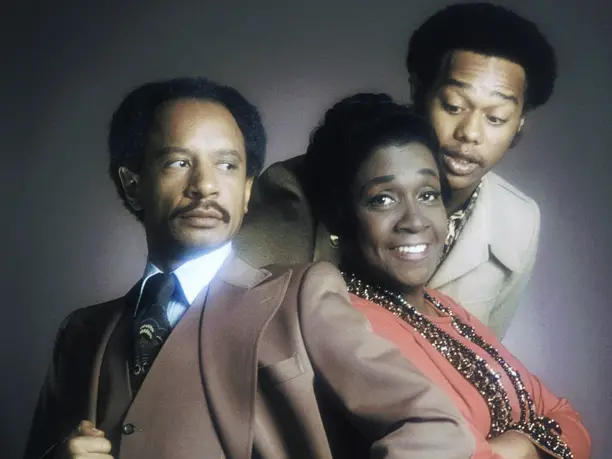
George’s assumptions about masculinity and sexuality are challenged when he befriends a man he believes may be gay. The episode plays with discomfort and misunderstanding rather than outright mockery. It exposes George’s insecurities while humanizing the guest character. For mid-’70s network TV, this was still risky subject matter. The humor remains character-driven instead of cruel. Audiences were invited to reflect rather than judge.
Networks often limited how directly sexuality could be discussed. This episode navigated that restriction with intelligence and empathy. It allowed conversation without sensationalism. The social message unfolds organically through dialogue. That approach made it accessible to a broad audience. It also demonstrated that comedy could nudge cultural conversations forward gently. The episode contributed to shifting norms over time.
11. Little House on the Prairie, “Bunny” (1978)
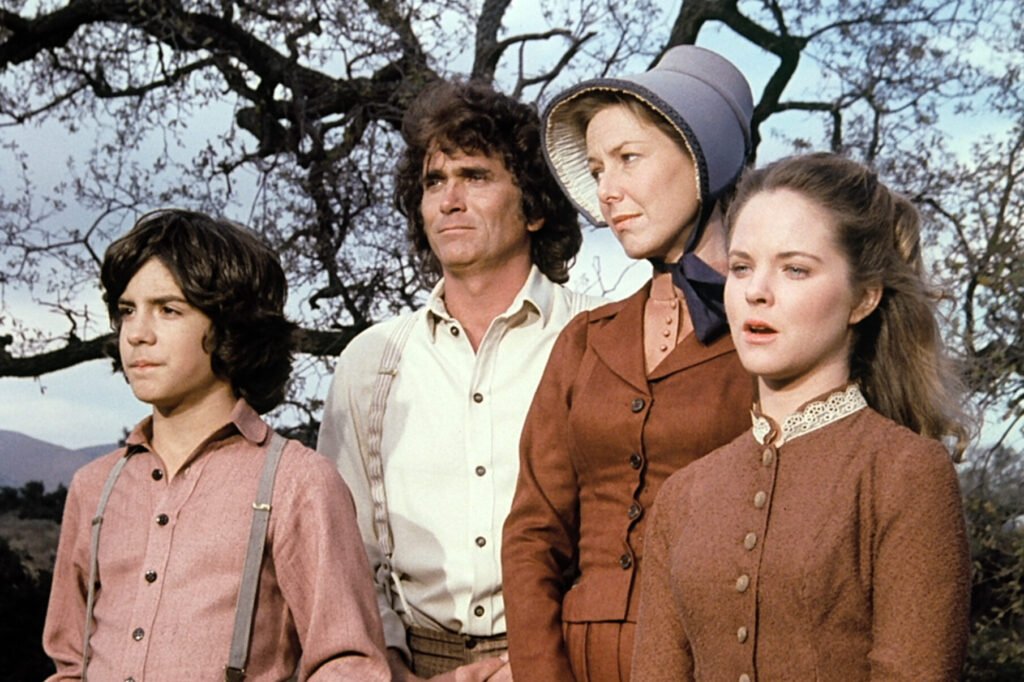
A seemingly gentle episode becomes emotionally devastating when a beloved pet rabbit is accidentally killed. The storyline doesn’t sugarcoat grief or loss for young viewers. Laura’s heartbreak feels raw and authentic. Children’s programming often avoided such emotional intensity. The episode validates sadness rather than rushing to cheerfulness. It trusted young audiences to process complex feelings.
Networks usually preferred protective storytelling for family audiences. This episode quietly pushed against that instinct. It acknowledged that loss is part of life even for children. The emotional realism deepened the show’s credibility. Viewers connected more deeply with the characters as a result. It remains memorable precisely because it didn’t pull its punches. That quiet bravery left a lasting impression.
12. Soap, “Episode 1” (1977)
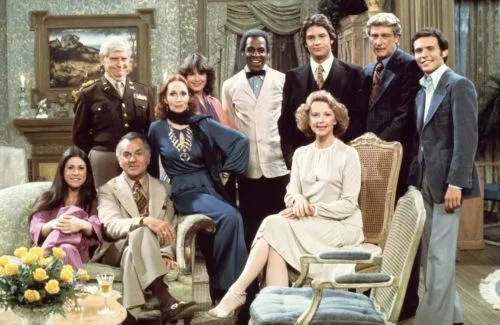
From its very first episode, Soap pushed boundaries with satire, serialized storytelling, and controversial themes. It openly spoofed melodramatic tropes while addressing infidelity, corruption, and sexuality. Many affiliates initially refused to air it due to content concerns. The rapid-fire cliffhangers broke traditional sitcom pacing. Viewers had to follow ongoing storylines instead of standalone episodes. That format was still unusual for network comedy.
Networks were cautious about serialized narratives and edgy satire. This show challenged both conventions simultaneously. It trusted audiences to follow complex arcs week to week. The humor leaned sharp and self-aware rather than safe and formulaic. That experimentation helped expand what sitcoms could attempt structurally. It influenced later ensemble comedies and dramedies. The risks paid off creatively.
13. Barney Miller, “Hash” (1975)
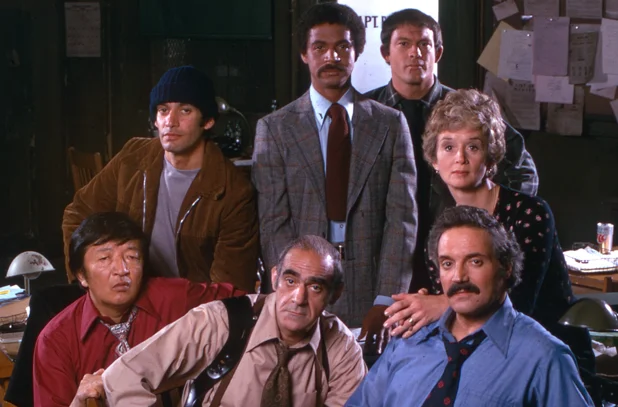
This episode centered on marijuana possession, which was still taboo for network comedy. The humor arises from procedural absurdity rather than moral panic. Characters discuss the situation calmly and pragmatically. That normalized tone was unusual for the era. It avoided sensationalism and fear-based messaging. The comedy trusted viewers to think critically.
Networks often required strict moral framing around drugs. This episode treated the topic with restraint and realism. It reflected changing social attitudes without preaching. The relaxed handling subtly challenged censorship norms. Viewers appreciated the grounded humor. It made the precinct feel authentic rather than sanitized. That understated honesty became part of the show’s identity.
14. Three’s Company, “The Arrangement” (1977)
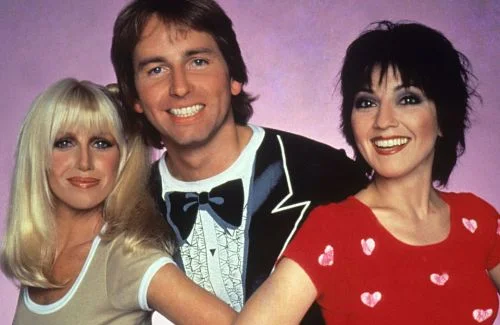
The premise of an unmarried man living with two women already pushed boundaries. This episode leaned into social discomfort surrounding cohabitation and gender norms. The misunderstandings highlight cultural anxieties rather than avoiding them. For many viewers, it sparked conversations about modern living arrangements. The comedy walks a fine line between farce and social commentary. That balance wasn’t always comfortable for network standards.
Networks often preferred traditional family setups. This show quietly normalized alternative lifestyles through humor. It challenged assumptions without direct confrontation. The characters’ chemistry made unconventional living feel relatable. That subtle normalization mattered culturally. It paved the way for broader representation in later decades. What seemed silly carried real social weight.
15. Taxi, “Latka’s Revolting Dream” (1979)
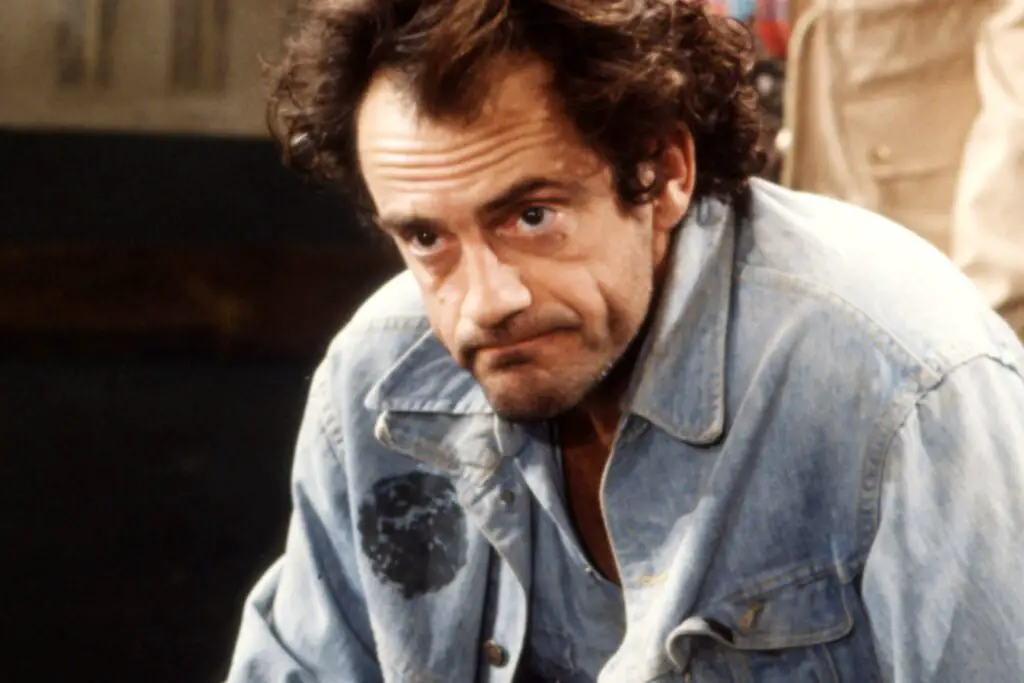
This surreal episode abandons realism entirely and dives into abstract dream imagery. Characters morph, logic dissolves, and symbolism replaces conventional storytelling. For a grounded workplace comedy, it felt wildly experimental. Networks usually discouraged episodes that confused casual viewers. The creative risk paid off by revealing deeper character psychology. It showed sitcoms could experiment artistically.
Television rarely allowed this level of narrative abstraction. The episode trusted viewers to engage intellectually and emotionally. It broke the formula of predictable structure. That freedom encouraged creative ambition across the genre. Audiences responded positively to the originality. It expanded the language of television storytelling. Not every experiment looked like this, but the door opened.
16. Kojak, “Deliver Us Some Evil” (1974)
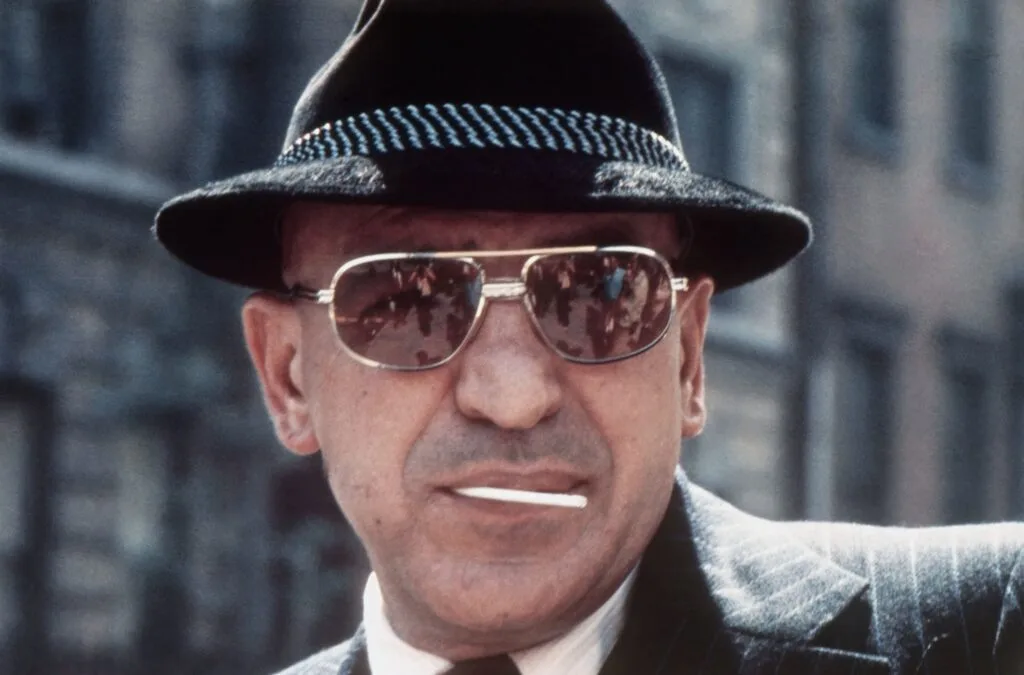
This episode dives into moral ambiguity and psychological darkness uncommon for network crime dramas. The villain is unsettling in ways that avoid neat resolution. The atmosphere leans toward unsettling realism rather than tidy justice. Viewers weren’t given easy comfort by the ending. That challenged expectations for procedural closure. It made the show feel grittier and more adult.
Networks often favored clear moral victories. This episode allowed complexity and discomfort. It trusted viewers to tolerate unresolved tension. The darker tone elevated the show’s dramatic credibility. It blurred the line between network and prestige storytelling long before that term existed. Quiet risks like this reshaped audience expectations. The influence can still be felt today.