
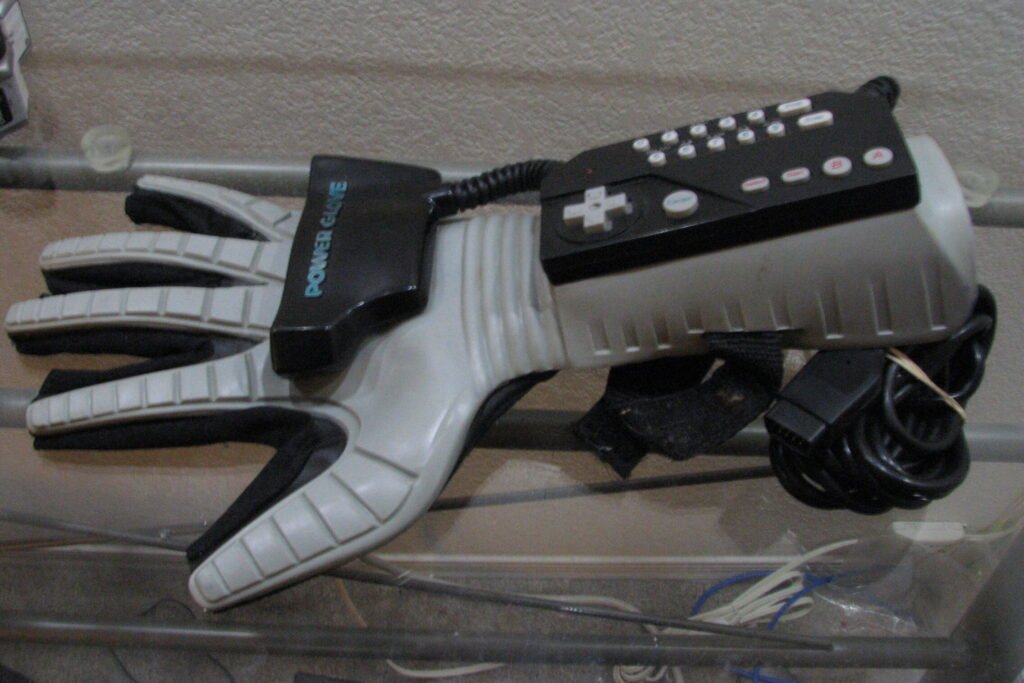
1. The Nintendo Power Glove
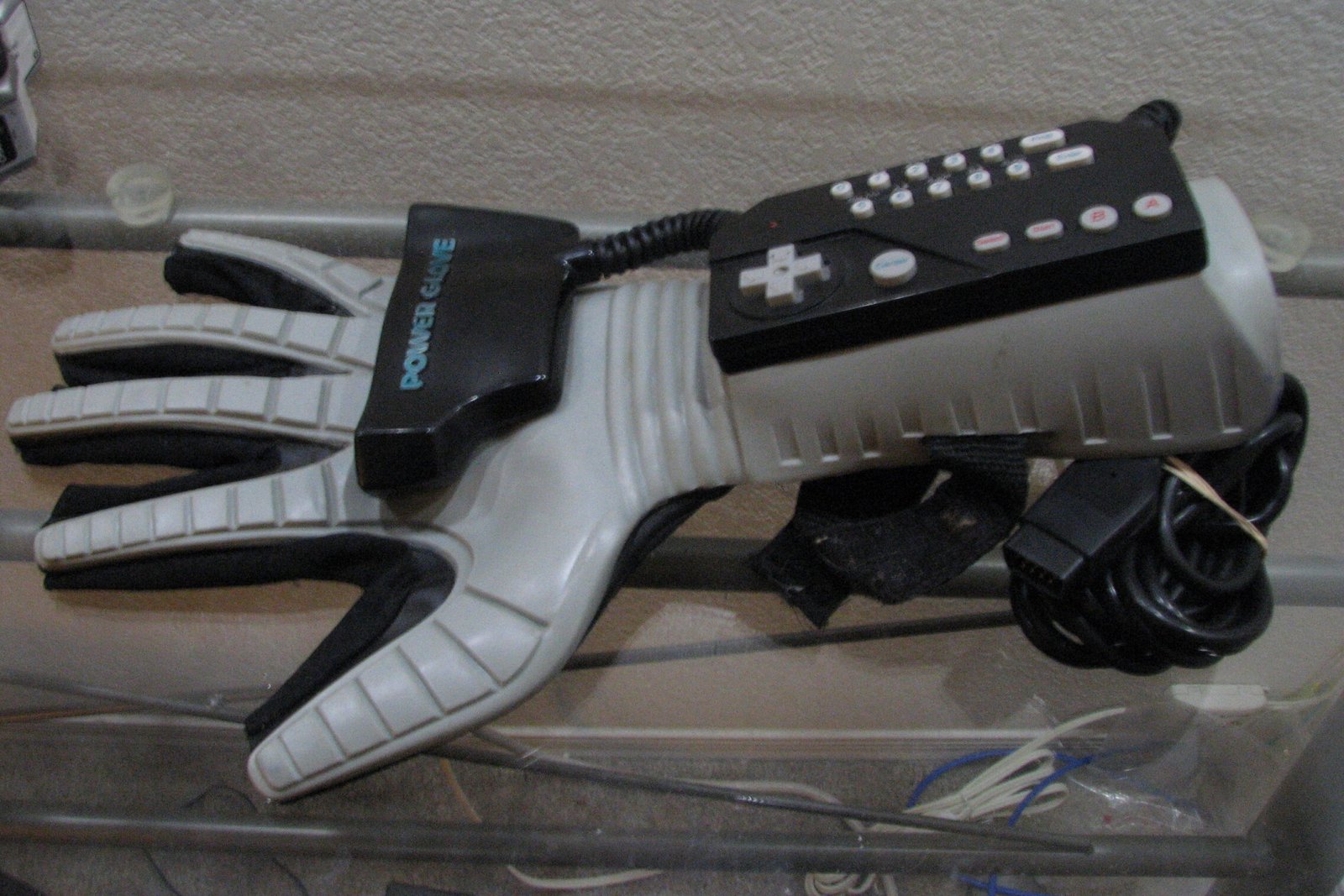
When the Power Glove arrived in the late ’80s, it looked like something pulled straight out of a sci fi movie. The idea that you could control video games with hand movements felt wildly futuristic. Kids imagined themselves literally stepping inside the game. Commercials made it seem effortless and magical. In reality, the glove was bulky, uncomfortable, and notoriously inaccurate. Most games barely supported it properly, which led to fast frustration. After the novelty wore off, it often ended up tossed in a drawer. Its reputation shifted from breakthrough to punchline almost overnight.
Still, anyone who owned one remembers the thrill of strapping it on for the first time. It made regular controllers suddenly feel old fashioned. Even when it didn’t work well, it sparked big imagination. Friends wanted to try it just to say they had. The technology simply wasn’t ready to match the promise yet. Later motion gaming systems would finally deliver on the dream. The Power Glove became a famous lesson in hype versus reality.
2. Teddy Ruxpin
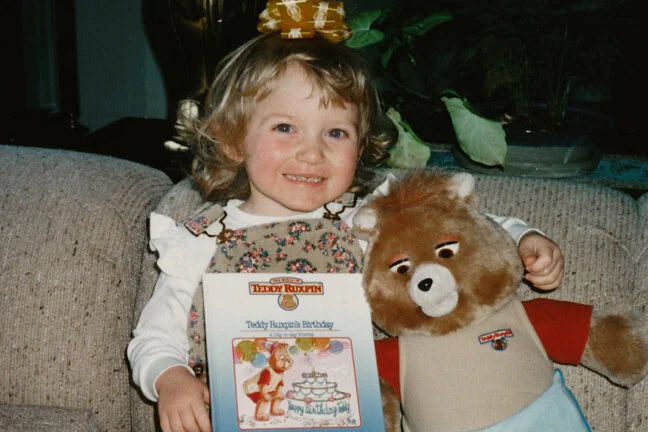
Teddy Ruxpin felt like pure magic when he debuted as a talking storytelling bear. His moving eyes and mouth made him feel almost alive in a way plush toys never had before. Kids gathered around to listen to his cassette tapes like he was hosting a tiny bedtime show. Parents loved the idea of a toy that encouraged listening and imagination. The technology, however, was delicate and expensive to maintain. Motors wore out, tapes jammed, and batteries vanished quickly. Once newer electronic toys arrived, Teddy started feeling bulky and outdated. His popularity cooled faster than expected.
For many kids, Teddy still felt like a comforting companion at night. There was something special about hearing a familiar voice tell a story in the dark. At the same time, the mechanical noises could feel a little unsettling. As attention shifted toward video games and digital toys, fewer families kept investing in replacement parts. Teddy gradually moved from must have toy to nostalgic memory. Today he’s remembered fondly, but rarely seen in everyday play.
3. Simon
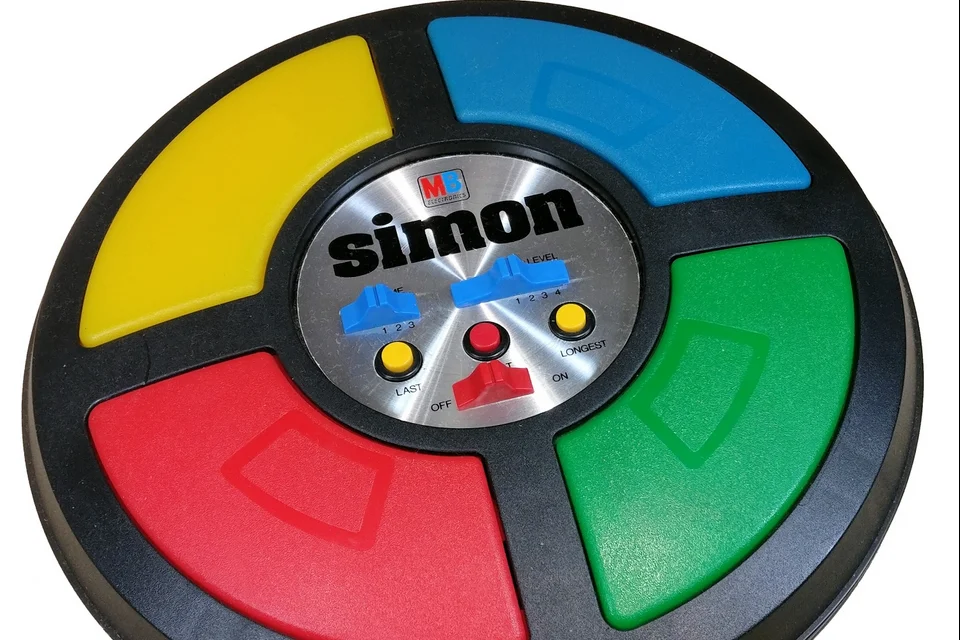
Simon felt like a sleek piece of future tech sitting right on the living room floor. The glowing colored buttons and electronic sounds made it feel advanced compared to board games. It challenged memory and reflexes in a way that felt modern and competitive. Kids loved trying to beat each other’s high scores. It became a staple at sleepovers and family gatherings for a while. Eventually, though, the gameplay started to feel repetitive. There were only so many patterns your brain wanted to memorize. Interest slowly faded as newer electronic games arrived.
For a brief moment, Simon made everyone feel sharp and competitive. The tension of waiting for the next light kept players hooked. But once the novelty wore off, it was easy to forget about it in a closet. It lacked variety compared to later handheld games. Still, many people instantly recognize the sounds and colors even decades later. It remains iconic, just no longer revolutionary.
4. Talkboy
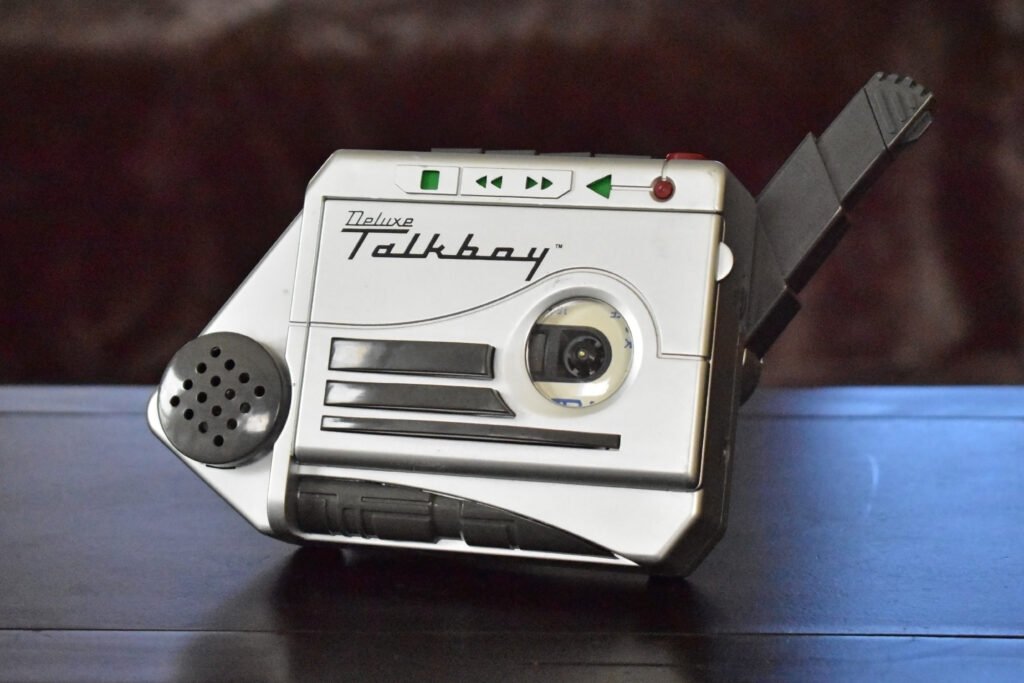
The Talkboy became a cultural obsession after its big movie moment. Recording your voice and playing it back in different speeds felt cutting edge at the time. Kids used it to make silly skits, prank messages, and fake radio shows. It gave everyday play a creative twist. Showing off your recordings became a social event. But once everyone had experimented with the voice effects, the excitement faded. The device was bulky and not especially practical long term. It quietly disappeared as smaller electronics took over.
There was something empowering about having your own recording gadget. It made kids feel like mini broadcasters or detectives. The laughs came fast at first. Eventually, though, there wasn’t much else to do with it. It didn’t evolve beyond its main trick. As technology shrank and improved, the Talkboy felt clunky and dated. Now it mainly lives on in nostalgic memories.
5. Skip It
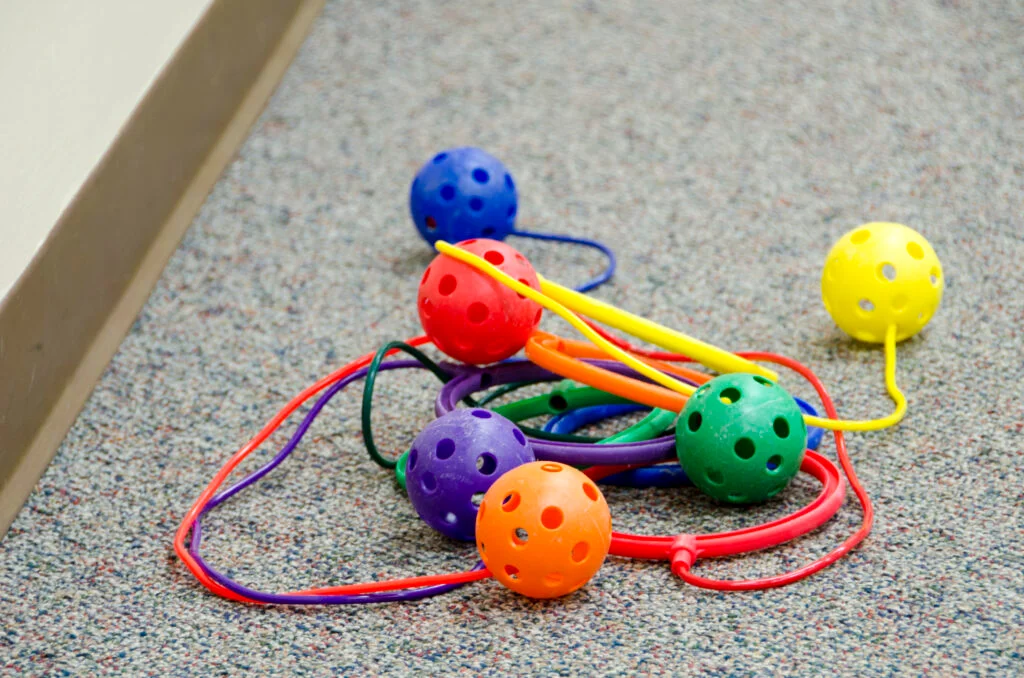
Skip It took a simple playground concept and turned it into an electronic fitness game. The built in counter tracked how many jumps you completed, which felt impressively high tech for the time. Kids competed fiercely to beat their own records and each other’s scores. It encouraged movement without feeling like exercise. The rhythmic clacking became the soundtrack of many sidewalks. Unfortunately, it was also easy to trip, scrape ankles, and lose interest once the novelty wore off. The counter novelty didn’t sustain long term excitement. Eventually, most kids moved on to new fads.
For a while, Skip It felt like the ultimate outdoor challenge toy. Everyone wanted to brag about their highest number. It made boredom disappear on long summer afternoons. But repetition caught up quickly. Once you mastered the rhythm, there wasn’t much left to conquer. As new playground trends arrived, Skip It quietly faded into nostalgia territory. Most people still remember exactly how it sounded.
6. Pogo Ball
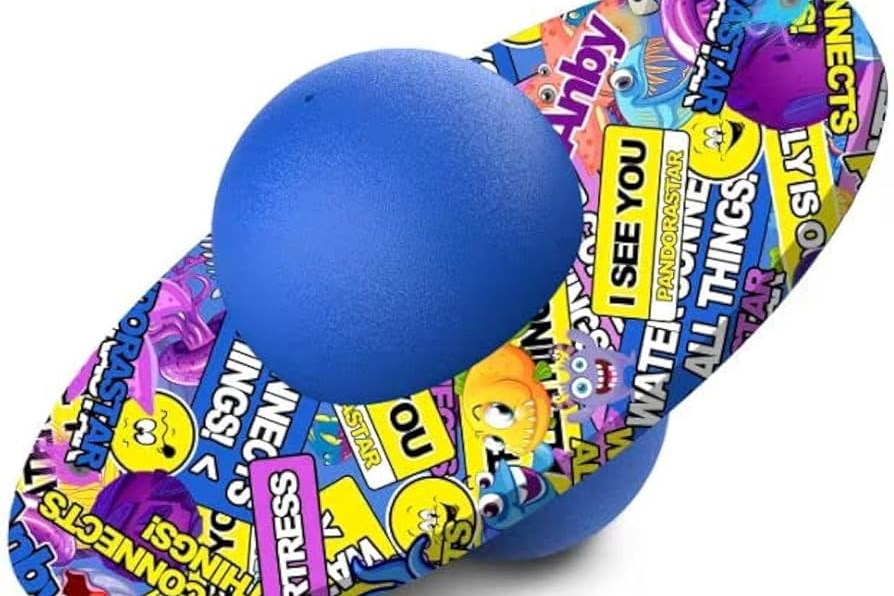
The Pogo Ball promised a wild new way to bounce and balance. It looked futuristic compared to traditional pogo sticks. Kids imagined themselves mastering gravity and showing off tricks. The challenge appealed to adventurous playground energy. Early commercials made it seem effortless and thrilling. In reality, it was hard to control and easy to wipe out on. Many kids lost interest after a few falls. It disappeared almost as quickly as it appeared.
Learning to balance on it took patience and a fearless attitude. Some kids loved the challenge. Others quickly decided it wasn’t worth the bruises. It wasn’t ideal for small yards or indoor play. Storage was awkward too. Eventually, safer and simpler toys reclaimed attention. The Pogo Ball became a short lived craze rather than a lasting staple.
7. Lazer Tag

Home Lazer Tag sets made kids feel like they were living inside an action movie. The blinking lights and sound effects felt incredibly advanced. Backyard battles suddenly became cinematic. Sleepovers turned into all night tournaments. It blended imagination with physical movement in a way few toys could. The downside was cost, bulky gear, and constant battery replacement. Equipment often broke or malfunctioned. Interest faded once the novelty and maintenance frustration set in.
For a while, nothing felt cooler than gearing up for a nighttime mission. Kids loved planning strategies and hiding spots. But lugging around vests and sensors got tiring. Parents weren’t always thrilled about rough play indoors. Video games soon offered similar excitement without setup hassle. Lazer Tag remained popular in arenas but faded at home. It’s remembered as thrilling but impractical.
8. The Nintendo R.O.B. Robot
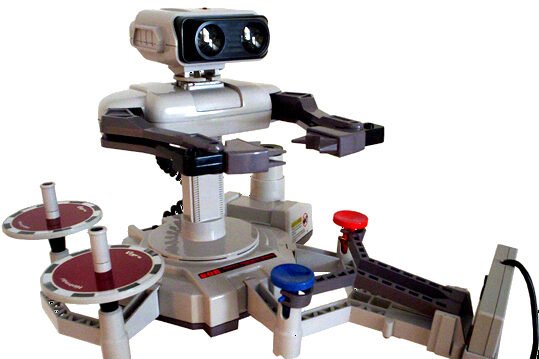
R.O.B. looked like a real robot sitting next to the television. It promised interactive gameplay using physical movement and sensors. Kids were amazed that a robot could respond to what happened on screen. It felt like living in the future. The novelty alone made it unforgettable. Unfortunately, only a couple of games supported it properly. Setup was slow and finicky. Most kids lost patience quickly.
Watching R.O.B. move felt magical the first few times. It drew crowds whenever someone owned one. But waiting for it to complete simple tasks became tedious. The limited game library sealed its fate. It became more of a novelty than a practical gaming accessory. Today it’s a collectible curiosity rather than a childhood staple.
9. Micro Machines
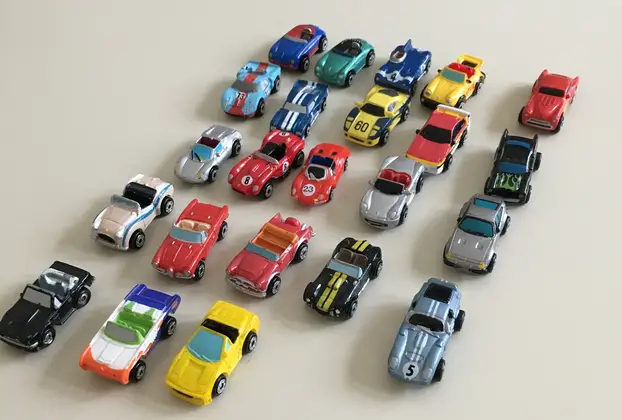
Micro Machines felt revolutionary because of their tiny scale and incredible detail. Entire cities could fit on a bedroom floor. Kids loved collecting dozens of vehicles and creating elaborate worlds. The compact size made storage easy and encouraged imagination. They were affordable and highly collectible. The downside was how easily pieces got lost. Parents dreaded vacuuming accidents. Eventually, bigger action toys pulled attention away.
For a while, trading Micro Machines was a social currency at school. Everyone compared collections. The tiny cars made play feel fast paced and creative. But losing pieces became frustrating. As trends shifted, interest slowly declined. They remain recognizable but no longer dominate toy aisles.
10. Hungry Hungry Hippos
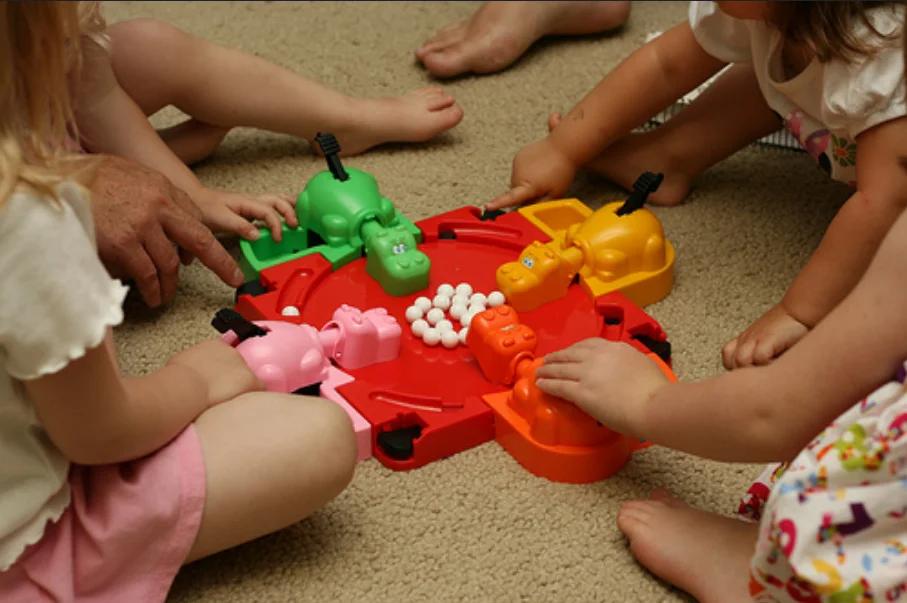
Hungry Hungry Hippos felt fast, loud, and thrilling compared to traditional board games. The frantic marble chomping made every round chaotic and hilarious. Kids loved the physical energy of pounding the levers. It turned game night into a noisy competition. The simplicity made it instantly accessible. Over time, though, the novelty wore off. Games ended quickly and lacked variety. It often ended up shelved between holidays.
Still, the memory of marbles flying everywhere sticks with most people. It created instant excitement and laughter. But it didn’t offer long term strategy or depth. Once kids grew older, interest faded. It remains iconic, just not endlessly replayable. Many families keep it more for nostalgia than regular use.
11. Stretch Armstrong
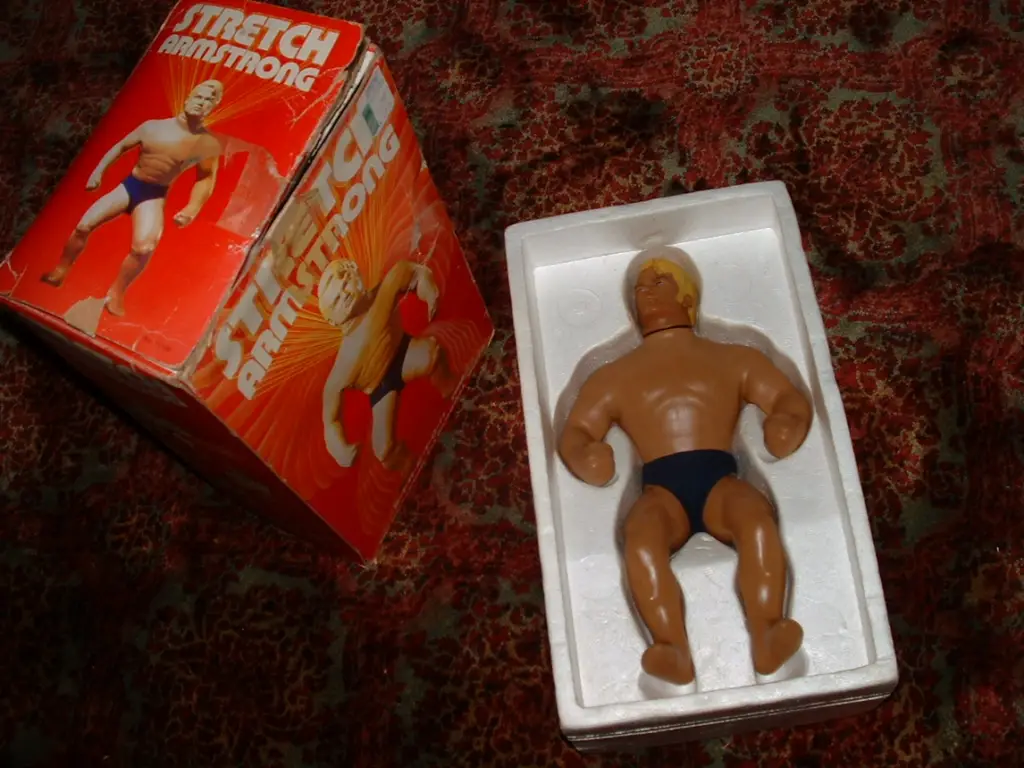
Stretch Armstrong felt like a science experiment disguised as a toy. You could pull him into impossible shapes and watch him slowly snap back. The tactile novelty fascinated kids. It encouraged curiosity and hands on play. Watching the material stretch felt oddly satisfying. Over time, though, the rubber weakened or tore. Once damaged, the toy quickly lost its appeal. Many ended up discarded after leaks or cracks.
For a while, everyone wanted to see how far they could stretch him. Friends challenged each other to test limits. The novelty was powerful but brief. Once the surprise faded, there wasn’t much else to explore. He became more of a curiosity than a daily toy. Today, he’s remembered instantly but rarely played with.
12. Glow Worm

Glow Worm felt comforting and magical with its soft body and glowing face. It doubled as both toy and nightlight. Kids loved squeezing it and watching the gentle glow appear. It felt soothing and safe. Parents appreciated its calming effect at bedtime. As kids grew older, its appeal faded quickly. It didn’t evolve beyond its simple function. Many were passed down or stored away.
For toddlers, Glow Worm often became a bedtime companion. The gentle light created a sense of security. But as interests shifted toward interactive toys, it became less exciting. It remained more sentimental than entertaining. Many adults still remember theirs vividly. It represents comfort more than innovation today.