
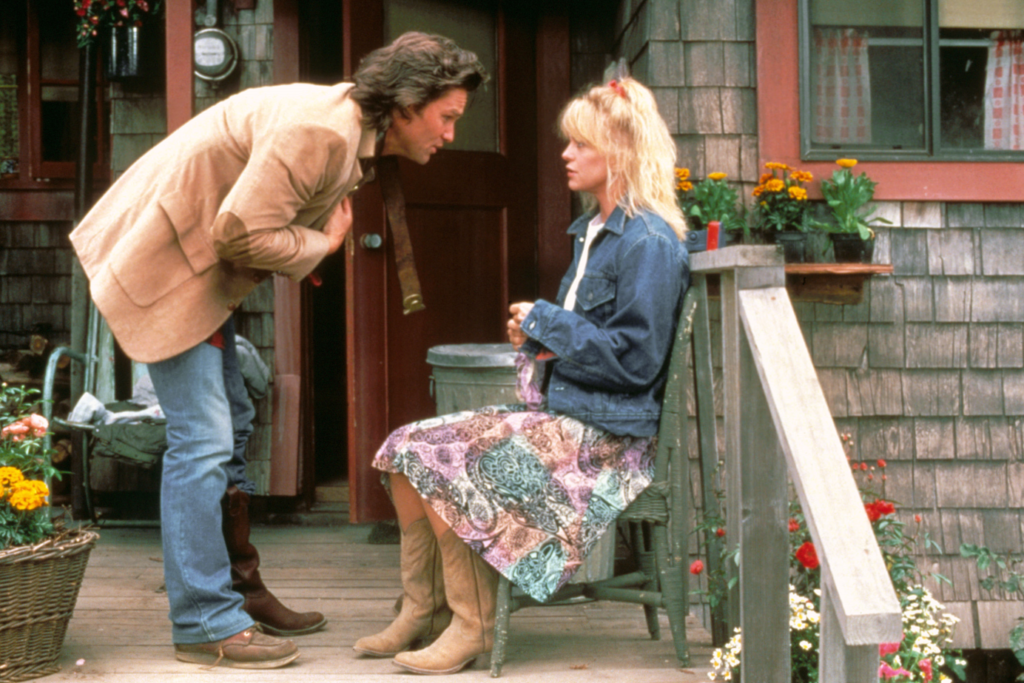
1. Overboard (1987)
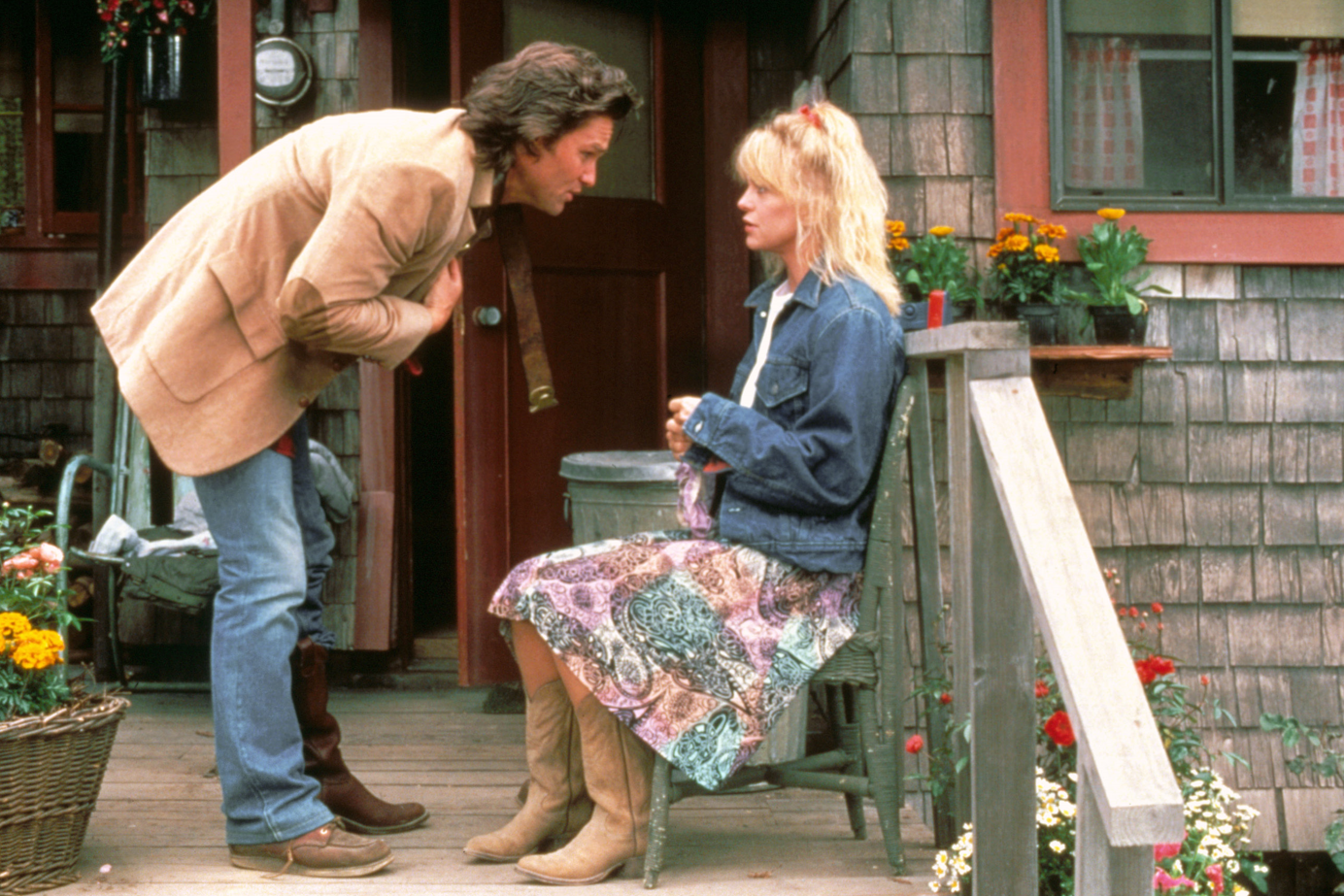
There was a stretch when Overboard felt like it was permanently scheduled somewhere on basic cable, usually landing on lazy weekend afternoons. Goldie Hawn’s spoiled heiress turned amnesiac fish-out-of-water gave the movie endless rewatch value. Kurt Russell’s gruff charm balanced the silliness and kept the romance grounded. Even if you dropped in halfway through, the chemistry carried you along without needing much context. Cable loved it because it worked as both background comfort viewing and full-attention entertainment. It became one of those movies people could quote without realizing how many times they had actually seen it.
Eventually, the rotation slowed as newer romantic comedies pushed it aside. It never fully vanished, but it stopped feeling unavoidable. Younger viewers often know it more through references or remakes than from constant airings. When people revisit it now, the humor still lands, even if some elements feel very much of their time. Its long cable reign faded quietly rather than dramatically. The movie now feels like a rediscovered favorite instead of a guaranteed stumble-upon.
2. Big Trouble in Little China (1986)
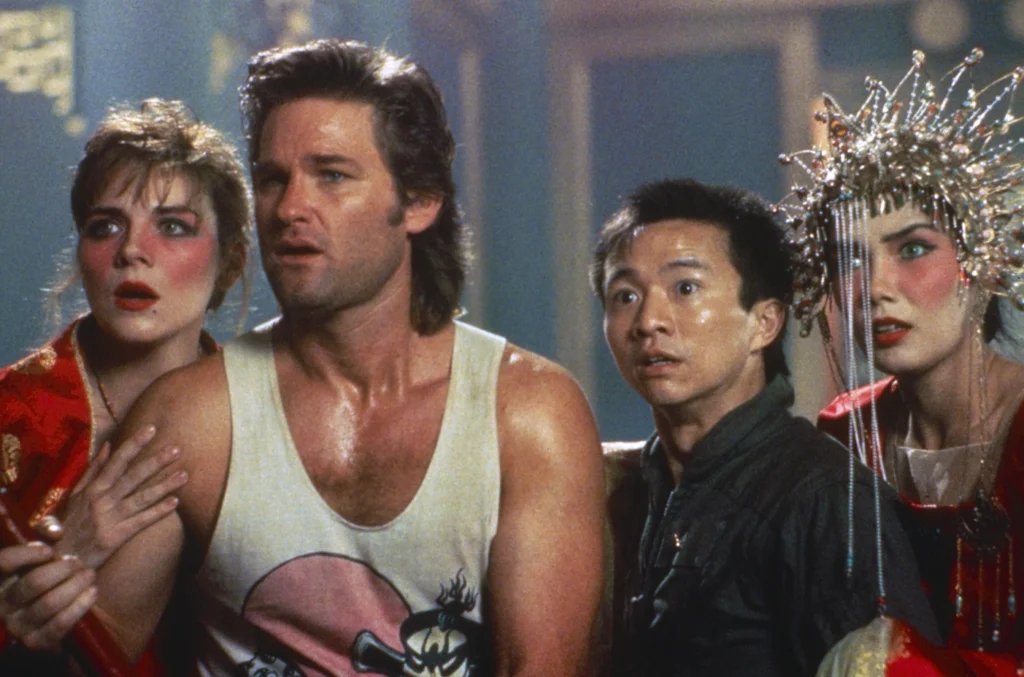
Big Trouble in Little China once popped up constantly on late-night cable, catching viewers with its wild blend of action, fantasy, and comedy. Kurt Russell’s Jack Burton felt like a swaggering hero who somehow kept stumbling into chaos rather than controlling it. The movie’s nonstop momentum made it easy to get hooked even if you tuned in mid-scene. Cable audiences embraced its weirdness and quotable dialogue. It played like a cult film that somehow managed mainstream exposure for years. You could almost count on finding it during a channel flip.
Over time, its presence cooled as programming leaned more heavily into blockbuster franchises. It didn’t disappear entirely, but it stopped being a regular surprise. New fans often discover it through recommendations rather than accidental viewing. Its cult reputation remains strong, but the casual cable exposure that built it has faded. Watching it now feels like reconnecting with a slightly unhinged old friend. Its absence highlights how cable once shaped cult classics.
3. Dirty Rotten Scoundrels (1988)

For a long stretch, Dirty Rotten Scoundrels was a staple on comedy-heavy cable blocks. Steve Martin and Michael Caine’s escalating con games delivered endless replay value. Even knowing the jokes didn’t dull their impact because the performances carried so much personality. It worked perfectly as a drop-in movie, since most scenes functioned like standalone comic set pieces. Cable programmers leaned on it whenever they needed reliable laughs. It became deeply familiar to viewers who grew up with constant reruns.
As the years passed, it quietly rotated out in favor of newer comedies. It’s still admired, but it doesn’t appear nearly as often anymore. Many people remember specific gags but forget how often they once watched the entire movie. It now feels like a classic you intentionally seek out rather than stumble into. The humor still holds up remarkably well. Its disappearance feels more like shifting tastes than fading quality.
4. The Money Pit (1986)
If you watched cable in the late ’80s or early ’90s, The Money Pit felt unavoidable. Tom Hanks’ slow descent into renovation madness made it endlessly relatable and funny. The escalating disasters landed perfectly in short bursts, which made it ideal channel-surfing material. You didn’t need to follow every plot beat to enjoy the chaos. Cable leaned heavily on it because it played well in almost any time slot. It became a comfort comedy for homeowners long before most of us owned homes.
Eventually, it slipped out of heavy rotation as newer Hanks films dominated airtime. It still appears occasionally, but nowhere near its former frequency. Many viewers remember laughing hard at specific scenes but rarely catch it unexpectedly anymore. The humor remains sharp and surprisingly timeless. Its quieter disappearance reflects how cable libraries continually refresh. The movie now feels like a pleasant rediscovery.
5. WarGames (1983)

WarGames once felt like it lived permanently on cable, especially during tech-themed or thriller programming blocks. Matthew Broderick’s accidental near-apocalypse storyline captured early computer-age anxiety in a way that felt thrilling and relevant. The tension built gradually but stayed accessible for casual viewing. Cable audiences loved its mix of teenage curiosity and high-stakes suspense. It became a familiar late-night companion for many channel surfers. The concept lingered long after the credits rolled.
Over time, it lost ground to flashier thrillers and modern tech stories. It’s still respected, but not nearly as omnipresent as it once was. Many viewers remember the premise instantly even if they haven’t seen it in years. Its pacing still works well when revisited. The film now lives more as a nostalgic reference point than a cable staple. Its absence marks how fast technology-driven stories age.
6. Uncle Buck (1989)
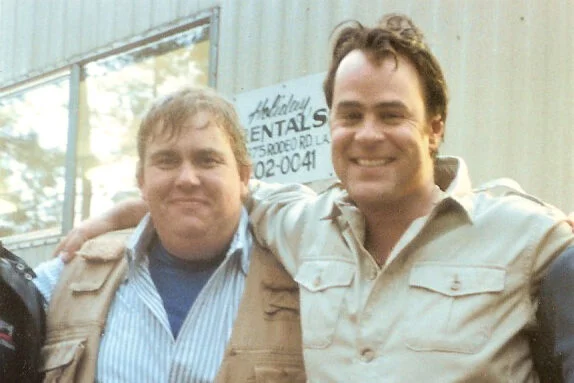
Uncle Buck was once unavoidable on cable, often popping up during family-friendly evening slots. John Candy’s lovable chaos turned every mundane moment into something memorable. The movie balanced sweetness and humor in a way that made repeat viewings easy. You could catch almost any scene and immediately settle in. Cable leaned heavily on its broad appeal and recognizable star. It became part of many households’ background noise in the best way.
Eventually, it rotated out as programming shifted toward newer family comedies. It still has fans, but it doesn’t dominate schedules like it once did. Many people remember lines and scenes more than the last time they watched it. Its charm remains intact when revisited. The quieter disappearance feels surprising given how beloved it still is. It now feels like a nostalgic comfort pick rather than a cable constant.
7. The Karate Kid Part II (1986)

For years, The Karate Kid Part II ran constantly on cable alongside the original. Viewers were eager to follow Daniel and Miyagi’s Okinawan adventure. The tournament spectacle gave way to emotional storytelling and cultural exploration. Cable audiences embraced its dramatic stakes and scenic setting. It felt like a natural extension of a movie everyone already loved. It became familiar through sheer repetition.
As time passed, the original film maintained stronger visibility while the sequel faded slightly. It’s still remembered but no longer appears as frequently on random schedules. Many people recall moments rather than full rewatch experiences. It now lives more through franchise conversations than cable exposure. The emotional core still resonates when revisited. Its reduced presence shows how sequels often age unevenly.
8. Planes, Trains and Automobiles (1987)
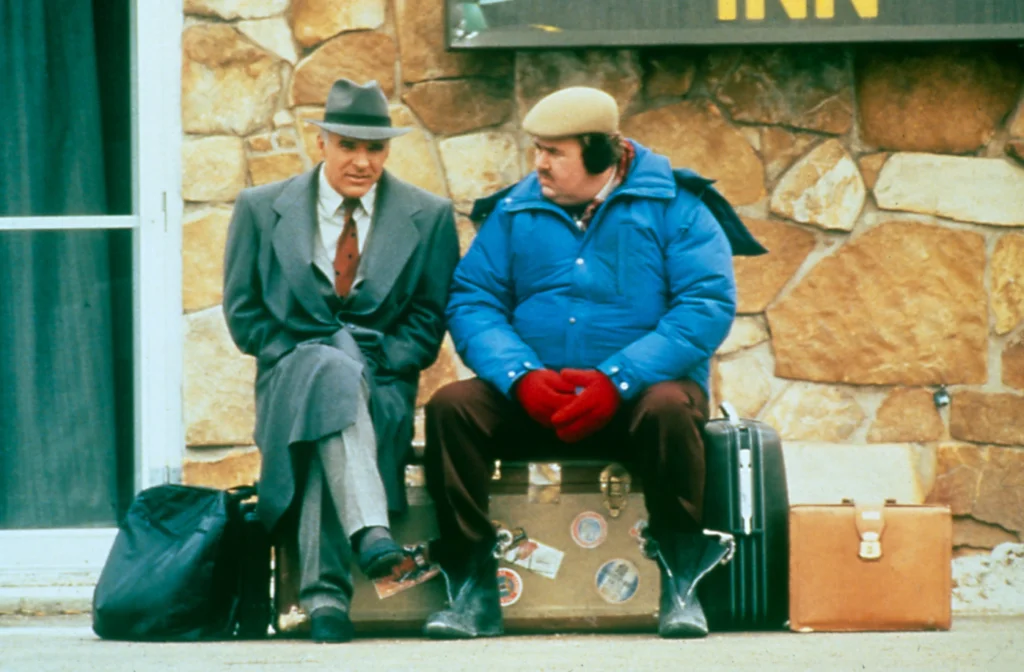
Planes, Trains and Automobiles once seemed to air constantly during holiday-heavy cable seasons. Steve Martin and John Candy’s mismatched travel nightmare made it endlessly watchable. The humor landed even if you tuned in halfway through a meltdown. Cable leaned on it heavily because it appealed across age groups. It became a seasonal comfort movie for many households. The emotional payoff gave it lasting warmth.
Over time, its cable presence softened as streaming replaced seasonal programming cycles. It still surfaces, but not with the same unavoidable frequency. Many viewers intentionally seek it out now rather than stumble upon it. Its blend of comedy and heart remains powerful. The movie hasn’t lost relevance, just exposure. Its fading rotation reflects broader shifts in how people watch comfort films.
9. Cocktail (1988)

There was a period when Cocktail felt like it was on every other week somewhere on cable. Tom Cruise’s flashy bartender persona captured peak late ’80s ambition and excess. The soundtrack alone made it memorable for casual viewers. You could easily jump into any scene and still get swept into the vibe. Cable networks leaned on its glossy energy and star power. It became a staple of late-night programming blocks.
Eventually, its reputation cooled and it slid out of heavy rotation. It’s still remembered culturally, but not encountered organically as often. Many people remember the music and attitude more than the plot. It now feels like a time capsule rather than a go-to rewatch. The movie’s appeal still sparks nostalgia. Its disappearance mirrors shifting tastes in romantic dramas.
10. St. Elmo’s Fire (1985)

St. Elmo’s Fire once dominated cable rotations as a defining Brat Pack ensemble film. Viewers gravitated toward its mix of ambition, angst, and post-college uncertainty. The ensemble cast made it easy to latch onto different storylines. Cable programmers leaned on its recognizable cast and soundtrack appeal. It became a familiar fixture for late-night viewers. It felt like an unofficial rite of passage movie.
Over time, it faded slightly as other coming-of-age films replaced it in heavy rotation. It still has recognition, but not the same constant exposure. Many viewers remember its iconic moments more than full rewatch experiences. Its tone feels very specific to its era now. The movie still sparks discussion among nostalgia fans. Its quieter presence reflects changing cultural tastes.
11. Flashdance (1983)
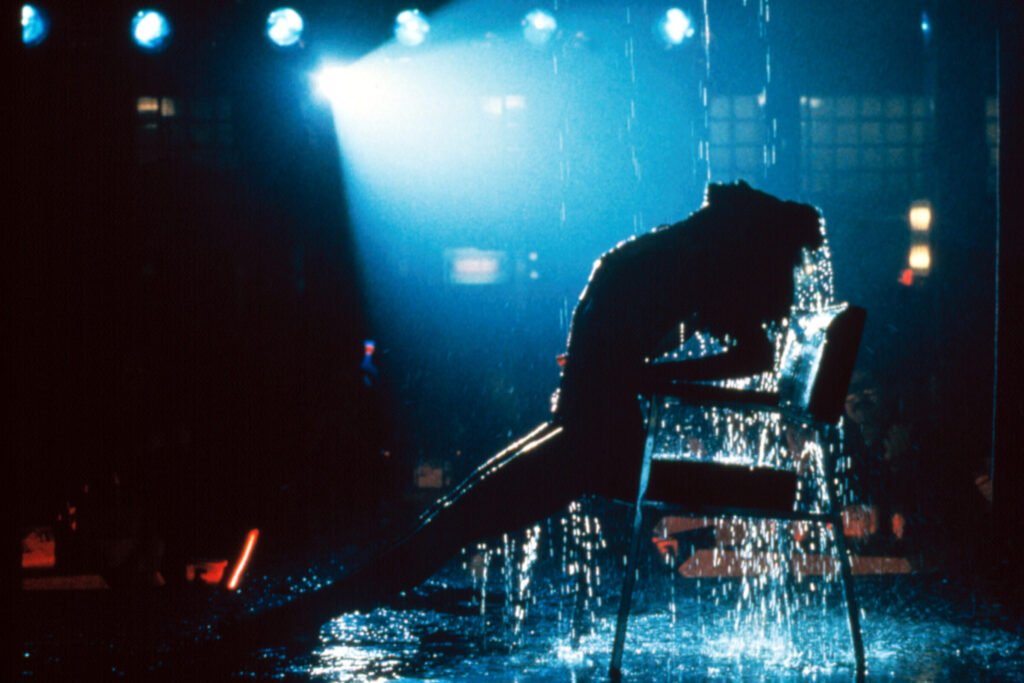
For a long time, Flashdance felt permanently embedded in cable music and movie programming. Jennifer Beals’ dance sequences and the iconic soundtrack kept viewers glued even when tuning in mid-scene. The film worked almost like a long-form music video at times. Cable leaned heavily on its energy and visual appeal. It became synonymous with early ’80s pop culture excess. Many viewers discovered it through reruns rather than theaters.
Eventually, its rotation slowed as newer music-driven films took over. It’s still famous, but less casually encountered. Many people remember individual dance moments more than the full narrative. It now feels like a cultural artifact rather than a channel-surfing staple. The soundtrack still carries enormous nostalgic power. Its fading presence highlights how programming cycles evolve.
12. Roxanne (1987)
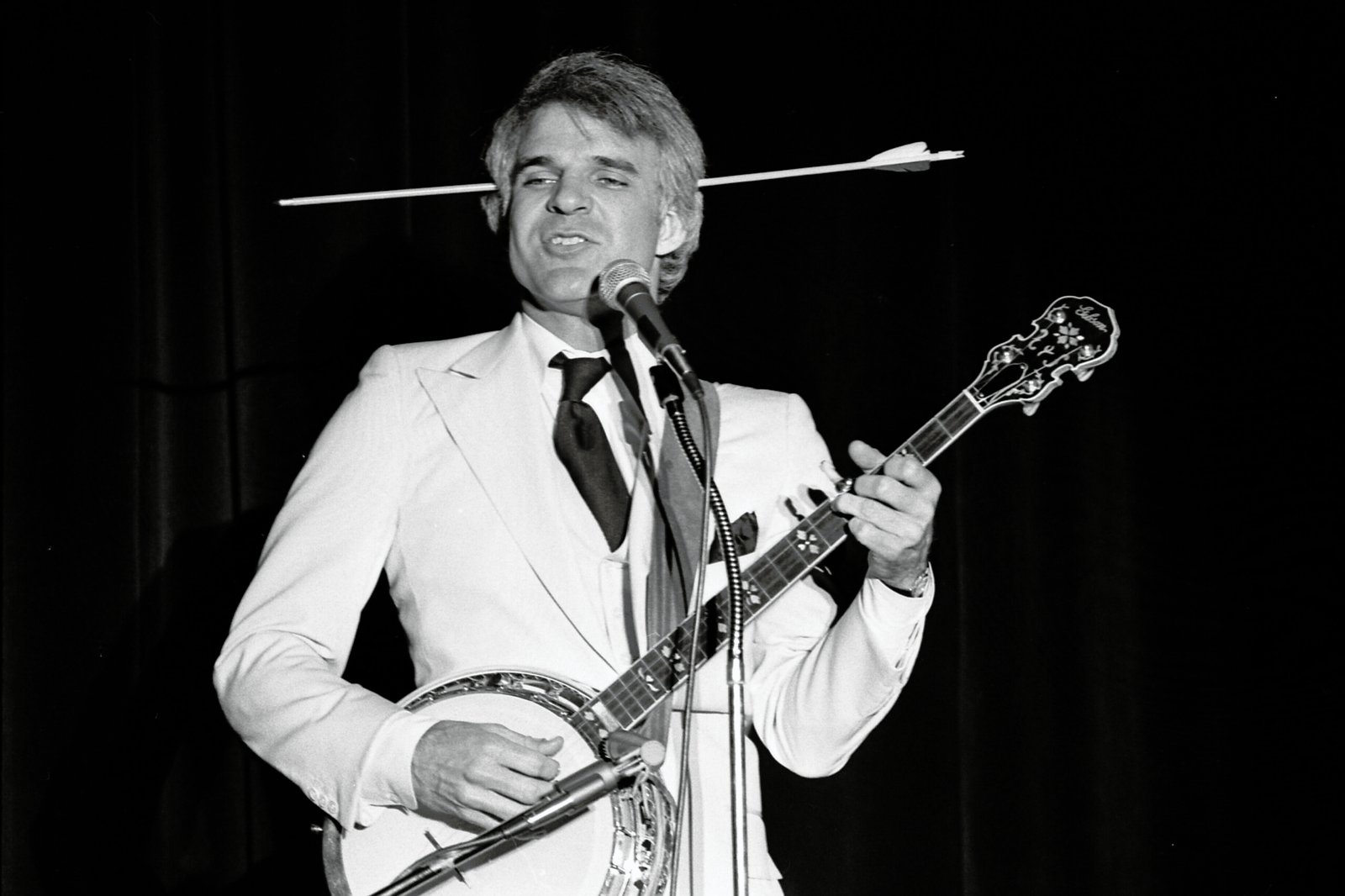
Roxanne was once a steady presence on cable thanks to Steve Martin’s charming modern spin on classic romance. The witty dialogue and gentle humor made it endlessly pleasant to revisit. It worked well as both background viewing and focused watching. Cable programmers leaned on its broad appeal and warm tone. It became one of those movies people didn’t mind catching repeatedly. Its humor aged gracefully compared to many comedies of the era.
Over time, it rotated out as newer romantic comedies filled schedules. It didn’t vanish completely, but it lost its regular presence. Many people fondly remember it but rarely stumble across it anymore. Its sweetness still holds up well when revisited. The movie now feels like a hidden gem rather than a cable mainstay. Its quiet disappearance feels undeserved.
13. Beaches (1988)
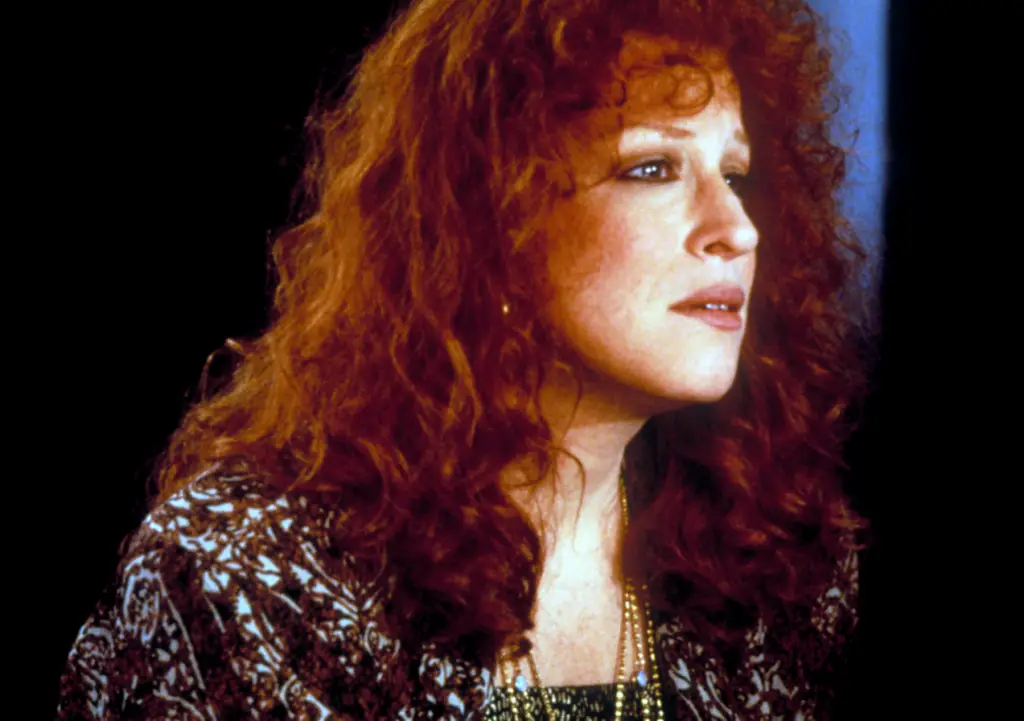
Beaches once felt unavoidable on cable, especially during emotional-drama programming blocks. Bette Midler and Barbara Hershey’s lifelong friendship story pulled in viewers no matter where they tuned in. The emotional beats made it hard to turn away once you started watching. Cable audiences embraced its tearjerker reputation. It became a comfort cry movie for many households. The soundtrack helped cement its emotional staying power.
Over time, it stopped appearing with the same frequency. It’s still remembered fondly, but not encountered casually as often. Many viewers recall specific scenes and songs rather than full replays. It now feels like a movie people seek intentionally when they want a cathartic watch. Its emotional power remains strong. Its fading presence mirrors changing viewing habits.
14. Witness (1985)

Witness had a strong cable run thanks to its blend of thriller tension and romantic drama. Harrison Ford’s fish-out-of-water performance added depth to the suspense. The Amish setting gave the movie a distinctive atmosphere that stood out among typical thrillers. Cable programmers leaned on its star power and gripping storyline. It became a familiar late-night find for channel surfers. The pacing made it easy to jump into mid-story.
As time passed, it rotated out in favor of faster-paced action films. It’s still respected but less commonly encountered. Many people remember its mood and performances more than specific scenes. It now feels like a rediscovery rather than a staple. The film remains compelling when revisited. Its quieter disappearance reflects shifting programming trends.
15. Pretty in Pink (1986)
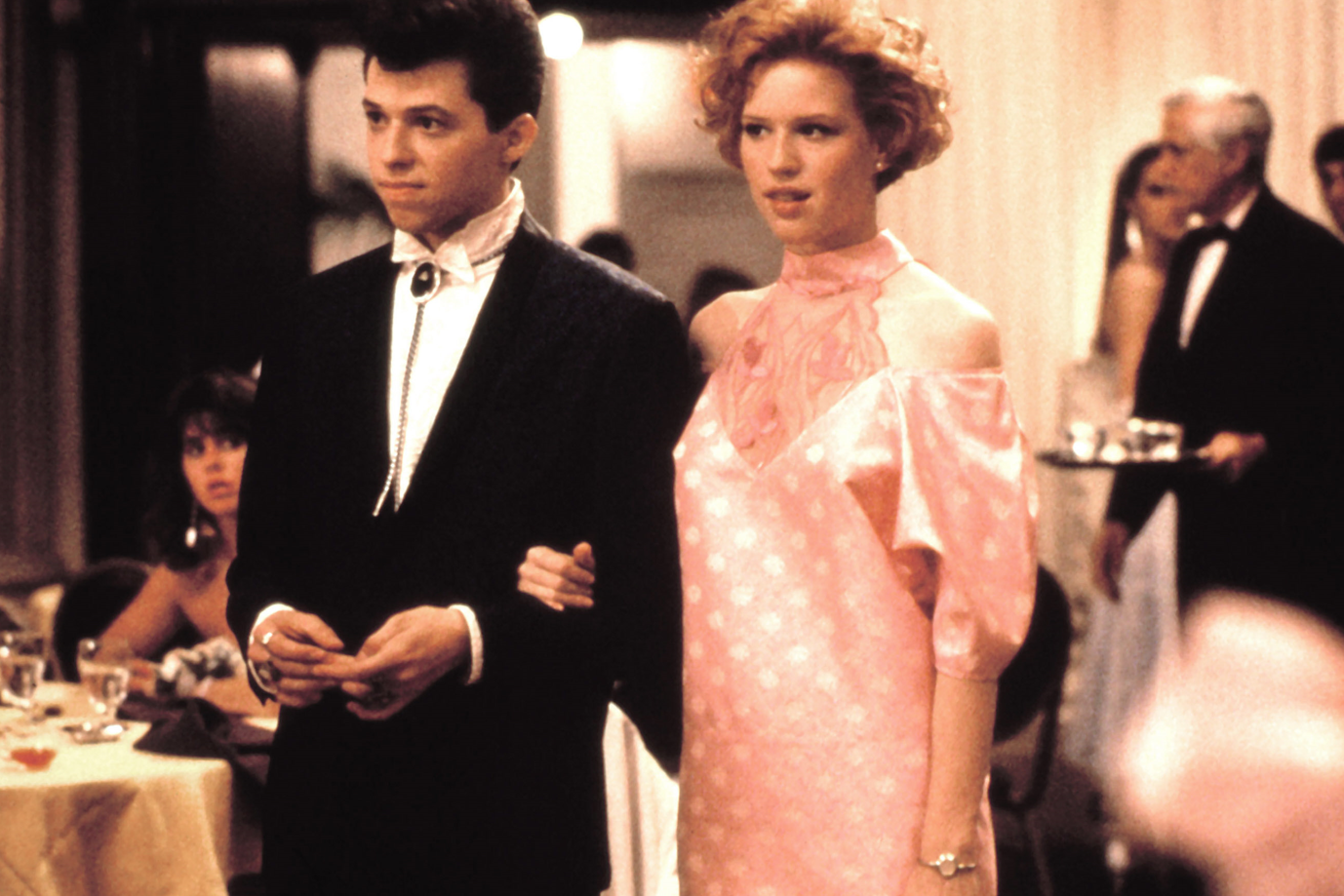
For years, Pretty in Pink felt permanently embedded in cable teen-movie rotations. Molly Ringwald’s outsider romance resonated strongly with young viewers discovering it through reruns. The fashion, music, and emotional stakes made it endlessly rewatchable. Cable programmers leaned heavily on its cultural recognition. It became a comfort watch for multiple generations. You could tune in at almost any point and immediately reconnect with the story.
Over time, its cable dominance softened as teen programming evolved. It’s still iconic, but not nearly as omnipresent. Many viewers now encounter it through intentional rewatches rather than accidental discovery. Its influence remains visible across pop culture. The movie still delivers emotional payoff. Its reduced presence reflects how viewing habits have shifted away from cable discovery.