
1. The Big Chill (1983)
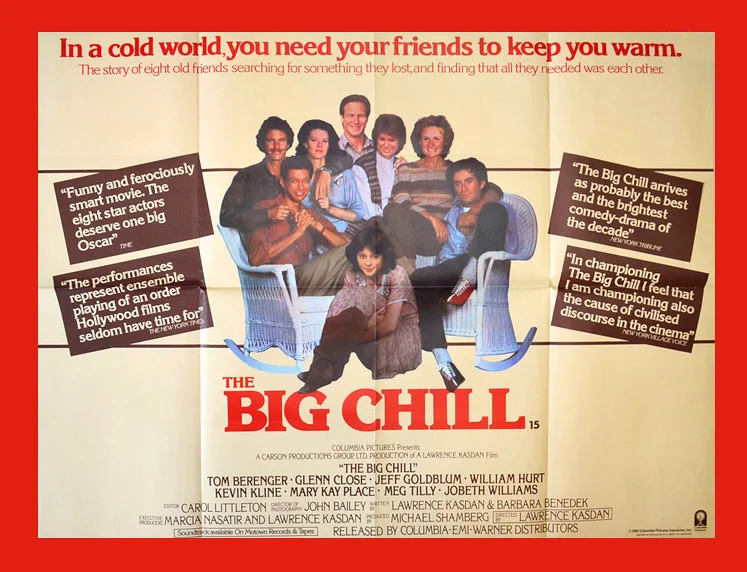
When The Big Chill hit theaters, it felt like more than just a movie, it felt like a generational group therapy session. The soundtrack alone became a cultural force, sending Motown classics back onto the charts and into living rooms across the country. Audiences connected deeply with the idea of college friends reuniting and confronting how adulthood had reshaped their dreams. It sparked endless conversations about aging, compromise, and the friendships that quietly drift away. The cast was stacked with rising stars, which added to the sense that something important was happening. People quoted it, debated it, and played the soundtrack on repeat. For a while, it felt like required viewing for anyone who wanted to understand the mood of the early ’80s.
Today, it doesn’t get revisited nearly as often as other prestige films from the decade. The themes still resonate, but the movie rarely pops up in streaming recommendations or pop culture conversations. Younger viewers often recognize the music more than the film itself. It’s one of those titles people vaguely remember loving without remembering specific scenes. The cultural conversation it once dominated has quietly faded. Unless someone brings it up nostalgically, it tends to stay tucked away in memory rather than rotation. That sense of urgency and shared experience has softened with time.
2. Flashdance (1983)
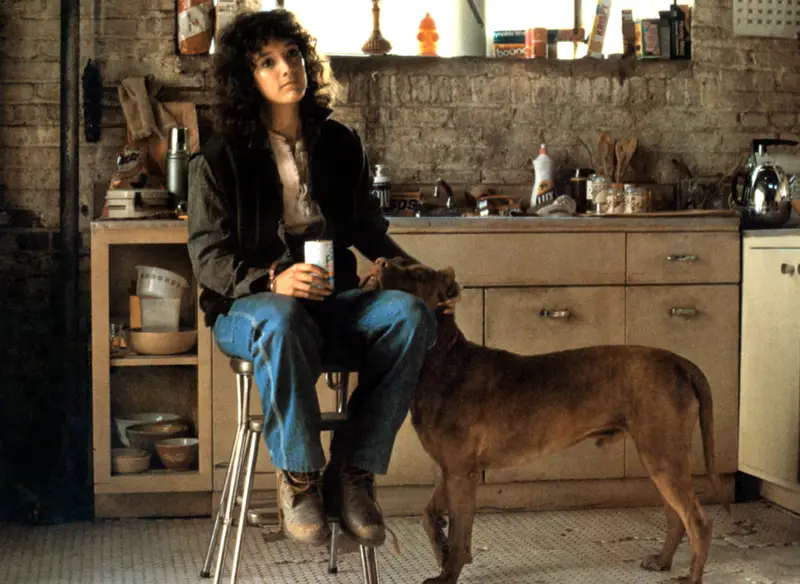
Flashdance exploded like a neon fever dream and instantly became a style and music phenomenon. The off-the-shoulder sweatshirts, leg warmers, and big hair spilled straight from the screen into real life. Its soundtrack was everywhere, blasting from radios and roller rinks and workout classes. The movie captured a kind of scrappy ambition that made people feel energized and hopeful. Even those who hadn’t seen it knew the music and the look. It felt like a full-on cultural moment rather than just a hit movie. For a while, it defined what early ’80s cool looked like.
These days, it’s referenced more for fashion nostalgia than storytelling. Many people remember the vibe more than the plot or characters. It doesn’t get the same revival treatment as other dance or music-driven films from the decade. Streaming platforms rotate it in and out quietly, without much fanfare. The once-constant radio presence of its songs has faded into retro playlists. It still exists, but it doesn’t dominate the conversation the way it once did. The cultural heat has cooled considerably.
3. St. Elmo’s Fire (1985)
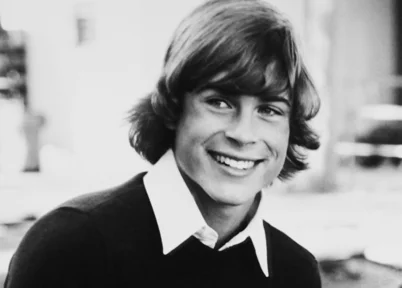
St. Elmo’s Fire arrived riding the full force of the Brat Pack wave and felt like an event for young adults figuring out their identities. The characters felt messy, dramatic, and relatable to anyone navigating post-college uncertainty. Its soundtrack became a staple on car stereos and mixtapes. Fans debated their favorite characters and romantic pairings like it was a long-running series. The movie captured a very specific moment of youthful angst and ambition. It also cemented several actors as defining faces of the decade. For a while, it felt impossible to escape its influence.
Over time, its cultural footprint has shrunk compared to other teen and young adult classics. Some of its themes and character choices feel dated to modern viewers. It doesn’t get referenced as often in pop culture retrospectives. Many people remember the theme song more clearly than the actual story. Streaming algorithms rarely push it front and center anymore. Its once-loud cultural buzz has softened into quiet nostalgia. The movie survives mainly in memories rather than mainstream rediscovery.
4. Top Gun (1986)
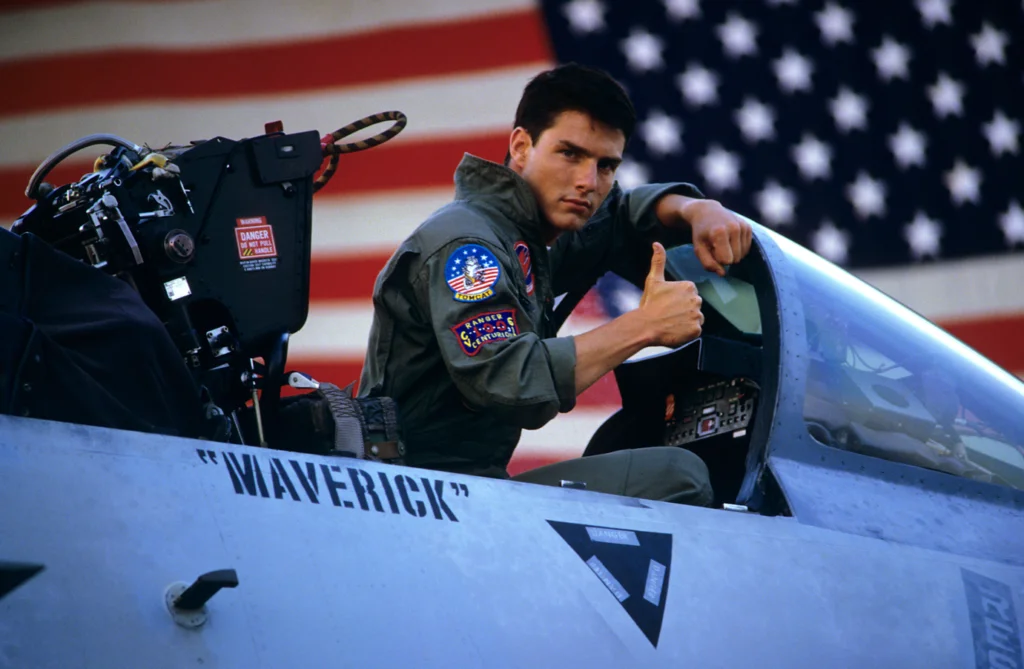
When Top Gun hit theaters, it became a full-scale phenomenon that blended action, romance, and swagger into a massive cultural wave. Aviator sunglasses suddenly felt mandatory, and bomber jackets became instant status symbols. The soundtrack dominated airwaves and helped define the sound of the decade. Recruitment interest reportedly surged, showing just how wide its influence spread. It was quoted endlessly and referenced everywhere from commercials to comedy sketches. The movie made its stars household names almost overnight. It felt like a pop culture juggernaut rather than just a summer hit.
While it received renewed attention years later with a sequel, the original doesn’t always get revisited on its own terms. Outside of iconic scenes and music, many casual viewers struggle to recall the full story. Its influence is often discussed historically rather than actively felt. Younger audiences tend to encounter it through memes or references instead of full rewatches. The once-overwhelming presence has narrowed into selective nostalgia. It still matters, but the everyday cultural saturation is long gone. The event feeling has faded into legacy status.
5. Rain Man (1988)
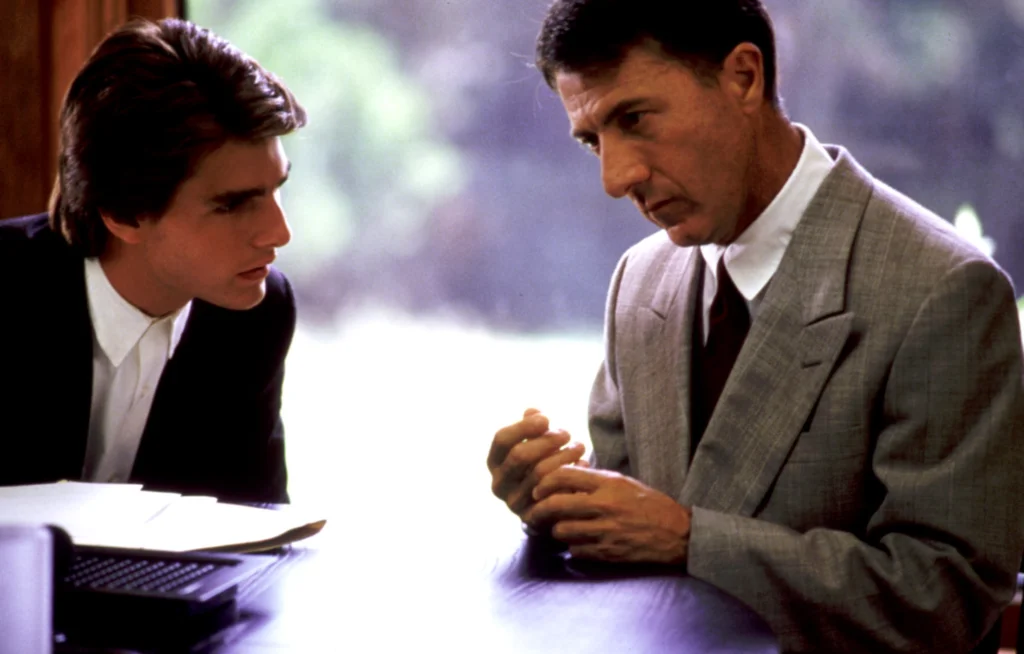
Rain Man arrived as a serious, conversation-driving film that people talked about at dinner tables and award shows alike. Dustin Hoffman’s performance became a cultural reference point almost immediately. The movie sparked widespread discussion about disability, family responsibility, and emotional growth. It dominated awards season and felt unavoidable in entertainment coverage. Many people who rarely went to theaters made a point to see it. Its emotional impact lingered long after the credits rolled. For a moment, it felt like one of those films everyone had to experience.
Today, it doesn’t circulate as widely in casual viewing habits. While it remains respected, it’s not frequently rediscovered by younger audiences. Conversations around representation have evolved, changing how some viewers engage with it. It doesn’t pop up on trending lists or social media chatter very often. The cultural urgency it once carried has softened. It lives more as an awards-era memory than a regularly revisited classic. The spotlight has shifted elsewhere.
6. Fatal Attraction (1987)
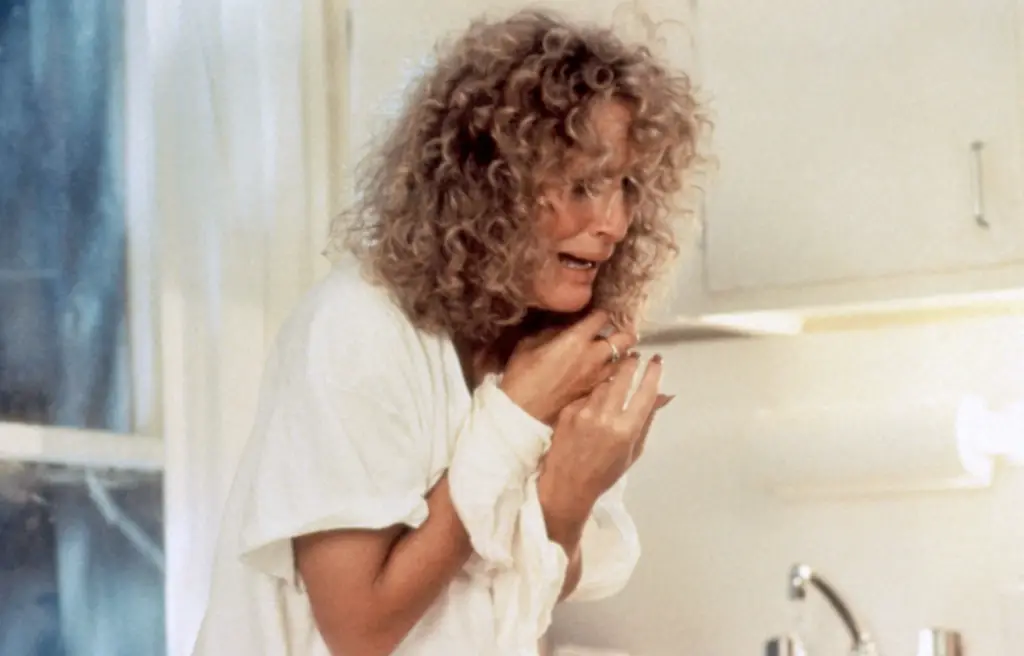
Fatal Attraction landed like a thunderclap and instantly dominated conversations about relationships and obsession. People debated its shocking moments at work, in schools, and on talk shows. The phrase “bunny boiler” entered everyday language almost overnight. It tapped into anxieties about infidelity and consequences in a way that felt urgent and unsettling. Audiences lined up to experience the tension firsthand. It became one of those movies everyone felt compelled to see just to stay in the loop. The cultural ripple effect was intense and immediate.
Over time, the movie’s shock value has dulled. Newer thrillers have pushed boundaries further, making its once-scandalous moments feel tame by comparison. It rarely appears in current pop culture discussions unless referenced nostalgically. Many younger viewers know the famous scene without knowing the full movie. It doesn’t dominate streaming queues or late-night reruns anymore. The cultural panic it once generated has long cooled. Its legacy exists, but the event-level buzz is gone.
7. Ghostbusters II (1989)
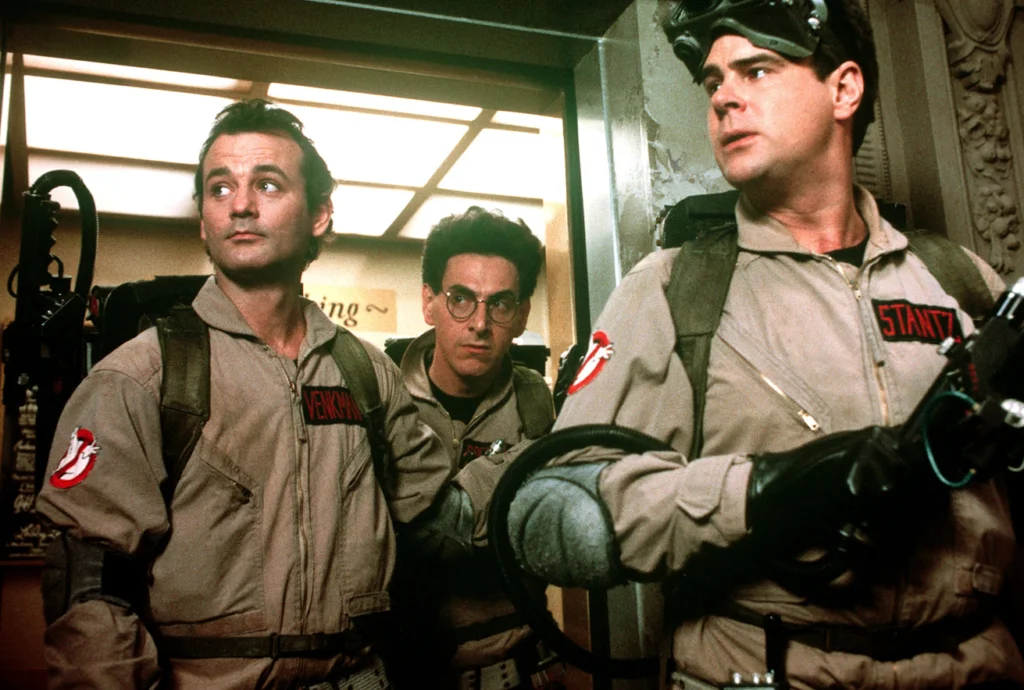
The sequel to Ghostbusters arrived with massive expectations and a sense of collective anticipation. Merchandise flooded stores, and kids wanted everything tied to the franchise. The movie felt like a continuation of a shared cultural obsession. Families treated it as a must-see event rather than a casual outing. The characters were already beloved, which added to the excitement. It kept the brand alive in pop culture conversations for years. For a brief window, it felt like the whole country was watching together again.
Yet the sequel never maintained the same lasting cultural grip as the original. It’s often overshadowed and sometimes skipped entirely in rewatches. Many people remember the slime and the Statue of Liberty more than the storyline. It doesn’t receive the same nostalgic reverence. Streaming platforms rarely spotlight it compared to its predecessor. The sense of cultural unity around it has faded. It exists more as a footnote than a centerpiece.
8. Dirty Dancing (1987)
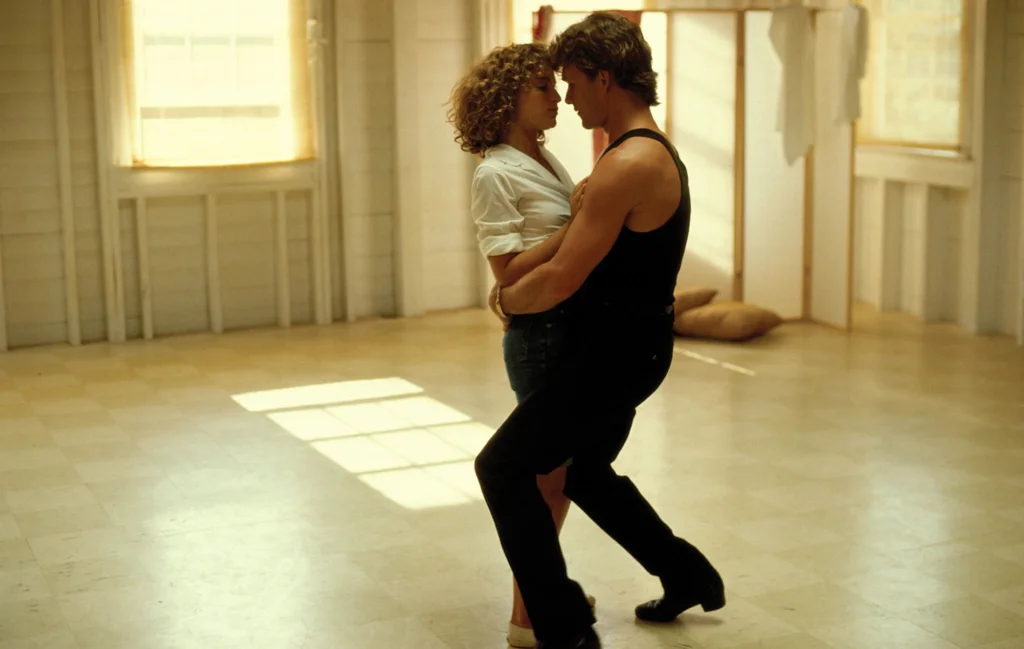
Dirty Dancing became an unexpected phenomenon that blended romance, music, and dance into something magical for audiences. People memorized the choreography and quoted lines endlessly. The soundtrack became a staple at parties and weddings for years. It sparked a renewed love for dance films and coming-of-age romance stories. Viewers felt emotionally invested in Baby and Johnny’s journey. It created a shared cultural language almost instantly. For many, it was a defining movie moment of the late ’80s.
While still beloved, it doesn’t command the same cultural saturation today. Its presence tends to spike during anniversaries or themed programming blocks. Younger audiences often discover it through family recommendations rather than organic hype. The massive wave of collective excitement has softened into steady nostalgia. It’s cherished, but not constantly discussed. The once-unavoidable cultural moment has mellowed into a comfortable classic. Its intensity has faded, even if the affection remains.
9. Who Framed Roger Rabbit (1988)
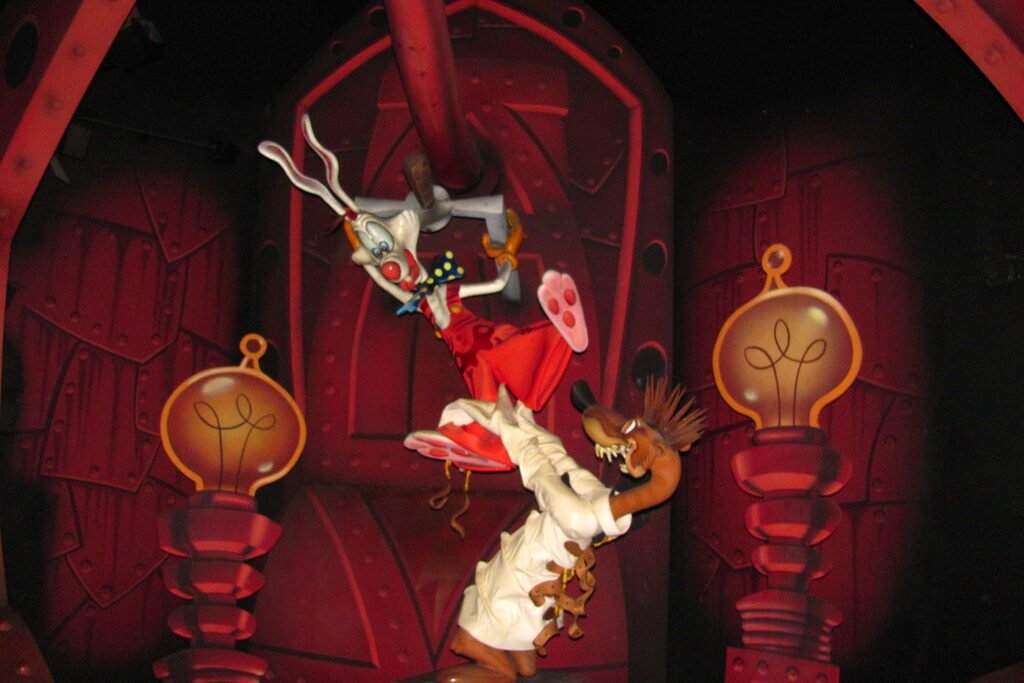
When this film arrived, it felt like a technical miracle that people couldn’t stop talking about. The blend of live action and animation seemed groundbreaking and slightly surreal. Audiences were fascinated by how seamlessly the worlds merged. It appealed to kids and adults in different ways, which broadened its reach. The characters became instant pop culture icons. It sparked conversations about the future of filmmaking technology. For a while, it felt like the industry had entered a new era overnight.
Despite its innovation, it’s not as frequently revisited today. Animation technology has advanced so far that its once-shocking effects feel more historical than revolutionary. It doesn’t show up in mainstream streaming recommendations very often. Younger viewers may not grasp how groundbreaking it once was. The cultural buzz has softened into quiet admiration. Its influence is acknowledged more in film discussions than daily pop culture. The event feeling has receded.
10. Rambo: First Blood Part II (1985)
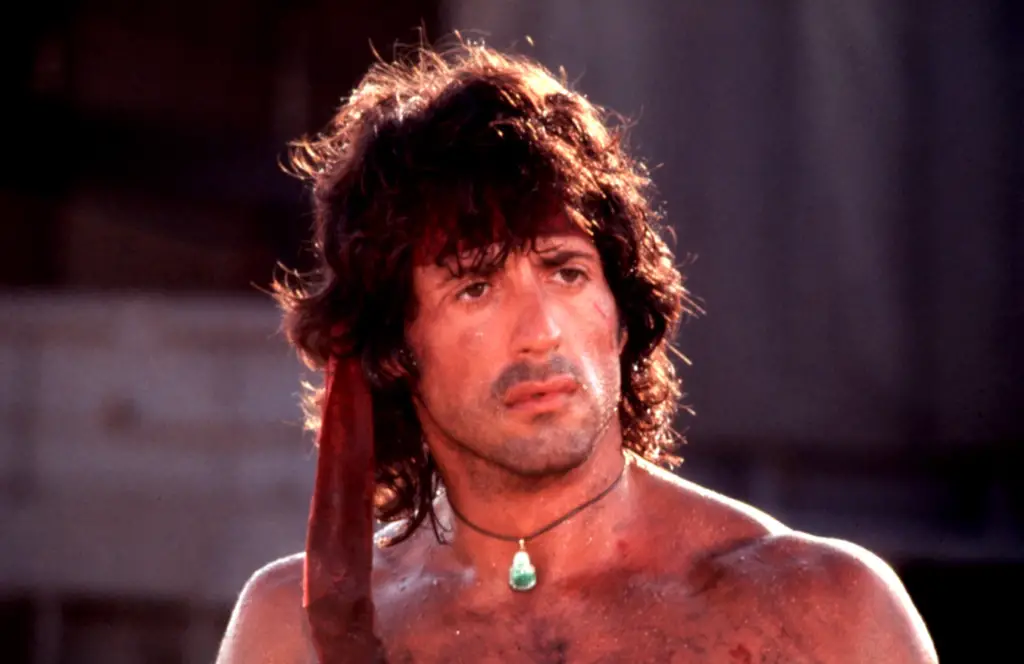
When Rambo: First Blood Part II hit theaters, it felt like a full-blown cultural eruption rather than just a sequel. The image of Sylvester Stallone’s Rambo became instantly iconic, showing up on lunchboxes, posters, video games, and playground conversations. It tapped into mid-’80s action excess in a way that felt loud, muscular, and unapologetic. People lined up expecting spectacle, and the movie delivered relentless explosions and one-liners that everyone repeated. It helped define what a blockbuster action hero looked like for years afterward. The film dominated box offices and pop culture chatter for months. For a moment, it felt like Rambo was absolutely everywhere.
Today, its cultural presence has softened considerably. The character still exists in franchise memory, but the sequel itself rarely gets singled out for revisits. Modern action films have raised the bar for scale and intensity, making its once-shocking spectacle feel tame. Younger viewers often recognize the character without knowing this specific chapter. It doesn’t circulate heavily on streaming platforms or cable anymore. The saturation that once made it unavoidable has faded. What remains is a symbol of its era rather than a regularly rewatched event movie.
11. Field of Dreams (1989)
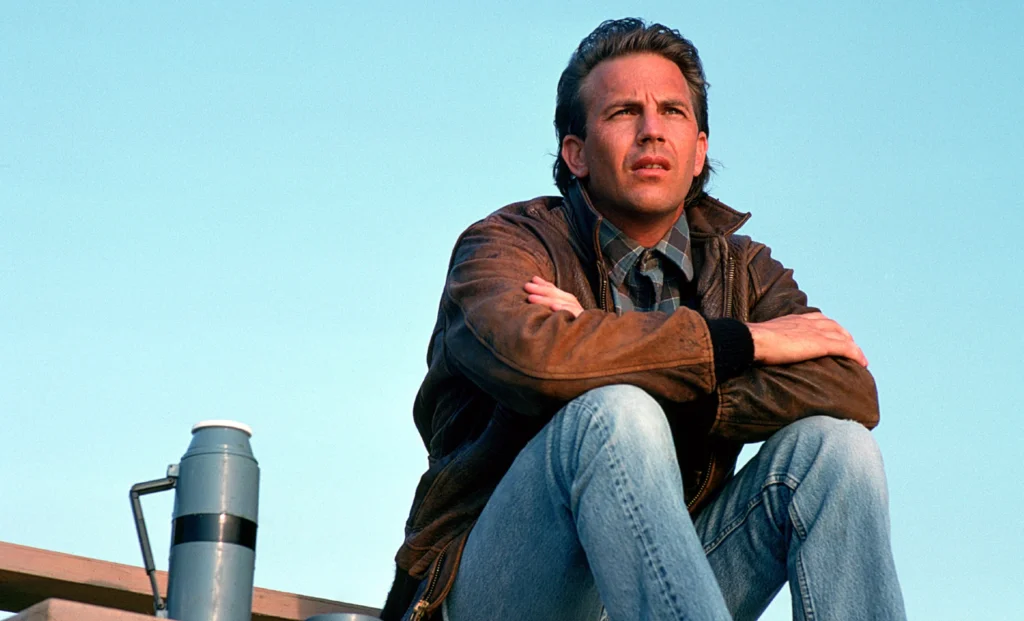
Field of Dreams struck an emotional chord that resonated far beyond baseball fans. People quoted its iconic line in everyday conversation. The movie tapped into nostalgia, family bonds, and second chances in a deeply accessible way. It became a frequent topic in workplaces and family gatherings. Viewers often described being unexpectedly moved by it. The film felt like a shared emotional experience. For a time, it carried a cultural warmth that lingered.
While still respected, it doesn’t surface as often in modern viewing habits. Its slower pacing doesn’t always align with current entertainment trends. Younger audiences may know the quote without having seen the film. It appears less frequently in streaming promotions. The communal emotional buzz has softened. It remains meaningful but quieter in cultural presence. The spotlight has shifted elsewhere.
12. The Karate Kid Part II (1986)
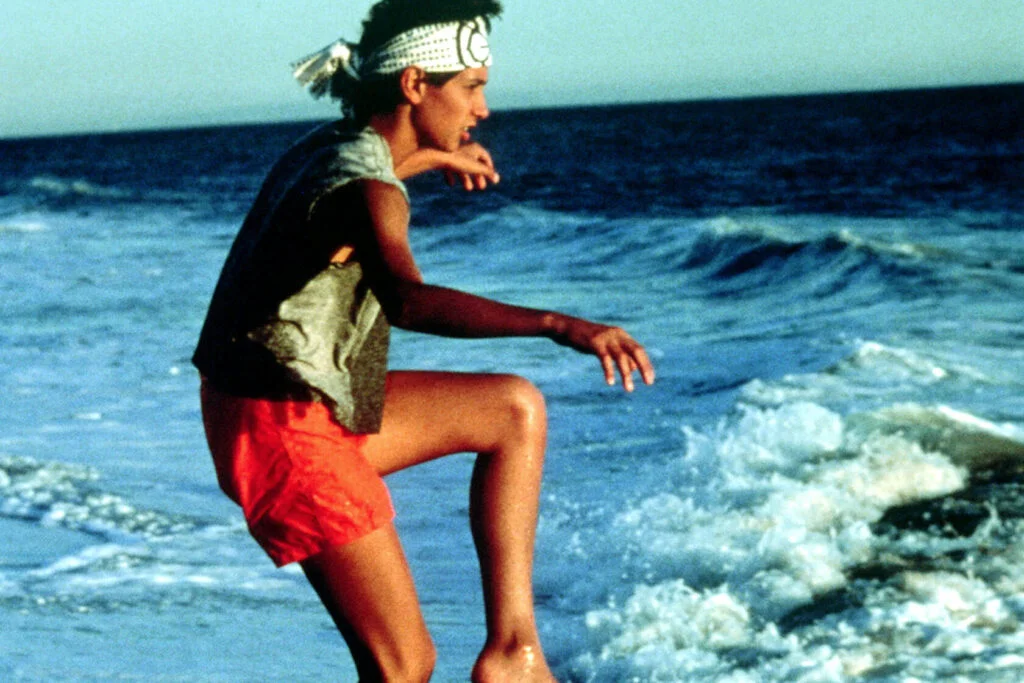
The sequel arrived riding the enormous success of the original and felt like a continuation of a shared obsession. Fans were eager to follow Daniel and Miyagi into a new setting. The Okinawa backdrop added a sense of adventure and novelty. Merchandise and media coverage kept the franchise highly visible. It felt like another chapter everyone wanted to experience together. The emotional stakes kept audiences invested. For a moment, it sustained the franchise’s cultural dominance.
Over time, it’s often overshadowed by the original film. Many viewers revisit the first but skip the sequel. Specific scenes linger, but the overall story fades in memory. It rarely gets standalone recognition in retrospectives. The cultural excitement has narrowed significantly. It exists more as a companion piece than a defining event. The collective buzz has softened.
13. Cocktail (1988)
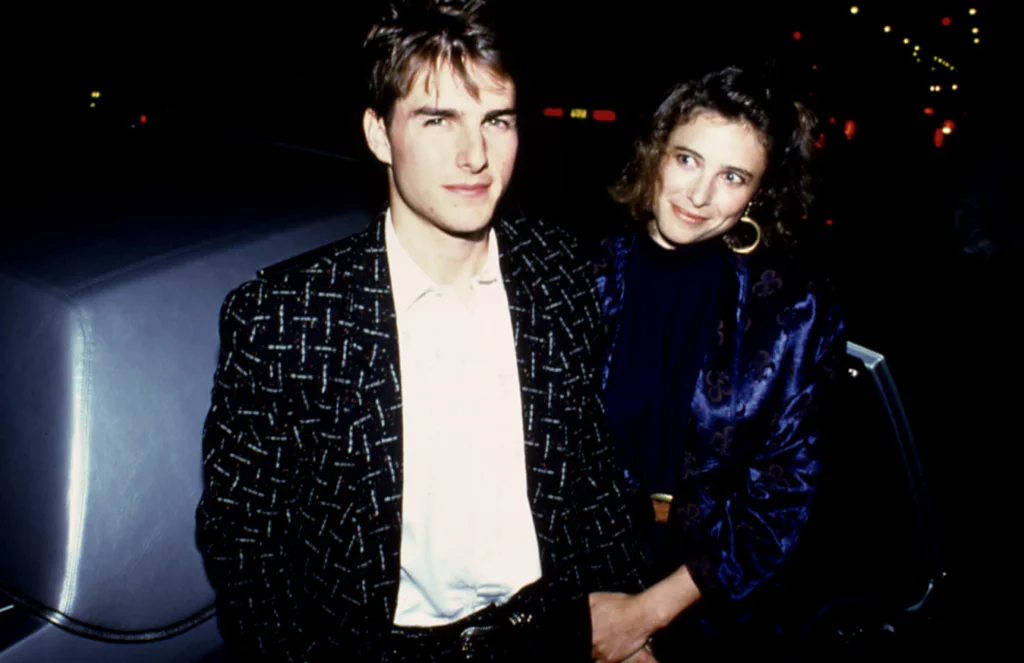
Cocktail arrived as a glossy, flashy showcase of ambition and nightlife fantasy. The flair bartending scenes became instantly recognizable and widely copied. Its soundtrack fueled radio play and pop culture presence. The movie leaned into aspirational fantasy in a way audiences found irresistible. It became part of the late ’80s conversation about success and excess. Even critics’ mixed reactions didn’t dampen its popularity. For a while, it felt omnipresent.
Today, it’s remembered more as a curiosity than a must-watch. Its tone and style feel very specific to its era. It doesn’t enjoy regular rediscovery among younger audiences. The once-trendy aesthetic now feels dated rather than exciting. It surfaces occasionally in nostalgia conversations. The cultural buzz has largely evaporated. Its moment passed quietly.
14. The Abyss (1989)
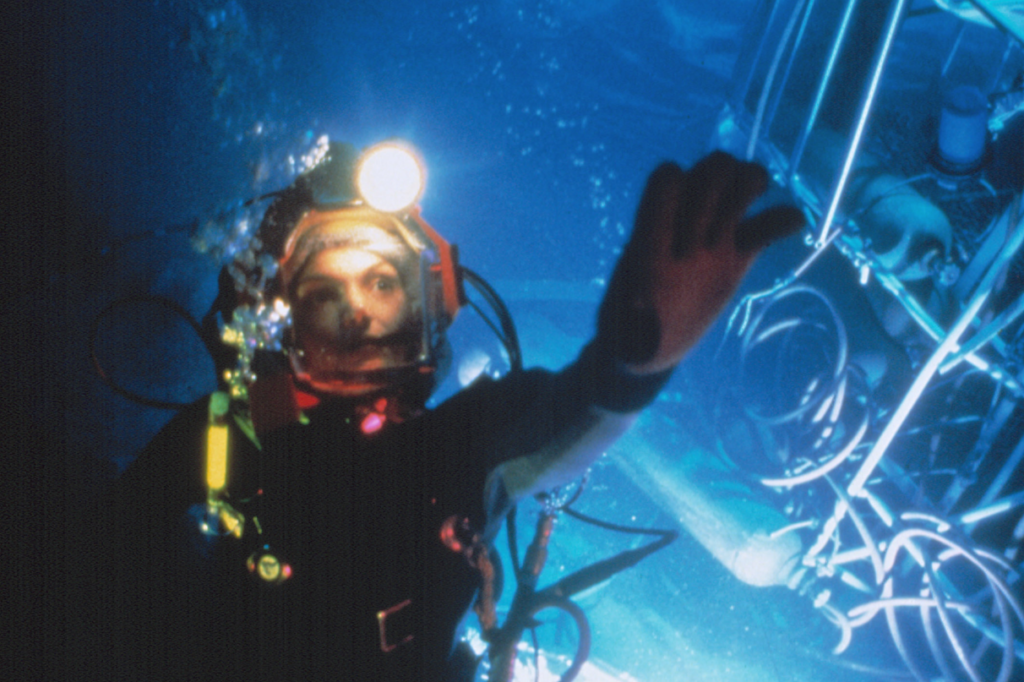
The Abyss felt monumental when it arrived, especially for its groundbreaking underwater visual effects. Audiences were fascinated by the technical achievement and ambitious storytelling. It sparked discussions about filmmaking innovation and big-budget risks. The production itself became part of the legend. People debated its themes and spectacle long after seeing it. It carried a sense of cinematic ambition that felt event-worthy. For a while, it stood as a technical marvel.
Despite its achievements, it’s rarely revisited today. It hasn’t maintained the same cultural footprint as other major sci-fi titles. Home media availability issues over the years limited rediscovery. Many younger viewers are unfamiliar with it entirely. The technical breakthroughs have been eclipsed by newer effects. Its legacy survives mostly among film enthusiasts. The event status has quietly faded.