1. David Cassidy
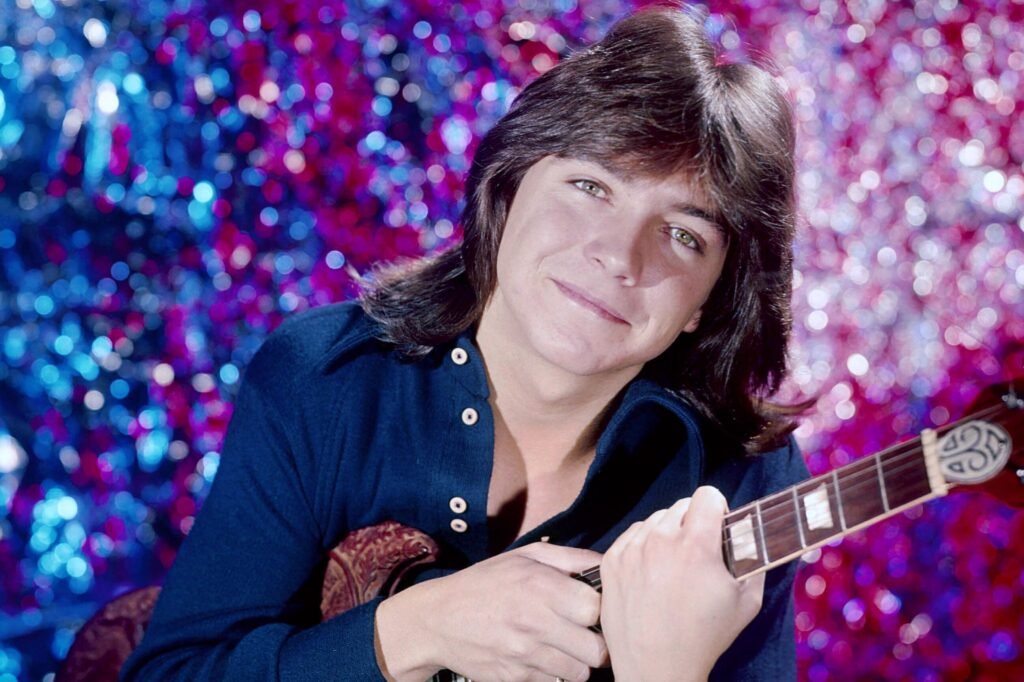
For a few dizzying years in the early ’70s, David Cassidy was absolutely everywhere thanks to The Partridge Family. His face was on lunchboxes, bedroom posters, teen magazines, and just about every variety show that booked a musical guest. It felt like you couldn’t turn on the television without seeing Cassidy flash that familiar grin and launch into another chart-climbing song. He wasn’t just a TV star, he was a full-blown pop phenomenon wrapped into one person.
Then the pace caught up with him, and Cassidy deliberately pulled back from the spotlight. He continued performing and acting, but nothing matched the cultural saturation of his Partridge years. As the teen idol era cooled, so did the constant media attention. For many fans, his sudden absence from weekly television felt abrupt after such nonstop exposure.
2. Kristy McNichol
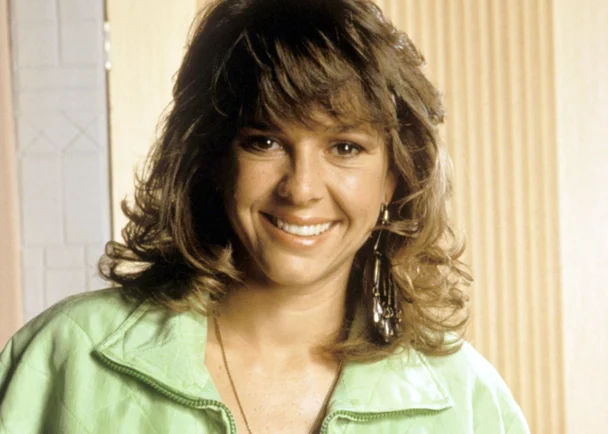
Kristy McNichol became one of the most recognizable young faces on television through Family and later Eight Is Enough. She had a natural warmth on screen that made audiences root for her instantly. Awards followed quickly, and she seemed poised for a long, dominant career. For a stretch, casting directors couldn’t get enough of her.
In the late ’80s, McNichol stepped away from acting to focus on her health and personal well-being. She made occasional appearances afterward, but largely stayed out of the public eye. The retreat felt sudden to viewers who had watched her grow up on television. Her absence created a lasting sense of “whatever happened to” nostalgia.
3. Michael Ontkean
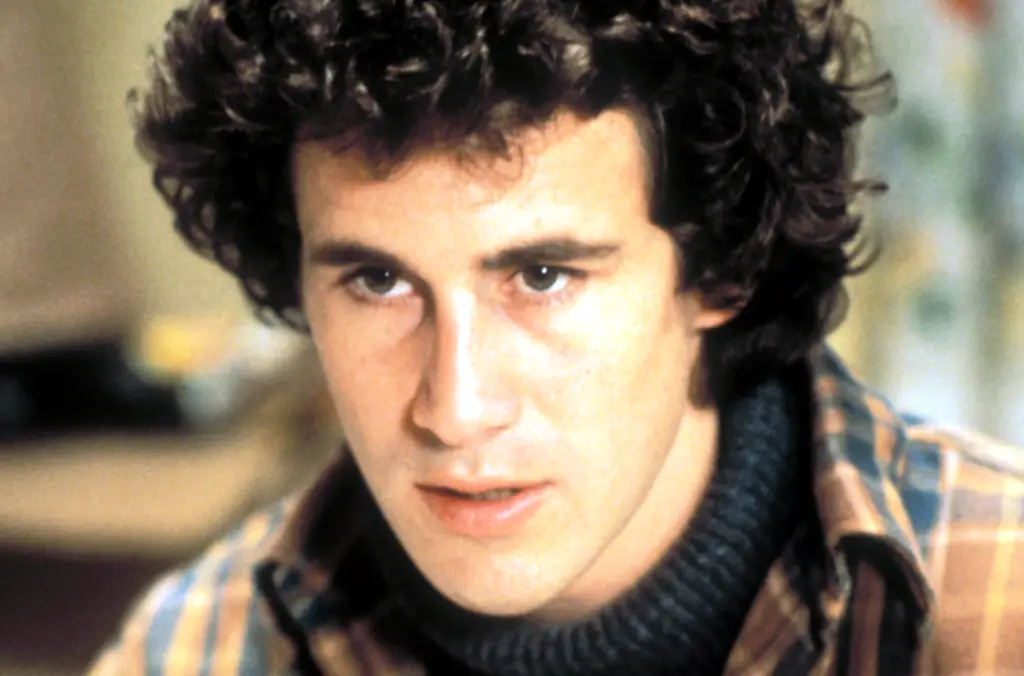
Michael Ontkean was a steady presence on crime dramas like The Rookies during the ’70s. He embodied the earnest, square-jawed leading man that networks leaned on heavily at the time. Week after week, audiences saw him solving crimes and anchoring ensemble casts. He was familiar in a comforting, dependable way.
Rather than chase nonstop television fame, Ontkean gradually shifted his priorities. He continued acting in selective projects, including later cult favorites, but avoided the constant spotlight. His quieter career choices meant casual viewers stopped seeing him regularly. Over time, his once-ubiquitous TV presence faded into fond memory.
4. Jan-Michael Vincent
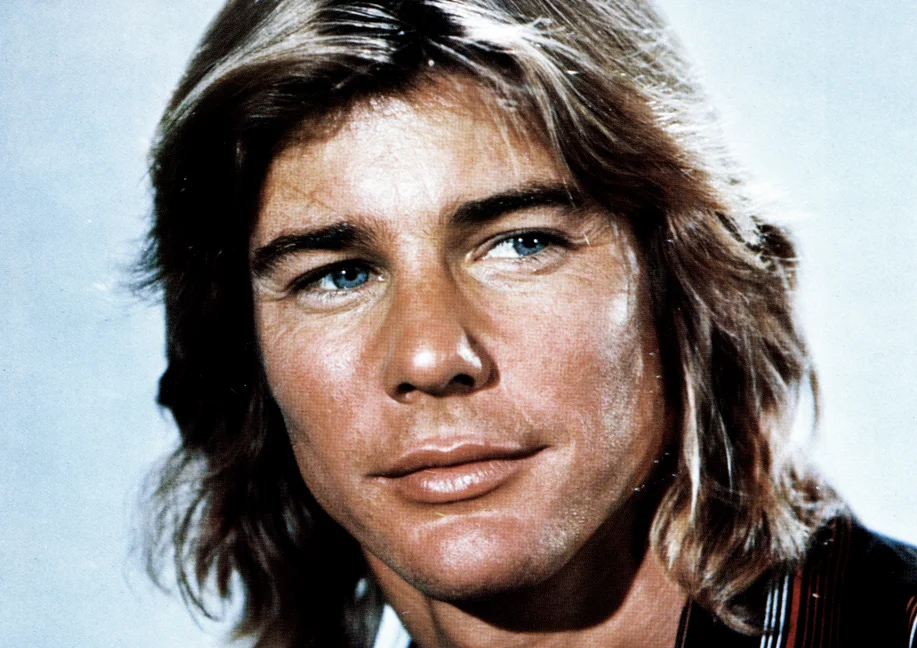
Jan-Michael Vincent became a breakout star through shows like Airwolf, but his popularity roots stretched back to the late ’70s when he was heavily promoted as a rising television leading man. He had the rugged charisma networks loved and landed prominent roles quickly. Magazine covers and talk-show appearances followed as his fame surged. It seemed like he was being positioned for long-term stardom.
Personal struggles and health issues eventually derailed that momentum. His appearances became sporadic, and major roles dried up. Fans noticed the sudden disappearance after years of heavy exposure. His career arc remains one of television’s more cautionary stories.
5. Ron Palillo
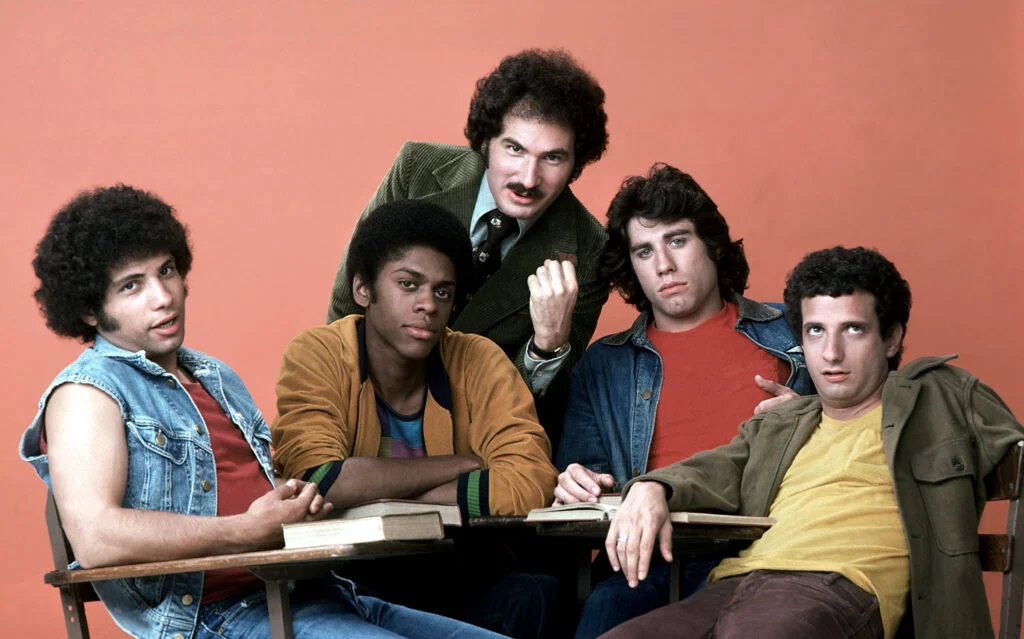
Ron Palillo became instantly recognizable as Arnold Horshack on Welcome Back, Kotter. His wide-eyed enthusiasm and booming laugh made him a standout in every episode. Viewers could quote his catchphrases and mimic his exaggerated expressions with ease. For a while, Horshack felt unavoidable in pop culture.
Palillo found himself strongly typecast after the series ended. He continued acting on stage and in smaller projects, but mainstream television largely moved on. Without a steady TV platform, his visibility dropped quickly. The shift felt abrupt considering how prominent he once was.
6. Anson Williams
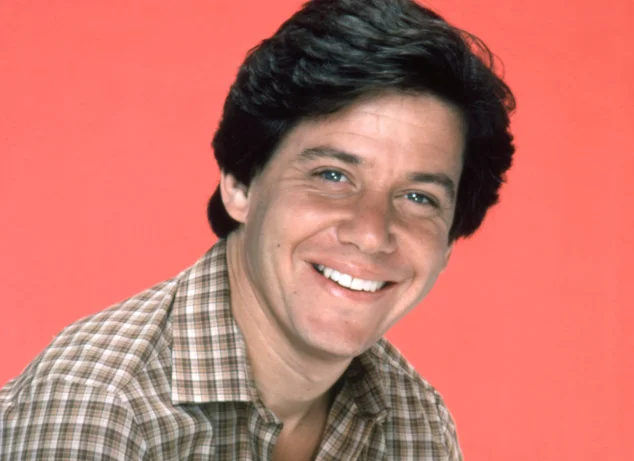
As Potsie on Happy Days, Anson Williams was part of one of the most watched sitcoms of the decade. The show’s popularity made its cast feel like extended family in American living rooms. Williams’ awkward charm fit perfectly into the ensemble dynamic. Audiences saw him weekly for years without fail.
After the series wrapped, Williams transitioned behind the camera. He built a successful career directing television rather than acting in front of it. Because the change happened quietly, many viewers assumed he had simply vanished. His work continued steadily, just out of the spotlight.
7. Erin Moran
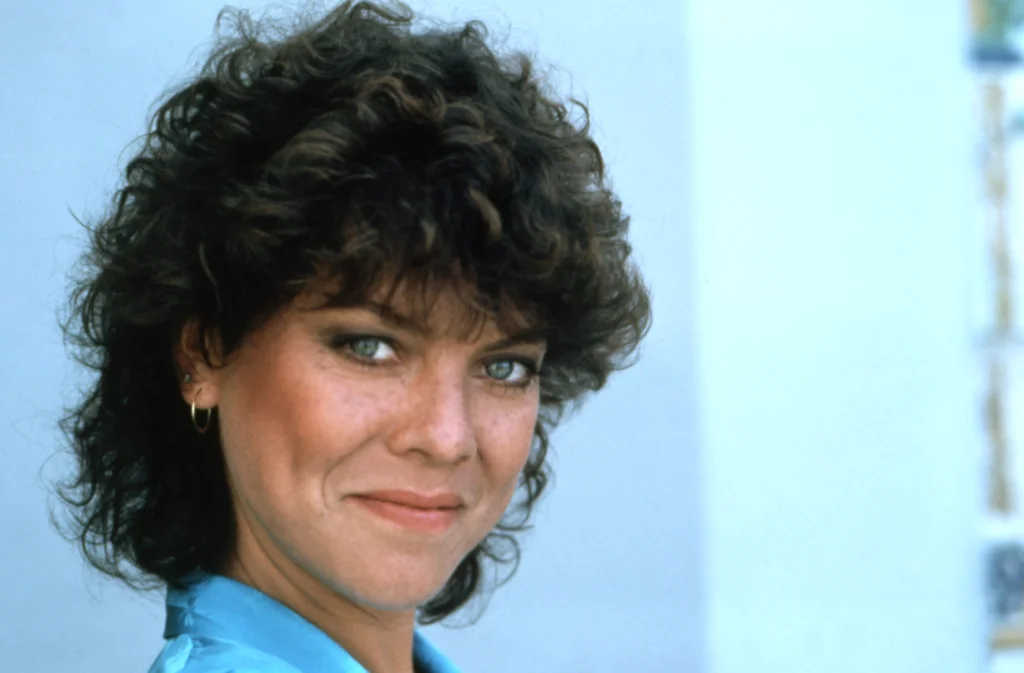
Erin Moran grew up in front of viewers as Joanie on Happy Days. Her character’s storylines became more prominent as the series progressed, even earning a short-lived spinoff. Moran’s youthful energy made her a familiar presence throughout the decade. She was closely tied to the show’s cultural identity.
After the sitcom era ended, consistent roles became harder to secure. She appeared occasionally but never regained the same level of visibility. The contrast between her early fame and later quiet years was striking. Many fans were surprised by how quickly she seemed to fade from screens.
8. McLean Stevenson
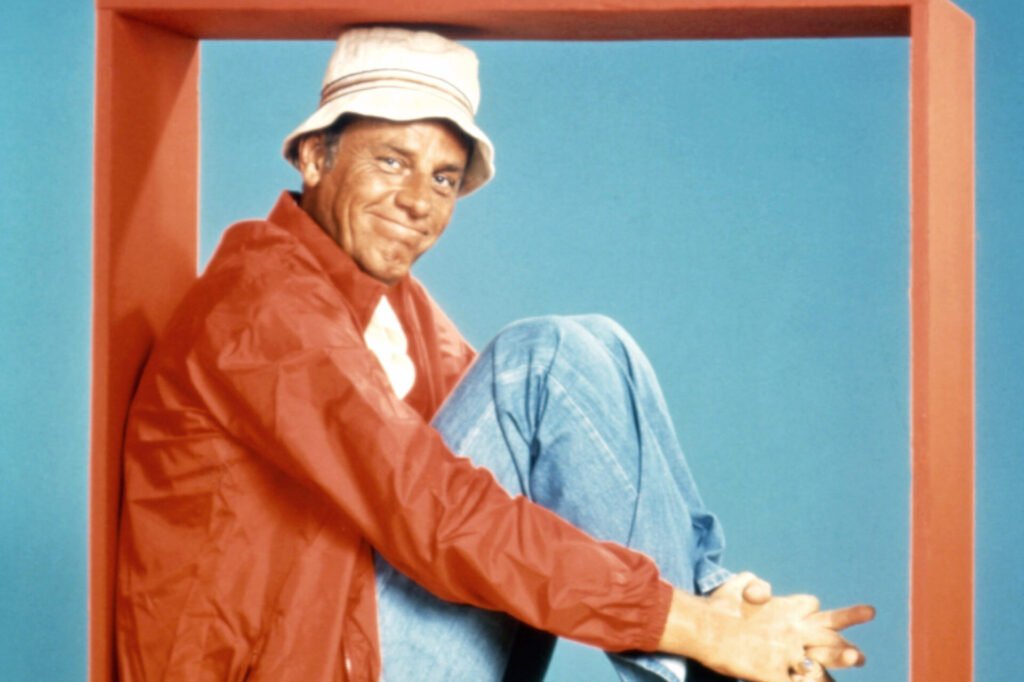
McLean Stevenson became a household name as Colonel Henry Blake on M*A*S*H. His blend of authority and comedic warmth made the character deeply beloved. When he left the series, it was headline news and a genuine pop-culture moment. Viewers expected even bigger things to follow.
Subsequent shows never captured the same magic or audience connection. Stevenson continued working, but none of the projects matched his earlier impact. The sudden drop in visibility felt dramatic after such massive exposure. His legacy remains tightly linked to that single iconic role.
9. Wayne Rogers
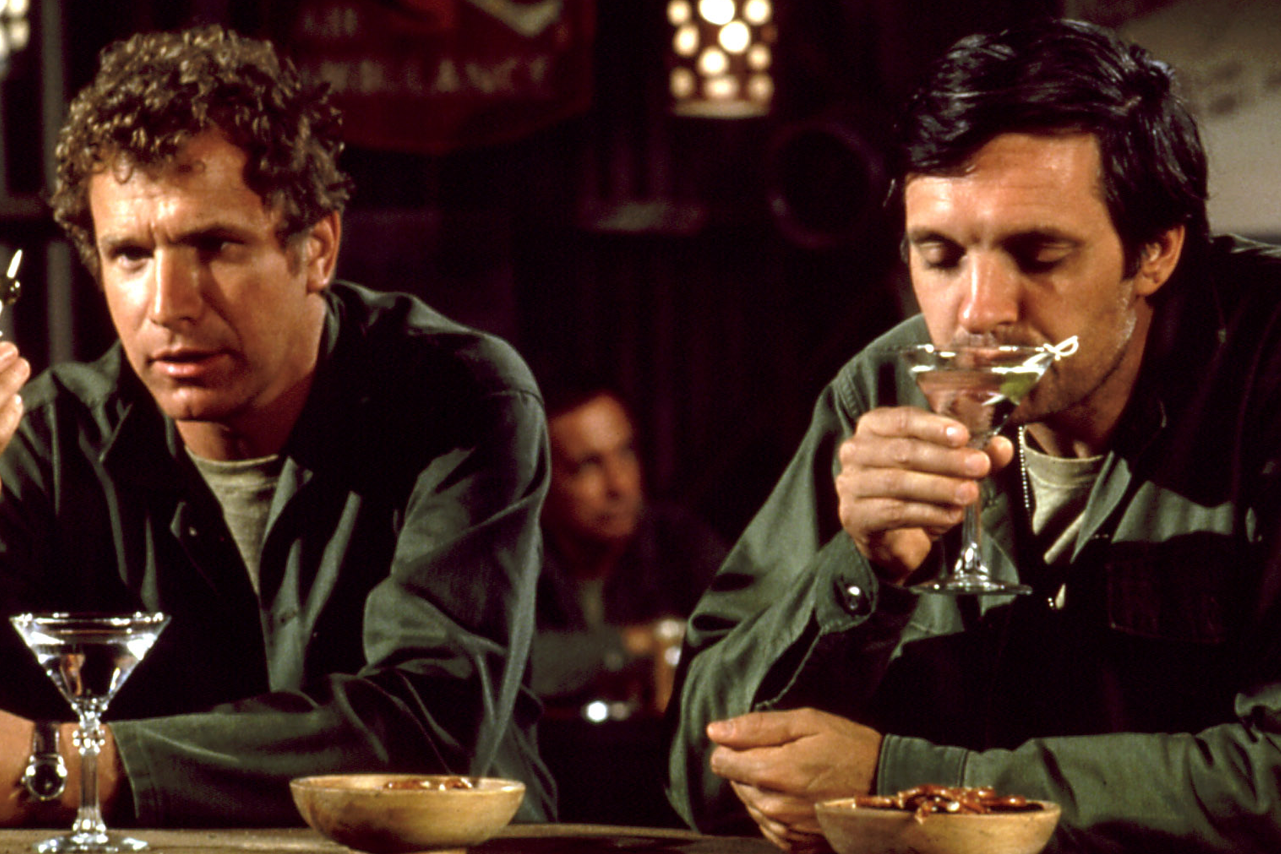
Wayne Rogers was another early standout on M*A*S*H, playing Trapper John with effortless charm. His chemistry with the cast helped establish the series’ early success. Audiences quickly grew attached to his relaxed, confident presence. He felt essential to the show’s rhythm.
After leaving the series, Rogers shifted focus toward business and finance ventures. Acting became a smaller part of his professional life. While he remained successful, his TV visibility declined sharply. Fans who associated him so strongly with the show noticed the sudden absence.
10. Joyce DeWitt
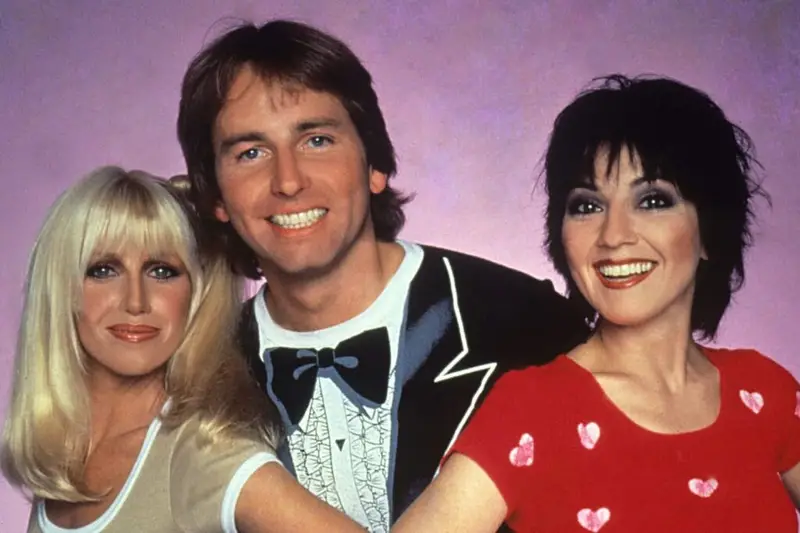
Joyce DeWitt was a core part of Three’s Company throughout its wildly popular run. As Janet, she grounded the comedy with sincerity and sharp timing. The show aired constantly in reruns, keeping her face familiar long after original episodes ended. For many viewers, she felt permanently part of the TV landscape.
Following the series, DeWitt largely stepped away from high-profile television work. She focused on theater and personal projects rather than chasing sitcom replacements. The lack of steady screen exposure made her visibility drop quickly. Fans often remark on how abruptly she seemed to disappear after such dominance.
11. Larry Wilcox
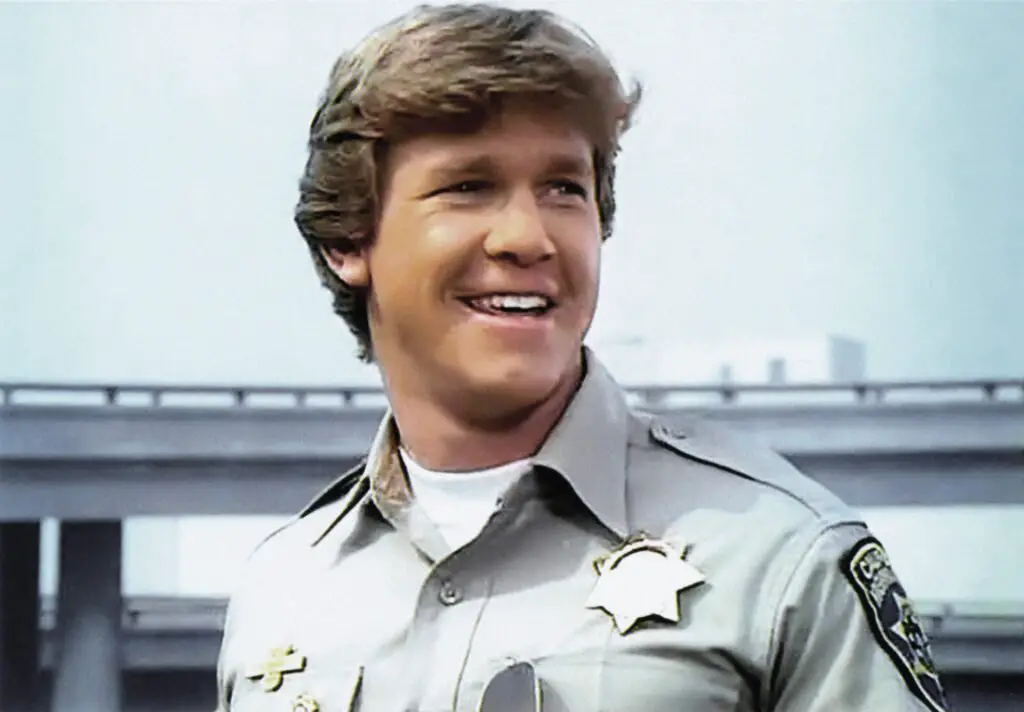
Larry Wilcox became a recognizable action hero as Officer Jon Baker on CHiPs. The show’s motorcycle chases and glossy California energy made it a staple of late ’70s television. Wilcox’s clean-cut image fit perfectly with the series’ tone. He was a familiar presence in weekly primetime slots.
After leaving the show, Wilcox explored projects behind the camera and outside mainstream acting. Without a long-running follow-up series, his public profile softened. Casual viewers stopped seeing him regularly on television. The transition felt sudden compared to the show’s peak popularity.
12. Adrienne Barbeau
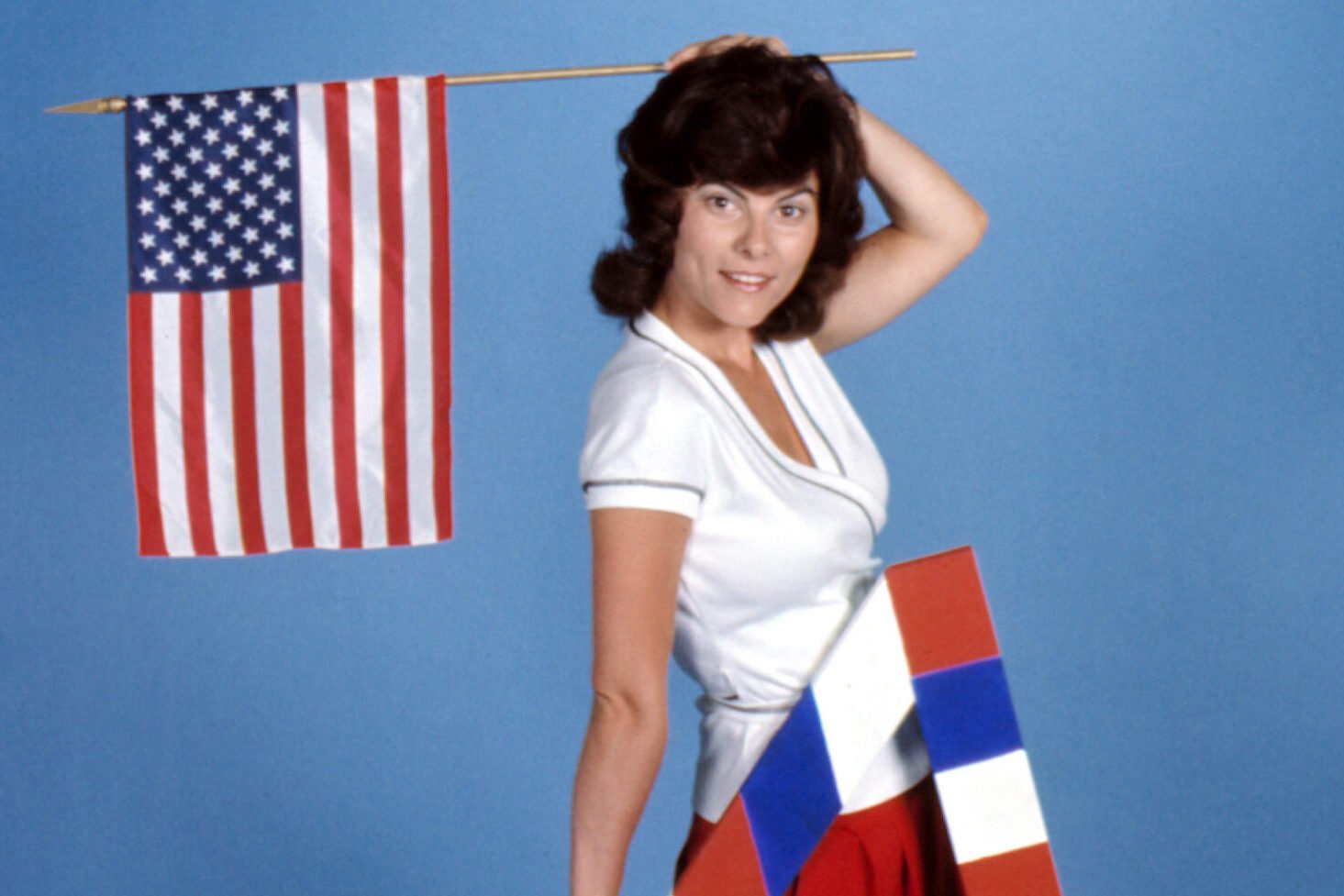
Adrienne Barbeau became widely known through her role on Maude, where her sharp comedic delivery stood out. She quickly became part of the cultural conversation surrounding socially progressive sitcoms. Her distinctive voice and confident presence made her memorable to viewers. For a stretch, she felt like a rising TV fixture.
Barbeau later shifted more toward film, theater, and voice work. While she continued working steadily, her weekly television visibility decreased. Without a recurring primetime role, she slipped out of casual viewing habits. Her career remained active, just less front-and-center for TV audiences.
13. Ralph Carter
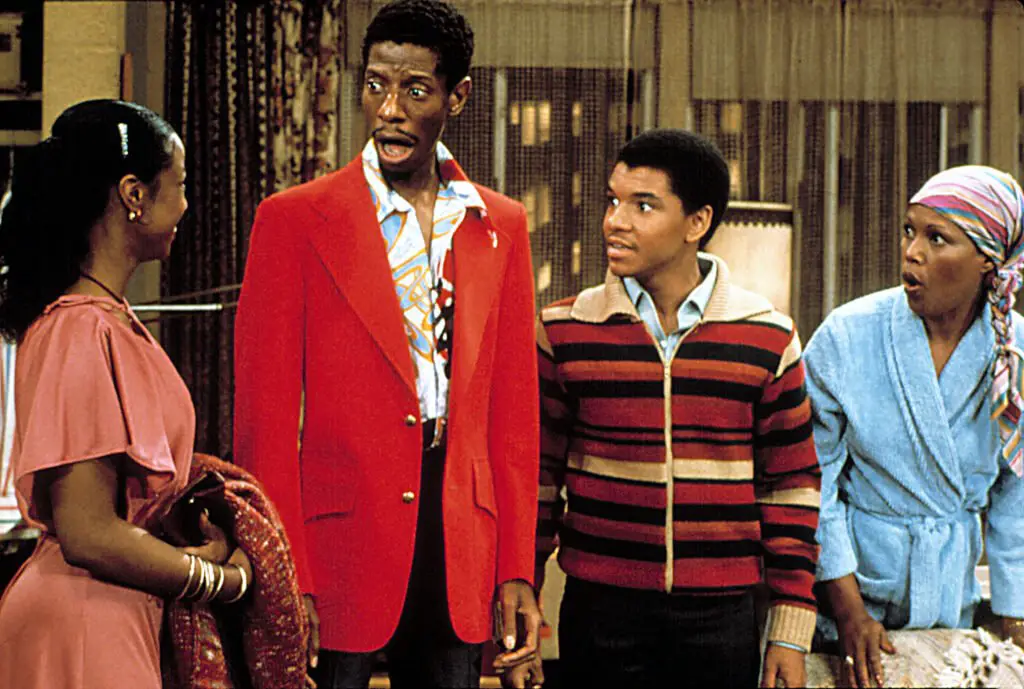
Ralph Carter was a major part of Good Times, playing Michael Evans with intelligence and maturity beyond his years. His performances earned praise and awards attention at a young age. Viewers watched him grow up during the show’s run. He became one of the most recognizable child actors of the decade.
After the series ended, Carter chose to step back from acting. He pursued music and later business interests rather than staying in Hollywood. Because the shift was intentional and quiet, he largely disappeared from screens. Fans often remember him fondly but rarely see him in new projects.
14. Debralee Scott
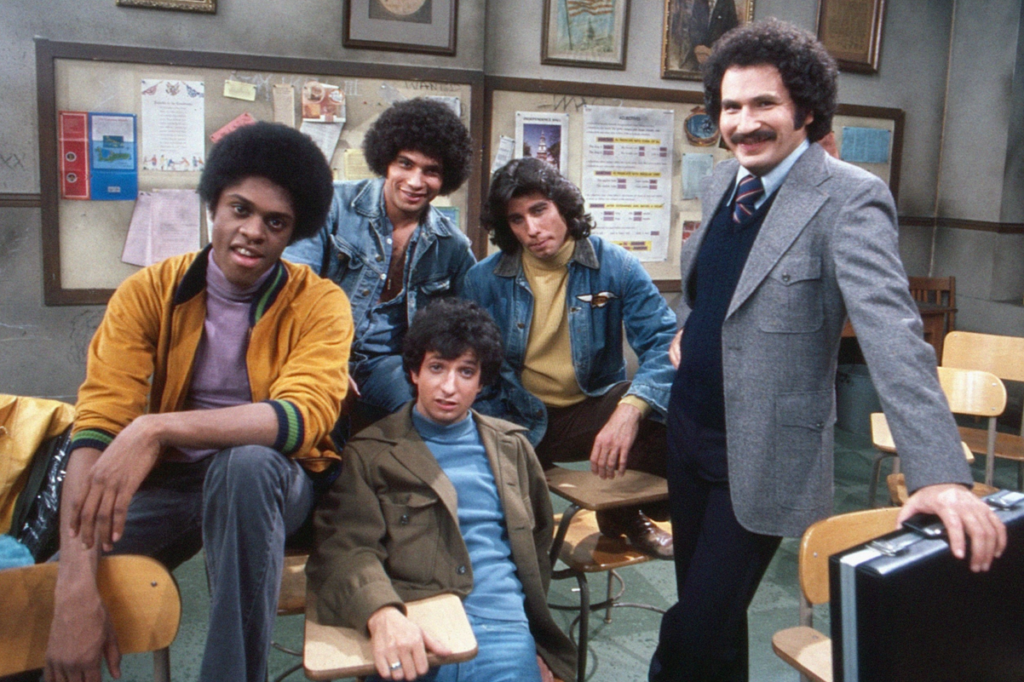
Debralee Scott made a strong impression on Welcome Back, Kotter as the quick-witted Rosalie. Her comedic timing added texture to the classroom ensemble. She appeared in several popular shows during the late ’70s and early ’80s. Her face was familiar even when she wasn’t a series regular.
Over time, steady television roles became less frequent. Scott continued working but mostly outside major network visibility. Without a consistent platform, her presence faded from mainstream awareness. Many viewers are surprised when they revisit old episodes and remember how prominent she once felt.
15. Michael Lembeck
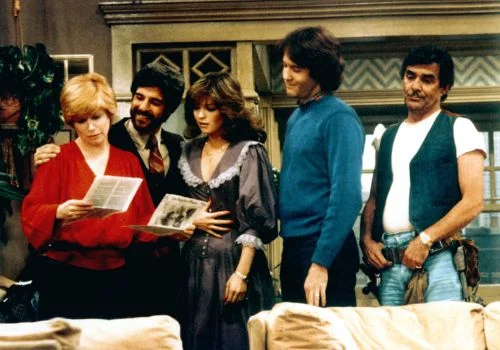
Michael Lembeck became well known as Max Horvath on One Day at a Time. His character brought a grounded, relatable energy to the series during its later seasons. Viewers welcomed him into the show’s evolving dynamic. He became part of many households’ weekly viewing routine.
After acting, Lembeck successfully transitioned into directing television. He worked behind the camera on numerous sitcoms and series. Because his role changed, his on-screen visibility dropped significantly. The shift made it seem like he vanished, even though his career remained busy.
16. Donny Most
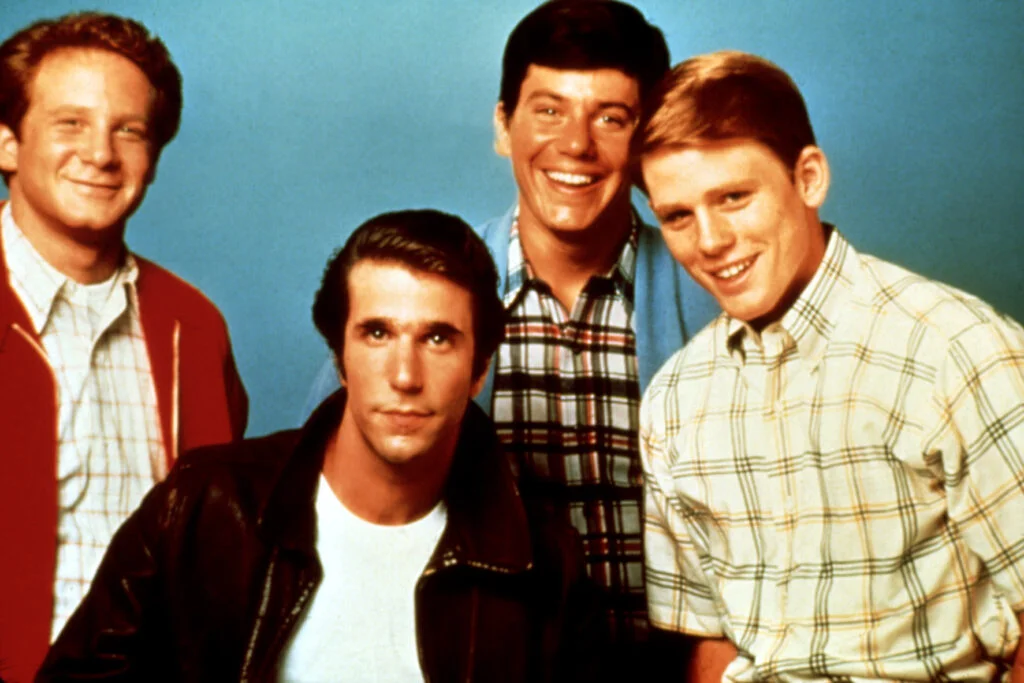
Donny Most played the lovable and slightly awkward Ralph Malph on Happy Days. His character’s humor and earnestness made him a fan favorite. For years, audiences associated him closely with the show’s nostalgic charm. He felt inseparable from the series’ identity.
After the sitcom ended, Most explored music, theater, and occasional acting roles. None matched the cultural reach of his sitcom fame. Without a major recurring television role, his visibility naturally declined. Fans often rediscover him through reruns rather than new appearances.
17. Richard Hatch
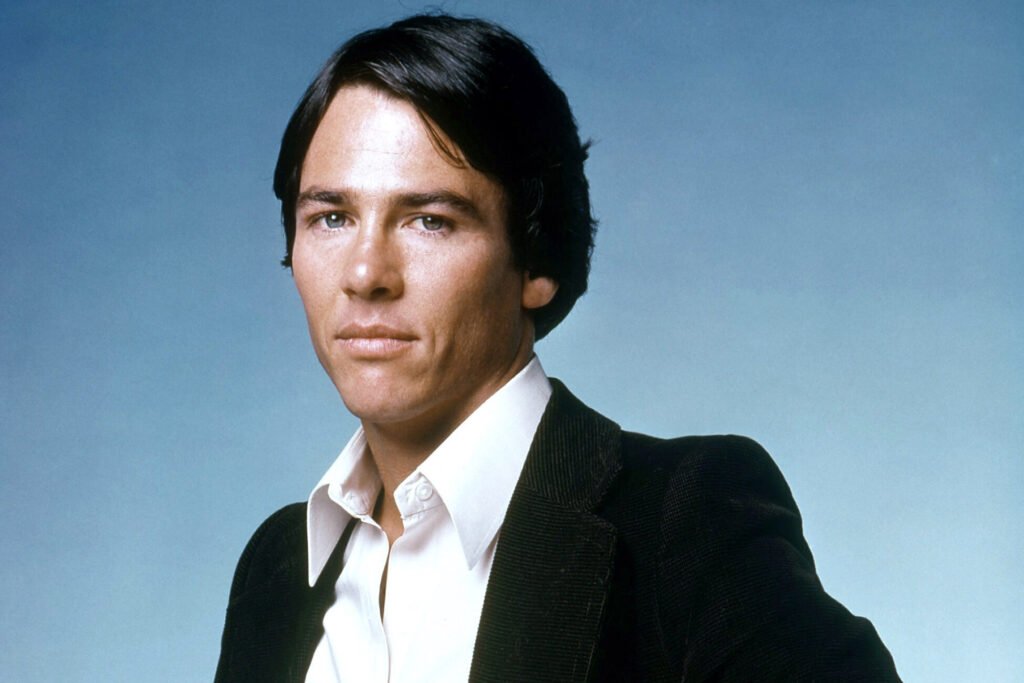
Richard Hatch became a sci-fi star with Battlestar Galactica in the late ’70s. The show attracted passionate fans and strong pop-culture attention at the time. Hatch’s heroic role made him instantly recognizable within the genre. For a moment, he felt positioned for long-term television stardom.
When the series ended, mainstream roles did not materialize at the same scale. Hatch remained active in fan conventions and later franchise appearances, but general audiences saw him less often. His visibility narrowed to niche fandom rather than broad network exposure. The contrast felt sharp after the show’s early hype.
18. Gary Burghoff
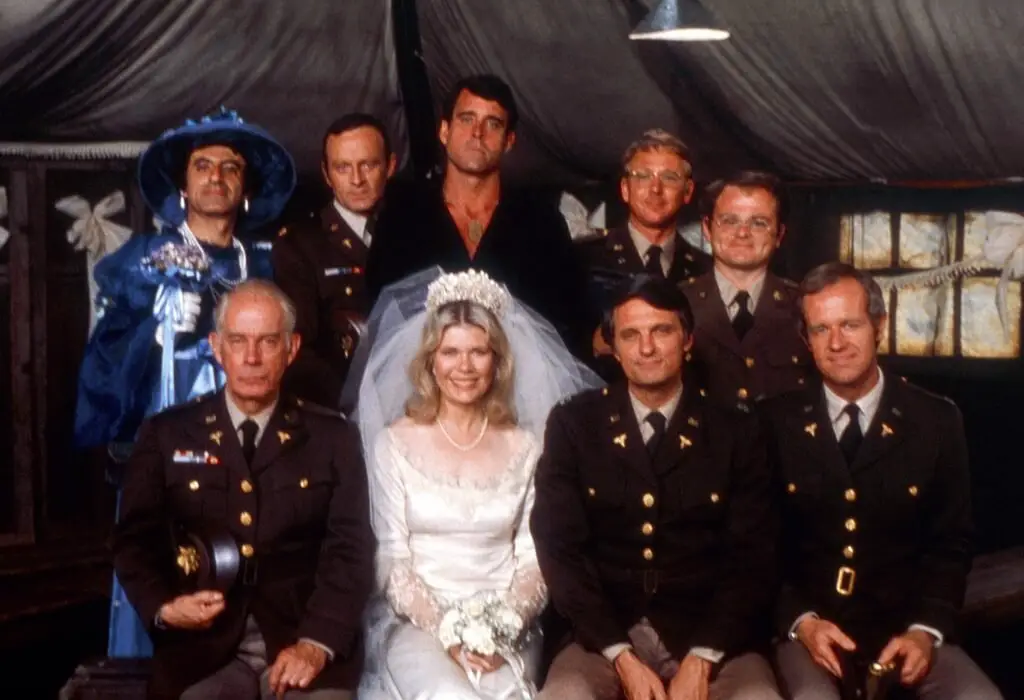
Gary Burghoff became iconic as Radar O’Reilly on M*A*S*H. His gentle humor and emotional sensitivity made the character deeply beloved. Radar merchandise, reruns, and pop references kept Burghoff constantly visible throughout the ’70s. He was one of the show’s most instantly recognizable faces.
After leaving the series, Burghoff chose a quieter professional path. He appeared occasionally but avoided the nonstop pace of television stardom. As years passed, his absence from major roles became noticeable. For many fans, his image remains forever tied to Radar rather than later projects.