
1. Molly Ringwald
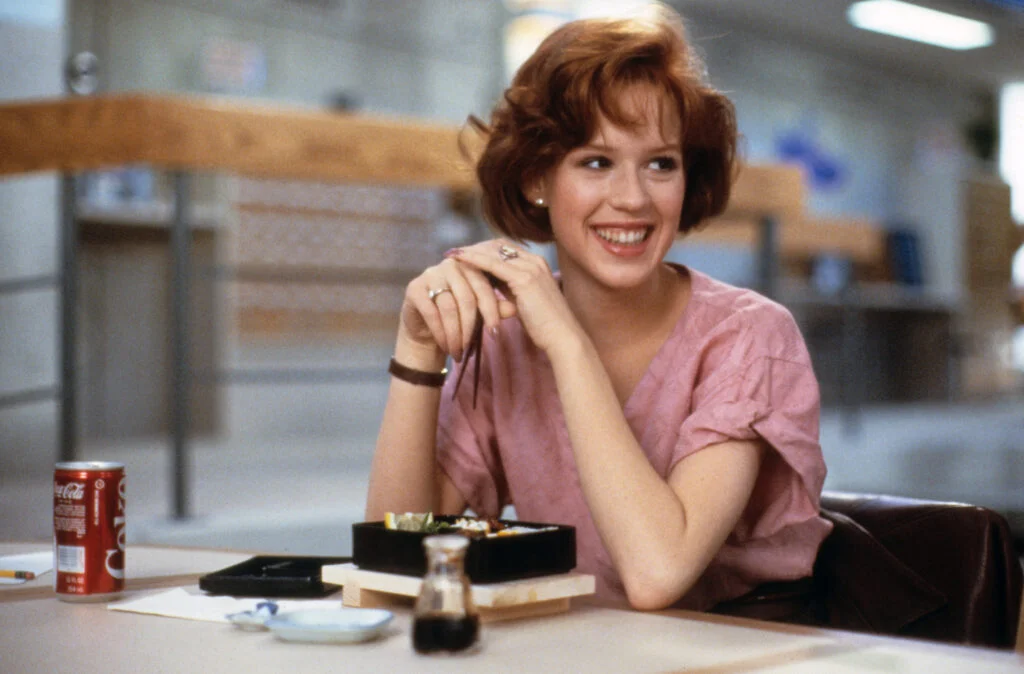
For a few bright years in the mid ’80s, Molly Ringwald felt like the face of teenage America. With Sixteen Candles, The Breakfast Club, and Pretty in Pink, she wasn’t just popular, she was positioned as the next long-term movie star who would age into leading adult roles. Magazines framed her as the future of Hollywood’s romantic and dramatic storytelling, not just a teen icon. Studios kept offering scripts that tried to recreate the same earnest, awkward charm that had made her famous. But as tastes shifted in the late ’80s and early ’90s, that very image started to box her in. Audiences associated Ringwald so strongly with adolescence that it became harder to reintroduce her as a grown-up screen presence. She never disappeared, but the promised mega-stardom never fully materialized.
Ringwald pivoted into theater, independent films, and later television, carving out a steady and respected career instead of chasing blockbuster fame. She also became a writer and cultural commentator, reflecting thoughtfully on her early fame and its complicated legacy. In hindsight, the industry’s expectation that she would automatically transition into a Julia Roberts-style adult stardom was unrealistic. Her career simply evolved in a different direction than marketers predicted. There’s something quietly admirable about how she reshaped her success on her own terms. The hype machine promised one future, but Ringwald chose a more grounded one.
2. Corey Haim
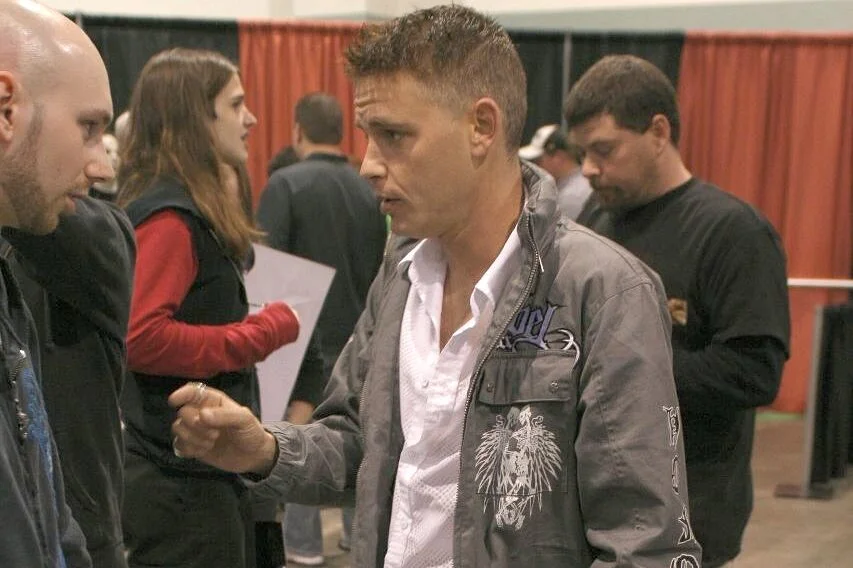
Corey Haim was everywhere in the late ’80s, especially after The Lost Boys turned him into a teenage heartthrob almost overnight. Teen magazines framed him as the next generation’s movie idol, the kind of star who would carry studios into the ’90s. He had hit after hit aimed squarely at young audiences, often paired with Corey Feldman as a bankable duo. The marketing machine leaned heavily into his boyish charm and vulnerability, selling him as a long-term leading man. But as he grew older, roles became harder to come by, and the industry’s support evaporated quickly. Personal struggles compounded the career slowdown in ways that were painfully public. The future that once seemed guaranteed quietly slipped away.
Haim continued acting in smaller projects, but the mainstream spotlight never returned in the same way. His story later became part of a broader conversation about how young performers were treated in Hollywood during that era. Looking back, it’s striking how quickly the industry moved on after building him up so aggressively. The gap between promise and reality feels especially stark in his case. Fans still revisit his early films with affection, aware of how much potential once surrounded him. His legacy now carries both nostalgia and sadness in equal measure.
3. Phoebe Cates
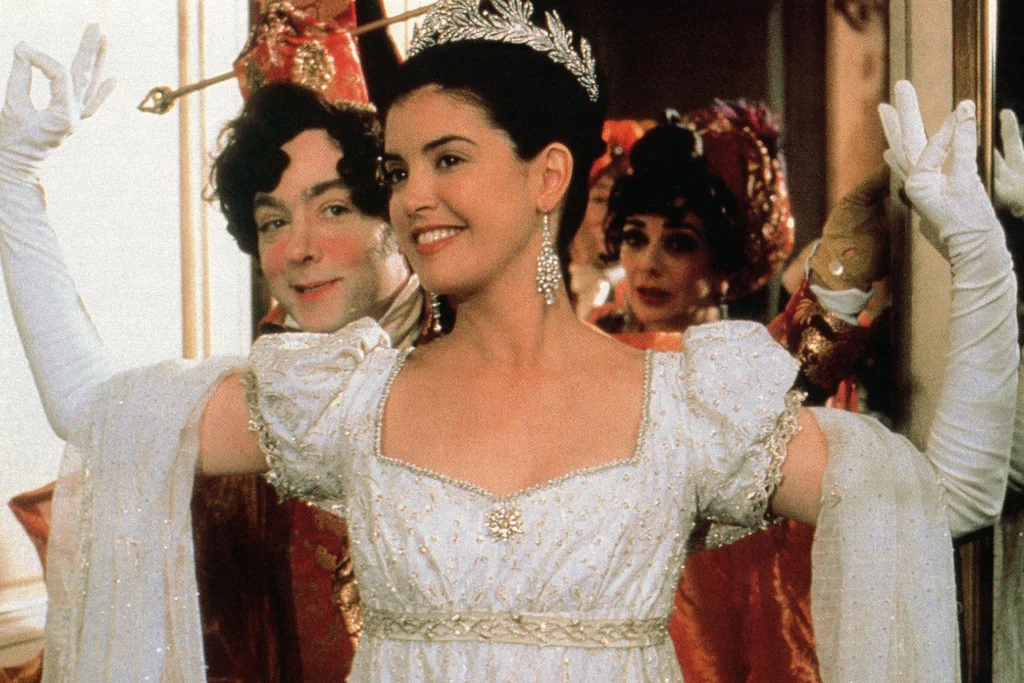
After Fast Times at Ridgemont High and Gremlins, Phoebe Cates seemed destined for a long reign as a major film star. She had the kind of screen presence that studios loved to package as both approachable and glamorous. Marketing positioned her as a new kind of leading lady who could anchor comedies, romances, and fantasy films alike. Throughout the mid ’80s, she appeared constantly in magazines and promotional campaigns. Yet her film output slowed dramatically as the decade closed. Cates eventually stepped away from acting to focus on family life and personal priorities. The carefully constructed image of an unstoppable movie career simply faded.
Rather than chasing fame, Cates embraced a quieter, more private life outside Hollywood. She later opened a boutique in New York, creating a second chapter far removed from studio marketing and celebrity pressure. In her case, the unrealized future wasn’t a failure so much as a deliberate redirection. The industry had projected massive stardom onto her, but she chose something different. It’s a reminder that not every “next big thing” actually wants the future being sold to them. Fans still remember her iconic roles, even if the expected blockbuster trajectory never happened.
4. Emilio Estevez
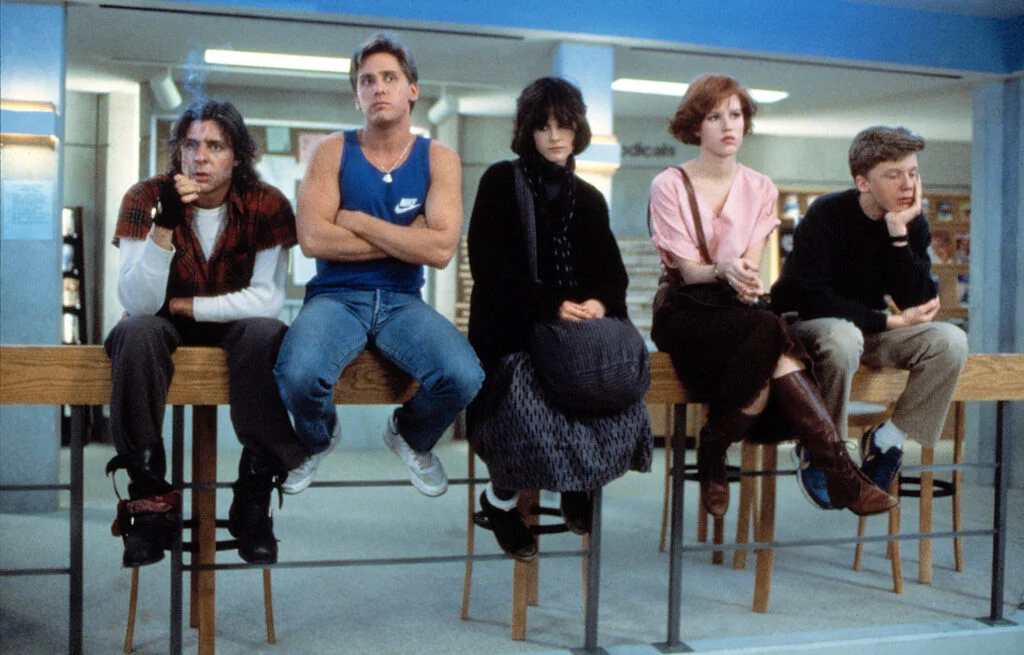
As a core member of the so-called Brat Pack, Emilio Estevez was heavily marketed as one of the defining faces of a new Hollywood generation. Films like The Breakfast Club, St. Elmo’s Fire, and The Outsiders positioned him as a long-term leading man with dramatic credibility. Industry chatter often lumped him alongside actors expected to dominate the next several decades of film. He also scored mainstream success with The Mighty Ducks, reinforcing his bankability in the early ’90s. But his on-screen presence gradually diminished compared to some of his peers. He shifted away from the spotlight rather than chasing constant visibility. The future once predicted for him simply evolved differently.
Estevez found creative satisfaction behind the camera, directing and writing smaller, personal projects. That quieter path didn’t generate the same celebrity buzz, but it offered more artistic control. In retrospect, the marketing hype overshot what the industry could realistically sustain for every Brat Pack star. Not everyone becomes a perpetual blockbuster fixture. Estevez built a respectable career, just not the mega-star arc that early publicity suggested. His work still resonates, even without the nonstop fame machine pushing his name.
5. Ally Sheedy
Ally Sheedy’s roles in The Breakfast Club, WarGames, and St. Elmo’s Fire made her one of the most recognizable young actresses of the ’80s. Studios framed her as a versatile talent who could move easily between edgy drama and mainstream appeal. She was often described as part of the future leadership class of Hollywood’s next generation. Magazine profiles highlighted her intelligence and distinctive presence as signs of long-term staying power. But as the industry shifted toward different trends in the ’90s, the momentum slowed. She didn’t land the same volume of high-profile roles that had once seemed inevitable. The hype gradually cooled.
Sheedy continued acting steadily in independent films, theater, and television, building a durable but quieter career. She also explored writing and teaching, expanding her creative footprint beyond acting alone. In many ways, she avoided the burnout that comes with nonstop stardom. The marketing promised superstardom, but she found a more balanced path. Her performances still hold up, especially for audiences revisiting classic ’80s films. The future simply unfolded in a less flashy way than the press once predicted.
6. Andrew McCarthy
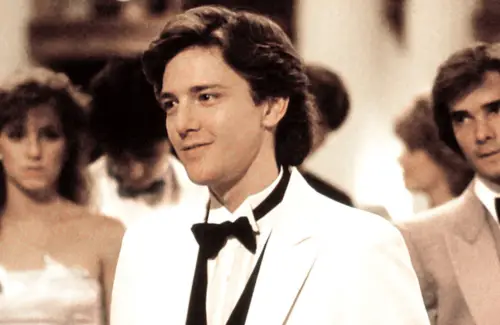
Andrew McCarthy became a defining romantic lead of the mid ’80s through films like Pretty in Pink, St. Elmo’s Fire, and Mannequin. Studios clearly positioned him as the sensitive heartthrob who would anchor the next wave of adult dramas and romances. His image was carefully crafted as thoughtful, gentle, and emotionally accessible. Fan magazines treated him as a long-term leading man rather than a fleeting teen idol. But shifting audience tastes and a crowded marketplace made it harder for that persona to stay dominant. As the decade closed, his big-screen momentum slowed. The future that marketing predicted never quite arrived.
McCarthy transitioned into television, directing, and travel writing, where he found renewed creative success. His memoir and writing career brought a different kind of recognition, rooted in personal storytelling rather than celebrity branding. In hindsight, the idea that one archetype could carry decades of stardom seems overly simplistic. McCarthy adapted instead of disappearing, which speaks to his resilience. The industry moved on from its earlier narrative, but he built a meaningful second act. His career stands as an example of evolution rather than collapse.
7. Judd Nelson
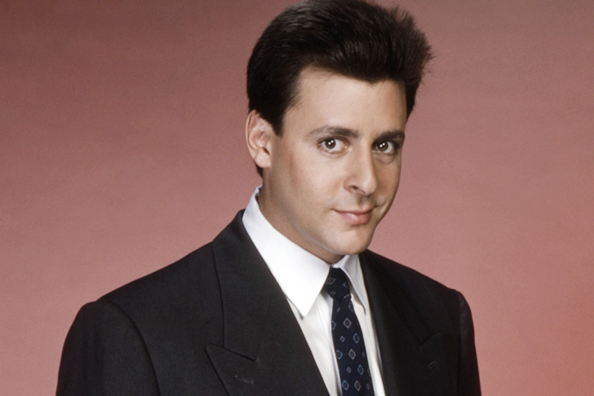
Judd Nelson’s breakout in The Breakfast Club instantly made him one of the most talked-about young actors of the decade. Hollywood marketed him as the rebellious, intense performer who would dominate edgy dramatic roles for years to come. He followed that success with films like St. Elmo’s Fire and voice work in The Transformers: The Movie, reinforcing his visibility. The industry clearly expected him to mature into a major adult leading man. But conflicts, changing trends, and uneven project choices slowed that trajectory. His mainstream momentum never fully stabilized. The predicted future gradually faded from view.
Nelson continued acting consistently in films and television, often in character-driven or niche roles. His voice work and independent projects kept him creatively active even as blockbuster visibility declined. Looking back, the marketing push may have underestimated how volatile fame can be in a rapidly shifting industry. Not every breakout star converts early buzz into lifelong marquee status. Nelson remains a familiar face to fans of ’80s cinema, even if the superstardom narrative didn’t hold. The legacy rests more on iconic roles than on sustained hype.
8. Jennifer Grey
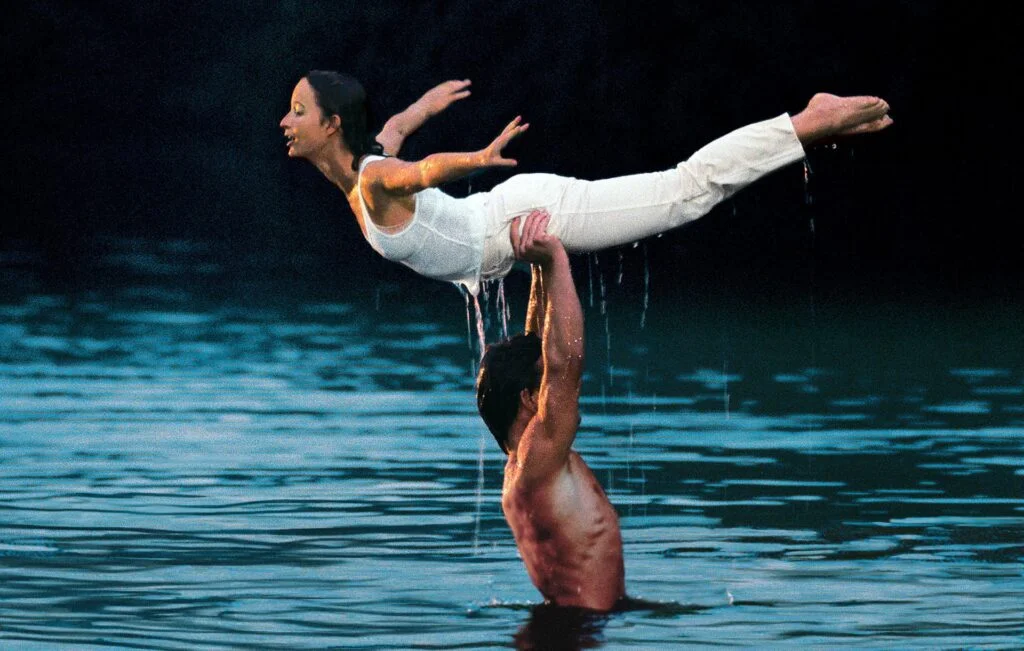
Jennifer Grey’s star power peaked dramatically after Dirty Dancing turned her into a cultural phenomenon almost overnight. Studios positioned her as a future romantic lead who could anchor big studio films for years. Her chemistry, relatability, and box-office draw seemed like a perfect formula for longevity. The marketing momentum behind her was enormous, with constant media coverage and endorsements. But personal choices and career interruptions slowed that ascent. A later decision to undergo a nose surgery changed her recognizability in ways that affected casting. The future once projected for her shifted unexpectedly.
Grey eventually returned to the spotlight through television, including winning Dancing with the Stars, which reintroduced her to a new generation. Her career story became a fascinating case study in how image, timing, and identity intersect in Hollywood. The industry’s original marketing vision didn’t account for how fragile celebrity branding can be. Grey remains beloved for one unforgettable role rather than a long string of blockbusters. Sometimes one iconic moment outweighs decades of steady visibility. Her path underscores how unpredictable fame truly is.
9. C. Thomas Howell
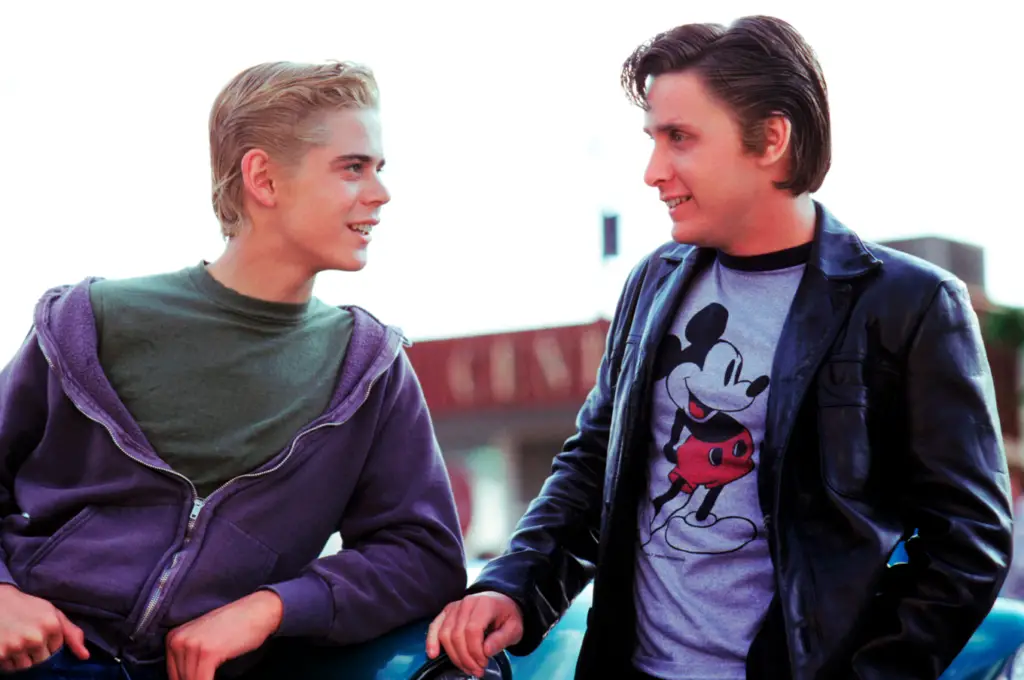
C. Thomas Howell burst onto the scene with The Outsiders and quickly became a recognizable young face in teen-oriented films. Hollywood promoted him as a dependable rising star who could grow into more mature leading roles. His early visibility made it seem like a long-term career in mainstream cinema was inevitable. He worked steadily through the mid ’80s, appearing in films that leaned heavily into youthful appeal. But major studio opportunities gradually dwindled as the decade ended. The marketing momentum didn’t translate into lasting A-list status. His profile quietly shifted toward smaller projects.
Howell continued acting extensively in independent films and television, maintaining a prolific but less visible career. He also explored directing and producing, expanding behind-the-scenes skills. In retrospect, the industry’s tendency to overpromise future stardom created expectations that few actors could realistically meet. Howell never stopped working, even if the spotlight moved elsewhere. His longevity speaks more to persistence than hype. The future simply arrived in a different form than originally advertised.
10. Brooke Shields
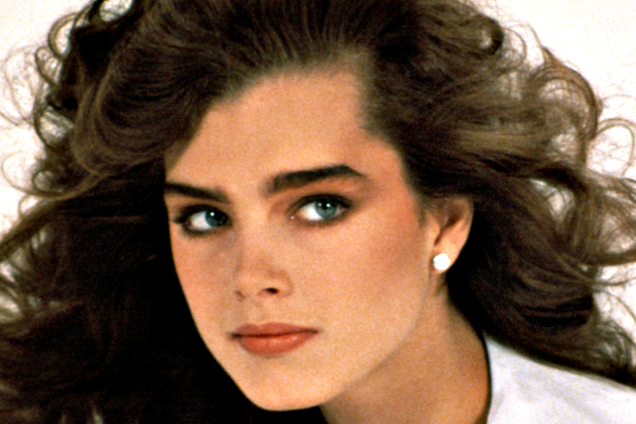
Brooke Shields entered the ’80s already famous, and the decade amplified her visibility into near-constant cultural presence. With modeling campaigns, films, and television appearances, she was marketed as a once-in-a-generation superstar who would dominate multiple entertainment lanes. The industry framed her as both a fashion icon and a serious performer in development. Her fame level suggested a career that would only keep expanding. Yet as she matured, the intensity of that marketing cooled. Roles became more selective and less omnipresent. The projected unstoppable ascent leveled off.
Shields successfully reinvented herself through Broadway, television sitcoms, and writing, maintaining steady relevance without constant headline dominance. Her career demonstrates that sustainability often looks different from early hype. The expectation of nonstop cultural saturation was unrealistic in the long term. Instead, she built a multifaceted career that evolved with age and interests. The future promised by ’80s branding softened into something more balanced. Longevity replaced spectacle.
11. Rick Moranis
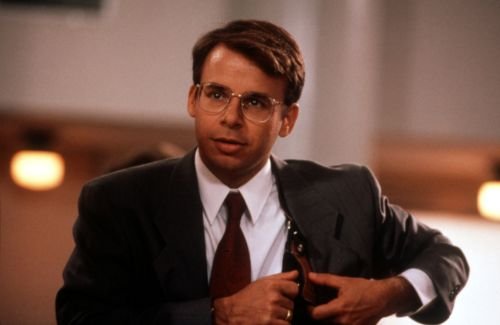
Rick Moranis became one of the most recognizable comedic faces of the ’80s through films like Ghostbusters, Spaceballs, and Honey, I Shrunk the Kids. Studios marketed him as a reliable box-office draw who could anchor family comedies for years. His quirky intelligence and warmth made him extremely bankable. It felt like he was positioned for decades of steady mainstream success. Then, in the late ’90s, Moranis stepped away from acting to focus on raising his children after his wife’s passing. The future once mapped out by Hollywood abruptly changed. His disappearance from the spotlight surprised many fans.
Moranis later resurfaced occasionally through voice work and limited appearances, maintaining his legacy without returning to full-time acting. His choice reframed success in deeply human terms rather than career metrics. The industry’s projections never accounted for personal priorities overriding fame. He remains beloved precisely because he left at the height of goodwill rather than burning out. The marketing future dissolved, but his cultural footprint stayed intact. Sometimes stepping away preserves a legacy more than constant visibility ever could.
12. Lea Thompson
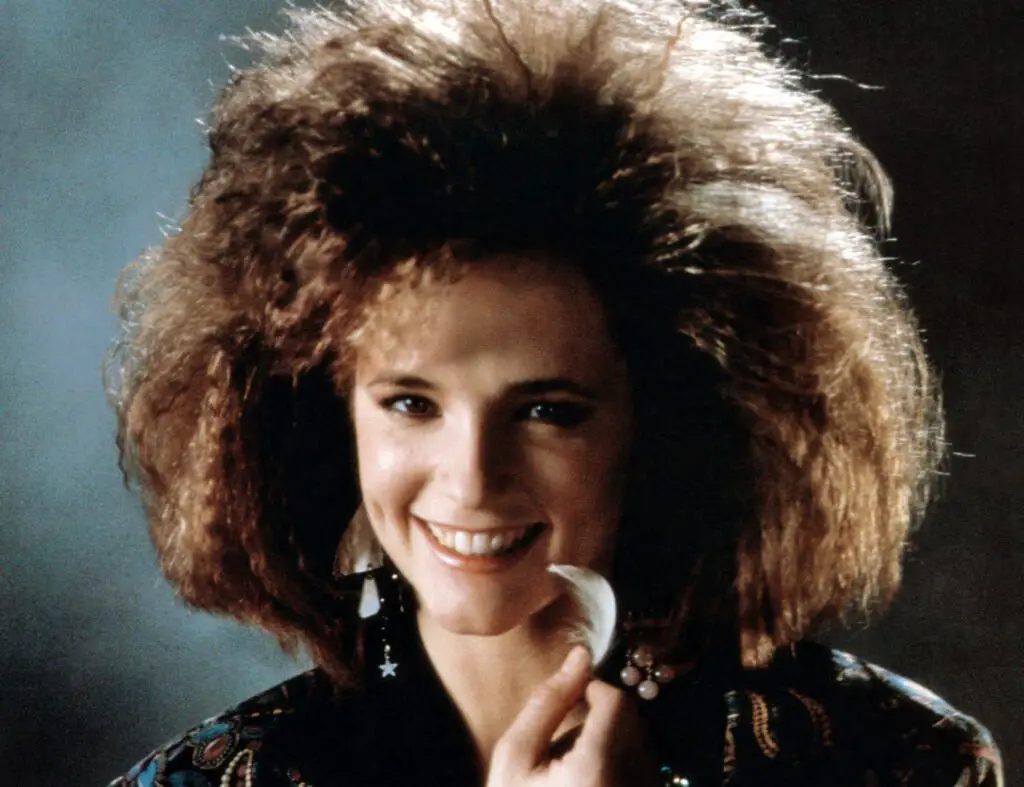
Lea Thompson became a household name thanks to Back to the Future and a steady run of ’80s films and television work. Studios positioned her as a versatile leading lady capable of anchoring comedies, romances, and sci-fi franchises. The marketing suggested she would transition seamlessly into decades of top-tier roles. Her warmth and relatability made her especially appealing to broad audiences. As the industry shifted in the ’90s, those large studio opportunities became less frequent. The hype gradually cooled. The predicted trajectory softened into steadier, smaller-scale work.
Thompson found renewed visibility through television, including long-running roles and directing opportunities. Her career demonstrates adaptability rather than decline. The early branding promised constant blockbuster presence, which few actors actually sustain. Instead, she built a durable career across mediums. Fans continue to associate her strongly with beloved franchises rather than sheer volume of projects. The future turned out to be stable rather than spectacular.
13. Mickey Rourke
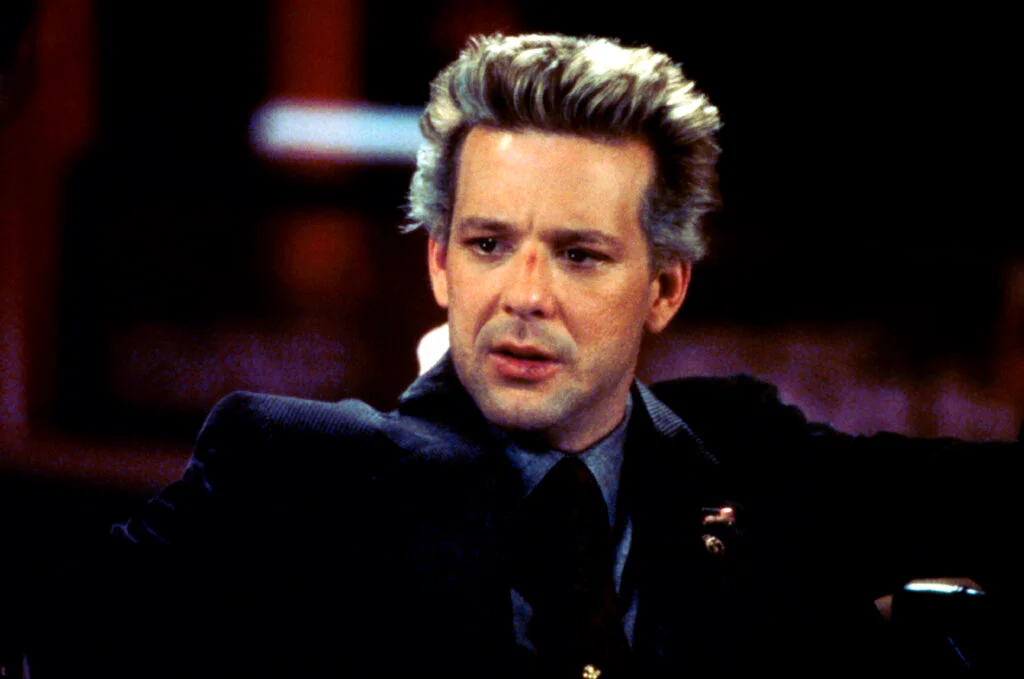
Mickey Rourke was heavily marketed in the mid ’80s as the next great brooding leading man, often compared to classic Hollywood rebels. Films like 9½ Weeks and Angel Heart positioned him as both commercially viable and artistically daring. Studios clearly invested in him as a long-term marquee draw. His image was carefully cultivated as edgy and magnetic. But personal choices, boxing injuries, and career detours disrupted that momentum. His mainstream star power faded sharply by the early ’90s. The future once predicted unraveled quickly.
Rourke later staged a notable comeback with acclaimed performances in independent films, reclaiming critical respect if not full blockbuster dominance. His career arc became one of reinvention rather than sustained hype. The volatility of early fame caught up with him in ways marketing never anticipates. His story illustrates how fragile industry projections can be. Talent alone does not guarantee stability. The future shifted dramatically, but the craft endured.
14. Meg Ryan

Meg Ryan’s rise began in the late ’80s, positioning her as the next great romantic comedy star heading into the ’90s. Marketing framed her as America’s sweetheart in the making, with charm that seemed endlessly bankable. Studios clearly expected decades of leading roles built around her approachable persona. For a time, that prediction held true spectacularly. But shifts in public taste and personal career choices gradually changed her visibility. The constant dominance slowed earlier than many expected. The future that once seemed automatic became more complicated.
Ryan eventually stepped back from constant starring roles, focusing on selective projects and directing. Her legacy remains enormous even without nonstop output. The marketing narrative of permanent box-office dominance proved unrealistic. Cultural icons often peak intensely rather than endlessly. Ryan’s impact remains secure despite a quieter later career. The future simply recalibrated rather than collapsed.
15. Eric Roberts

Eric Roberts exploded onto the scene with critically acclaimed early performances that positioned him as a future dramatic heavyweight. Studios marketed him as a serious actor capable of leading prestige projects. Awards attention reinforced the narrative of long-term elite status. His early promise suggested a sustained run at the top of the industry. But inconsistent project choices and personal challenges fragmented that momentum. His career shifted toward prolific volume rather than concentrated prestige. The original marketing vision never fully materialized.
Roberts became one of the most prolific actors in Hollywood, appearing in hundreds of projects across genres and budgets. While the A-list trajectory faded, his working consistency remained remarkable. His career reflects endurance rather than curated stardom. The industry’s early projections underestimated how unpredictable personal and professional paths can be. He built a different kind of legacy, defined by sheer output and persistence. The future arrived, just not in the form that marketing promised.